
Klong Khong Beach, Koh Lanta: A Practical Guide to Visiting

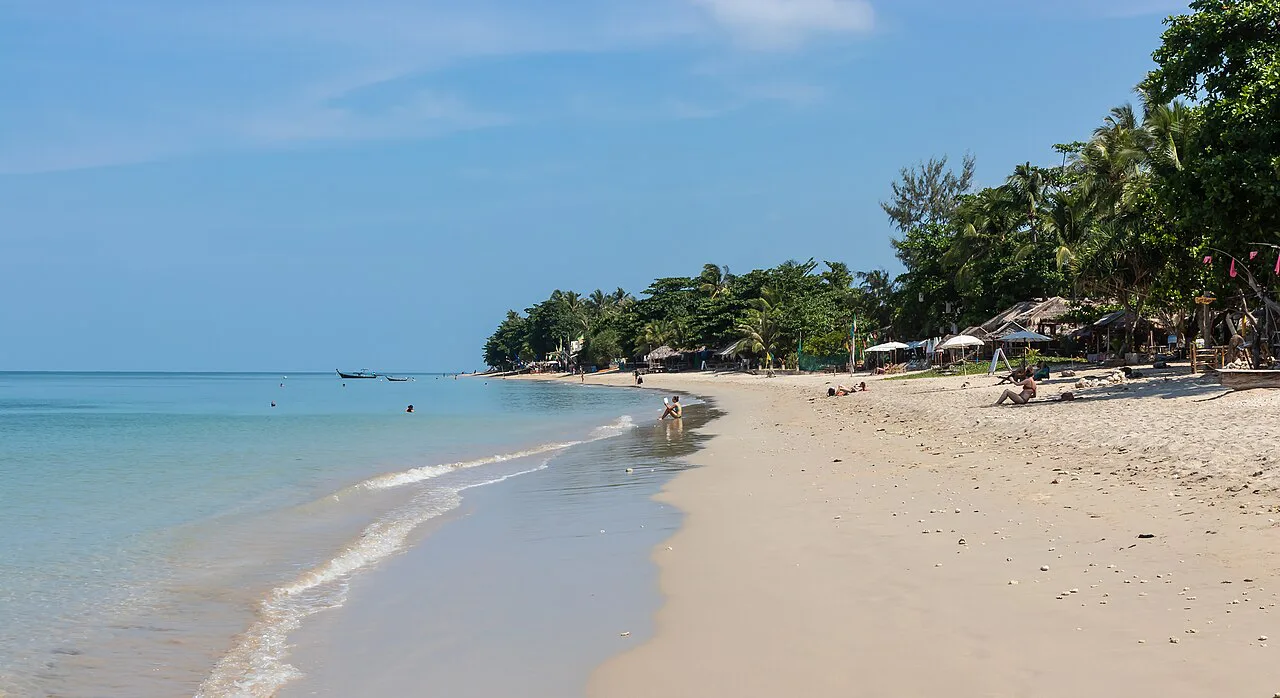
Klong Khong Beach is the mid-island, mid-budget stretch of Koh Lanta's west coast: long, sandy in parts, rocky in others, and lined with some of the island's cheapest rooms and a run of beach bars. It is not the polished resort beach and it is not the wild southern bay — it is the practical, sociable middle, and knowing that before you book saves a lot of second-guessing. This guide covers where the beach sits, how to get there, which end to choose, how the swimming actually works with the tides, and when to go.
Where Klong Khong Beach sits on Koh Lanta
Klong Khong runs along the west coast of Koh Lanta Yai, the main island most visitors simply call Koh Lanta, in Krabi Province on the Andaman Sea. It occupies the middle of the island's beach chain: Klong Dao and Long Beach lie to the north toward Saladan, and Klong Nin sits to the south. Because the main north-south road runs behind the beach strip, you are never far from shops, restaurants and your guesthouse, but you also are not on a remote shore.
Use Saladan, the northern port town, as your mental anchor: it is where ferries and the road from Koh Lanta Noi deliver most arrivals, and everything on the west coast is measured from there southward. The island is roughly 25 kilometres (15.5 miles) long, so distances are modest but not walkable end to end. If you arrive by road, you pass through the smaller island of Koh Lanta Noi first, which is worth knowing when you plan your transfer.

How to get to Klong Khong Beach
A rented scooter is the most flexible way to reach Klong Khong and to move between its access points, and tuk-tuk taxis can cover the same trip if you would rather not ride. Along Dusty Roads notes that a scooter is best for reaching most Koh Lanta beaches, while beaches a drive away from your accommodation remain reachable by tuk-tuk taxi. Fares and rental rates are not published in a stable, citable form, so confirm the price in Thai baht with your hotel or the rental shop before you commit.
Access is the part that trips people up. Beaches on this coast are long, and the side roads off the main highway sometimes end at a restaurant with parking and a walk-through, sometimes at a private-property sign. Look for a gap with a business or a clear path rather than assuming every lane reaches sand, and ask your guesthouse which entrance is closest to your room.
If you plan to continue south afterward, the route matters. To reach the southern beaches you take the right turn off the highway onto Horizon Road after the Klong Nin 7/11, watching for the sign pointing to the national park; it is easy to miss. The drive itself is scenic but has bends, blind corners, potholes and monkeys crossing, so ride slowly.

Which end of the beach to choose
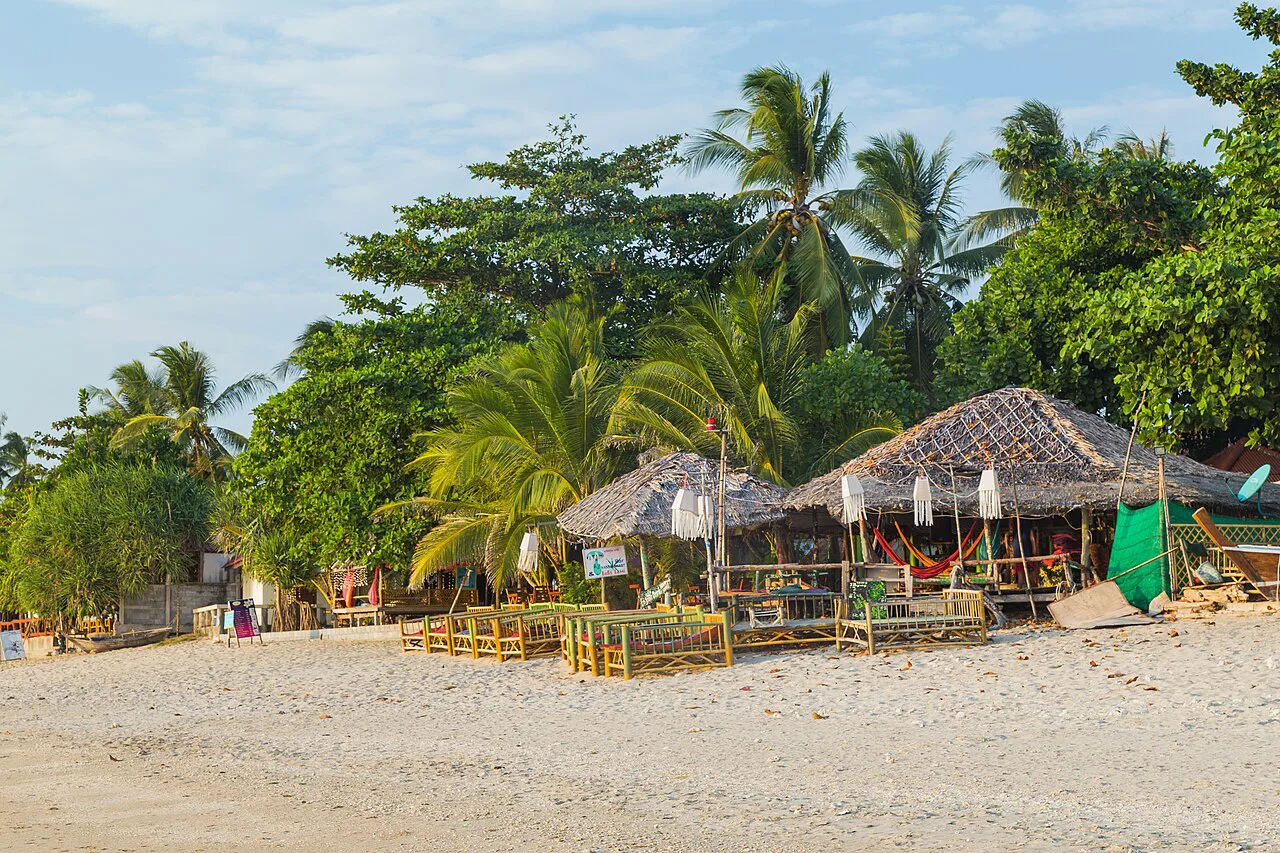
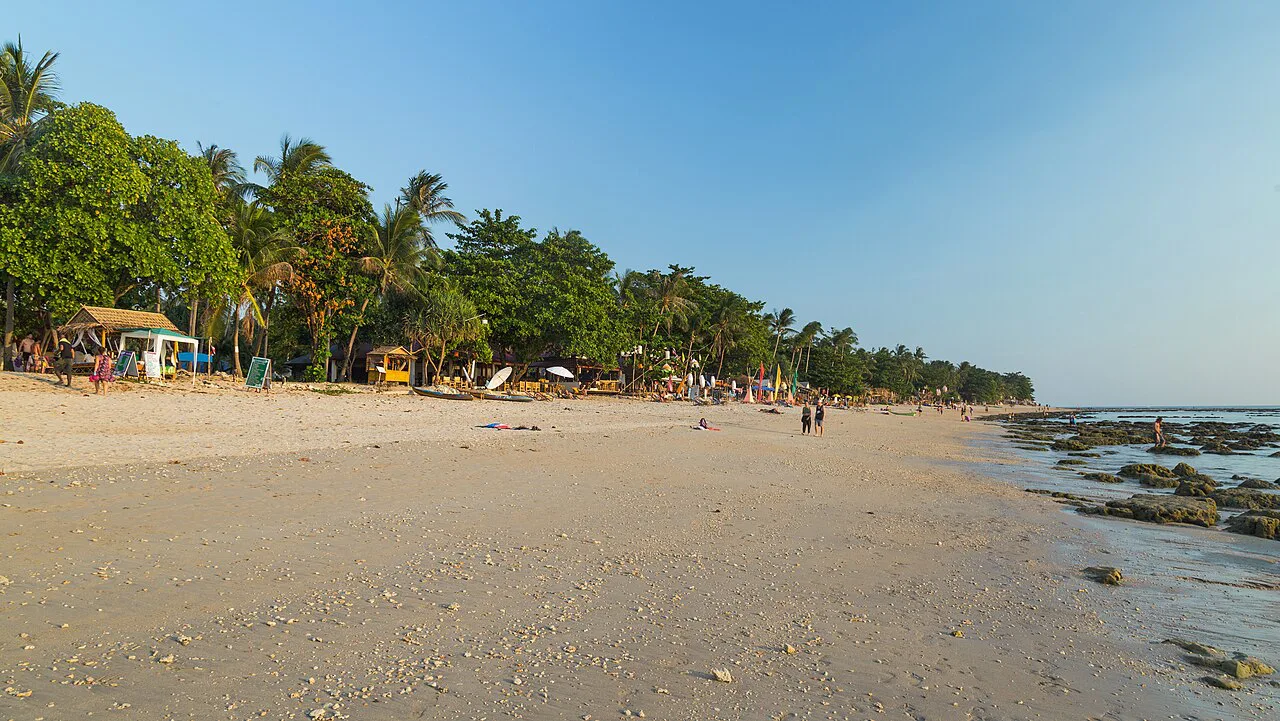
Klong Khong is a long stretch, and which end you pick decides how much walking you do for food, drinks and your room. Stay near the middle or wherever the bar and restaurant cluster is densest if you want to step off the sand into dinner; stay toward the quieter ends if you want fewer people and Don't mind a short ride for supplies. The upside of the length is that peak-season crowds spread out, so the beach rarely feels packed even when the island is busy.
This beach probably has some of the most affordable accommodation on the island, and the stretch is long enough to find a good spot, with plenty of beach bars and restaurants along it. Much of that lodging sits on or just off the sand, so read the map carefully: a cheap bungalow can be a short walk from the water or a hike down a lane. Check current room availability and rates on booking sites rather than relying on any figure quoted in a guide.
Swimming, tides and rocky patches
This is the honest caveat: Klong Khong is not a uniformly smooth swimming beach. There are rocky patches in the water, so you'll want to be a little careful when swimming, and at low tide getting in is pretty tricky, according to 22places. Pick your entry point by watching where other people walk in, and wear something on your feet if you plan to wade at low water.
Conditions change with the season and the day, so treat any description as a starting point rather than a guarantee. The west coast takes the southwest monsoon between May and October, which can bring bigger waves and stronger currents, and you should check locally before entering the water and never swim where red flags or warning signs advise against it. Ask at your hotel about the current surf and tide pattern before you set out.
When to go
For calm water and reliable beach days, aim for November to April, with December to February the most popular window and therefore the busiest. Between May and October the monsoon can bring heavy rain, bigger waves and stronger currents along this west-facing coast, and some beachfront bars, restaurants and accommodation close for the season. You can still catch lovely sunny days outside the peak months, but Don't expect the calm swimming conditions the high season delivers.
Check what is actually open before you book a low-season stay on this stretch specifically. Because Klong Khong leans on beach bars and smaller guesthouses, seasonal closures bite harder here than at year-round resort beaches, and a quiet bar strip changes the appeal. Your accommodation is the best source for what is trading during your dates.
Who Klong Khong suits, and who should look elsewhere
Klong Khong suits budget travelers and long-stayers who want cheap rooms, a sociable bar strip and sunset walks without paying resort prices. If that is your trip, this beach delivers, and the road behind it keeps everyday errands easy. If you want polish, a wide clean swimming bay and resort service, this is not the beach to build a holiday around.
Families with young children and anyone who swims daily should weigh the alternatives carefully, because shallow, gently sloping sand is the thing to prioritize. Klong Dao, at the northern end of the island's beach chain, has white sand, stays very shallow and is described as well suited to families with kids, while the far south around Kantiang Bay is the scenic, secluded choice. Both mean a different base and a different budget.
If you like the sound of a quieter southern shoreline with a similar laid-back feel, Klong Nin Beach, Koh Lanta is the obvious next stop down the coast, with its own long sandy stretch, cafés and resorts. Read the dedicated guide before deciding which of the two to book, since they compete for the same kind of traveler.
What's nearby
The east coast's Old Town, with its stilted houses and slow pace, makes an easy half-day change of scene from the beach strip. Pair it with the Koh Lanta community museum if you want context on the island's mixed Thai, Chinese and Muslim heritage, and go early in the day when the light is better and the drive is cooler.
South of Klong Khong, the beaches get wilder and the access more involved, which is part of the appeal. Bamboo Bay, Koh Lanta and the national park beach at the island's tip reward the drive with scenery you won't find mid-island, but they are a separate outing, not a stroll from your room. Plan them as a day trip with a scooter and a full afternoon.
If you want to fill the rest of your days beyond the sand, the island's cooking classes, animal welfare visits, boat trips and diving are all within reach of a Klong Khong base. Browse the wider list of things to do in Koh Lanta to slot them around beach time rather than planning day by day on arrival.
Checking current conditions before you go
Klong Khong is a public beach with no ticket gate, so there is nothing to book in advance for the sand itself; what you need to verify is conditions. Before you travel, check a tide table for the Krabi coast so you know when low water will make entry awkward, and ask your hotel on arrival about the current surf, any red flags and which section of the beach is safest for swimming that week.
Sunset is the reliable daily event here, because the whole west coast faces it. Build your evening around it rather than treating it as a bonus, and keep your plans flexible enough to move if the weather turns. Use the Koh Lanta Attractions: 6 Visitor Guides hub to compare this beach with the rest of the island before you lock in a base.
Should you base yourself at Klong Khong?
Choose Klong Khong if your priority is cheap rooms, a sociable bar strip and long sunset walks, and you are happy to pick your swimming spot around rocks and tides. Skip it if you want a wide, shallow family bay or resort polish — Klong Dao in the north or Kantiang in the south will serve you better. Decide by which beach you want to wake up on, not which one photographs best.
Frequently Asked Questions
Can you swim at Klong Khong Beach?
Yes, but with care. There are rocky patches in the water and low tide makes entry awkward, so pick your spot by watching where others walk in and consider reef shoes. In monsoon months the west coast can see bigger waves and stronger currents; check locally before entering and never swim where red flags or warning signs advise against it.
Is Klong Khong Beach good for families?
It is workable but not the natural family pick. The beach is long and the atmosphere is relaxed, yet rocky patches and low-tide entry make swimming less simple than at a shallow, gently sloping bay. Families who swim daily often prefer Klong Dao in the north for its very shallow water.