
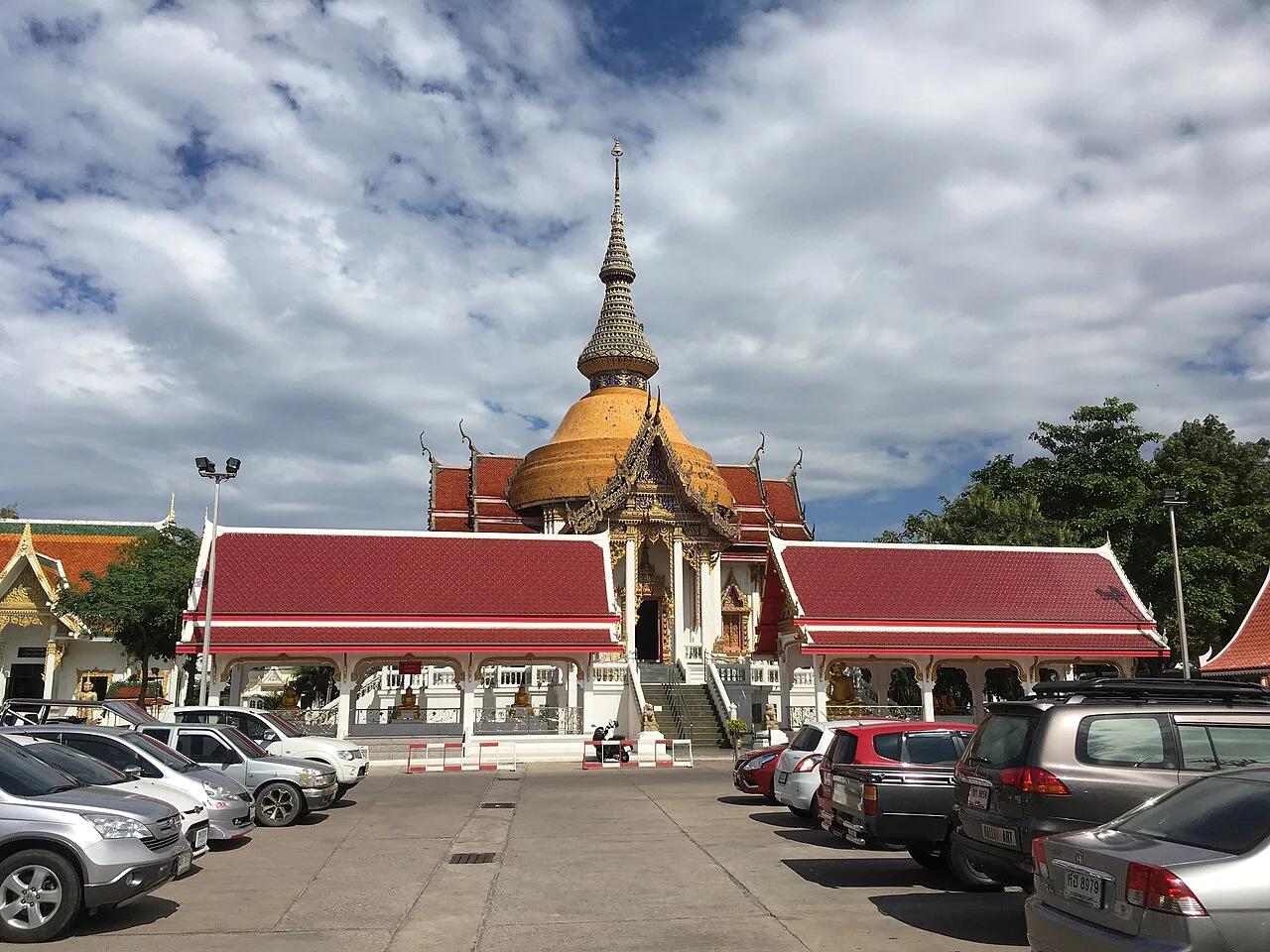
Wat Chai Mongkhon, Pattaya: How to Visit the City's Oldest Royal Temple

Wat Chai Mongkhon is worth a 30- to 60-minute stop, and it costs you nothing but a detour: it sits on the corner of South Pattaya Road and Second Road, a short walk from the Beach Road end of the city. It is an active royal monastery rather than a ticketed attraction, which is why most visitors walk past the storefronts that screen its grounds. This guide covers where the entrance is, what to see, how long to allow and what to verify first.
Treat it as a temple stop folded into a South Pattaya afternoon, not a half-day outing, and aim for daylight so the shrines and the black chedi are clearly visible. Because the compound hides behind shops along Second Road, knowing that the main gate faces South Pattaya Road saves you a lap of the block.
What and Where Wat Chai Mongkhon Is
Wat Chai Mongkhon is a Buddhist temple on South Pattaya Road, Nong Prue subdistrict, Bang Lamung district, Chonburi Province, and one listing gives the address as 27 Mu 10, South Pattaya Road. It is described as a royal temple, the Thai designation for a monastery formally tied to the monarchy, which places it among the more significant temples in the Pattaya area. For orientation across the wider city, see Pattaya Attractions: 4 Visitor Guides.
The compound occupies a surprisingly large block, but the street frontage is lined with shops along Second Road, so the temple reads as unassuming from the pavement. The main entrance is on South Pattaya Road, which is the one detail worth memorizing.
One widely reproduced description says the temple was first established in 1937 on land donated by a local benefactor, expanded from 1954, and formally designated a royal temple in January 2013, with more than 30 buildings on site. That account comes from a stock-photo caption rather than the temple itself, so treat the dates as reported rather than official.
How to Get There and Why You Might Miss It
From Beach Road or Walking Street, the temple is close enough to reach on foot, and the walk brings you up South Pattaya Road toward the Second Road junction. If you are staying further out, a songthaew or motorbike taxi will drop you at that corner; fares are quoted locally in baht, so agree the price before you get in.
The trap is the approach from Second Road, where shops and signage at street level conceal the temple buildings behind them. Walk to the South Pattaya Road side and use the main gate there instead of hunting for an opening along the shopfronts.
Public transport details for the wider district are easiest to confirm locally or through the temple, since booking pages tend to list only a pin on a map. If you are combining the temple with other stops, nearby Underwater World Pattaya is one option in the area.
How Much Time to Allow
Budget 30 to 60 minutes for a respectful walk through the main shrines, the ordination area and the pagoda, enough to see the highlights without hurrying. One booking listing suggests a sightseeing window of one to two hours, but that range assumes a slower, more thorough visit than most travelers make.
Add time if you want to sit quietly during a prayer session, make an offering, or photograph the decoration in detail. Because this is a working monastery with monks living on site, leave room for whoever is using the buildings.
What to See Inside the Compound
The Phra Phuttha Chinnarat shrine is the highlight for many visitors, housing a replica of the Phra Phuttha Chinnarat image alongside Luang Por Phutthachaimongkol, which one visitor account describes as more than 300 years old. The same account points to the Phra Luang Por Sam Samai shrine, which holds Buddha images in the Chiang Saen, Sukhothai and U Thong styles along with an Emerald Buddha figure.
Look for the Phra Chedi Rae Koh Lan, a striking black pagoda carrying an image of Rahu, which visitors approach for blessings and which stands out against the paler temple buildings.
Because these identifications come from visitor write-ups rather than a temple plan, use them as a guide to what you are looking at rather than a fixed route. Signage on site and temple staff are the better authority.
The Buddha Images and the Sailors' Tradition
Local accounts describe the temple as a long-standing source of spiritual support for Pattaya residents, with fishermen and sailors historically coming to pay respects to Luang Por Phutthachaimongkol before heading to sea.
If you arrive while devotees are praying or making merit, watch from a respectful distance rather than stepping into the middle of the session. Making a small donation is customary at Thai temples, and donation boxes are typically available, so carry small notes in baht.
Dress Code and Temple Etiquette
Cover your shoulders and knees for both men and women, and carry a sarong or light scarf in case you need to wrap up. Loose, comfortable clothing is the practical choice in Pattaya's heat.
Remove your shoes before entering temple buildings and look for the racks near the doorways. Keep your voice low, avoid touching or climbing on statues, and do not photograph worshippers without permission or use flash around people at prayer.
If a monk or temple staff member is available, a respectful question about the buildings or customs is usually welcome, but do not interrupt anyone mid-ritual. Follow posted signs over any general advice you read online.
Hours, Entry Cost and What to Verify
The temple's opening hours are not reliably published: one listing simply says to contact the attraction to confirm specific opening hours, a clear signal that no fixed public schedule is guaranteed. Check with the temple or your hotel on the day you plan to visit.
No confirmed entry fee appears in the available listings, and this is a working monastery rather than a ticketed attraction, so do not expect to buy a ticket in advance through a third-party site. If a charge applies on the day, it will be collected on site; confirm there rather than budgeting from an unverified figure.
The listing also gives a contact number for ticket inquiries, the practical channel if you need to ask about access or group visits before you travel.
Do Not Confuse It With Ayutthaya's Wat Yai Chai Mongkhon
Wat Yai Chai Mongkhon in Ayutthaya is a separate temple, an ancient royal monastery founded in the 14th century and famous for its huge central chedi and reclining Buddha. It is several hours from Pattaya and unrelated to the South Pattaya Road temple beyond a similar name.
If your itinerary includes Ayutthaya as well as Pattaya, treat the two as entirely separate stops and plan the Ayutthaya one around a Bangkok base rather than a day trip from the coast.
Nearby Options if You Have Time Left
The temple's corner puts you within easy reach of the Royal Garden Plaza area, Pattaya Beach and Walking Street, so you can pair a temple stop with a beach walk or an evening on the waterfront. Keep the temple as the main event.
Families with children often add an indoor attraction for the hottest part of the day, and Ripley's Believe It or Not! Pattaya is another option in the same part of town. Our guide to things to do in Pattaya covers how to sequence a South Pattaya afternoon without backtracking.
Should You Add Wat Chai Mongkhon to Your Pattaya Day?
Yes, if you want a genuine working temple within walking distance of the beach rather than a purpose-built attraction. Give it half an hour to an hour, enter from South Pattaya Road, dress for a place of worship and confirm the day's opening arrangements before you set out.
Skip it only if your time in Pattaya is very short and you have already booked fixed-hour sights elsewhere; this is a stop that rewards a little flexibility. Either way, do not confuse it with the Ayutthaya temple of a similar name.
Explore more Pattaya guides
Frequently Asked Questions
Is Wat Chai Mongkhon free to enter?
No confirmed entry fee is published for Wat Chai Mongkhon, and it operates as a working royal monastery rather than a ticketed attraction. Ask on site or call the temple before you visit if knowing the cost matters, and carry small notes in baht for donations, which are customary at Thai temples.
What time does Wat Chai Mongkhon open and close?
The temple does not publish a reliable public schedule in the listings available, and one booking page advises contacting the attraction to confirm opening hours. Check with the temple or your hotel on the day you plan to go, and aim for daylight hours when the shrines and pagoda are easiest to see.
Is Wat Chai Mongkhon the same temple as Wat Yai Chai Mongkhon in Ayutthaya?
No. Wat Chai Mongkhon is in South Pattaya, on South Pattaya Road near the Second Road corner, while Wat Yai Chai Mongkhon is an ancient temple in Ayutthaya, several hours away. The similar names cause confusion in search results, so check the province before you set off.
What should I wear to Wat Chai Mongkhon?
Cover your shoulders and knees, wear loose comfortable clothing suited to the heat, and carry a scarf or sarong if you might need extra coverage. Remove your shoes before entering temple buildings and keep your voice low, since this is an active place of worship with monks living on site.
Sources
- Wat Chai Mongkhon Tickets [2026] - Promos, Prices, Reviews & Opening Hours | Trip.com
- The Buddhist Temple emple Wat Chai Mongkhon Pattaya Thailand Stock Photo - Alamy
- Wat Yai Chai Mongkol | TakeMeTour
- Worship and make merit at Wat Chaimongkol, a large temple in the heart of Pattaya. | Trip.com Pattaya