Is Phuket Worth Visiting? Honest Verdict by Traveler Type
Is Phuket worth it? Get a clear yes or no by traveler type, plus where to stay, rainy-season trade-offs, cost drivers and who should pick Krabi instead.
On this page
Last updated November 2026: is Phuket worth visiting? Yes, for first-time Thailand visitors, short-break travelers, luxury seekers and nightlife fans. Slow-travel purists and tight backpacker budgets should read the fit test below before booking.
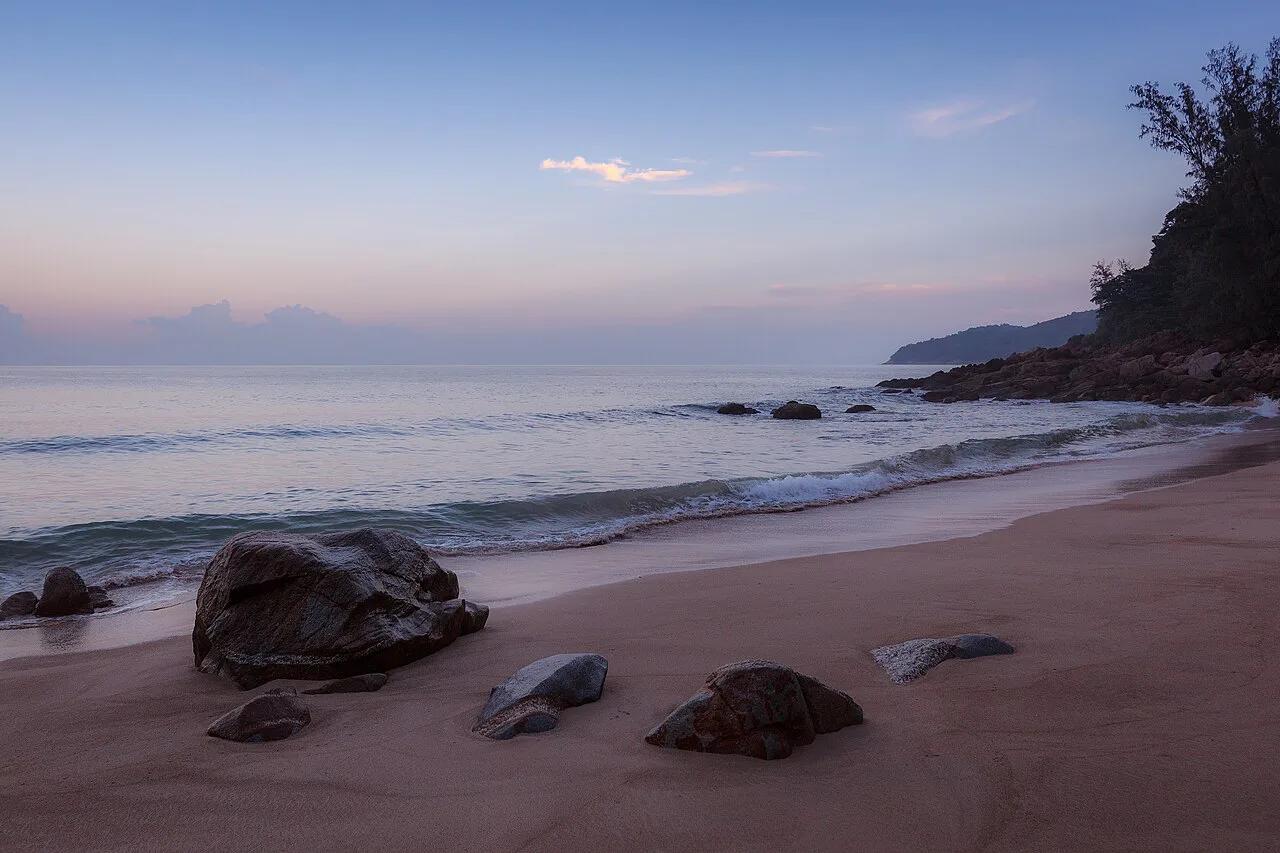
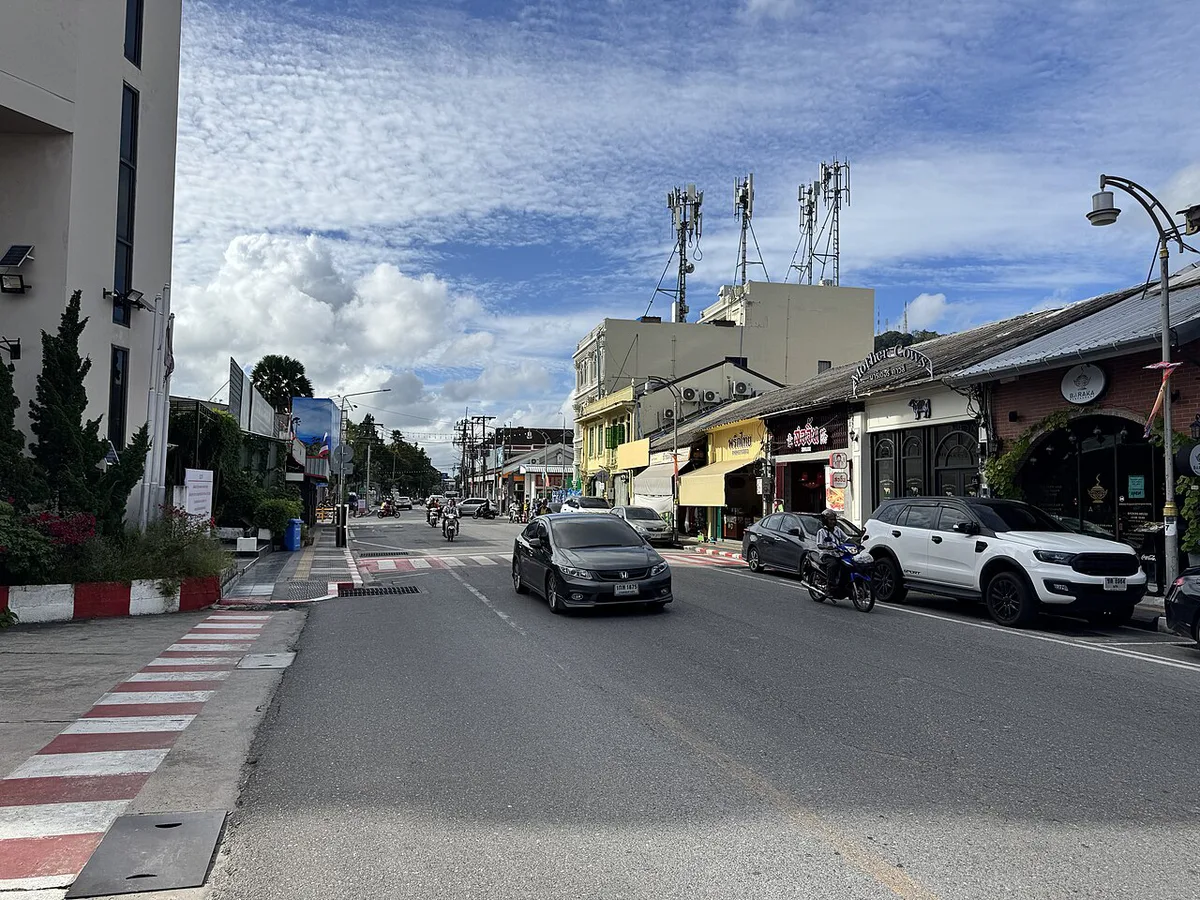
Featured image: edwin.11, CC BY 2.0, via Wikimedia Commons.
Short answer: is Phuket worth visiting?
We say yes, with conditions. Phuket is Thailand's largest island at roughly 543 km², with an international airport and a bridge to the mainland at its northern end. Convenience is the draw. Crowds, construction and traffic are the price. Choosing the right base area and the right month removes most of the pain. For trip length, read our guide on how long to stay in Phuket.
- Fits: first-timers who want easy logistics and plenty of English-speaking help.
- Fits: short-break travelers who want a flight, a resort and one boat trip.
- Fits: couples and luxury travelers who want private-pool villas and beach clubs.
- Misfit: anyone chasing quiet, untouched beaches with a village feel.
- Misfit: backpackers on a tight daily budget.
- Misfit: travelers who dislike crowds, noise and building sites.
Who Phuket is best for (and who should skip it)
Phuket works best when you value ease over atmosphere. Everything is available, tours are simple to arrange and transport is straightforward. It works less well if you picture a sleepy island. Phuket feels like a city attached to beaches. Our fit table gives a verdict and a base for each traveler type.
| Traveler type | Verdict | Best base area | Why |
|---|---|---|---|
| First-timer in Thailand | Go | Karon/Kata or Phuket Town | Easy logistics, wide choice of rooms and tours |
| Family | Go | Kata or Karon | Calm swimming water and clearly marked water-sports zones |
| Couple or luxury | Go | Kamala, Surin or Bang Tao | Villas and resorts; check for construction nearby |
| Party traveler | Go | Patong | Bars and clubs within reach; expect noise |
| Budget backpacker | Go with conditions | Phuket Town | Cheaper than beach bases; beaches need transit |
| Slow traveler | Consider alternatives | Nai Harn or Cape Panwa, or another island | Quieter pockets exist, but the island is large |
| Short break | Go | Karon/Kata | Less transit between airport, beach and boat pier |
What Phuket is like now: the honest pros and cons
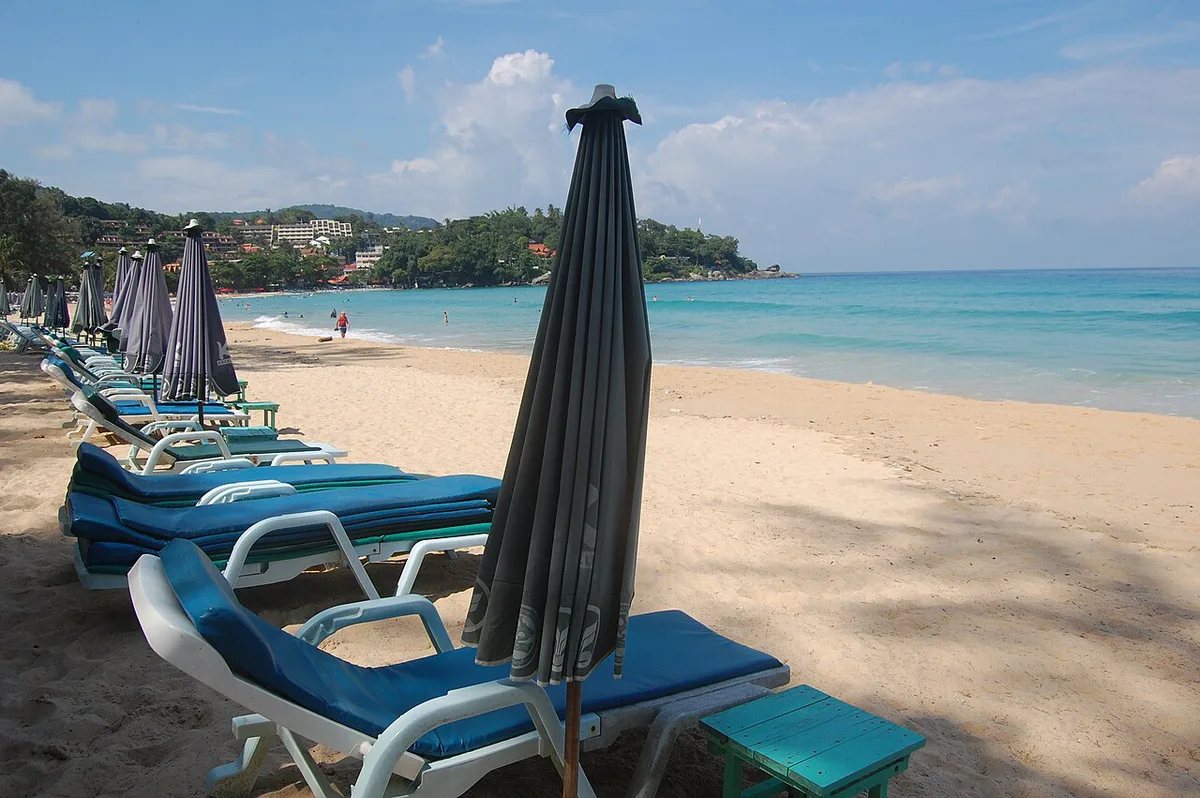
Phuket is developed, and that cuts both ways. Hospitals, malls and restaurants are easy to find, and rooms exist at every price. Construction is the main downside. Bang Tao and Rawai have heavy building work, according to recent traveler reports. Traffic is the second. Driving from the north to the south can take 2 to 3 hours at the worst times, against about 1 hour without traffic. Avoid the 4-7 pm rush where you can. Check recent reviews and the satellite view on Google Maps before booking any room.
- Con: building sites next to hotels. Fix: check recent reviews, or pick established Patong or Phuket Town, or quieter Nai Thon or Mai Khao.
- Con: traffic. Fix: base near what you plan to do, and travel outside 4-7 pm.
- Con: crowded beaches in high season. Fix: try Kata Noi, Kamala, Surin or Cape Panwa.
- Con: nightlife noise around Bangla Road in Patong. Fix: sleep elsewhere, since one traveler reports music until 5am.
- Con: unethical animal venues. Fix: skip shows, rides and bathing.
Where you stay decides the trip
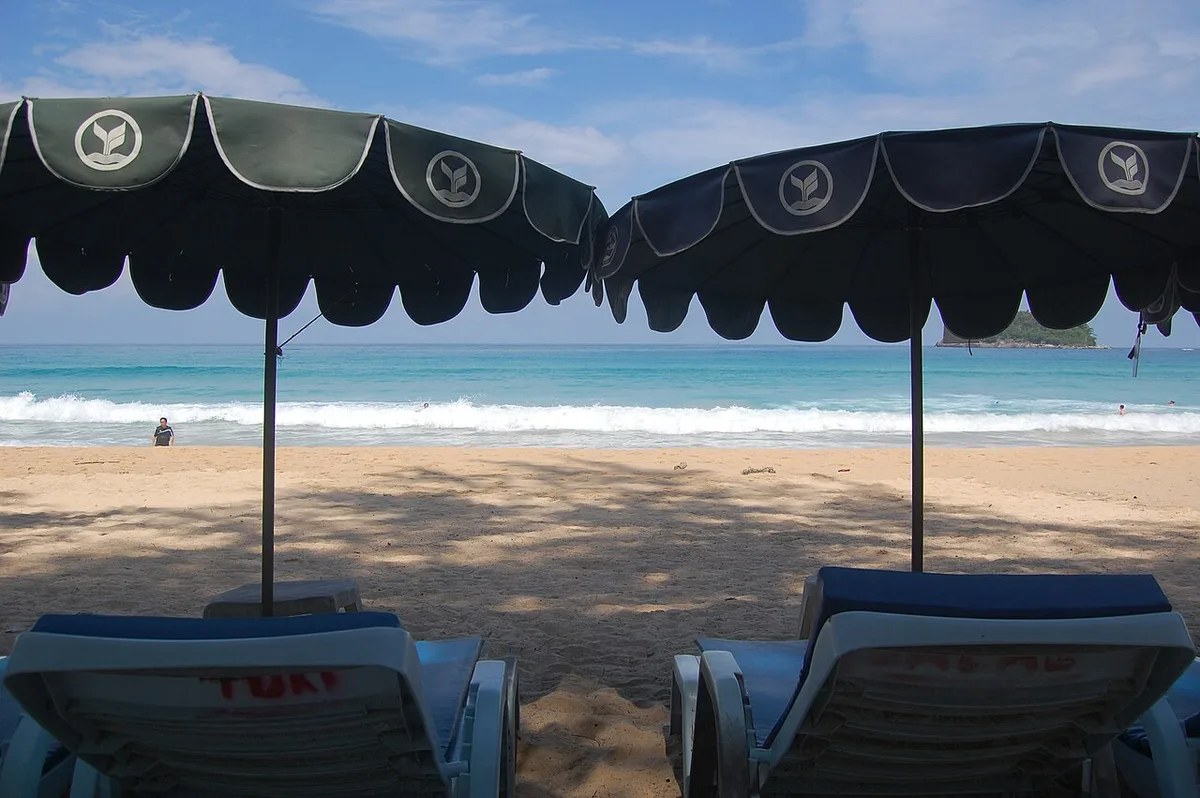
Phuket is spread out, so your base sets how much time you lose to transit. Cape Panwa sits about 10 km from Phuket Old Town. Karon Beach runs about 3 km. From Nai Harn, a walk along the lake reaches a more urban area in around 15 minutes. Our advice is to choose one base for a short trip and use boats and day tours for variety. Cells marked verify need a current check.
| Area | Vibe | Noise | Construction risk | Best for |
|---|---|---|---|---|
| Patong | Busiest, nightlife and malls | High near Bangla Road | Established area | Party travelers |
| Karon/Kata | Long family-friendly beaches | Moderate | Verify | First-timers, families |
| Kamala/Surin/Bang Tao | Calmer; Bang Tao is resort-heavy | Low to moderate | Bang Tao: high | Couples, luxury |
| Nai Harn/Rawai | Nai Harn serene; Rawai local feel | Low | Rawai: high | Slow-paced stays |
| Cape Panwa | Quiet southeastern peninsula | Low | Verify | Peace and quiet |
| Mai Khao/north | Long, quiet beach near the airport | Low | Least affected | Resort stays |
| Phuket Town | Old Town, cafes, markets | Moderate | Established area | Budget, culture |
Best time to go: high season vs. rainy season
Sources disagree on high season. Some say December to April and others December to February, so check the Tourism Authority of Thailand and the Thai Meteorological Department. May to October is the rainy season. Rooms are cheaper then, but weather swings hard. One traveler reported flooded streets, power outages and a rough Phi Phi crossing that left passengers seasick for hours. Shoulder months, late April and early December, are our pick for fewer crowds. Expect rain risk in both. Sea turtles nest at Mai Khao from roughly November to February, and that beach has rough water for much of the year.
What it costs: realistic budget levels
Phuket is no longer cheap by Southeast Asian standards, but it still gives solid value. Peak-season room rates can reach up to five times low-season rates. Check current baht prices on booking sites, since we can't verify them for your dates. Three choices cut costs most. Stay in Phuket Town instead of on the beach. Travel in the rainy season. Eat at food markets and local restaurants rather than beach clubs. Luxury spending runs far above mid-range, and Bang Tao and Kamala carry the villa-resort premium.
What to do beyond the beach
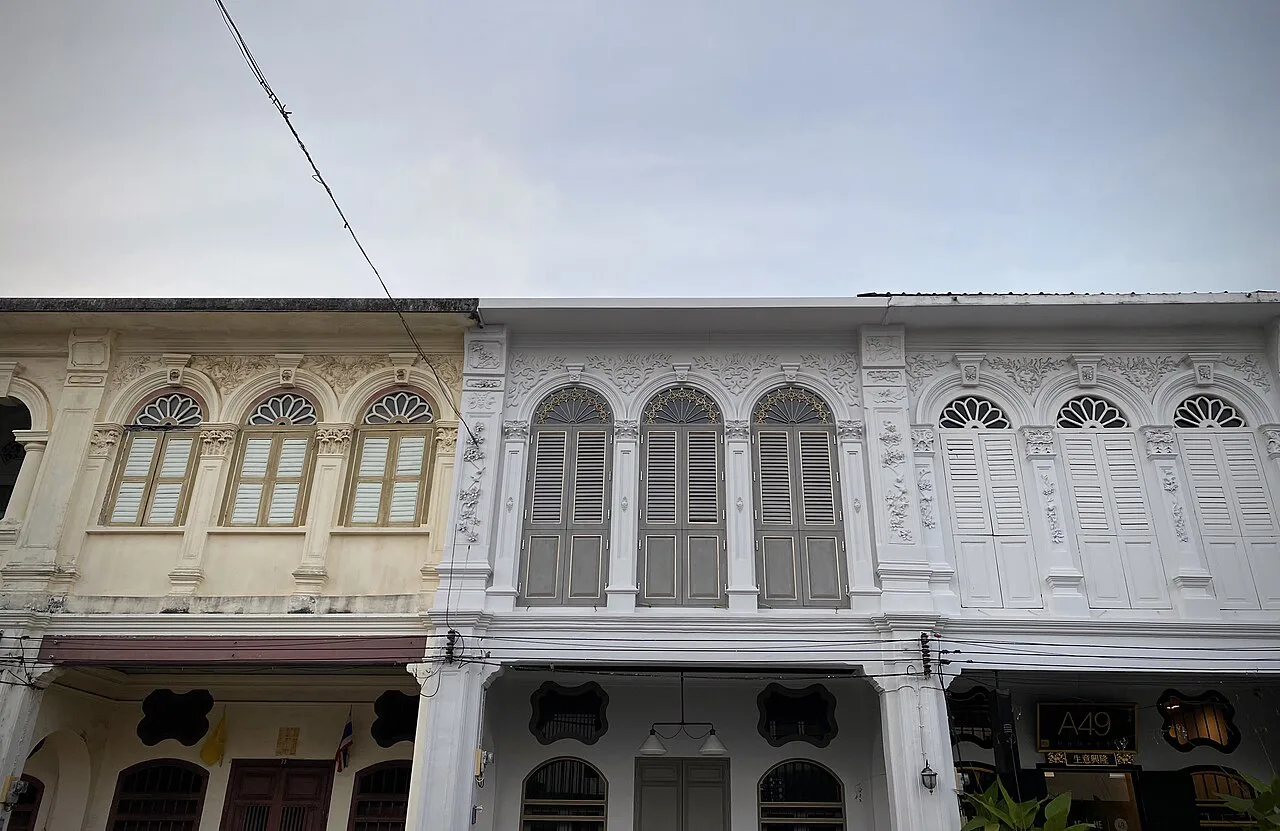
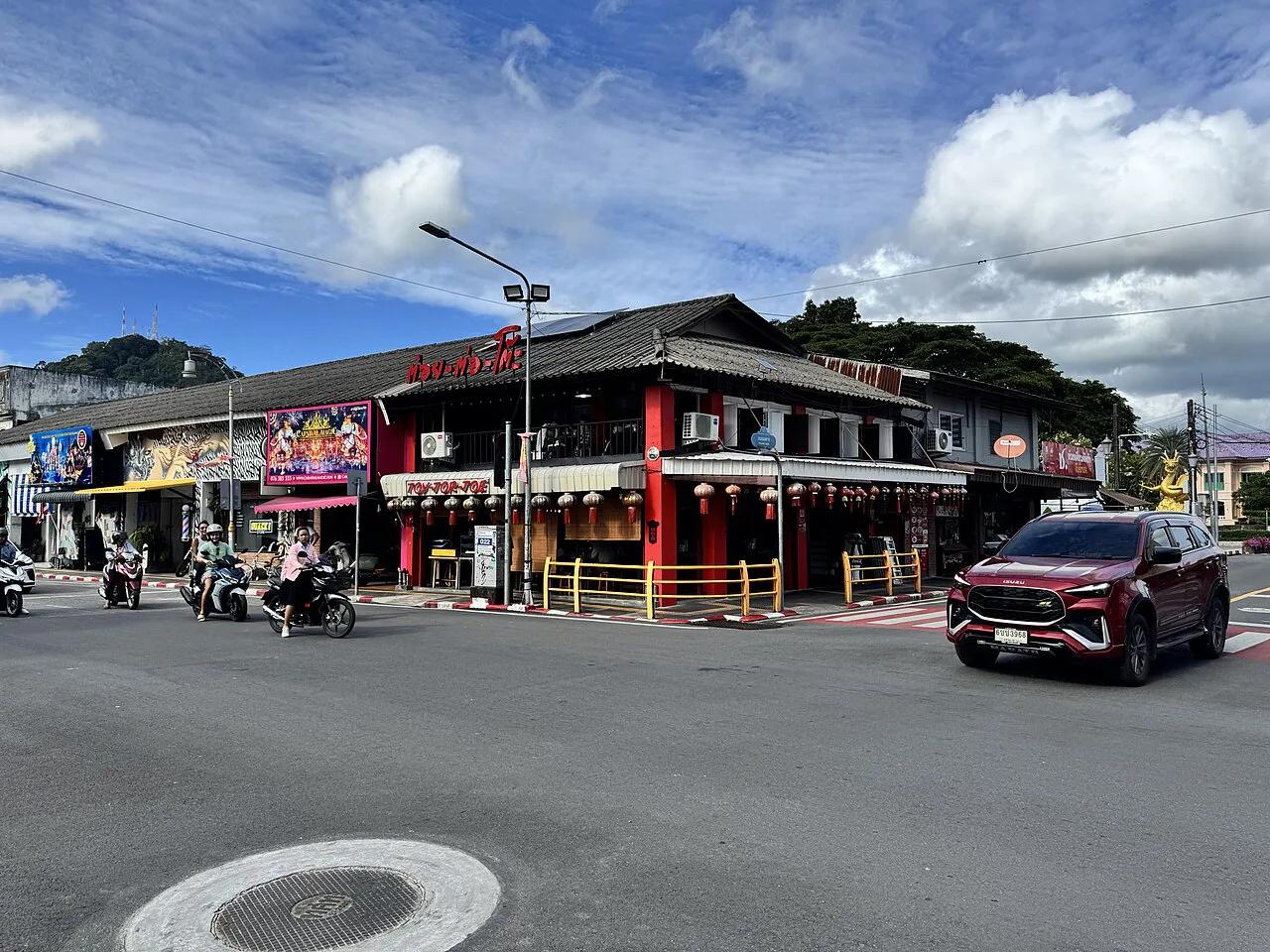
Phuket has more than sand. Phuket Old Town has Sino-Portuguese shophouses, shrines and cafes, and a Sunday night walking street market. Confirm that it is still running before you plan around it. Big Buddha gives wide views, and Wat Chalong is the island's largest temple. Freedom Beach is a 20-minute walk down from The Lek Sand Beach Bar, or a short boat ride from Patong or Karon. For boats, Phi Phi, Maya Bay, Phang Nga Bay, the Similan Islands and Khao Sok are the usual picks. Check park rules and operating seasons first. Crowded boats are the trade-off, so favor smaller operators and off-peak slots. For elephants, choose observation-only venues, and verify each one's current policy.
Staying at Cape Panwa puts you about 10 km from Phuket Old Town, so plan the sightseeing day around that transfer.
Getting there and getting around
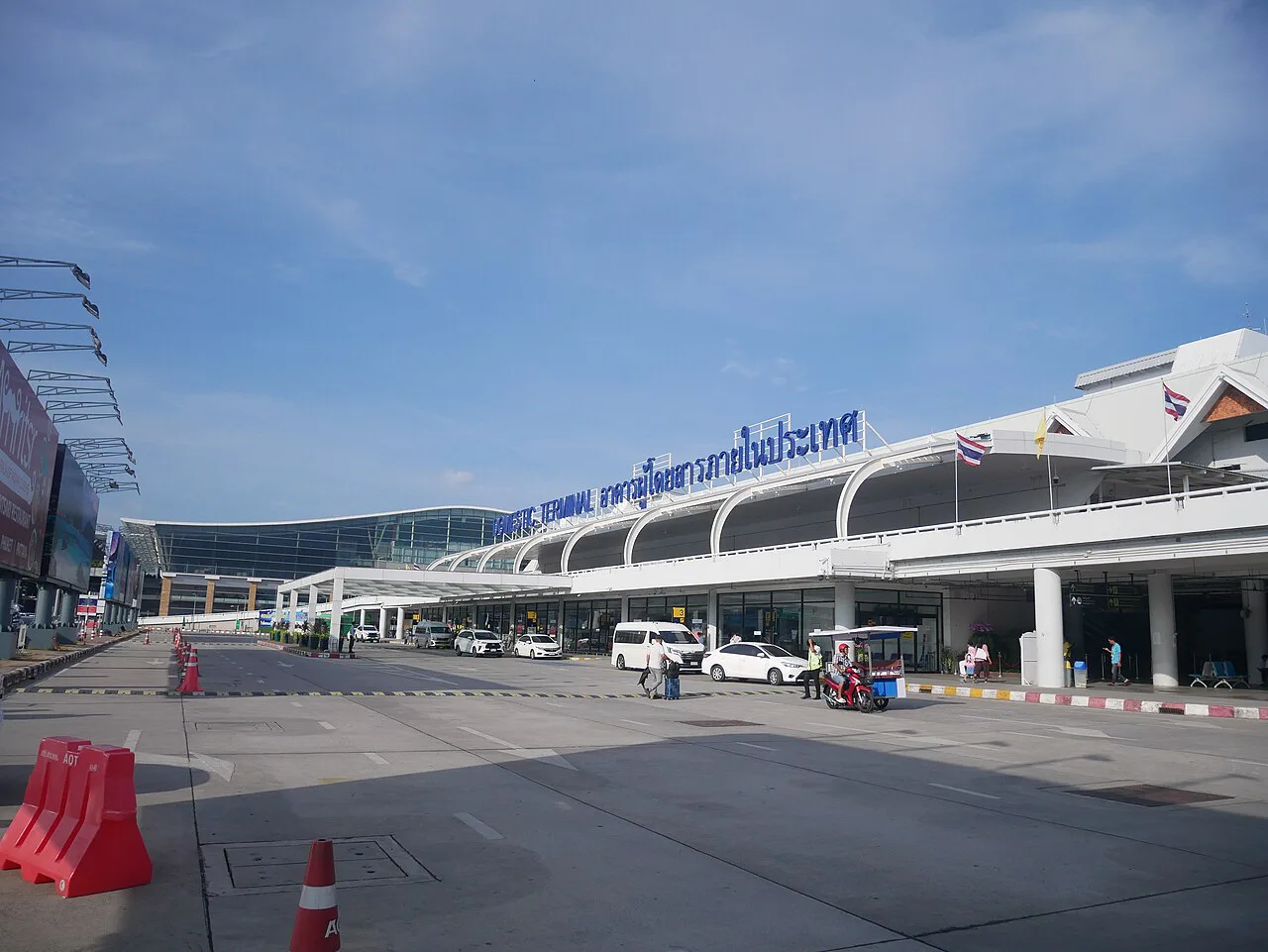
Fly into Phuket International Airport, and check the airport operator's page for transfers. Mai Khao is minutes from it. Phuket has 6 public EV bus routes, an airport smart bus and a free Phuket Town loop. The Phuket OneMap app shows routes and timetables. Confirm current fares before you rely on them. Grab covers the whole island, and tuk-tuks work for short hops. Scooters need experience, a helmet and an International Driving Permit. Police check, and can fine tourists without them.
Mai Khao is minutes from the airport, and a north-to-south drive can take 2 to 3 hours at the worst times.
Mistakes to avoid
Most regrets come from base choice and timing. Fix those first and Phuket gets much easier.
- Booking next to Bangla Road when you want sleep.
- Booking next to a building site without checking recent reviews.
- Renting a scooter without experience, a helmet or an IDP.
- Crossing the island between 4 pm and 7 pm.
- Choosing elephant venues that offer bathing or rides.
- Booking a rainy-season Phi Phi trip in a small, rough boat.
Is Phuket overrated? How it compares
Phuket is not uniquely beautiful. Krabi and Koh Lanta offer similar turquoise water and limestone scenery, often with calmer crowds. Read our Krabi comparison if beaches matter most. Koh Samui is the alternative island, and Phuket is more than twice its size. Our Koh Samui breakdown covers the trade-offs. For nightlife, see Pattaya for party trips. Koh Yao Noi and Koh Kradan suit slower travel.
Final verdict by situation
Phuket rewards planning. Match your situation below. For a short stay, our three-day Phuket plan shows how to sequence it.
- First time in Thailand: go, base in Karon/Kata or Phuket Town.
- Family: go, pick Kata or Karon.
- Couple or luxury: go, check Kamala, Surin or Bang Tao for construction.
- Party trip: go, stay in Patong and accept the noise.
- Budget backpacker: go with conditions, base in Phuket Town.
- Slow traveler: consider Krabi, Koh Yao Noi or Koh Kradan instead.
A practical daily budget for Phuket
Phuket can suit several budgets, but the beach base changes the result. A rough budget benchmark is about US$57 per person per day. This works best with a Phuket Town stay, market meals and selective paid trips.
A mid-range trip is roughly US$70–112 per person per day. That usually allows more comfortable rooms and regular restaurant meals. It may not stretch to a beachfront resort during busy periods.
Luxury trips can exceed US$400 per person per day. Private-pool villas, Bang Tao or Kamala resorts, beach clubs and private boat charters drive that figure upward.
Room rates are the largest variable. Peak-season rooms can cost up to 5 times low-season rates. Compare total room prices for your exact dates, then decide whether a beach location is worth the premium.
Frequently Asked Questions
How many days should you spend in Phuket?
Sources suggest 3 to 5 days covers beaches, a boat trip and the main sights. Short breaks of 4 to 5 days suit convenience-first travelers. See our guide on choosing your trip length for more.
What to be careful of in Phuket?
Watch scooters, rough seas and tour operators. Carry a helmet and an IDP if you ride. Book boat trips with reputable companies and avoid rush-hour transfers. Check official advisories before you travel.
Useful notes for your Thailand trip
Optional updates to our guides.
You might also like
Continue reading
More guides you'll find useful