Tonsai Beach, Krabi: Getting There, Stays and Tips
How to reach Tonsai Beach, how it compares with Railay, where to stay, tides, and what to know about climbing and cash before you go.
On this page
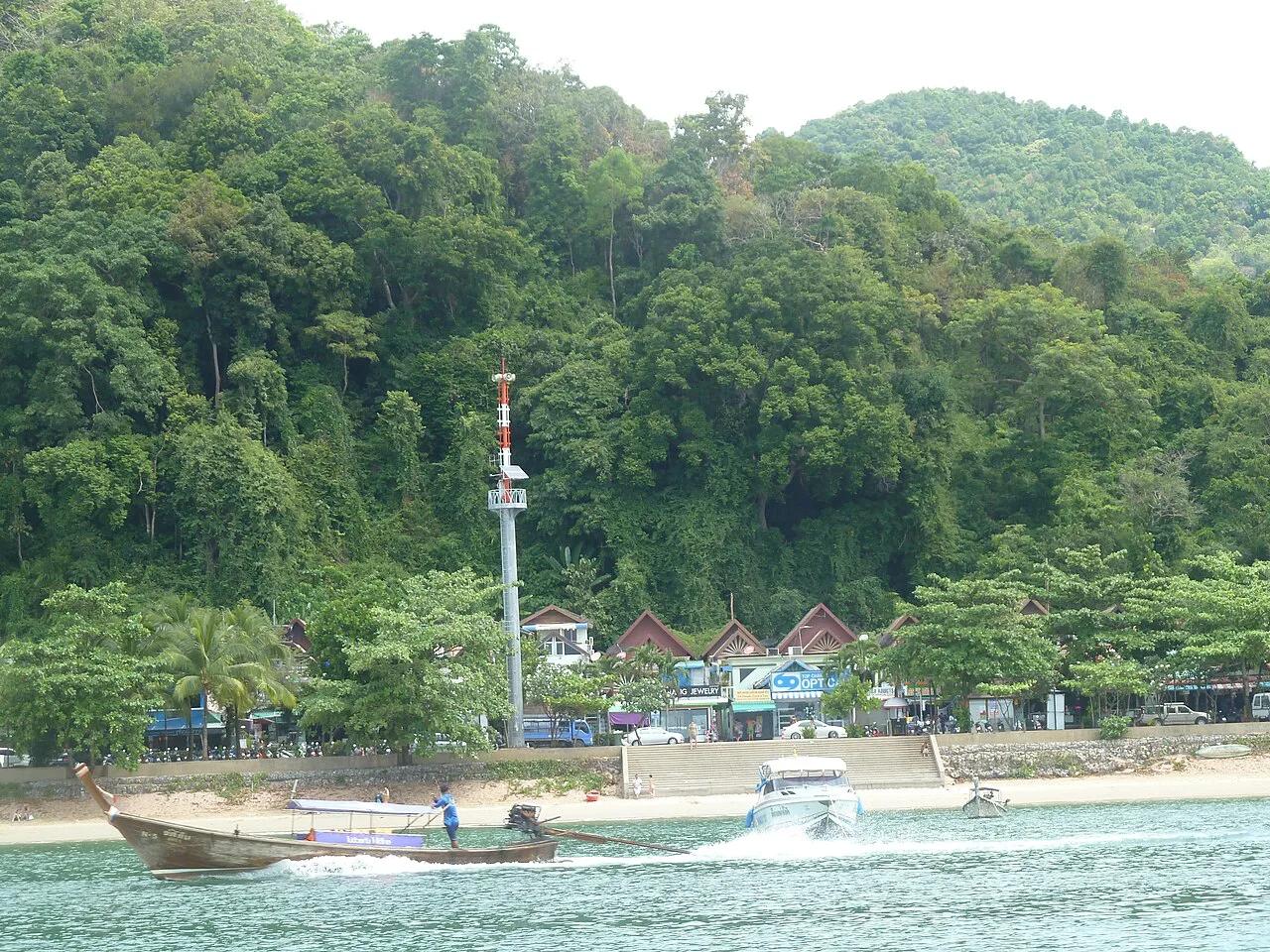
Last updated November 2026: Tonsai Beach is the laid-back climbing and backpacker side of the Railay peninsula in Krabi, reached by longtail boat or a short jungle walk. It has no connection to Ton Sai Bay on Phi Phi, despite the shared name. If you are still choosing a base, compare it with the rest of the coast in our Krabi beach guide.
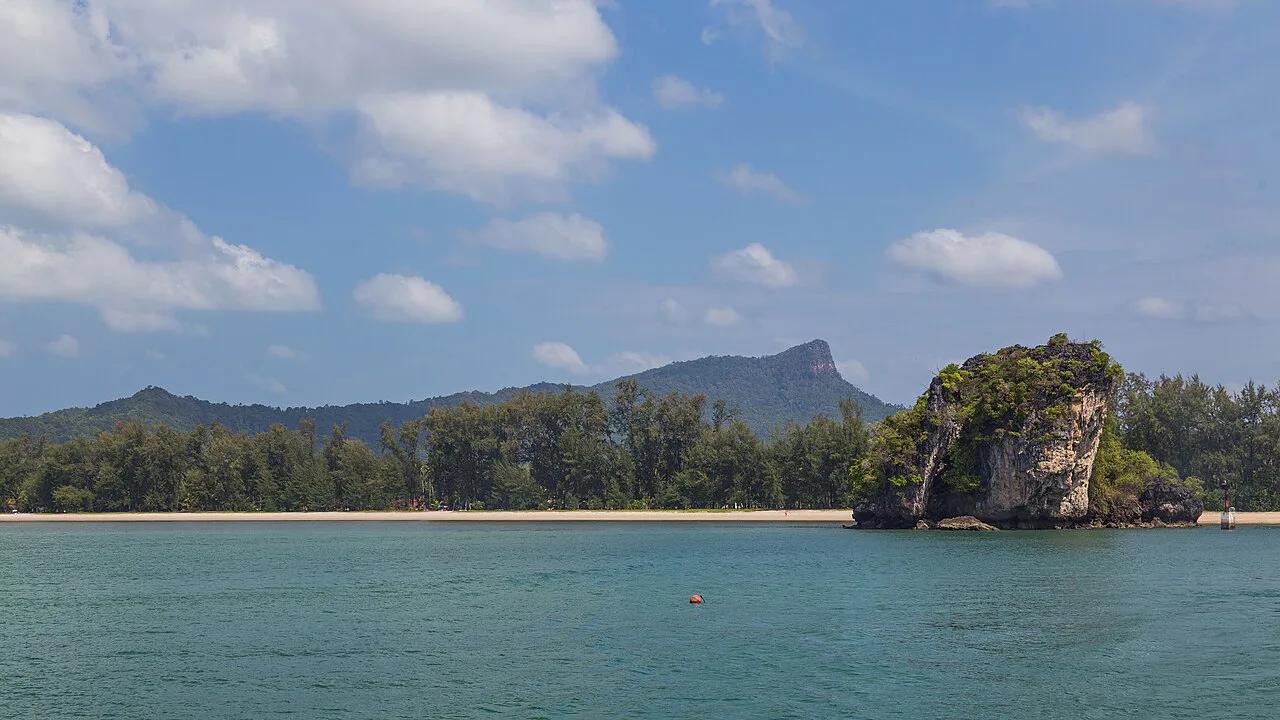
Featured image: Fabio Achilli from Milano, Italy, CC BY 2.0, via Wikimedia Commons.
Tonsai Beach at a Glance
Tonsai sits beside Railay on the same peninsula, separated by a forested headland. Bungalows, bars and climbing schools line the back of a rocky beach. Swimming works best at high tide, and the sand turns slippery rock as the water drops. Climbers, budget travelers and anyone happy with basic rooms get the most from this place. Resort seekers and anyone who needs air-con, ATMs or paved paths should look elsewhere.
- Best for: climbers, backpackers, long stays, travelers who like an off-grid feel
- Also good for: couples who accept basic rooms and a short walk to dinner
- Skip if: you need air-con all day, reliable cards and ATMs, or step-free access
Tonsai vs Railay vs Ao Nang: Which Base Fits You
Pick by what you want from the evening, not by the beach alone. Railay's two shores are typically pricier and more geared to short-stay visitors. Ao Nang offers shops, restaurants and road access. Tonsai trades those comforts for climbing and a close-knit crowd. Details below are typical patterns, so check current conditions before you book.
| Factor | Tonsai | Railay | Ao Nang |
|---|---|---|---|
| Vibe | Scruffy, social, climber-led | Polished and busier | Busy resort town |
| Lodging | Bungalows, a few beachfront resorts | Mid-range to upscale resorts, some budget on the east side | Hotels and apartments with kitchens |
| Price level | Usually cheapest | Higher | Wide range |
| Access | Boat or jungle walk | Boat | Road, with boat piers nearby |
| Nightlife | Small bars, fire-spinning, reggae | Quiet bars | Most choice |
| Climbing | Strong community and crags | Crags, easier access to schools | No climbing on the doorstep |
| Best for | Climbers and budget travelers | Couples and families | Short stays and first-timers |
How to Get to Tonsai Beach
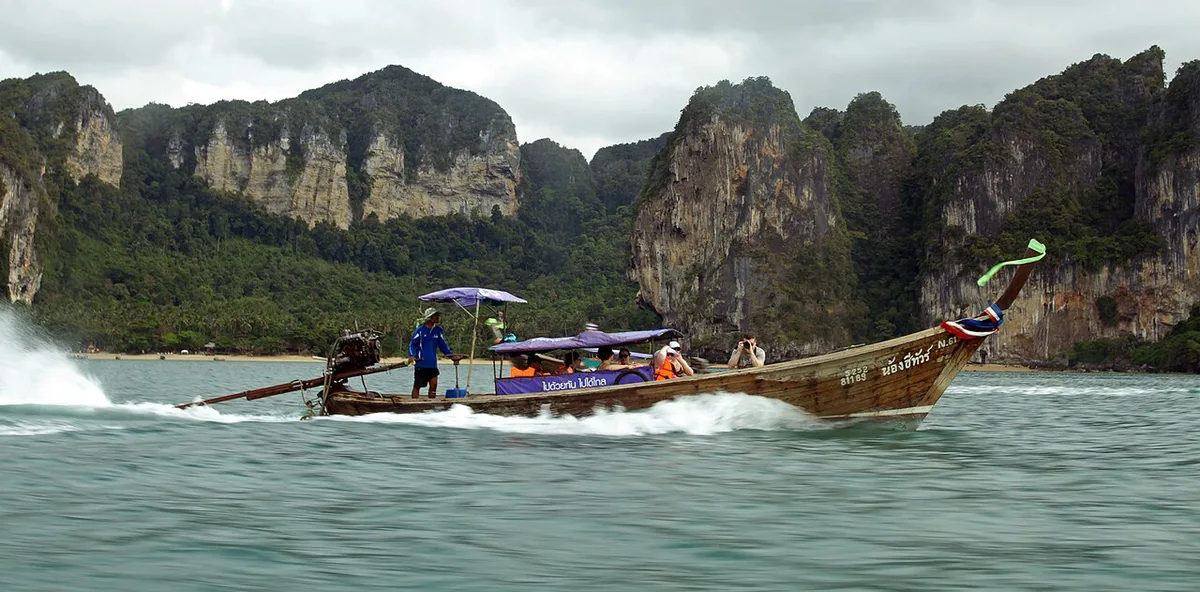
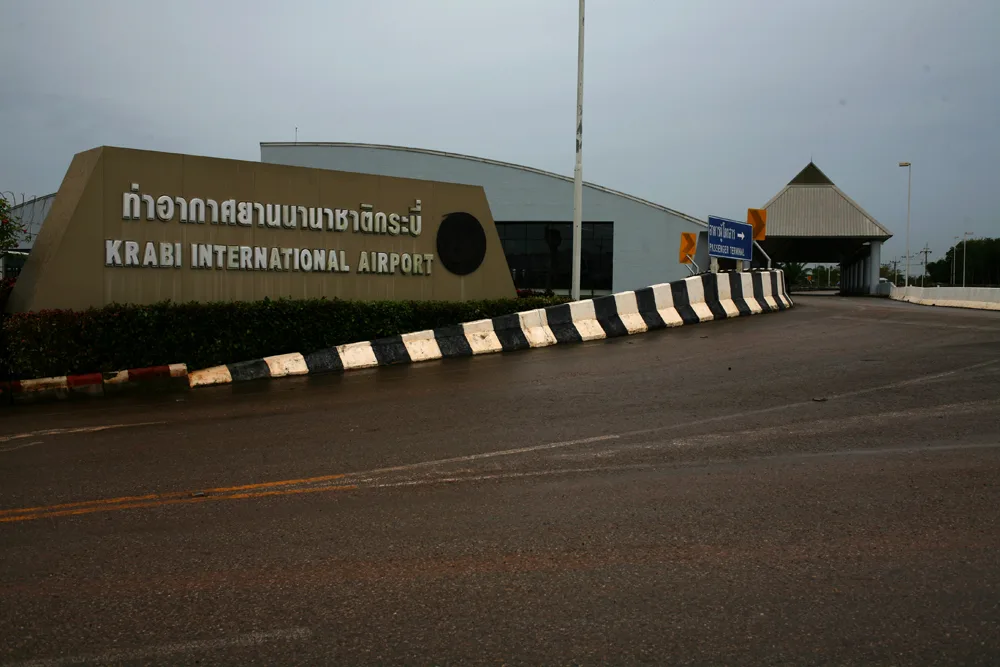
No road reaches Tonsai, so every route ends on a longtail boat or a footpath. Start by flying into Krabi International Airport (KBV). A taxi or minivan to the Ao Nang boat area is reported to take about 30 to 40 minutes. Phuket airport is a long alternative, reported at around 2.5 hours by road to Ao Nang. From Ao Nang's beachfront, boats run to Tonsai in roughly 10 to 15 minutes. Fares of about ฿100 per person with a full boat have been reported, so confirm the price at the ticket desk. Boats work on a shared basis and typically wait for six to eight passengers. Pay extra if you would rather leave right away. Operation is daylight-only, so aim to arrive before late afternoon. If you land late, sleep in Ao Nang and cross in the morning. Rough seas can move departures to Klong Jing Sua at Noppharat Thara, so tell your driver you are heading to Tonsai Beach and let them choose the pier. Boats beach themselves rather than docking, so expect wet feet.
- Step 1: Fly into Krabi (KBV), or reach Krabi Town by bus
- Step 2: Taxi or minivan to Ao Nang or Noppharat Thara pier
- Step 3: Shared longtail boat to Tonsai, about 10 to 15 minutes
- Alternative: Boat to Railay West, then walk over the headland
- Pack: Water shoes, a backpack instead of a wheeled case, and cash
Walking Between Tonsai and Railay
A jungle path crosses the headland between the two beaches. Reported walking times range from 15 to 20 minutes, so allow the upper end if you carry a bag. Sturdy sandals or trainers are safer than bare feet, and flip-flops are risky after rain. Skip the walk with heavy luggage or in the rainy season, when roots and rock steps turn slick. Avoid it at night, especially after drinks, since the path is dark. A low-tide route over the rocks around the headland exists, but waves and wet stone make it a poor choice. On the Railay side, the path starts near the western shore described in our Railay Beach guide.
From Ao Nang the boat takes about 10 to 15 minutes, while the headland walk is reported at 15 to 20 minutes, so the walk is slower.
Things to Do in Tonsai Beach
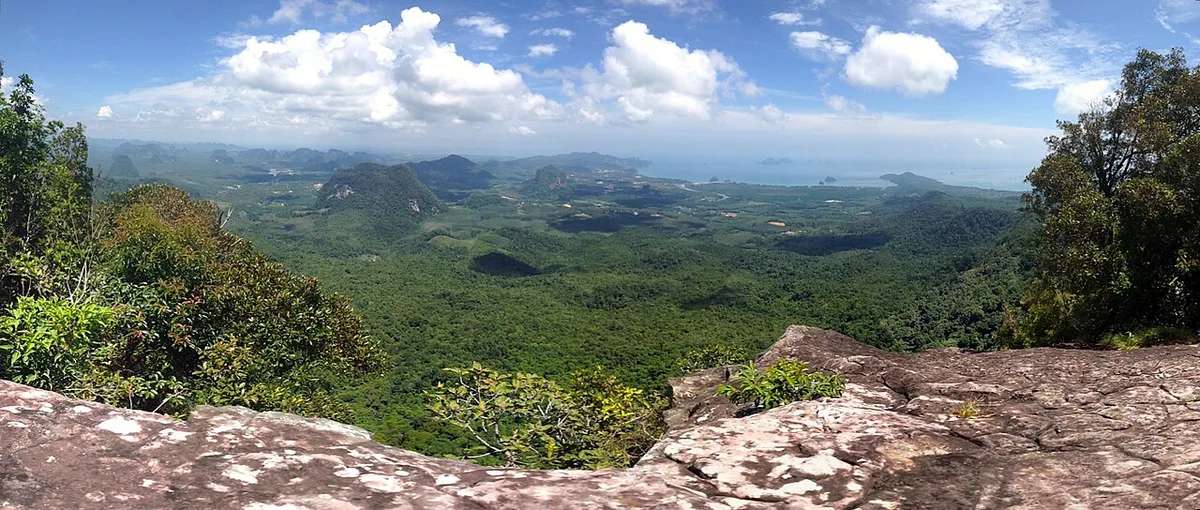
Start with the beach itself, ideally near high tide when the water covers the rocks and swimming is easier. Check the tide before you plan a swim, because low tide leaves a rocky, slippery shore. A short scramble up the rock face beside the beach is reported to lead to a viewpoint. Treat the ladders and rock steps with caution. Climbing and bouldering are the main draw, and the cliffs tower right over the sand. Evenings revolve around small bars, fire-spinning and hammocks. Sunset is a ritual here. For a prettier swim, walk over to Railay and continue to the cave and lagoon area near Phra Nang's famous cove. Lagoon and viewpoint scrambles are unpatrolled, so go with sturdy shoes and daylight. Some operators advertise deep-water soloing trips, so confirm safety gear and local rules first. Do not treat the cliffs as a base-jumping venue.
- Climbers: crags, bouldering, and rest-day cafés
- Couples: sunset on the beach and a quiet jungle-side bungalow
- Families: possible with a small child, but pick a beachfront option
- Non-climbers: swim at high tide, hike to the viewpoint, watch the climbers
Rock Climbing at Tonsai: What Non-Climbers and Beginners Should Know
You have three routes: a guided session, rented gear, or your own equipment. Beginners should book a guided half-day, which includes instruction, a rope and a harness. Experienced climbers can rent gear and go. Rentals are reported to be pricey because equipment is imported, so serious climbers bring at least shoes and a harness. Long-stay climbers often pack two pairs of shoes, since local shopping is limited. Ask schools about safety standards, helmet use and cancellation policies before paying. Prices vary by school and season, so compare a few quotes in person. Non-climbers can watch from the base of the cliffs, which costs nothing and still feels like part of the scene.
Where to Stay in Tonsai
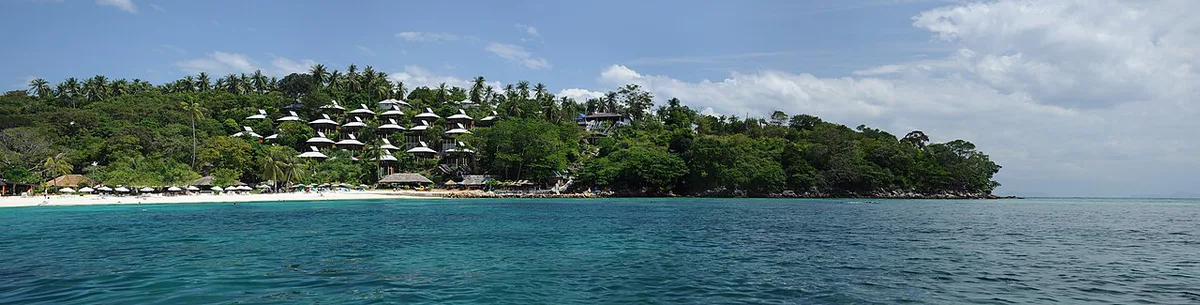
Accommodation splits into three tiers. A couple of resorts sit near the beach front. Mid-range options offer tiled rooms and sometimes air-con. Budget bungalows tuck into the jungle behind the sand, reportedly eight or so places in a second row. Descriptions of the exact layout differ between sources, so confirm whether a place is truly on the sand before you pay extra for it. Expect off-grid conditions. Businesses run on generators, so power may be limited to certain hours. Most budget rooms have cold water and no air-con. Pack a headlamp. Wi-Fi is patchy, and a mobile data plan is often the better bet. Peak season is reported to run from mid-December to early March, when pre-booking is wise. Outside it, walk-ins arriving around midday usually find a bed. Take care with online listings, because some properties use "Tonsai" in the name but sit off this beach. Check the map pin before confirming. Readers who want comfort over an off-grid feel might prefer Klong Muang's quieter resort coast.
- Beachfront resorts: best for non-climbing partners or small children
- Mid-range: tiled rooms, some air-con, bookable online
- Jungle-side bungalows: cheapest, basic, often walk-in only
- Check: power hours, mosquito nets, signal, and the true location
Costs and Money Matters
Tonsai runs on cash. Reports say no ATM operates on the beach, and the nearest is over the headland at Railay. Withdraw in Ao Nang or Krabi Town before you board. Boat fares of about ฿100 from Ao Nang and about ฿150 from Krabi Town to Railay East have been reported. Groups of six or more may pay roughly ฿50 more per person after 6pm. These figures are dated, so ask at the pier. Bungalows sit at the cheaper end of Krabi's range, resorts at the upper end, and Railay usually costs more than Tonsai. Do not rely on rates from older blog posts. Climbing instruction and gear rental are the main extra costs, so get quotes before you commit.
Ask at the pier. Shared boats typically wait for six to eight passengers, and a group of six or more may pay ฿50 more per person after 6pm.
Best Time to Visit Tonsai Beach and Tides
High season is reported to run from mid-December to early March. Expect dry weather, calmer seas and heavy booking pressure. The green season brings rain, rougher water and a higher chance that boats move to Noppharat Thara or pause. Tides matter year-round. High tide gives the best swim, while low tide exposes rocks and makes walking along the shore awkward.
| Period | What to expect | Planning tip |
|---|---|---|
| Mid-December to early March (reported) | Peak crowds, best sea conditions | Book ahead |
| Green season | Rain, rougher seas, possible boat changes | Pack light, keep flexible dates |
| High tide, any season | Easiest swimming | Check a tide chart |
| Low tide, any season | Rocky, slippery shore | Swim at Railay instead |
Mistakes to Avoid at Tonsai Beach
Most problems come from timing, cash and luggage. Plan around these.
- Arriving without cash and finding no ATM
- Reaching Ao Nang after the last boat
- Expecting cars or motorbikes, which are reportedly absent
- Booking a similarly named property that sits off this beach
- Walking the jungle path at night or after drinking
- Dragging a wheeled suitcase over sand and roots
- Expecting air-con and 24-hour power in a basic bungalow
Sample Plans for Tonsai Beach
Pick the plan that matches your time and comfort level.
- Half-day from Ao Nang: morning boat, swim near high tide, lunch, walk to Railay or watch climbers, last boat back before sunset
- One night: arrive around midday, bungalow hunt, guided climb or viewpoint, sunset beach bar, sleep, morning swim, boat out
- Three or more nights for climbers: base in a jungle-side bungalow, climb in the morning, rest-day café, evening crag session, weather buffer for rough seas
Should You Stay in Tonsai or Visit for the Day?
Choose a day trip if you want to see the cliffs, swim near high tide and return to Ao Nang’s wider restaurant and hotel choices. The longtail crossing from Ao Nang typically takes 10 to 15 minutes, but shared boats may wait for six to eight passengers. Leave enough time to return before daylight boat services end.
Stay at least one night if climbing, bouldering or the small-bar scene is the reason for your visit. A longer stay also gives useful flexibility when rain or rough seas affect boats. Climbers planning several sessions should consider three or more nights, with a weather buffer.
Railay is a better compromise for travelers who want easier access to more accommodation and dining. The headland walk between Railay and Tonsai takes about 15 to 20 minutes, but it is unsuitable for heavy luggage, rain or late-night returns. Visit Tonsai for the atmosphere, then base elsewhere if you need reliable air-con, ATMs or step-free paths.
Useful notes for your Thailand trip
Optional updates to our guides.
You might also like
Continue reading
More guides you'll find useful