Koh Samui Rainy Season: Months, Weather and What to Do
When is Koh Samui's rainy season, how wet is each month, and is it worth visiting? Month-by-month guide, rain-day plans and trade-offs.
On this page
Last updated November 2026. Koh Samui rainy season centres on the last months of the year, with October and November the months most guides flag as wettest, and December easing off. Go if you want a quiet resort stay and can live with changeable skies. Skip it if you need a firm beach schedule or Koh Tao ferry connections.
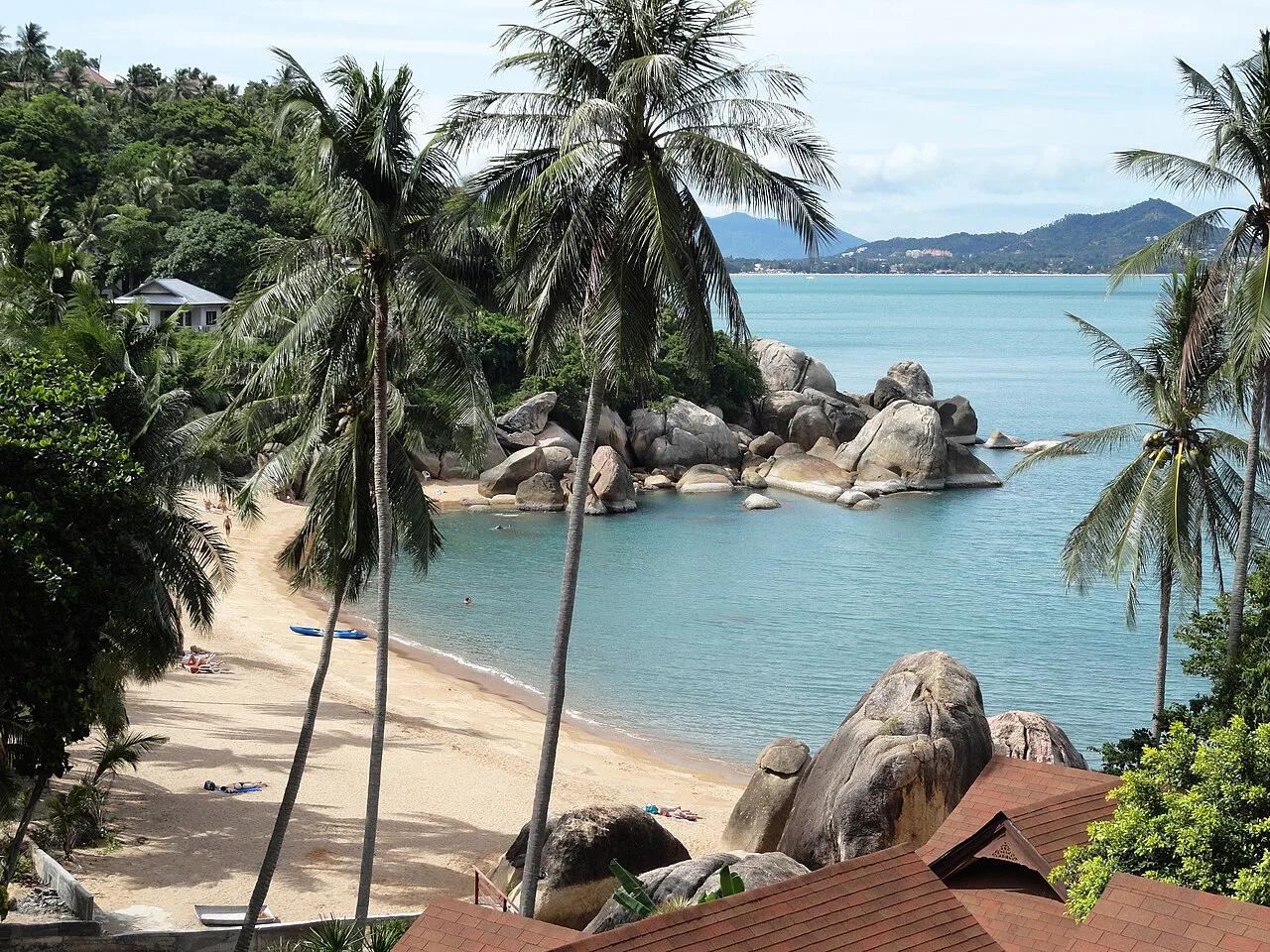
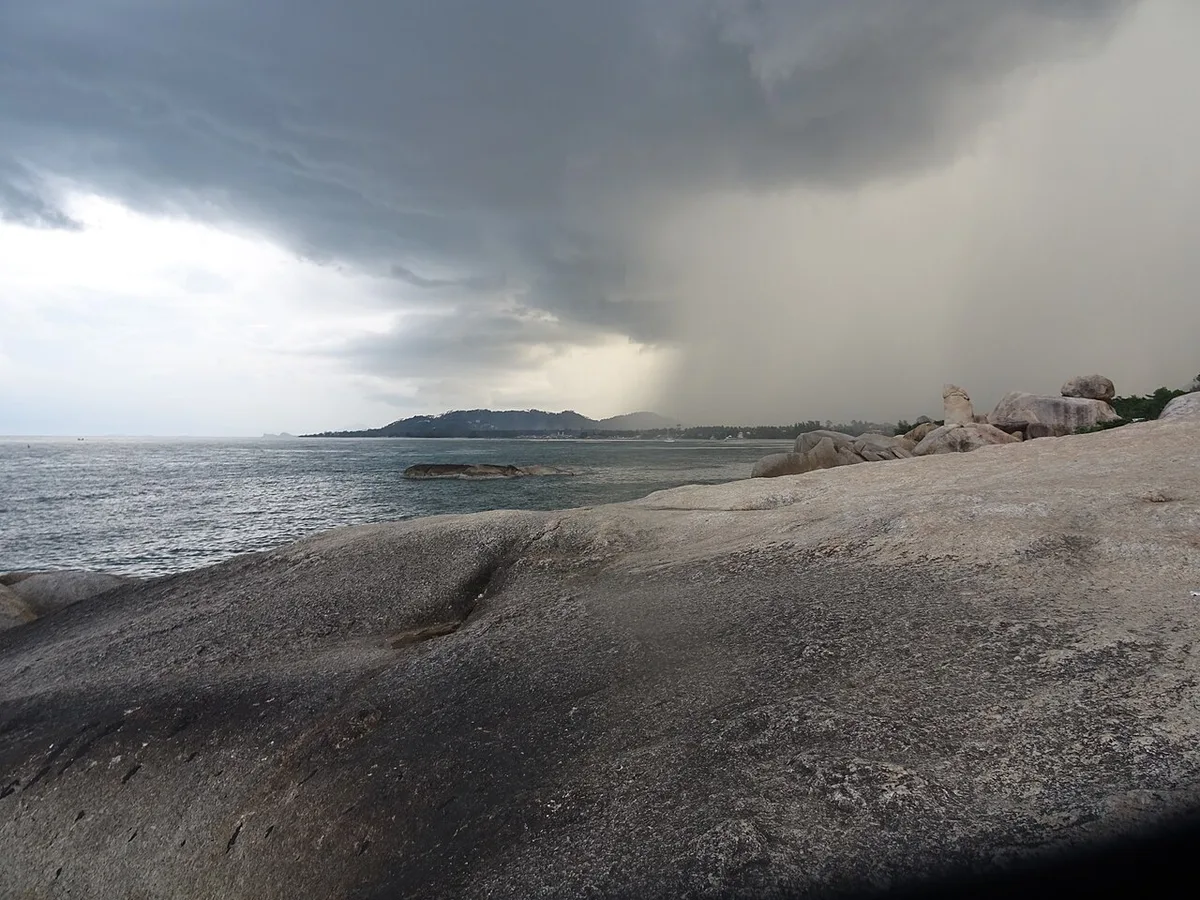
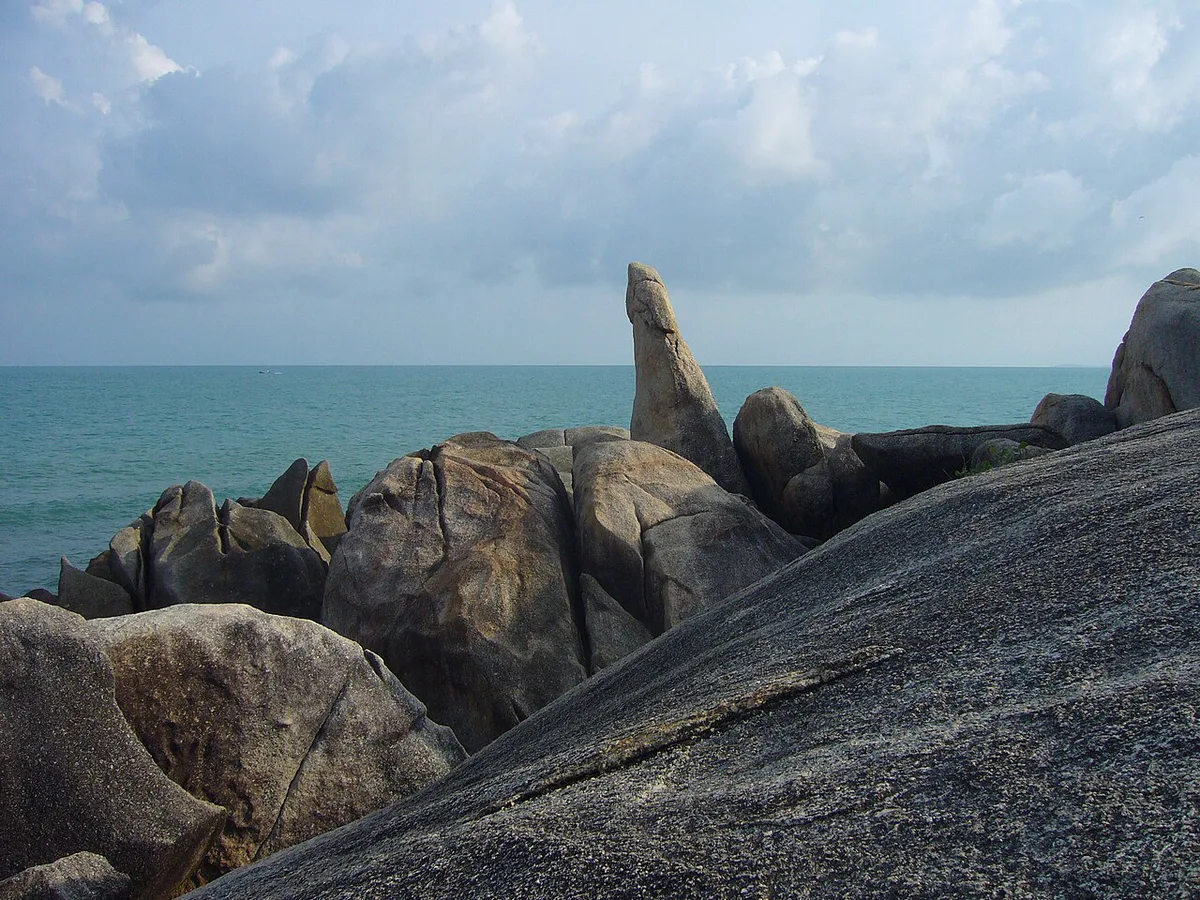
Featured image: Dirk Enthoven, CC BY 3.0, via Wikimedia Commons.
When Is Koh Samui's Rainy Season?
Samui's main wet period falls late in the year, roughly September to December. Most guides put the worst of it in October and November. Edges vary by year, so treat any start or end date as approximate. Samui sits on the Gulf side, so its pattern differs from the May to October wet season on Thailand's Andaman coast. For monthly rainfall normals, check the Thai Meteorological Department climate data. Temperatures stay warm throughout, usually 27–29°C (80–84°F) in the wet months. For the full year, see our guide to the best time to visit. Quick verdict: couples at a resort and flexible travelers can do well. Divers, wedding parties and island-hoppers should adjust or skip.
Month-by-Month: September to December

Use this table as a planning aid, not a forecast. Check each month's figures against official climate data before you book. For fuller climate detail, open our Koh Samui weather reference. Rain eases toward the end of the year, as covered in our December guide.
| Month | Expected pattern | Sea and ferry risk | Best suited to |
|---|---|---|---|
| September | Rain building, with thunderstorms on some days | Usually manageable; verify operator notices | Budget travelers, short stays |
| October | Frequent downpours; commonly listed among the wettest months | Rougher seas possible; allow buffer days | Flexible resort stays |
| November | Often cited as the peak of the wet season | Higher chance of delayed or cancelled boats | Spa and quiet-island trips |
| December | Rain easing, more dry spells, holiday demand rising | Improving; confirm sailings | Travelers wanting a safer bet |
How Bad Is the Rain, Really?
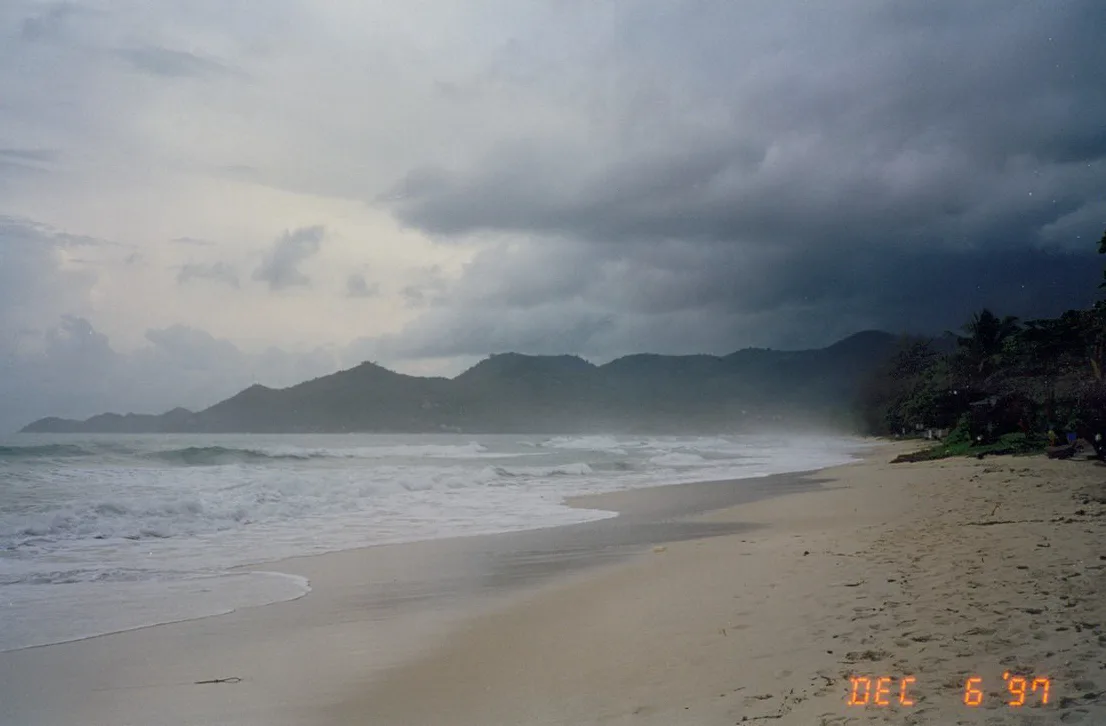
Expect a mix. Short, heavy bursts are common, and some years bring several grey days in a row. Humidity stays high even between showers. Daytime temperatures still hover around 27–29°C (80–84°F), so getting wet is rarely cold. Seas can turn rough, which matters more than the rain for swimming and boats. Read the daily forecast two or three days out and shift beach plans to the clearest window. Mid-year is different. Our July guide shows how Samui behaves outside its wet months.
What Closes, Slows or Gets Risky
Rain affects operations more than the weather itself. Confirm every item below with the operator close to your date, because closures vary by year.
At 27–29°C (80–84°F), a soaked outing stays comfortable, but rough seas still decide whether Ang Thong Marine Park and ferry trips run.
| Activity | Risk in wet months | What to do |
|---|---|---|
| Ang Thong Marine Park trips | Often reduced or suspended in rough weather | Check national park and operator notices |
| Ferries to Koh Phangan and Koh Tao | Delays or cancellations possible, especially in October and November | Read the operator's weather policy; keep a spare day before flights |
| Swimming | Rough surf and debris can make beaches unsafe | Follow lifeguard flags and local advice |
| Jungle tracks and waterfalls | Tracks wash out; Na Muang rocks get slippery | Go in dry spells, with grip shoes |
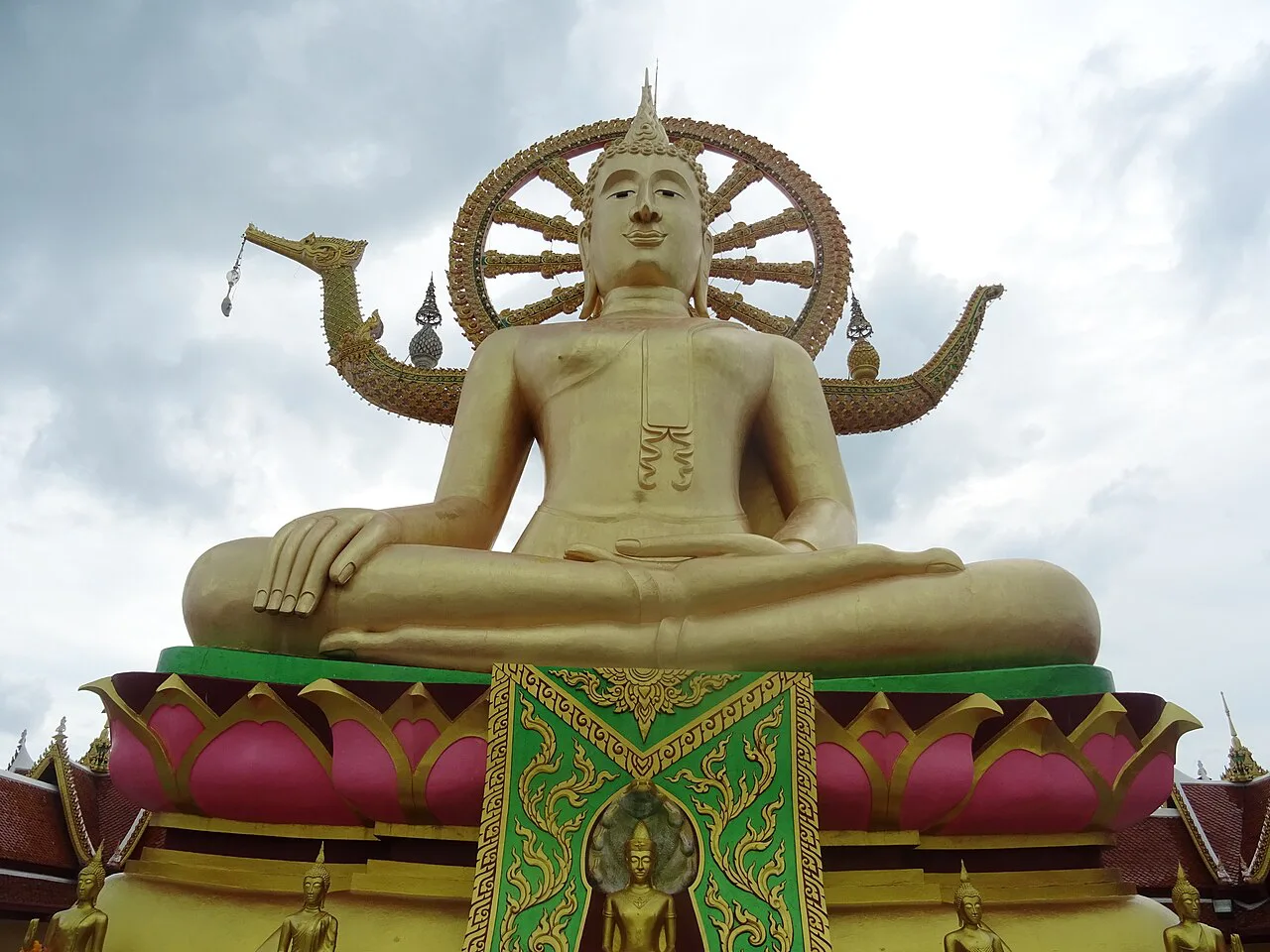
| Big Buddha steps | Steep tiled steps get slick | Visit when dry |
| Scooters | Wet roads and low flooding | Check insurance and licence terms, or use taxis |
- Power cuts can happen in heavy storms, mostly at smaller properties.
- Full Moon Party is on Koh Phangan, not Samui, so ferry weather matters for it.
Rainy-Day Things To Do on Samui
Plan around where you sleep, because wet roads slow every transfer. Confirm opening hours before heading out.
- Chaweng and Lamai: shopping malls, cafes and spa treatments.
- Bophut and Fisherman's Village: covered restaurants and shops within walking distance of many hotels.
- Nathon: the island's main town for markets and food stops.
- Maenam: quiet beach area, best for a resort day with a book and a massage.
- Anywhere: Thai cooking classes and Muay Thai evenings work in any weather.
Where to Stay in the Rainy Season
Choose by access, not by view. Bophut suits rain days because restaurants, shops and spas sit within a short walk of Fisherman's Village. Resorts with covered walkways, indoor space and generators handle storms and power cuts better. Villas feel isolated when roads flood. Always read cancellation terms before you pay.
Costs and Booking Strategy
Rooms and tours usually cost less in the wet months, while flights may not. Published ranges run from about ฿500 a night for budget rooms to ฿5,000 or more for luxury stays. Those figures are not specific to the rainy season. Check the same hotel across a wet-season date and a January date to see your own saving. Pick a flexible rate where you can, and buy travel insurance that covers weather disruption.
Budget rooms run from about ฿500 a night, but check access first, since wet roads slow every transfer on Samui.
What to Pack
Keep it short and practical.
- Quick-dry clothing and a light rain jacket.
- Waterproof phone pouch and dry bag.
- Sandals with grip, plus closed shoes for waterfall walks.
- Mosquito repellent.
- Power bank and offline entertainment for outages.
Should You Go? Decision Guide by Traveler Type
Match the trip to your tolerance for change.
| Traveler | Verdict | Why |
|---|---|---|
| Couples at a resort | Go | Spa days and quiet beaches suit unsettled weather |
| Families | Adjust | Pick covered resorts and keep indoor backups |
| Divers | Adjust or skip | Sea conditions can limit trips |
| Island-hoppers | Adjust | Add buffer days around ferries |
| Weddings and honeymoons | Skip or adjust | Outdoor plans are risky |
| Budget travelers | Go | Lower rates are likely |
| Short trips | Skip or adjust | Few spare days to absorb a washout |
Koh Samui vs Phuket in the Wet Months
Phuket sits on the Andaman coast, where the main wet season runs mid-year rather than late in the year. If you must travel in November, compare official climate data for both islands. Rain patterns differ, but sea access and your travel plans matter as much as the totals.
Frequently Asked Questions
What is the weather like in Koh Samui in November?
Expect warm, humid days with frequent rain. November is widely cited as the peak of the wet season. Seas can be rough, so check forecasts and ferry notices before you go.
When's the worst time to visit Thailand?
It depends on the coast. For Koh Samui, the wettest stretch is late in the year, mainly October and November. Andaman-side islands like Phuket have a different, mid-year wet pattern.
Useful notes for your Thailand trip
Optional updates to our guides.
You might also like
Continue reading
More guides you'll find useful