Best Time to Visit Koh Samui: Month-by-Month Guide
A month-by-month guide to Koh Samui's weather, crowds and prices, with the best months by traveler type, shoulder-season value and what to avoid.
On this page
Last updated November 2026. The best time to visit Koh Samui for dry, sunny weather is roughly January through April, and the best-value shoulder window runs from May to September. Samui sits on the Gulf of Thailand, so its wettest weather arrives late in the year, around October and November, not in the mid-year months that soak Phuket.
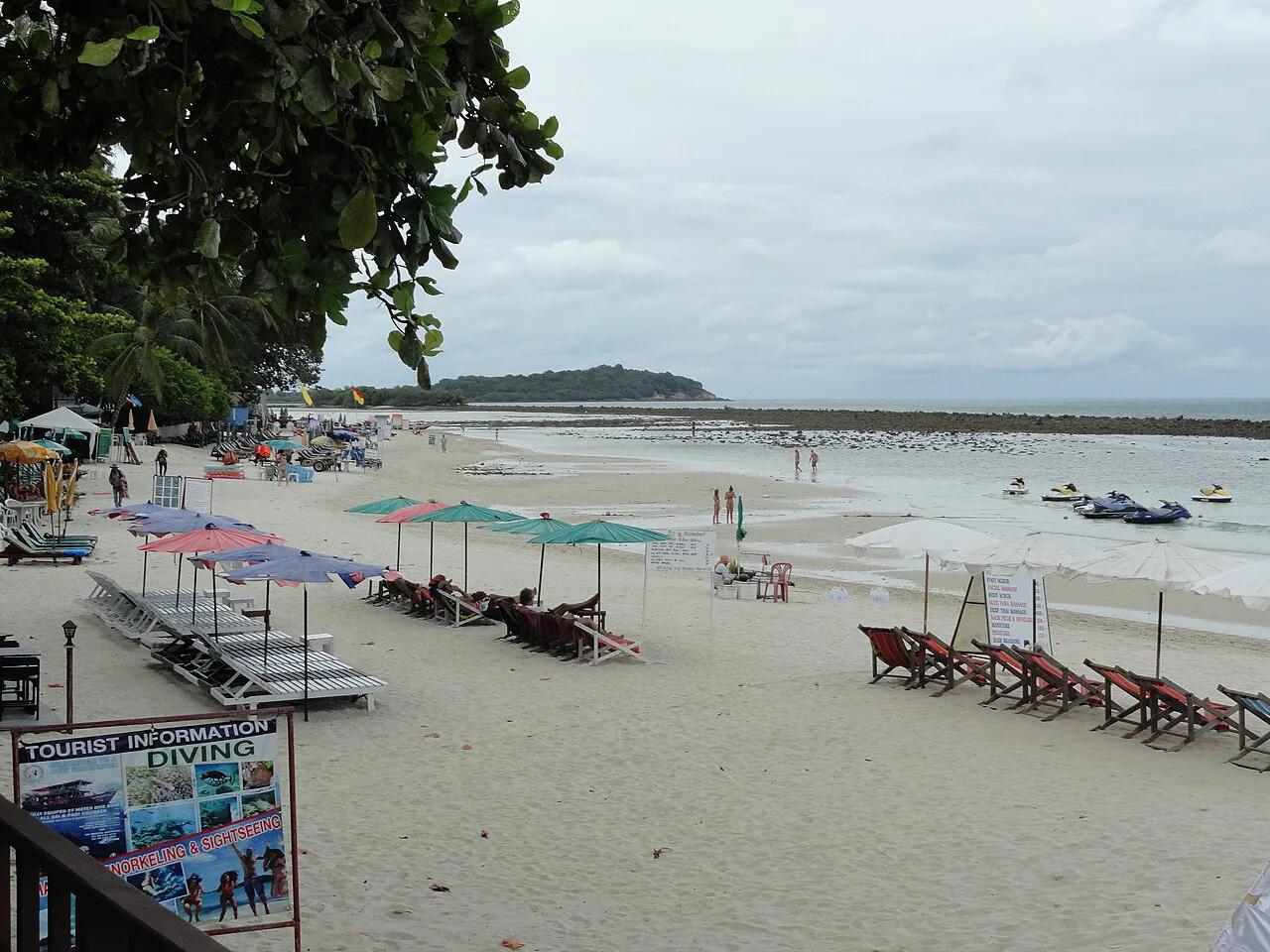
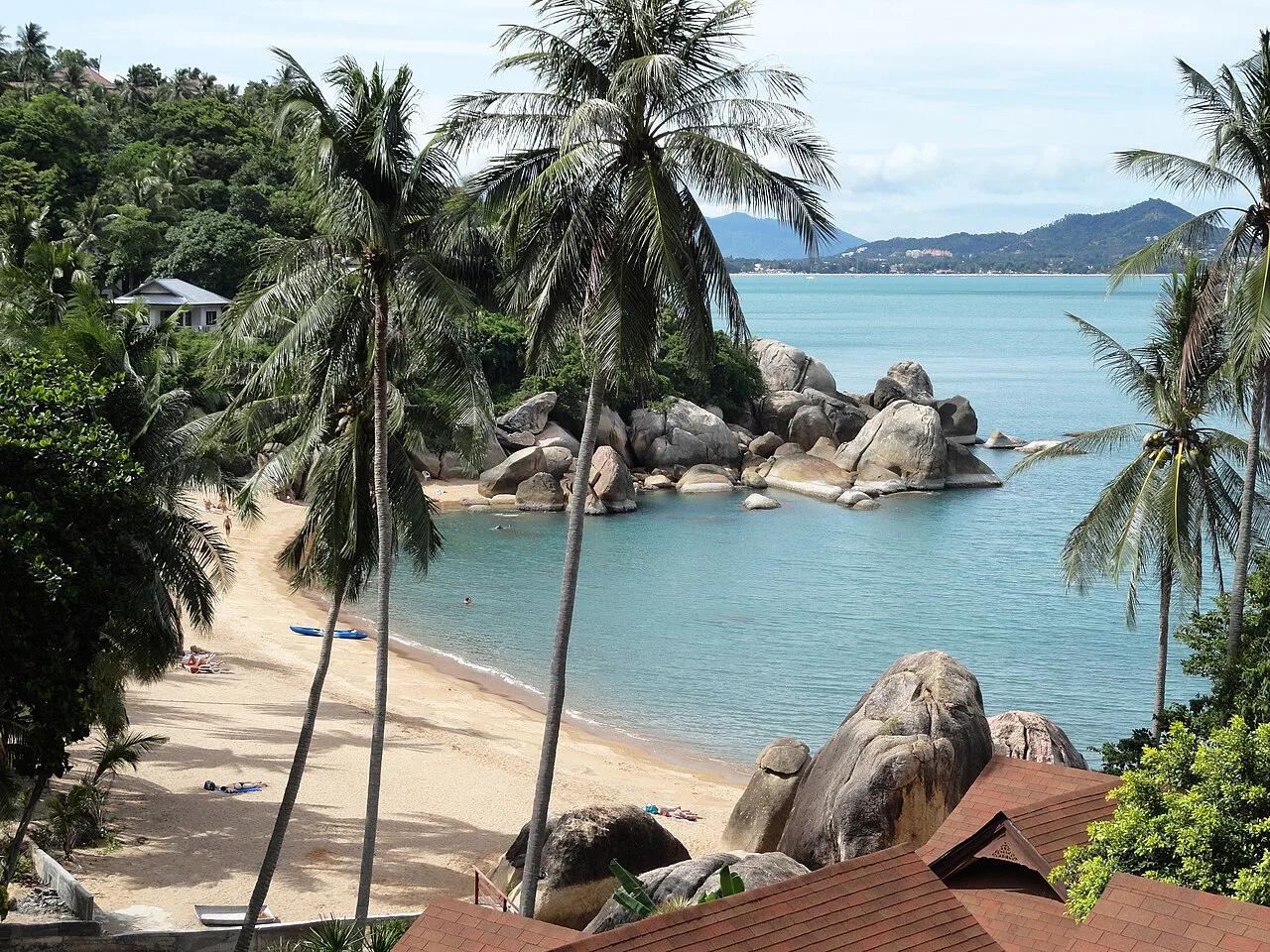
Featured image: sasikan, CC BY 3.0, via Wikimedia Commons.
Quick answer: best time to visit Koh Samui by goal
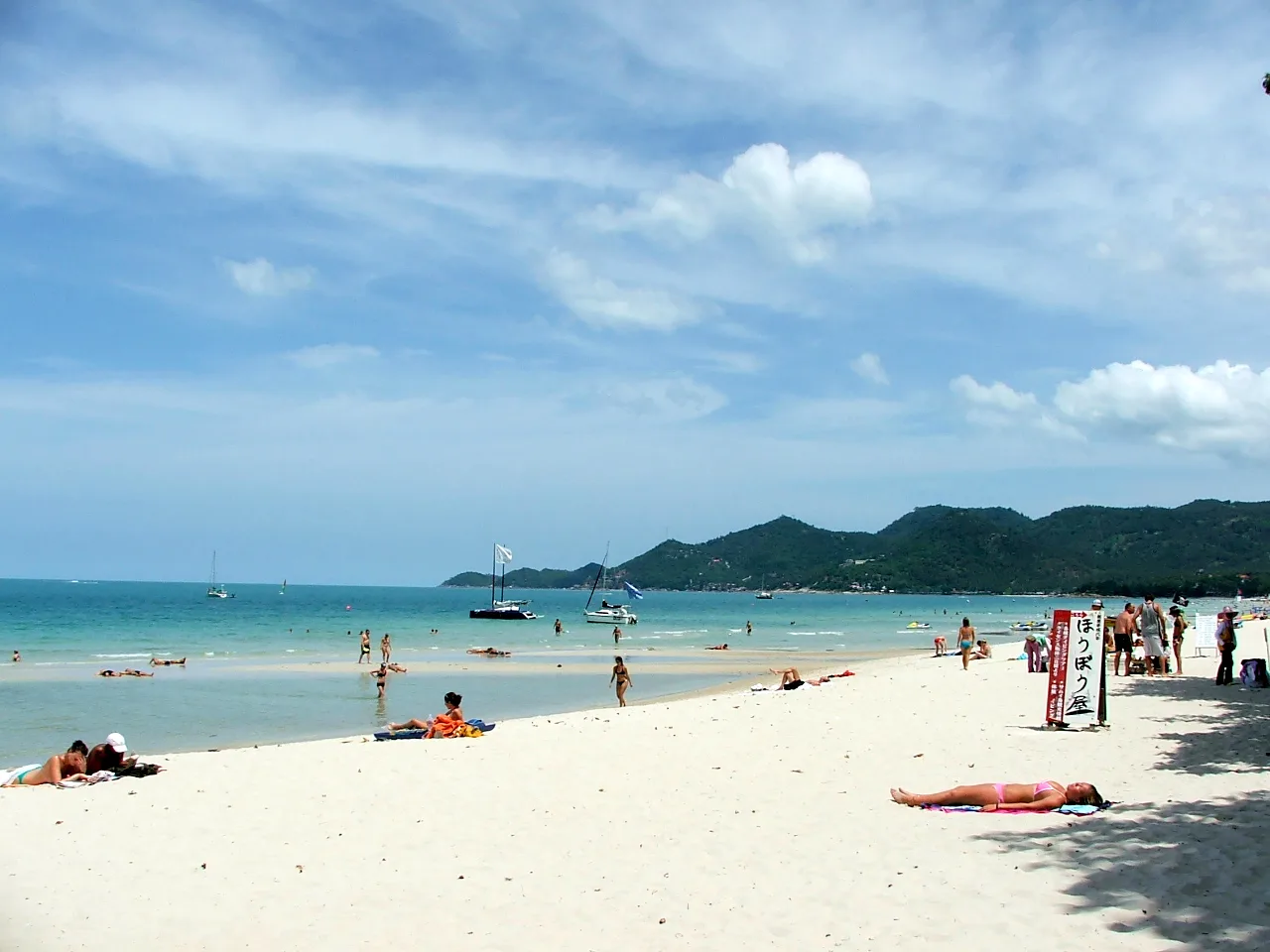
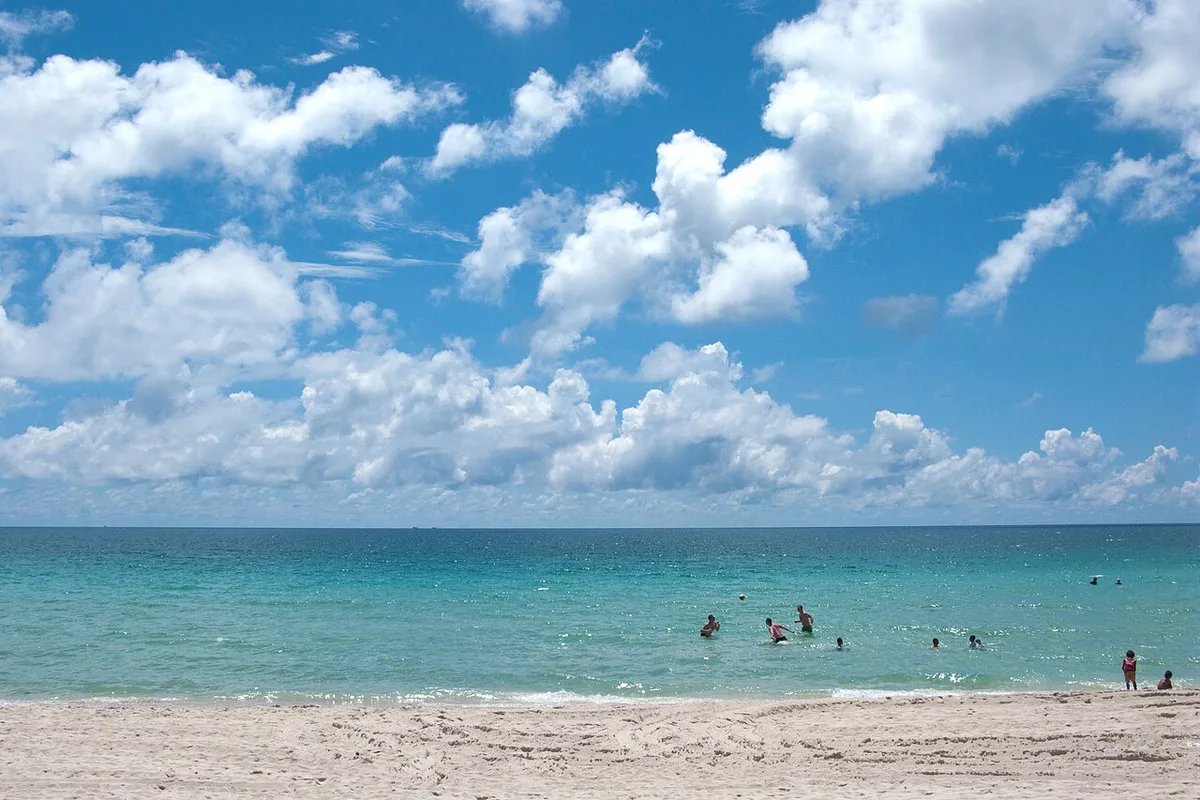
Pick your priority first. Beach days and calm seas point to January through April. Low prices point to May through September, with early December as a short bargain window. Snorkelling is best in the dry months, because rain cuts underwater visibility. Avoid October and November for water activities, since those are typically the wettest weeks of the year.
- Beach and swimming: January to April
- Snorkelling and diving: February to April
- Budget: May to June and early December
- Avoiding crowds: May to September
- Skip for most plans: October to November
Koh Samui climate and seasons explained
Samui is warm all year. Daytime highs are typically quoted around 27–30°C (81–86°F) in the cooler months and 33–36°C (91–97°F) by late April. April and May are usually the hottest, while December and January feel the coolest. Sources disagree on exactly where the seasons start and end, and the pattern shifts from year to year. The Gulf coast does not follow the Andaman pattern of Phuket and Krabi, so a Phuket forecast tells you little about Samui. For official climate norms, check the Thai Meteorological Department forecasts. Day-to-day detail is in our Koh Samui weather guide.
Month-by-month table
Every cell below is approximate and varies by year. Treat it as a planning aid, then check a forecast two weeks out.

| Month | Rain | Sea and visibility | Heat | Crowds and price | Verdict |
|---|---|---|---|---|---|
| January | Low | Calm, clear | Warm, 27–30°C (81–86°F) | High | Excellent |
| February | Low | Calm, clear | Warm | High, easing late month | Excellent |
| March | Low | Calm, good | Hotter | Shoulder | Excellent value |
| April | Low to moderate | Good | Hot, up to 33–36°C (91–97°F) | Shoulder; Songkran spike | Good, avoid mid-April traffic |
| May | Rising | Mixed | Hot and sticky | Low to shoulder | Good value |
| June | Showers | Mixed | Hot | Low to shoulder | Good value |
| July | Afternoon showers | Mixed | Hot, 28–33°C (82–91°F) | Small mid-year peak | Decent |
| August | Showers | Mixed | Hot | Small mid-year peak | Decent |
| September | Rising | Variable | Hot | Low | Gamble that often pays off |
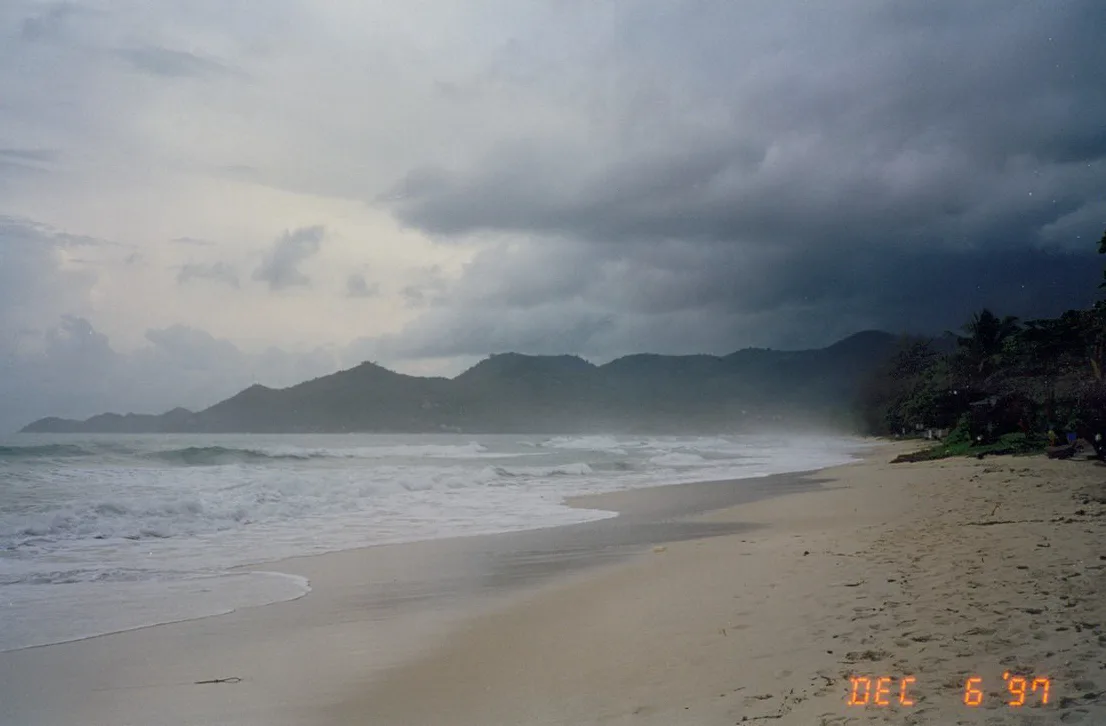
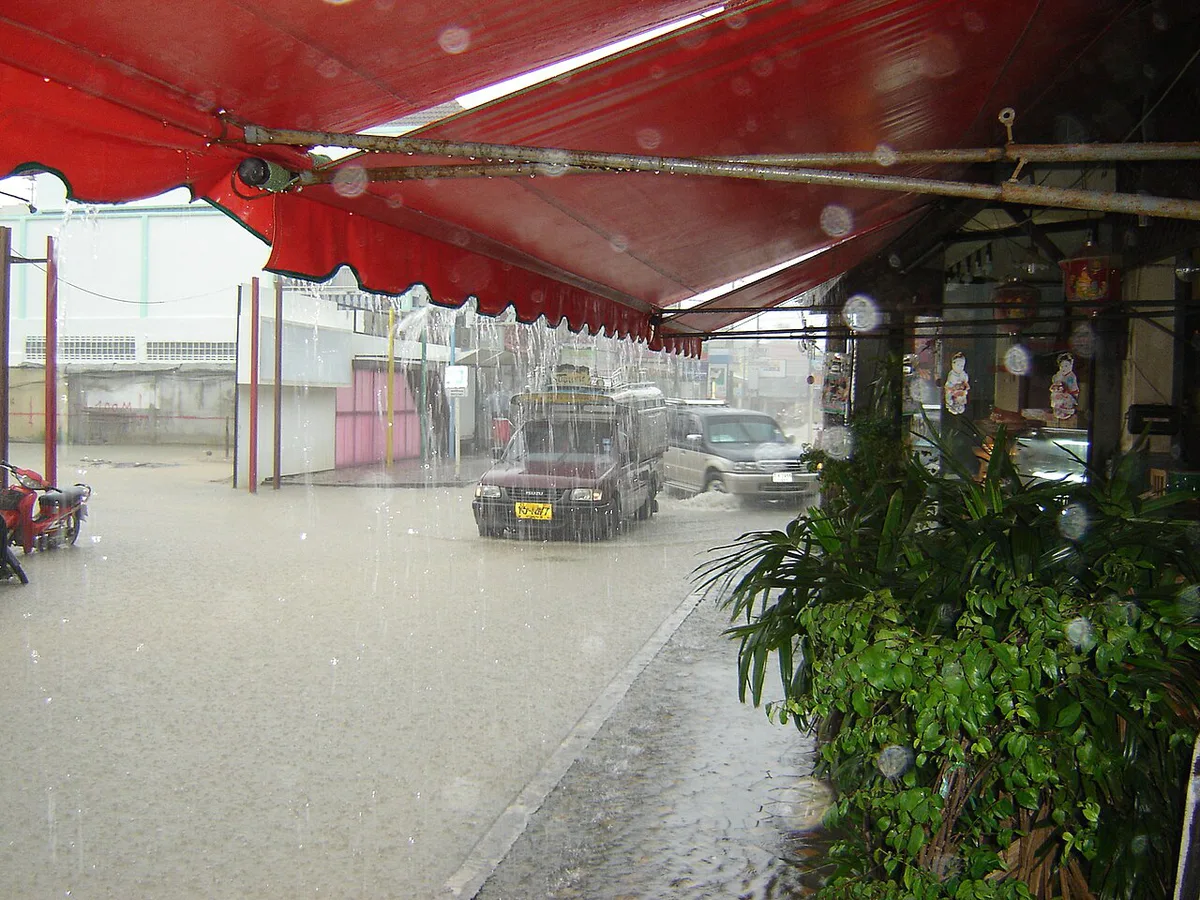
| October | Heavy | Rough, poor visibility | Warm | Low | Skip for beaches |
| November | Heaviest | Rough, poor visibility | 27–30°C (81–86°F) | Low | Skip for boats |
| December | Easing | Improving | Coolest | Low early, peak from Dec 20 | Early month is the sweet spot |
High season vs shoulder vs low season: prices, crowds, booking lead time

High season runs from about mid-December to March, with a Christmas and New Year peak between Dec 20 and Jan 5. Book that window months ahead. Some villas raise minimum stays then, occasionally to two weeks. Our Koh Samui in December guide shows how the month splits in two. As a purely illustrative planning example, a mid-range room near ฿2,000 a night in a shoulder month can double to ฿4,000 or more over Christmas. Check live rates before you budget. Shoulder windows are typically late February to April, May to June and early December. Sources disagree on the edges, so choose by risk. Late February and March give dry weather with thinner crowds. May and June trade a few showers for lower prices. Mid-year trips are covered in our Koh Samui in July guide. Low season means October and November. Our Koh Samui rainy season guide covers the trade-offs: cheaper rooms and empty beaches against rough seas and cancelled boats. Skip it if beaches or snorkelling drive your trip.
Best time for your trip type

Match your trip to one window and one month to avoid. Families usually want calm water and predictable weather, so aim for February or March. Honeymooners and villa guests get the best light from January to April, but should book early. Island-hoppers need calm crossings, which means the dry months.
Crowd-avoiders should skip Dec 20 to Jan 5, while early December stays a short bargain window and the month runs coolest.
| Traveler goal | Best window | Skip |
|---|---|---|
| Beach and swimming | January to April | October to November |
| Snorkelling and diving | February to April | October to November |
| Budget | May to June, early December | Dec 20 to Jan 5 |
| Honeymoon or villa | January to March | Late October to November |
| Families | February to March | Mid-April for Songkran traffic |
| Island-hopping | January to April | October to November |
| Avoiding crowds | May to September | Dec 20 to Jan 5 |
Weather and sea conditions: beaches, ferries, snorkelling, flights
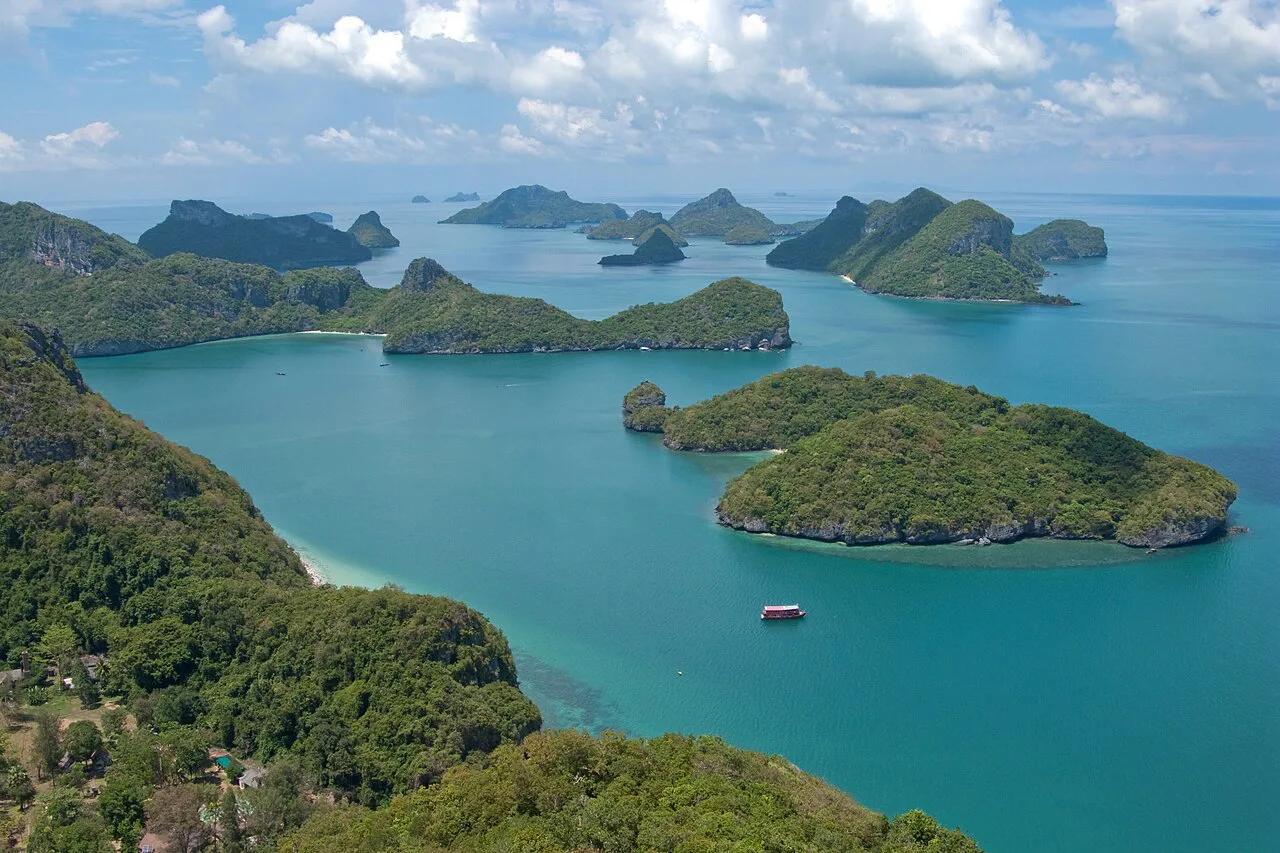
Ferries and speedboats to Koh Phangan, Koh Tao and Ang Thong are most reliable in the dry months. In October and November, rough water can cancel or delay crossings. Check the operator's official timetable before booking. Never schedule a crossing the day before a flight from Samui Airport. Wet-month storms can also disrupt flights, so leave a buffer. Chaweng and Lamai on the east coast, and Bophut and Maenam on the north, are the usual bases. Which coast is calmer shifts with wind direction, so verify with a current forecast. Rain-day options include spas and temples. Snorkelling tends to suffer in the wet months because rain reduces visibility.
Festivals and events that change the trip
Dates vary each year, so verify before you book. Songkran is typically 13–15 April. Expect water fights, crowds and traffic as locals travel home. Loy Krathong falls in November, with flower offerings floated under the full moon. The Vegetarian Festival lands in September or October, with temple processions and meat-free food stalls. Chinese New Year falls in January or February. Christmas and New Year bring fireworks around Chaweng and the year's highest prices. The Full Moon Party on Koh Phangan runs monthly, so ferries and rooms tighten around it. The Samui Regatta is usually quoted for late May to early June off Chaweng.
Songkran falls in April's hottest weeks, so 13–15 April means crowded roads on top of highs near 33–36°C (91–97°F).
Mistakes to avoid
Most seasonal regrets come from a handful of avoidable errors.
- Booking Dec 20 to Jan 5 late, when rooms are scarce and minimum stays apply
- Planning snorkelling in October or November
- Assuming Samui matches Phuket's rain pattern
- Booking a ferry or speedboat the day before a flight
- Ignoring Songkran traffic around 13–15 April
Building the rest of the trip? Our Koh Samui attractions guide covers the sights, districts and logistics around this guide.
Best time to visit other destinations
Frequently Asked Questions
What is the weather like in Koh Samui in November?
November is typically the wettest month, with temperatures around 27–30°C (81–86°F) and strong winds. Seas can be rough, so boat trips and snorkelling are a poor bet. Loy Krathong usually falls this month, and prices are low.
Explore More Koh Samui Guides
Keep planning your Koh Samui trip with these guides.
Koh Samui Guides
Useful notes for your Thailand trip
Optional updates to our guides.
You might also like
Continue reading
More guides you'll find useful