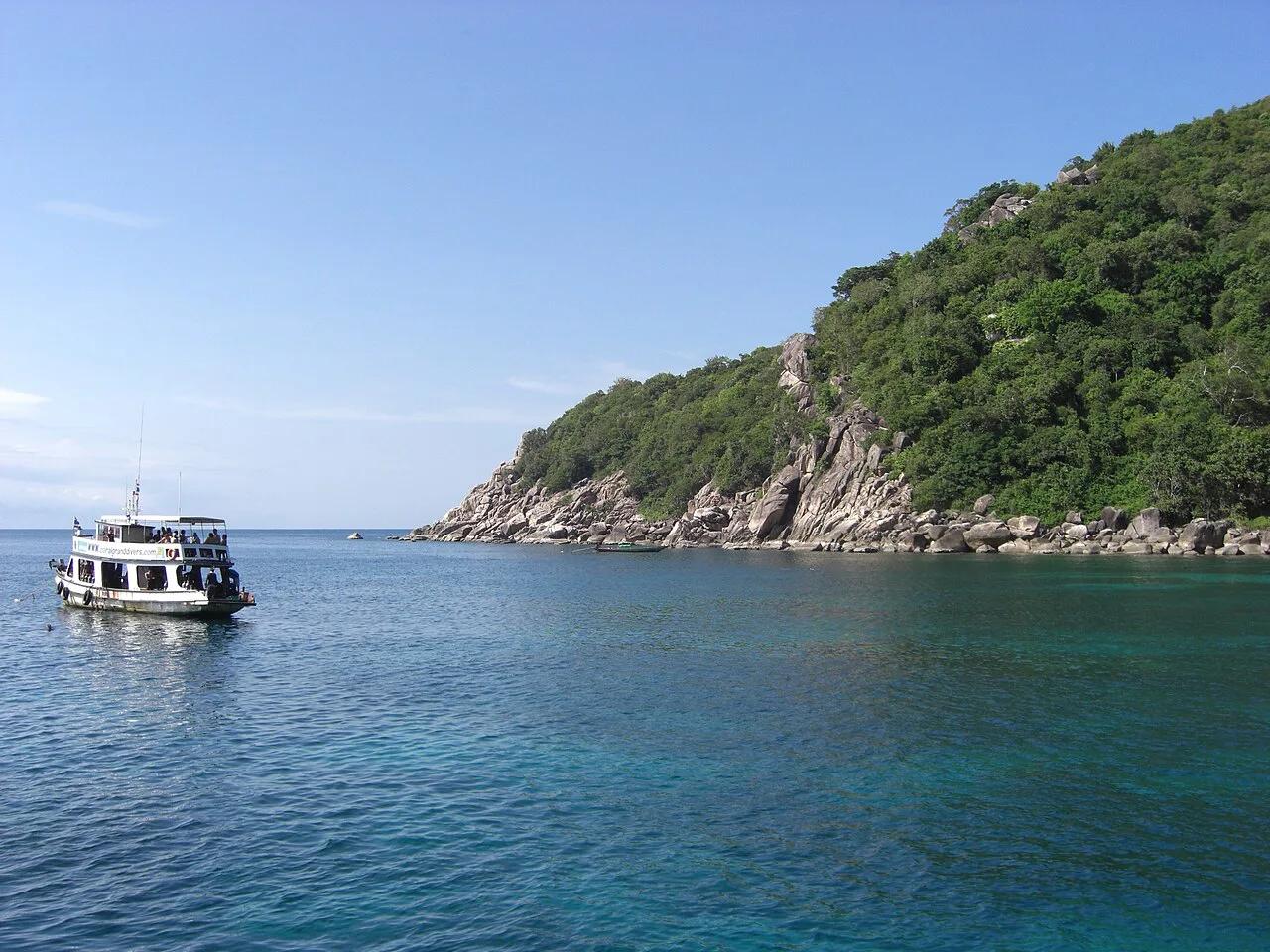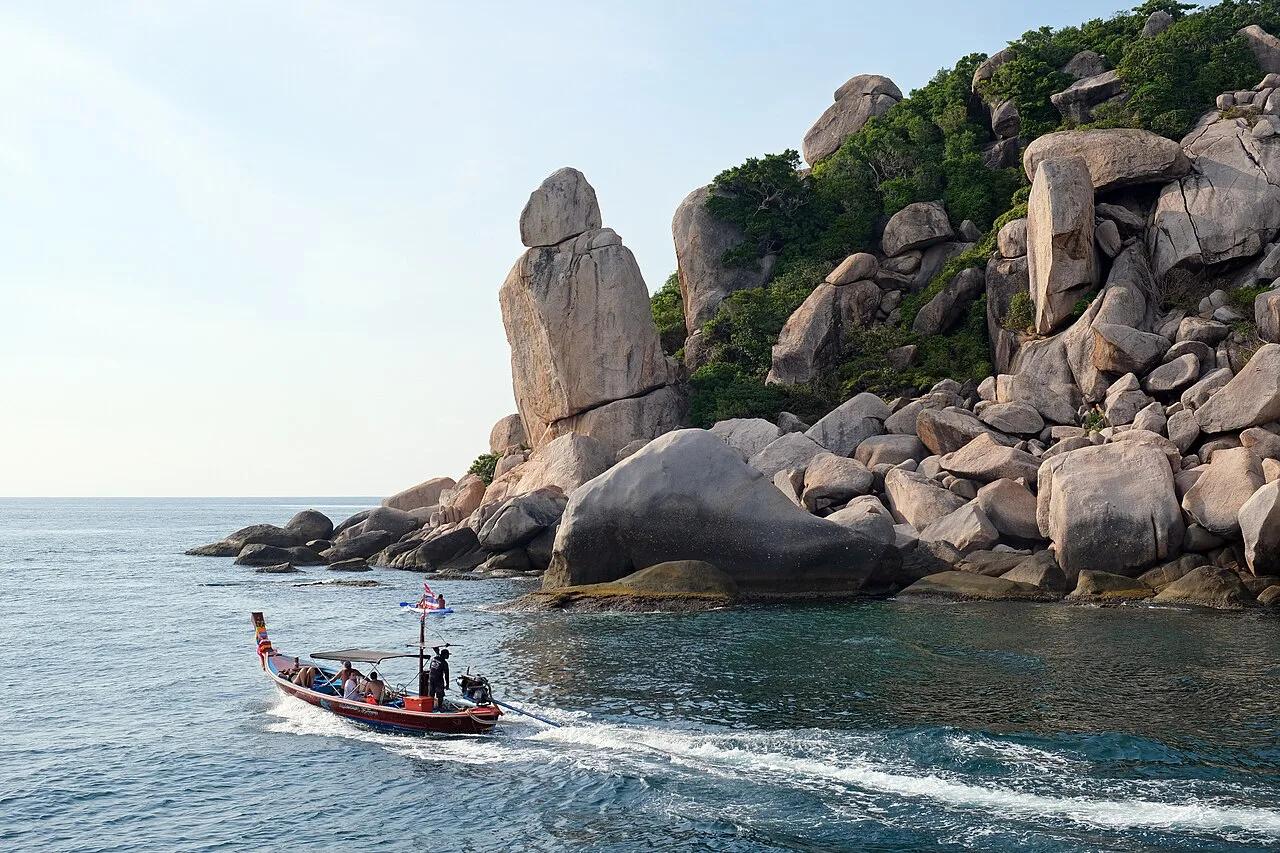
Koh Tao Rainy Season: Rain, Seas and Whether to Go
Koh Tao's rainy season explained: when it rains, how it affects ferries, diving and beaches, costs, and who should go or wait.
On this page
Last updated November 2026. Koh Tao rainy season is not one block of grey weather, and the Gulf of Thailand side usually gets less rain than the Andaman coast. Expect showers, wind and some rough crossings rather than a washout, then judge your dates by sea conditions as much as by rain. For the year-round picture, start with our guide to the Best Time to Visit Koh Tao: Month-by-Month Guide (Weather, Diving, Crowds).
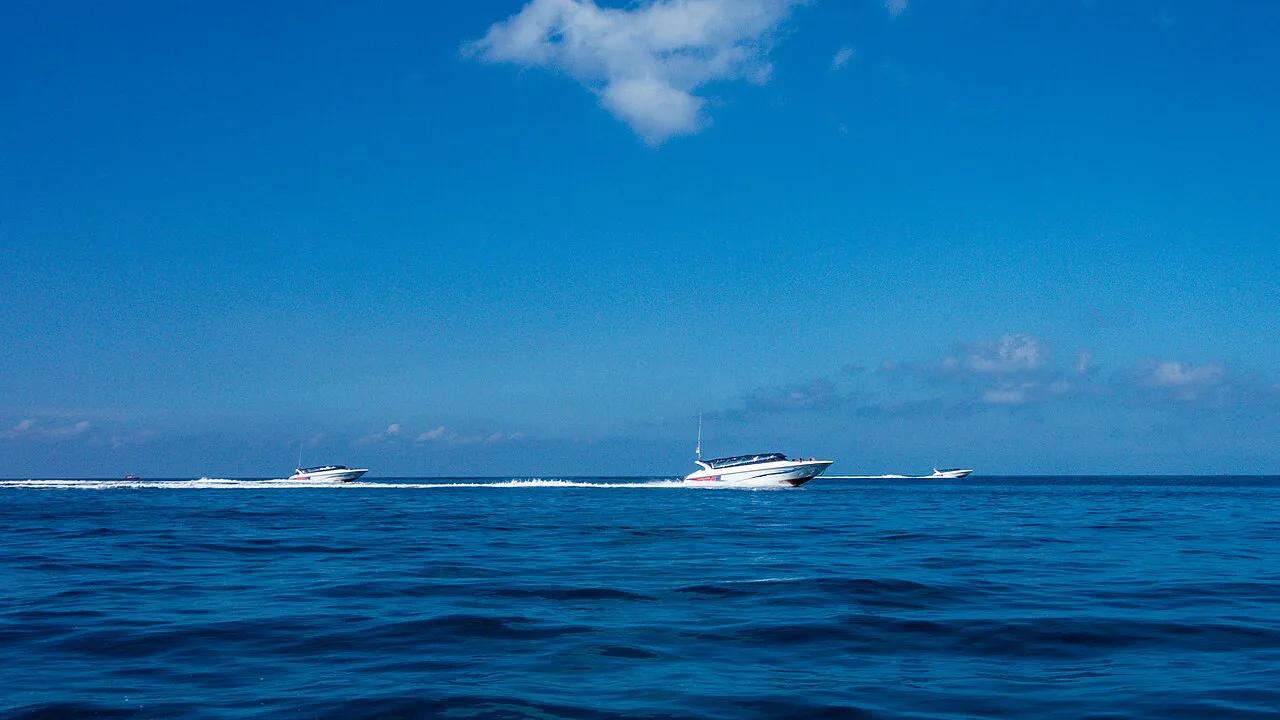
Featured image: kallerna, CC BY-SA 4.0, via Wikimedia Commons.
Koh Tao rainy season at a glance
Thailand's dry season is generally described as November to April, with a wetter "green season" through the summer. Gulf islands such as Koh Samui, Koh Phangan and Koh Tao tend to get less rain than the rest of the country, even in the rainy months. Rain on Koh Tao often arrives as short, sharp downpours instead of all-day drizzle. Rough seas are the bigger planning risk, because they decide whether boats run and whether dive sites are comfortable. Warm air is constant, and temperatures on Samui rarely fall below 25°C (77°F).
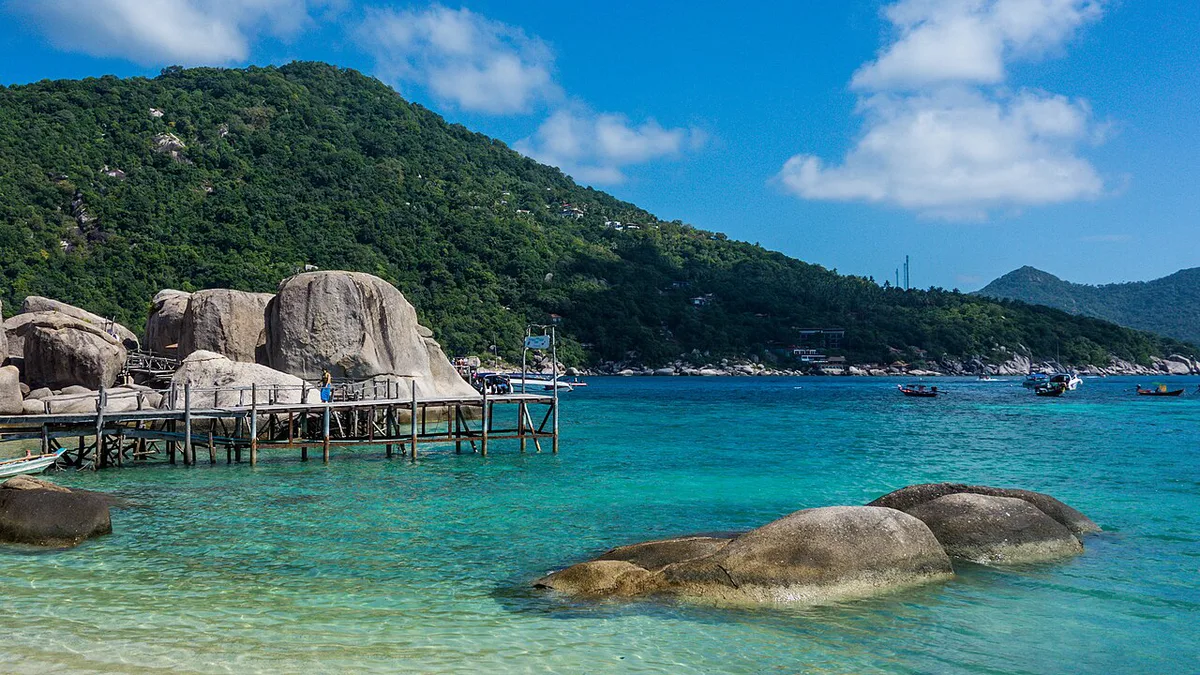
- Verdict: worth visiting if your dates are flexible and your bookings are refundable.
- Biggest risk: choppy water, not rain.
- Best fit: divers on a budget and travelers who like quiet beaches.
- Worst fit: anyone with a tight same-day flight connection.
When it rains on Koh Tao and how it differs from Phuket
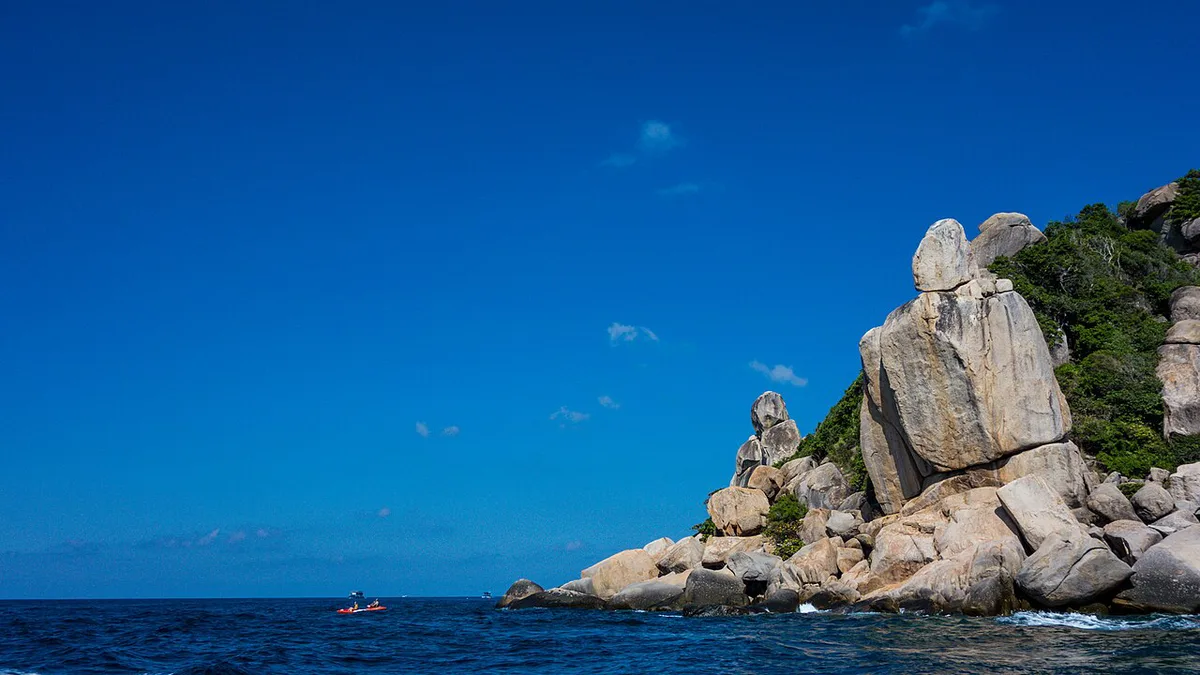
Koh Tao sits in the Gulf of Thailand. Phuket, Krabi, Koh Lanta and Koh Phi Phi sit on the Andaman Sea. The two coasts do not share one calendar. Andaman beaches are usually at their best in December and January, with maximum sunshine and minimum rainfall. Gulf islands are usually at their best from late January to mid-March, and February is typically the driest month. Rainfall on the Gulf side often peaks late in the year, around the northeast monsoon. Exact timing shifts from year to year, so check the Thai Meteorological Department forecasts before you commit. Mixing up the coasts is the most common planning mistake.
Month-by-month: rain, sea, crowds and prices
Labels below are relative, not measured rainfall. Use them to compare months, then confirm with current forecasts. July and August bring European and American summer-holiday crowds to the Gulf islands. September is often a good balance of fewer visitors and manageable weather, although it is the wettest month nationally. For detail, see our Koh Tao weather breakdown. Our December on Koh Tao page covers the busy end of the calendar. Our July on Koh Tao page covers the summer crowds.
| Period | Rain risk | Sea and ferry risk | Crowds | Prices |
|---|---|---|---|---|
| Jan to mid-Mar | Low | Low | High | High |
| Late Mar to Jun | Low to medium | Low to medium | Medium | Medium |
| Jul to Aug | Medium | Medium | High | Medium to high |
| Sep | Medium to high | Medium | Low | Low |
| Oct to Dec | Medium to high | Medium to high | Medium, rising | Medium, rising |
How rain and rough seas affect diving, snorkeling and beaches
Rain alone rarely stops diving. Wind and swell do, because they churn the surface and can cut underwater visibility. Snorkeling from exposed beaches suffers first, while sheltered bays stay calmer. Ask your dive operator three things before paying: how they handle cancelled trips, whether you get a refund or a rebooking, and which sites they switch to in rough weather. Course students should leave a spare day or two in the schedule.
- Ask for the cancellation and refund terms in writing.
- Ask which sheltered sites replace exposed ones.
- Allow one buffer day before a flight home.
Ferries, boats and getting to Koh Tao in wet weather
Boats arrive at Mae Haad pier, and crossings can be delayed or cancelled when the sea is rough. Most visitors reach the Gulf islands via the mainland ferry gateways of Surat Thani and Chumphon. Check the operator's own site for current timetables and weather policy. Build in slack: do not book a tight same-day onward flight after a crossing. If you connect through the capital, our guide to the Best Time to Visit Bangkok: Month-by-Month Guide shows how the city's rain and heat compare. Bangkok runs about 31°C (87°F) to 32°C (89°F) by day in its coolest months, and 20°C (68°F) at night.
Connecting through Bangkok means days run about 31°C (87°F) to 32°C (89°F) even in its coolest months, so keep a buffer before a crossing.
Costs and deals: what you save and what you risk
May and September are typically the lowest-priced months nationally, and September is generally the rainiest. Hotel discounts are the main upside. As an illustration only, a room quoted at ฿1,000 a night in September might be ฿2,000 or more in a high-season month. Those figures are not published rates, so compare live quotes for your own dates. The trade-off is weather risk, so favor free-cancellation rooms and refundable dive packages. May is hot but not fully rainy, which makes it a useful low-price option.
What to do on a rainy day on Koh Tao
Showers are often short, so plan around gaps. Use a wet morning for a dive theory session, a gear check or a long café breakfast near Mae Haad. Save beach time for the afternoon if the sky clears. Opening hours and venues change, so confirm any indoor activity locally the day before instead of assuming it is open.
Temperatures on Samui rarely fall below 25°C (77°F), so a short shower is no reason to stay in.
Where to stay and how to get around when it's wet
Pick a base within walking distance of food and your dive shop, so you are not relying on rides in heavy rain. Choose lodging with a covered terrace and free cancellation. Pack a light rain jacket and a dry bag for phones and documents. Check that your travel insurance covers weather-related delays and missed connections.
Mistakes to avoid
Do not assume the Andaman calendar applies to the Gulf. Do not book non-refundable dive courses without weather terms. Do not schedule a flight on the day of your crossing. Do not treat monthly labels as guarantees, since individual years vary.
Is Koh Tao worth visiting in the rainy season?
Yes, for flexible travelers who value lower prices and fewer crowds. Go if you can absorb a delayed boat or a lost dive day. Wait if your dates are fixed around a wedding or a tight flight. Switch islands if you need reliable beach days, since the best Gulf weather runs from late January to mid-March. Our year-round Koh Tao timing guide helps you choose.
Frequently Asked Questions
What's the best month to go in Thailand?
It depends on the coast. Andaman beaches are usually best in December and January. Gulf islands such as Koh Tao are usually best from late January to mid-March.
Does it rain a lot in Koh Samui?
Samui tends to get less rain than the rest of Thailand, even in the wet season. Showers still happen, and temperatures stay above 25°C (77°F).
What is the weather like in Koh Tao in December?
December is peak season nationally, but Gulf showers can still occur. Read our Koh Tao in December: Weather, Crowds and Booking Tips guide for details.
Useful notes for your Thailand trip
Optional updates to our guides.
You might also like
Continue reading
More guides you'll find useful