Koh Tao Weather by Month: Seasons, Rain & Best Time
Koh Tao weather month by month: rainfall, sea conditions, ferry and diving impact, and which season suits your trip.
On this page
Last updated November 2026. Koh Tao weather is warm all year, with highs mostly between 29°C (84°F) and 32°C (90°F), so rainfall and wind decide the season. The island sits in the Gulf of Thailand, so its rain pattern differs from Phuket and the Andaman coast. For a single best-month pick, read our Koh Tao timing guide.
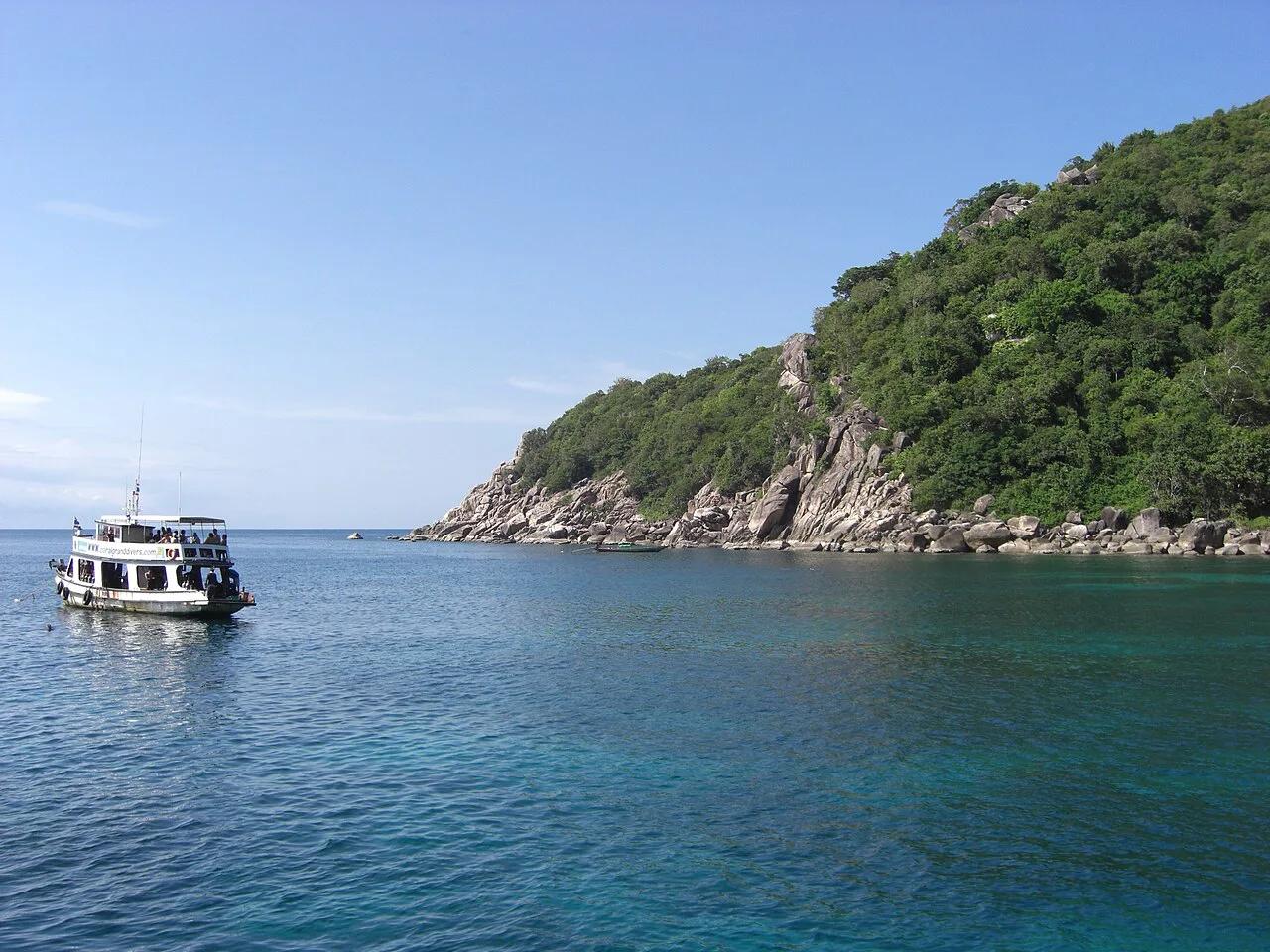
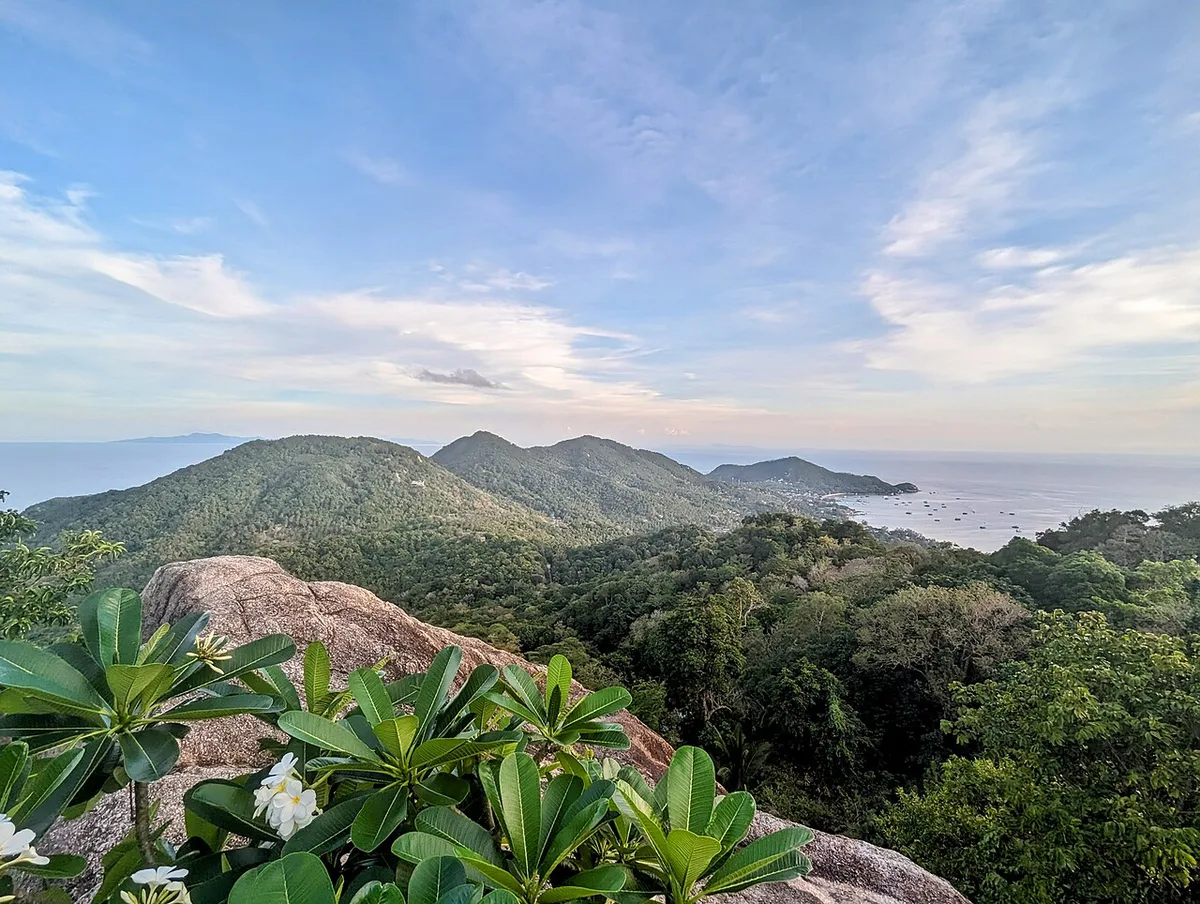
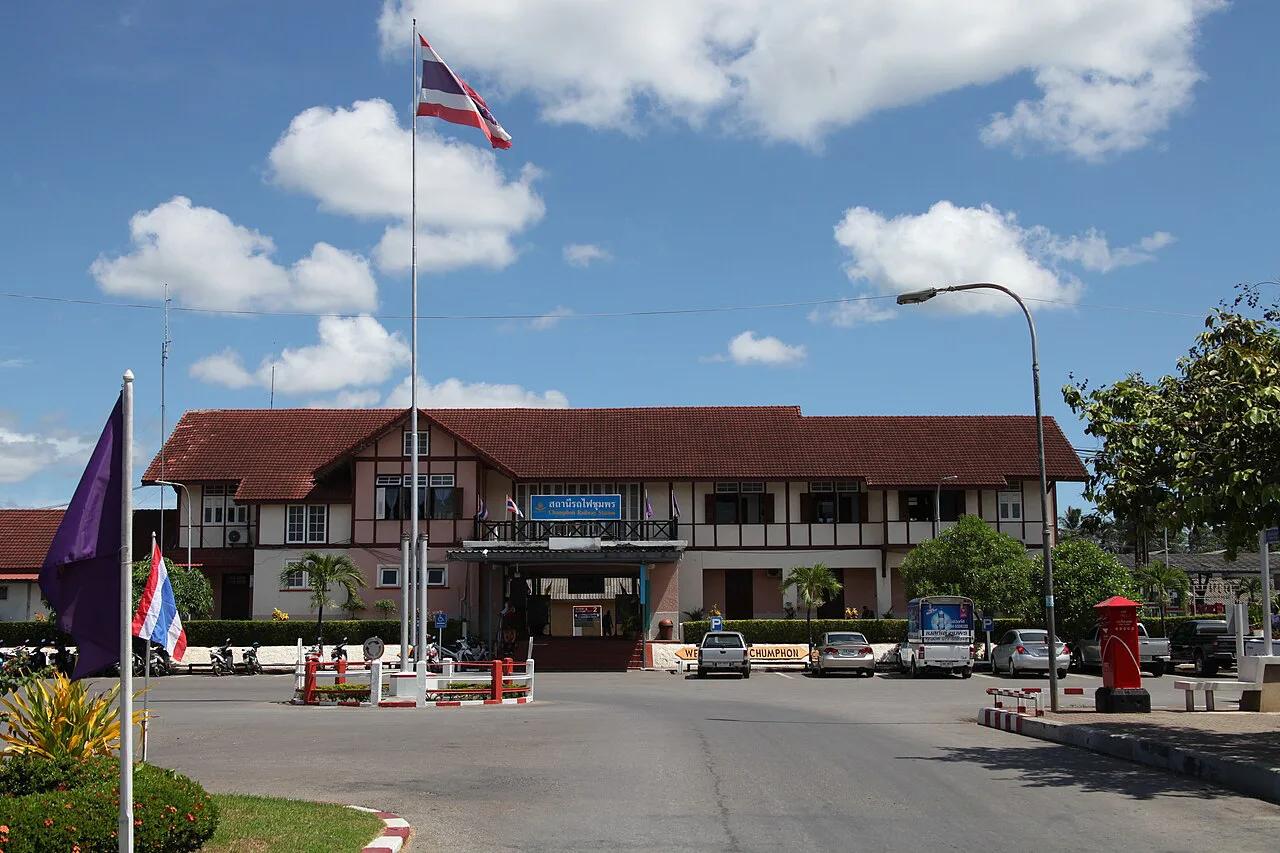
Featured image: kallerna, CC BY-SA 4.0, via Wikimedia Commons.
Koh Tao Weather at a Glance
Koh Tao is tropical, and monthly average temperatures stay around 26°C (79°F) to 29°C (84°F) across the year. Rain is the real variable. February is typically the driest month at about 39 mm, while November is typically the wettest at about 463 mm over roughly 20 rain days. Sea temperature stays swimmable, from about 28°C (82°F) at its coolest to about 30°C (86°F) at its warmest. Rain on a tropical island can never be ruled out, so treat every figure here as a typical average, not a promise.
- Warmest air: April and May, with average highs near 32°C (90°F).
- Driest stretch: January and February, at about 123 mm and 39 mm.
- Wettest stretch: October and November, at about 275 mm and 463 mm.
- Sea temperature: about 28°C (82°F) to 30°C (86°F) all year.
Koh Tao Weather by Month
Rainfall figures below are long-term monthly averages from climate summaries and should be checked against the Thai Meteorological Department for official records. March, April and September lack a firm figure here, so they are described qualitatively. Hot-season months such as Koh Tao in July: Weather, Ferries & What to Expect sit in the middle of the rainfall range.
| Month | Typical rainfall | Typical high | Verdict |
|---|---|---|---|
| January | About 123 mm | About 29°C (84°F) | Good |
| February | About 39 mm | About 29°C (84°F) | Best |
| March | Relatively dry | Warming up | Good |
| April | Relatively dry | About 32°C (90°F) | Hot |
| May | About 172 mm | About 32°C (90°F) | Hot, humid |
| June | 118–167 mm range | Warm | Mixed |
| July | 118–167 mm range | Warm | Mixed |
| August | 118–167 mm range | Warm | Mixed |
| September | Rising, showery | About 31°C (88°F) | Risky |
| October | About 275 mm | About 30°C (86°F) | Wet |
| November | About 463 mm | About 29°C (84°F) | Wettest |
| December | About 188 mm | About 29°C (84°F) | Transition |
Dry, Hot and Wet Seasons Explained
Koh Tao's year splits into three loose seasons, and temperature barely changes between them. Dry season runs from about December to February, with lower humidity and roughly seven to eight hours of sunshine a day. December is better described as a transition month, since its average of about 188 mm is well above January's. Our December on Koh Tao page covers that shoulder period. Hot season runs from March to August, when the south-west monsoon arrives. Rainfall climbs to about 172 mm in May, then stays between 118 mm and 167 mm from June to August. Wet season runs from September to November under the north-east monsoon. Showers there are often heavy but brief, and evenings are common, though that is not guaranteed. For the full picture, see our Koh Tao Rainy Season: Rain, Seas and Whether to Go guide.

Why Koh Tao's Weather Differs From Phuket and the Andaman Coast
Koh Tao, Koh Samui and Koh Phangan sit in the Gulf of Thailand, off the east side of the mainland. Phuket faces the Andaman Sea on the west side. The two coasts take their monsoons at different strengths, so a good month on one coast can be a poor month on the other. Phuket's rainy season is typically longer and more intense than Koh Tao's, although it may bring slightly more sunshine overall. Do not assume Andaman forecasts apply here. Pair Koh Tao with Phuket only after checking each coast's rain for your exact dates.

How Weather Affects Diving, Snorkeling and Beach Days
Warm water makes diving possible all year, since the sea stays around 28°C (82°F) at its coolest. What changes is surface conditions. In the north-east monsoon months of October and November, strong wind and heavy rain can roughen the surface and cancel boat trips to exposed sites. Visibility can also drop after storms, so flexible divers should keep spare days. Beach days are best from January to April, when skies are clearer. Snorkeling suits calm mornings. Hiking is most comfortable in the drier months, because April and May heat near 32°C (90°F) feels heavy when humidity rises. In wet months, indoor options and short dive-shop courses become the fallback.
Ferries and Getting There in Rough Weather
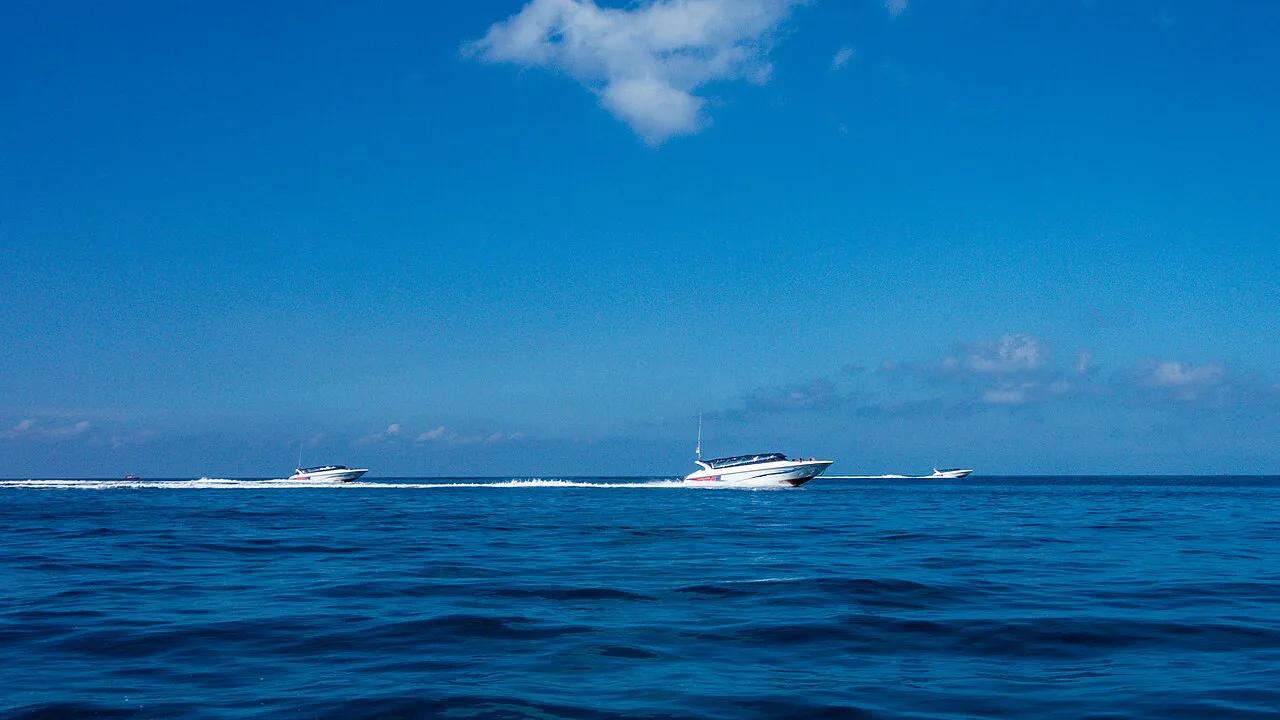
Boats to Koh Tao run from the mainland and from Koh Samui and Koh Phangan. Rough seas can delay or cancel crossings, mostly in the wettest weeks of October and November. Operators set their own weather policies and timetables, so check the current schedule on your operator's website before booking. Leave at least one buffer day around any flight connection. If you are arriving from the capital, our Bangkok timing guide shows that the capital's best months may not match the island's.
November is the wettest month at about 463 mm, and rough seas are most likely in those same wet weeks, so keep a buffer day.
What to Pack for Koh Tao's Weather
Pack light, quick-drying clothes, because daytime highs stay near 29°C (84°F) or higher all year. Bring a thin rain jacket from May to November. Reef-safe sunscreen, a dry bag for boat rides and waterproof phone protection help in every season. Travel insurance matters most for wet-season trips, since ferry disruption is more likely.
Rain climbs to about 172 mm in May, which is when the thin rain jacket on your packing list starts to matter.
- Quick-dry shirts and shorts
- Thin waterproof jacket for May to November
- Dry bag for boats and ferries
- Sun hat and sunscreen
- Travel insurance covering delays and diving
Which Month Should You Choose?
February is the safest pick for most visitors, with about 39 mm of rain. Divers who can stay flexible may accept October or November for thinner crowds. As a budgeting test, compare listed rates: if a room costs ฿1,500 in February, check what the same room costs in November before deciding. Savings are real in the wet season, but so is cancellation risk. Short fixed trips and honeymoons are better kept to January through April. Mistakes to avoid: booking a short, fixed trip in November, assuming Andaman weather applies here, skipping insurance, and leaving no buffer around ferry connections.
- Divers: February to April for steadier boats, or flexible October trips for lower prices.
- Beach-lovers: January to March.
- Budget travelers: October or November, if schedules can move.
- Short-trip travelers: January or February.
- Honeymooners: February to April.
Where to Check the Live Forecast
Climate averages cannot predict a specific week. Use the Thai Meteorological Department forecasts for warnings and monsoon updates in the days before travel. Check your ferry operator's page on the morning of any crossing.
Frequently Asked Questions
What is the rainy season in Koh Tao?
Koh Tao's wettest period typically runs from September to November, with November the heaviest at about 463 mm. Showers are often brief and fall in the evening, but that is not guaranteed.
Useful notes for your Thailand trip
Optional updates to our guides.
You might also like
Continue reading
More guides you'll find useful