Krabi Rainy Season: Months, Boats & What to Do
Krabi's rainy season explained: which months are wettest, whether island boats still run, what it costs, and how to plan around the rain.
On this page
Last updated November 2026. Krabi rainy season is usually labeled May to October, but the real risk window stretches past both ends. Expect short heavy showers, rougher seas and cheaper rooms, and plan around boat days rather than rainfall.
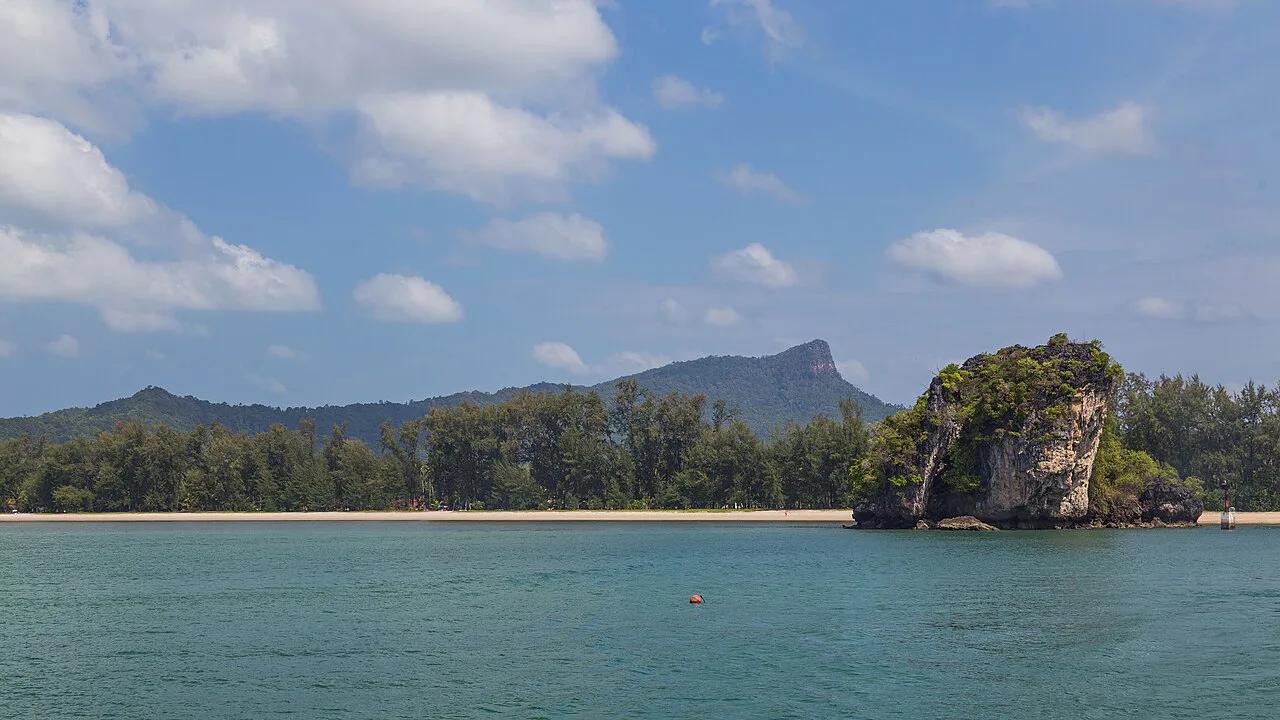
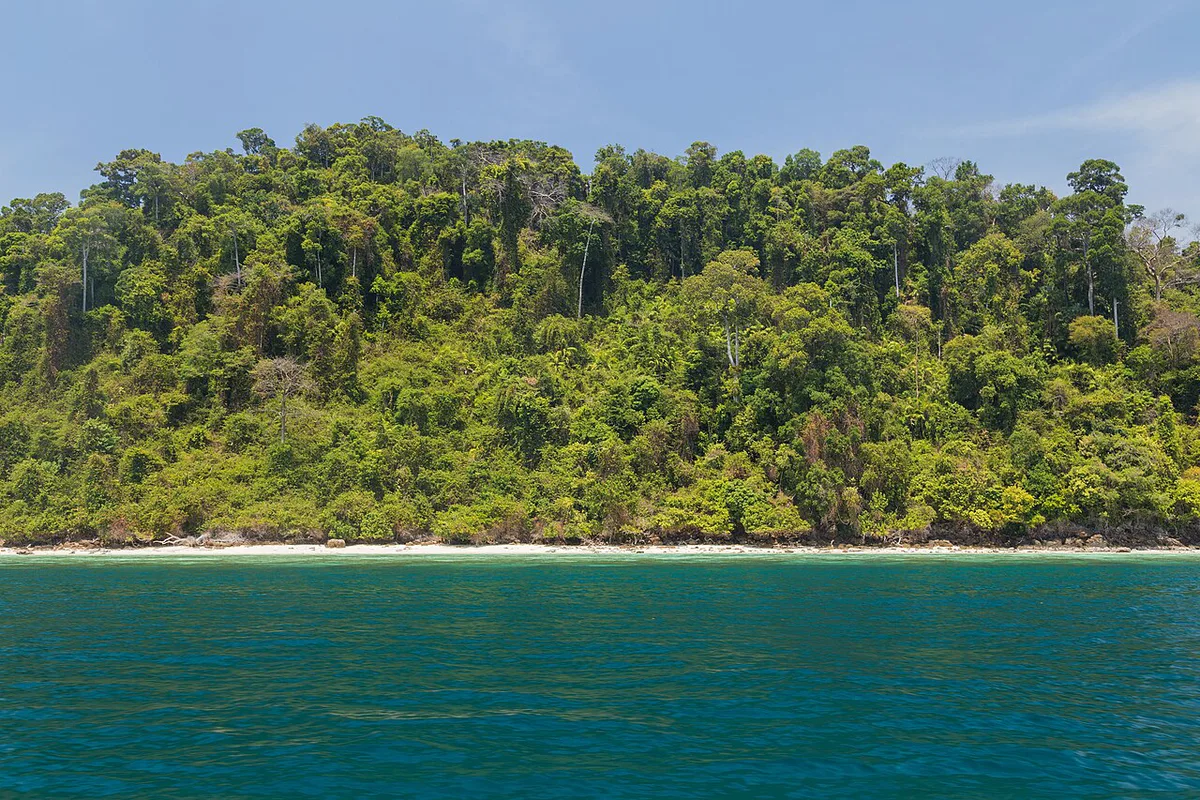
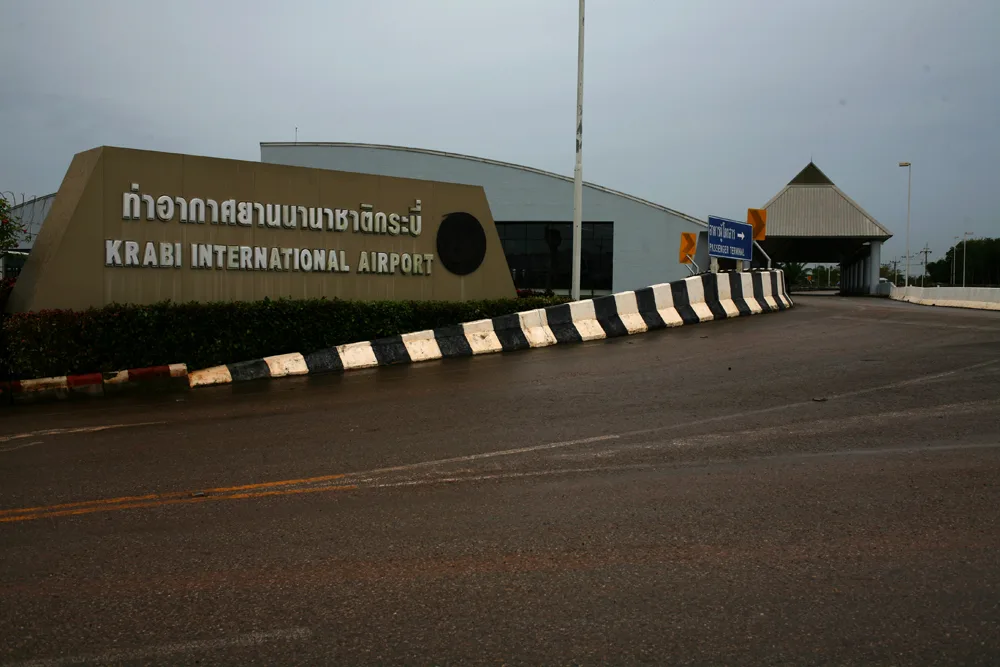
Featured image: Christophe95, CC BY-SA 4.0, via Wikimedia Commons.
Krabi rainy season quick answer: when it runs and whether to go
Typically, the wet season runs from May to October, with September and October the heaviest. Daytime temperatures usually sit around 25–31°C (77–88°F) in those peak months. Go if you can live with a lost beach day or two. Add buffer days if island trips matter most. Skip it if you have one fixed set of island days and no slack. For the full-year comparison, read our Best Time to Visit Krabi: Month-by-Month Seasons & Tips guide.
- Flexible budget traveler: go.
- Hiker or waterfall fan: go, with a morning-outdoor plan.
- Beach-and-snorkel first-timer on a tight itinerary: add buffer days or pick another season.
- Family with young children: choose a base with easy road access and a pool.
Krabi rainy season by month
Season labels differ between sources, so treat these ratings as qualitative. The Thai Meteorological Department publishes the official rainfall and monsoon data for checking exact figures. For fuller climate detail, see our Krabi Weather Guide: Seasons, Rain and Sea Conditions page.
| Month | Rain risk | Sea and boat risk | Crowds and prices |
|---|---|---|---|
| April | Low to moderate; hot, with occasional showers | Usually calmer seas | Quieter, softer prices |
| May | Moderate; showers build | Some rougher days | Low to mid |
| June–August | Moderate; brief heavy showers, often late afternoon | Rougher days, mostly manageable | Low |
| September | High; among the wettest months | Highest chance of cancellations | Lowest |
| October | High; among the wettest months | Highest chance of cancellations | Lowest |
| November | Moderate; tapering but unreliable | Improving, still variable | Rising as businesses reopen |
What the rain feels like day to day
Typically, wet-season rain arrives as a heavy burst of one to two hours, mostly in the late afternoon or evening. Mornings are often clear. Some days turn gray and wet from dawn to night, so do not count on the pattern. Temperatures of 25–33°C (77–91°F) stay high, and humidity makes rain feel warm rather than cool. Sea state matters more than rainfall. A dry day with rough water can cancel a boat trip, while a showery day with a calm sea may not.
Boat and island trips in the rainy season
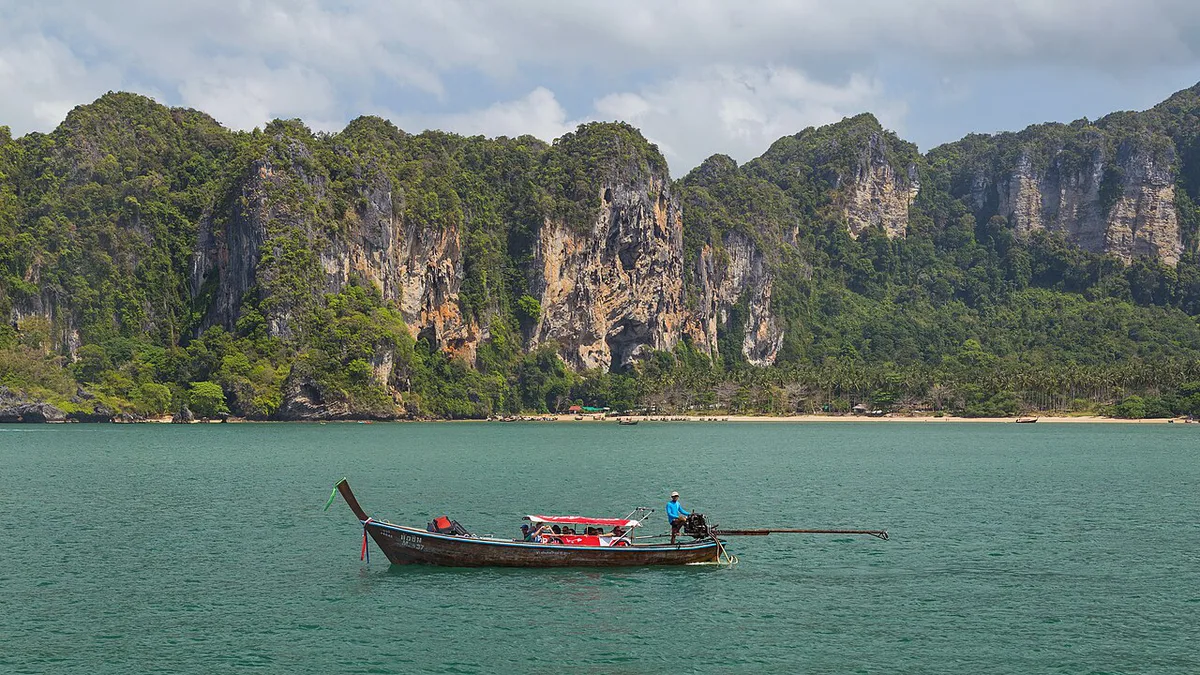
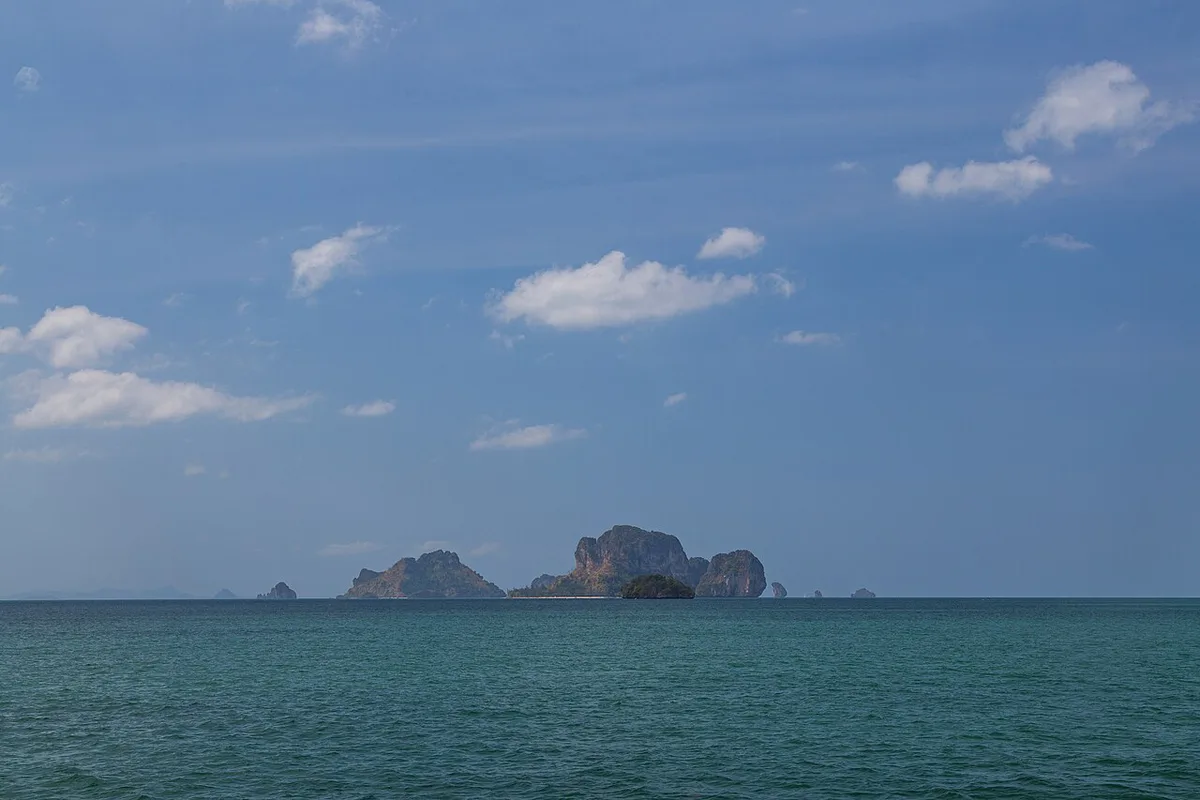
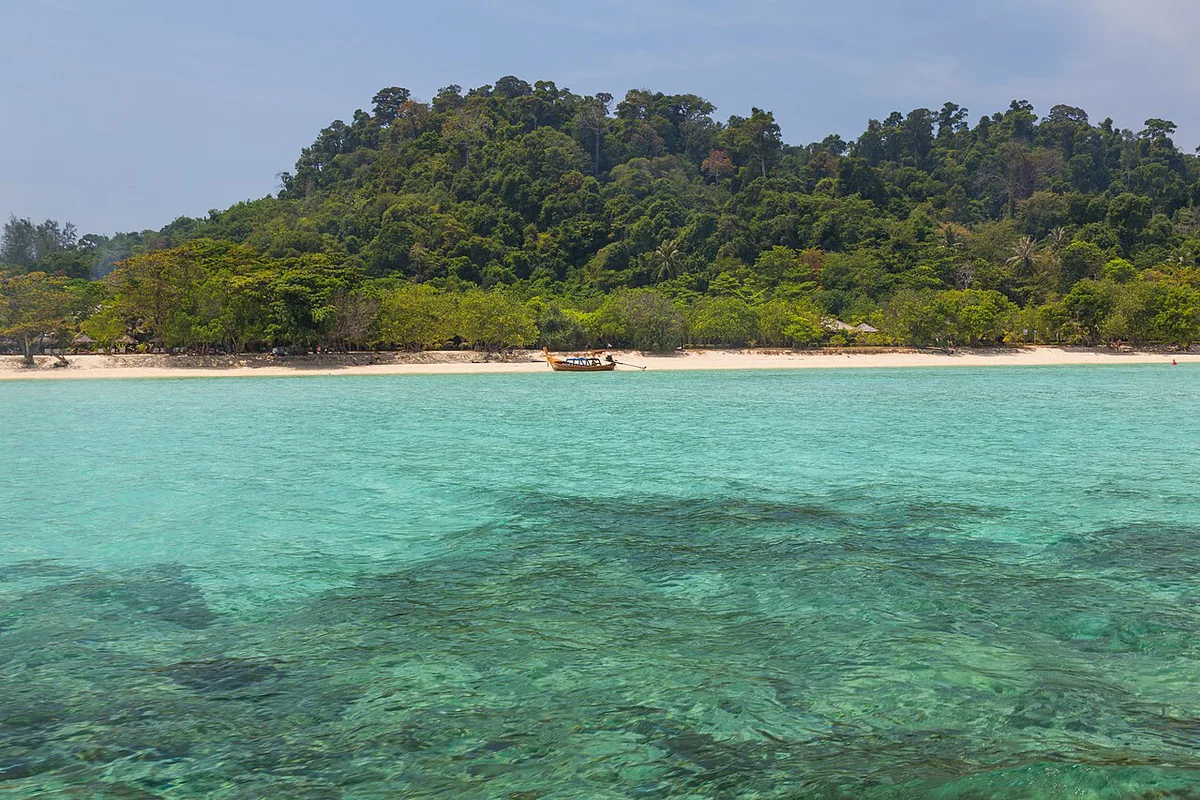
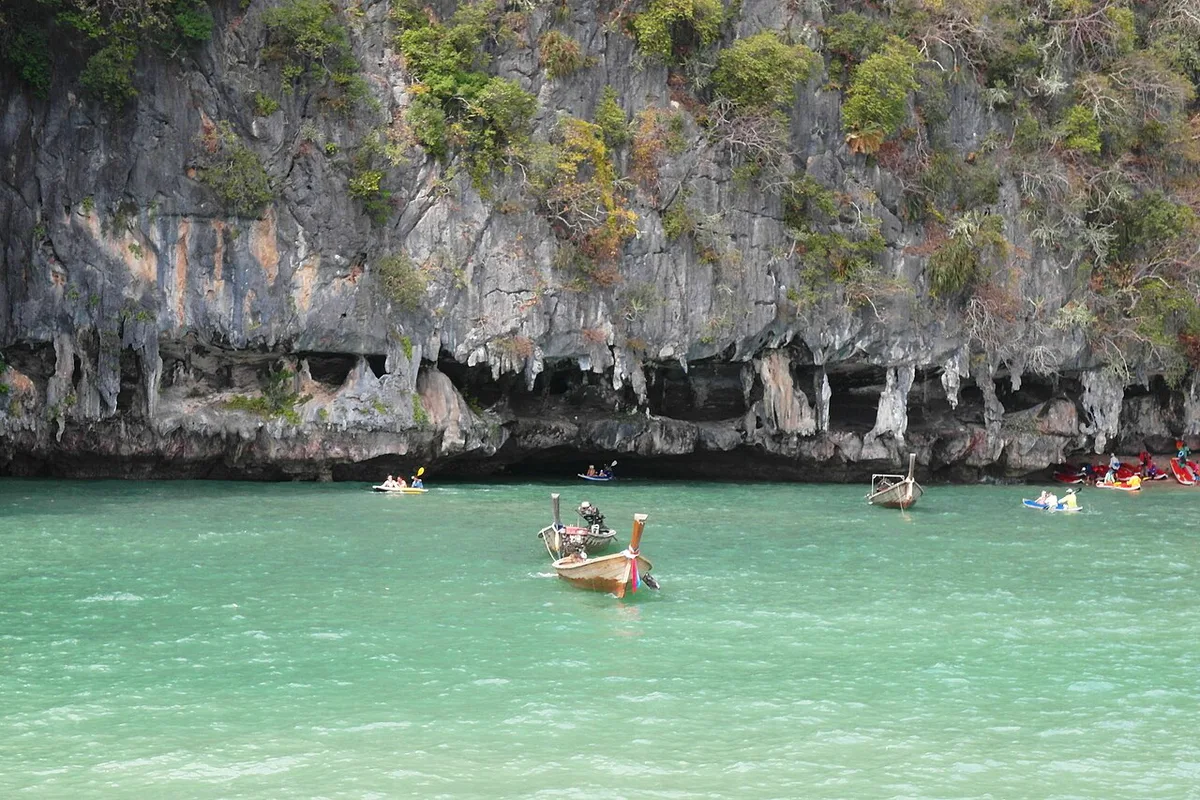
Phi Phi, Four Islands and Railay-area trips can be delayed, rerouted or cancelled in the heaviest months, especially September and October. Some operators also run only when a minimum group number is reached. Speedboat canopies may offer sun cover only, so expect to get wet in rough water. Snorkel visibility drops after heavy rain, and a life vest helps in choppy water. Check official marine weather advisories and your operator's notice before departure.
- Ask what happens if the trip is cancelled for sea conditions: refund, rebooking or credit.
- Ask the minimum group size and when you will be told.
- Ask whether life vests are provided.
- Ask whether the route changes in rough seas.
- Book flexibly and keep one spare day for the island trip.
- Skip boat trips on days when the forecast shows heavy rain and rough sea.
Best things to do when it rains

Use a morning-outdoor, afternoon-indoor plan. Waterfalls and the Emerald Pool are greener in the wet season, and rain-tolerant walks are best early in the day. In Krabi Town, try Krabi Walking Street, Wat Kaew Korawaram and the Andaman Cultural Study Center. Cooking classes and Thai massage fill the wet afternoon. Skip the Railay viewpoint climb right after heavy rain. The trail turns muddy and slippery, and the orange clay stains shoes and clothes. Monkey Trail paths can also flood, so wear grippy sandals.
Temperatures of 25–33°C (77–91°F) stay high, so the clear mornings are the window for outdoor walks.
Where to stay and how to get around
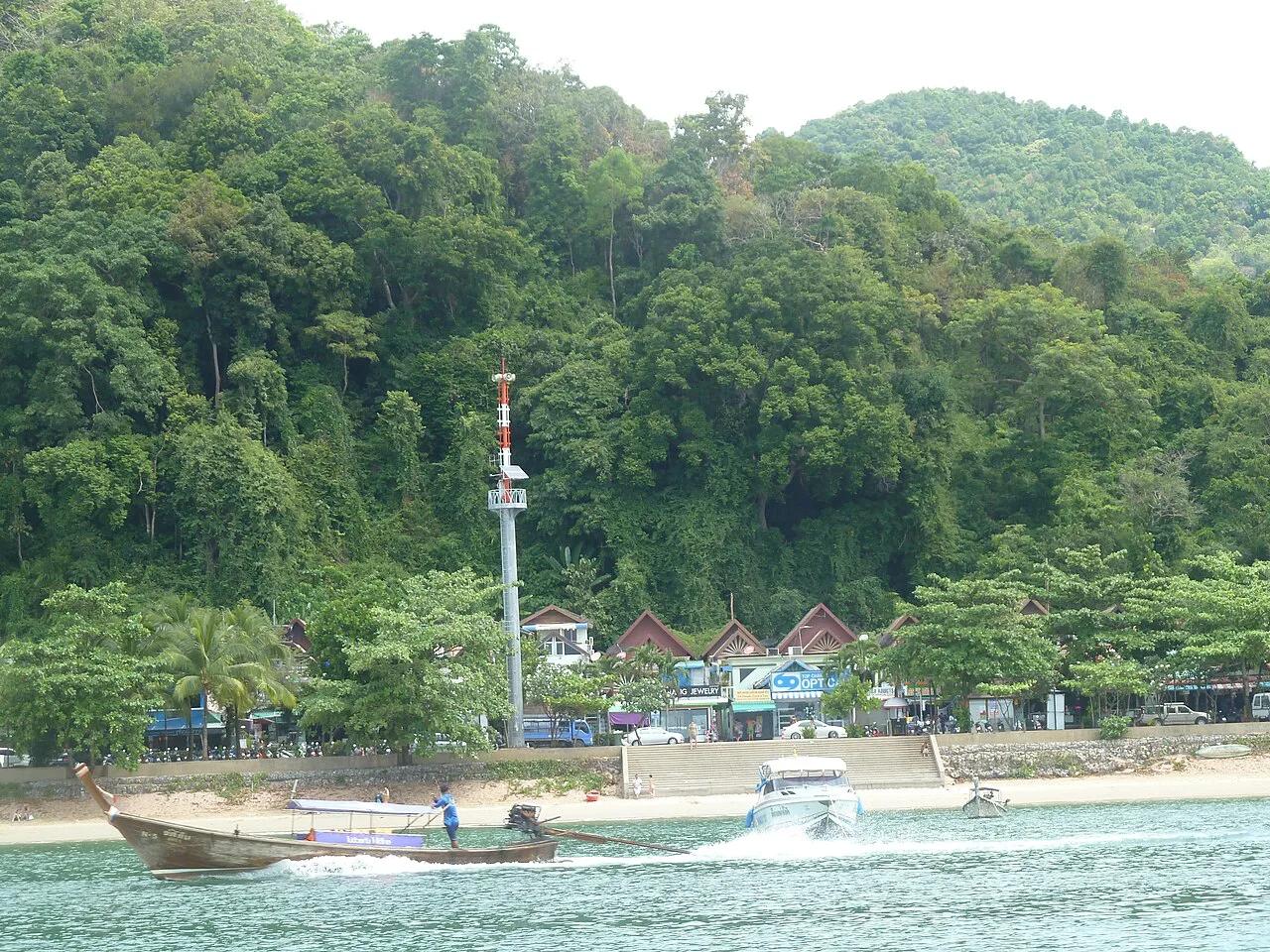
Ao Nang has the most road access, restaurants and indoor fallbacks, which makes it the easiest wet-season base. Railay is reached by boat, so rough seas can complicate transfers. Check the current transfer situation with your hotel before booking. Krabi Town suits budget travelers who want markets and temples, but it is not on the beach. For the base-area decision, check Ao Nang Weather: Seasons, Rain & Sea Conditions before you commit. The trade-off is simple: Ao Nang for flexibility, Railay for scenery with transfer risk, Krabi Town for cost and culture.
Costs and trade-offs
Rooms are cheaper and crowds thinner, but weather risk is the price. Use a simple budget test with illustrative numbers, not quoted rates. If a room costs ฿2,000 a night in January and ฿1,300 in September, a 4-night stay saves ฿2,800. A single lost island day can cost more than that once a non-refundable tour and a missed transfer are counted. Check current rates with your hotel and operator, since discounts vary by property.
Shoulder months: is November still the rainy season?
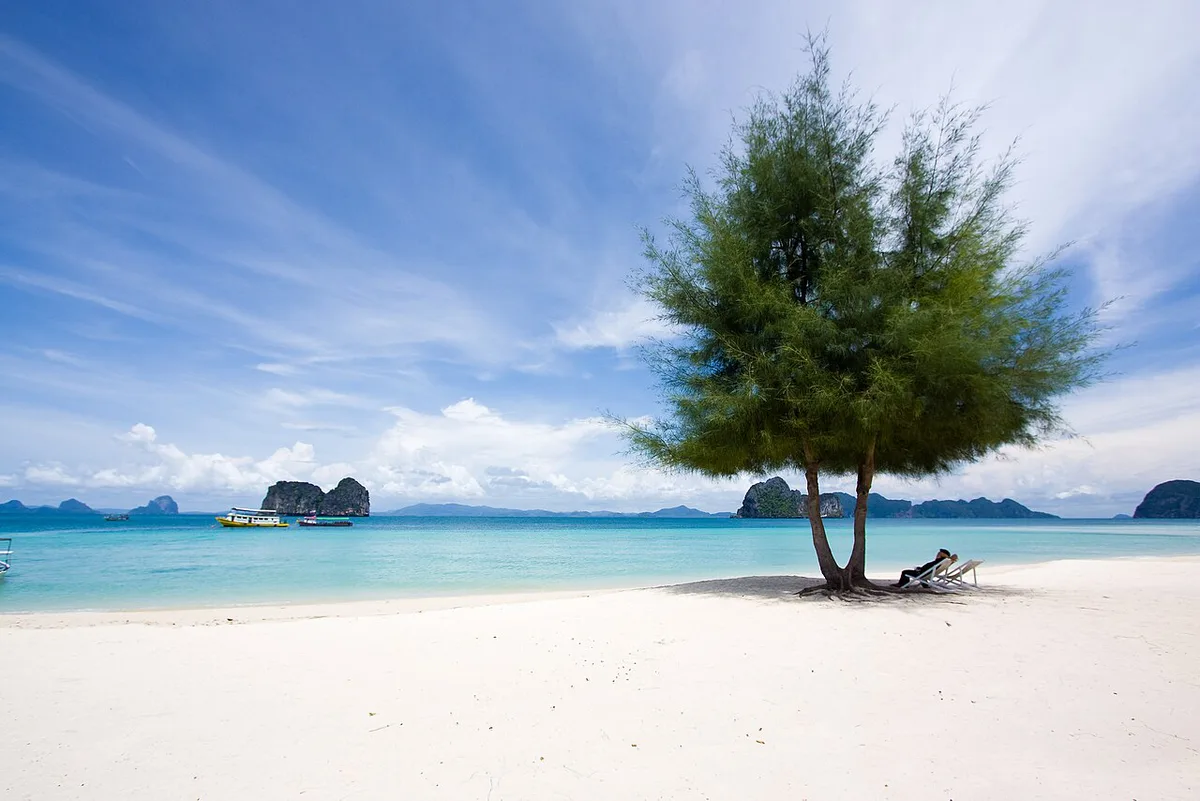
Many sources call November the start of the dry season, but rain can linger into late November and December. Do not treat any month as guaranteed dry. Businesses reopen and prices rise as the season turns, so you pay more for a lower but real chance of rain. Daytime highs of 28–31°C (82–88°F) are typical. Read our Krabi in December: Weather, Crowds & Where to Stay guide for the next month, and the year-round comparison to choose between them.
What to pack and mistakes to avoid
Pack quick-dry layers, grippy strap sandals, a dry bag and rehydration salts. Ponchos get hot in humid heat, and many hotels supply umbrellas, so ask before buying one. Avoid these mistakes.
Rain can linger past 1 November, into late November and December, so do not treat the switch as a guarantee.
- Booking a single non-refundable island day.
- Assuming the dry season starts on 1 November.
- Planning the same outdoor activity every day.
- Climbing viewpoints right after heavy rain.
Frequently Asked Questions
What is the rainiest month in Krabi?
September and October are typically the wettest months. Rain usually comes in heavy bursts, and seas are roughest then. Check the Thai Meteorological Department for official figures.
Which month should you avoid in Krabi?
Avoid September and October if beach and island days are your priority. Boat trips can be delayed or cancelled in those months. Land-based plans such as waterfalls and temples are less affected.
What is the best time to visit Krabi?
November to March is typically the most reliable window for sun and calm seas. It also brings higher prices and bigger crowds. Our pillar guide compares every season.
Useful notes for your Thailand trip
Optional updates to our guides.
You might also like

Continue reading
More guides you'll find useful