Phi Phi Rainy Season: Months, Weather and What to Expect
Phi Phi's rainy season: which months are wettest, how rain affects boats and beaches, costs, and whether it's worth going. Practical planning tips.
On this page
Last updated November 2026. The Phi Phi rainy season is the southwest monsoon period on Thailand's Andaman coast, running roughly May to late November. Expect regular downpours, rougher seas and patchy snorkeling visibility, but also lower prices and quieter beaches. Flexible, budget-minded travelers can make it work, while anyone chasing guaranteed sun should plan for another month.
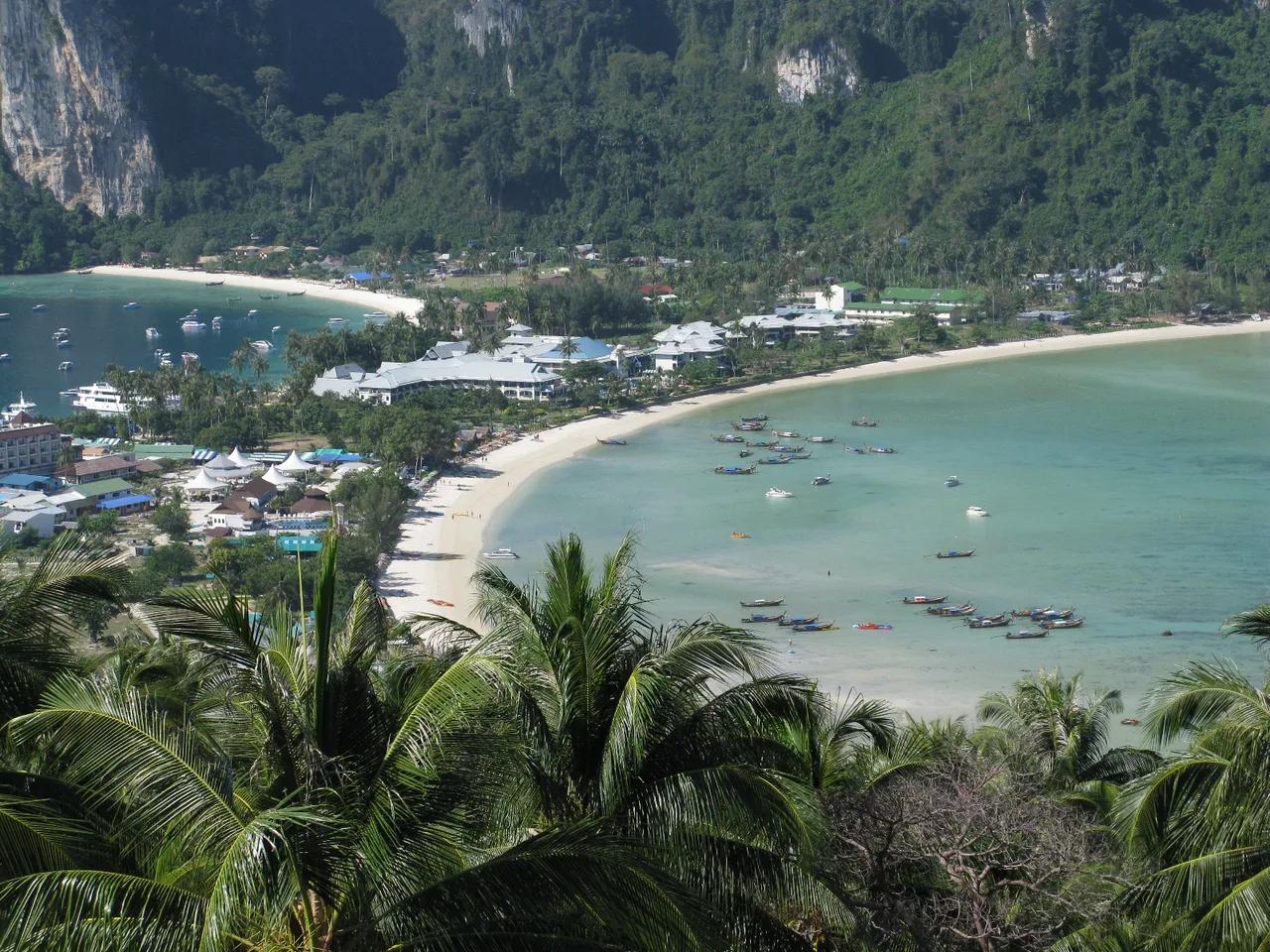
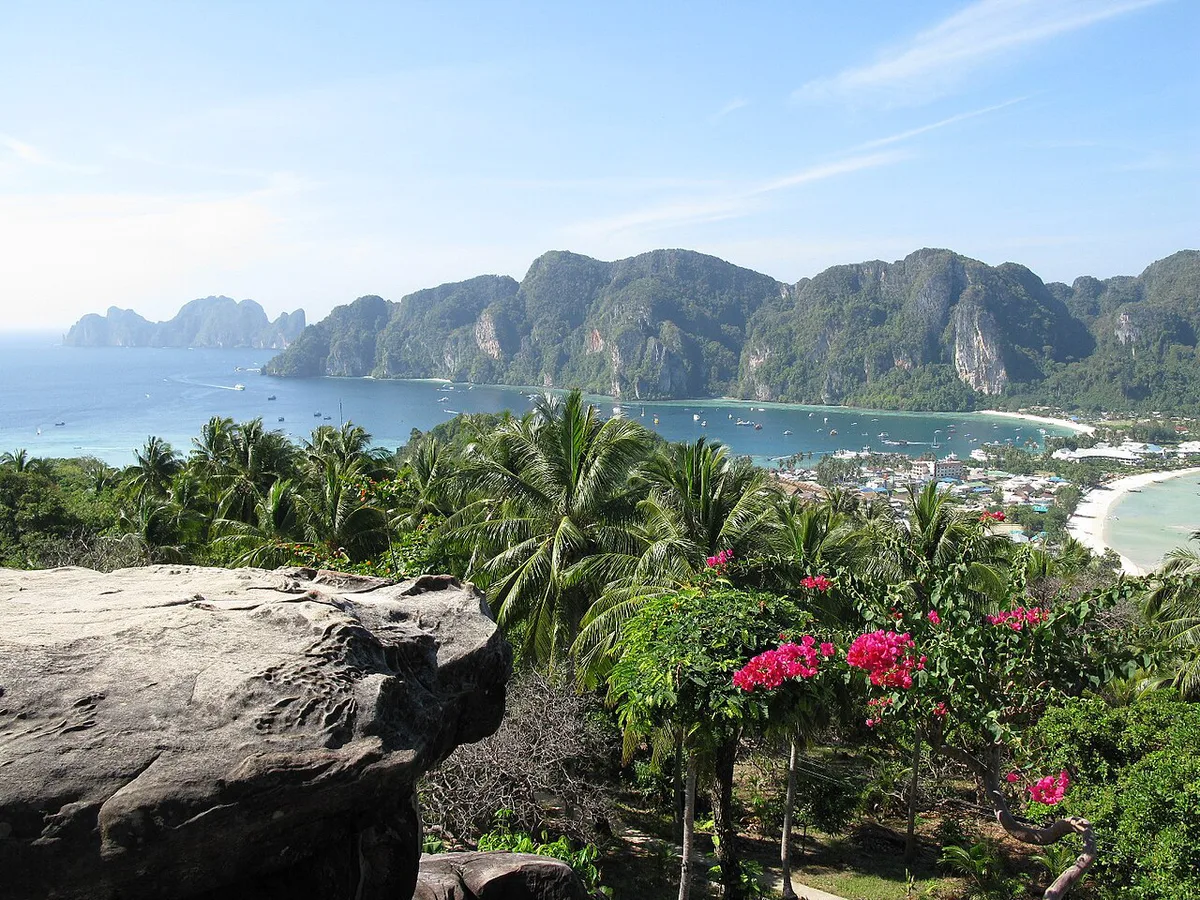
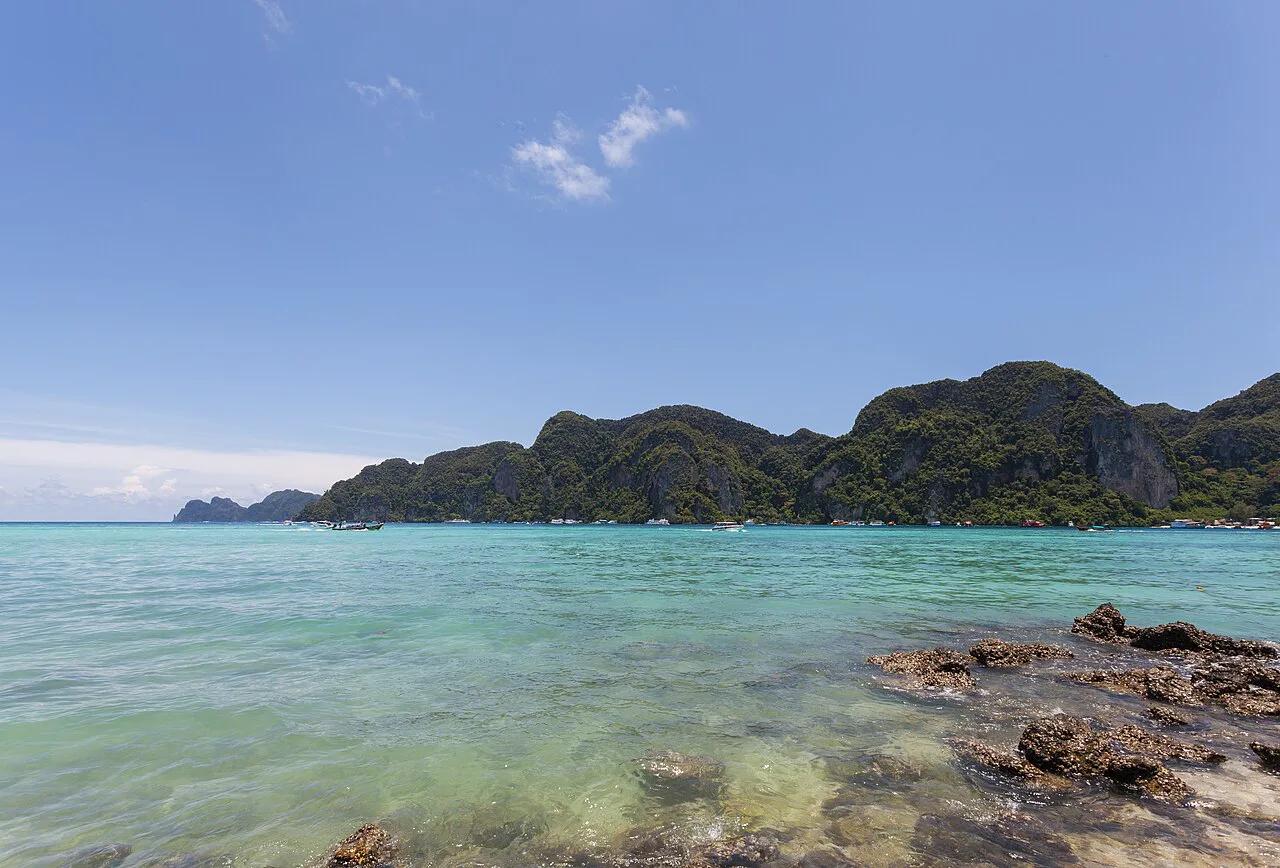
Featured image: Caitriana Nicholson from 北京 ~ Beijing, 中国 ~ China, CC BY-SA 2.0, via Wikimedia Commons.
Phi Phi rainy season: quick answer
Phi Phi has two broad seasons. Rain dominates from May to late November, and the drier stretch runs from about December to April. Treat these dates as approximate and check the Thai Meteorological Department for official climate data. May, September and October are commonly described as the wettest months, and September is often named the rainiest. Rain here usually comes as heavy showers rather than a guaranteed all-day washout, and it varies from year to year. Our verdict: go if you can shift plans around weather, and skip if your trip hinges on 7 days of beach sun. For the wider seasonal decision, see our Best Time to Visit Phi Phi: Month-by-Month Guide guide.
Month-by-month: what to expect in the Phi Phi rainy season
Treat the table as qualitative labels, not forecasts. Daytime highs commonly sit near 30°C (86°F) and nights near 24°C (75°F), with sea water around 29°C (84°F), so warmth is rarely the issue. Wetness is. For rainfall charts, open our Phi Phi Weather: What to Expect and How It Affects Your Trip page.
| Month band | Rain pattern | Sea and boat outlook | Verdict |
|---|---|---|---|
| May-June (early rainy season) | Rain returns, often as regular downpours | Mixed; some rough days | Good for flexible budget travelers |
| July-August (mid rainy season) | Showers with drier spells between | Variable; operators decide day by day | Fine with a weather buffer |
| September-October (peak) | Wettest period, with September often the rainiest | Roughest seas; most cancellation risk | Skip for fixed dates; fine if you can wait out weather |
| November (shoulder) | Rain easing toward season's end | Improving, still variable | Reasonable gamble |
What rain changes on Phi Phi
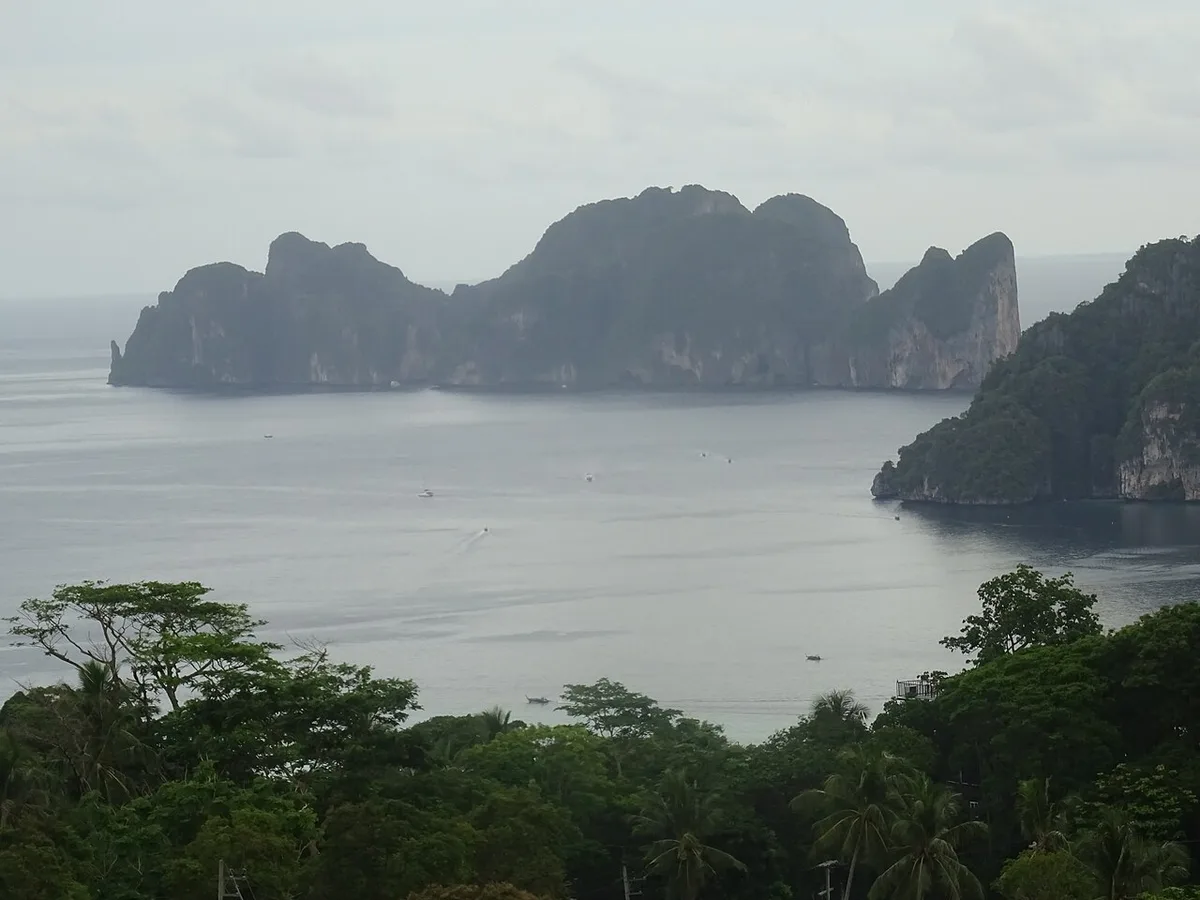
Boats feel the monsoon first. Ferries from Phuket and Krabi and longtail tours can be delayed or cancelled when seas are rough, and the operator makes that call. Snorkeling visibility drops when swell and runoff stir the water, so reef trips are the activity most likely to disappoint. Viewpoint trails turn slick after heavy rain, so wear grippy shoes and turn back if the path looks unsafe. Beach time still happens in dry windows, though cloud cover does not stop UV. For park access, read the national parks department notices. Check Maya Bay's current status on our Maya Bay Closure Dates: When It Closes and Reopens page before planning any visit.
Best things to do when it rains
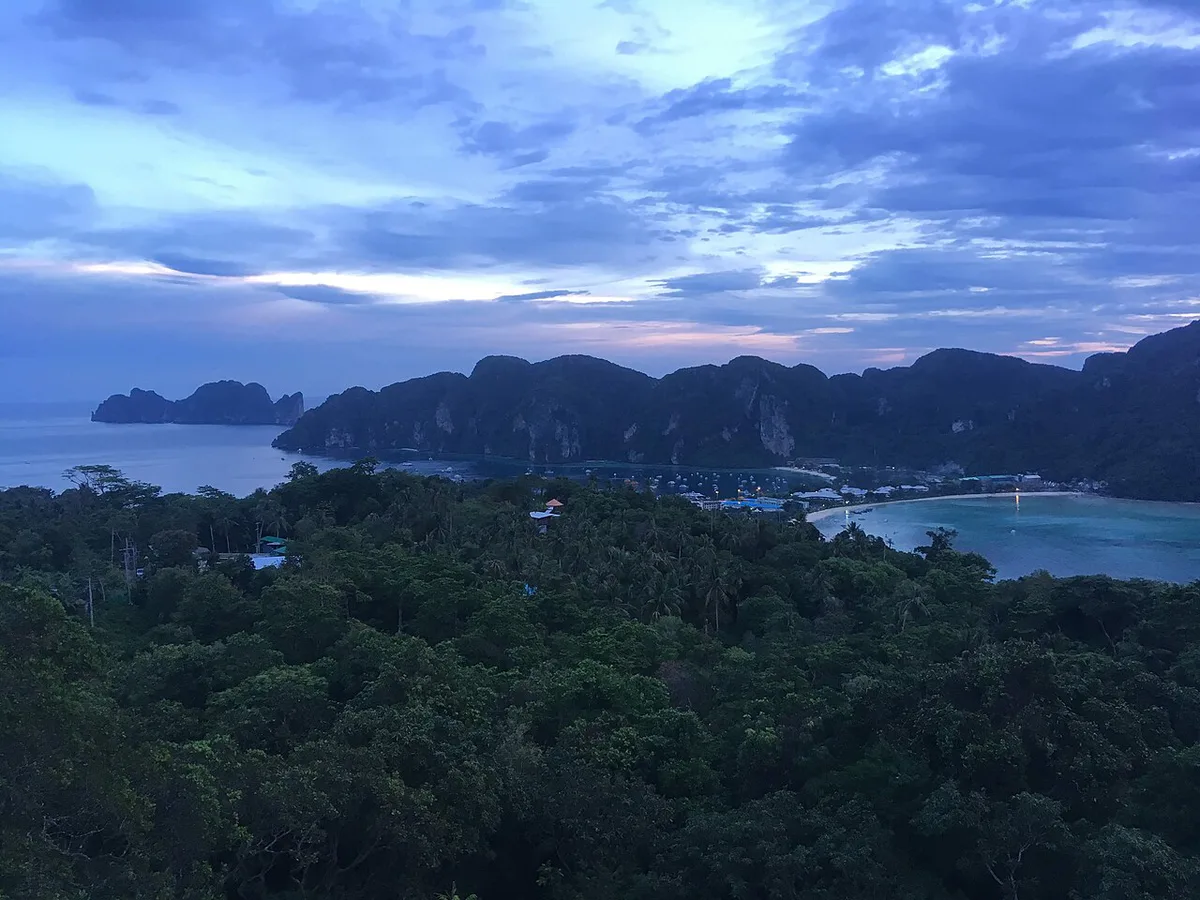
Plan half-days, not full days. Do outdoor items in the morning and keep the afternoon loose, since downpours often pass. In dry windows, walk to a viewpoint or take a short boat trip if the operator confirms conditions. During showers, use cafes, massage shops and restaurants around Tonsai village, the main walkable area. Keep one buffer day at the end of the stay for rescheduled tours.
Costs, bookings and flexibility
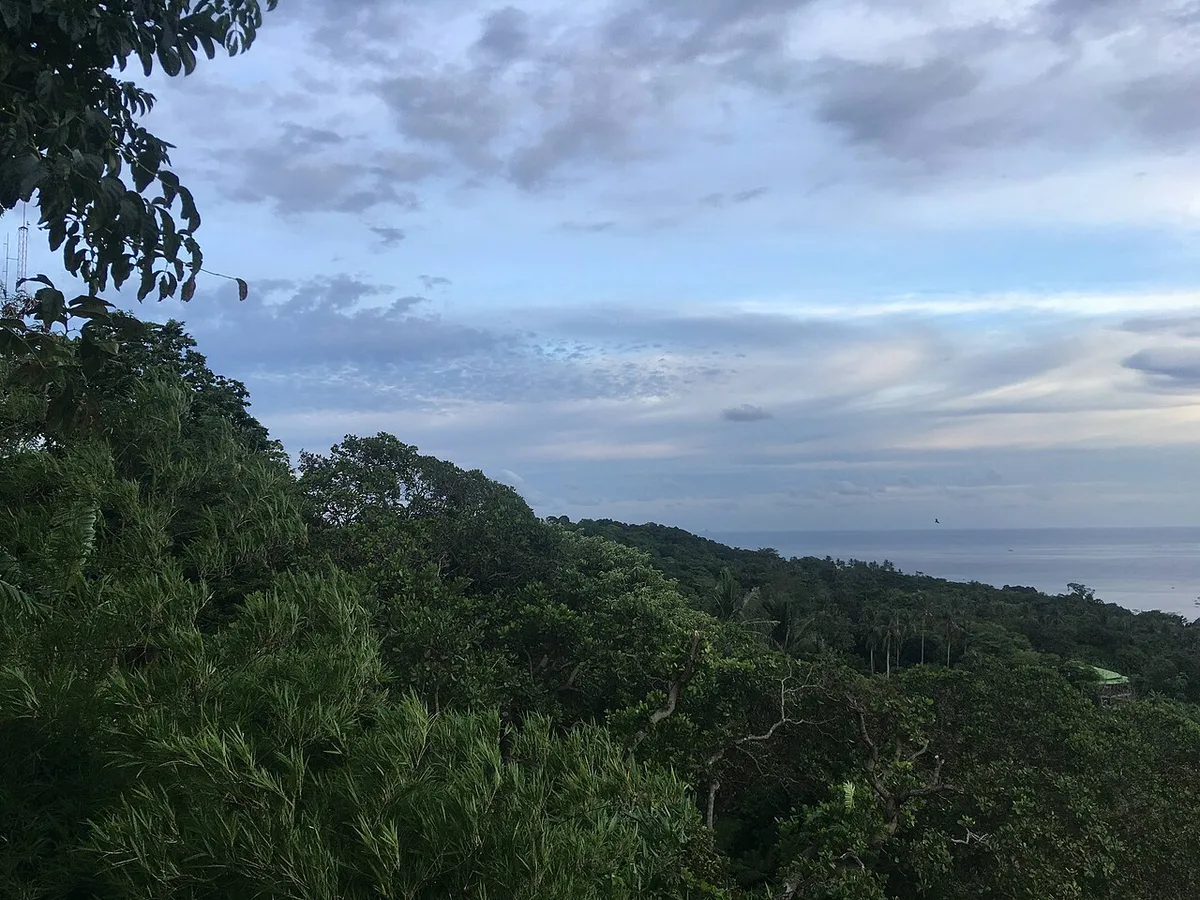
Rooms and tours generally cost less in the rainy season than in the December-to-April high season. We have no verified price table to quote, so compare current rates for your exact dates on the hotel and operator sites. Choose refundable stays where you can. Before paying for a tour, ask what happens if the operator cancels for weather: refund, credit or reschedule. Avoid bundles that lock every activity into non-refundable payments.
A trip that needs 7 days of beach sun is the mismatch, so pair it with a refundable stay and a buffer day.
Where to stay and how to get around
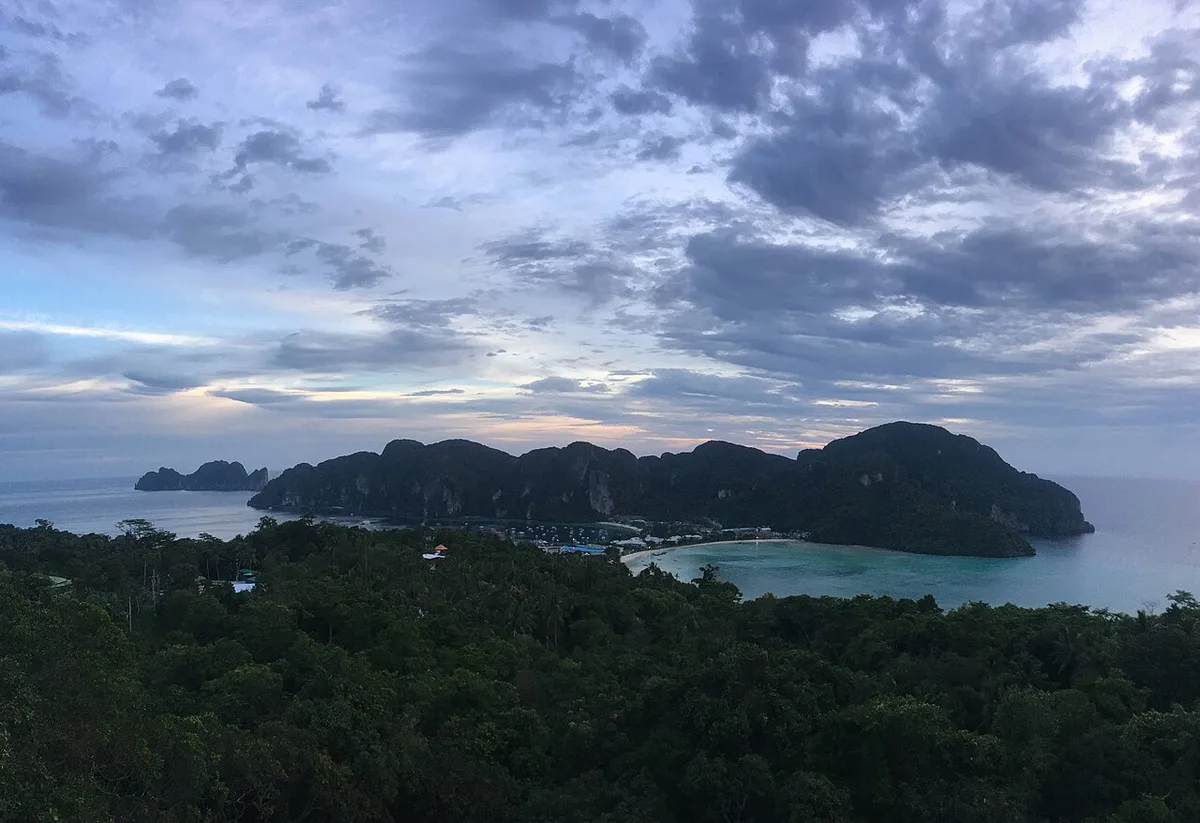
Pick a base near Tonsai village so you can reach food, the pier and shops on foot between showers. Ask the hotel about path conditions, luggage help at the pier and whether they track ferry cancellations. Pack quick-dry layers, a dry bag for phones and documents, grippy sandals and reef-safe sun protection. Never book a tight ferry connection before a flight, because weather delays can break it.
Rainy season vs. alternatives
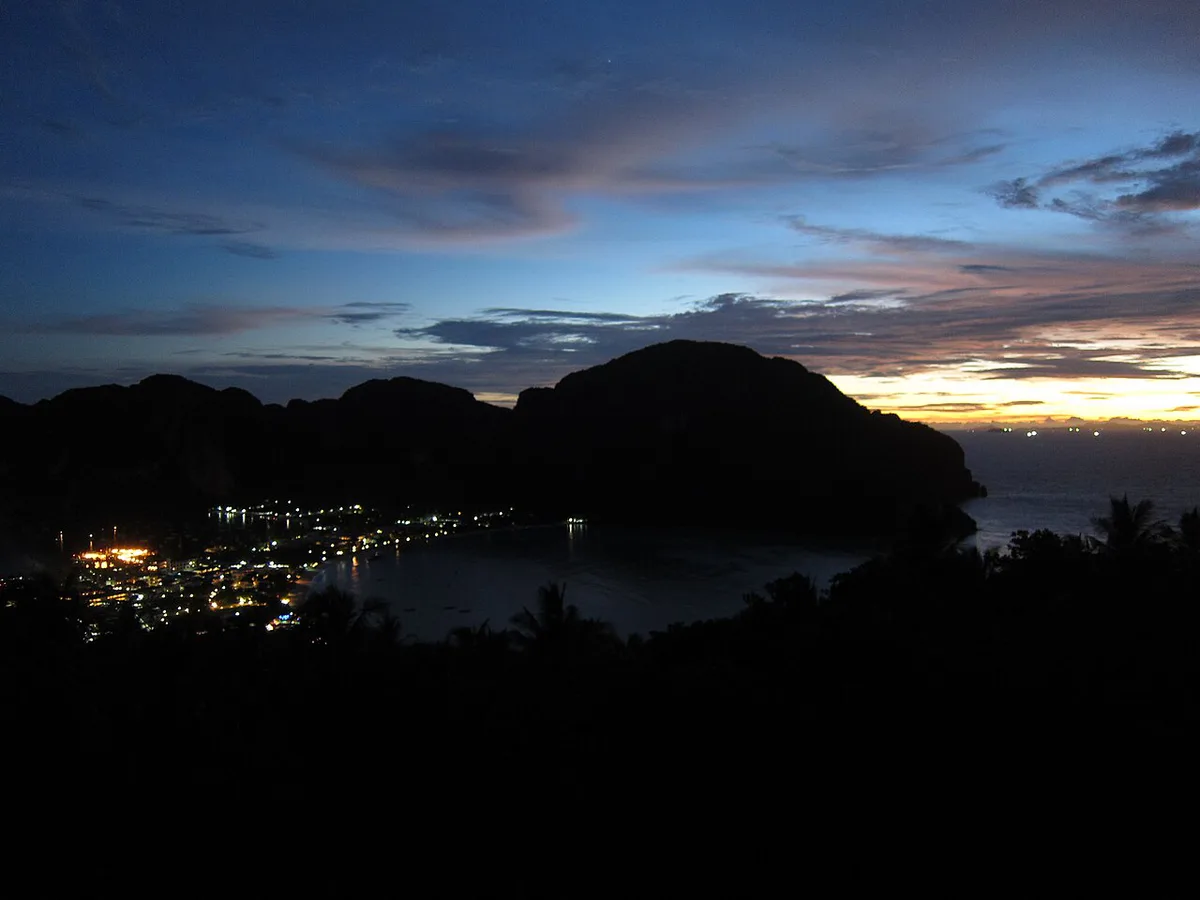
Phi Phi in the rainy season trades certainty for savings. If you want more reliable sea days, Phi Phi in December: Weather, Crowds & Planning Guide is the drier option to compare. Visiting the Andaman coast outside May to November also improves your odds. Gulf-side islands follow a different pattern, so check their own seasonal guidance. Go if you value low prices and flexibility. Skip if you need snorkeling or boat tours to run on fixed days.
Mistakes to avoid
Most rainy-season regrets come from rigid plans. Avoid these:
- Booking a ferry within hours of a flight
- Paying for non-refundable tour bundles
- Ignoring red flags, sea warnings or operator advice
- Assuming every month from May to November is equally wet
- Packing only cotton and open-toe shoes
Frequently Asked Questions
Are you allowed to swim at Phi Phi Island?
Yes, swimming is generally possible, but rainy-season seas can be rough. Obey red flags and local warnings, and ask your operator or hotel before entering the water.
What is the best time of year to go to Krabi?
Krabi shares the Andaman coast monsoon pattern, so the drier months are roughly December to April. Check the Thai Meteorological Department for official climate data before booking.
Useful notes for your Thailand trip
Optional updates to our guides.
You might also like
Continue reading
More guides you'll find useful