Best Time to Visit Phi Phi: Month-by-Month Guide
When to go to Phi Phi for calm seas, Maya Bay access, lower prices and fewer crowds, with a month-by-month guide and what to check before booking.
On this page
Last updated November 2026: the best time to visit Phi Phi is November through April, when Andaman seas are calmest and boats run most reliably. Trade-off: that same window brings the highest prices and the heaviest crowds on Koh Phi Phi Don. Our shoulder-month compromise is November or April, with May and October as options for travellers who can absorb a cancelled boat.
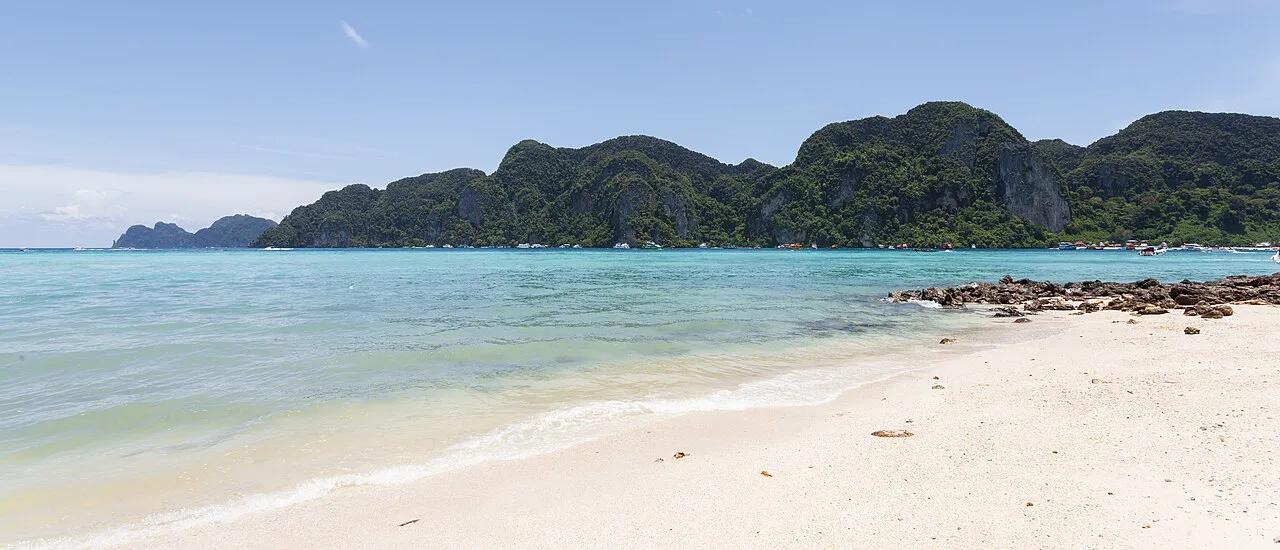
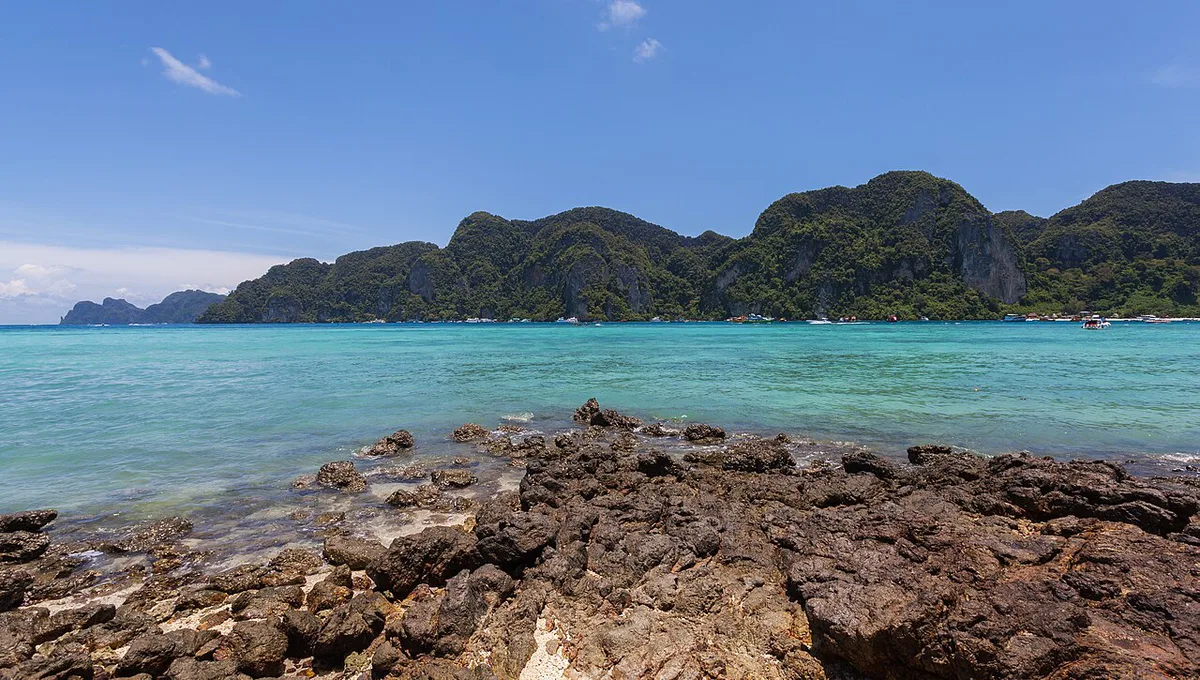
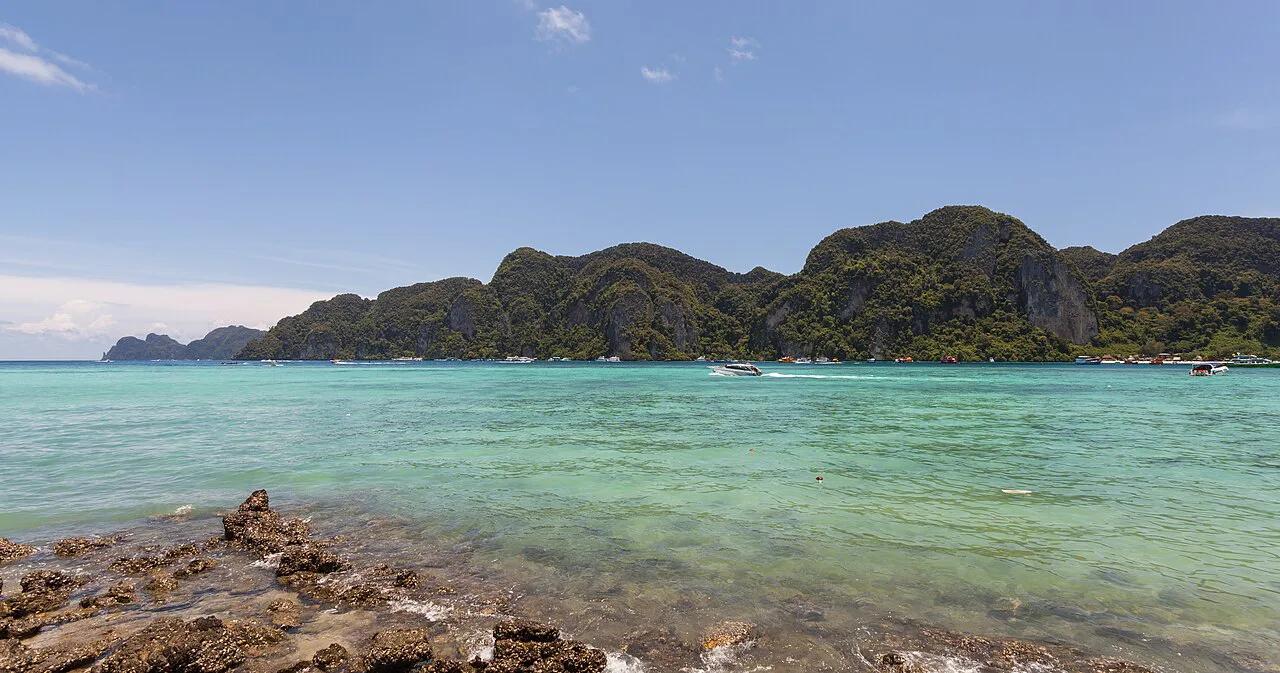
Featured image: Diego Delso, CC BY-SA 3.0, via Wikimedia Commons.
Best Time to Visit Phi Phi: The Short Answer
Pick November through April if sea conditions matter most. Those six months bring the calmest water, the steadiest boat service and the best odds of a smooth trip to Phi Phi Leh. Expect peak prices and thick crowds, especially around Christmas and New Year. We lean toward November or April as the sweet spot. You keep most of the dry-season benefit and face less pressure on rooms. May and October can work if your itinerary is flexible, but sea days become less predictable. Match your own priority in the table below.
| Your priority | Our pick | Main trade-off |
|---|---|---|
| Calm seas and snorkelling | December to March | Peak prices and crowds |
| Lowest price | May to October | Rough seas, cancelled boats, possible Maya Bay closure |
| Fewer crowds with good weather | November or April | Early showers in November, heat and Songkran in April |
| Maya Bay access | November to July | Reported closure from 1 August to 30 September; check the park |
| Photography | November to February | Highest demand for rooms |
| Honeymoon | December to February | Book early; stay away from the Ton Sai strip |
Phi Phi Seasons Explained: Dry, Transition and Monsoon
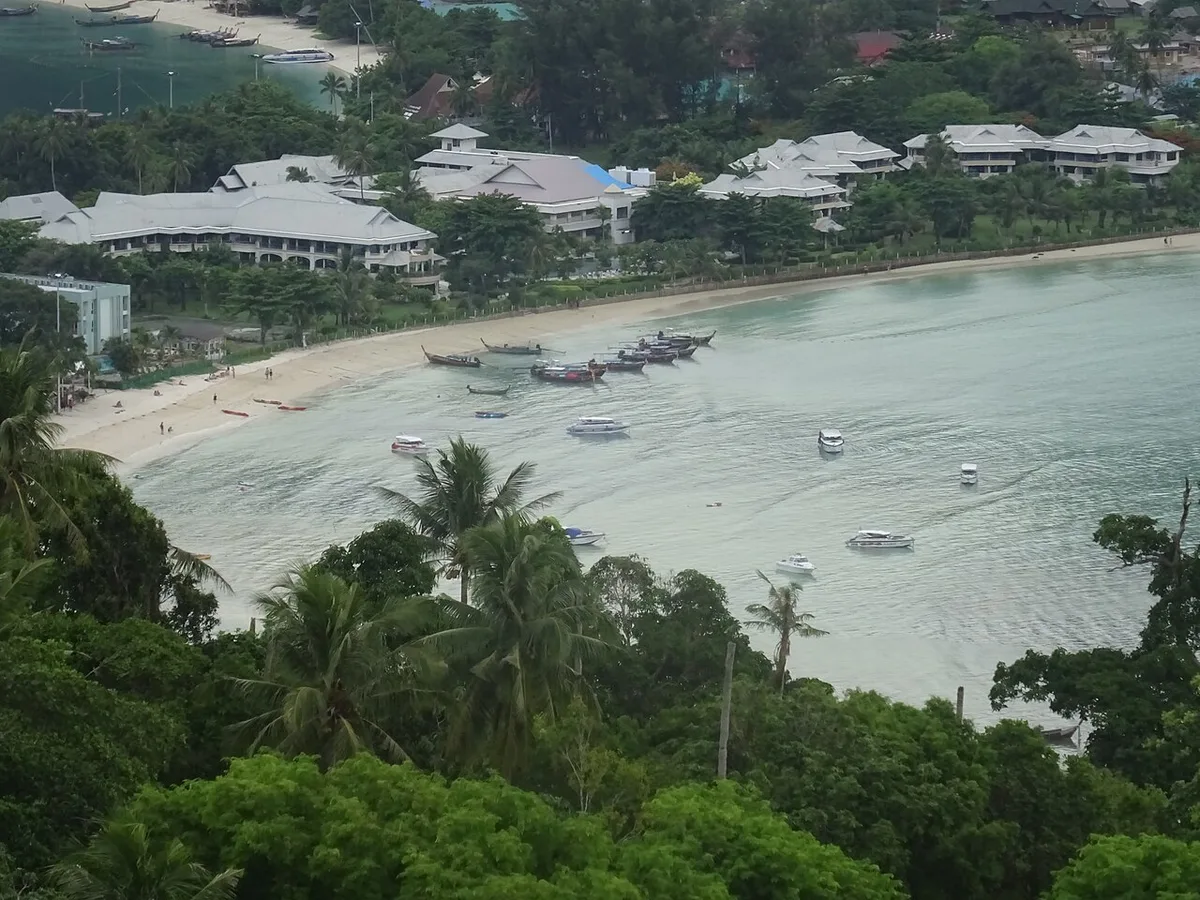
Phi Phi sits in Krabi Province on Thailand's Andaman coast. It shares a seasonal rhythm with Phuket and Koh Lanta. Dry season runs roughly November to April, and monsoon runs roughly May to October. Regional guides disagree on the wettest months. Some name May, September and October, while others point to August and September. We treat August and September as the riskiest sea days, then check the Thai Meteorological Department before booking. March to mid-May is the hot transition, with high humidity. Our month-by-month climate notes go deeper on rain and heat. Anyone weighing a wet-season trip should read what the monsoon months are like first. Temperatures below are typical ranges quoted by regional guides, not a forecast.
| Season | Months | Sea and boats | Typical temperature | Prices and crowds |
|---|---|---|---|---|
| Dry, peak | November to March | Calm, full boat service | 23–32°C (73–90°F) | Highest prices, heaviest crowds |
| Hot transition | March to April | Mostly calm, humid | 27–36°C (81–97°F) | Shoulder prices, spike at Songkran |
| Early monsoon | May | First swells, showers | 26–33°C (79–91°F) | Lower prices, lighter crowds |
| Monsoon | June to September | Rough, outer trips often cancelled | 24–33°C (75–91°F) | Lowest prices, quietest beaches |
| Late transition | October | Improving, still showery | 24–30°C (75–86°F) | Low to shoulder prices |
Phi Phi Month by Month
Treat this table as typical conditions, not a forecast. Sea and boat reliability matters more than rain totals, because short showers rarely cancel a day and rough water does. Peak months fill Ton Sai fast. One regional guide suggests booking rooms and tours 4–6 weeks ahead for Christmas and New Year, and we agree. Our December on Phi Phi guide covers the peak month in detail. In the table, peak means the highest prices and crowds. Shoulder means moderate, and low means the cheapest rooms with the least predictable seas.
| Month | Sea and boats | Rain pattern | Crowds and price | Best for | Watch-outs |
|---|---|---|---|---|---|
| January | Calm, reliable | Very low | Peak | Snorkelling, diving, beaches | Book rooms early |
| February | Calm, reliable | Lowest of the year | Peak | Visibility, photography | Rooms sell out |
| March | Mostly calm | Low | Shoulder to peak | Deals, beach days | Heat and humidity rise |
| April | Calm, swell possible late | Low to moderate | Shoulder, spikes at Songkran | Sun-seekers, Songkran | Midday heat near 36°C (97°F) |
| May | First swells | Moderate | Low to shoulder | Budget stays, green scenery | Showers, some trips unsettled |
| June | Rougher | High | Low | Quiet beaches, savings | Outer-island trips may cancel |
| July | Rough | High | Low | Quiet beaches | Cancellations |
| August | Rough | High | Low | Budget trips | Maya Bay reported closed from 1 August |
| September | Roughest | Very high | Lowest | Savings only | Most disruption; closure continues to 30 September |
| October | Improving | High | Low to shoulder | Early deals | Still showery |
| November | Calming, schedules normalising | Low | Shoulder, rising | Value, Loy Krathong | Early showers possible |
| December | Calm | Minimal | Peak | Diving, holidays | Highest prices |
Best Time for Your Trip Style
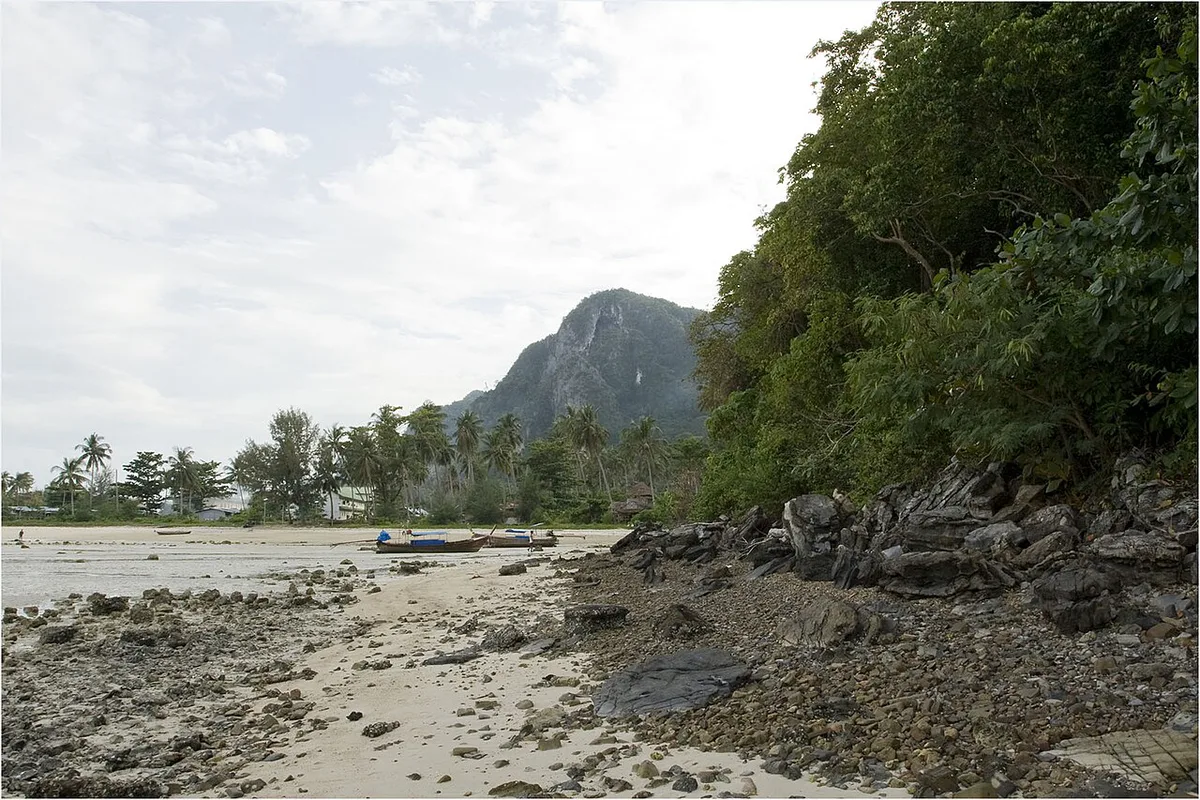
No month wins every category. Decide by priority first, then by risk tolerance and trip length. A day trip from Phuket or Krabi suits the dry months, when one fixed date is unlikely to be cancelled. Two or more nights on Phi Phi Don let you pick the calmest morning and head out early. For a wet-season trip, we would choose the longer stay and keep a buffer day. Snorkellers and divers should aim for December to March, when guides report the best visibility. Check which dive and snorkel sites are open before you commit, because closures and reopenings change.
| Traveller | Best months | Why | Caution |
|---|---|---|---|
| First-timer | November to February | Calm seas, full boat service | Book ahead for December and January |
| Honeymooner | December to February | Dry weather, quieter beaches away from Ton Sai | Resort-side beaches mean pricier food and transfers |
| Snorkeller or diver | December to March | Best reported visibility | Confirm open sites with the park |
| Budget traveller | May, October or November | Lower prices | Rough sea days, flexible plans needed |
| Photographer | November to February | Clear skies; wet months give moody skies | Pack dry bags from May to October |
| Nightlife seeker | December to February, mid-April | Biggest crowds at Loh Dalum | Strong drinks, high prices |
| Family | November to March | Calm water, no cars on the island | Viewpoint climb is steep, 20–30 minutes |
Maya Bay: When to Go and What Might Be Closed
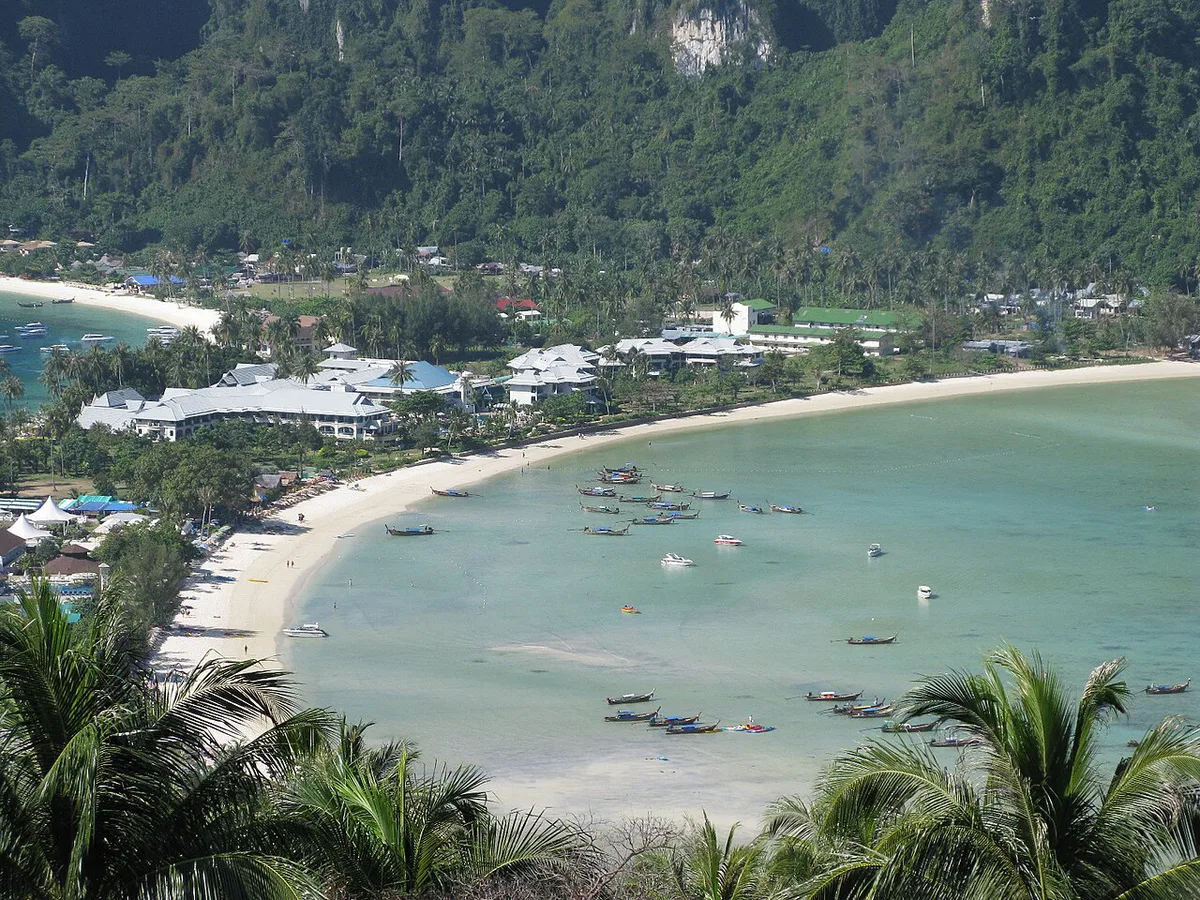
Maya Bay is on Phi Phi Leh, a short boat ride from Phi Phi Don. Tourism damage closed it in June 2018, and it reopened in 2022 under conservation rules. Swimming is not allowed. Boats do not dock on the beach, so visitors land at a floating pier in Loh Samah Bay and walk across. Guides report an extra closure each year from 1 August to 30 September. Dates are set by the Department of National Parks, so confirm before paying for non-refundable tours. Our Maya Bay closure dates page tracks the detail. A park fee of about ฿400, paid in cash, has been reported. Confirm the current amount with your operator.
- Early morning: a private long-tail from Phi Phi Don leaving around 7 am reportedly reaches the bay near 7:45 am, ahead of Phuket and Krabi speedboats. Best light and calmest water, but the highest cost per person.
- Midday: from about 10 am, day-trippers fill the beach. Group tours are cheapest at this hour, and photos mean queuing.
- Late afternoon: one Phuket operator schedules Maya Bay for about 4:30 pm, after crowds leave. Light is softer, but weather and park hours can change the plan.
- Check current rules: quotas, fees and closure dates change. Ask your operator which stops are confirmed on your date.
Boats, Ferries and Weather Risk
Phi Phi has no airport, roads or cars. Every visitor arrives by boat. Ferries take around 2 hours from Phuket and around 90 minutes from Krabi or Koh Lanta, according to regional guides. Phi Phi lies roughly 45 km from Phuket and 40 km from Krabi. In dry months, schedules hold. In the monsoon, rough-sea warnings can cancel crossings, and outer-island tours are cut first. Check operator notices and official weather warnings the day before you travel.
- Book flexible or refundable crossings and tours from May to October.
- Leave a full buffer day before any international flight home.
- Arrive at the pier about an hour early for public ferries, which can be crowded.
- Speedboats are faster than ferries. Book a couple of days ahead.
- If a boat is cancelled, ask the operator for a rebooking or refund in writing, then tell your hotel.
Crowds, Prices and Where to Stay by Season
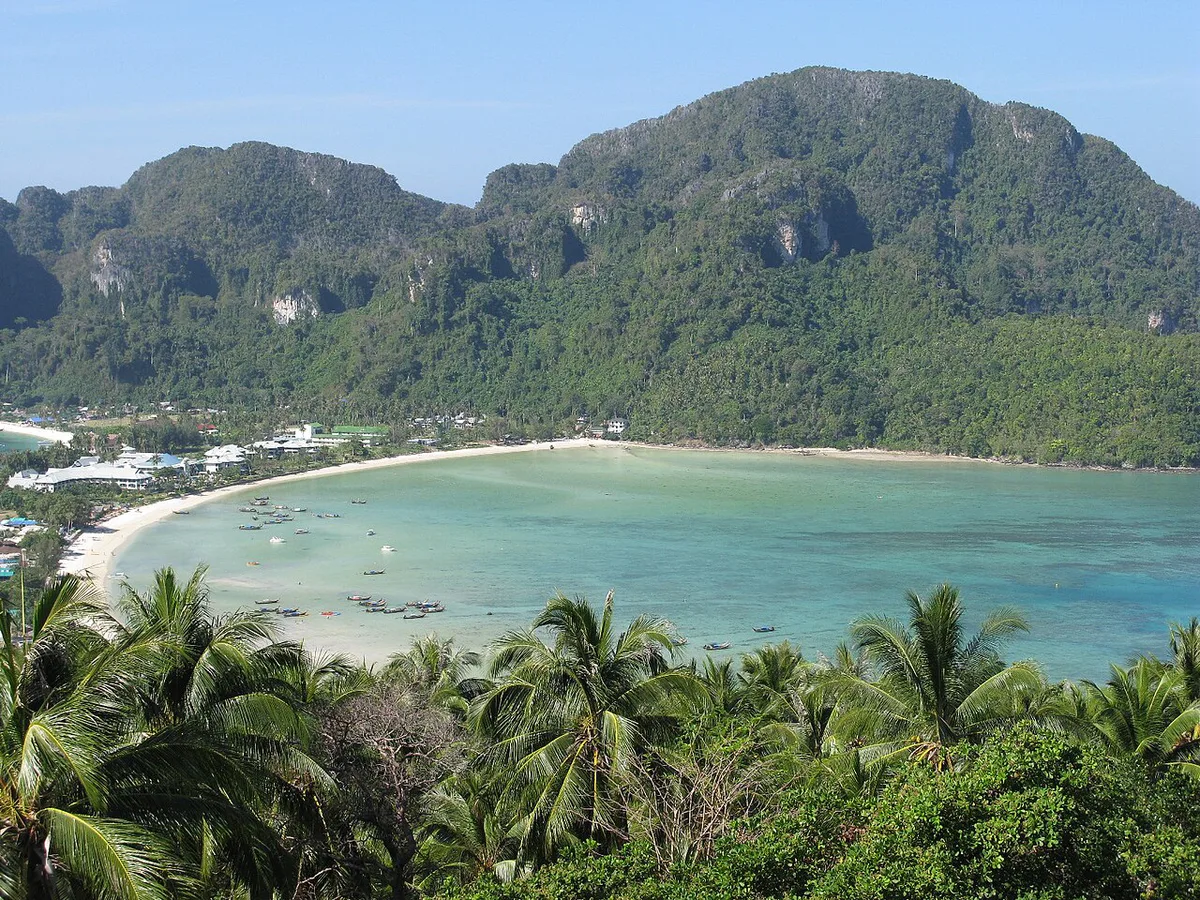
Phi Phi Don is small, and season changes each area. Most beds, bars and touts sit on the narrow strip between Ton Sai Bay and Loh Dalum. In peak months, that strip is the loudest and most crowded part of the island. One Phuket operator lists a full-day speedboat tour from ฿4,400 in 2026. Use that as a yardstick and compare quotes for the same itinerary in January and July. Peak-month quotes sit highest, and low season gives more room to negotiate. Resort-side beaches stay calm year-round but cost more for food and transfers.

- Ton Sai: walkable to the pier and viewpoint trail, but noisy and crowded in peak months.
- Loh Dalum: calm beach by day, neon bars and fire shows at night.
- Long Beach: quieter, a 30-minute hike or a reported ฿200 long-tail from Ton Sai Pier.
- Laem Tong and Lo Bakao: secluded resort beaches with pricier meals and tours.
Phi Phi Nightlife Through the Year
Nightlife centres on Loh Dalum and Ton Sai. Expect it busiest from December to February and around Songkran in mid-April. Regional guides call Phi Phi one of the pricier places to drink in Thailand. Two-for-one buckets are strong, so pace yourself and watch your glass. Thailand enforces strict drug laws, and we would stay well clear of anything illegal. Light sleepers should book the quieter side of Ton Sai or Long Beach. Wet months mean thinner crowds, though rough seas can also limit late-night transfers.
Festivals and Events That Affect Timing
Songkran, the Thai New Year, falls on 13–15 April each year. Ton Sai Village joins in with street water fights, which suits festival fans and not early sleepers. Loy Krathong follows the lunar calendar. One 2026 listing puts it around 24–25 November, with floating offerings on the Ton Sai waterfront. Treat both as annual and variable, and verify dates with the Tourism Authority of Thailand before you book.
Songkran falls on 13–15 April, the same month midday heat reaches near 36°C (97°F), so plan shade.
Mistakes to Avoid
Most timing regrets come from the same few choices. Our wet-season planning guide covers the monsoon version in more depth.
Regional guides put crossings at around 90 minutes from Krabi or Koh Lanta, so a same-day flight out is a risk.
- Booking non-refundable tours between May and October.
- Assuming one month suits snorkelling, price and crowds at once.
- Ignoring the reported 1 August to 30 September Maya Bay closure.
- Flying out the same day as a ferry crossing.
- Booking in the Ton Sai strip without checking noise.
- Skipping an early start to Phi Phi Leh in peak months.
Final Verdict: Which Month Should You Pick?
For most travellers, we'd pick November or April for the best balance, and December to February if calm seas outrank cost. Choose May or October only if you can absorb a cancelled boat. August and September suit savings-first visitors with spare days. Whatever month you choose, stay at least 2 nights, leave a buffer before flights, and confirm Maya Bay rules and fees with the park before you pay.
Building the rest of the trip? Our Phi Phi attractions guide covers the sights, districts and logistics around this guide.
Best time to visit other destinations
Frequently Asked Questions
How many days in Phi Phi is enough?
Plan at least 2 nights on Phi Phi Don. That gives you one day to pick a calm morning for Phi Phi Leh and one for snorkelling and the viewpoint hike. Add a third night in the wet months as a weather buffer.
Which is better, Phi Phi or Krabi?
Phi Phi suits travellers who want island scenery without roads or cars. Krabi suits those who prefer a mainland base. Some guides suggest staying in Phuket or Krabi and doing a day trip to avoid Phi Phi's crowded village.
Which month not to visit Phuket?
Phuket shares the Andaman monsoon with Phi Phi. If calm seas matter, we'd avoid August and September, which regional guides name among the wettest months. Check forecasts and keep bookings flexible if you travel then.
Explore More Phi Phi Guides
Keep planning your Phi Phi trip with these guides.
Phi Phi Guides
Useful notes for your Thailand trip
Optional updates to our guides.
You might also like
Continue reading
More guides you'll find useful