Singha Park Chiang Rai: Costs, Tram, Tips & Is It Worth It
Planning Singha Park in Chiang Rai? Get transport options, costs to check, time needed, best season, and who should skip it.
On this page
Last updated November 2026. Singha Park, formerly Boon Rawd Farm, is a working farm and leisure park roughly 12–14 km from Chiang Rai city, with free entry to the front area and pay-per-activity inside. It suits families, cyclists, photographers and tea fans, and it is easy to skip if you only have time for temples. Use it as a slower half-day alongside the wider Chiang Rai sightseeing list.
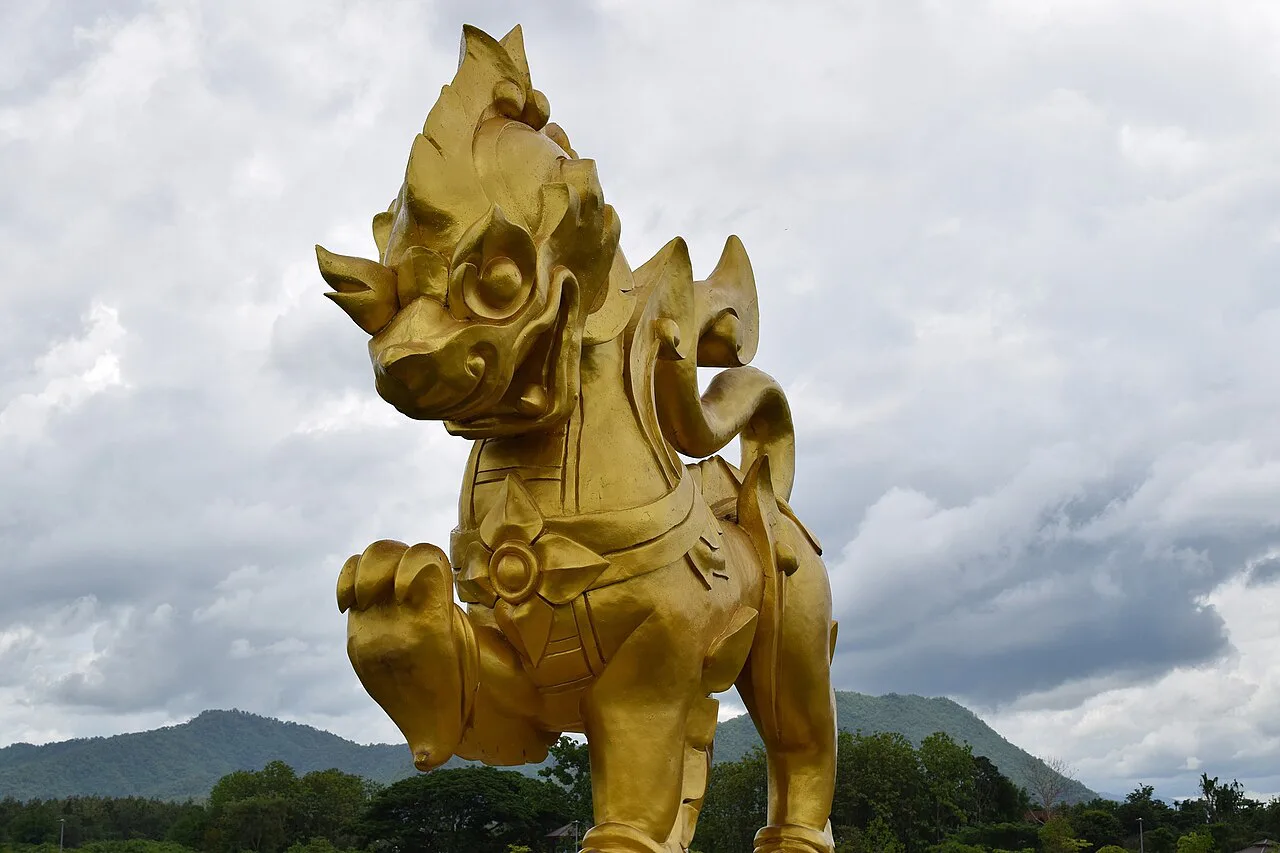
Featured image: Pixabay user Spaway, CC0, via Wikimedia Commons.
Is Singha Park Worth Visiting?
Yes, if you want open space, tea terraces and an easy day outdoors. The golden Singha statue at the front area is free to see, and you pay only for the tram, bikes, food and activities you choose. Families with young children get the most from it, because the animal feeding area and the tram loop need little planning. Cyclists and photographers also do well, thanks to the bike lanes through the hills and the tea terraces. Travellers with only one day in Chiang Rai may prefer to spend it on temples instead. Parts of the park are still a working farm, so expect agricultural scenery rather than a theme park.
- Go if you travel with kids, enjoy cycling, or want tea fields and a hilltop meal.
- Skip it if your stay is a single day and you want the temples.
- Skip it if you dislike midday heat and open, shadeless paths.
How to Get to Singha Park from Chiang Rai
Singha Park sits along Den Ha–Dong Mada Road in Mae Korn Subdistrict, Mueang District, roughly 12–14 km from the city centre. Sources differ slightly on the exact distance, so treat it as a short drive and check your map app. Driving or riding a scooter is simplest, and parking is reported to be free. Ride-hailing through Grab or Bolt is quoted at roughly ฿150–200 one way. A songthaew from the Old Bus Station is quoted at roughly ฿200–400. Those fares are indicative, so confirm before you board. The return trip is the real constraint. Songthaews and ride-hailing cars may be hard to find when you leave late, so keep a booked ride or arrange a driver for the way back. No reliable frequency is published, so verify locally.
| Option | Indicative cost | Best for |
|---|---|---|
| Own car or scooter | Free parking reported | Flexible timing, late dinners |
| Grab or Bolt | Roughly ฿150–200 one way | Short trips, two to four people |
| Songthaew from Old Bus Station | Roughly ฿200–400 | Budget travellers who can wait |
| Tour or private driver | Ask the operator | Easy return trip after sunset |
Singha Park Tickets, Hours and Getting Around
Entry to the front area and the golden Singha is free. Inside, you pay for how you move. The farm tram costs ฿150 for adults and ฿50 for children under 110 cm. It departs about every 30 minutes and the loop takes 45–60 minutes, with stops where you can hop off and catch a later tram. Bikes run ฿100–150 per hour, with mountain and electric models reported. Golf carts cost roughly ฿600–1,500 depending on size and duration. Hours vary by zone and season. Some listings show 8:00 to 18:00, others 9:00 to 16:00, so check the official Singha Park site before you go. Wheelchair access is reported, but confirm on arrival.
| Transport inside | Indicative price | Time | Best for |
|---|---|---|---|
| Farm tram | ฿150 adult, ฿50 child under 110 cm | 45–60 min loop | First visit, kids, heat |
| Bicycle | ฿100–150 per hour | 1–3 hours | Cyclists, photographers |
| Golf cart | ฿600–1,500 | Flexible | Families wanting privacy |
| Zipline (adventure centre) | About ฿800 | Add roughly 1 hour | Thrill seekers |
What to Do at Singha Park, Zone by Zone
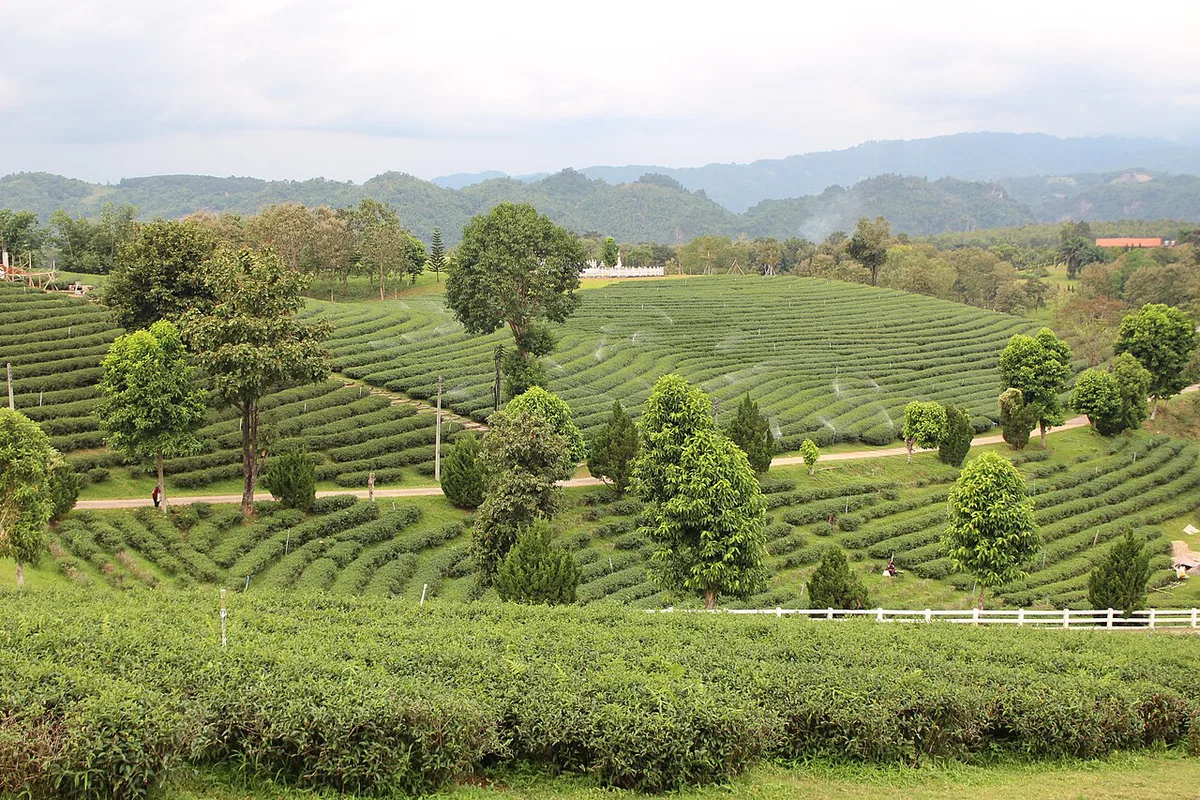
Start at the golden Singha statue and the flower beds around it. Cosmos typically bloom in winter and sunflowers in summer, but timing varies by year. The tea terraces come next. You can walk between rows, and some visitors try tea picking or rent northern Thai costumes for photos. Budget about an hour for the terraces if you love photography. The animal area is a small, open safari-style zone. Reported residents include giraffes, zebras, Watusi cattle and flamingos, and you can buy vegetable baskets to feed the giraffes and zebras. Confirm the current animal list on site. The organic farm zone has melon houses and strawberry fields, with strawberries usually in season around November to February. Thrill seekers can use the adventure centre. Listings mention a zipline at about ฿800, a tower jump at roughly ฿300–400, a climbing wall and ATV trails. Allow roughly an hour for it.
Eating and Tea Stops at Singha Park
Phu Pirom sits on the highest hill and is reported to open 11:00 to 22:00. For a sunset view, ask for a table around 5:30 PM. In high season, December and January, phone reservations are reported to be needed for a tea-hill view. Signature dishes reported include fried Oolong tea leaves and northern Thai sausage. Barn House serves Western dishes such as wood-fired pizza and pasta. The tea café pours hot Oolong and a Thai tea slushy. Souvenir tea sets and farm jams are sold at the Singha shop. On rainy or very hot afternoons, shift your plan toward café time and a shorter tram loop, then continue when the sky clears. Check which outlets are open when you arrive.
Phu Pirom is reported to open 11:00 to 22:00, while some park listings end at 16:00, so check the park hours before a late dinner.
Best Time to Visit Singha Park
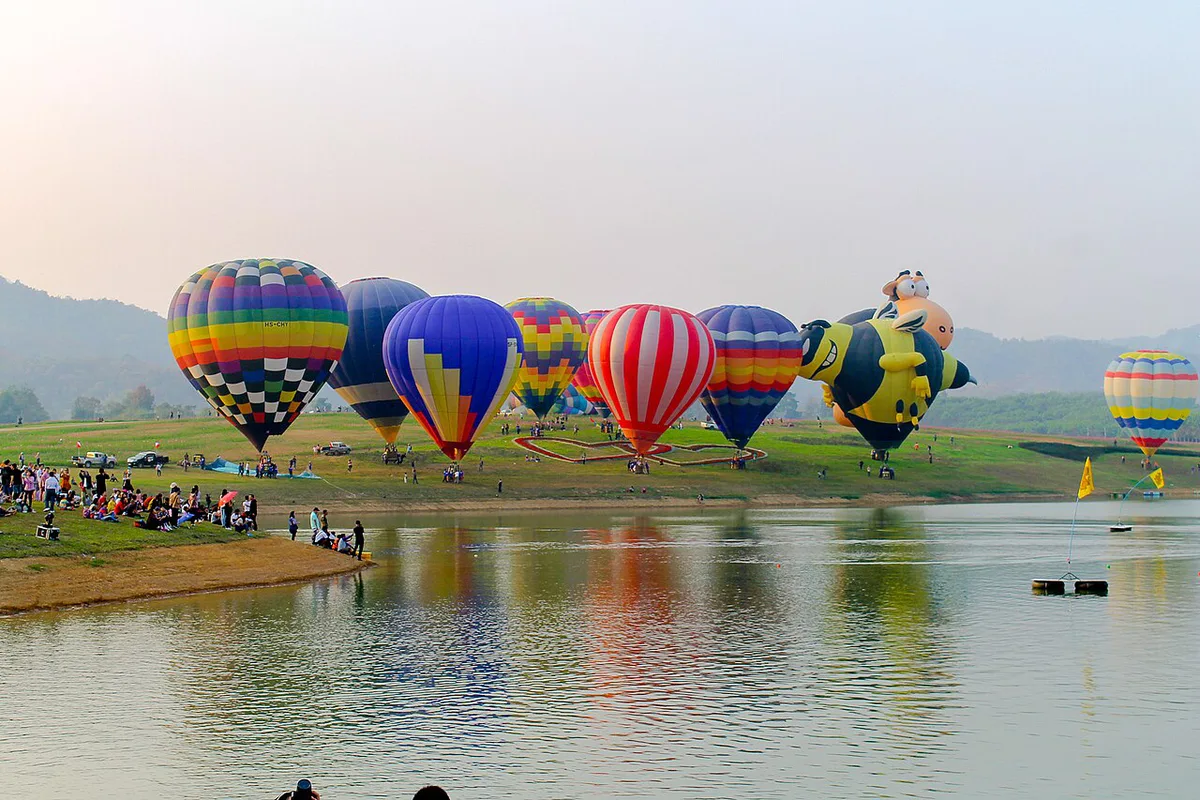
Arrive by 9:30 AM if you want the tram without a long wait. Morning light is also kinder for walking the terraces, and the park is open and shadeless, so pack a hat, sunglasses and sunscreen. Winter, roughly November to February, brings cooler air and flower and strawberry seasons. Events cluster in that window. A Farm Festival is reported for November and a Balloon Fiesta for February, but confirm current-year dates on the official site or with the Tourism Authority of Thailand. Festival periods bring crowds and different pricing, so they make a different trip from a quiet weekday. Glamping is reported mainly during festival seasons.
Arrive by 9:30 AM, then book your return ride before you leave, since the trip back is the hardest part of the day.
Sample Itineraries and Combining Singha Park with Other Sights
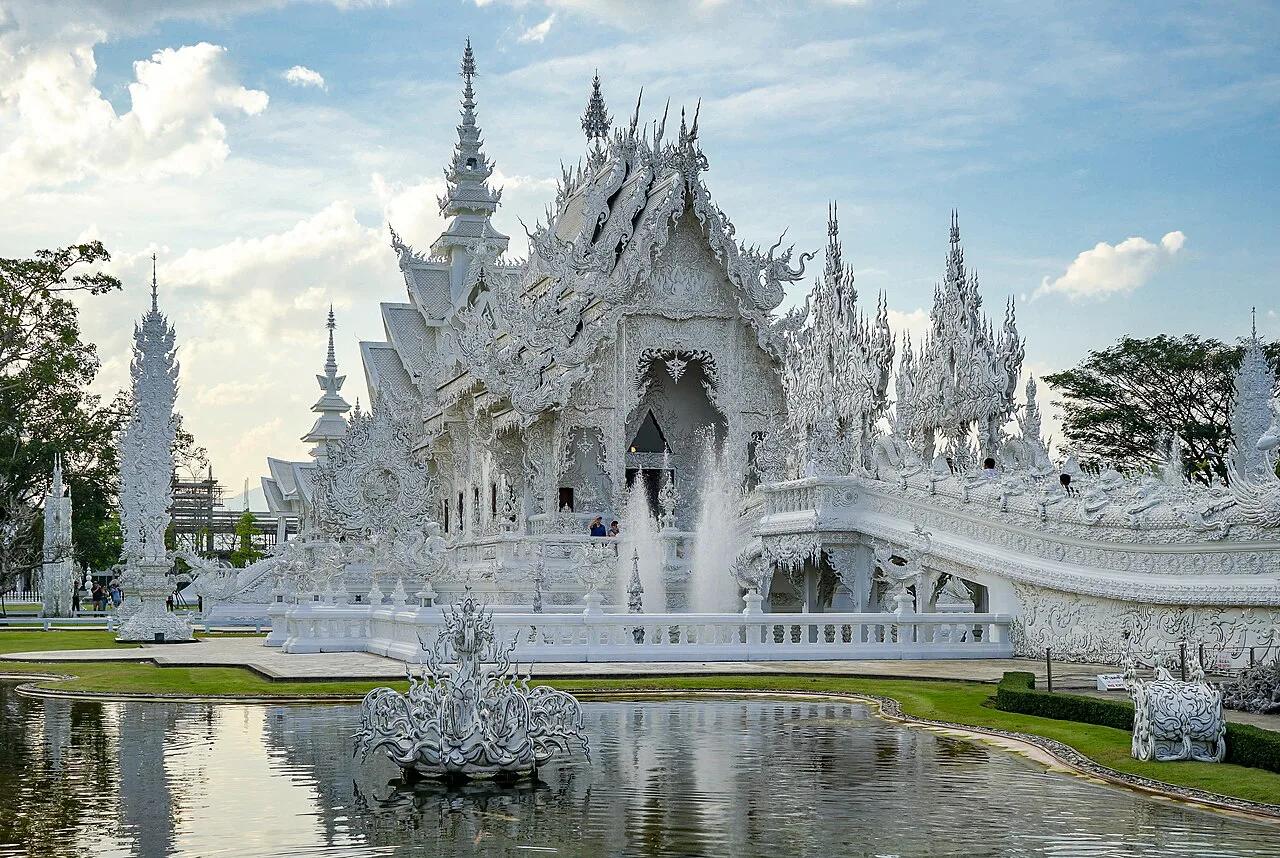
Singha Park lies in a different direction from the city centre, so do not treat it as on the way to anything. For two hours, ride the tram once and eat at the café. For four hours, add the animal area and a bike hour. For a full day, add the adventure centre and book Phu Pirom at 5:30 PM. A temple day pairs well in one direction: see the White Temple in the morning, then head to the park in the afternoon. You can reverse that if you want sunset dining. The Blue Temple and the Black House fit a separate city-side half day. Do not cram all of them into one day. If you have longer, add the Golden Triangle area on another day.
- Couple on a tram-only visit: two adult tickets come to ฿300.
- Family of four with two children under 110 cm: ฿400 for tram tickets. Treat this as indicative and confirm on site.
Where to Stay and Mistakes to Avoid
Staying in town keeps your options open for temples, markets and a return ride. Staying near the park suits festival nights and sunset dinners, since nearby resorts are reported within 2–5 km. Glamping is reported mainly during festival seasons, so confirm availability first. A few planning errors cause most disappointment.
- Arriving mid-afternoon in full heat.
- Ignoring the return ride until dark.
- Skipping the sunset reservation in high season.
- Assuming festival-season prices match a normal weekday.
- Packing too many stops into one day.
Useful notes for your Thailand trip
Optional updates to our guides.
You might also like
Continue reading
More guides you'll find useful