Best Time to Visit Chiang Rai: Month-by-Month Guide
Chiang Rai's best months, the haze to avoid, and what rain, heat and crowds mean for temples, waterfalls and budget. Month-by-month guide.
On this page
Last updated November 2026. The best time to visit Chiang Rai is the cool, dry season from roughly November to February. Expect clear skies, fresh mornings and the highest crowds and room rates of the year. Skip February to April if you have any breathing issues, because crop-burning haze peaks then. Choose May to October instead if you want green hills and lower prices.
Featured image: Nina R from Africa, CC BY 2.0, via Wikimedia Commons.
Best time to visit Chiang Rai: the short answer
Our pick is late November to January. Days are dry, mornings are cool, and the hill viewpoints are at their clearest. Pai Dai DMC, a Thailand tour operator, rates November to February as the top window, and we agree. The trade-off is cost. Hotels fill up, so book rooms 2 to 3 months ahead, as Pai Dai suggests. Choose a different season if you are health-sensitive or cost-driven. Travelers with asthma should skip February to April. Budget travelers do better from May to October, when rooms are cheaper and the temples stay open. Late October and early November make a good shoulder compromise. Condé Nast Traveler also lists May to early June as a quieter window for Thailand overall.
Chiang Rai by season at a glance
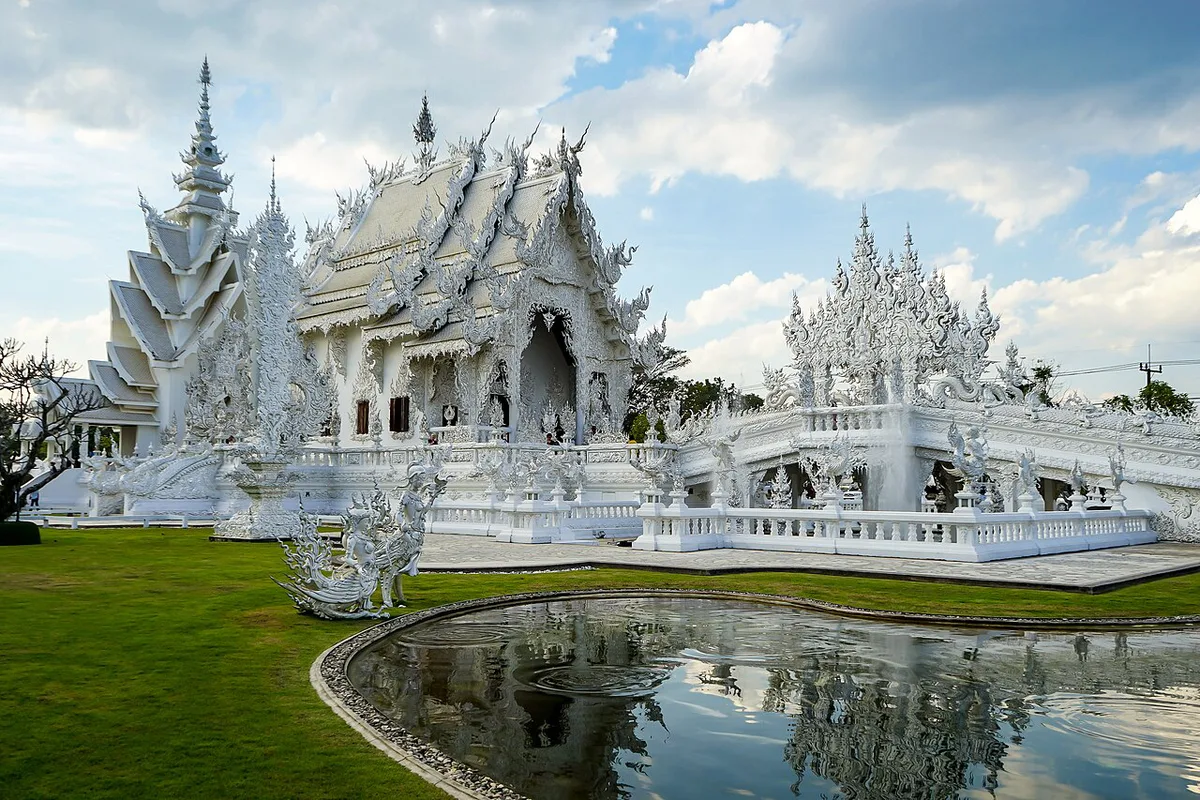
Chiang Rai has three seasons, and published temperature ranges differ slightly by source. Treat the figures below as approximate. For official normals, check the Thai Meteorological Department climate data. Cool-season days run about 15–28°C (59–82°F), and some sources put nights near 13°C (55°F). Hot-season afternoons reach 30–36°C (86–97°F) in one guide and up to 42°C (108°F) in another. Rainy-season days sit around 22–32°C (72–90°F), with afternoon showers rather than all-day rain. For deeper climate detail, see our Chiang Rai weather guide. Rooms are the part of your budget that swings by season. Fixed costs barely move. Foreign admission to the White Temple is ฿200 as of 1 January 2026, and a scooter is about ฿200–250 per day, in every season.
| Season | Months | Weather | Haze | Crowds and price | Our verdict |
|---|---|---|---|---|---|
| Cool and dry | Nov–Feb | About 15–28°C (59–82°F), clear, fresh mornings | Low until late Jan, then rising | Peak crowds, highest room rates | Best overall |
| Hot and hazy | Mar–May | About 30–36°C (86–97°F), hotter in places | Highest, worst in March | Moderate, falling by May | Avoid Feb–Apr if sensitive |
| Green and rainy | Jun–Oct | About 22–32°C (72–90°F), afternoon showers | Low | Fewest crowds, lowest room rates | Best value |
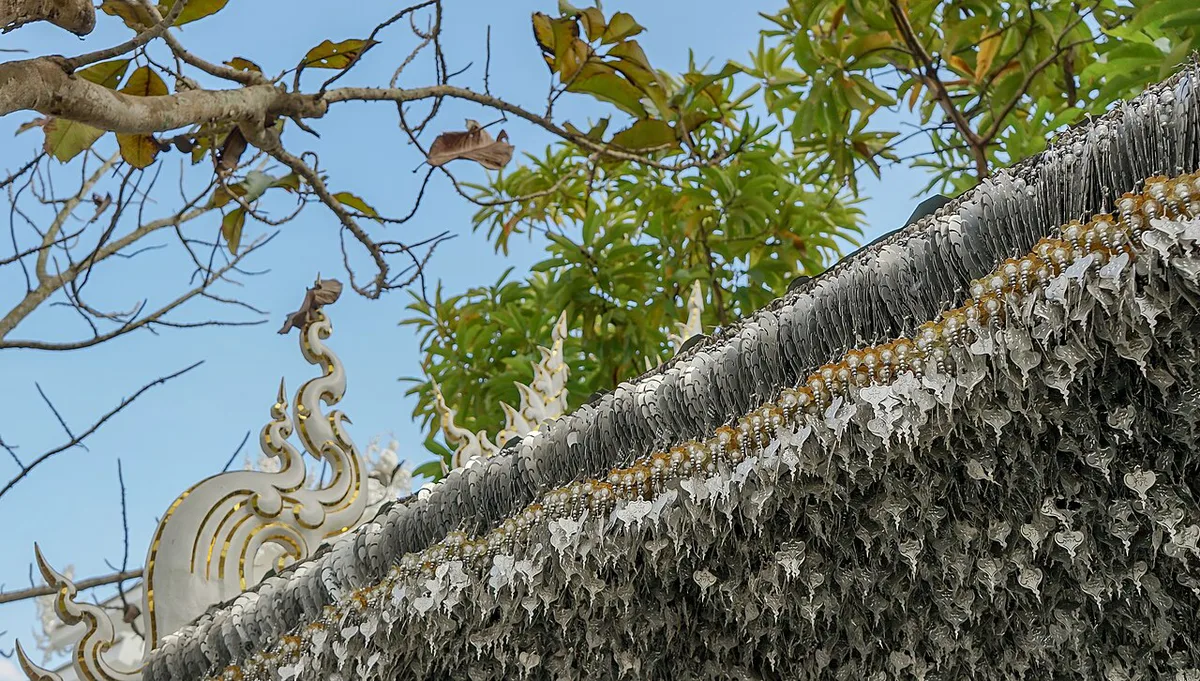
Month-by-month guide to Chiang Rai
Use this table to pick a month by priority. Levels are qualitative, because published figures vary by source. December is the headline month for good weather and heavy demand. Our Chiang Rai in December guide covers it in detail. Flower-season timing is covered in our Chiang Rai flower festival page. Check official event calendars before fixing dates around any festival. Lost Passport, a Chiang Rai travel blog, says flowers bloom across Doi Mae Salong in December and January. Songkran falls in mid-April, and Pai Dai notes that rains around then usually begin to clear the smoke.

| Month | Weather feel | Haze risk | Rain and road risk | Crowds and price | Best for |
|---|---|---|---|---|---|
| Jan | Cool, dry, clear | Low to moderate | Low | High | Viewpoints, temples |
| Feb | Warming, dry | Rising | Low | High to moderate | Early-month sightseeing |
| Mar | Hot, dry | Highest | Low | Moderate | Indoor sights only |
| Apr | Very hot | High, easing with mid-month rain | Low, then rising | Moderate | Festival travelers |
| May | Hot, first showers | Falling | Moderate | Lower | Shoulder-season value |
| Jun | Warm, green | Low | Moderate | Low | Budget, quiet temples |
| Jul | Warm, wet | Low | Moderate | Low | Budget, green hills |
| Aug | Wet | Low | High | Low | Waterfalls at full flow |
| Sep | Wettest, per Pai Dai | Low | High | Low | Budget, waterfalls |
| Oct | Easing rain | Low | Moderate | Rising late month | Shoulder bargain |
| Nov | Cool, dry | Low | Low | High | Best-balance month |
| Dec | Cool, clear | Low | Low | Peak | Views, trekking |
Burning season and haze: when it hits and how to plan
Burning season is the central decision for Chiang Rai. Farmers across northern Thailand and neighboring borderlands burn crop residue from roughly February to April. Haze is usually worst in March, according to Pai Dai. Another guide places smoke across March to May, so we treat Feb–May as the risk window. The same haze affects Chiang Mai and the wider north. Use this protocol if you travel then.
Moving dates 2 to 4 weeks can dodge peak haze, but rooms in the cool months need booking 2 to 3 months ahead.
- Check a live air-quality app such as IQAir each morning before choosing outdoor plans.
- Carry N95 masks. Ordinary cloth masks do not filter fine dust.
- Keep an indoor backup: the Night Bazaar food court, Wat Phra Kaew and Baan Dam Museum.
- Travelers with asthma or respiratory conditions should consider skipping February to April entirely.
- Move dates by 2 to 4 weeks if you can. Early February or May usually carries less risk than March.

Rainy season in Chiang Rai: is it worth it?
Yes, for the right traveler. From June to October, Pai Dai describes afternoon rain, lush hills and fewer crowds. Temples stay open, and room rates drop. Condé Nast Traveler cites May and September as the lowest-priced months for Thailand overall. That is a national claim, so verify Chiang Rai rates yourself. The risks are practical. Lost Passport says river currents can get dangerously strong in the wet season. Swimming is fairly safe in the dry season from October to March. Trails to Huay Mae Sai Waterfall are slippery when wet, and Khun Korn Waterfall hits hard in the rains. Our Chiang Rai rainy season guide goes deeper. Pack a rain jacket and shoes with grip.
Best time to visit Chiang Rai by traveler type
Priorities change the answer. Use the matches below as a starting point. We would weigh health first, then budget, then views.
- Photographers: December and January, when hill views are clearest.
- Waterfall hikers: August and September for full flow. Accept slippery trails and wet roads.
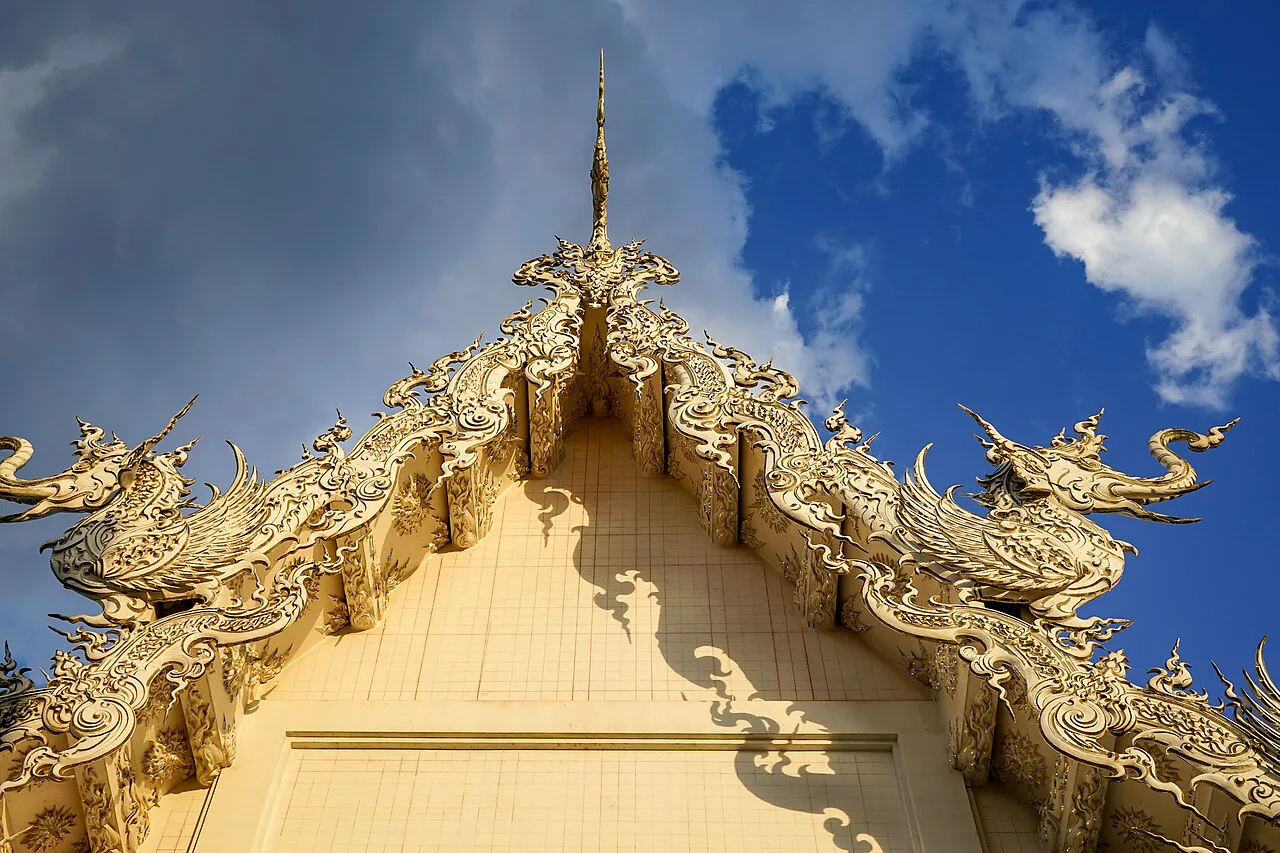
- Temple-hoppers: any month. White Temple, Blue Temple and Black House do not depend on weather.
- Budget travelers: June to October for the lowest room rates.
- Families: November and early December, with cool mornings and lower haze risk.
- Respiratory-sensitive travelers: avoid February to April.
- Chiang Mai add-on travelers: pick the same cool-season window, since haze affects both cities.
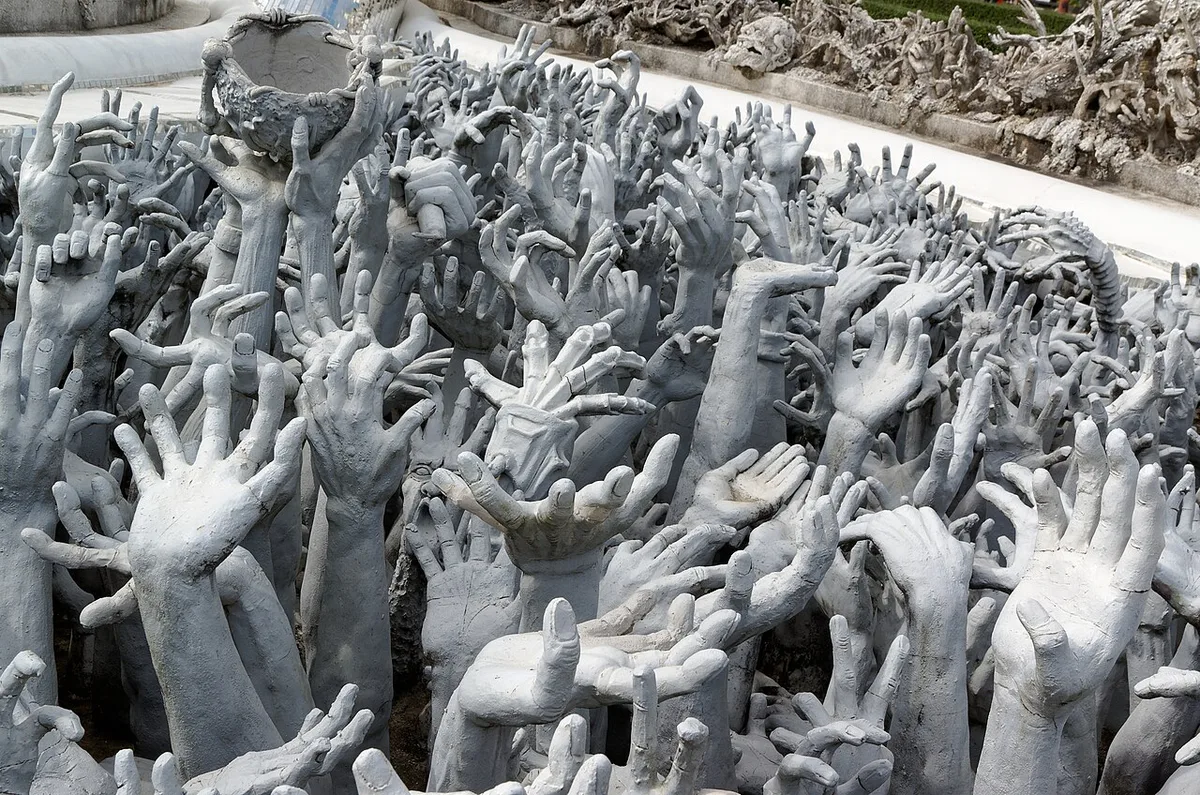
What changes by season and what doesn't
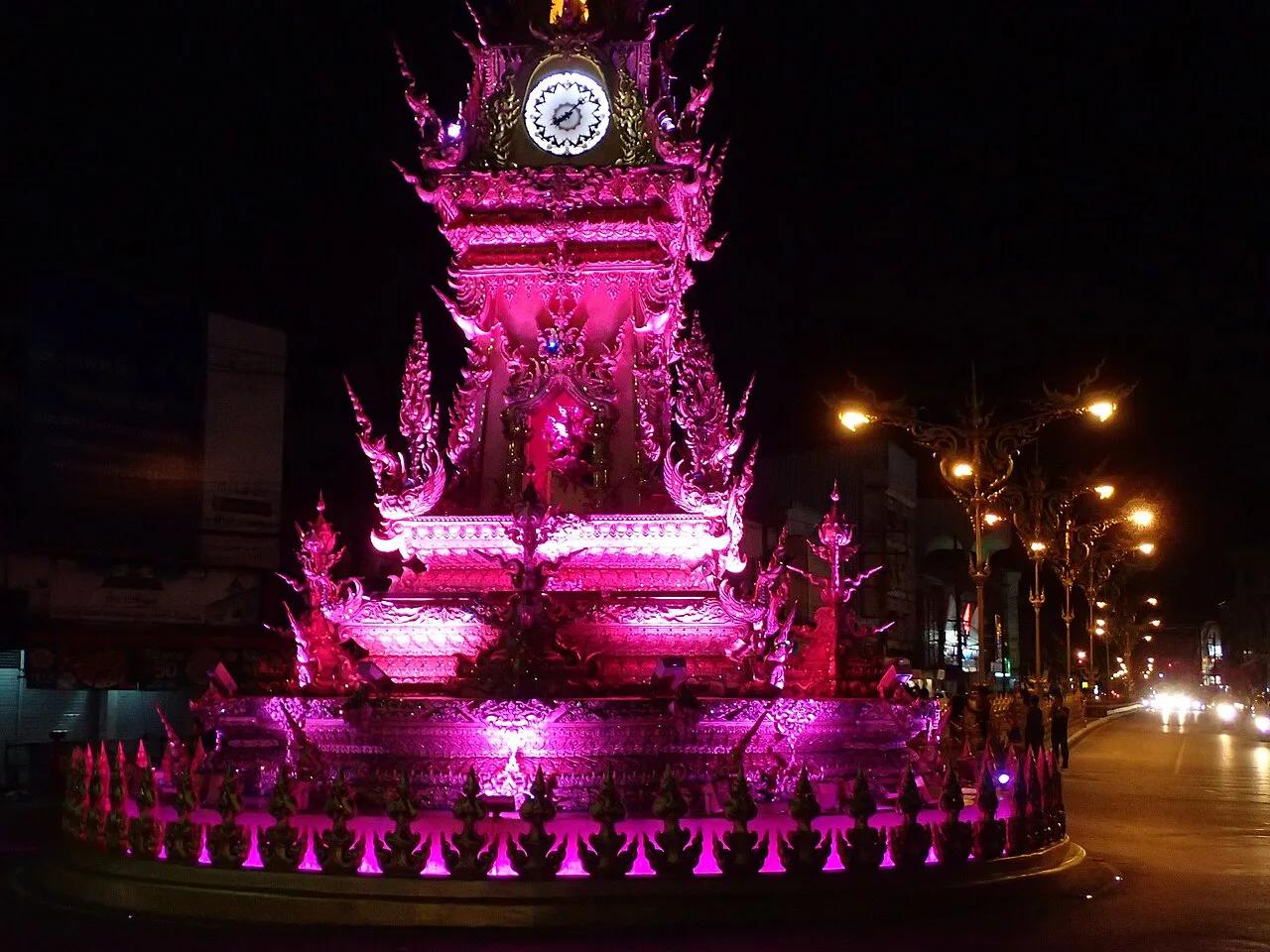
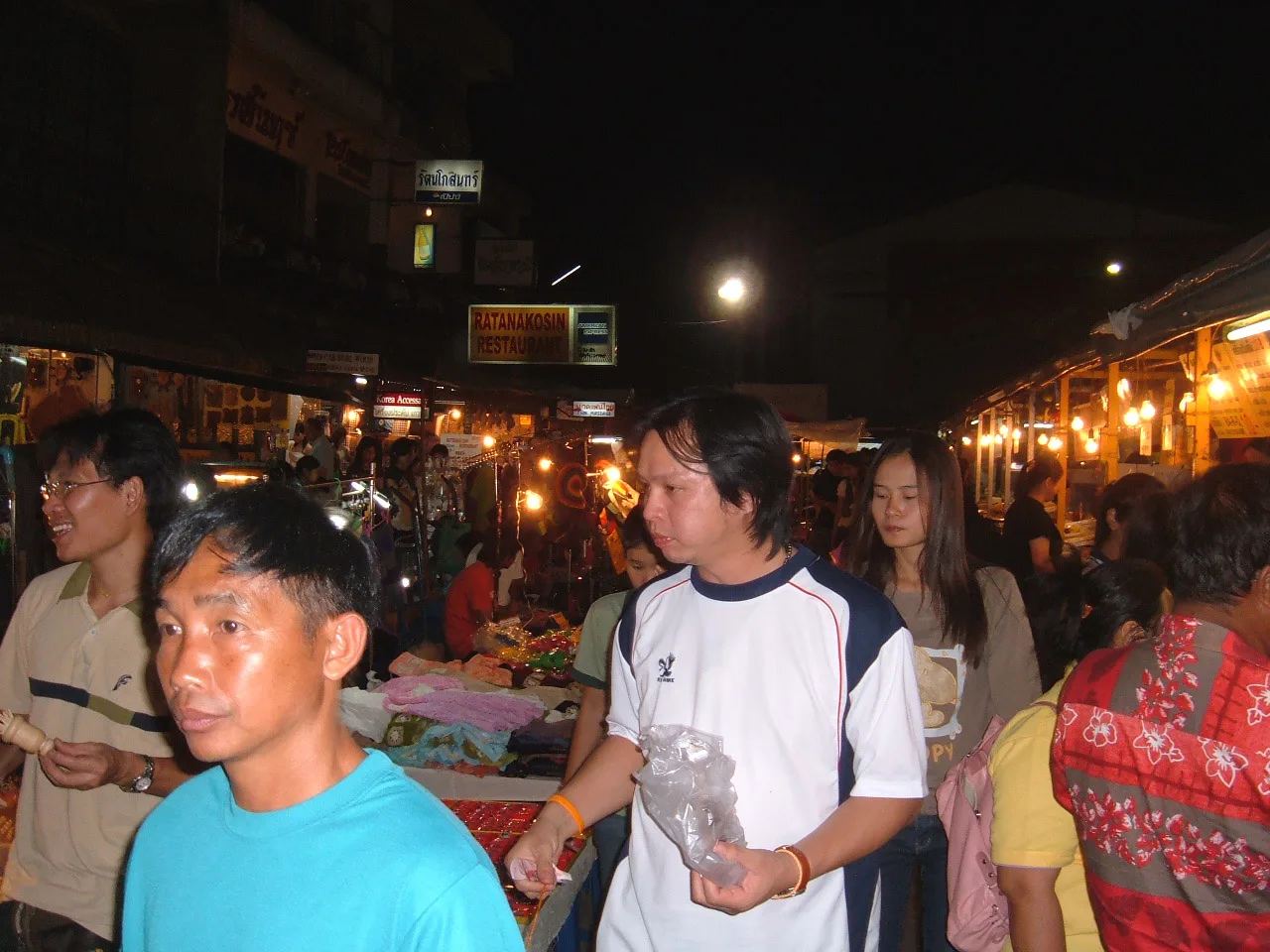
Weather-sensitive sights are the ones to time carefully. Khun Korn Waterfall, about 30 km east of town, involves a roughly 1.5 km forest walk, per Lost Passport. It is lush in the wet and gentler in the dry months. Phu Chi Fa is a 2 to 2.5 hour drive, and its sunrise views depend on clear air. Hill roads toward Doi Tung are best in dry months. The Mae Fah Luang Foundation runs the Doi Tung gardens. Pai Dai places Doi Tung about an hour northwest of the city. Weather-proof sights fill your rain or haze days. These include the Black House, Wat Phra Kaew and the Blue Temple, which is free to enter. At night, the Clock Tower show plays at 7, 8 and 9pm. The Night Bazaar runs daily from about 6pm to midnight.
How many days and where to base yourself by season
Pai Dai suggests 2 to 3 days. Lost Passport recommends 5 days to reach waterfalls and mountains. We would plan 3 days in the cool season, and 4 if you want a viewpoint sunrise. In haze or rain, 2 days of temples and markets is enough, and you can cut the hill trips. For a base, the city center around the Clock Tower keeps the Night Bazaar on foot, which suits hot or wet evenings. The Kok riverside, 10 to 15 minutes from the center, is calmer. The mountain fringe near Doi Tung suits trekkers in the clear dry months. Those stays mean longer drives back to town.
Getting there and getting around in each season
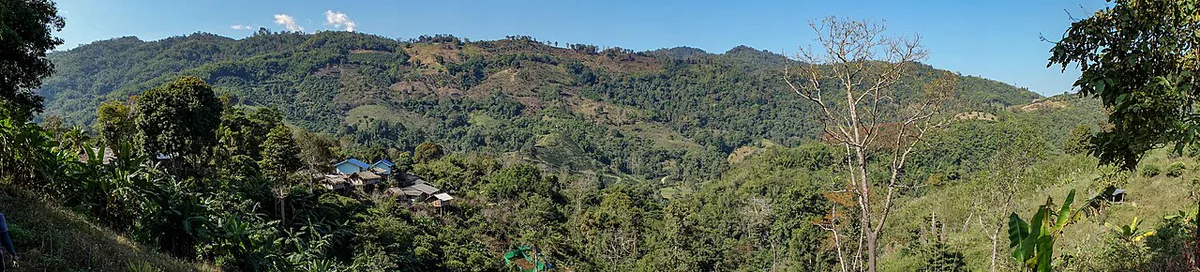
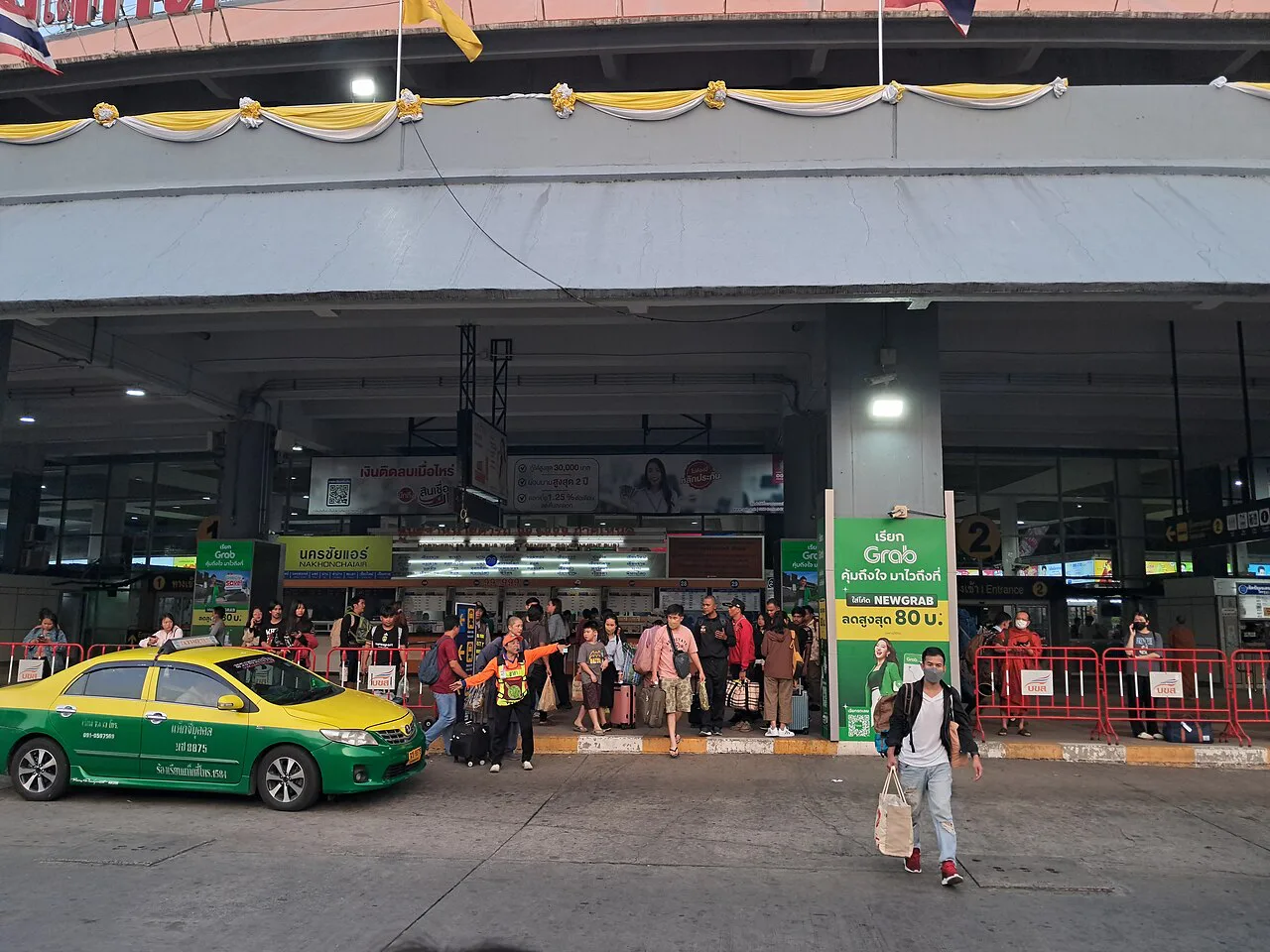
Green Bus from Chiang Mai takes about 3 to 3.5 hours. Fares run from ฿129 on Lost Passport's figure to ฿220–360 on Pai Dai's, so check the operator's current fare. A scooter costs about ฿200–250 per day and legally needs an International Driving Permit. Wet hill roads take confidence, so in rainy months we would use Grab or a songthaew instead. Day tours to the Golden Triangle run about ฿1,000–1,500 per person, per Pai Dai. They make a sensible fallback in the rains. Cool-season demand is high, so book rooms and any tour 2 to 3 months ahead.
Mistakes to avoid when timing a Chiang Rai trip
Four timing errors come up repeatedly. First, booking March for views, when haze is usually at its worst. Second, assuming the cool season means quiet, when it is actually peak season. Third, skipping a morning air-quality check from February to April. Fourth, swimming in the Kok River in the wet season, when currents can be dangerous. We would also avoid planning a sunrise at Phu Chi Fa without a backup date in case of cloud or haze.
A haze-day backup works after dark, since the Night Bazaar runs from about 6pm to midnight.
A season-adjusted 3-day Chiang Rai itinerary
In the cool season, allow 3 days to combine temples, a hill viewpoint and a waterfall without rushing. Use day one for the White Temple, Blue Temple, Black House and the Clock Tower’s 7pm, 8pm or 9pm show. Keep this day for haze or rain too, since these stops are less weather-dependent.
On a clear second day, take an early trip to Phu Chi Fa. The drive takes about 2 to 2.5 hours, so a private driver or tour makes the sunrise start easier. Save Doi Tung gardens or tea-country stops for the return journey if road conditions are dry.
Use day three for Khun Korn Waterfall and the city’s markets. The trail involves a roughly 1.5 km forest walk, and the waterfall is about 30 km east of town. In the wet season, wear shoes with grip and avoid river swimming. During February to April, swap the viewpoint day for indoor temples, Baan Dam Museum and the Night Bazaar if morning air quality is poor.
Building the rest of the trip? Our Chiang Rai attractions guide covers the sights, districts and logistics around this guide.
Best time to visit other destinations
Frequently Asked Questions
What is a good time to visit Thailand's north, including Chiang Rai?
Condé Nast Traveler recommends December to February for the north, with sunny days and cooler evenings. We would add that this is also peak season. Shoulder windows are late October to early December and May to early June.
What is nicer, Chiang Mai or Chiang Rai?
Chiang Mai has more temples and a wider food scene. Chiang Rai is smaller and calmer, with the White, Blue and Black temples. Both share the same haze season, so choose by interest, not weather.
Explore More Chiang Rai Guides
Keep planning your Chiang Rai trip with these guides.
Chiang Rai Guides
Useful notes for your Thailand trip
Optional updates to our guides.
You might also like


Continue reading
More guides you'll find useful