
Koh Ma, Koh Phangan: Visiting the Island at the End of Mae Haad Beach

Koh Ma is only worth building a day around if you time it to the tide. The island is a small rocky outcrop at the end of Mae Haad Beach on Koh Phangan's west coast, and the natural sandbar linking it to the beach is walkable only around low water. This guide covers where Koh Ma is, how the sandbar works, what the island is like, what to expect underwater, and how to build a half day here without getting stranded.
Expect rock, cliff and reef rather than a developed attraction with a gate and a ticket booth. Plan on a beach walk, a crossing, a scramble and a snorkel, and treat anything else as a bonus. Where a detail matters, such as tide timing or current conditions, check it locally on the day.
What and where Koh Ma is
Koh Ma is a small rocky island off the west side of Koh Phangan, sitting at the end of Mae Haad beach. Dive-site descriptions note that most of the island is rocky, with near-vertical cliffs, so the flat white-sand islet image does not quite fit. What you get instead is a short climb over stone, a handful of natural viewpoints, and water on every side.
Location matters more than size here. Mae Haad sits on the northwest coast, a short drive from the island's main port at Thong Sala and within easy reach of the west-coast beach strip that runs north toward Haad Yao. Because it faces west, the beach and the crossing double as a sunset venue, which affects how you sequence the day.
There is no published entrance fee, opening time or official closing hour for Koh Ma. It is natural terrain reached from a public beach, so access follows the water rather than a business. Confirm any local rules or seasonal warnings with your accommodation or a dive shop in Mae Haad before you set out.
The low-tide sandbar: the one decision that shapes the visit
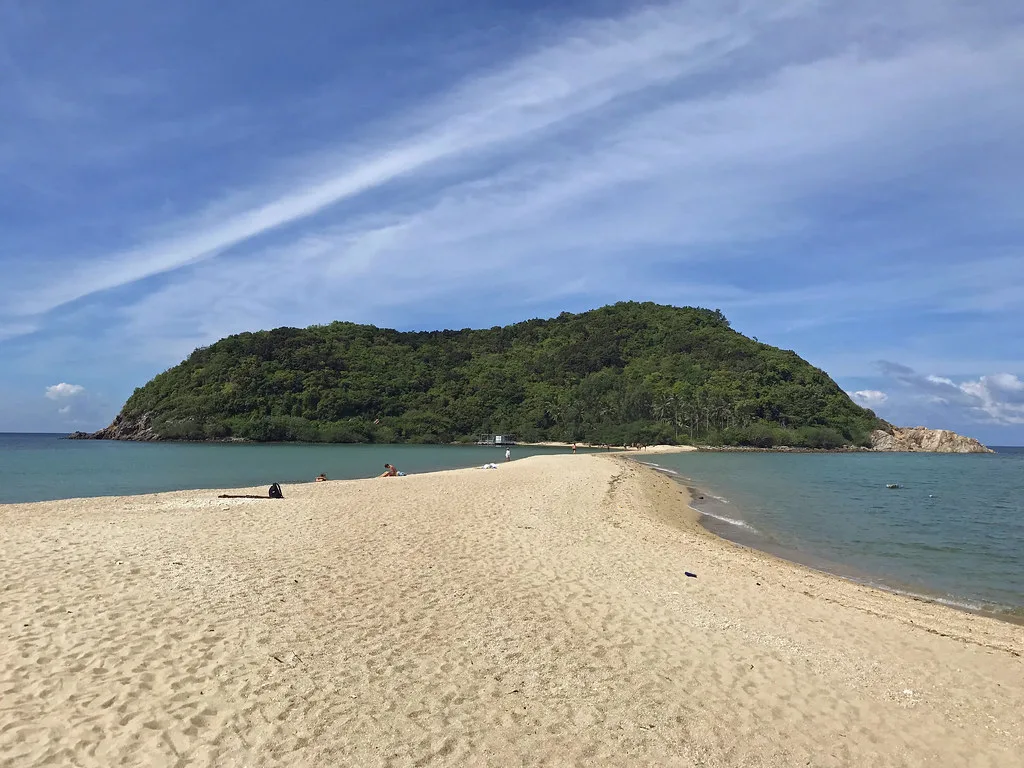
The connection between beach and island is a natural sandbar, described as a sandbar to Koh Ma that appears with the tide. At low water you can walk across; when the water is up, the link disappears and the island becomes a boat trip. That single fact should drive your planning more than any other detail on this page.
Visitors describe reaching the island by boat or, at low tide, over a natural jetty of sand. Both options exist, and which one applies on your date depends on the tide rather than on your preference. If walking the sandbar is the point of the trip for you, build the day around low water and keep a boat as the fallback.
No source here publishes tide times for Mae Haad, and they shift daily with the lunar cycle. Look up a Thai tide table for the Koh Phangan west coast, or ask at your hotel or a Mae Haad dive center, for the date you plan to visit. Then add a buffer on both sides instead of arriving at the exact turn of the tide.
Getting to Mae Haad Beach, then to the island
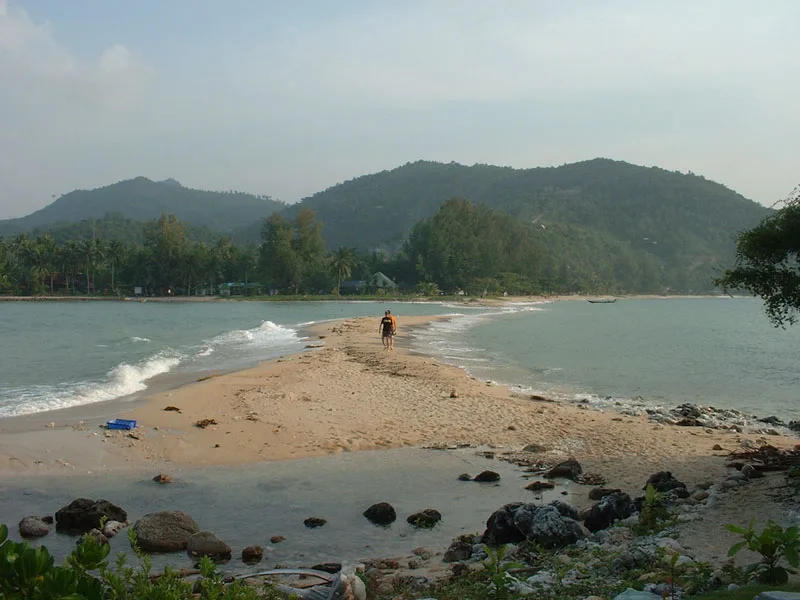
You reach Koh Ma by first reaching Mae Haad Beach. From Thong Sala, the island's main port and arrival point for ferries, take a songthaew or your own scooter northwest along the coast road; the ride is short but hilly in places. Agree the fare before you get in, since shared taxis here are not metered.
Once at Mae Haad, walk the beach north toward the island until the sand runs out and the sandbar begins. Wear shoes you can get wet and that grip rock, because the crossing and the island path are uneven, and carry water since there is nothing on the island itself.
If the tide is wrong for walking, boats can run you over from the beach. Ask on the sand about availability and the fare that day rather than relying on a posted schedule, because it is an informal service. Koh Ma Beach Resort sits on Mae Haad Beach and is listed as a five-minute walk from both the beach and Koh Ma, which makes the beachfront the obvious base if access is your priority.
What you see on the island itself
Koh Ma is not a developed attraction. No facilities, marked trails or viewing platforms are published, and the draw is the rock, the cliffs, the reef and the view back along Mae Haad. Treat the climb as a short scramble between viewpoints rather than a hike, and skip sections that look wet or loose.
The island also works as a vantage point over the bay and the west-coast beaches. From the higher rock you can see the curve of Mae Haad and, on a clear day, the coastline running north. Because the terrain is near-vertical in places, stay back from the edge, especially when the rock is wet from spray.
Snorkeling off Koh Ma and the Mae Haad reef
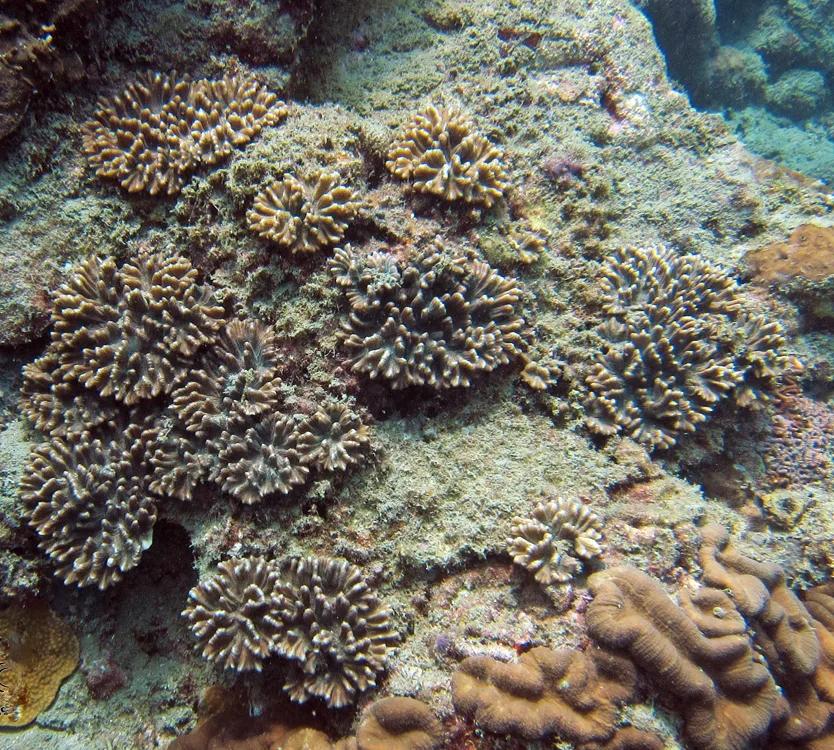
The reef around Koh Ma and Mae Haad is the main reason many visitors come. Beach descriptions highlight excellent snorkeling with vibrant marine life off Mae Haad, and the island's rocky flanks put you close to that reef. Bring your own mask and fins if you are fussy about fit, because rental quality on the beach varies.
Snorkel within your comfort level and watch the current around the island's points, which can run harder than the sheltered beach suggests. Dive-site notes treat the island's underwater edges as a dive site in their own right, so it is not a paddling pool. If you are not a confident swimmer, stay on the Mae Haad side of the sandbar and snorkel there.
If you want organized diving or snorkeling rather than a self-guided swim, dive operators around Mae Haad run trips, but this guide does not publish their departure times or meeting points. Compare shops in person, check certifications and recent reviews, and confirm what gear and insurance are included before paying.
How long to allow
Budget roughly half a day for Koh Ma from a west-coast base, including the beach walk, the crossing, a slow look around the island and a snorkel. The variables are the tide window and how long you linger in the water, not the island's size. Coming from the south or east of Koh Phangan, add travel time on both ends.
Build the schedule backward from low water. Arrive at Mae Haad before the low so you can cross while the sandbar is still exposed, explore, and recross before the incoming tide covers your route. Leaving the return to the last minute is the most common way this visit goes wrong.
If you have limited time on the island, pair Koh Ma with the rest of Mae Haad Beach rather than trying to add several beaches in one afternoon. For a wider menu of options, this guide to the best things to do in Koh Phangan helps you slot Koh Ma into a longer stay without overloading a single day.
Practical cautions before you go
Tide and weather are the two things to check on the morning of your visit. A rising tide shortens your window, and onshore wind or rain can make the crossing and the reef unpleasant. Ask at your accommodation for a local tide reading and a look at the sky, and adjust the plan rather than pushing through.
Wear footwear that handles wet rock and coral rubble, and avoid walking on live coral. Carry water, sun protection and a dry bag for your phone, since there are no facilities on the island. Mae Haad has a resort strip alongside the beach, but this guide does not rate or recommend individual hotels here.
There is no official published access rule for Koh Ma, so treat local signage and any staff directions as authoritative on the day. If the sandbar looks submerged or the water is choppy, take the boat or skip the island and enjoy the beach. A modest visit with a safe return beats a rushed crossing.
Nearby: the beaches and sights around Mae Haad
Mae Haad Beach itself is the practical companion to Koh Ma, with a long curve of sand and the reef just offshore. If you are building a west-coast day, the Mae Haad beach guide covers the beach in its own right. North along the coast, Haad Yao beach offers another west-facing stretch with a similar sunset orientation.
Inland, Wat Pho Koh Phangan and Wat Phu Khao Noi give you a cultural counterpoint to a beach day and are easy to combine with a drive back toward Thong Sala. For a fuller view of what the island offers, browse the Koh Phangan Attractions: 6 Visitor Guides hub before you commit your days.
Is Koh Ma worth timing your day around?
Yes, if you accept that the tide is in charge. Koh Ma rewards a visitor who arrives at Mae Haad with a tide table, grippy shoes and a snorkel, and who treats the sandbar crossing as the main event rather than an afterthought. Skip it if you are hoping for a developed island attraction with facilities and fixed hours.
Before you go, confirm low water for your date, check the morning weather, and ask locally whether boats are running. Then give yourself the half day, cross early, and leave the sunset for the beach rather than the return leg.