
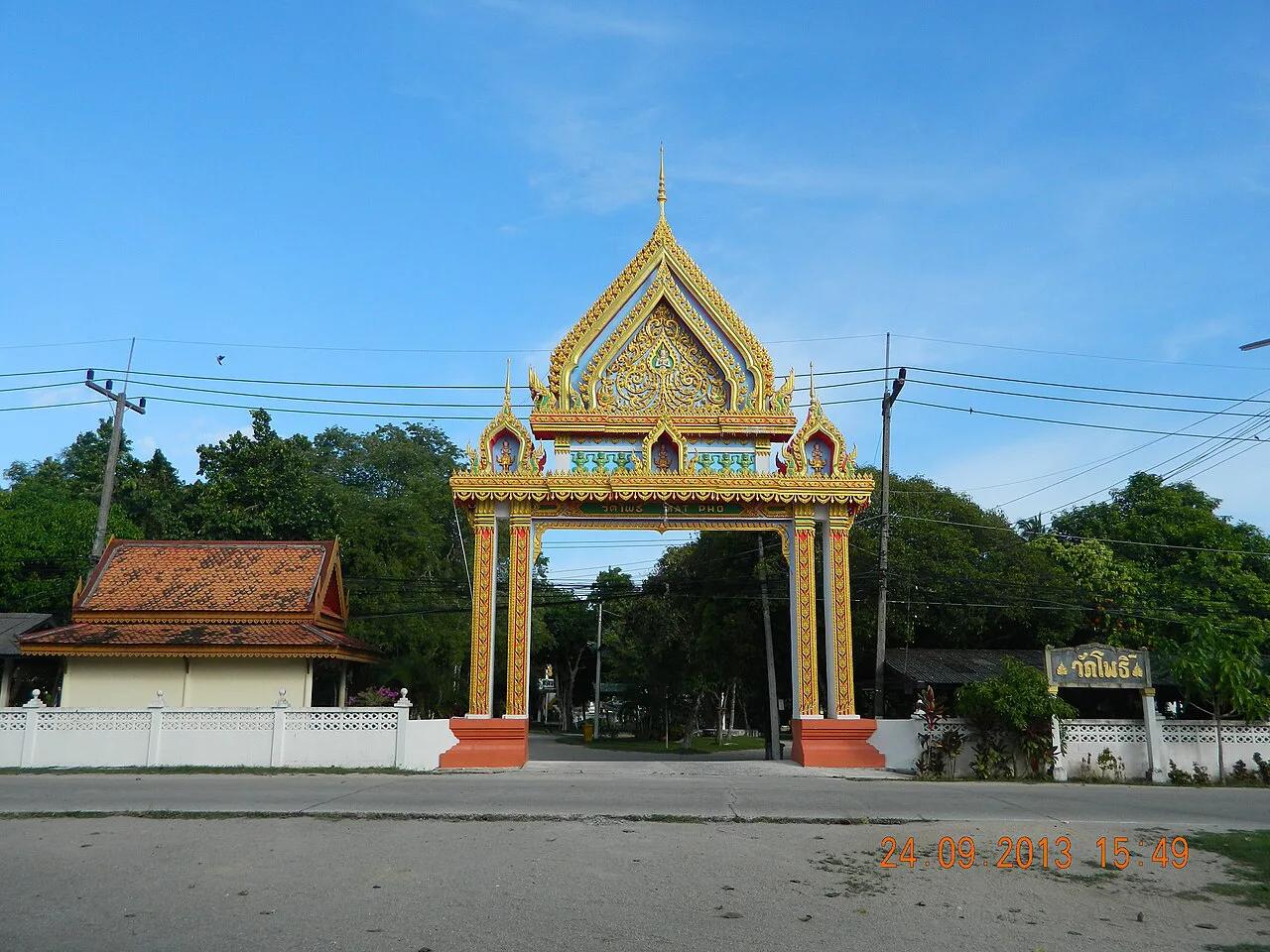
Wat Pho Koh Phangan: What to See, How to Get There, and What's Nearby

Wat Pho on Koh Phangan is a modest temple in Baan Tai, and most travelers come not for the temple building but for the herbal sauna run alongside it. This is not the Wat Pho of Bangkok with the Reclining Buddha and the massage school, so Don't plan your day around either of those. The page covers where the temple sits and what it actually offers, how to reach it from the main road, what the sauna routine looks like, what to bring, and how much time to allow. Use it to decide whether Wat Pho fits your island itinerary or whether another stop nearby is a better use of your day.
What and where Wat Pho Koh Phangan is
Wat Pho (วัดโพธิ์) is a Buddhist temple in Baan Tai village on Koh Phangan, set back from the main road that runs between Thong Sala and the island's east-coast beaches. Travel guide Thailandee describes the temple itself as modest and unremarkable, and says the herbal sauna about a hundred meters away on the other side of the road is what built its reputation. That distinction matters: if you arrive expecting a grand temple complex with a giant reclining Buddha, you will be disappointed. Treat Wat Pho as a small, working neighborhood temple with a distinctive side attraction, and you'll know exactly what you're getting.
The most common confusion is with Bangkok's Wat Pho, which is a major royal temple with the famous Reclining Buddha and a traditional massage school. This island temple shares only the name, and one social post about the Bangkok temple is not about Koh Phangan at all. Don't use Bangkok opening hours, ticket prices, or massage-school details when planning a stop at Wat Pho Koh Phangan. If you want the Bangkok temple, that's a separate trip to the capital; look to the island temple for a low-key local visit and a rustic sauna.
Location-wise, Baan Tai puts Wat Pho on the island's south-central strip, convenient if you're staying between Thong Sala and the beaches further east, and about a ten-minute scooter ride from the main town. If you have a broader island plan, the Koh Phangan Attractions: 6 Visitor Guides collection gives you a way to slot Wat Pho alongside beaches and viewpoints rather than treating it as a standalone destination. The temple is also close to casual food spots, and a nearby large tree — described by travel guide Thailandee as the largest on the island — makes it an easy short stop rather than a half-day excursion.
How to get there: songthaew, scooter, or a chartered ride
Songthaews run along the main road that passes Baan Tai, so if you're traveling without your own vehicle, this is the practical option. Thailandee notes that Wat Pho is slightly off the main road, so you'll ask the driver to drop you at the nearest intersection and walk the final stretch, roughly 700 meters. That walk is the bit most lists leave out, so plan for it, especially in heat or rain. Alternatively, you can hire a songthaew privately for the door-to-door trip, but agree on the price before you board rather than at the end.
By far the simplest approach, if you're comfortable on two wheels, is a rented scooter. You'll avoid the walk and you'll have flexibility to stop at the big tree or grab food afterward, which is hard when you're at the mercy of a songthaew schedule. If you'd rather not ride, ask your accommodation to arrange a chartered songthaew for the round trip and set a return time. Either way, there's no official ferry or train to Wat Pho; you're arriving by the island's own road transport.
The herbal sauna: what it is and how it works
The herbal sauna is why Wat Pho appears in island guides at all. Thailandee describes two small, basic rooms, one for women and one for men, with outdoor benches, a changing area, and lockers with padlocks for your things. It also notes that the setting is far from a spa: Don't expect décor or comfort. That's the trade-off. If you want polished wellness, skip it; if you want a genuinely local, no-frills experience that happens to be run by a temple, this is the kind of stop that earns its place in a travel day.
The same guide reports that visitors pay 100 THB for access to the sauna, with a sarong and locker padlock included, and lists hours of 13:00 to 19:00. Treat those details as a snapshot rather than a current guarantee, because they come from a third-party travel site, not the temple. Confirm the current fee and opening window with the temple or your accommodation before you make the trip. If those hours hold, Wat Pho fits best as an afternoon stop rather than a morning one.
The sauna doesn't have a continuous, publicly documented history. A Koh Phangan news site reported that the temple committee suspended the sauna temporarily starting 26 July 2007 following the abbot's death, with a notice promising an announcement when it would reopen. That closure dates to 2007, so it says nothing definitive about whether the sauna is running today. The lesson is simply that this is a small operation tied to a temple, and schedules can change. Check locally on the day rather than assuming it will be open.
What to bring and how the changing rooms work
The locker and sarong are reportedly provided with entry, so leave valuables at your accommodation and bring only what you need. The one item Thailandee flags as a common mistake is a towel, which you should bring yourself for drying off after the shower. Beyond that, a change of clothes and sandals are sensible. Women should note the female room and men the male room; one guide jokes that newcomers sometimes walk into the wrong one, so check before you step in.
Hours, entry and temple etiquette: what to confirm before you go
Only two practical figures appear in the available sources for this temple: the 100 THB sauna fee and the 13:00 to 19:00 sauna window, both from Thailandee. Neither the temple itself nor an official island tourism source publishes confirmed hours or ticket prices in what this guide can verify. Check with the temple, your hotel, or a local information point before you go, and ask specifically whether the sauna is operating that day. Don't rely on old travel-site schedules as if they were current.
Wat Pho is an active temple, so dress respectfully: cover shoulders and knees, and remove shoes before entering temple buildings. A sarong is reportedly available at the sauna for the sauna itself, but Don't assume that covers temple dress. Keep voices low, Don't point your feet at Buddha images, and behave as you would in any place of worship. If you're uncertain about particular etiquette, ask a temple attendant rather than guessing.
What to see in the temple grounds and how much time to allow
The temple grounds are small; Thailandee's guide focuses almost entirely on the sauna and says the temple itself isn't especially interesting. Plan for roughly 30 to 60 minutes if you're visiting the temple only, and up to a couple of hours if you're doing the sauna properly. That's enough time to walk the grounds, see the main hall from the outside, and take a few photographs without feeling rushed. Combined with a sauna session and a meal nearby, Wat Pho can fill an easy half-day afternoon.
This is not a temple with a long checklist of halls, murals, or viewpoints. If you're looking for the island's headline temples, the Goddess of Mercy Chinese shrine, Wat Pah Saeng Tham, Wat Chaloklum, Wat Khao Noi, and Wat Khao Tham are covered in island temple round-ups, and they're the better-known stops. Wat Pho's appeal is the sauna and the local atmosphere. Set your expectations accordingly, and you'll enjoy it more.
Nearby stops: the big tree and food by the temple
About 300 meters further along the road, Thailandee points out what it calls the largest tree on Koh Phangan, an easy add-on if you're already on a scooter (the claim comes from that guide, not an official source, so treat the tree's size and identity with a grain of salt). Directly next to the sauna, Phanganist has covered a casual restaurant and café serving Thai, Japanese, and Western dishes, which is a convenient place to eat after a sauna. These are nearby conveniences, not reasons to travel to Baan Tai on their own. Combine them with a beach stop on the same afternoon to make the ride worthwhile.
For beach time afterward, Mae Haad Beach on Koh Phangan is on the island's northwest coast and pairs naturally with a drive that ends at the sandbar at Koh Ma, Koh Phangan. If you're staying on the west side, Haad Yao Beach, Koh Phangan is another easy beach option. Allow extra riding time; these beaches aren't next door to Baan Tai. Mapping your route before you set out keeps you from doubling back on winding roads, especially if you plan to be out after dark.
Is Wat Pho worth a stop on your Koh Phangan itinerary?
Come to Wat Pho if you want a genuinely rustic local experience, the herbal sauna is your main interest, and you're comfortable walking the last 700 meters from the main road or riding your own scooter. Skip it if you're looking for grand temple architecture or a polished spa, and if you only have time for one temple stop, one of the island's better-known temples may serve you better. Check the sauna's current opening and fee locally before you go.
If you're basing yourself around Thong Sala, the temple is a simple add-on to a day heading east, and you can combine it with a beach and a meal. If you're staying further north or west, weigh the scooter ride against your other plans. Use the island's attraction guides to compare this stop with the alternatives before committing an afternoon to it.
Explore more Koh Phangan guides
Frequently Asked Questions
Is Wat Pho on Koh Phangan the same as Wat Pho in Bangkok?
No. Wat Pho Koh Phangan is a small Buddhist temple in Baan Tai village on the island. The Bangkok Wat Pho is a major royal temple famous for the Reclining Buddha and a traditional massage school. They share a name only.
Do I need to book the herbal sauna at Wat Pho in advance?
There's no evidence of advance booking. The available sources suggest you simply arrive during the sauna's operating window and pay on entry, but schedules have changed in the past, so confirm with the temple or your accommodation on the day.
How do I check whether the sauna is open before visiting?
Ask your hotel or a local information point in Baan Tai or Thong Sala, or visit the temple in person. The temple does not appear to publish a current public schedule, and third-party listings may be out of date.