
Mae Haad Beach on Koh Phangan: The Sandbar to Koh Ma, Snorkeling and Low Tide
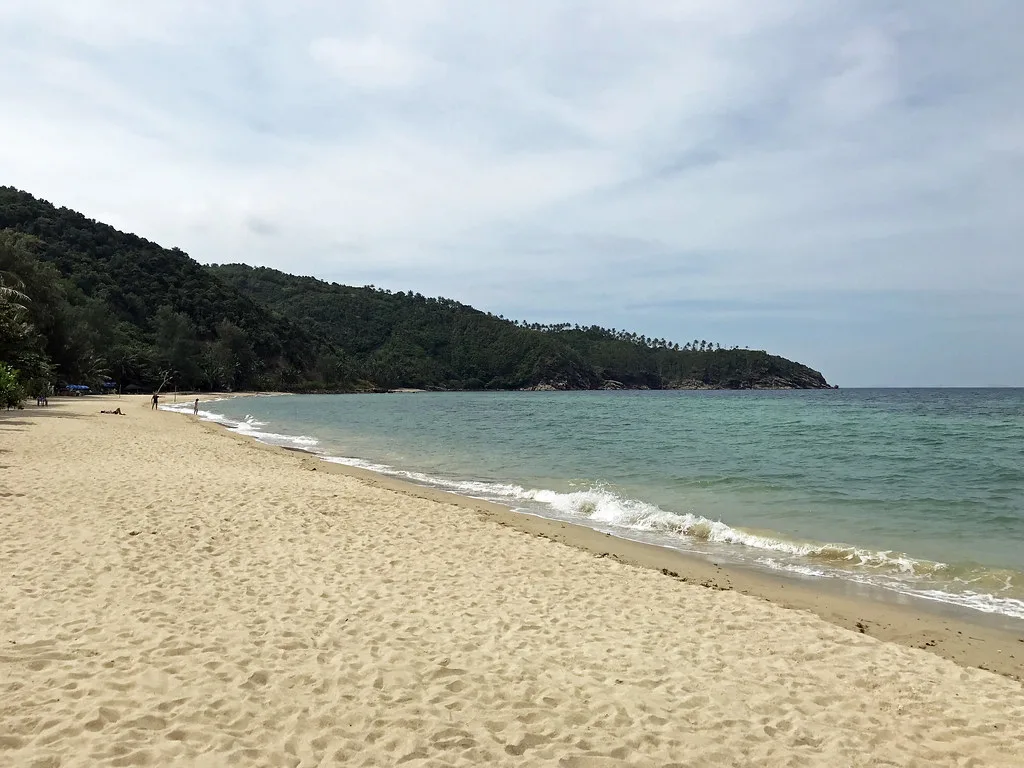
Mae Haad Beach is a bay on the northwest coast of Koh Phangan, in Surat Thani Province, and its defining feature is a sandbar that reaches from the shore toward the small island of Koh Ma. Plan it around low tide and you can walk the bar; arrive at high tide and you get a swim instead. This page covers where the beach is, how to reach it, how the sandbar and snorkeling work, and how long to allow.
Set expectations early, because little of what matters here is published officially. Mae Haad has no gate, no published opening hours and no ticketing system described in any source, so there is nothing to book for the beach itself. What you confirm locally is the tide table for your dates, the day's water conditions, and whether any operator is charging for access or equipment.
Where Mae Haad Beach sits on Koh Phangan
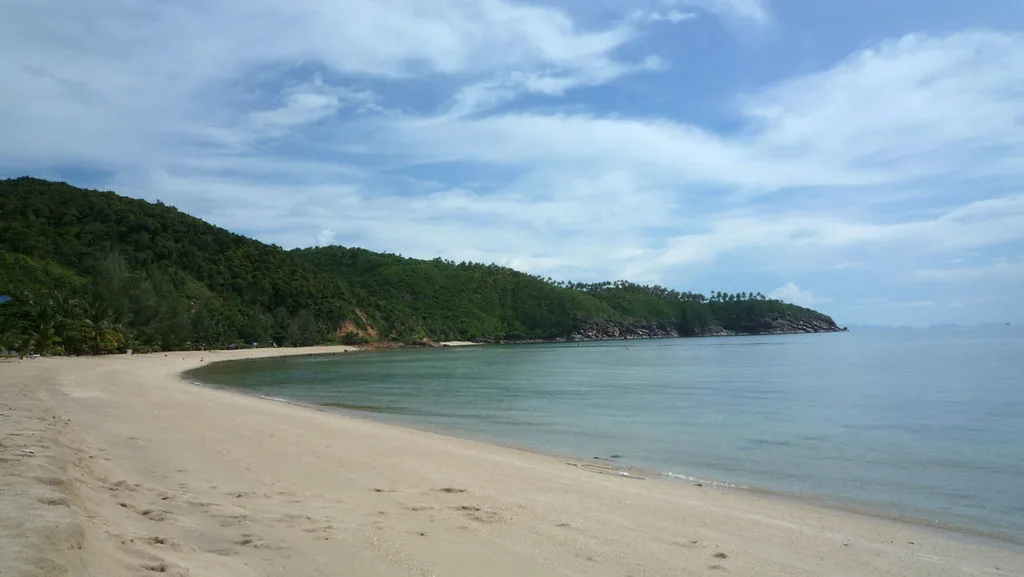
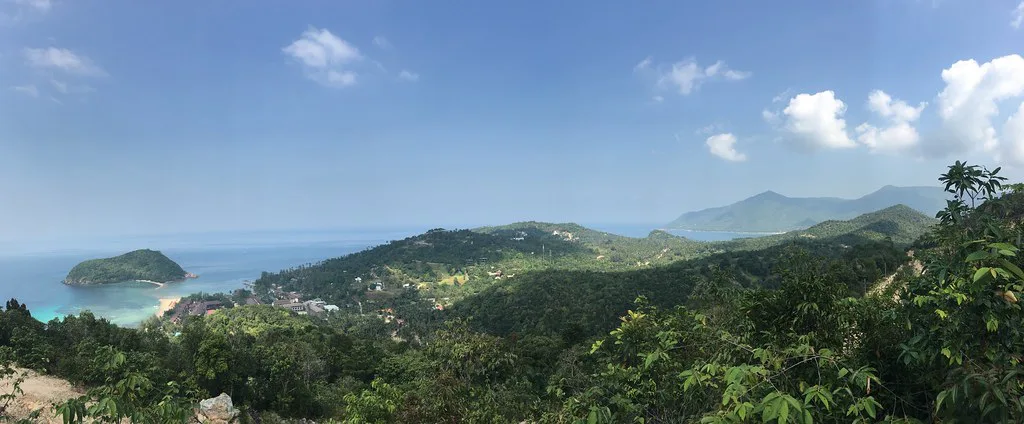
Mae Haad occupies the northwest corner of Koh Phangan, a sandy bay looking toward Koh Ma just offshore, on the opposite side of the island from the ferry port at Thong Sala. Reaching it means crossing the island rather than stepping off the boat onto sand. Travelers describe it as a sandy bay with good conditions for snorkeling and diving, which is why the sandbar and the water, not the shoreline facilities, are the draw.
How to get to Mae Haad from Thong Sala and around the island
Most visitors arrive on Koh Phangan by ferry at Thong Sala and continue overland on the island's ring road to the northwest coast. The usual choices are a shared songthaew, a taxi, or a rented scooter; the scooter gives the most flexibility for matching the tide, but it also means riding roads that are steep and uneven in places. Fares and journey times vary by operator and season, so ask at your accommodation or the pier for the current rate instead of trusting a figure quoted online.
If you are coming from another island, boats from Koh Samui land at Thong Sala on the southwest coast, and you continue by road from there. Build a buffer between your boat and your beach plan, because a late ferry or a slow songthaew ride can put you at Mae Haad after the tide has turned. On the return leg, agree a pickup time or check the last shared transport before committing to staying for sunset.
Komoot lists a walking route running from the beach out to Koh Ma and back, useful for seeing how the sandbar fits the bay when the water is low enough to cross. Use it for orientation and route shape, not as a schedule, because the crossing depends entirely on the tide on the day you visit.
The sandbar to Koh Ma and why the tide decides your visit
The sandbar is a strip of sand extending from Mae Haad Beach toward Koh Ma, and walking it is the reason most people come. It is not a permanent bridge: it emerges as the water drops and is covered when the tide returns. A low tide gives you a walkable path; high tide leaves open water between the beach and the island.
Check the tide table for your specific dates before setting out, and cross-check the timing against your travel from Thong Sala, since a low tide at midday is far less useful than one in the morning. Resorts and dive shops around the island commonly post tide information, and your accommodation can usually confirm the day's timing. Do not assume the bar is walkable because someone walked it last week; the window shifts every day.
When the bar is exposed, wear footwear you can get wet and carry your things rather than dragging a bag through the shallows. The walk out and back is short in distance but takes longer than expected if you stop to look at the water on both sides. Leave margin on the return so you are not crossing as the water rises.
Swimming and snorkeling at Mae Haad
The bay is known for snorkeling, and the water around the sandbar and toward Koh Ma is where people head. Beach descriptions consistently point to snorkeling and diving as the main activities, with the sandbar and the island as focal points rather than a long stretch of open shoreline. Swim with a buddy, watch the tide as well as the clock, and stay aware of boat traffic in the bay.
Expect no promises about specific marine life or visibility, because those change with season, weather and day-to-day conditions. Ask at a dive shop what the water has been doing that week before committing to a long swim, and rent mask and fins locally if you did not bring your own. A short video look at the beach shows the sand, the water color and the layout before you go.
Low tide versus high tide on the beach
At low tide the sandbar appears and the bay opens up for walking, but the water off the beach also pulls back, which can mean a longer wade before you are deep enough to swim. At high tide the sandbar disappears and swimming is closer to shore, but the crossing to Koh Ma is no longer an option. Neither state is better in the abstract; decide which experience you want, then pick the tide window to match.
If walking to Koh Ma is the priority, aim for the low-tide window and arrive early enough to walk out and back with time in hand. If a relaxed swim matters more, high tide gives you a simpler day, and you can still read the sandbar's shape from the shore. Families with small children should weigh the longer low-tide wade against the shallower water at high tide before choosing.
How much time to allow at Mae Haad
A quick swim stop needs roughly an hour to ninety minutes on the sand plus transport each way, which makes it a sensible add-on if you are already staying in the northwest. A half-day is the more realistic shape if you want to walk the sandbar at low tide and snorkel afterward, because you are waiting for a tide window rather than fitting the beach around a schedule.
If you are based around Thong Sala or the southern beaches, budget a full half-day including the road crossing both ways, and do not stack another far-flung beach into the same afternoon. Travelers coming from Koh Samui on a day trip have the tightest margin and should confirm the last return ferry before committing to a late low tide.
What is on the beach and nearby
Mae Haad has restaurants and resorts along the bay, and the frontage is developed enough that you can eat and rent equipment without leaving the sand. Specific venues, their hours and their prices change, and no official listing here confirms them, so read recent reviews and ask your accommodation for a current recommendation rather than arriving with a name in mind.
The beach pairs naturally with Haad Yao Beach further down the west coast, another sandy bay with a similar sunset orientation, if you want two beach stops in one day. Koh Ma, Koh Phangan itself deserves its own look if the sandbar has caught your attention, and the rest of the island's sights — see Koh Phangan Attractions: 6 Visitor Guides — are a road trip away rather than a walk.
If you are inland-bound later in the day, Wat Phu Khao Noi is one of the island's temple stops and works as a contrast to a morning on the sand. Wat Pho Koh Phangan, with its herbal sauna, is another option on the island's temple circuit if you want a slower afternoon after the beach.
Practical checks before you go
No published entry fee, opening time or closure schedule for Mae Haad Beach appears in the sources here, and the beach reads as open shoreline rather than a managed attraction. Confirm on arrival whether anyone is charging for access, parking or beach equipment, and bring cash in Thai baht for small operators who may not take cards. If a fee matters to your budget, ask your hotel the day before rather than assuming.
Check the tide table, the weather forecast and your transport back before leaving your accommodation, and carry water and sun protection because shade on the sand is limited. The one site named for the beach currently serves only a placeholder page, so it is not a source for hours or facilities; rely on your accommodation and on what you can see at the beach instead. If conditions look rough, treat the sandbar as off and swim only where locals are swimming.
Should you build your day around the tide?
Yes, if the sandbar is the reason you are going. Mae Haad rewards a tide-led plan: pick a low-tide window, allow the road crossing from Thong Sala, and treat the walk to Koh Ma and the snorkel afterward as one block of time rather than two separate outings. If you cannot match a low tide, the beach still works as a swim and lunch stop, just without the crossing.
Before you go, confirm the day's tide locally, check your return transport, and budget in baht for any equipment or beach charges on the day. Plan the rest of your island time around that single tide window, and Mae Haad becomes one of the more distinctive stops on a Koh Phangan itinerary rather than just another sandy bay.
Explore more Koh Phangan guides
Frequently Asked Questions
Can you walk to Koh Ma from Mae Haad Beach?
Sometimes, and only when the tide is low enough to expose the sandbar between the beach and the island. The bar is tide-dependent, so check the tide table for your date before you count on the crossing, and turn back with time to spare rather than crossing as the water rises.
Do you need to book Mae Haad Beach in advance?
No booking is described for the beach itself, and no official source lists entry times or tickets for it. Confirm locally whether any operator is charging for access or equipment on the day, and bring cash for small beachside purchases.
Is Mae Haad Beach good for snorkeling?
The bay is known for snorkeling, with the water around the sandbar and toward Koh Ma as the focal area. Conditions change with weather and season, so ask a local dive shop what the water has been like that week before planning a long swim.
How do you get to Mae Haad Beach from Thong Sala?
You travel overland from the ferry port at Thong Sala to the northwest coast by songthaew, taxi or rented scooter. Fares and journey times vary, so confirm the current rate at your accommodation or the pier, and check your return transport before you head out.