
Wat Khunaram Mummified Monk: A Practical Guide to Koh Samui's Glass-Cased Monk

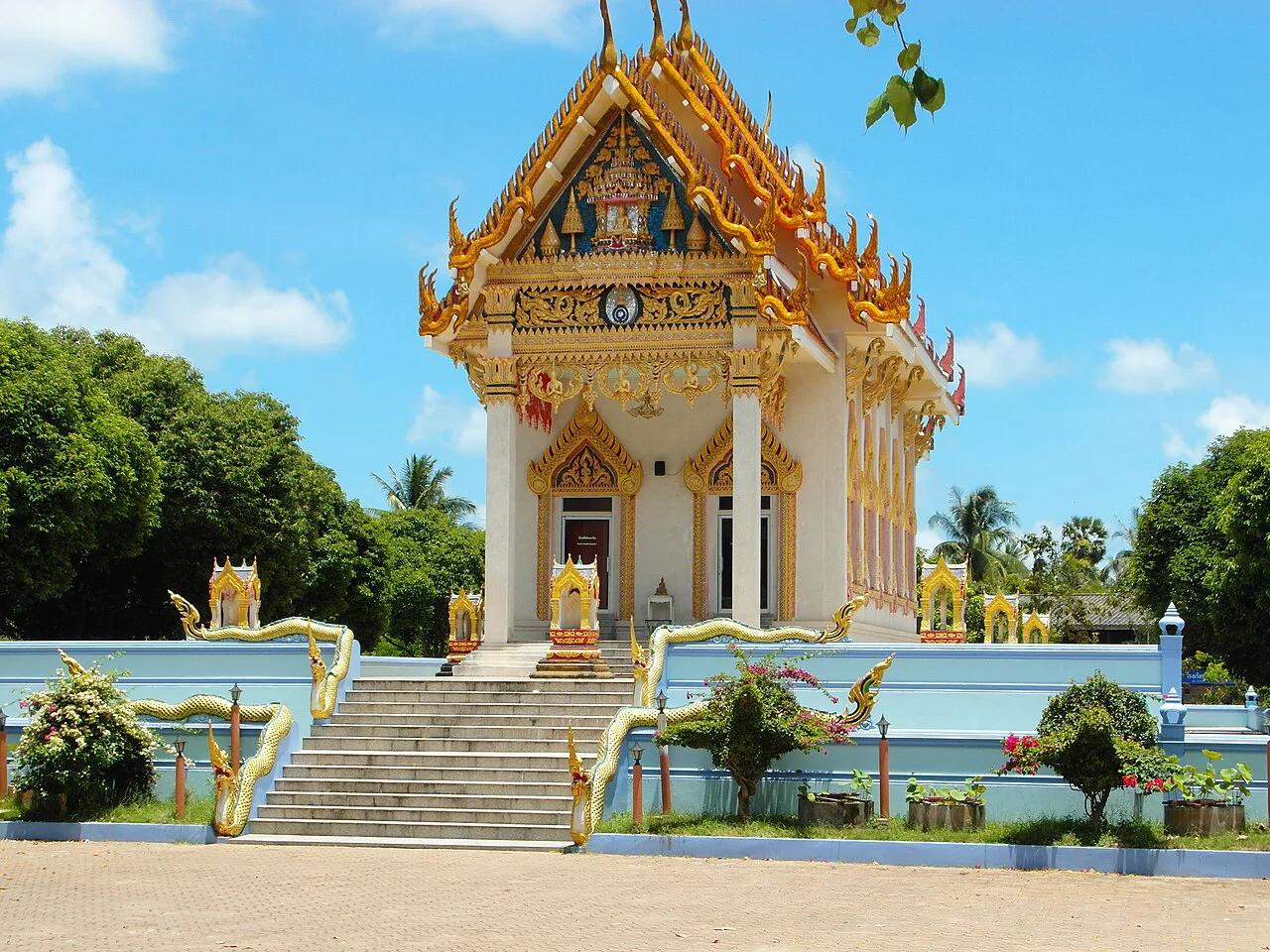
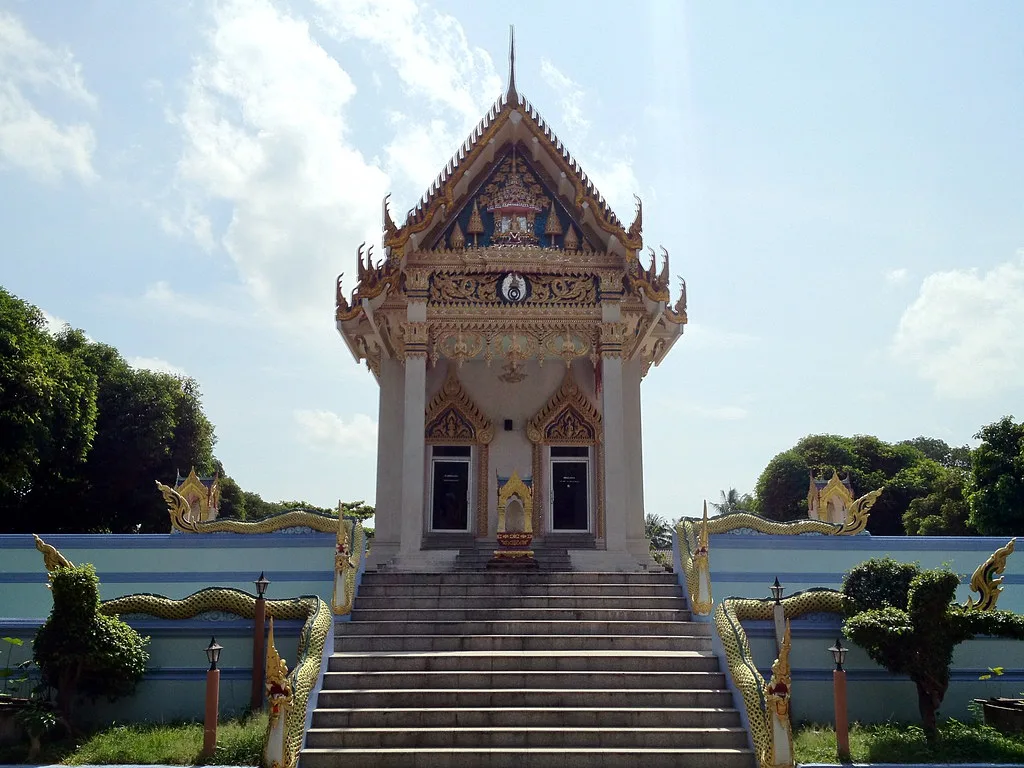
Wat Khunaram is a modest working Buddhist temple on Koh Samui best known for one thing: the preserved body of Luang Pho Daeng, seated in a glass case and visited by Thais who come to pay respect. Treat it as a short, single-stop temple visit of well under an hour, not a half-day outing. This guide covers where the temple sits, how to get there, what you actually see, how to dress, and which nearby stops fit the same stretch of road.
The monk's story explains the mood of the place. He was born on Samui around 1894, ordained as a young Man, later married and raised six children, then returned to monastic life and became abbot of this temple, according to a local operator's account of his life. Accounts differ on exact dates, so read the temple's own signage rather than treating any single year as settled.
Where Wat Khunaram sits on Koh Samui
The temple stands on Route 4169, described by one local operator as west of Hua Thanon and southwest of Lamai Beach. That places it on the island's southern road network, so it slots naturally into a loop between the Lamai area and the southern beaches rather than requiring a dedicated detour.
Because it is a roadside temple rather than a walled complex, it is easy to pass without noticing, so watch for the entrance markers on the inland side of the road as you approach Hua Thanon from Lamai. The full picture of what else is worth stopping for on this side of the island is in the Koh Samui Attractions: 5 Visitor Guides overview, which is the sensible starting point before you commit a day to one stretch of coast.
Who Luang Pho Daeng was
Born on Samui around 1894 and known in later life by the monastic name Phra Khru Samathakittikhun, he was ordained at about 21, disrobed after two years at Wat Samarat, married, and had six children before returning to the monkhood once they were grown. He became abbot of this temple and was well known beyond the island, including in Bangkok.
Sources vary on the exact year of his death, with some placing it in 1973 and others describing him as dying just before his 80th birthday; treat those as approximate and go by the temple notices. What is consistent is that he asked not to be cremated in the usual Thai way and to be kept on display instead.
What you actually see in the glass case
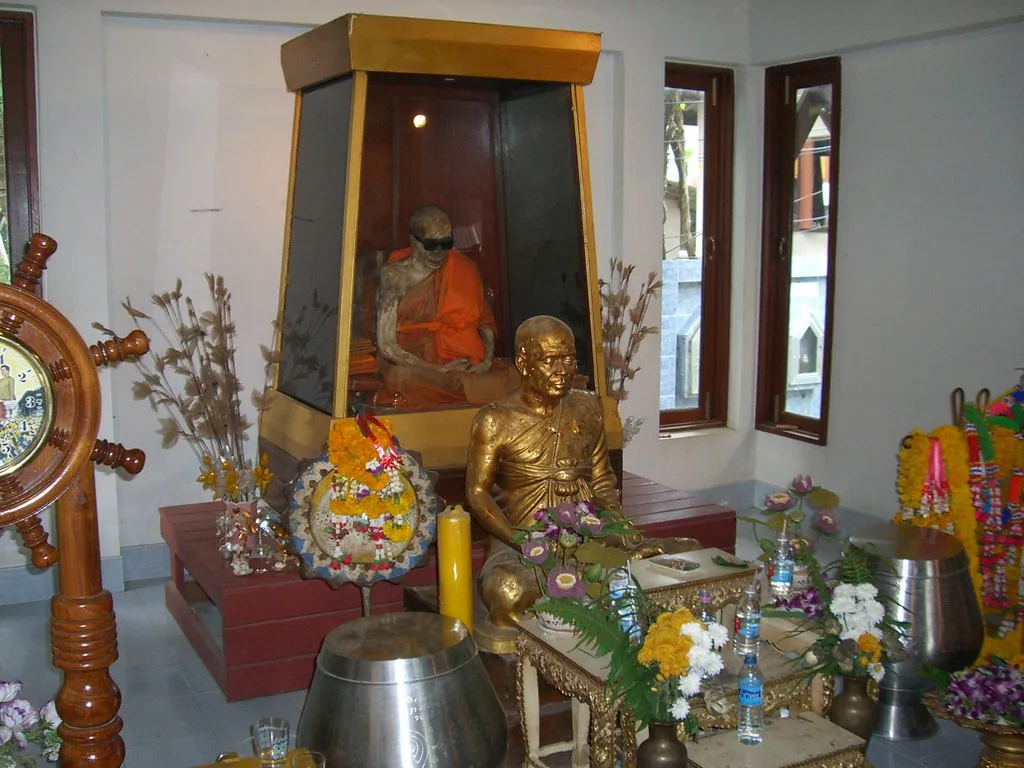
The body is displayed seated in a glass case, not in a museum setting with panels and lighting. The face is weathered, the skin wrinkled, and the dried eyes are covered by a pair of sunglasses, a detail that surprises many first-time visitors.
Expect a split reaction around you. Some Western visitors flinch at first sight, while Thai visitors treat the display as an act of reverence and an image of a respected teacher. Knowing that ahead of time is the main preparation you need, and it shapes how you should behave.
How to get to Wat Khunaram
Three practical options exist: a metered or negotiated taxi, a rented motorbike, or a chartered songthaew, the shared pickup trucks that run fixed routes along the main roads. A motorbike gives you the most flexibility for linking the temple with other coastal stops, but only if you are licensed and comfortable with Samui traffic; a chartered songthaew suits small groups who want a driver waiting at each stop.
Organized island tours also include the temple, which removes the transport problem but locks you into someone else's schedule. No current fares are published for any of these options in the sources checked here, so confirm the price with your hotel desk or the driver before you set off rather than relying on an older guidebook figure.
Dress code and behavior at an active temple
Cover your shoulders and knees, as at any Thai temple. A sarong or long lightweight trousers packed in your day bag solves the problem if you are coming from the beach, and it applies to men as well as women.
Keep voices low and take photos without standing in front of people who are paying respect. Do not turn the glass case into a backdrop for posed group shots; a quiet frame from the side is enough, and step back if a Thai visitor is making an offering.
How long to allow and whether it is worth the stop
Allow well under an hour, and treat the wider temple grounds as a short add-on rather than a destination in themselves. One reputable trip-planning source suggests budgeting one to two hours for the site, which is generous unless you plan to sit quietly for a while.
It is worth the stop if you are already driving Route 4169 and want to see something genuinely unusual in Thai religious practice. Skip it if your group is uncomfortable with human remains, if you only have time for beaches, or if you cannot manage modest dress that day.
Opening hours, entry and donations
One travel source describes the temple as open daily and free to enter, with a small donation welcome; another frames it as a place where you view the display and learn about the monk's life. These are third-party descriptions, not a temple notice, so check the gate signage or ask your hotel on the day you plan to go, particularly around Buddhist holidays.
The Tourism Authority of Thailand keeps provincial listings that are the most reliable place to confirm current details for Surat Thani temples if you want an official check before you build the stop into your day. Do not plan around a fixed closing time you read online; roadside temples can close their display area without updating a website.
What is nearby on the same road
Hua Thanon, a fishing village with a working port and Muslim community, sits just east of the temple, and Lamai Beach is a short drive northeast; either makes a natural pairing for lunch or a swim after the visit. Closer to Lamai, the granite formations at Hin Ta Hin Yai, known locally as the grandfather and grandmother rocks, are an easy add-on on the same run.
If you are building a temple day rather than a beach day, Wat Plai Laem on the north coast pairs well as a contrast: it is a large, highly decorated complex with vivid statues and a very different atmosphere from this quiet roadside shrine. A detailed walkthrough of its layout and figures is in the Wat Plai Laem guide.
Wat Samret, south of Lamai, is another modest temple with a preserved monk and fewer visitors, and it works as a quieter companion stop if you found Wat Khunaram interesting. Read the Wat Samret, Koh Samui guide before deciding whether to add it.
For a completely different afternoon, the coves around Haad Thong Takian, better known as Silver Beach, Koh Samui, give you clear water and shade within easy reach of the Lamai end of the road. Another option for a longer day is to scan the things to do in Koh Samui list and pick one coastal stop to pair with the temple rather than chaining several together.
Practical mistakes to avoid
The most common error is arriving in beachwear, which forces a choice between turning away or buying a cover-up at the gate. The second is treating the display as a spectacle: loud commentary or a photo session in front of the case reads as disrespectful to the Thais who come to make merit.
Finally, do not expect a sprawling temple complex with multiple halls to explore. Wat Khunaram is small, and the visit is centered on the one display; plan the rest of your day around that reality rather than assuming you have found a half-day attraction.
Should Wat Khunaram be on your Samui itinerary?
Add Wat Khunaram if you are already driving between Lamai and Hua Thanon and want a short, memorable stop that shows how Thai Buddhism treats death. Budget well under an hour, dress modestly, and go in expecting a seated body in a glass case rather than a museum exhibit.
Confirm the day's opening and any donation practice at the gate or through your hotel, since third-party listings change and no official schedule is published here. If the display would upset someone in your group, spend the time at the beach instead and save this one for a future trip.
Frequently Asked Questions
Is Wat Khunaram the same as the mummified monk temple on Koh Samui?
Yes. Wat Khunaram is the temple most often called the mummified monk temple on Koh Samui, because it houses the preserved body of Luang Pho Daeng in a glass case. If a tour listing or driver mentions the mummified monk, this is the site they mean.
Can you take photos of the mummified monk?
Keep any photography quiet and brief, and do not block people who are paying respect. Avoid posed group shots in front of the case, follow any signs posted at the display, and put the camera down if a Thai visitor is making an offering.
Why does the mummified monk wear sunglasses?
The sunglasses cover eyes that dried out during the preservation process. They are a practical covering rather than a decorative choice, and they are one of the details visitors notice first.