
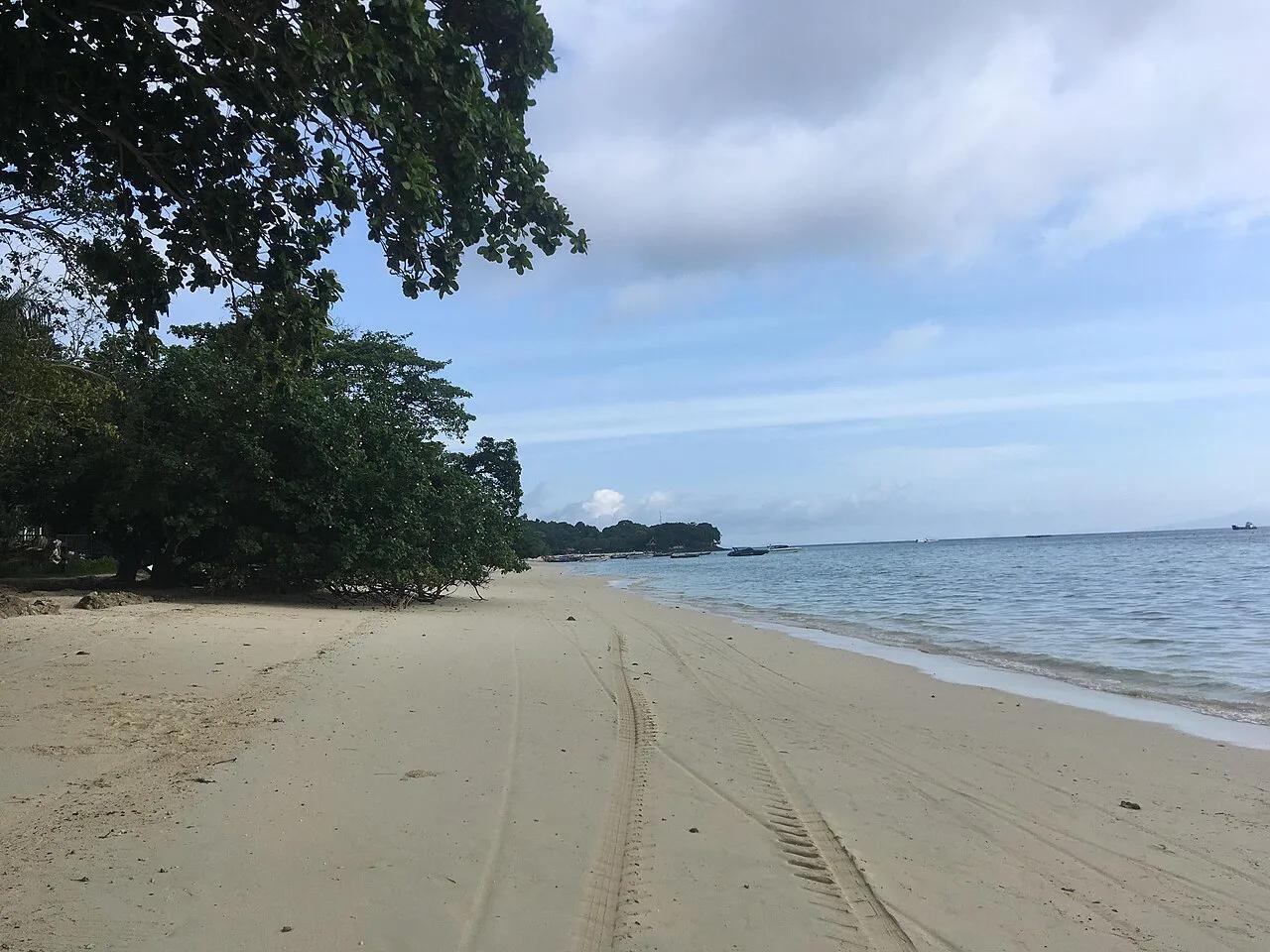
Laem Tong Beach, Phi Phi Don: A Practical Guide to the Quiet North End

Laem Tong Beach is the quiet northern tip of Phi Phi Don, and the single most important thing to know is that you cannot walk there from Tonsai: a forested ridge runs down the island's spine, so every arrival and departure is by boat. If you want a handful of resorts, a short strip of white sand and evenings without a bar scene, it is a calm base at the island's quiet end. This guide covers where the beach sits, the ferry and speedboat options from Phuket and Krabi, the longtail fallback via Tonsai, what is actually on the sand, and how many nights justify the trip.
Expect to trade convenience for calm. There are only a few resorts along the beach, food and drink cost more than in Tonsai, and the transfer takes planning rather than a stroll. Set against that: a genuine village at the north end, reef snorkeling just offshore, and a beach that empties out once the day boats leave.
Where Laem Tong Beach sits on Phi Phi Don
Laem Tong occupies the northern tip of Phi Phi Don, the larger of the two main Phi Phi islands in Krabi province, on the island's eastern shore, and it is the beach furthest from Tonsai, the island's ferry and village hub. No road or marked trail crosses the island's forested middle, so a longtail or ferry ride is the only way in or out. That isolation is the whole point: you are not passing through on the way to somewhere busier.
Phi Phi Leh, the smaller island that holds Maya Bay and Pileh Lagoon, has no accommodation at all, so anyone staying on Phi Phi sleeps on Don. From Laem Tong, Tonsai sits around the southern coast and is not a walkable option; treat any plan that involves popping back to Tonsai for dinner or an ATM as a boat trip, not a stroll.

Getting there from Phuket: Rassada Pier ferry versus speedboat
From Phuket, boats leave from Rassada Pier near Phuket Town, which you reach by taxi or a ride-hailing app from the airport or the west-coast beaches. Published schedules list direct services from Rassada to Laem Tong Bay by speedboat in roughly an hour and a half, and by ferry in about three hours, with morning departures. Fares and timetables shift with the season, so confirm with the operator before you book ground transport.
The direct ferry is the smoother ride; speedboats cut the crossing time but can be noticeably bumpier when the sea is up. A third option is any ferry or speedboat to Tonsai Pier followed by a shuttle ferry or longtail onward, which is usually the cheapest combination but adds a wait. If your flight lands late in the day, plan a Phuket overnight rather than gambling on the last boat.
Getting there from Krabi and Ao Nang
From the Krabi side, departures to Laem Tong Bay run from Klong Jilad Pier in Krabi town and from Nopparat Thara Beach near Ao Nang. Listed crossing times are around an hour and a half by speedboat and about three hours by ferry on the return leg, and the shorter Ao Nang run takes roughly an hour and a half by speedboat. Arrive at the pier early: these are shared boats that leave on a schedule, not when you turn up.
Krabi suits travelers coming from Ao Nang, Railay or Krabi airport, and it saves you the Phuket transfer entirely. The trade-off is fewer daily departures than the Phuket route, so check the sailing dates that match your stay rather than assuming a boat every hour. Book the onward leg at the same time as the first, since a missed connection at Laem Tong means waiting for the next day's boat.
Arriving via Tonsai: the shuttle ferry and the longtail option
If you are already on Phi Phi or booked a cheaper ticket to Tonsai, you have two ways onward. A shuttle ferry operated by the same company that runs the Phuket direct service circles the western side of the island to Laemtong Pier, while local longtails take the shorter eastern route and can pull up on the sand itself. The ferry is slower but far less exposed when the sea is rough.
Treat the eastern longtail approach as weather-dependent: in poor conditions, wait for the ferry instead of accepting a bumpy open-boat ride. From Laemtong Pier, resorts on the beach are a short walk or a resort-arranged transfer away, but confirm pickup when you book, because there is no taxi rank and no road. Carry cash for longtail fares, which are agreed with the boatman.
What is actually on the sand
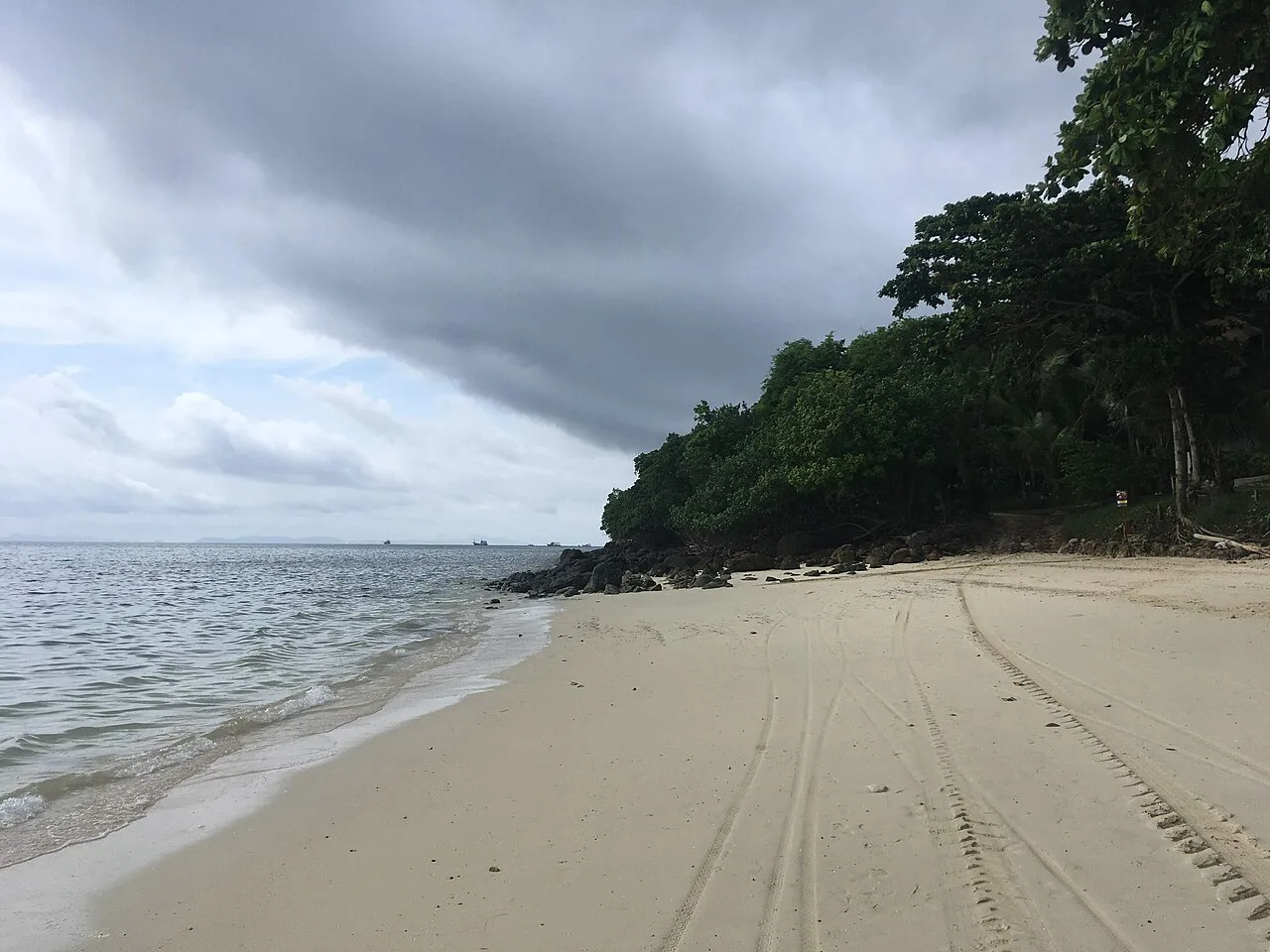
The beach is a long curve of fine pale sand backed by vegetation, with a small row of resorts spread along the eastern side: Phi Phi Natural Resort, Zeavola, P.P. Erawan Palms and Phi Phi Holiday Resort appear in published descriptions of the strip, though the lineup and any refurbishments change, so check each property directly before booking. Between them you will find a few independent restaurants and a couple of bars rather than a village of shops.
At the northern end sits a Urak Lawoi community, a sea gypsy village whose residents run many of the local longtails. It is a lived-in neighborhood of closely packed houses, not a staged attraction, so pass through respectfully, buy from the local restaurants if you want to support it, and ask before photographing people or homes.
The trade-off: fewer choices, higher prices
With only a handful of resorts and restaurants, Laem Tong charges more for food, drinks and rooms than Tonsai, where competition is fierce. You are paying for quiet, and most guests decide it is worth it; if you want cheap street food, laundry shops and a choice of bars at 10pm, this is the wrong beach. Stock up on cash and any pharmacy items in Krabi, Phuket or Tonsai before you arrive.
Day boats do stop off, usually briefly, so the beach is not deserted at midday in high season. Mornings and late afternoons are when it feels emptiest. If nightlife matters, look instead at the busier bays around Tonsai, or at Loh Dalum Bay, Phi Phi Don, which is the island's party beach.
Swimming, snorkeling and the islands offshore
The water off Laem Tong is calmest in the hot season, when the bay's position catches the northeasterly breeze and the hills shelter it from the worst of the westerly monsoon between May and September. Swimming is straightforward off the sand, but reef conditions, visibility and marine life vary with the season and the day, so treat any snorkeling as weather-dependent rather than guaranteed.
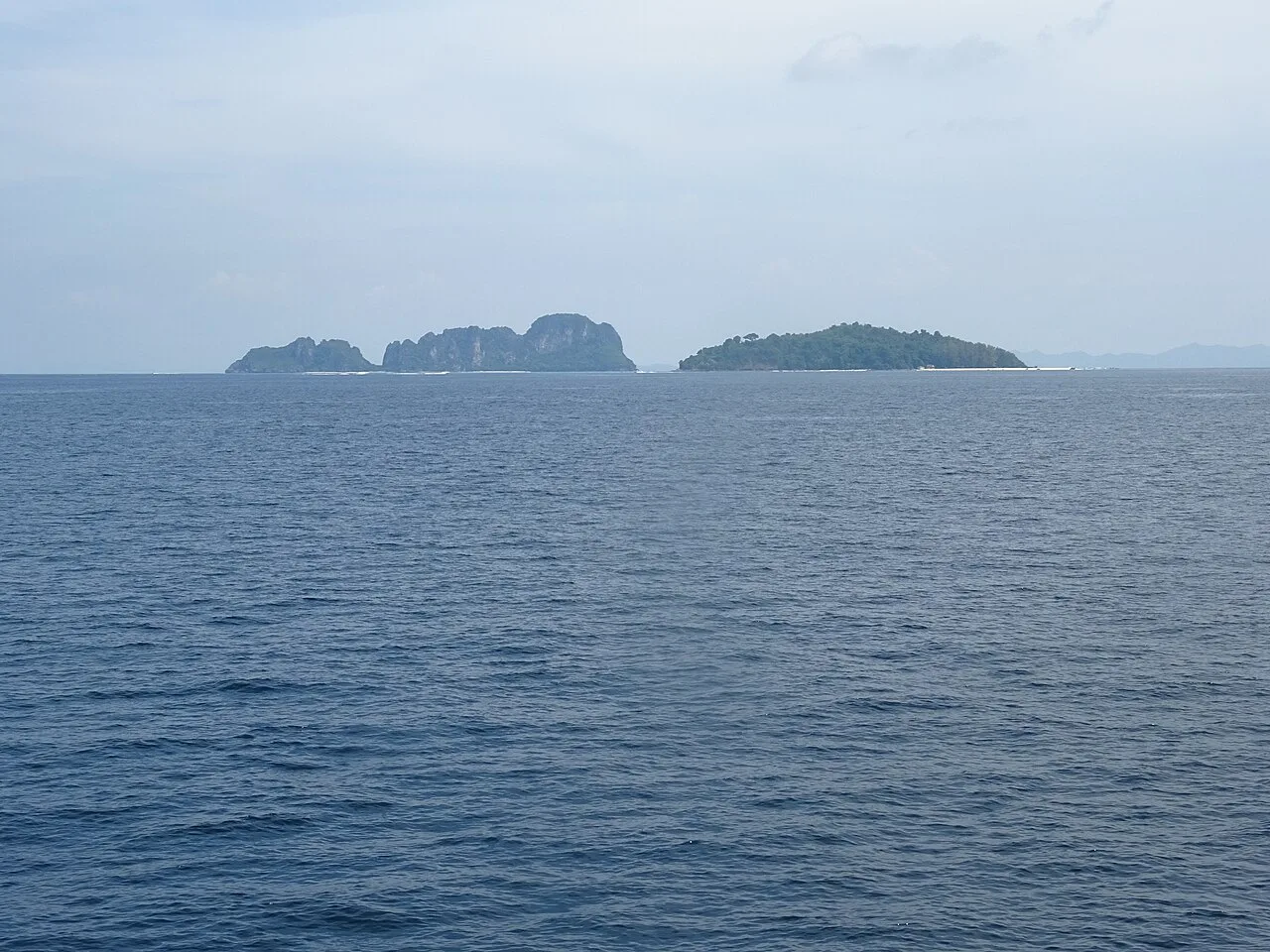
Bamboo Island and Mosquito Island lie a short boat ride offshore and are the usual reasons people base themselves here: Bamboo sits inside the national park with a snorkeling reef, and Mosquito is known for its cliffs and soft coral. Longtails can be hired from the beach or through your resort. Park entry fees and any landing rules are set by the park authority, so confirm the current charge with your boatman or resort rather than budgeting from an old figure.
Boat tours from Tonsai often bundle Maya Bay, Pileh Lagoon and the cliffs of Phi Phi Leh into one day; if that is on your list, book it as a trip from your Laem Tong base rather than trying to self-organize from the north end. Maya Bay has operated under visitor caps and boat restrictions since reopening, so check the current rules before you go.

Walks from Laem Tong and what is nearby
Walking is limited to the beach itself, roughly half a kilometer of sand, plus a jeep track that runs south toward Loh Bagao and Phi Phi Island Village. That walk takes somewhere between twenty-five and forty minutes one way depending on your pace, and there are no cars or motorbikes at Laem Tong to shorten it. Wear shoes rather than flip-flops if the track is wet.
A short hop west brings you to the island's sunset side, where ferries arrive in high season and the sun drops behind the hills toward Phuket. Other Phi Phi Don beaches make sense as boat excursions from here: Loh Moo Dee Beach, Phi Phi, on the southern coast, and Monkey Beach on the west, both reached by longtail. Ask your boatman about sea conditions before committing to either.
How much time to allow
As a day trip, Laem Tong is a poor use of a day: you spend hours in boats and arrive with the same midday crowds you were escaping. It works best as a base of four or five nights, long enough to justify the transfer and to enjoy the beach after the day boats leave. Travelers who stayed here commonly report that four nights felt right and a fifth would have been welcome.
If you only have two or three nights on Phi Phi, stay at Tonsai or Long Beach instead and visit Laem Tong as part of a snorkeling tour. That way you keep the convenience of the main village and still see the quiet end of the island without paying for two transfers.
Who should choose Laem Tong, and who should not
Choose Laem Tong if you are traveling as a couple or family, want a resort-based beach holiday with snorkeling on the doorstep, and do not mind eating most meals at your hotel. Skip it if you are backpacking on a tight budget, want to be near the nightlife and dive shops of Tonsai, or are only on Phi Phi for a night or two.
Whatever you decide, the beach rewards travelers who plan the boat legs first and the hotel second, because the transfer dictates how much of your holiday you actually spend on the sand. Look at the wider set of Phi Phi Attractions: 6 Visitor Guides before you lock in a base, then match the beach to the kind of trip you are taking.
Which boat should you book to Laem Tong?
If you are coming from Phuket, book the direct ferry to Laem Tong for the smoother ride, or the speedboat if you value the shorter crossing and can handle a bumpier one. From Krabi or Ao Nang, take the Klong Jilad or Nopparat Thara departure that matches your dates. Only fall back on the Tonsai-plus-longtail combination when timings or fares make it the sensible choice, and wait for the shuttle ferry if the eastern crossing looks rough.
Confirm current schedules, fares and any national park charges directly with the boat operator or your resort before you travel, since these change by season. Once the boats are settled, the rest of Laem Tong is simple: pack cash, plan to eat where you sleep, and leave the evenings free for the sound of the water.
Explore more Phi Phi guides
Frequently Asked Questions
Can you swim at Laem Tong Beach?
Yes, swimming off the sand is the main daytime activity, and the bay is most sheltered during the hot season. Visibility, wave height and reef conditions shift with the weather and the monsoon, so ask your resort about conditions on the day rather than assuming clear water.
Is there nightlife at Laem Tong Beach?
No, not in any organized sense. There are a couple of bars between the resorts, but evenings are quiet and most guests eat at their hotel. Travelers who want bars, music and a crowd should base themselves around Tonsai or Loh Dalum Bay instead.
Do you need to book boats to Laem Tong in advance?
In high season, yes, especially for the direct ferry and speedboat services from Phuket and Krabi, which run limited departures. Book through the operator or your resort and confirm the pier, departure time and baggage allowance, since schedules are seasonal and not published far ahead.
Is Laem Tong Beach suitable for a day trip?
It is possible but inefficient. You lose hours to boat transfers and arrive with day-tour crowds, and there is little to do beyond the beach. The beach suits a multi-night stay far better than a flying visit.