
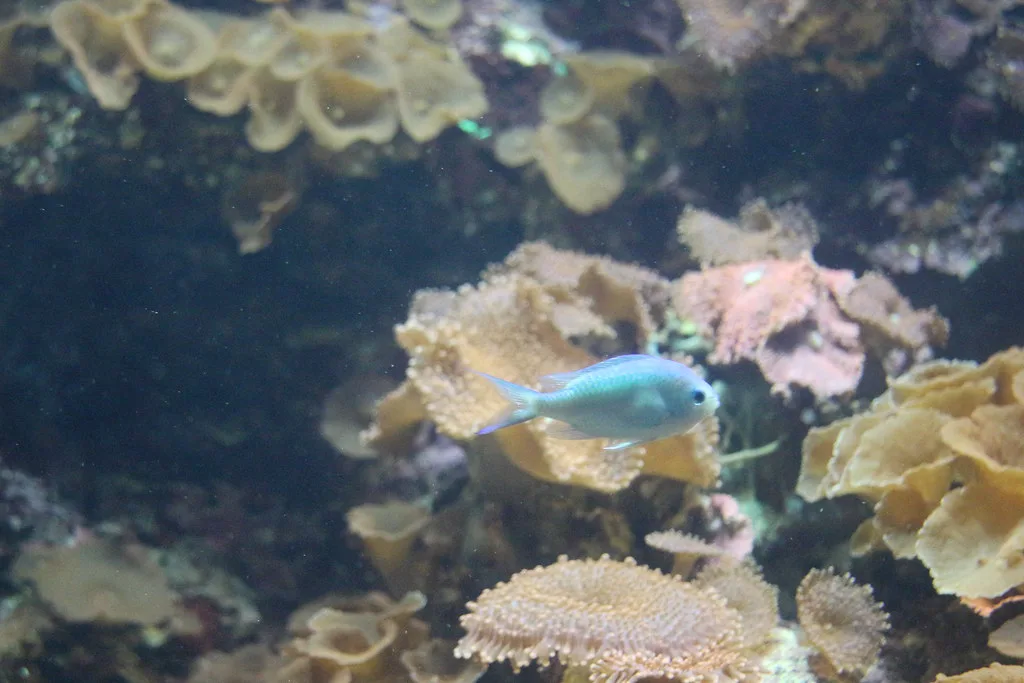
Phuket Aquarium: A Practical Guide to the Cape Panwa Attraction
Phuket Aquarium is a modest, low-cost government marine center at Cape Panwa in the southeast of the island, and 45 to 90 minutes is the honest time to allow. It is a different place entirely from Aquaria Phuket, the large commercial aquarium in the basement of Central Phuket Floresta mall. This guide covers where the Cape Panwa facility sits, how to reach it from the main beaches, what to confirm before you drive out, and what to pair it with so the trip is worth the distance.
Phuket Aquarium vs Aquaria Phuket: two different places
The confusion is understandable, because both are sold as Phuket aquariums and both appear in search results side by side. Phuket Aquarium is the older facility at Laem Panwa, run in association with the Phuket Marine Biological Center, and it is generally presented as a compact, educational, government-linked attraction. Aquaria Phuket is a purpose-built entertainment venue inside a shopping mall, with themed zones, shows and a restaurant.
The scale difference matters when you plan. Aquaria's own zone list describes nine themed areas, including a South China Sea exhibit holding more than 3.5 million liters of seawater with 100,000 marine animals from 500 species, plus a sunken-ship zone and a touch pool.
If you want a big, polished, air-conditioned indoor attraction with timed shows, the mall aquarium wins on facilities. If you want a quieter look at local marine biology at a lower cost and you are already heading to the southeast coast, the Cape Panwa facility makes more sense. Do not treat them as interchangeable bookings.

Where it is: Laem Panwa and the southeast coast
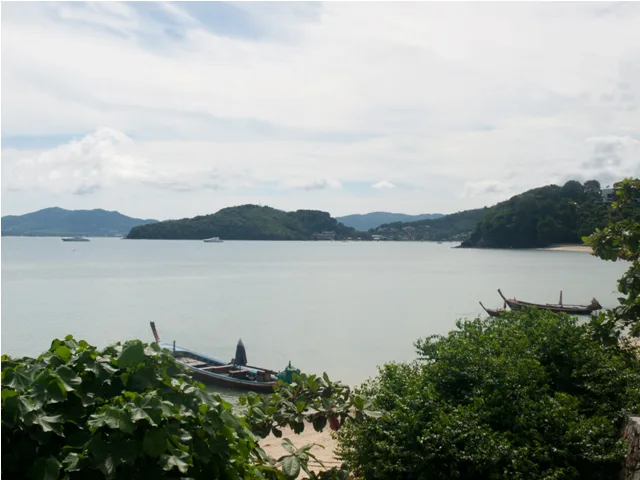
The aquarium sits on Laem Panwa, the headland that forms Phuket's southeastern corner, close to the Panwa Cape road and within easy reach of Ao Yon beach. This is a quiet part of the island dominated by Cape Panwa hotels, a marina and viewpoints, not the beach-and-nightlife strip you find on the west coast.
That location is the key planning fact: nothing else on a typical Phuket itinerary is right next door. You are committing to a drive out and back, so treat the aquarium as one stop on a southeast loop rather than a five-minute detour. Chalong Bay, the Chalong pier area and the road back to Phuket Town all lie on the return leg.
If your trip is still taking shape, the broader Phuket Attractions: 6 Visitor Guides overview helps you see how the southeast fits alongside the west-coast beaches and Old Town.
How to get there from the main beaches
There is no practical public bus route that drops you at the door, so plan on a private car, a rental car or a hired taxi with a return arrangement. Ride-hailing apps work on the island but supply on the Panwa peninsula can be thin, and finding a car back from the cape in the late afternoon is the usual frustration. Ask your driver to wait or agree a pickup time rather than hoping for a match.
Driving times vary with traffic and roadworks, so treat any figure as a rough range rather than a schedule. From Phuket Town the run down to Cape Panwa is the shortest of the common starting points; from Patong, Kata or Karon you are crossing the island first, which roughly doubles the time; from Phuket International Airport in the northwest you should expect the longest drive of all. Check live traffic on a maps app on the morning you go.
Parking at the site is typically straightforward because it is a low-volume attraction in a non-touristy area. If you are combining the trip with a Phuket Town day, Saphan Hin park on the town's waterfront is an easy leg-stretch on the way out or back.
Tickets and opening hours: confirm before you drive
Ticket prices and opening hours for Phuket Aquarium are not published in the sources checked here, so do not build a budget around a remembered figure. Confirm adult and child rates, any foreigner-versus-Thai pricing, and the day's closing time with the venue or the Phuket Marine Biological Center before you set out. Prices change and Thai attractions frequently run separate resident rates.
For context on how the two aquariums differ in cost, the Tourism Authority of Thailand lists Aquaria's aquarium-only admission at 1,090 baht for adults and 590 baht for children between 91 and 140 centimeters tall.
Use that as a benchmark rather than a prediction: the Cape Panwa facility is a government-linked marine center and is generally expected to cost considerably less, but you should verify the actual number at the ticket window or on the official channel. Also check whether any tank areas or the tunnel are under maintenance on your dates, since small facilities close sections for renovation without much notice.
What to see inside
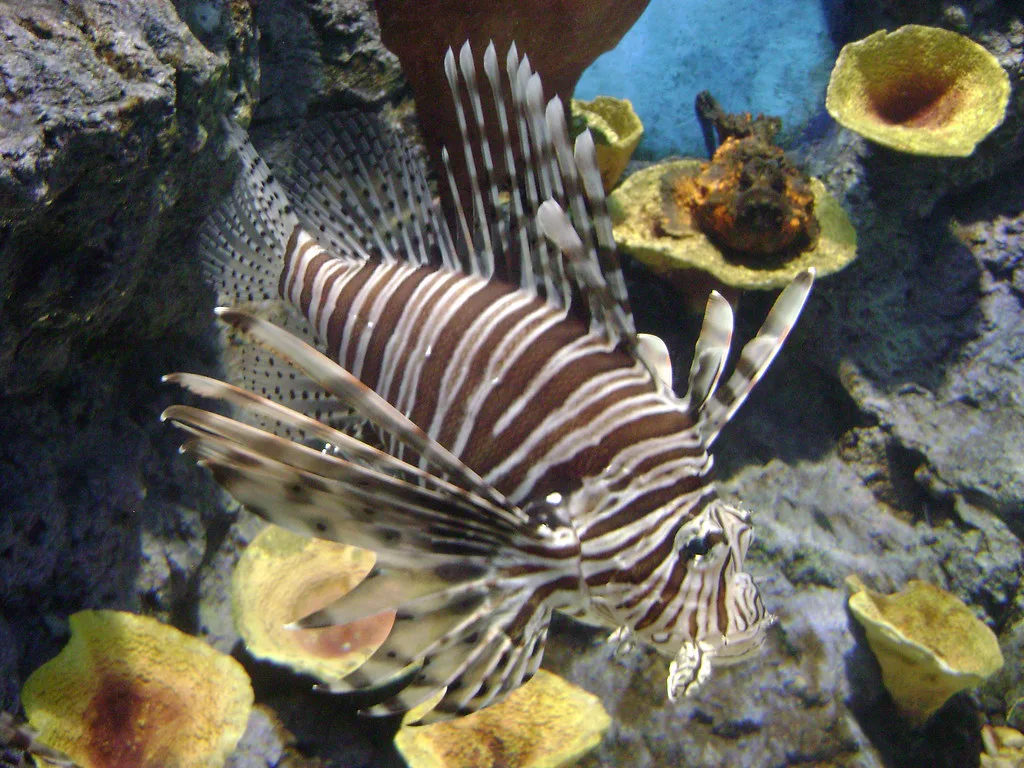
Expect a compact, old-fashioned aquarium layout: rows of illuminated tanks holding reef fish, invertebrates and freshwater species, plus educational displays tied to the marine biology work the center supports. The signature feature is a walk-through tunnel where fish and turtles pass overhead, which is the moment most children remember.
Displays lean toward local Andaman Sea marine life and conservation messaging rather than theatrical theming. That makes it more interesting for adults who want context on Thai marine research and less exciting for anyone expecting animated shows or guided performances. Signage is a mix of Thai and English, usually adequate but not exhaustive.
Photography inside is dim-light work, so raise your phone or camera ISO and skip the flash, which reflects off glass and disturbs the animals. If a specific exhibit or the tunnel is the reason for your visit, ask at the entrance desk whether it is fully open that day before buying tickets.
How long to allow and when to go
Plan on 45 to 90 minutes inside. A brisk walk-through takes under an hour; families who stop at every tank, read the displays and let kids watch the tunnel twice will land nearer the top of that range. Do not schedule a half day here, because there simply is not enough to fill one.
Mornings are usually the calmest slot, before tour vans and hotel shuttles arrive, and the light on the drive out along the cape is better too. Rainy-season afternoons are when the indoor appeal is strongest, but that is also when everyone else has the same idea, so arrive early or late rather than at midday.
The visit pairs naturally with the cape itself and with Ao Yon, a sheltered bay on the same peninsula that suits a swim and a slow lunch. If you want a bigger sightseeing day, Wat Chalong is on the road back toward Phuket Town and works as a second stop.
Who it suits, and who should skip it
It suits families with young children, budget-conscious travelers, and anyone looking for a rainy-day backup that does not cost mall-aquarium money. Travelers with a genuine interest in marine biology and Thai conservation work will get more out of it than the theming suggests. It is also a reasonable low-key stop if you are staying at a Cape Panwa resort and want an hour out of the sun.
Skip it if you have limited days and want a headline attraction, if you have already booked a large aquarium elsewhere, or if you dislike long drives for a short stop. Anyone with mobility concerns should ask ahead about step-free access and the tunnel floor surface, since older facilities vary.
Crucially, do not book this expecting Aquaria. There is no mermaid show, no underwater dining room and no retail-mall setting. If those are the draws, book Aquaria instead and treat the Cape Panwa facility as a separate, quieter outing on another day.
What's nearby on the cape
The Panwa Cape viewpoints are the obvious companion stop, with sea views over Chalong Bay and the islands to the south. Ao Yon beach, on the western side of the peninsula, is a shallow, family-friendly bay with a handful of local restaurants. Khao Khad viewpoint sits on the ridge road and breaks up the drive back.
On the return to Phuket Town you can add the Thai Hua museum in Old Town if you want the island's tin-mining and immigrant history, or stop at Wat Phra Thong, known for its half-buried Buddha image, if you are heading north.
If you are chasing sunset, Promthep Cape at the island's southern tip is a long way west of Panwa but is the classic end-of-day stop and worth building into a wider southern loop.
Is the Cape Panwa aquarium worth the drive?
Yes, if you are staying on the southeast coast, traveling with young kids, or want an inexpensive indoor stop on a wet day. No, if you are based in Patong or Kata with only a few days and no other reason to cross the island, because the drive eats the benefit of a short visit.
Before you go, confirm current admission prices and opening hours directly with the venue, agree a return pickup with your driver, and budget 45 to 90 minutes on site plus the cape viewpoints and Ao Yon on the same loop.