Best Time to Visit Bangkok: Month-by-Month Guide
The best months for Bangkok, what each season is really like, and how to handle heat, rain and festival crowds when you choose your dates.
On this page
Last updated November 2026. The best time to visit Bangkok is the cool, dry season from roughly November to February, when daytime highs sit around 25–32°C (77–90°F). The runner-up is the rainy season, June to October, which trades afternoon downpours for lower prices and thinner crowds. Cooler weather comes with peak-season prices and busy sights, so the right month depends on what you will tolerate.
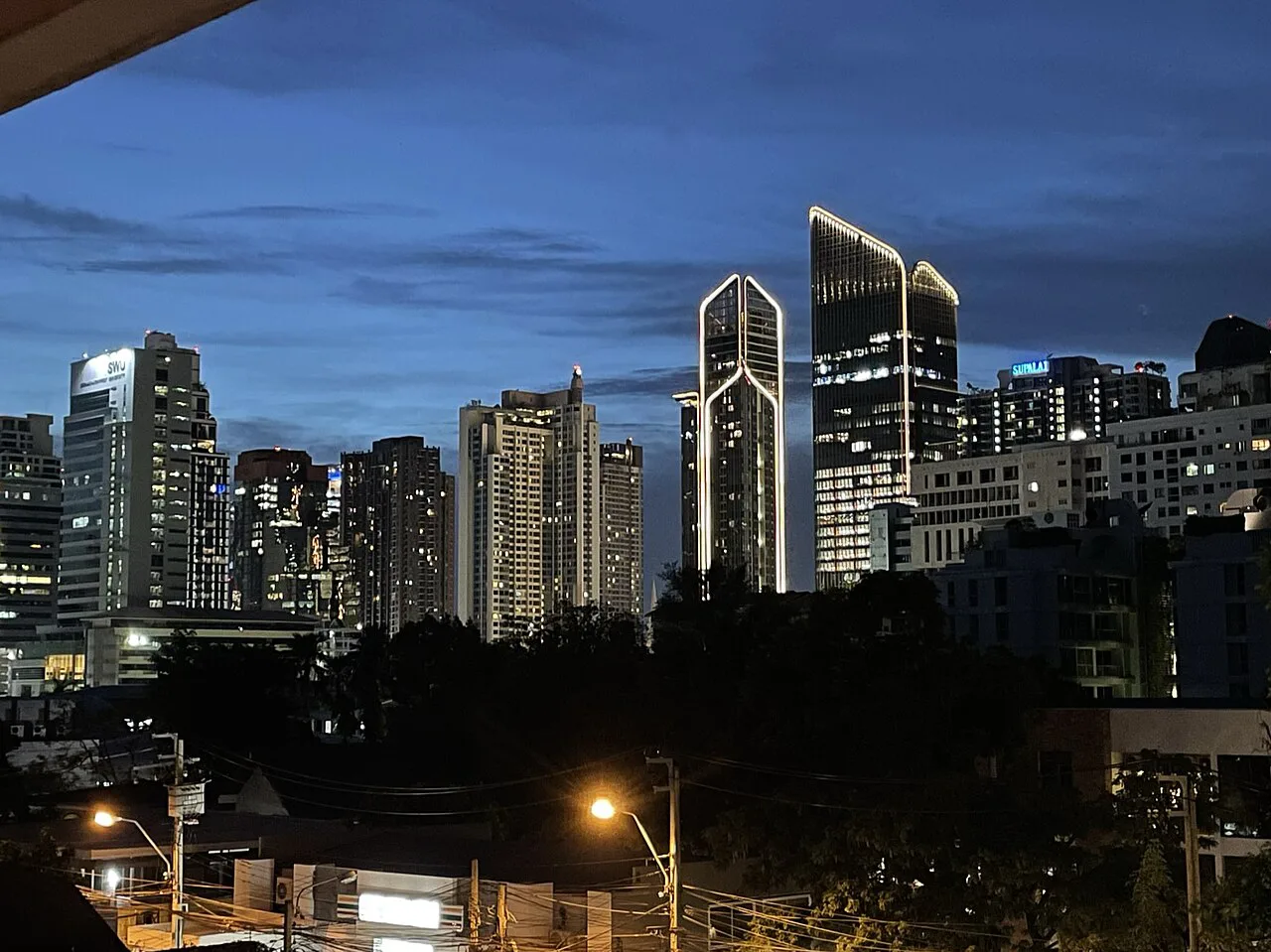
Featured image: Jonashtand, CC BY-SA 4.0, via Wikimedia Commons.
Short answer: the best time to visit Bangkok
Pick November through February if comfort matters most. Humidity is lower, evenings are easier, and walking between temples is realistic. Expect to book hotels and domestic flights early, because this is peak season. March to May is the hottest stretch, with Bangkok reaching 30–36°C (86–97°F) in April. June to October is wet, hot and humid, yet sightseeing still works with early starts. Use the table below as a quick pick, then read the season sections for detail.
| Traveler type | Best months | Fallback | Month to avoid |
|---|---|---|---|
| First-timer | November to February | October or early June | April (heat) |
| Family with young children | November to January | February | April to May |
| Budget traveler | June to October | May | Late December |
| Festival fan | April (Songkran) or November (Loy Krathong) | Late January or February (Chinese New Year) | Any peak week if you dislike crowds |
| Photographer | November to February | October (clearing skies) | Late April |
| Heat-sensitive or older traveler | December to January | November | March to May |
Bangkok's three seasons at a glance
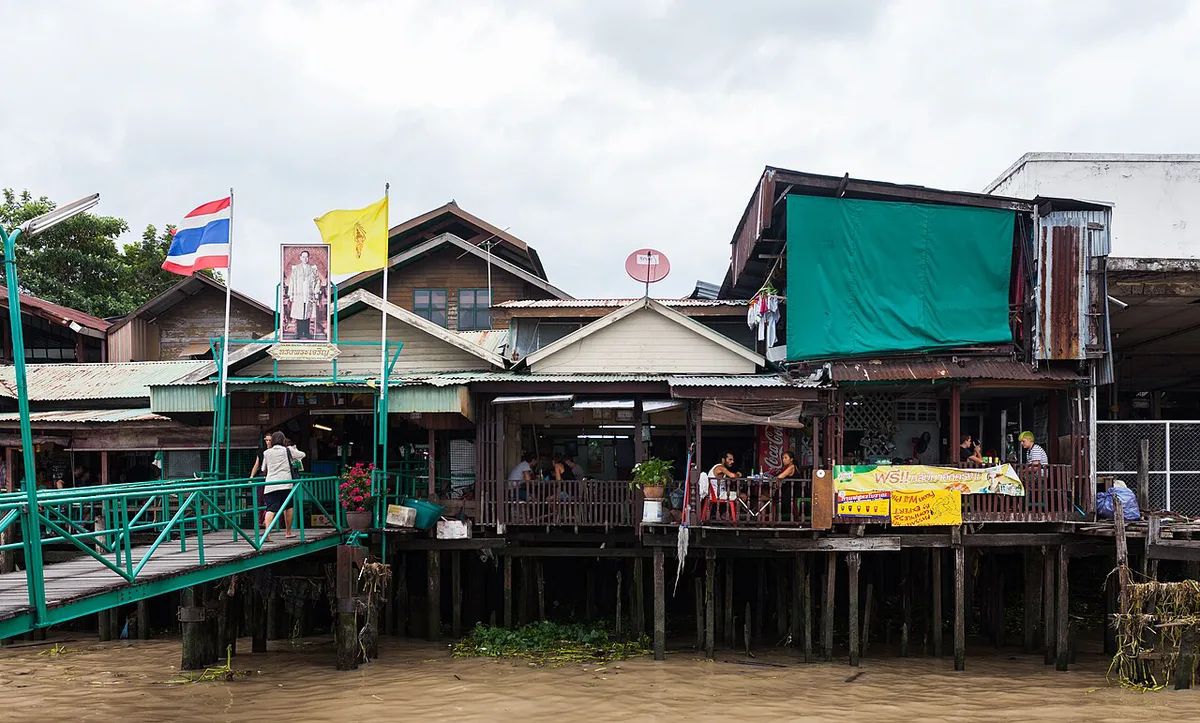
Bangkok follows a three-part pattern: cool and dry, hot, then wet. Exact dates shift from year to year, so treat the month ranges as guides. The Thai Meteorological Department publishes official forecasts and climate information. For monthly detail, see our Bangkok weather by month page. Weather also varies between years, so check a forecast a week before you fly.
| Season | Feel | Rain pattern | Crowds and price | Best for |
|---|---|---|---|---|
| Cool-dry (Nov–Feb) | Warm days, lower humidity, 25–32°C (77–90°F) | Mostly dry | Busiest and priciest | First visits, families, walking tours |
| Hot (Mar–May) | Intense heat, 28–36°C (82–97°F) | Dry early, showers build by May | Quieter outside Songkran, rates soften | Festival fans, museum and mall days |
| Rainy (Jun–Oct) | Hot, humid, sticky afternoons | Frequent showers, heaviest around September | Fewest crowds, lowest rates | Budget trips, flexible travelers |
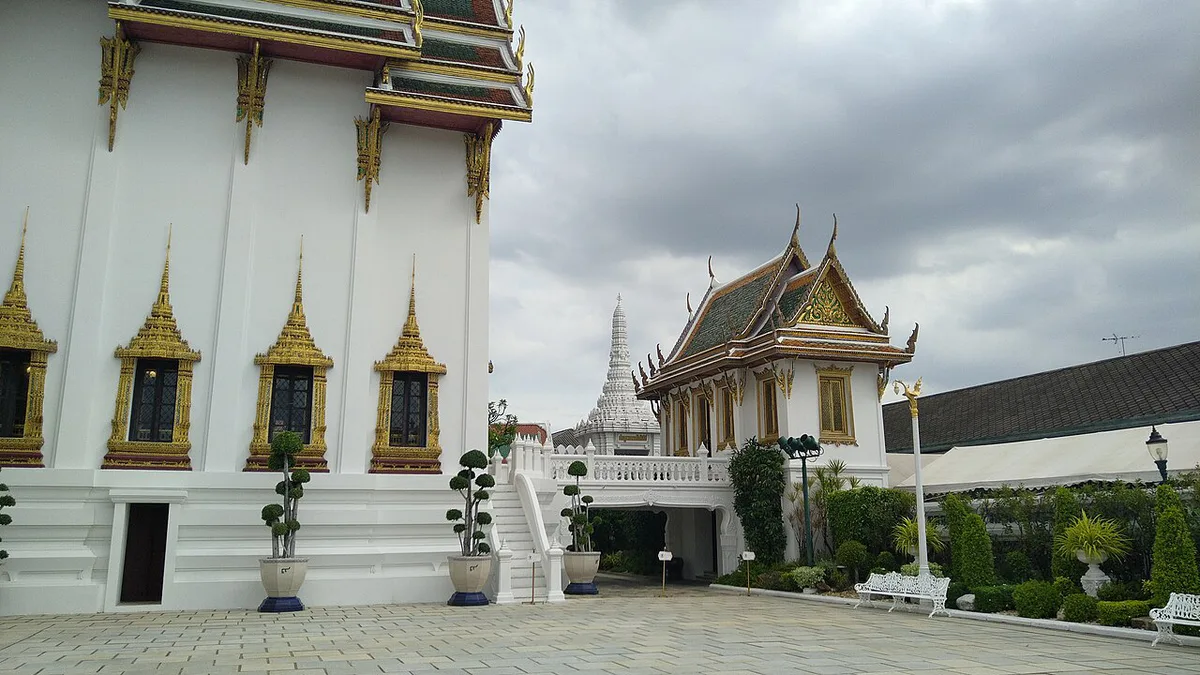
Month-by-month Bangkok guide
Use these compact blocks to match a month to your tolerance for heat, rain and crowds. Temperature ranges are typical daytime figures and will vary.
- January: 25–32°C (77–90°F), dry and peak season. Book early. Chinese New Year can arrive in late January, with Yaowarat (Chinatown) at its busiest.
- February: 26–32°C (79–90°F), dry and still busy. Chinese New Year may fall here instead. Humidity has not yet built.
- March: 28–34°C (82–93°F). Heat climbs and afternoons feel oppressive. Sightsee early and rest indoors from midday. Makha Bucha often falls this month.
- April: 30–36°C (86–97°F), the hottest month. Songkran runs 13–15 April, so book ahead and expect water fights. Plan indoor breaks.
- May: heat and humidity build and showers start. Crowds thin and rates ease. Visakha Bucha and the Royal Ploughing Ceremony fall this month, so check dates.
- June: hot, humid and sticky in the afternoon. Mornings work well for temples and markets. Fewer visitors.
- July: showers more frequent but sightseeing is feasible with early starts. Asalha Puja and Khao Phansa mark the start of Buddhist Lent.
- August: humid and unpredictable. 12 August is Mother's Day, with merit-making at temples and fireworks in larger cities.
- September: typically the wettest stretch. Low-lying areas can flood, so build in a buffer day. The Vegetarian Festival often starts late September or early October.
- October: skies begin to clear and humidity eases. Awk Phansa marks the end of Buddhist Lent. Rain can linger early in the month.
- November: 25–30°C (77–86°F), less humid and the start of peak season. Loy Krathong brings crowds, so book accommodation ahead.
- December: 25–30°C (77–86°F) and among the most comfortable months. 5 December is the King's Birthday, and New Year's Eve fireworks fill the city.
Cool season (Nov–Feb): peak-season reality
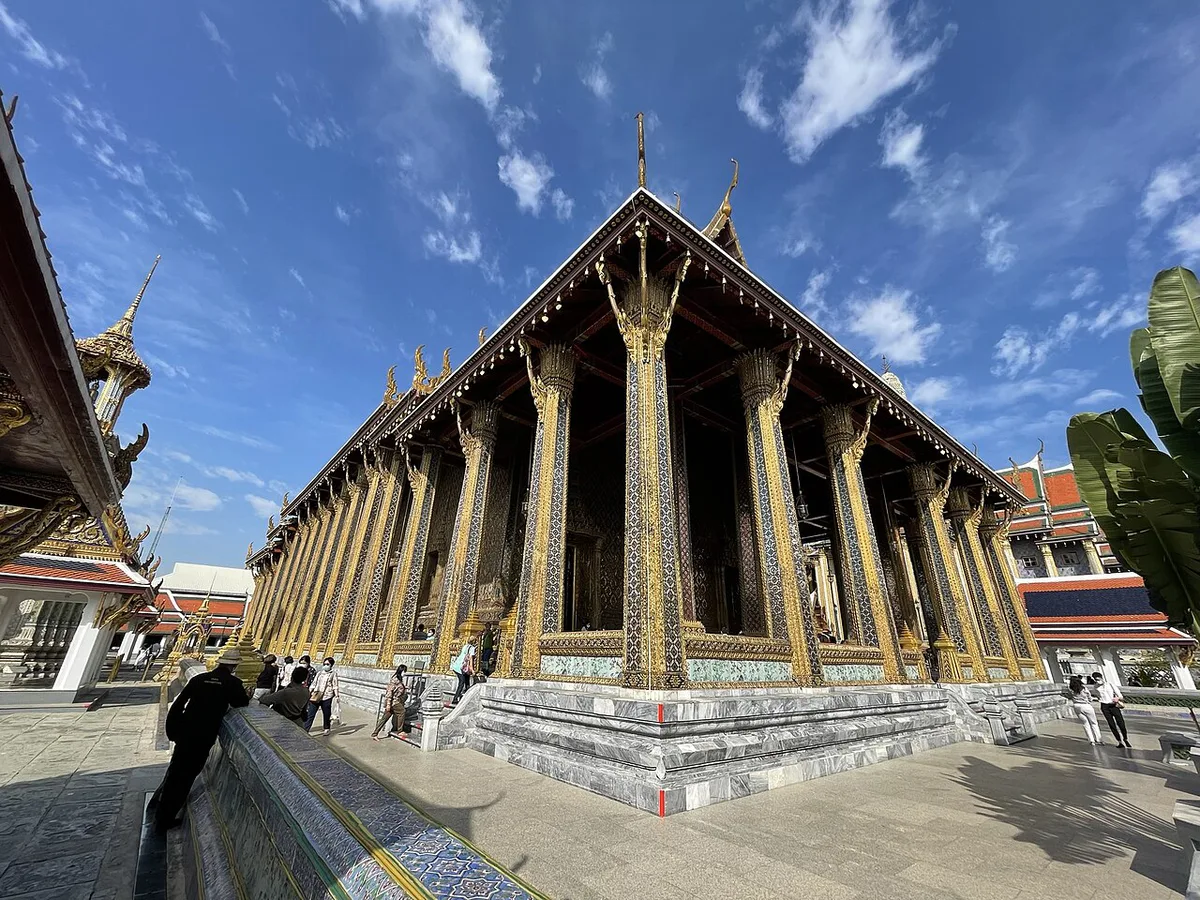
November to February is the easiest time for first-timers. Daytime highs of 25–30°C (77–86°F) in November and December make a full day of temples realistic. The price is demand. Hotels and domestic flights fill quickly, so book at least a few months ahead for Christmas and New Year. As an illustration only, a mid-range room that costs about ฿1,500 a night in September could list at ฿2,500 or more over Christmas week. Check live rates for your dates. Our Bangkok in December: Weather, Crowds, Events & Costs guide covers that month in depth. Late January or February can also bring Chinese New Year, with lion dances and street food in Chinatown. Loy Krathong in November tracks the lunar calendar, so confirm its date before you book.
Hot season (Mar–May): how to do Bangkok in the heat
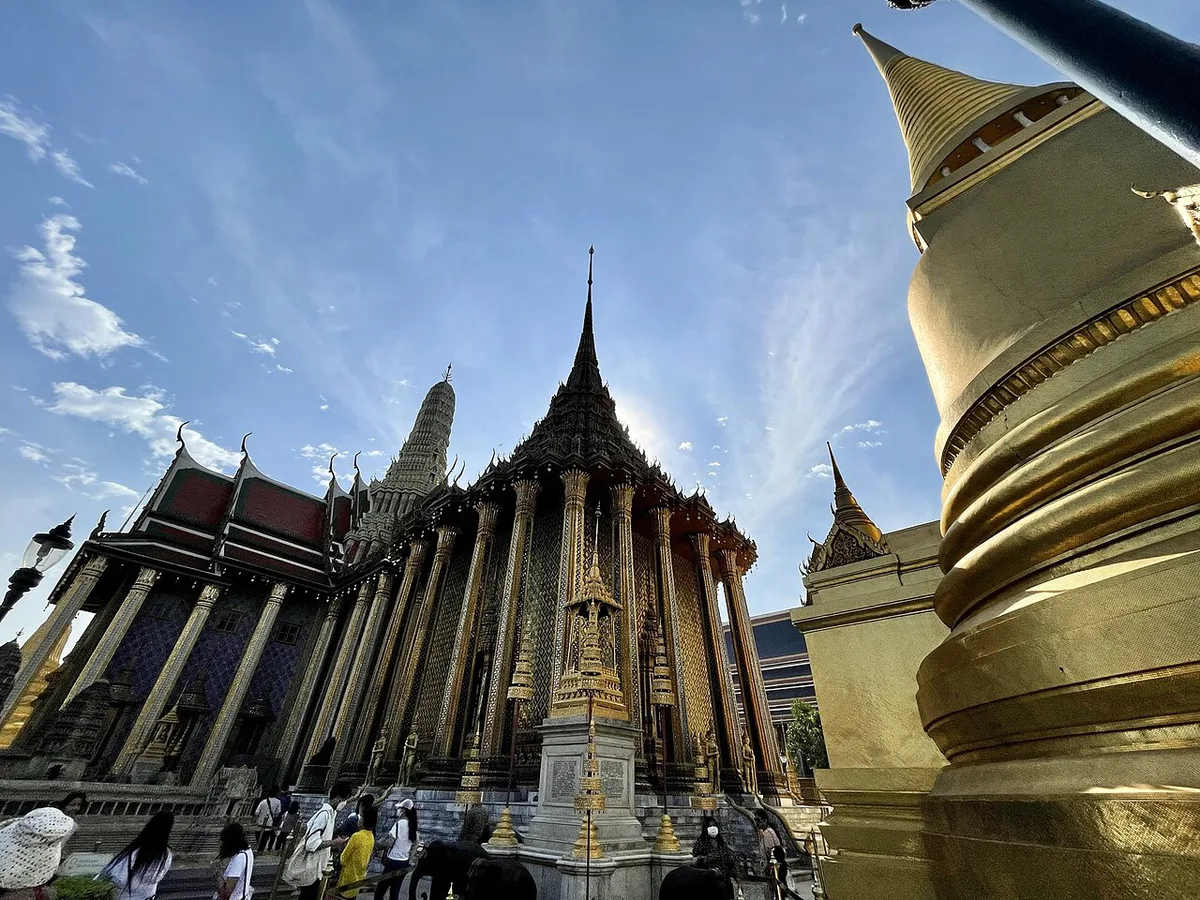
Bangkok in the hot season is workable if you shift your day. April reaches 30–36°C (86–97°F), and afternoons feel oppressive. Start temple visits by 8 a.m. Retreat to air-conditioned malls, cafes or museums from midday. Return outside after the heat eases for markets and river views. Khlong boats and Chao Phraya River boats catch a breeze and keep you out of traffic. Our Bangkok in April: Heat, Songkran & What to Do guide builds a full hot-day plan. Songkran falls 13–15 April, with city-wide water fights, so protect phones and expect crowded transport. Read how to handle Songkran in Bangkok before you commit to those dates.
- Morning (about 7–11 a.m.): temples, markets and walking routes.
- Midday (about 11 a.m.–3 p.m.): museums, malls, long lunch and rest.
- Evening (after about 4 p.m.): river boat, street food, night markets.
- Indoor fallback: any air-conditioned museum or café if the heat spikes.
Rainy season (Jun–Oct): is it actually bad?
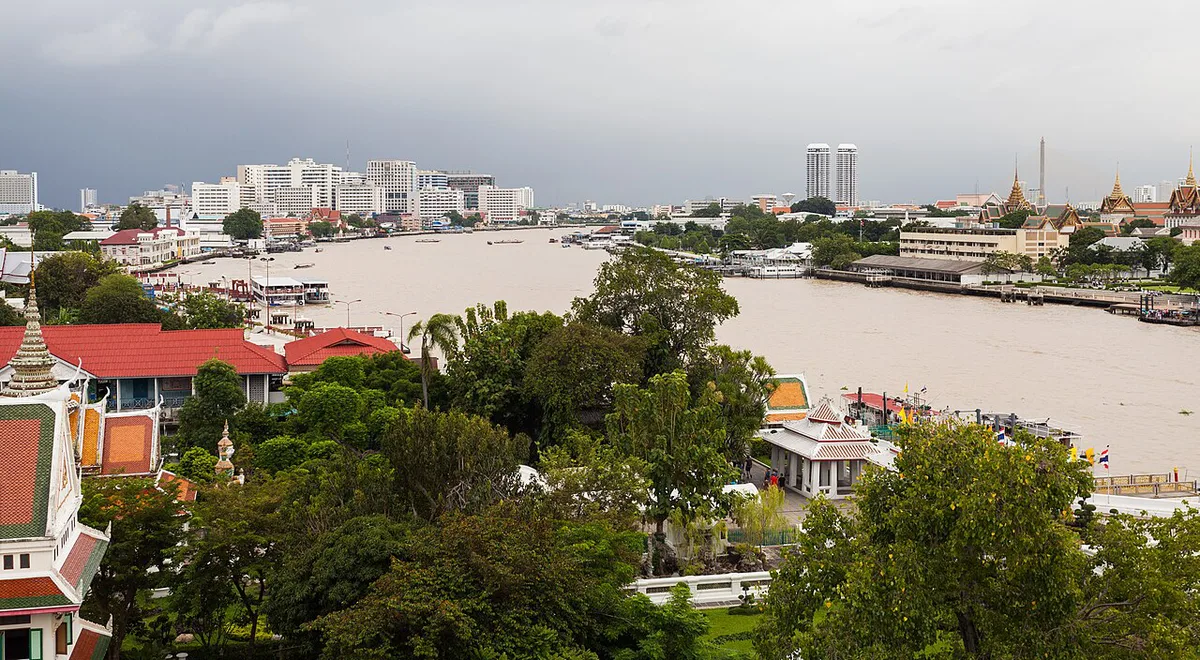
Not really. Rain in Bangkok tends to arrive as heavy showers rather than all-day drizzle, so mornings often stay usable. September is typically the wettest month, and low-lying areas can flood, so allow extra time and keep a buffer day. The value is real: fewer crowds and lower rates than the cool season. Pack a light rain jacket, quick-dry clothes and sandals that grip. Our Bangkok rainy season guide covers timing and flood-prone areas. For rain-by-month context, see our monthly weather page. Swap outdoor stops for indoor ones when a storm builds.
- Open-air temple wander → Jim Thompson House Museum, a covered house museum. Check current hours before you go.
- Street-market browsing → a covered mall or food court.
- Long walks → a river boat between piers when showers pause.
- Rooftop views → a clear-morning slot, with the afternoon kept flexible.
Festivals and events: how they change your trip
Festivals add atmosphere and friction. Songkran (13–15 April) brings water fights, packed transport and some closures. Loy Krathong in November is a lantern and floating-basket festival that draws crowds to the water. Chinese New Year, in late January or February, centers on Yaowarat in Chinatown. The Vegetarian Festival, often late September or early October, turns Chinatown into a plant-based food scene across about nine days. Book hotels earlier for these dates and allow extra transit time. Lunar-calendar dates move each year, so check the official Tourism Authority of Thailand calendar for 2026–27 dates before you book flights.
Visiting for the Vegetarian Festival means scheduling around September rain, since it runs across about nine days.
- Songkran: crowds, water everywhere, some closures. Book well ahead.
- Loy Krathong: busy riverfronts, high demand. Reserve in advance.
- Chinese New Year: Yaowarat congestion. Visit early in the day.
- Vegetarian Festival: crowded food streets in Chinatown, so arrive hungry and early.
Best time by traveler type
First-timers do best from November to February, with October or early June as a fallback and April to avoid. Families with children should aim for December or January, with February as the backup and April to May best skipped for the heat. Couples can choose December or January for comfortable evenings, or September for cheaper rooms if flexible about rain. Budget travelers should look at June to October, with May as a fallback and late December as the month to avoid. Photographers favor November to February for clear light, with October as a fallback. Festival fans should target April for Songkran or November for Loy Krathong, accepting the crowds.
Budget trips can benefit: a mid-range room at about ฿1,500 a night in September could list at ฿2,500 or more over Christmas week.
Pairing Bangkok with beaches and the north
Bangkok's best months do not always match the coast's best months. From November to February, Bangkok is comfortable, the Andaman coast (Phuket, Krabi) is dry and calm, and the Gulf coast (Ko Samui, Ko Pha-Ngan) is mostly dry. From June to August, the Andaman coast gets frequent rain and rough seas, while the Gulf coast tends to stay steadier. That makes Bangkok plus the Gulf islands a better fit for a wet-season trip. In the north, Chiang Mai is cool and dry in December and January. Air quality there can worsen in March and April.
| Bangkok month | Beach pairing | Trade-off |
|---|---|---|
| Nov–Feb | Andaman or Gulf coast | Best weather, highest prices |
| Mar–May | Gulf coast | Hot in Bangkok, drier on the Gulf |
| Jun–Aug | Gulf coast rather than Andaman | Cheaper, but showers possible |
| Sep–Oct | Gulf coast cautiously | Wettest stretch, transfers can be disrupted |
Planning checklist and mistakes to avoid
Book flights and rooms several months ahead for November to February and for festival weeks. Add one spare day to any trip over 5 days, especially in September. Pack light, breathable layers, a compact umbrella and sunscreen. Common mistakes are easy to avoid. Do not arrive during Songkran unprepared. Do not plan a whole April day outdoors. Do not assume rainy season rules out sightseeing. Keep indoor backups for each day, and check the Thai Meteorological Department forecast before you leave.
- Book peak-season stays at least a few months ahead.
- Carry water and plan indoor breaks from midday.
- Pack a rain jacket from June to October.
- Check festival dates before booking flights.
- Keep one flexible day in your itinerary.
Building the rest of the trip? Our Bangkok attractions guide covers the sights, districts and logistics around this guide.
Best time to visit other destinations
Frequently Asked Questions
Is Bangkok sufficient for 3 days?
Three days covers the major temples, a river trip and one market evening. Add a fourth day if you want museums or a day trip. In the hot or wet season, a spare day helps.
Is December a good time to visit Thailand?
Yes. December is cool and dry in Bangkok, around 25–30°C (77–86°F), and it is peak season. Book rooms and flights early. Our Bangkok in December guide has more detail.
Explore More Bangkok Guides
Keep planning your Bangkok trip with these guides.
Bangkok Guides
Useful notes for your Thailand trip
Optional updates to our guides.
You might also like
Continue reading
More guides you'll find useful