Chiang Mai Burning Season: When It Hits and Whether to Go
When is Chiang Mai's burning season, how bad is the haze, and who should avoid it? Timing, health tips, where to stay, and better months to go.
On this page
Last updated November 2026: Chiang Mai burning season is the dry-season haze from crop and forest fires across northern Thailand, and it usually peaks from late February to early April. March is typically the worst month. No official start or end date exists, so timing shifts every year. Travelers with asthma, small children or older relatives should consider another month. City-break visitors can manage with an indoor-first plan, and our guide to the Best Time to Visit Chiang Mai: Month-by-Month Guide covers the alternatives.
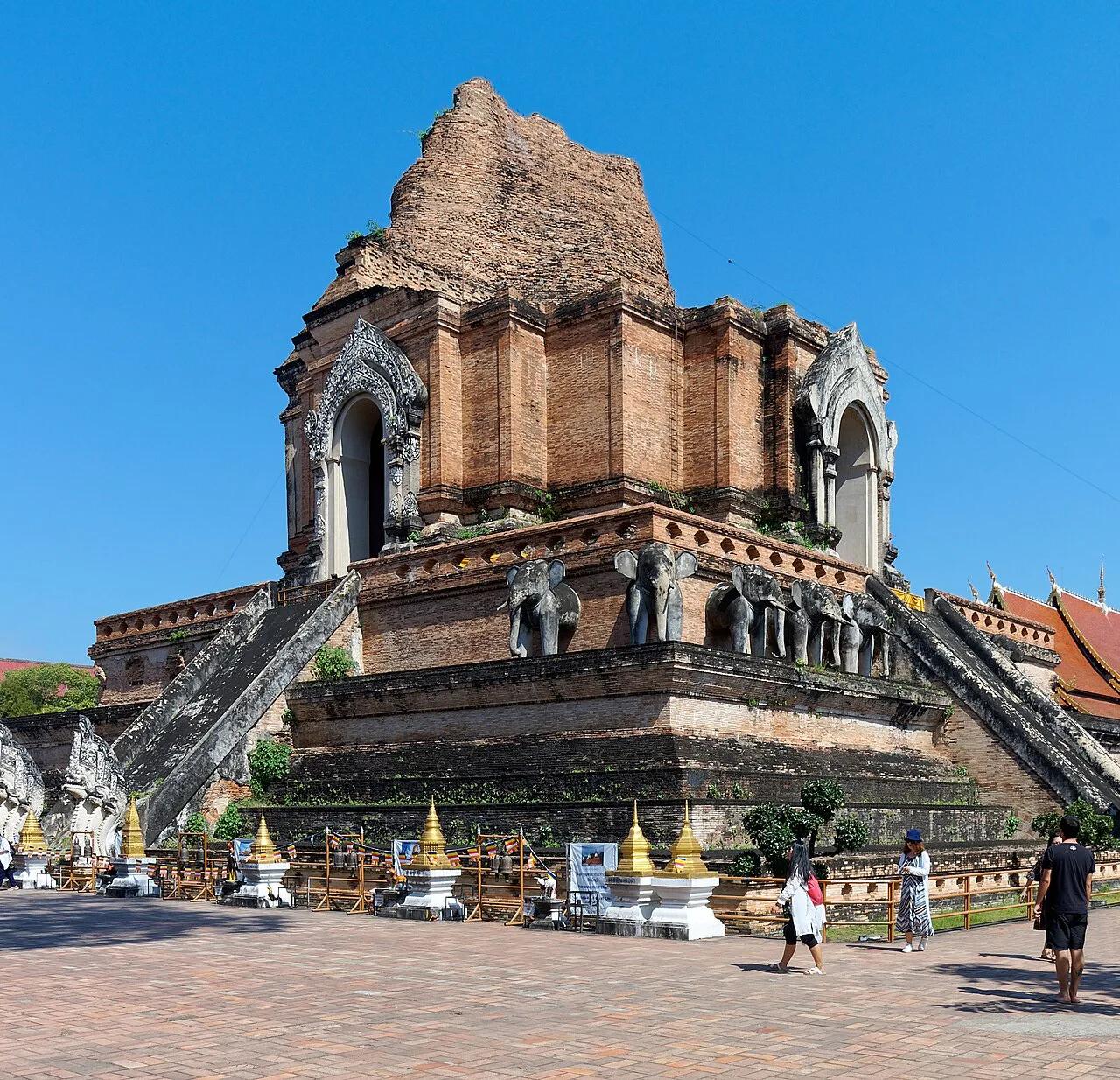
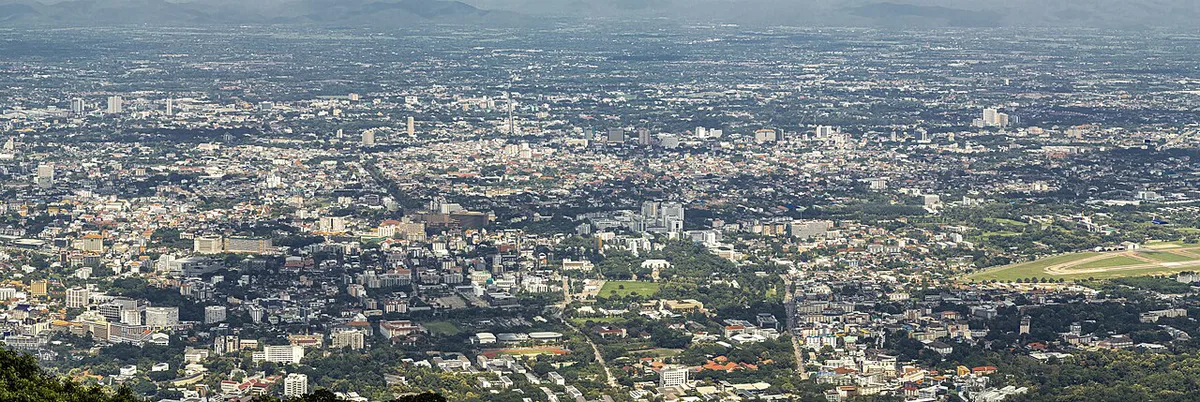
Featured image: Takeaway, CC BY-SA 3.0, via Wikimedia Commons.
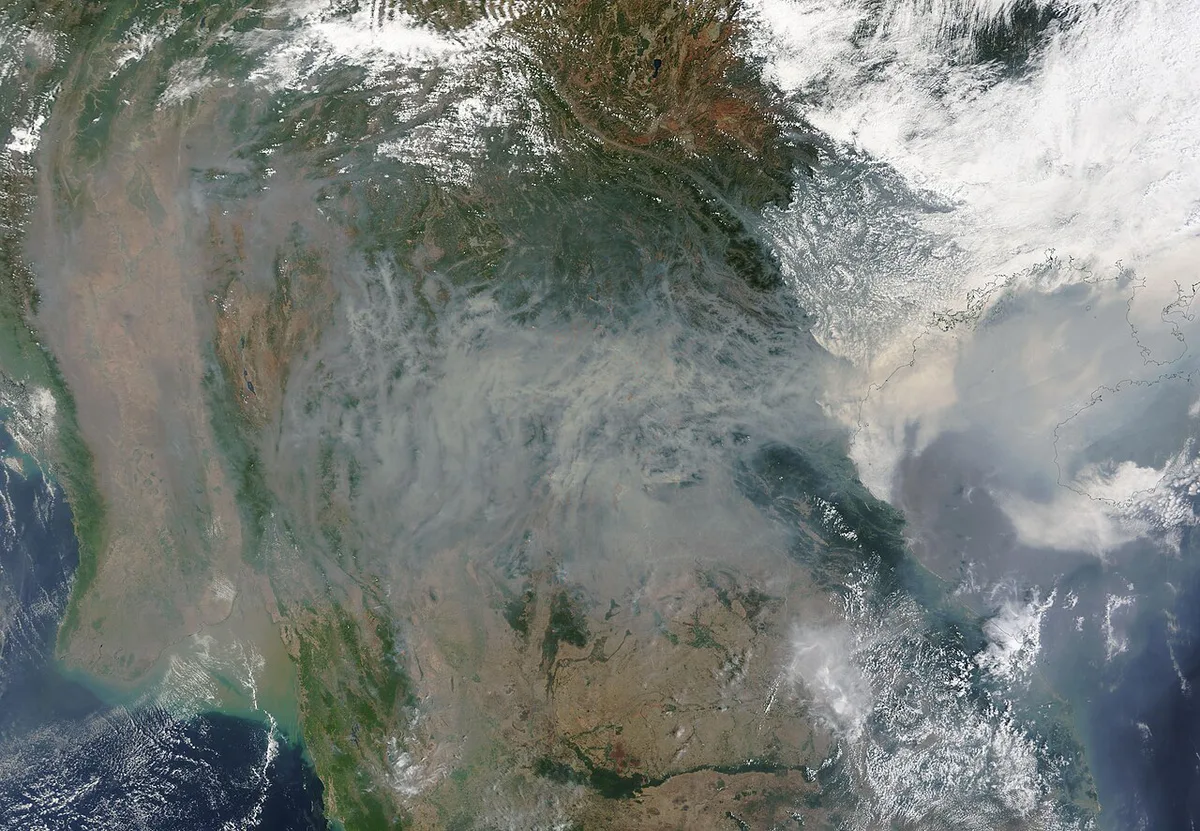
When Is Chiang Mai Burning Season?
Expect a smoky window with a peak, not a fixed date. Haze can appear as early as January in some years. Air is usually thickest from late February through early April, and one common estimate puts the worst stretch at mid-March to mid-April. Rain and wind tend to clear the smoke from late March or April, but the rains have arrived later in some years. February is also hot, with average temperatures starting to hit 35°C (95°F). For temperature and rain context, see our Chiang Mai weather guide. Check seasonal forecasts from the Thai Meteorological Department before you commit. Treat the table as a qualitative guide, not a forecast.
| Month | Typical haze level | What to know |
|---|---|---|
| November | Low, starting to rise | Dry season begins; burning can start in some years |
| December | Low to rising | Usually a lower-risk month, but haze can come early. See Chiang Mai in December: Weather, Crowds & What to Know |
| January | Rising | Smoke often appears; open-air plans need a backup |
| February | Rising to peak | Heat near 35°C (95°F) and thickening haze |
| March | Peak | Typically the hardest month for air quality |
| April | Peak, then clearing | Early April is often still smoky; rains bring relief |
| May | Clearing | Rainy season usually settles in; conditions vary by year |
Why the Haze Happens
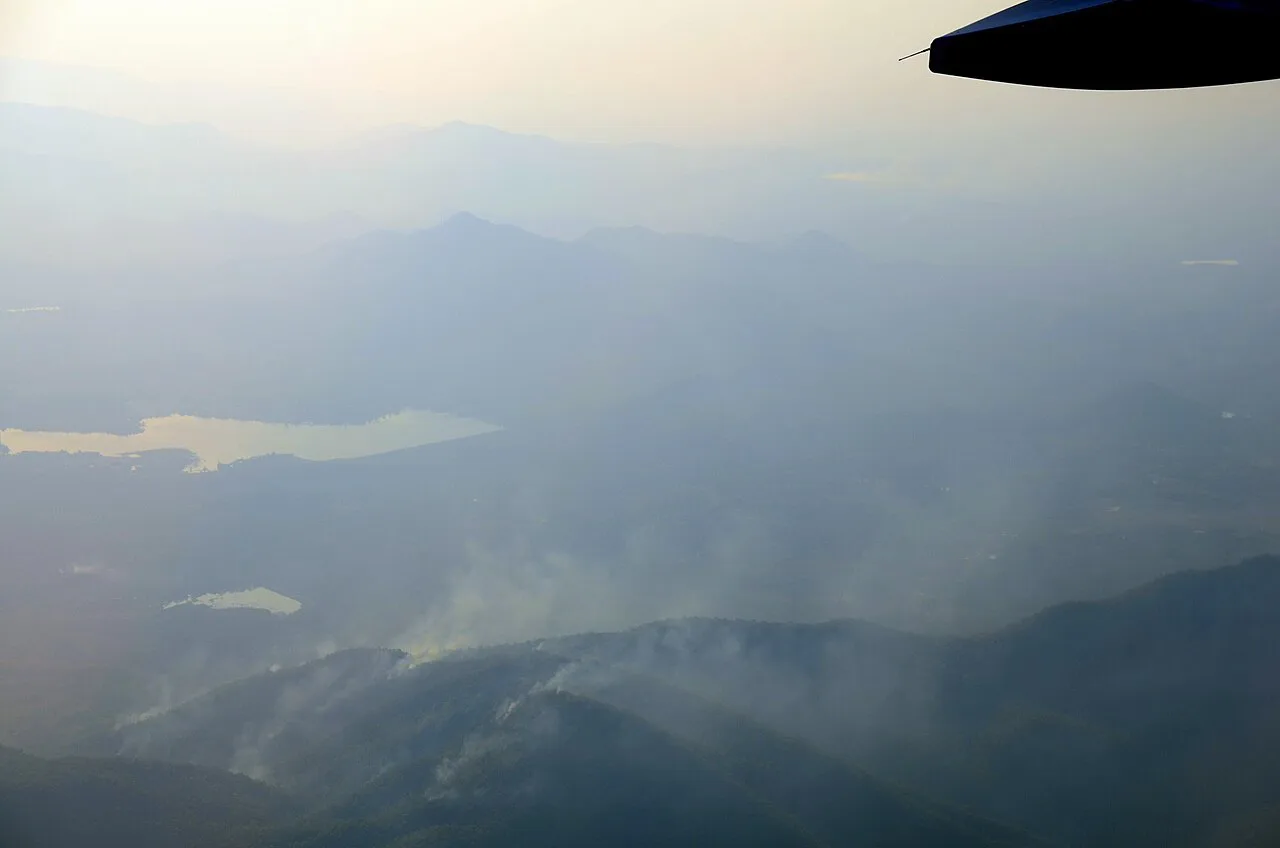
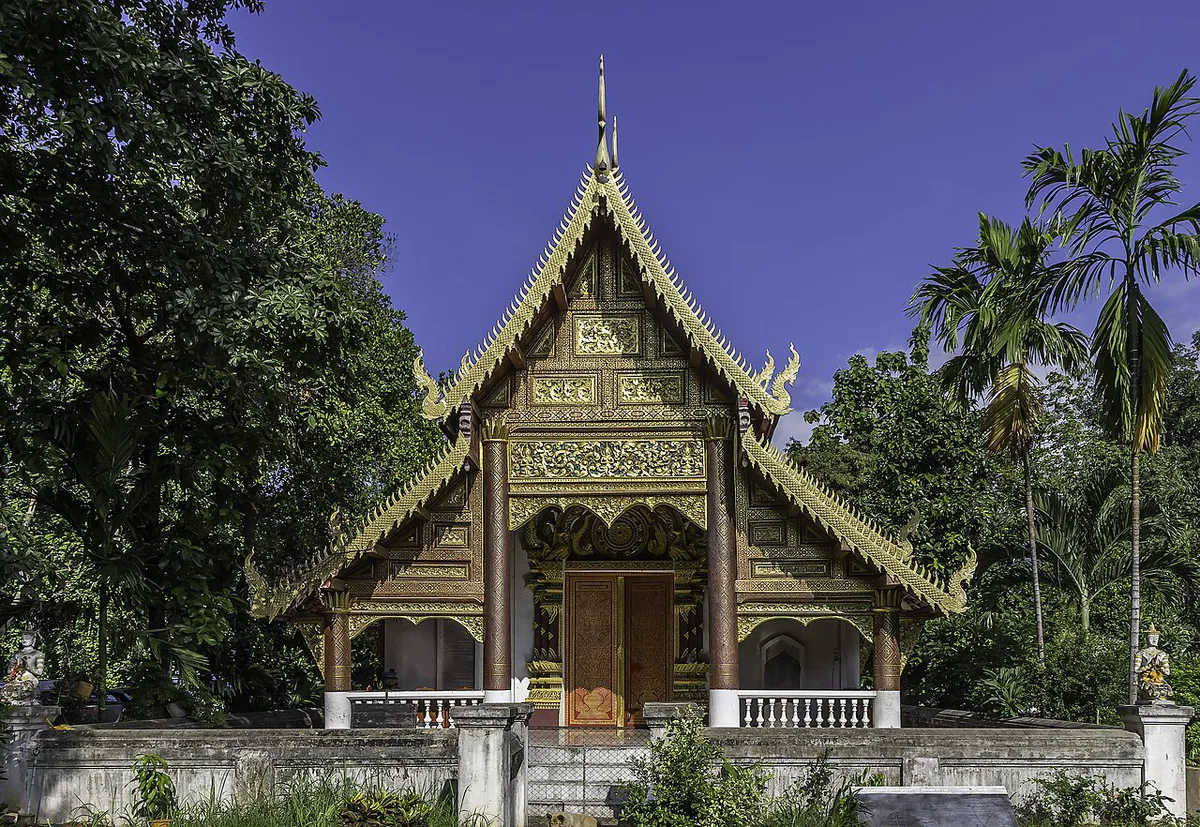
Several sources stack up during the dry months, when there is little rain to wash the air.
- Farmers burn crop waste and clear fields for the next planting cycle.
- Forest fires add smoke, and some burning continues despite being illegal.
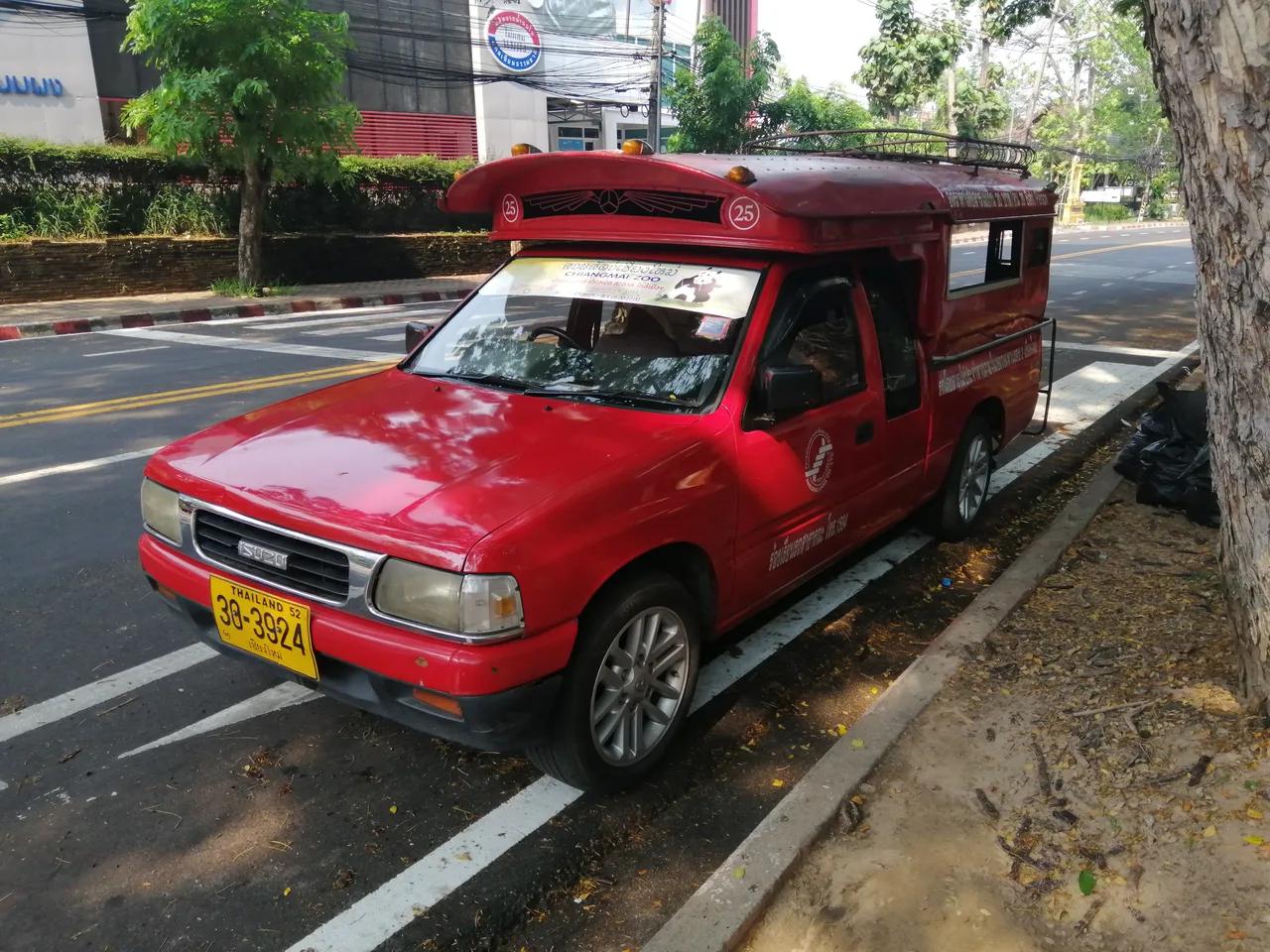
- Cars, motorbikes, songthaews and trucks add exhaust from city traffic.
- Mountains around the valley, including Doi Suthep and Doi Inthanon, help trap smoke over the city.
- Smoke from neighboring areas can add to local haze.
How Bad Is the Air and How Do You Check It?
PM2.5 means particles 2.5 micrometers or smaller. They can reach deep into the lungs. AQI is a scale that converts pollutant readings into health categories. Readings above 200 are described as very unhealthy, and peak episodes have been reported above 300. Check a live PM2.5 reading before you book and again each morning. Look at the hourly trend, not only the daily average, because smoke often eases in the afternoon and settles at night. Apps such as AirVisual and IQAir show current readings. Local Thai pollution-control and provincial data are better where you can confirm them. Historical monthly averages can hide severe episodes, so live data should decide each day.
- Before booking: compare monthly patterns, then check the current forecast.
- Each morning: read the PM2.5 number and the hourly trend.
- Before any trek: confirm the operator has not cancelled for air quality.
Should You Go? A Decision Guide by Traveler Type
Your answer depends on health, flexibility and plans. Anyone with a respiratory condition should check with a doctor before booking.
| Traveler | Call | Why |
|---|---|---|
| Asthma, respiratory issues or small children | Avoid peak weeks | Fine particles hit these groups hardest; pick another month |
| Hikers and trekkers | Avoid or modify | Strenuous exercise in smoke is not advised, and treks can be cancelled |
| Culture and city-break travelers | Modify | Temples, markets, cooking classes and cafés work with an indoor-first plan |
| Digital nomads on long stays | Modify | Rent a sealed apartment with a purifier, or leave for the coast |
| Flexible-date travelers | Go another month | Shoulder months cost you little and avoid the peak |

How to Protect Yourself If You Are There
A properly fitted N95 mask filters at least 95% of airborne particles, and it works only when it seals to your face. Buy masks before you arrive, since pharmacies can sell out at the worst times. Go outside in the early morning or late evening only if the hourly reading looks better. Keep doors and windows closed and run a purifier. Take a car or taxi instead of an open-air songthaew, tuk-tuk or motorbike. Skip strenuous exercise on high-reading days. Clothes and bags can smell of smoke, so expect to wash them.
Readings above 200 are described as very unhealthy, so a mask that filters at least 95% matters most on those days.
Where to Stay in Burning Season

Choose by these criteria, not by star rating. Ask for each one in writing before you pay. Staying in a suburb may help a little. One long-stay traveler reports that Doi Saket, 20–30 minutes east of the center, has slightly better air but still looks hazy. Treat that as one person's experience, not a guarantee. Outskirts rooms also mean longer, often open-air trips back to the old city.
Doi Saket, 20–30 minutes east of the center, means longer trips back to the old city, so a sealed room closer in may suit an indoor-first plan.
- Sealed windows that actually close.
- Working A/C, which matters in 35°C (95°F) heat.
- An air purifier confirmed in the booking message.
- Distance from heavy old-city traffic.
- A free-cancellation rate.
What to Do Indoors and What to Skip
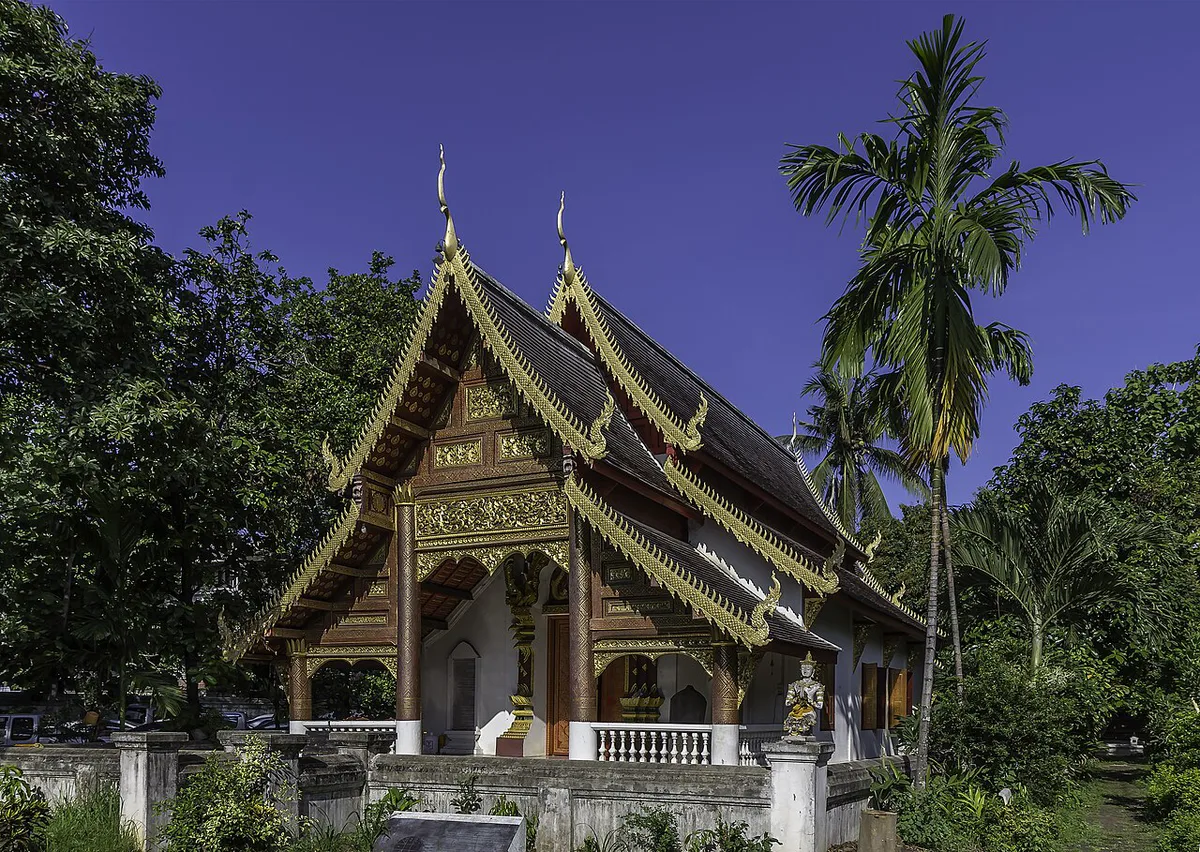
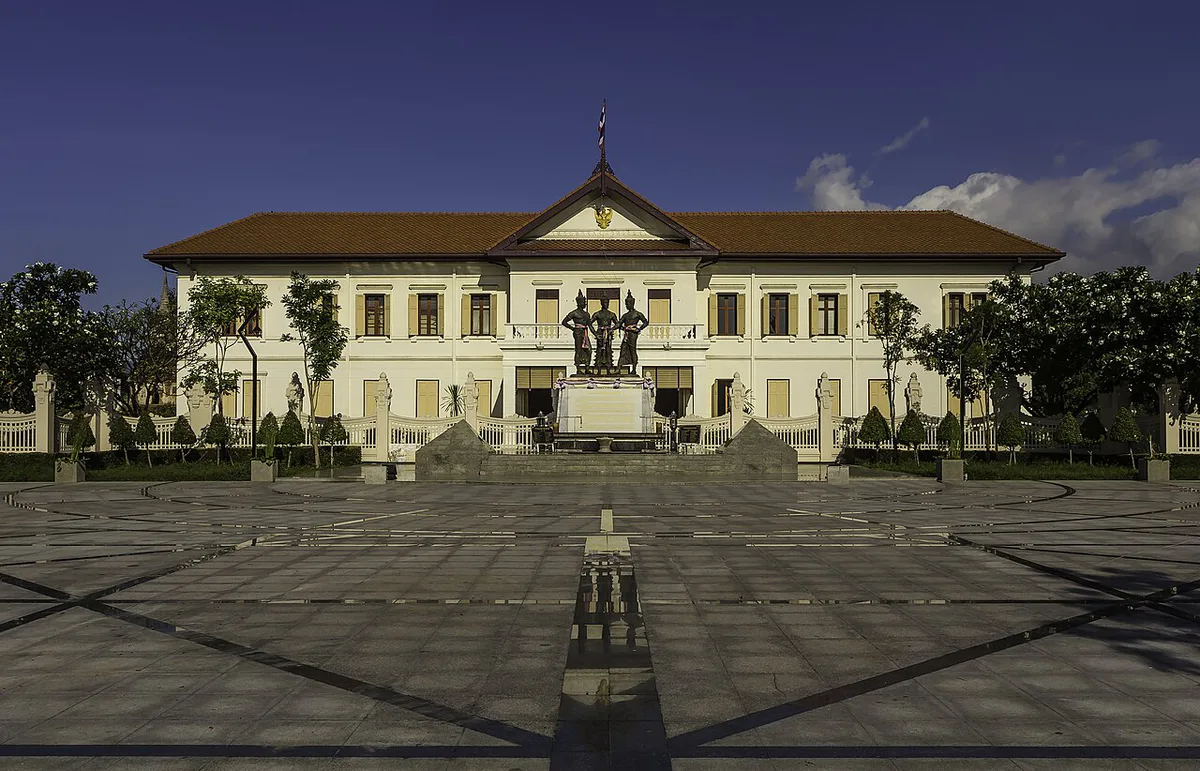
Build days around enclosed spaces. Cooking classes, café stops, temple visits timed for the cleanest hours and shopping malls all work. Warorot Market and Central Festival were both visited by long-stay travelers who found them workable. Check their current hours before you go. Skip hiking, cycling, rafting and climbing on high-reading days. In 35°C (95°F) heat, outdoor sightseeing is unpleasant even before haze is added.
Better Alternatives to Chiang Mai in Burning Season

The simplest fix is timing. Late-year visits often suit better, and the clearer-season Yi Peng Chiang Mai 2026: Dates, Tickets & Where to Go falls in that window. Haze can still begin early, so never assume clear air. Songkran marks the traditional turn toward the rains, and our Songkran in Chiang Mai: Dates, Where to Go and Tips page covers it. The festival is held on April 13, but it does not guarantee clean air. If you must travel in March, southern Thailand, the coast and central Thailand are generally less affected. The trade-offs are an extra flight or journey and a different trip from the northern one. Flexible bookings protect you either way. As an illustration only, if a room costs ฿1,500 a night in March, a non-refundable rate that locks you in can cost more than a free-cancellation rate that lets you move. Compare real rates on your own dates.
Mistakes to Avoid
Most problems come from planning, not from the haze itself.
- Booking a non-refundable room or tour before checking conditions.
- Assuming a hotel has a purifier without written confirmation.
- Booking treks without confirming the cancellation policy.
- Relying on the calendar date alone instead of live PM2.5 readings.
- Skipping travel insurance fine print on weather and air quality.
Useful notes for your Thailand trip
Optional updates to our guides.
You might also like

Continue reading
More guides you'll find useful