Best Time to Visit Chiang Mai: Month-by-Month Guide
When to visit Chiang Mai for cool weather, clean air, festivals or lower prices. Month-by-month guide with burning-season, rain and crowd trade-offs.
On this page
Last updated November 2026: the best time to visit Chiang Mai is the cool, dry season from roughly November to February. Expect bigger crowds and higher room prices in that window, with October and February acting as quieter shoulders. Skip roughly March to April if air quality matters to you, and choose June to September if budget comes first.
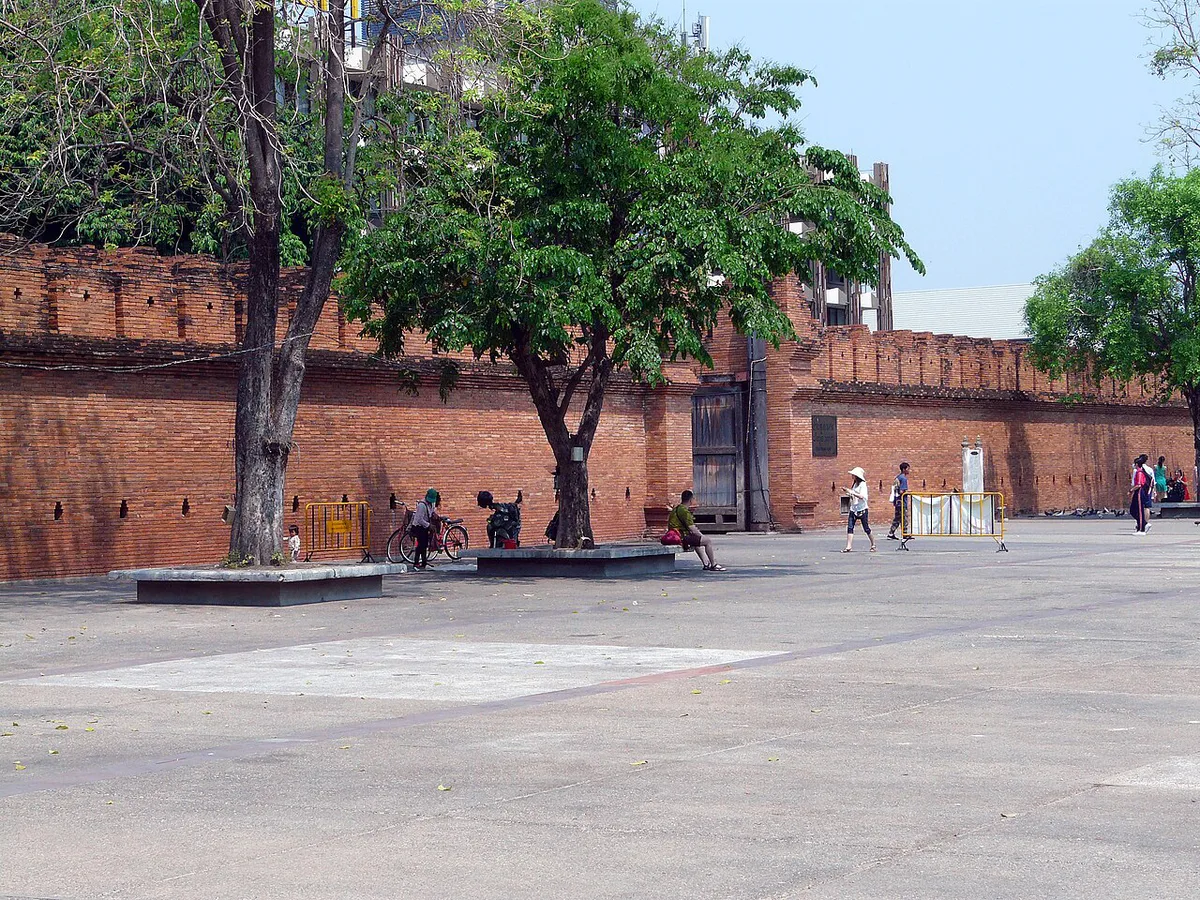
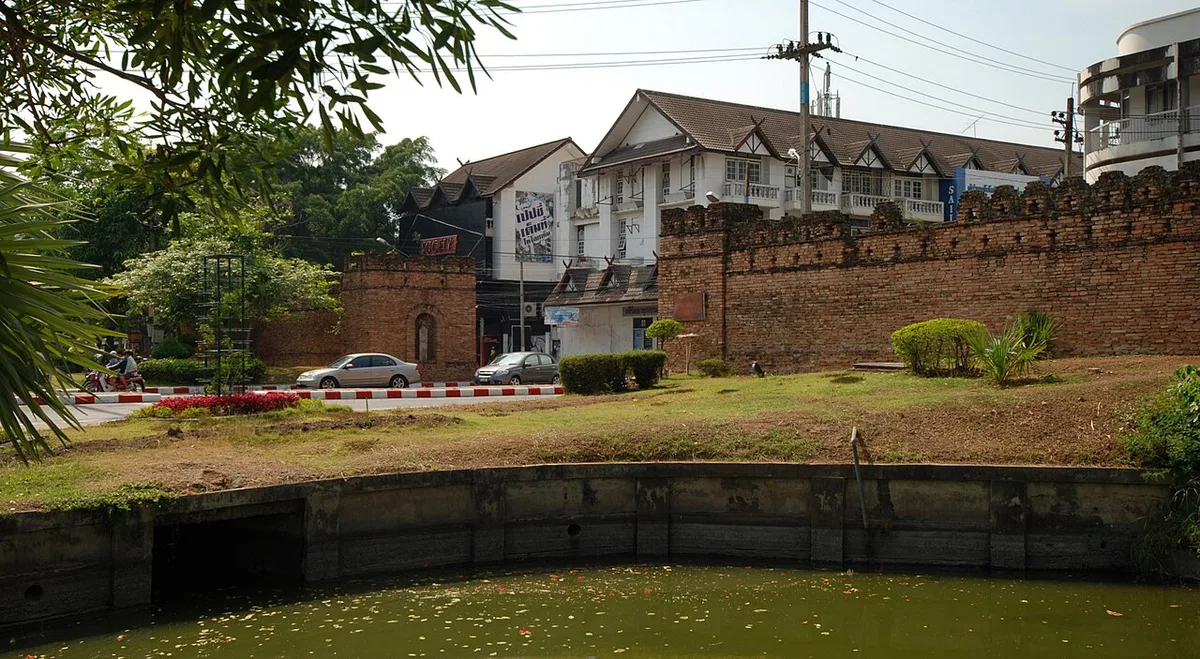
Featured image: Dinkum, CC0, via Wikimedia Commons.
Best Time to Visit Chiang Mai at a Glance
Use this table to match a month to your priority. Months are typical patterns, not guarantees, and festival dates and prices shift every year. Check current rates and air-quality readings before you book. For deeper climate numbers, see our month-by-month climate detail.
| Season / months | Weather feel | Air quality risk | Crowds | Price level | Best for | Skip if |
|---|---|---|---|---|---|---|
| Oct | Warm, fading rain | Low | Light to medium | Medium | Quiet sightseeing | You hate drizzle |
| Nov | Cooler mornings, dry | Low | High | High | Loy Krathong and Yi Peng | You book late |
| Dec-Jan | Coolest, dry | Low to medium | Peak | High | Night markets, comfortable days | You want empty streets |
| Feb | Warming, dry | Rising | Medium | Medium | Flower Festival, fewer crowds | Haze bothers you |
| Mar-Apr | Hot, hazy | Highest | Medium | Medium | Songkran | You have asthma or lung issues |
| May-Jul | Hot, humid, afternoon rain | Easing | Light | Low | Green hills, lower rates | You need guaranteed dry days |
| Aug-Oct | Wettest, humid | Low | Light | Low | Waterfalls, budget trips | Flooding worries you |
Chiang Mai by Season
Each season trades something for something else. Temperatures below are typical ranges drawn from general climate patterns. Confirm current forecasts with the Thai Meteorological Department.
- October: lows near 21°C (70°F) and highs near 31°C (88°F). Rain is ending, crowds are still thin, and sights like Doi Suthep are easy to visit.
- November: lows near 18°C (64°F) and highs near 30°C (86°F). Loy Krathong and Yi Peng usually fall in mid to late November, so book rooms well ahead.
- December and January: lows near 15°C (59°F) and highs near 29°C (84°F). Expect packed night markets and long dinner waits. Our December in Chiang Mai guide covers that month in detail.
- February: lows near 15°C (59°F) and highs near 33°C (91°F). Crowds thin out and the Flower Festival is usually held in mid-February. Haze can begin building by month end.
Burning Season: Why March to April Is the Month Range to Avoid
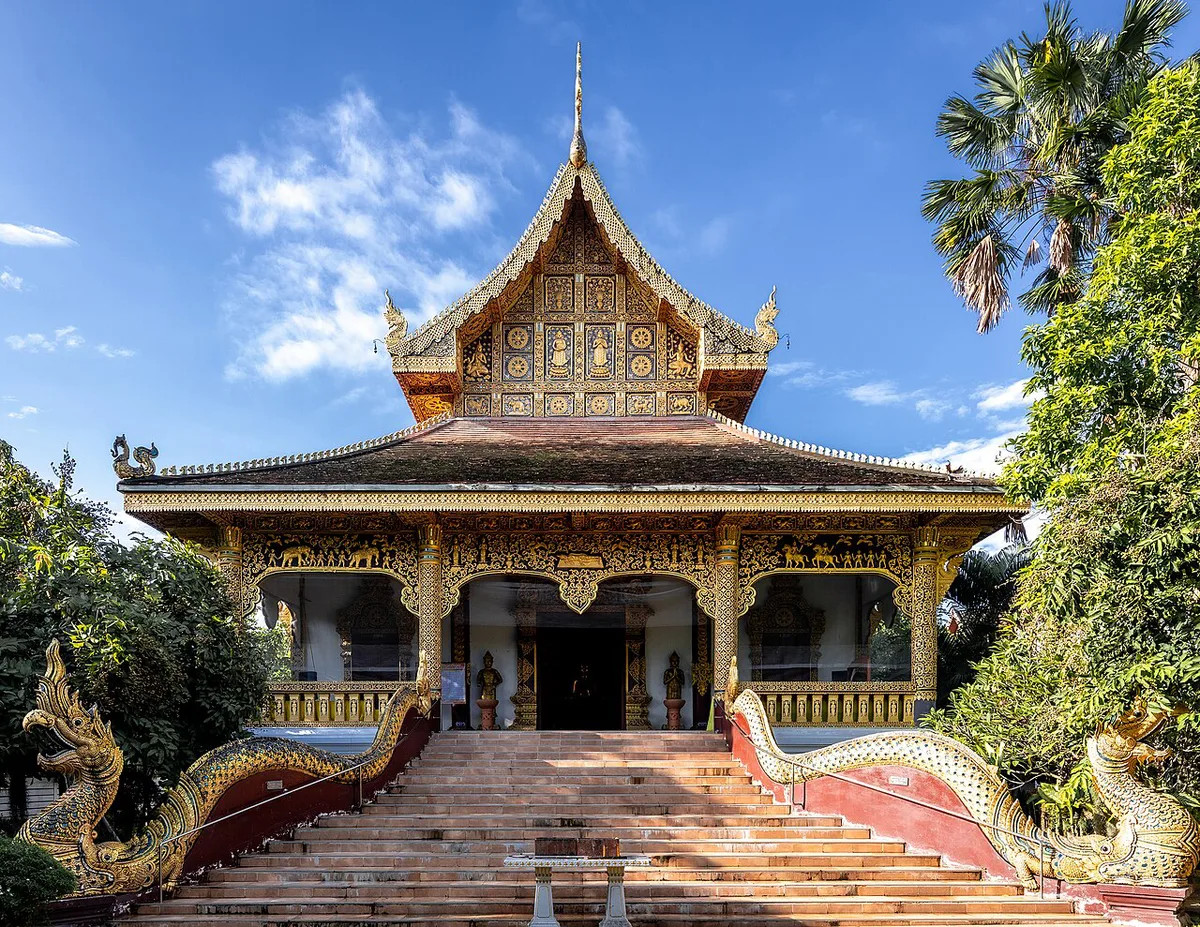
March and April are the hottest months, with highs near 36°C (97°F) and lows near 23°C (73°F). They also overlap with peak burning season. Agricultural and forest fires send smoke into the valley, and surrounding mountains hold it in place. Outdoor plans become unpleasant on bad days. Read our burning season air quality guide before you commit. Check a live PM2.5 or AQI monitor in the weeks before travel, because readings vary a lot from year to year. Songkran, the Thai New Year water festival, falls in April. Our Songkran water festival plans explain how it works in the city.
Early and Peak Rainy Season: May to October
Rains usually arrive in May and start clearing the smoke. June and July bring lush hills, flowing waterfalls and lower prices, with highs near 32°C (89°F). Humidity runs very high. August and September are the wettest months. The Ping River can swell, and flooding or trail and road disruption is possible. Rainy season rarely means all-day rain. Mornings are often usable, and downpours tend to arrive in the afternoon. Pack a light rain jacket and keep a flexible schedule.
Best Time to Visit Chiang Mai by Priority
Pick your top priority first, then choose the month. Where two priorities clash, such as festivals and low prices, accept the trade-off in advance.
- Clean air and comfortable days: late November to January.
- Festivals: November for Loy Krathong and Yi Peng, mid-February for the Flower Festival, April for Songkran.
- Fewest crowds: October or February.
- Lowest prices: June to September.
- Trekking and outdoors: November to January, when trails are driest.
- Greenery and waterfalls: July to September, with flood caution.
- Families: November to January, when days are mild and air is cleaner.
- Long stays and digital nomads: October to February for steady weather and easy outdoor working.
Festival Timing and Booking Lead Times
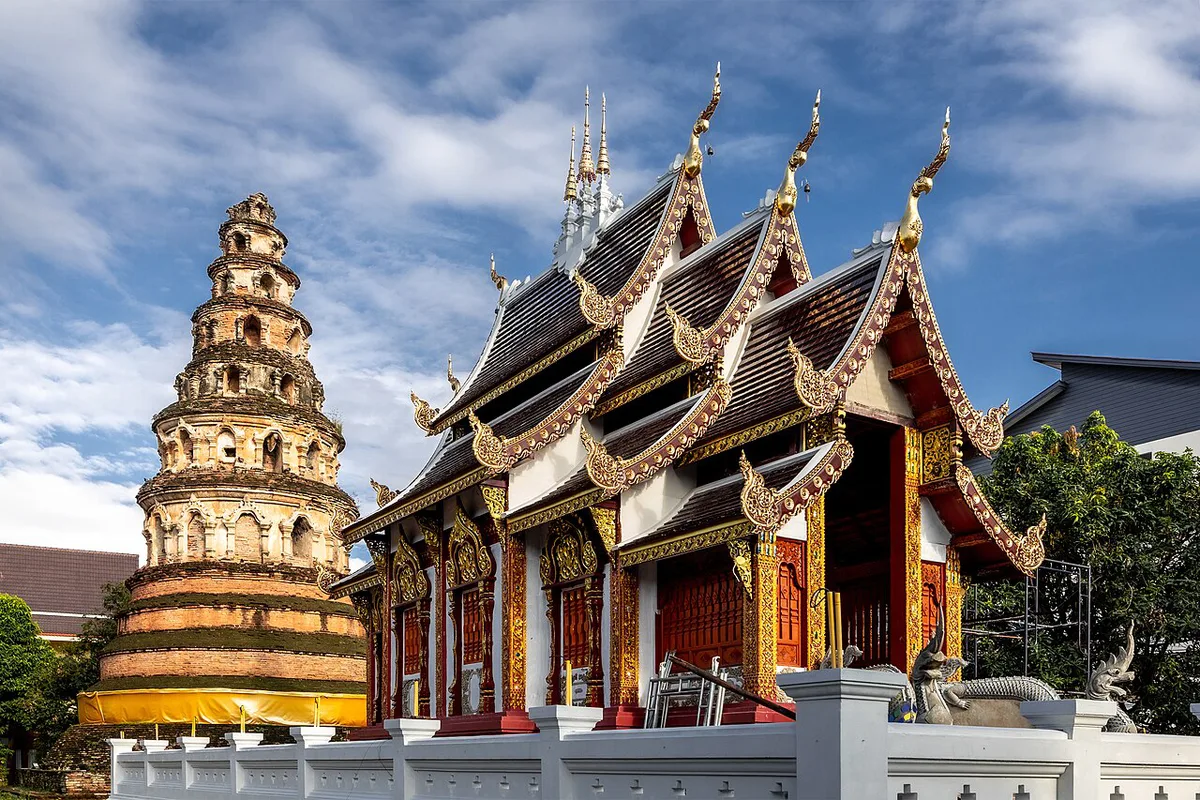
Yi Peng and Loy Krathong follow the lunar calendar, so exact dates change each year. They usually land in mid to late November. Krathong floats are released on the Ping River and city canal. Sky lanterns are generally not released inside the city, and rules change, so check local announcements before you plan around them. Our Yi Peng dates and etiquette page explains what to expect. Songkran falls in April, and the Flower Festival is usually in mid-February. Confirm both with official tourism announcements. As a rule of thumb, book rooms for November through January as soon as your flights are fixed. Never arrive on a festival night without a bed.
Festival evenings stack on top of dinner waits, which can reach 30 minutes or more after 6 pm in peak season.
How Timing Changes Costs and Logistics
Room rates swing more than any other cost. As an illustrative planning example, a mid-range room that lists near ฿1,200 a night in September can list ฿2,500 or more in December. Treat those figures as examples only and check live rates for your dates. In peak season, popular dinner spots often have waits of 30 minutes or more after 6 pm, and many do not take bookings. The Sunday Night Market feels calmer in the early evening than later. Check current opening hours before you go. In rain or smog, use Grab or a songthaew rather than a scooter. Wet roads and poor visibility raise the risk.
Rooms listing ฿2,500 or more in December are a reason to lock lodging before festival nights.
If You Can Only Visit in March or April
Choose a room with an air purifier and confirm it before booking. Keep a flexible cancellation policy. Check the AQI each morning and shift to indoor plans on bad days, such as a cooking class or a museum visit. Consider a day trip to higher ground like Doi Inthanon if readings are poor in the city. Songkran can still be fun if you accept heat, water and crowds.
Month-Picking Mistakes to Avoid
A few errors cause most disappointing trips.
- Booking March or April without checking air quality.
- Expecting sky-lantern releases in the city without verifying current rules.
- Arriving on a festival night without lodging.
- Assuming rainy season means constant rain.
- Treating typical months as guarantees when conditions shift every year.
Sample Plans by Month

Four quick scenarios show how to apply the table.
- Clean air and comfortable days: land in early December, stay a week, and book rooms 2 months ahead.
- Festival trip: aim for mid to late November, confirm Loy Krathong dates, and reserve lodging first.
- Budget green-season trip: go in July, choose a room with good drainage nearby, and keep afternoons flexible.
- Forced into burning season: travel in early March, pick a room with a purifier, and plan indoor activities.
Final Recommendation
For most travelers, late November to January gives the best mix of weather, air quality and events. Choose October or February for fewer people, and June to September for savings. Check live air-quality data and current room rates before you book.
Doi Inthanon Day Trips: Pick the Season Carefully
Doi Inthanon is a useful day-trip option, but its value changes with the season. November to January is the most reliable period for outdoor walks, since Chiang Mai’s trails are generally driest then. Bring an extra layer for an early start, even when the city feels mild.
During March and April, Chiang Mai can reach highs near 36°C (97°F). Higher ground may feel more comfortable, but it is not a guaranteed escape from regional smoke. Check live AQI readings for both the city and your route before leaving.
July to September suits travelers who want green hills and fuller waterfalls. Chiang Mai highs near 32°C (89°F) still feel humid, and afternoon downpours can disrupt mountain roads or trails. Start early, keep plans flexible, and avoid relying on a tight return schedule in wet weather.
Building the rest of the trip? Our Chiang Mai attractions guide covers the sights, districts and logistics around this guide.
Best time to visit other destinations
Frequently Asked Questions
What is the burning season in Chiang Mai?
Burning season is the smoky period, roughly February to April, when agricultural and forest fires worsen air quality. Peak readings usually come in March and April. Rains from May normally clear the air.
What is the weather like in Chiang Mai in September?
September is peak rainy season, with highs near 32°C (89°F) and very high humidity. Rain is frequent and flooding near the Ping River is possible. Rooms are cheaper than in the cool season.
Explore More Chiang Mai Guides
Keep planning your Chiang Mai trip with these guides.
Chiang Mai Guides
Useful notes for your Thailand trip
Optional updates to our guides.
You might also like

Continue reading
More guides you'll find useful