12 Chiang Mai Travel Tips: Stay, Move Around, Skip Mistakes
Chiang Mai travel tips by decision: best time, where to stay, getting around, what to book ahead, temple etiquette and mistakes to skip.
On this page
Last updated November 2026: these Chiang Mai travel tips are grouped by decision, so you can settle where to sleep, how to move and what to book before you land. Our short verdict is to stay inside the Old City moat, travel November to February and give the city five to seven days. Smoke in March and April is the main reason we'd steer first-timers toward other months.
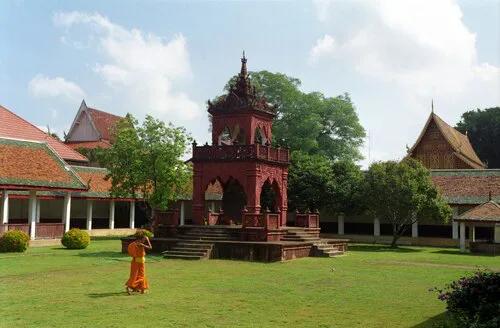
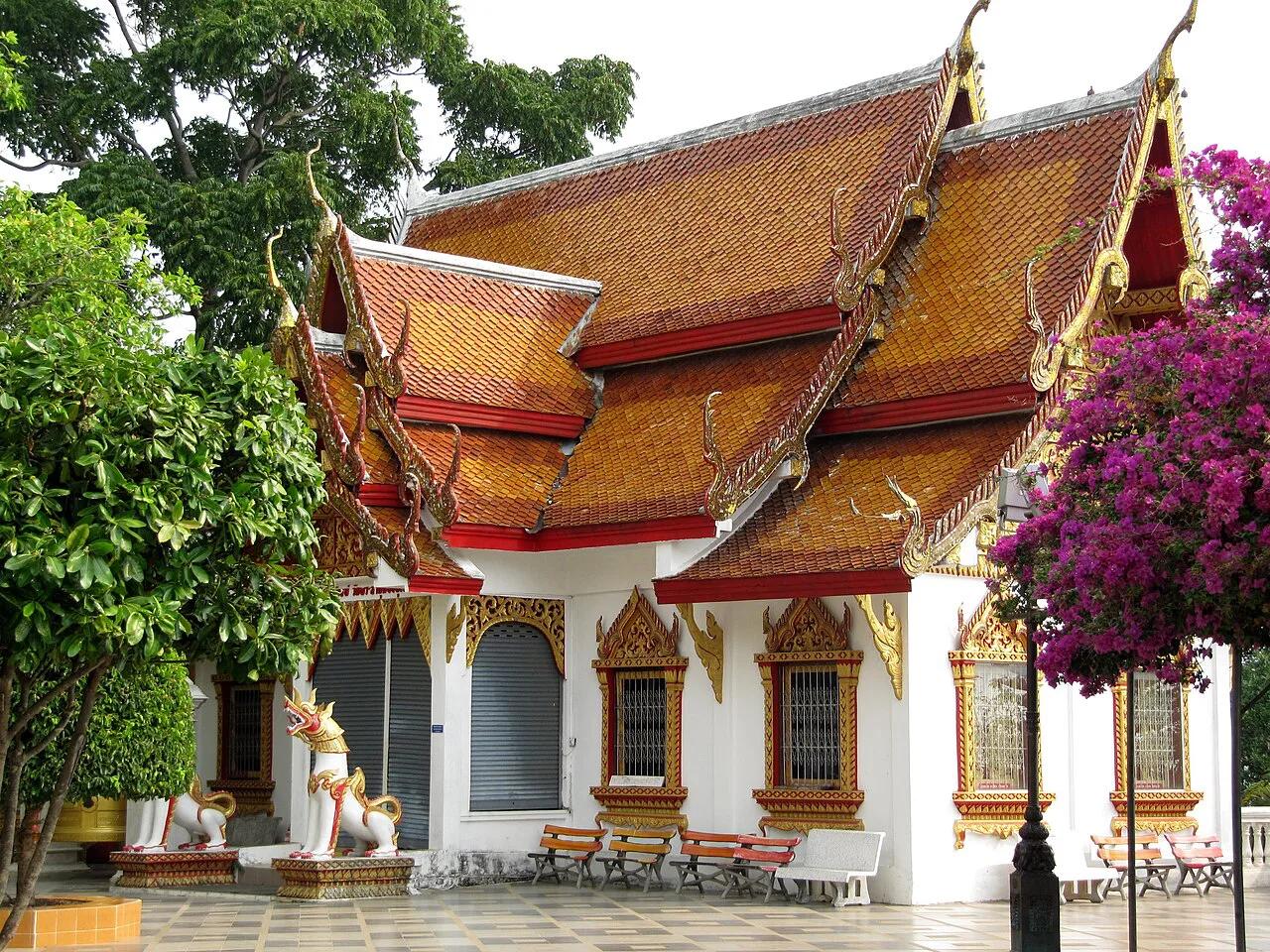
Featured image: Jakub Hałun, CC BY-SA 4.0, via Wikimedia Commons.
12 Chiang Mai Travel Tips Before You Go
Each tip below answers one planning decision. Later sections add tables, prices and the reasoning behind our picks.
- 1. Base yourself inside the Old City moat
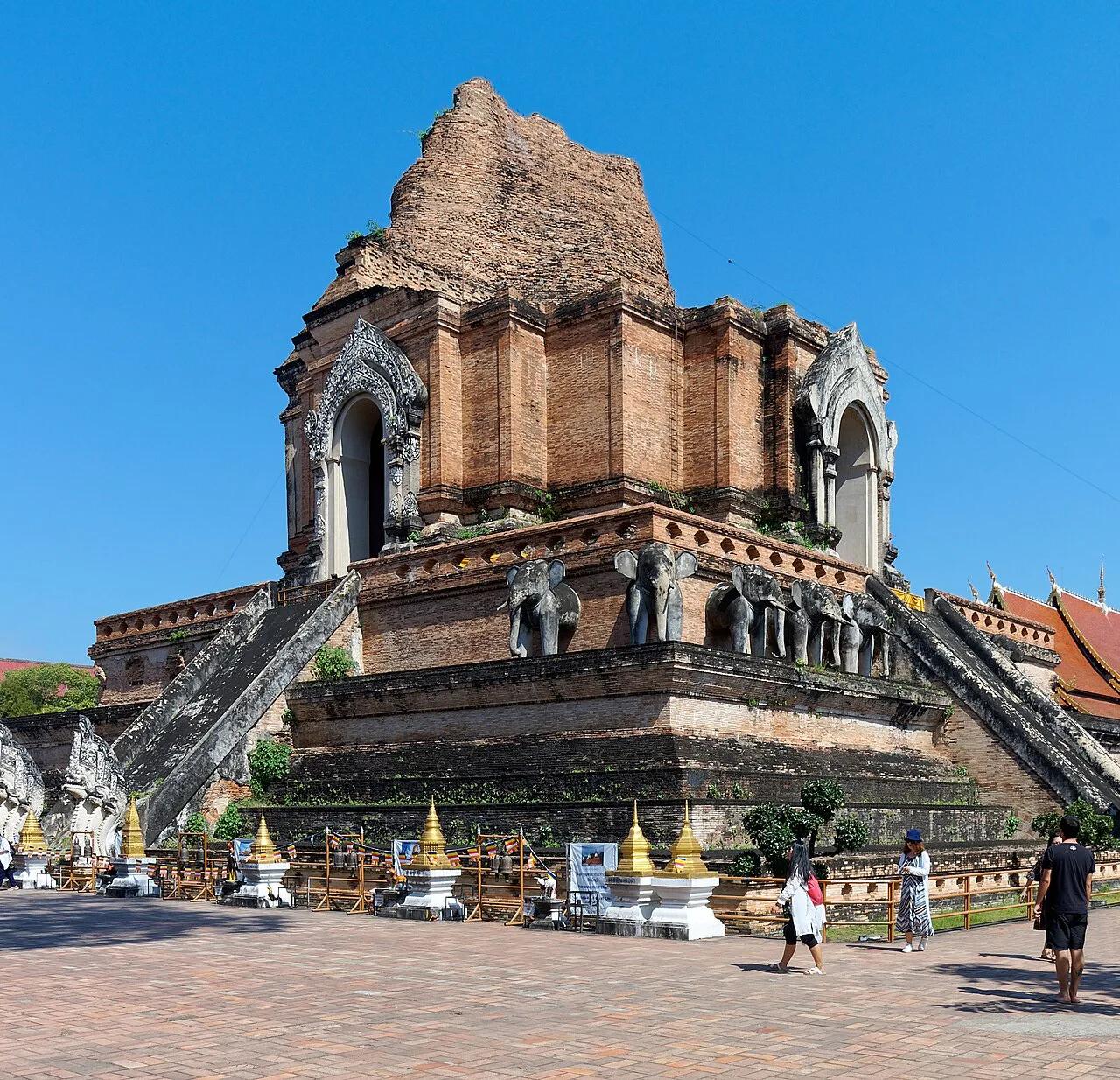
- Wat Chedi Luang and Wat Phra Singh are both walkable from here.
- Expect road closures on Sunday evenings, when the Walking Street takes over Rachadamnoen Road.
- 2. Travel from November to February
- This is the cool, dry window and our pick for a first trip.
- March and April bring smoke from agricultural burning.
- 3. Plan five to seven days
- That gives you temples, a market night, one mountain day and a rest day.
- A weekend only covers the Old City and one night market.
- 4. Use Grab or a songthaew for longer rides
- Grab shows its price before you ride.
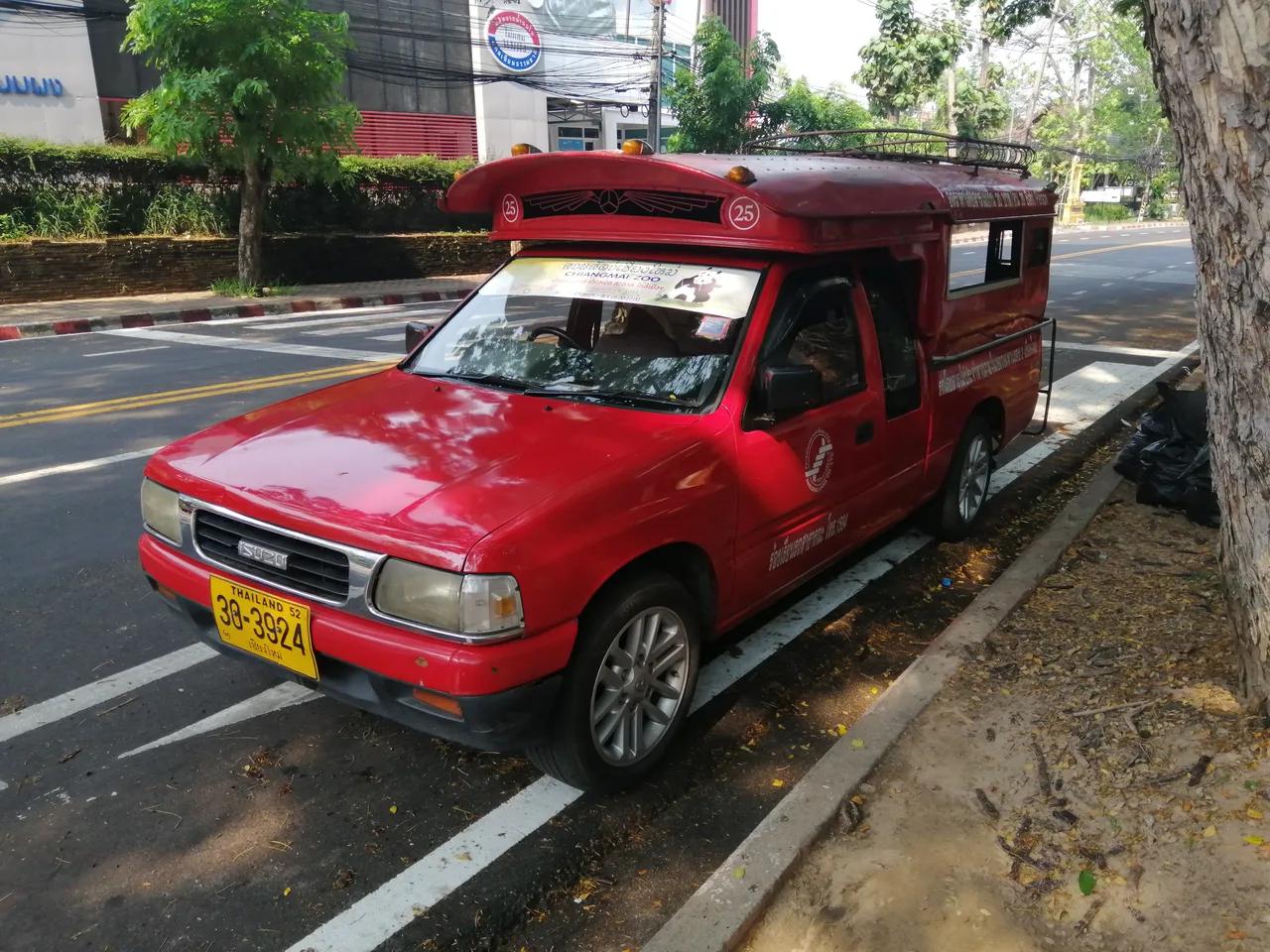
- Red songthaews are shared trucks, so confirm the fare before you climb in.
- 5. Skip the scooter for Doi Inthanon
- Mountain roads are tricky, and Doi Inthanon is about 1h30 by road.
- A hired driver or a tour is the safer call.
- 6. Reach the Sunday Night Market early
- It starts around 4 in the afternoon and gets crowded as the evening goes on.
- Eat at the stalls near the temples along the route.
- 7. Cover shoulders and knees at temples
- Remove your shoes where signs or other visitors show you should.
- Keep your voice low on temple grounds.
- 8. Screen elephant operators before booking
- Rule out any operator that offers riding or shows.
- Ask what the animals do all day and how many guests visit at once.
- 9. Arrange the return ride for out-of-town sites
- Doi Suthep and the Hang Dong quarry are easy to reach and awkward to leave.
- Agree a waiting fee or a pickup time with your songthaew driver.
- 10. Carry small, crisp notes
- Night markets, food stalls and tuk-tuks run mostly on cash.
- Crumpled notes are sometimes refused.
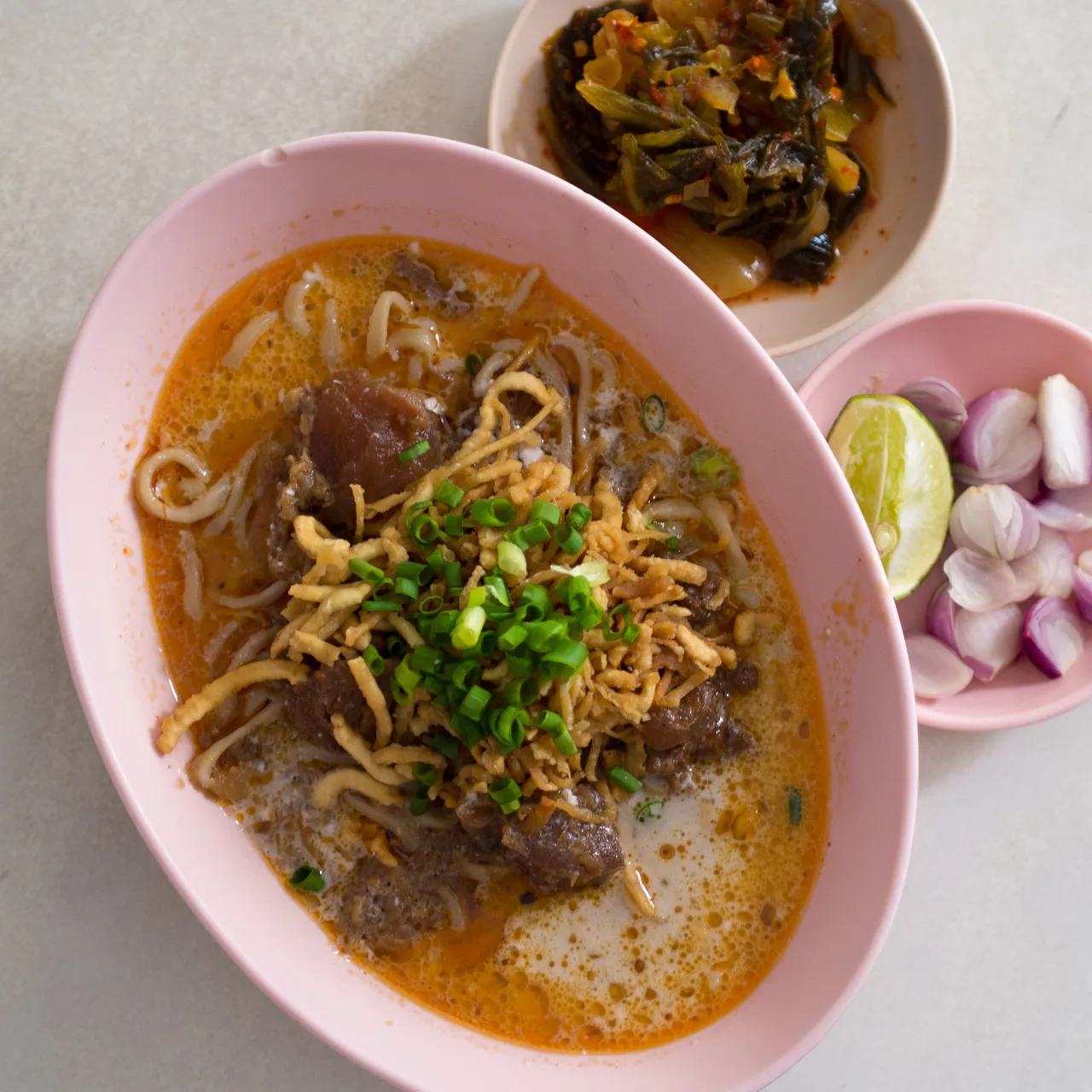
- 11. Eat Khao soi at least once
- This northern noodle curry is Chiang Mai's signature dish.
- It usually comes with lime, pickled mustard greens and red onion.
- 12. Book sanctuaries and classes ahead, walk up to the rest
- Elephant sanctuaries and cooking classes fill up, so reserve them.
- Temples, night markets and massage need no booking.
Best time to visit Chiang Mai
November to February is the cool, dry season, and we'd choose it for a first visit. Skies are clearer and temple walks stay comfortable. March to May brings heat. March and April add smoke from agricultural burning, which lowers visibility and air quality. Rain runs from June to October and often arrives in short bursts, so mornings stay usable. Songkran, the Thai New Year water festival, can stretch over several days in Chiang Mai. Expect soaked streets and crowded temples, and confirm the dates with the Tourism Authority of Thailand before you book flights.

| Period | What to expect | What to adjust |
|---|---|---|
| November to February | Cool, dry, clear skies | Book early; this is the popular window |
| March to April | Heat plus smoky air | Check air quality daily; plan indoor stops |
| May | Hot and humid | Start temple visits at dawn |
| June to October | Short, heavy rain | Carry a light rain jacket; keep mornings for outdoor stops |
| Songkran | Water fights, festival crowds | Protect phones; expect slow transport |
How many days to spend in Chiang Mai
Five to seven days suits most first trips. One day covers the Old City temples and, on a Sunday, the Walking Street. Three days adds Doi Suthep, about 12 km (7.5 miles) outside the city, and a cooking class. With five to seven days you can add Doi Inthanon, a slow morning market and a massage afternoon. Skip the longer plan if you want nightlife, because Chiang Mai rewards slow mornings more than packed itineraries.
Where to stay in Chiang Mai: Old City vs Nimman vs Riverside
We'd put first-timers inside the Old City moat. Wat Chedi Luang and Wat Phra Singh sit within walking distance, and weekend streets are quiet. Sunday Walking Street closes roads along Rachadamnoen Road for more than a kilometre (about 0.6 miles), so noise and access are the trade-off. Nimmanhaemin suits café and restaurant lovers. Riverside, along the Mae Ping River, suits quieter stays. Higher-end hotels often sit outside the walls, and tuk-tuks, Grab and songthaews make that easy.
| Area | Best for | Trade-off |
|---|---|---|
| Old City | Temples on foot, first visits | Sunday road closures; fewer upscale hotels |
| Nimmanhaemin | Cafés, shops, evening dining | Rides needed to reach the temples |
| Riverside | Quiet, river views, longer stays | Less walkable; plan on Grab or songthaew |
Getting to Chiang Mai and getting around
Chiang Mai sits about 435 miles (700 km) north of Bangkok. You can fly, take the overnight train or ride a bus. Chiang Mai's airport publishes current arrival services on its official airport site. Check there for SIM, eSIM and currency options before you land. Inside the Old City, walking works best. Beyond it, Grab shows a price upfront. Songthaew fares are generally fixed in town, but confirm first. Agree tuk-tuk prices before you board.
| Mode | Best for | Watch for |
|---|---|---|
| Walking | Old City temples and cafés | Midday heat; Sunday closures |
| Songthaew | Budget rides across town | Confirm the fare and destination first |
| Tuk-tuk | Short hops | Negotiate before you ride |
| Grab | Doi Suthep, Nimman, Riverside | Pickup spots in narrow lanes |
| Bicycle | Old City and Nimman | Traffic at big junctions |
| Scooter | Confident riders only | Licence, insurance, mountain roads |
Scooter or not: a decision box
Rent a scooter only if you already ride confidently and hold the right licence. Thailand's Department of Land Transport sets licence rules, so check them before you travel. Confirm that your insurance covers riding abroad. Skip mountain roads such as the route to Doi Inthanon. Our scooter rental rules guide covers rental specifics. If any one of these checks fails, use Grab or a songthaew instead.
Along the route to Doi Inthanon, which is about 1h30 by road, a driver or tour is the calmer pick than a scooter.
Money, costs and what to book ahead
Withdraw cash from ATMs around Nimmanhaemin and inside the Old City. Foreign cards carry a per-withdrawal fee, so take larger amounts less often and check your own bank's charges. Recent 2026 listings put Wat Phra That Doi Suthep at ฿30 for adults and Wat Chedi Luang at ฿50. Confirm fees at the gate, because they change. Massage runs about ฿200 to ฿400 per hour in recent listings. Tipping is modest here, so rounding up a fare or leaving small change is usual. Check whether a restaurant already adds service.
- Wat Phra Singh: ฿50 for adults in 2026 listings
- Wat Sri Suphan: ฿50 for adults in 2026 listings
- Royal Park Rajapruek: ฿200 for adults in 2026 listings
- Hang Dong quarry: ฿300 entry, with activities from ฿750 to ฿1,000
- Sunday market foot massage: around ฿50
Book ahead or just turn up
Reserve elephant sanctuaries and cooking classes, because small groups fill quickly. Walk up to temples, night markets and massage shops. We can't give a safe lead time, so book as soon as your dates are fixed. Zip-line courses and quarry activities also reward an early booking in peak months.
Hang Dong quarry visitors pay ฿300 entry, and activities from ฿750 to ฿1,000 are worth booking early in peak months.
Temples, markets and etiquette
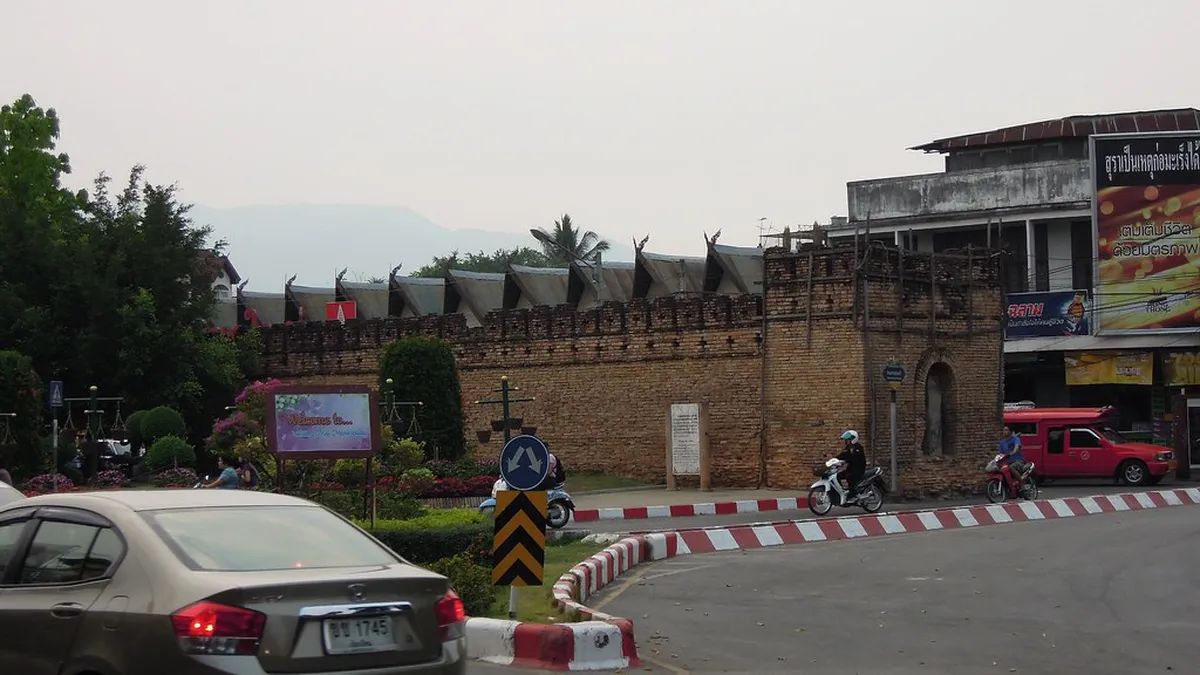
Cover your shoulders and knees at every temple. Take off shoes at doorways. Speak quietly, and ask before photographing monks. Monk chat programs at temples such as Wat Chedi Luang are reported to run in set hours, so confirm times on site. Wat Sri Suphan is reported to restrict its silver temple building to men, so verify before you plan around it. The Sunday Night Market starts around 4 in the afternoon. It runs from Tha Phae Gate toward Wat Phra Singh. Arrive early, and eat at the temple-side stalls. On other nights, try the Night Bazaar, the Saturday Market or the Chang Puhak Gate night market.
- Hello and goodbye: sawasdee, plus ka (women) or krub (men)
- Thank you: khop khun ka or khop khun krub
- Excuse me or sorry: kor tod
- No worries: Mai pen Rai
- Not spicy: Mai pet
Day trips and out-of-town decisions
Doi Suthep is about 12 km (7.5 miles) from the city and roughly half an hour by road. Doi Inthanon is about 1h30 away and reaches 2,565 m (about 8,415 ft). The Hang Dong quarry is about 45 minutes by songthaew. For elephant visits, we'd pick operators that rule out riding and performances. Ask how animals are kept overnight and how large visiting groups get. We won't name an operator without an official source. Compare answers before paying.
| Trip | Access | Time | Best for |
|---|---|---|---|
| Doi Suthep | Grab or songthaew | Half a day | Views and temple visit |
| Doi Inthanon | Tour or driver | Full day | Cool air and waterfalls |
| Hang Dong quarry | Songthaew with return agreed | Half a day | Swimming and cliff jumping |
Food and wellness tips
Start mornings at a market, and order Khao soi at lunch. Choose busy stalls where locals queue. For massage, compare shops on cleanliness and posted rates, and see our guide to Thai massage options. Thailand's Department of Skill Development oversees Thai massage standards. For a higher-comfort alternative, read about spa treatments. If you'd rather watch or train, our guide to Muay Thai gyms and fights explains both routes. Foot massages at the Sunday market make a cheap break.
Safety, health and common mistakes
In our editorial assessment, scooter crashes and smoky air are the practical risks to plan around. Choose busy food stalls. Check air quality before outdoor days in March and April. Thailand's Department of Health Service Support covers spa standards, so look for licensed venues.
- Riding a scooter up mountain roads without experience
- Booking an elephant experience that includes riding
- Arriving at Doi Suthep with no way back
- Expecting cards to work at night market stalls
- Showing up in tank tops at temples
Packing and what to leave room for
Pack slip-on shoes for temple doorways. Bring light clothes that cover shoulders and knees. Add a compact rain jacket if you visit between June and October. Leave space for local coffee, ceramics and tea from the Warorot Market and Saturday Market.
Explore More Chiang Mai Guides
Keep planning your Chiang Mai trip with these guides.
Chiang Mai Guides
Building the rest of the trip? Our Chiang Mai attractions guide covers the sights, districts and logistics around this guide.
Travel tips for other cities
Useful notes for your Thailand trip
Optional updates to our guides.
You might also like
Continue reading
More guides you'll find useful