10 Bangkok Travel Tips for First-Timers (2026)
Practical Bangkok travel tips: temple dress code, getting around, scams, heat and money, with the trade-offs for first-time visitors.
On this page
Last updated November 2026: these Bangkok travel tips cover the few decisions that shape a first trip. Stay near a BTS or MRT station, visit temples early, and carry clothes that cover shoulders and knees. Our picks come with trade-offs, so you can adjust them to your budget and heat tolerance.
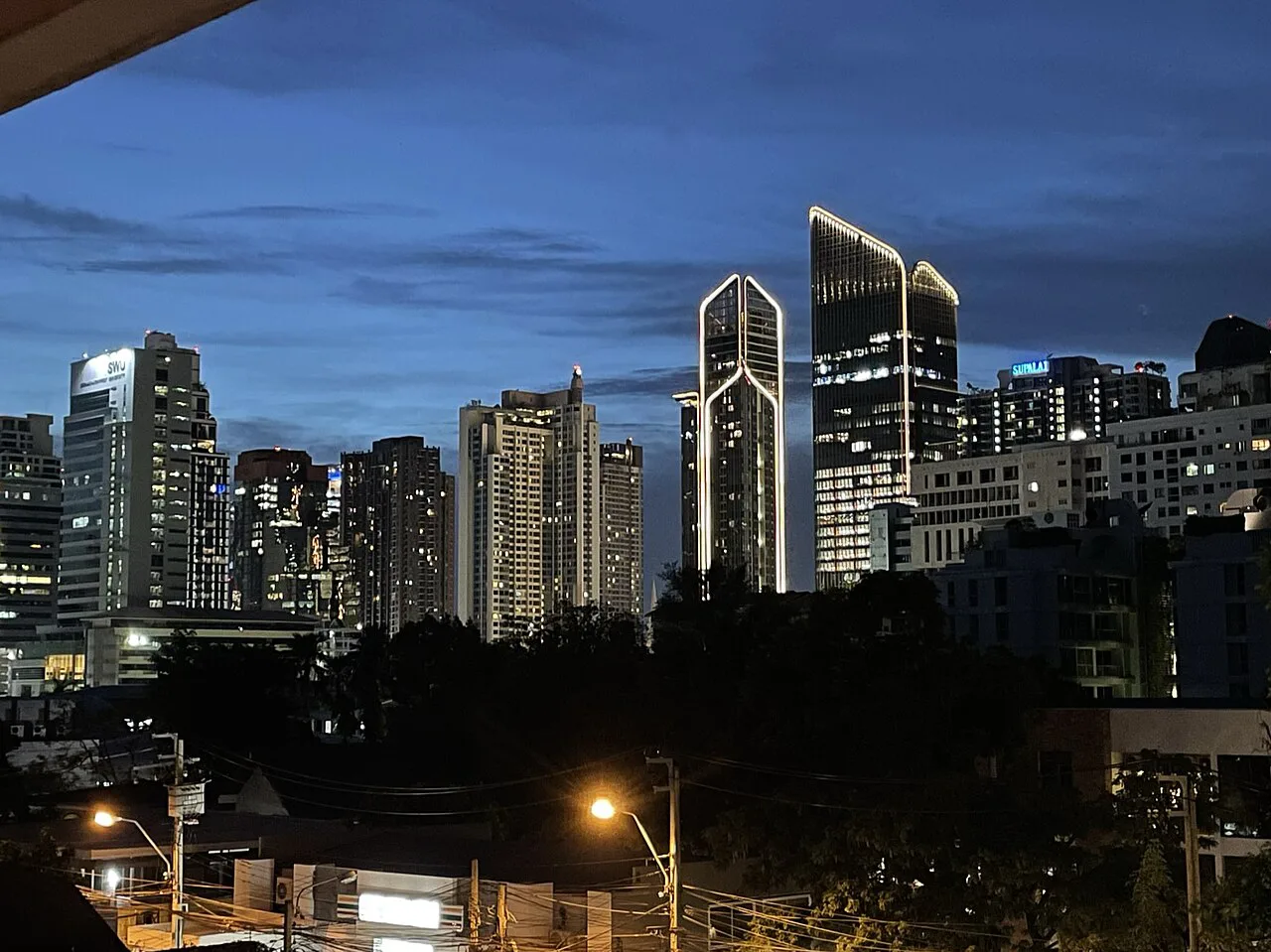
Featured image: Ilya Plekhanov, CC BY-SA 3.0, via Wikimedia Commons.
Quick answer: the Bangkok travel tips that matter most
Bangkok rewards a few early decisions. Choose your neighborhood by transit access, not by sight proximity. Save temples for the morning and keep midday for air-conditioned stops. Pack a scarf and loose long trousers, carry baht in cash, and turn down any stranger's cheap tuk-tuk tour. Each point is expanded in the list below, with the reasoning and the downside.
10 Bangkok Travel Tips for First-Timers
Prices and hours below are published figures that have circulated for 2026 visits. Treat them as planning ranges and confirm them with the venue or operator before you commit.
- Pick your base by transit, not by sights
- Sukhumvit is modern with strong BTS and MRT access, but it sits farther from the old temples. Silom and the Chao Phraya riverfront suit travelers who want trains plus river boats.
- Old Town and the Khao San area are cheaper and louder. Choose them only if you sleep well through street noise.
- Do the big temples first thing in the morning
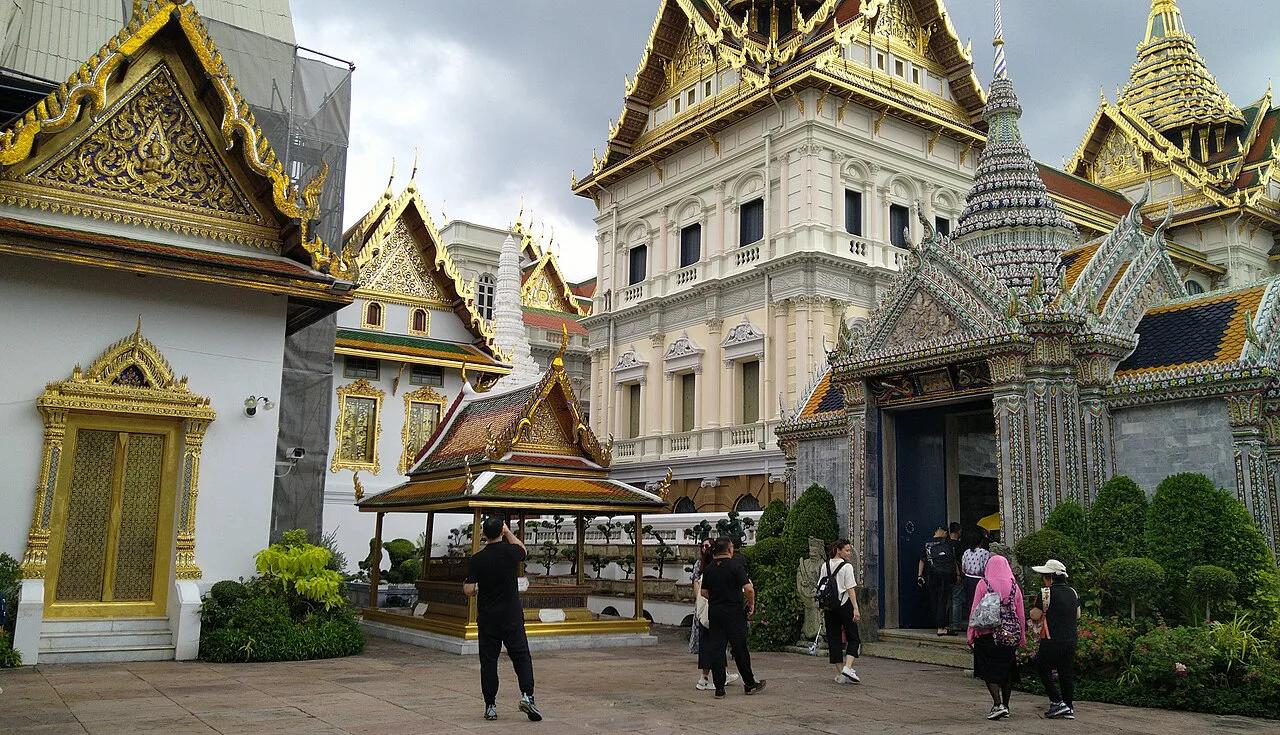
- Published entry fees have been around ฿500 for the Grand Palace, ฿300 for Wat Pho and ฿200 for Wat Arun. Confirm current prices on the Grand Palace official site.
- Allow at least 1-2 hours at the Grand Palace. Early starts beat both the crowds and the worst of the heat.
- Pack for the dress code, then verify per venue
- Cover shoulders and knees at every temple. Guides disagree on detail: some say legs only at the Grand Palace, and one temple reportedly asks only women to cover their legs.
- A light scarf and loose long trousers solve all of these cases. Sarongs are often sold or rented near entrances, but queues and prices vary.
- Check closure calendars and the ticket process
- Royal ceremonies and public holidays can close major sites. Look at the official calendar for each day you plan to visit.
- Some visitors report that online Grand Palace tickets must be exchanged at the entrance. Confirm the current process before you rely on a booking.
- Opening hours of about 8:00 to 19:30 have been listed for Wat Pho. Verify them on Wat Pho's official site.
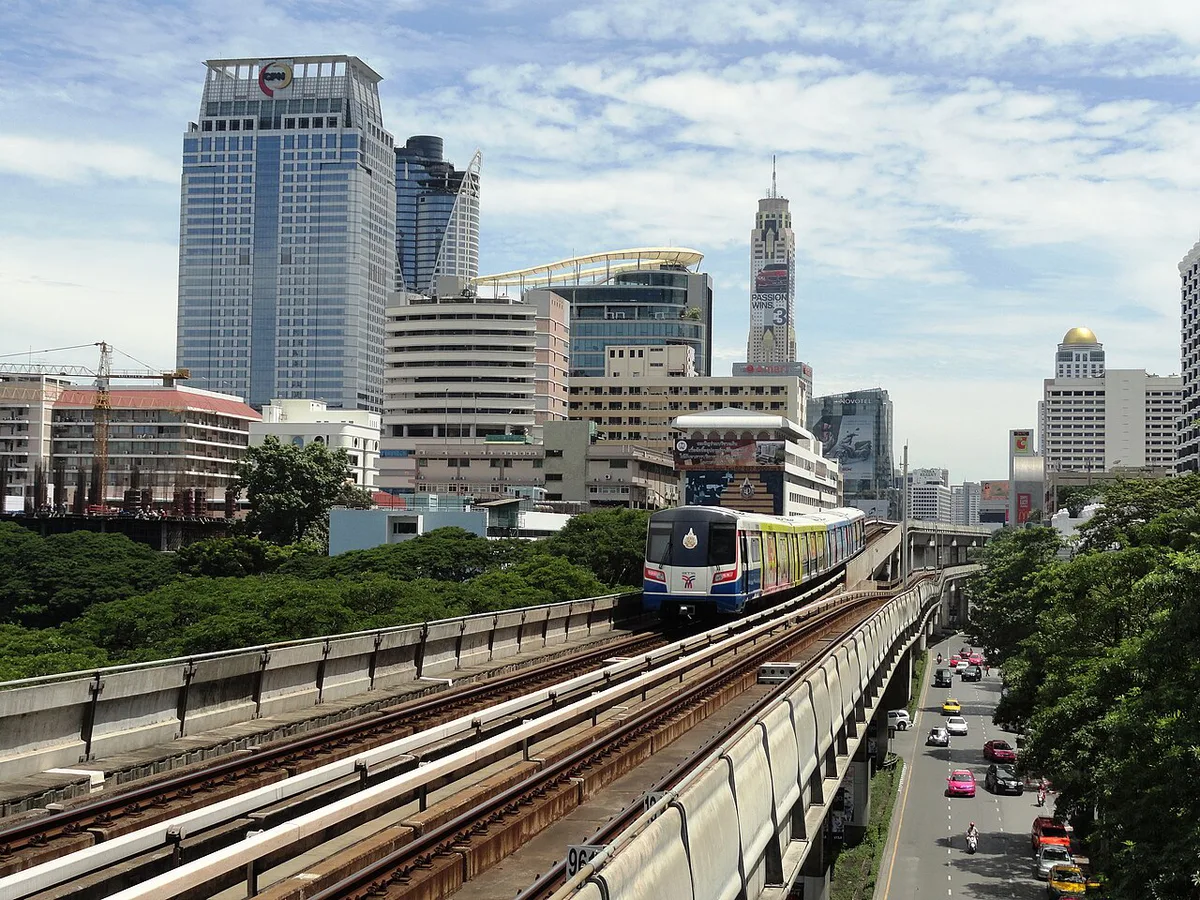
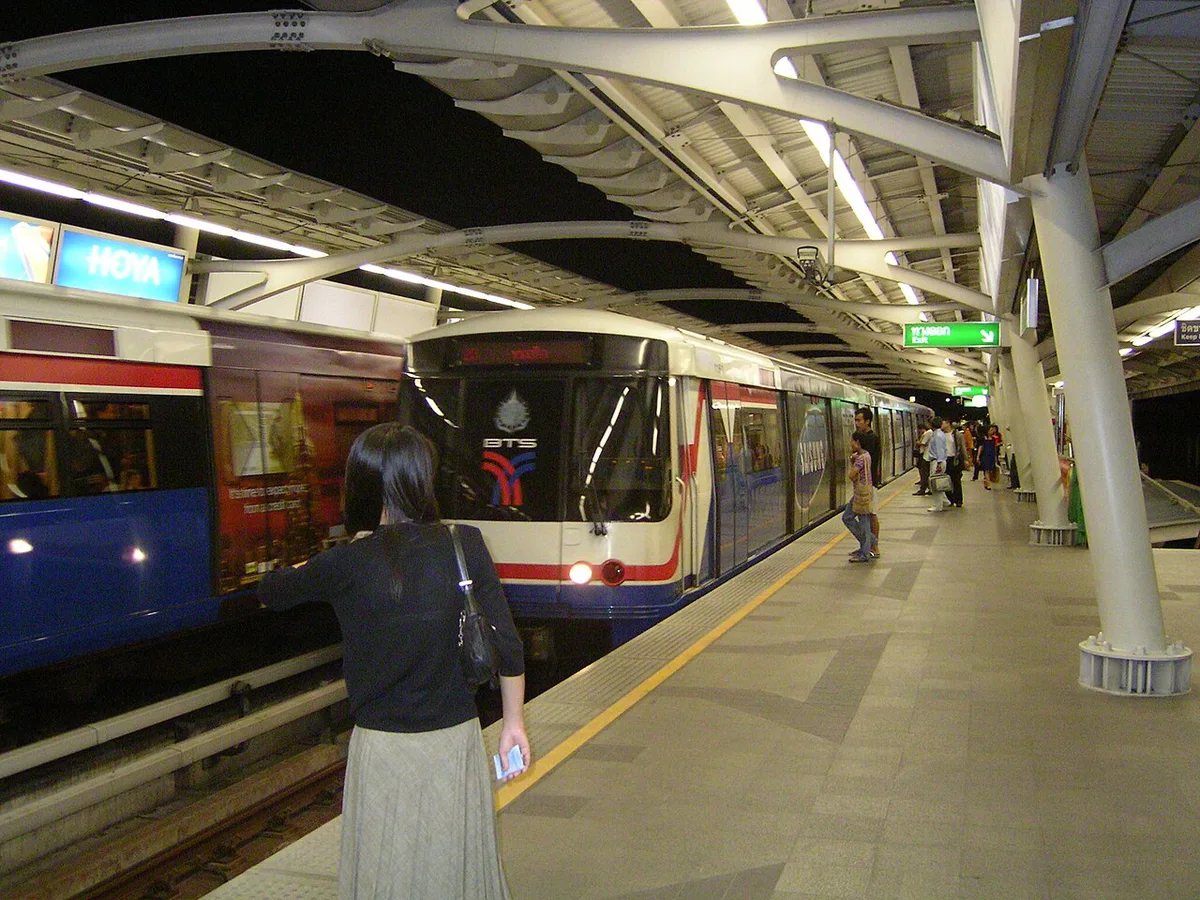
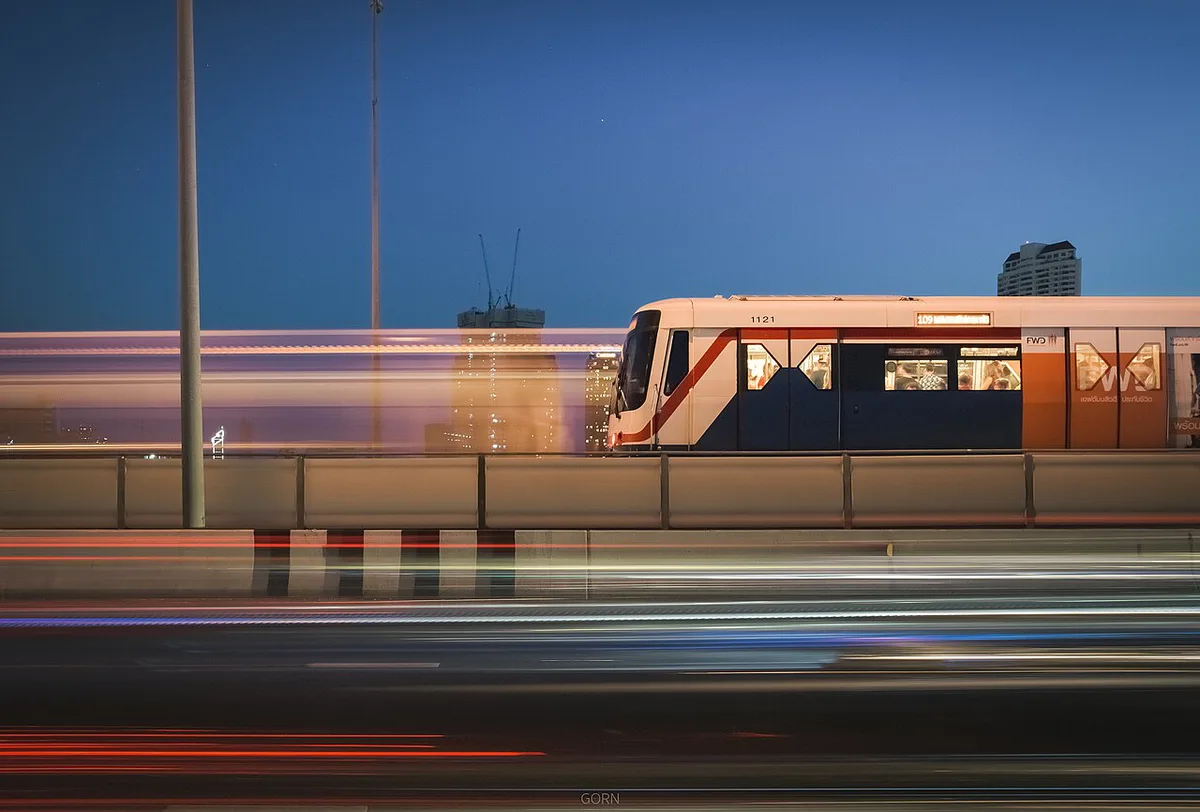
- Use the BTS, MRT and river boats for daytime moves
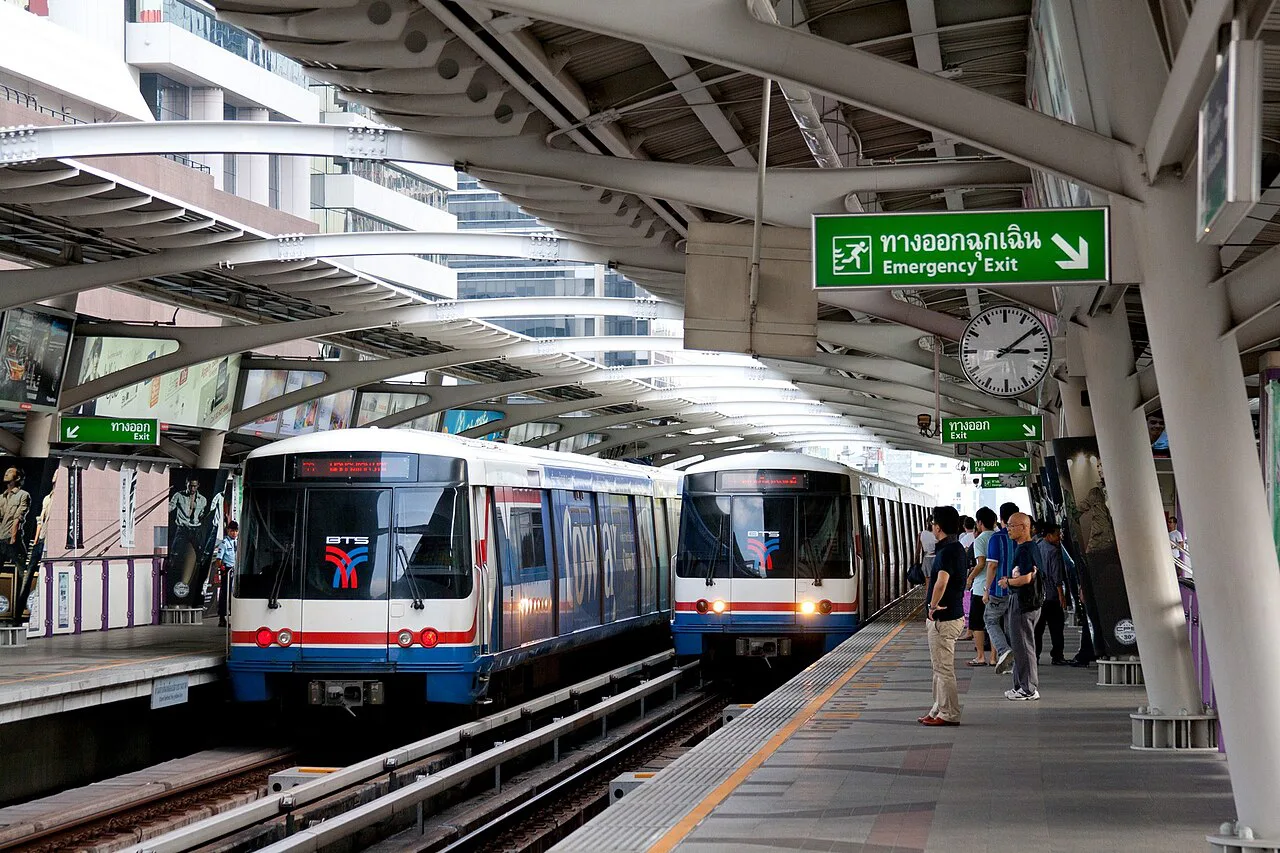
- BTS trains have been reported running from about 5:30 to midnight and MRT from about 6:00 to midnight. Trains come every 5-10 minutes, and single fares have ranged from ฿17 to ฿62.
- BTS and MRT are separate systems, so budget extra minutes when changing between them.
- River boats avoid road traffic. Tha Tien Pier serves Wat Arun and Wat Pho, and the short cross-river ferry has been reported at ฿5.
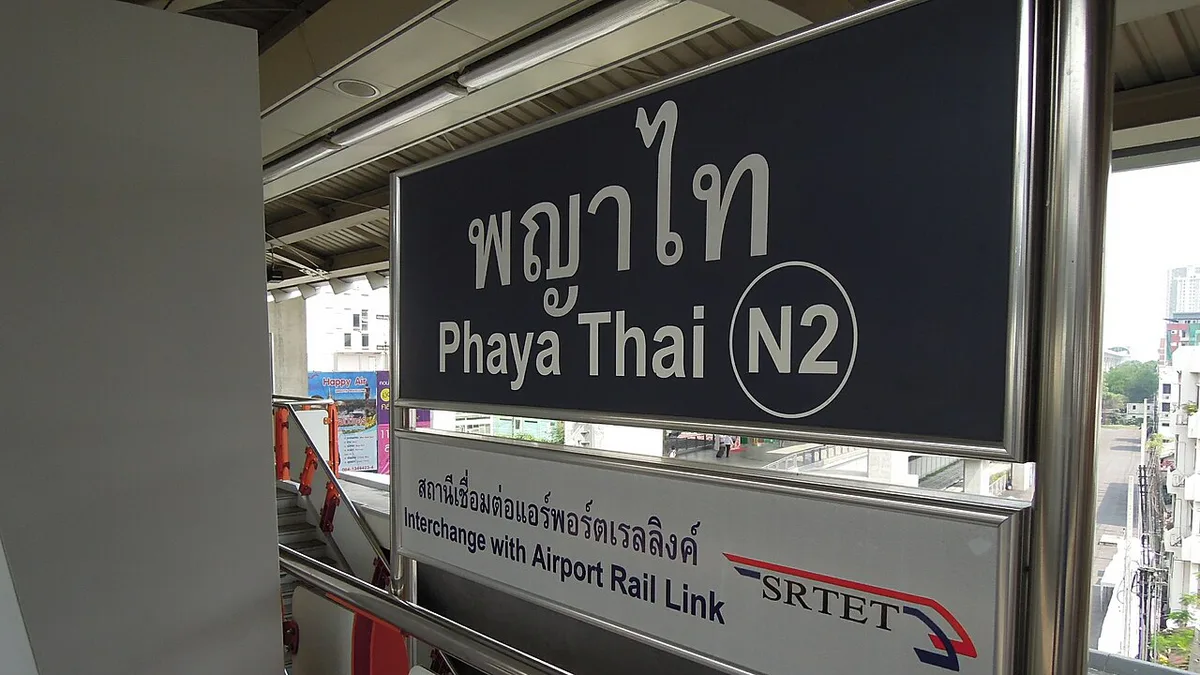
- From Suvarnabhumi, the Airport Rail Link reaches the BTS at Phaya Thai. Check current services on the Suvarnabhumi Airport site.
- Use Grab and tuk-tuks as tools, not defaults
- Grab and Bolt are door-to-door but slow in rush hour, reported as roughly 7:00-9:00 and 16:00-19:00. Leave extra time for airport trips.
- Tuk-tuks have no meter, so agree the price first. Short hops of ฿100-150 have been reported, and they suit the walk between Wat Pho and the Grand Palace better than long rides.
- Ask street taxis to use the meter. Walk away from drivers who refuse.
- Carry cash, and sort out data and tipping early
- ATMs are easy to find along Sukhumvit and Silom. A fee of about ฿220 per withdrawal has been reported for foreign cards, so take out larger amounts less often.
- Exchange booths such as SuperRich on Ratchadamri are worth comparing against your bank. Check the day's rate rather than trusting any figure printed in a guide.
- Landing with data saves you stress. Compare options in our Bangkok SIM and eSIM guide, or look at local plans from AIS Thailand.
- For restaurant and taxi rules, see how tipping works in Bangkok.
- Learn the common scam patterns
- A stranger offering a very cheap tuk-tuk tour is often steering you toward commission shops. Politely decline and walk on.
- Keep phones and wallets zipped away on busy streets such as Khao San Road. Our Bangkok scams guide lists what to say and do if something goes wrong.
- Treat massage as a skill, not a commodity
- Wat Pho is linked with Thai massage training, but quoted prices conflict between sources. Ask for the posted price list before you sit down.
- Book ahead where you can, and expect shared beds in simple rooms outside hotel spas. Our Bangkok massage etiquette guide covers what to expect.
- Skip or approach with care
- We'd skip elephant rides entirely. We'd also avoid the pet section at Chatuchak Weekend Market, where endangered species have been reported on sale.
- Replica-style attractions such as The Ancient City have drawn criticism for feeling like a theme park. Spend that time at Wat Saket or the National Museum instead.
- Rooftop views come in three tiers: a free terrace like Napalai Terrace at IconSiam, a bar where entry equals one drink, and a paid deck. Pick the tier that matches your budget.
Where to stay in Bangkok: neighborhood fit
Distance to sights matters less than distance to a station. A short walk to the BTS or MRT lets you skip road traffic for most of the day. Use this table to match an area to your travel style.
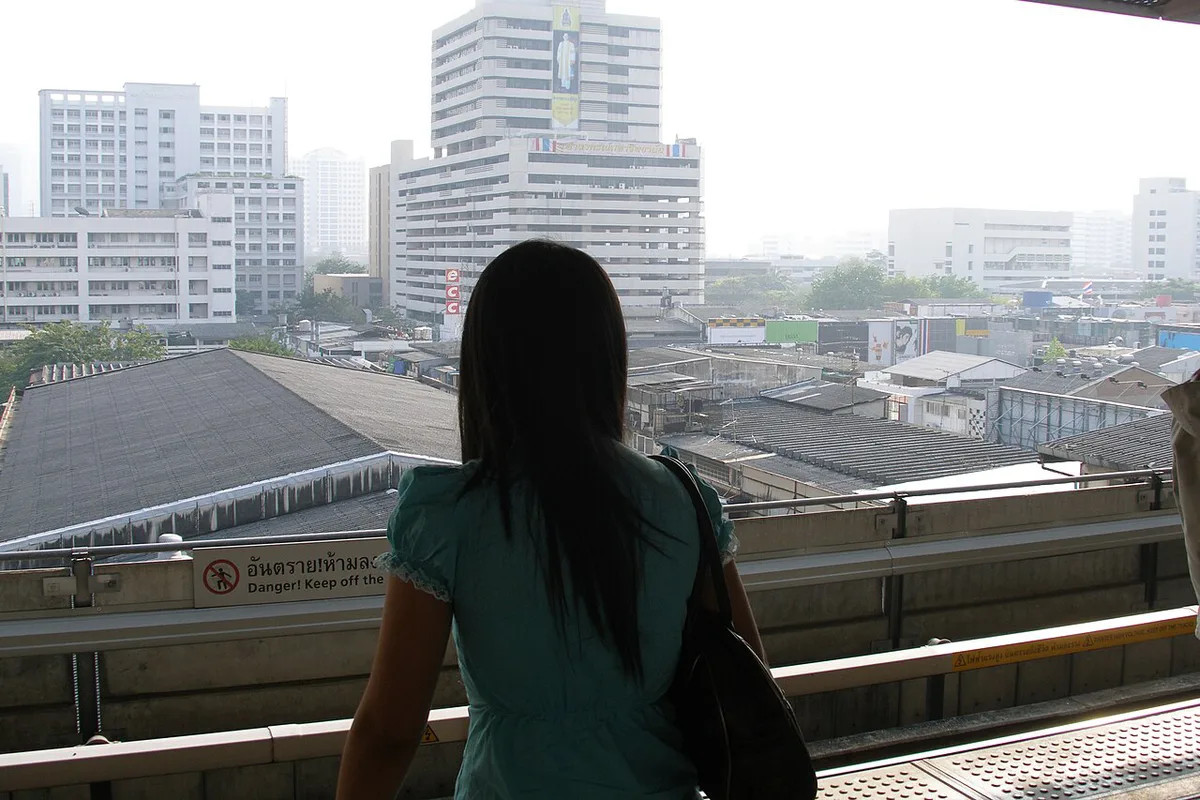
| Area | Transit access | Noise | Sightseeing proximity | Best fit |
|---|---|---|---|---|
| Sukhumvit | Strong BTS and MRT | Moderate to high | Farther from temples | Food, malls, nightlife |
| Silom and riverside | BTS plus river boats | Moderate | Medium | Mixed itineraries |
| Old Town and Khao San | Fewer train options | High at night | Close to Old Town sights | Budget travelers, short stays |
How to get around Bangkok: time, cost and comfort
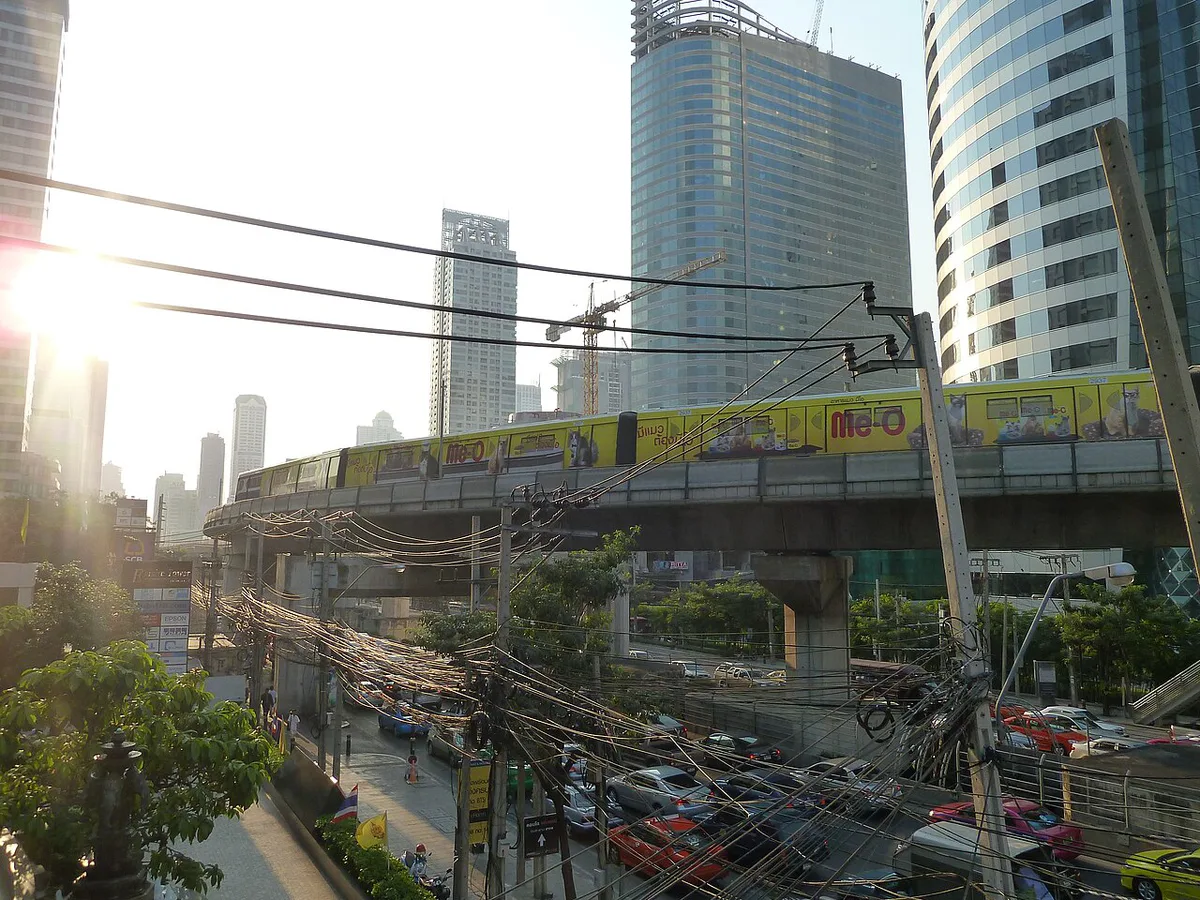
No single mode wins all day. Trains beat traffic, boats beat trains for riverside temples, and Grab wins when you carry luggage or travel late. Cost levels below are relative, because fares change.
| Mode | Cost level | Speed in traffic | Comfort | Best for |
|---|---|---|---|---|
| BTS and MRT | Low | Fast, unaffected by roads | Cold air-conditioning | Cross-city trips |
| River boat or ferry | Low | Steady | Open air, can be crowded | Wat Arun, Wat Pho, Chinatown |
| Grab or Bolt | Mid | Slow in rush hour | Private, air-conditioned | Night, luggage, airports |
| Metered taxi | Mid | Slow in rush hour | Private | Short trips if the driver uses the meter |
| Tuk-tuk | Mid to high | Moderate | Open, noisy | Very short hops |
Beat the heat and eat well
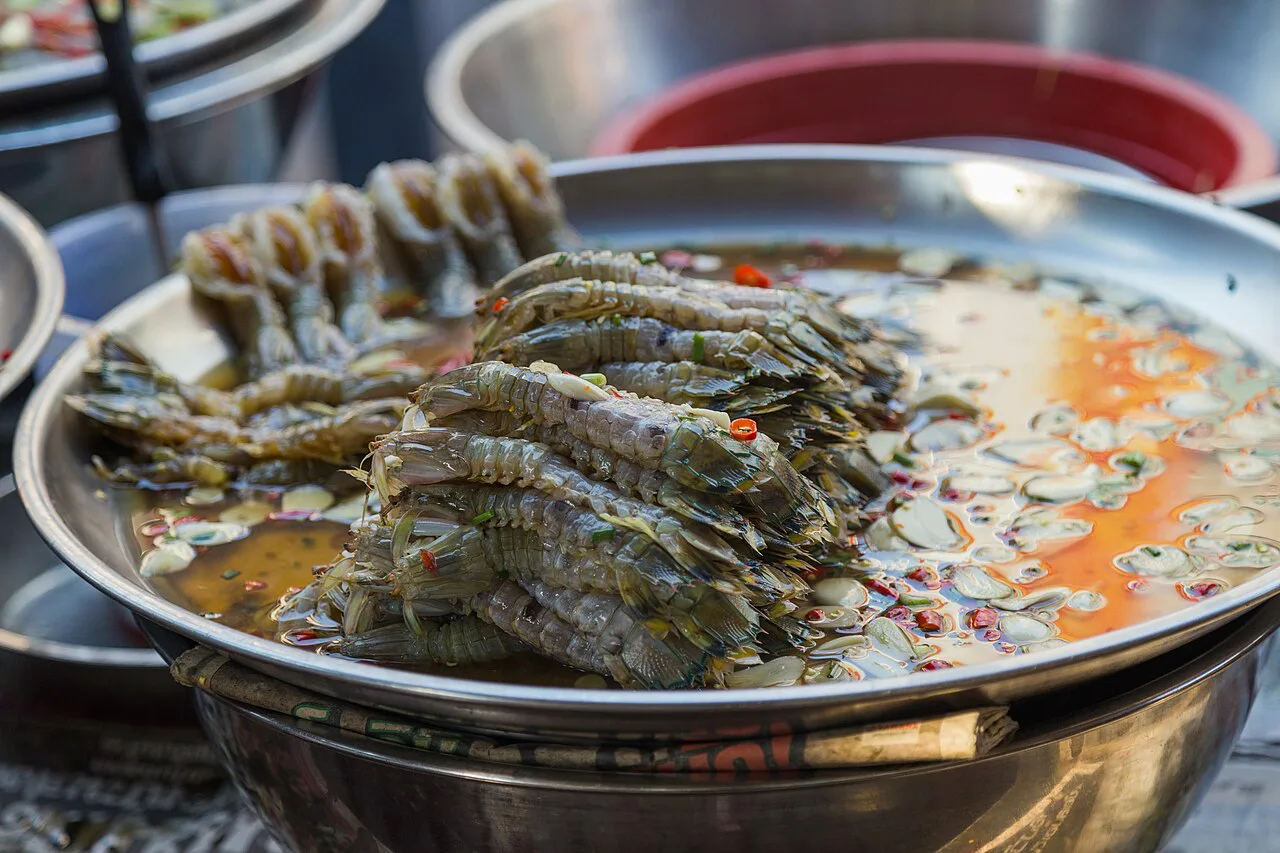
Bangkok's heat is a scheduling problem. Reports from the dry months mention temperatures near 40°C, so build the day around it. Start temples at opening time. At midday, move to an air-conditioned stop such as IconSiam or the National Museum. Return outside near sunset for the river or a viewpoint. Wat Saket's Golden Mount has 318 steps, so go early or late, and think twice with a stroller or limited mobility. Benjakitti Forest Park has little shade, which makes mornings the better choice. Carry water and a light layer, since BTS and MRT cars run cold. For food, choose busy stalls with high turnover. Most vendors will cut the spice if you ask.
When midday heat builds, a BTS or MRT car is a quick break, since trains come every 5-10 minutes.
Sample 3-day route, and Bangkok or Phuket
Day one covers Old Town: Grand Palace at opening, Wat Pho next, then a river crossing to Wat Arun. Day two moves to Silom and the riverside, with a mall break at IconSiam and sunset on the water. Day three suits Sukhumvit and Chatuchak, though the market's opening days vary, so check them first. Deciding between city and beach for the rest of your trip? Read our Bangkok versus Phuket comparison.
Allow at least 1-2 hours at the Grand Palace, so the opening start on day one still leaves room for Wat Pho next.
Choose the right number of days for Bangkok
A 1-day Bangkok stop works best when you stay focused on Old Town. Visit the Grand Palace at opening, continue to Wat Pho, then cross the river to Wat Arun. Avoid adding distant neighborhoods or a shopping detour.
With 2–3 days, divide the city by area instead of crossing it repeatedly. Give Old Town and the riverside one day. Use another for Silom, Sukhumvit, Chinatown, a market, or a museum. This leaves room for an air-conditioned midday break when heat builds.
Stay 5+ days if Bangkok is your main destination rather than a transit stop. You can slow the pace, schedule parks or massage sessions, and keep a flexible day for rain, closures, or rest. Check public-holiday and royal-ceremony calendars before locking in temple days.
Explore More Bangkok Guides
Keep planning your Bangkok trip with these guides.
Bangkok Guides
Building the rest of the trip? Our Bangkok attractions guide covers the sights, districts and logistics around this guide.
Travel tips for other cities
Useful notes for your Thailand trip
Optional updates to our guides.
You might also like
Continue reading
More guides you'll find useful