Chiang Rai Rainy Season: What to Expect and How to Plan
Chiang Rai's rainy season runs roughly June to October. See what the weather is like, which sights suit wet days, and how to plan around the showers.
On this page
Last updated November 2026. The Chiang Rai rainy season runs roughly June to October, and rain usually arrives as short, heavy showers with dry spells in between. Expect green hills, full waterfalls and thinner crowds, plus humidity, cloud and some slow roads.
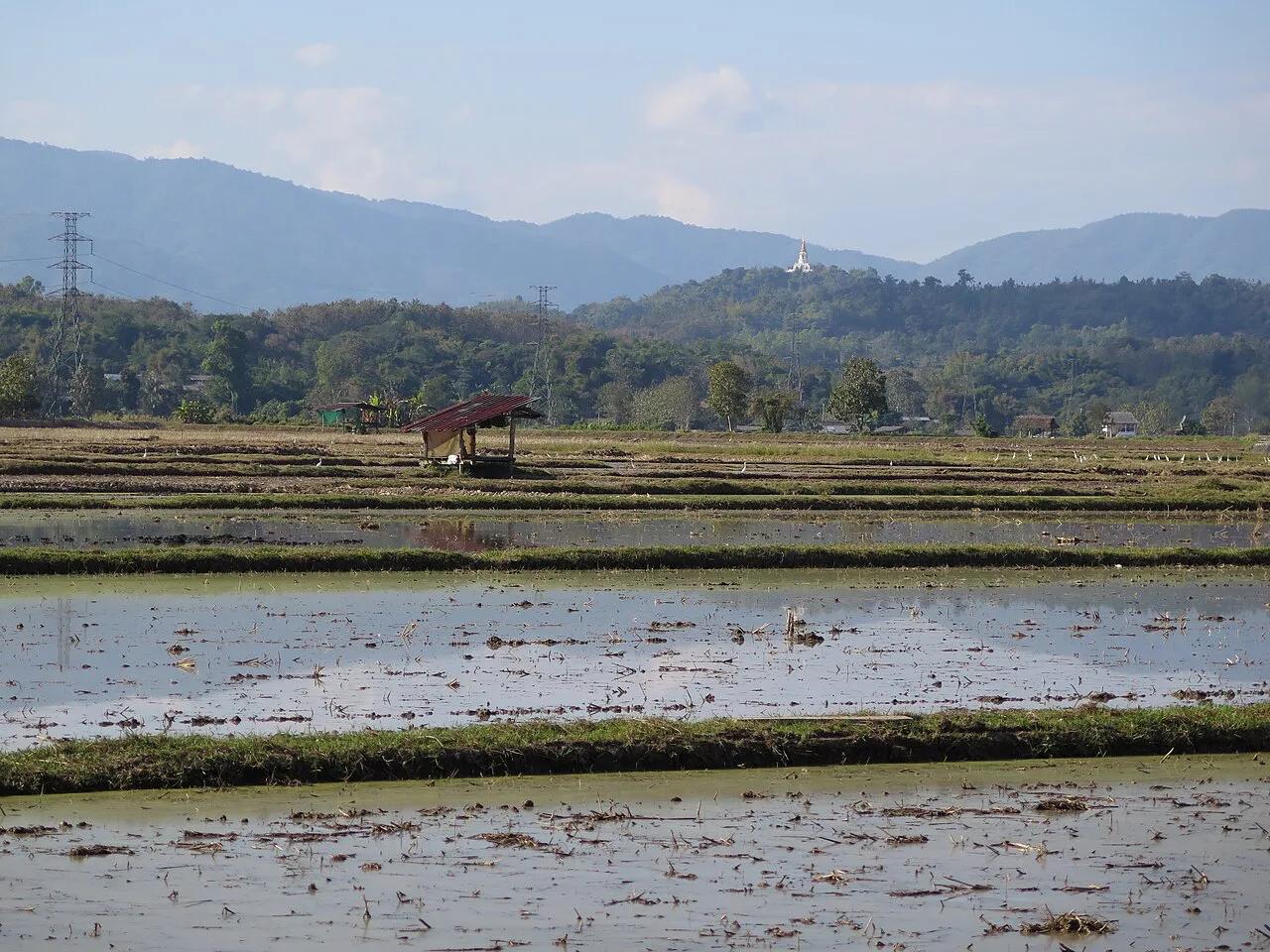
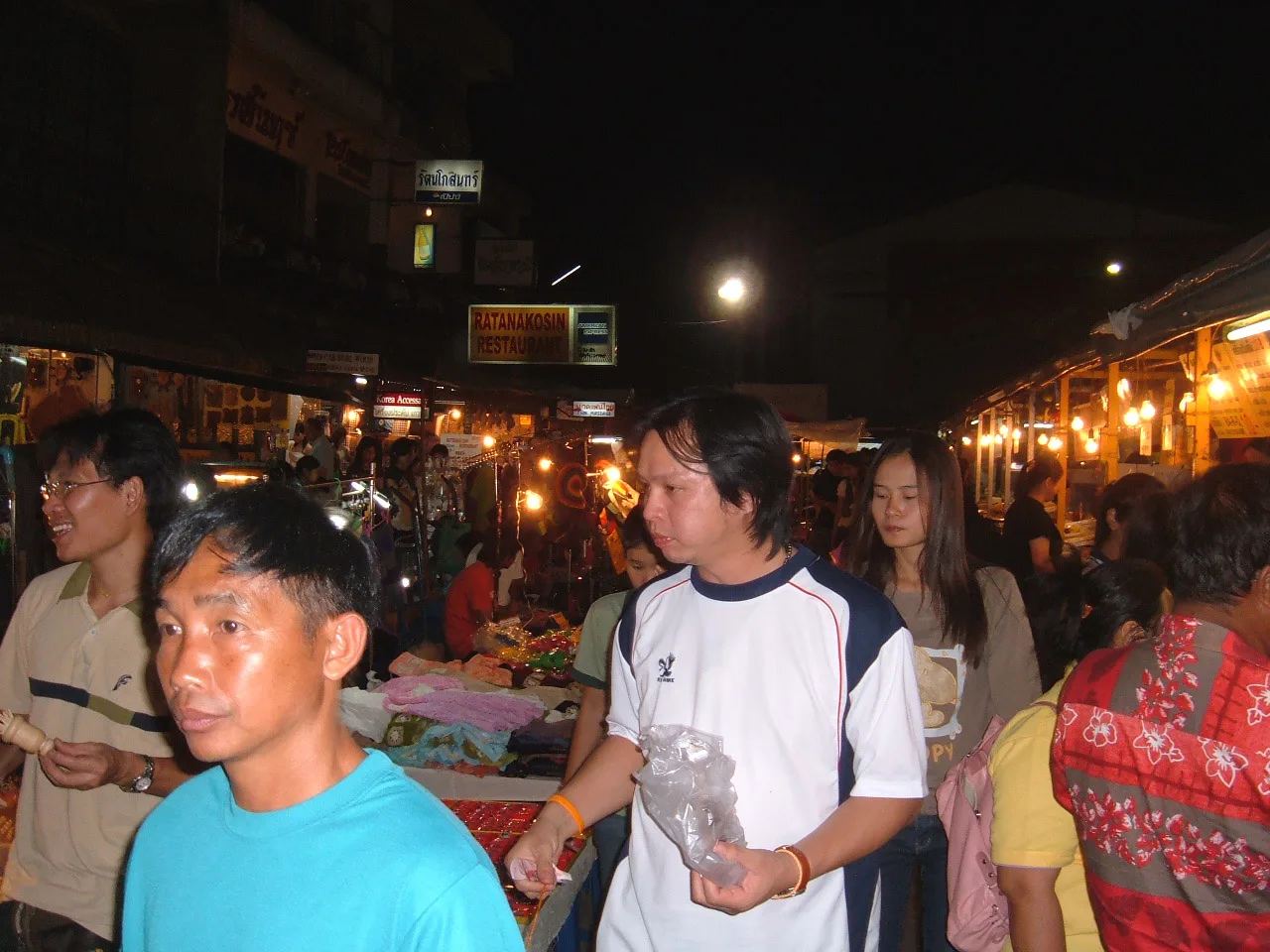
Featured image: Douglas Perkins, CC BY 4.0, via Wikimedia Commons.
Is the Chiang Rai Rainy Season Worth It?
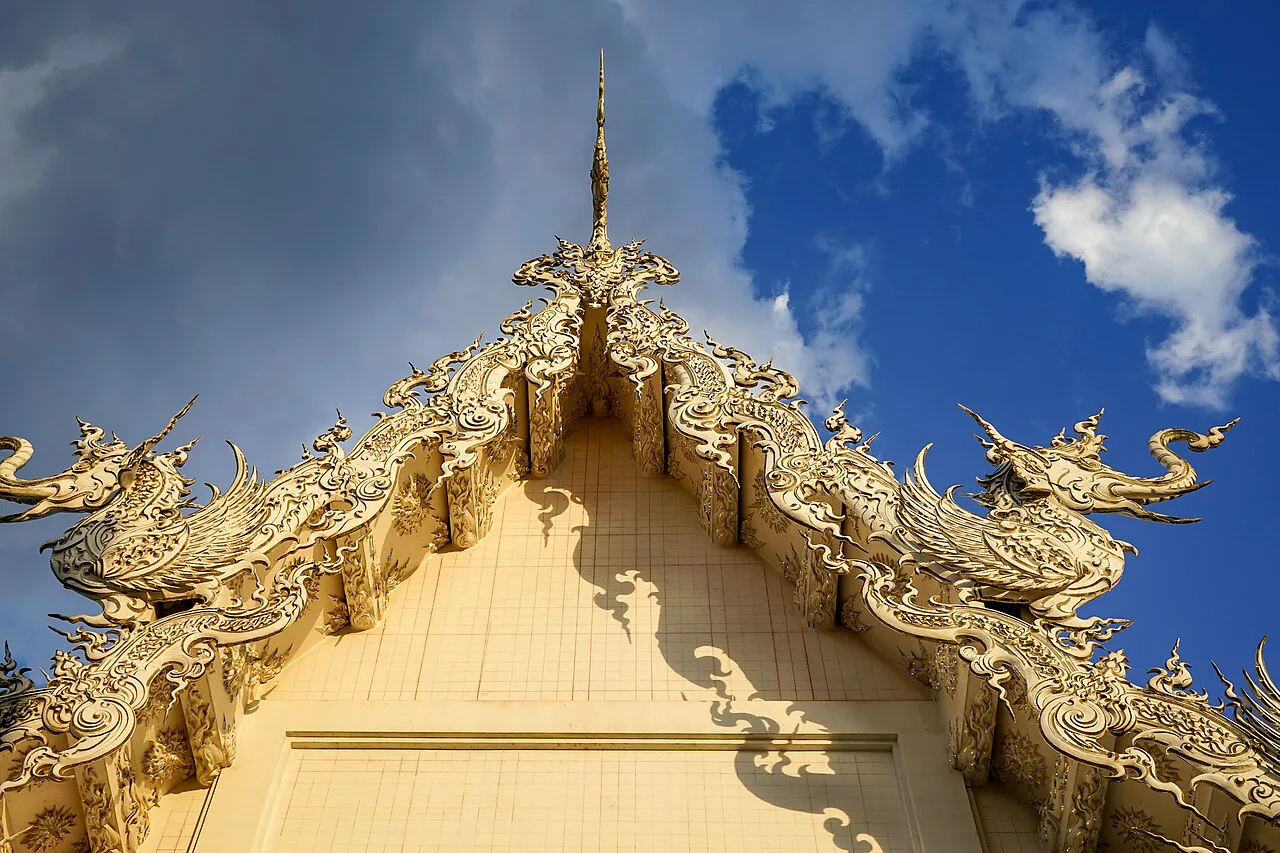
For temple and art visitors, budget travelers and photographers, yes. Wat Rong Khun, Baan Dam and Wat Rong Suea Ten all stay open, and rice fields and hillsides look their greenest. Hikers, scooter riders and anyone with only one or two days should plan more carefully. For the full-year picture, read our Best Time to Visit Chiang Rai: Month-by-Month Guide guide. Three trade-offs matter most: cloudier skies, wetter trails and roads, and lower hotel and tour prices.
| Traveler | Verdict | Why |
|---|---|---|
| Temple and art visitors | Go | Main sights are open and the White Temple is quieter outside tour-bus hours |
| Budget travelers | Go | Hotels and tours are often cheapest in August and September |
| Photographers | Go with changes | Green scenery is strong, but skies are mostly cloudy |
| Hikers | Go with changes | Trails and waterfall paths turn slippery |
| Scooter riders | Skip or limit | Wet roads and hill drives raise the risk |
| 1–2 day visitors | Go with changes | One rained-out morning removes a large share of your time |
When Is the Rainy Season, Month by Month?
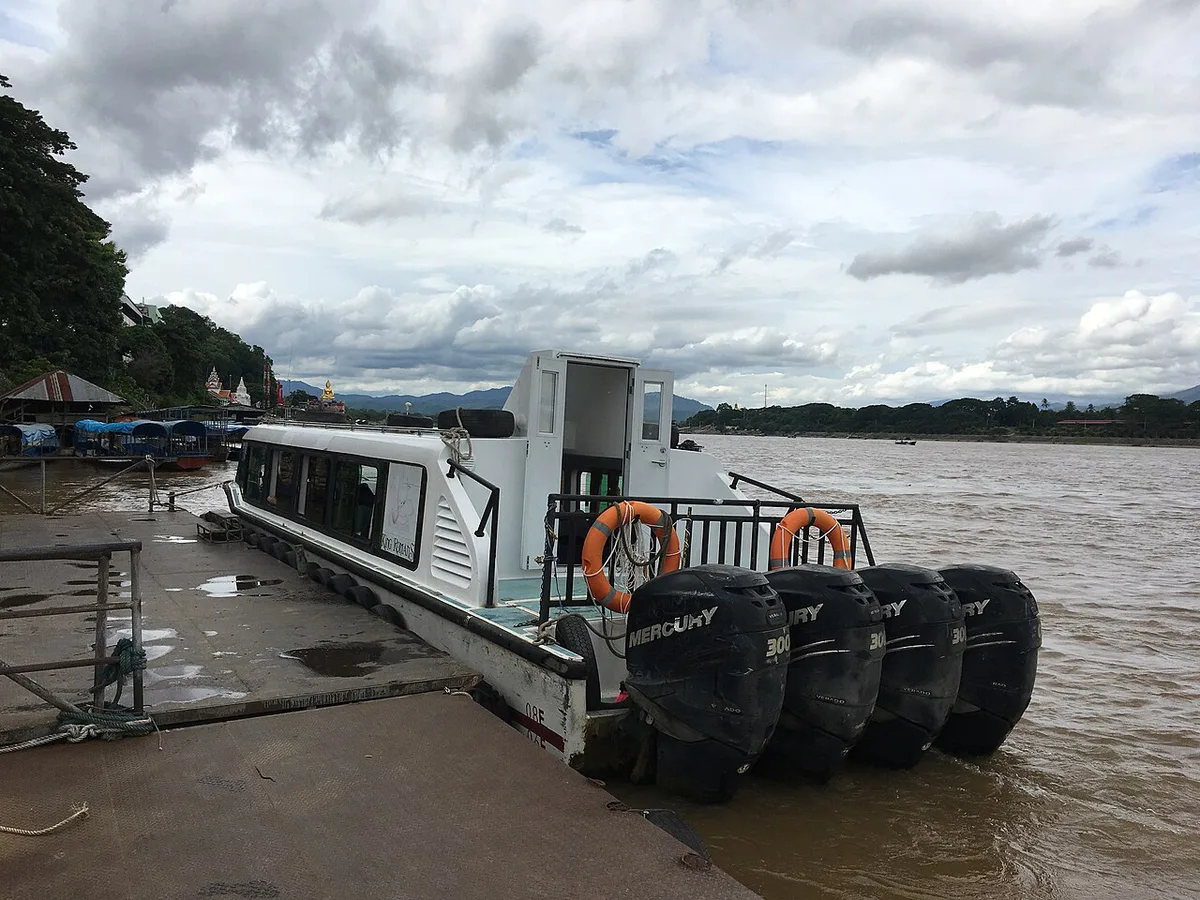
Northern Thailand has three seasons: cool from November to February, hot from March to May, and rainy from June to October. Exact start and end dates shift each year, so check forecasts from the Thai Meteorological Department before you book. Published monthly averages put rainy days at roughly 13 in June, 19 in July, 18 in August, 12 in September and 7 in October. Treat those counts as approximate, since sources differ. August is widely described as the wettest month for the north.
| Month | Rain character | Scenery | Best fit |
|---|---|---|---|
| June | Showers building, still frequent dry hours | Greening up | Temples, cafes, markets |
| July | Wet and humid, among the most rainy days | Lush | Museums, covered sights |
| August | Wettest month in most accounts | Very green, rivers high | Budget stays, indoor days |
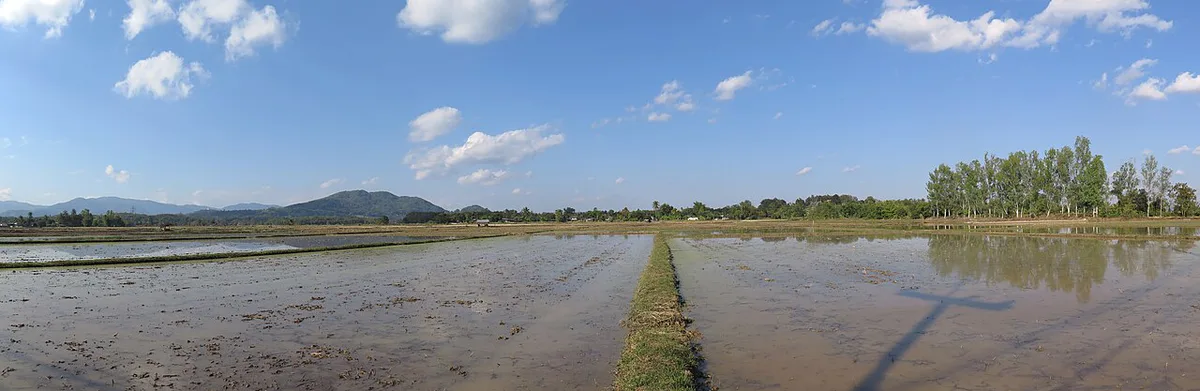
| September | Still wet, slightly fewer rainy days | Fullest waterfalls and rice fields | Nature-focused trips |
| October | Rain easing, humidity falling late in the month | Green and clearer | Day trips, best rainy-season balance |
What the Weather Is Actually Like

Daytime highs sit around 30°C (86°F) in July and August, with nights near 23°C (73°F). Cloud cover is heavy, and humidity is the main discomfort rather than heat. Showers tend to be short and heavy, often with sun in between, but all-day rain does happen on some days. Plan outdoor stops for the morning and keep afternoons flexible. Our Chiang Rai Weather: Best Months, Seasons & What to Pack page has the full climate picture.
Rainy Season vs Cool and Hot Seasons
The cool season brings daytime highs of roughly 25–30°C (77–86°F) and the most reliable sunshine. That is why prices and crowds peak then. Our Chiang Rai in December: Weather, Events & Trip Plan page shows that contrast. The hot season is the burning season, with smoke and highs reported near 38°C (100°F). Rainy months trade sun for greenery and lower prices.

| Season | Months | Typical conditions | Crowds and prices |
|---|---|---|---|
| Cool | Nov–Feb | Dry, sunny, about 25–30°C (77–86°F) | Highest |
| Hot | Mar–May | Smoke, up to about 38°C (100°F) | Lower |
| Rainy | Jun–Oct | About 30°C (86°F), humid, frequent showers | Lowest, often cheapest Aug–Sep |
Best Things to Do in the Rain
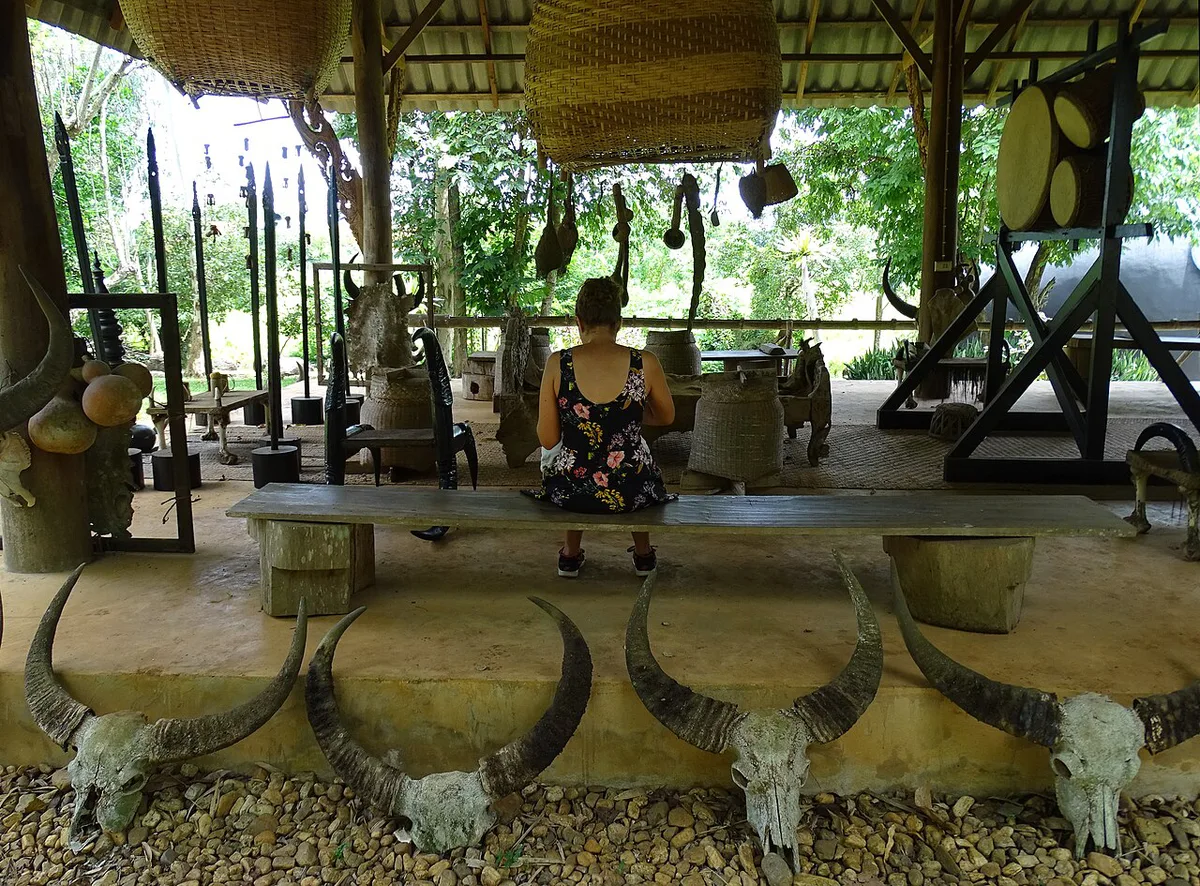
Sort each day by how well a sight handles weather. Rain-proof options include the Black House museum (฿80, 9 a.m.–5 p.m.), cafes, night markets and massage studios. Rain-tolerant options include the White Temple (฿200, 8 a.m.–5 p.m.) and Blue Temple (free, 7 a.m.–8 p.m.), where covered areas help. Verify fees and hours at each venue, since they change.
- Rain-proof: Black House, cafes, Chiang Rai Night Bazaar (daily, 6–11 p.m.), Saturday Night Market (3–11 p.m.)
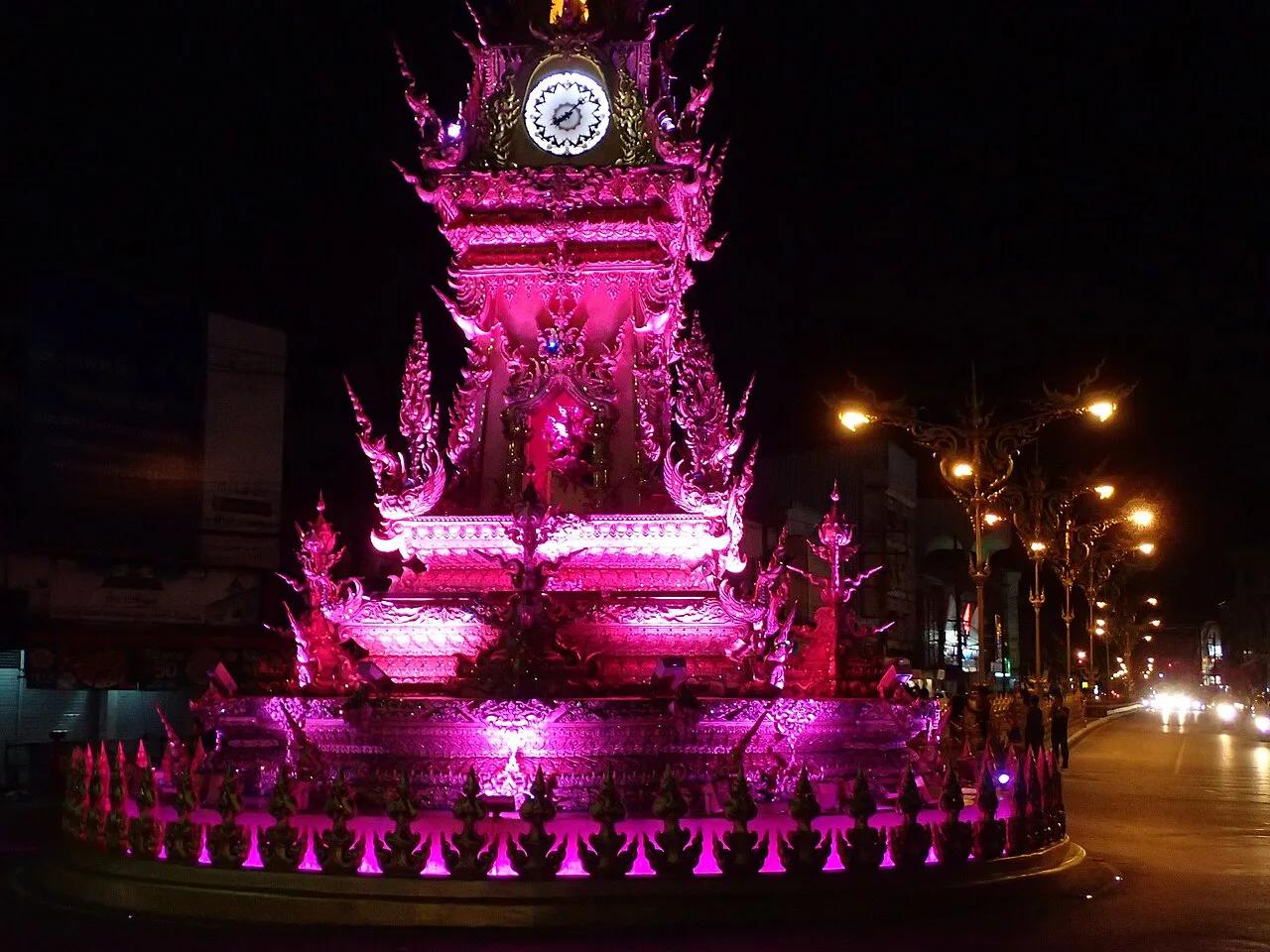
- Rain-tolerant: White Temple, Blue Temple, Clock Tower light shows at 7, 8 and 9 p.m.
- Rain-vulnerable: Big Buddha at Wat Huay Pla Kang (elevator ฿40), hilltop viewpoints, tea plantations
- Nature picks: Khun Korn and Huai Mae Sai waterfalls, about 40 minutes by car, fullest in the rains
Getting Around and Day Trips in the Rain
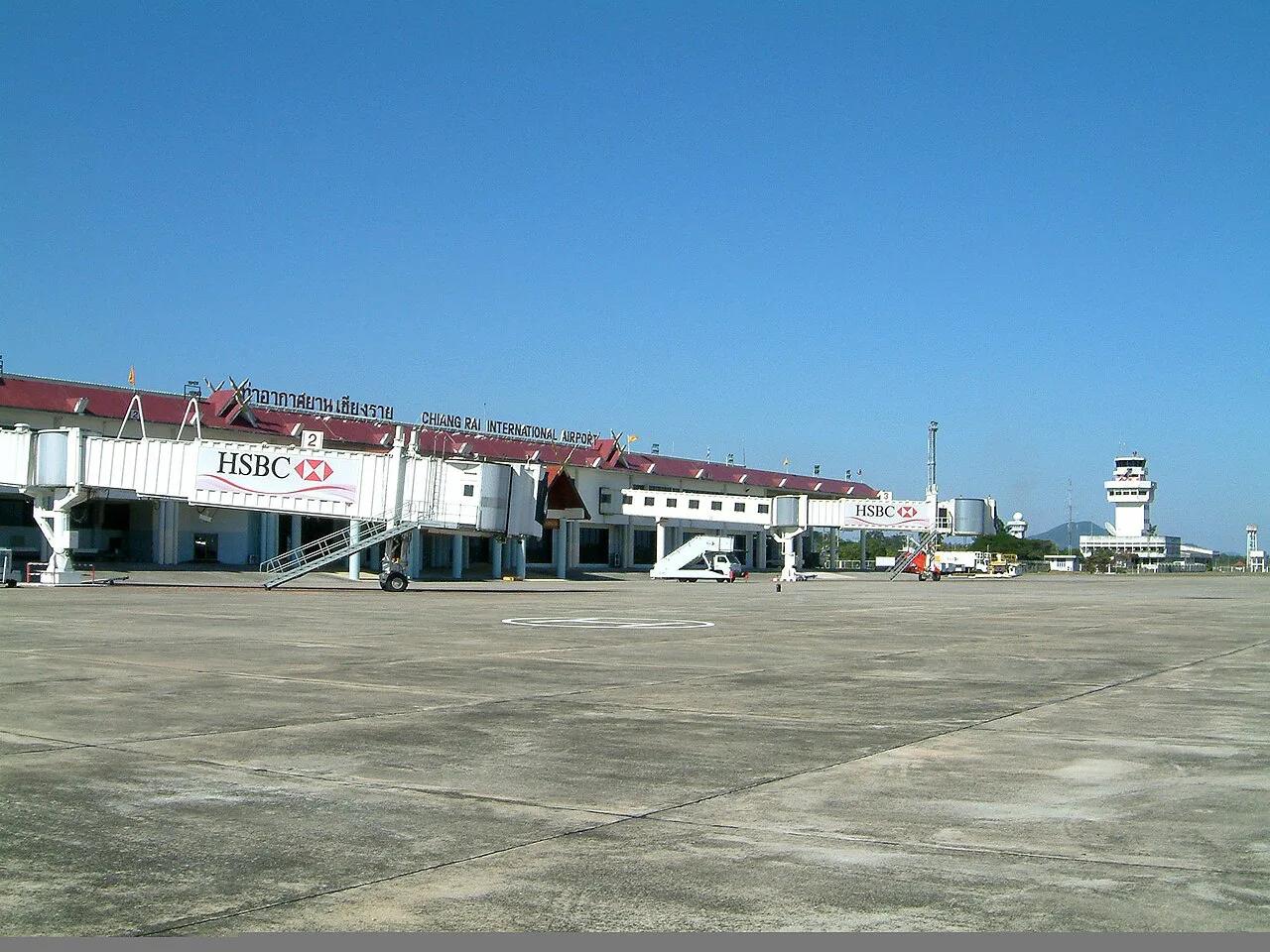
Grab from Mae Fah Luang Chiang Rai International Airport to the center takes about 25 minutes and costs around ฿200. Buses from Chiang Mai take about 4 hours. Most big sights sit outside the center, so taxis beat scooters on wet roads. Allow extra time for the Golden Triangle, about 1 to 1.5 hours away by car. Leave Phu Chi Fa for a dry spell, because its roads are steep and winding.
Costs and Where to Stay in the Rains
Entry fees stay the same all year: ฿200 for the White Temple and ฿80 for the Black House. The saving comes from rooms and tours, which are often cheapest in August and September. Treat that as a market pattern, not a fixed discount. Stay near the Clock Tower or Night Bazaar so evening markets are a short walk away. Choose flexible cancellation, because a washed-out forecast may change your plans.
Clock Tower light shows at 7, 8 and 9 p.m. give a rainy evening a fixed plan, and a room near the tower lets you walk there.
Packing and Mistakes to Avoid
Pack a light rain jacket, sandals with grip, a dry bag for phones and cameras, and insect repellent. Skip flip-flops on waterfall trails. Common mistakes are stacking outdoor sights into one day, relying on a single morning for a hilltop view, and skipping buffer time for road trips. Allow 2–3 days in Chiang Rai and keep one spare half-day for weather.
Khun Korn and Huai Mae Sai waterfalls are 40 minutes by car away, so a single rainy morning on the road can swallow a short trip.
Flexible 1-, 2- and 3-Day Rainy-Season Plans
For a 1-day visit, keep the city sights together. Start with Wat Rong Khun when it opens at 8 a.m., then switch to Baan Dam if rain builds. The Black House is open from 9 a.m. to 5 p.m. Finish near the Clock Tower or Night Bazaar, which runs daily from 6 p.m. to 11 p.m.
With 2 days, reserve one morning for an outdoor temple or waterfall. Khun Korn and Huai Mae Sai waterfalls are about 40 minutes by car, but paths can become slippery. Keep the other day for the White Temple, Blue Temple, cafes and markets. Do not make a waterfall your only plan for the day.
With 3 days, add the Golden Triangle or Phu Chi Fa only when the forecast gives you a suitable window. The Golden Triangle is about 1 to 1.5 hours away by car. Use the final half-day as a weather buffer, rather than booking every outdoor stop in a fixed order.
Frequently Asked Questions
How much time do you need in Chiang Rai?
Plan 2–3 days in general. In the rainy season, keep one half-day spare for rain-outs or slow roads.
What is the weather like in Chiang Rai, Thailand?
June to October is humid and cloudy, with daytime highs around 30°C (86°F). November to February is drier and sunnier, and March to May brings heat and smoke.
Useful notes for your Thailand trip
Optional updates to our guides.
You might also like

Continue reading
More guides you'll find useful