Chiang Rai Weather: Best Months, Seasons & What to Pack
Chiang Rai weather by season: hot, rainy and cool months, haze risk, mountain temperatures and what to pack, so you can pick the right time to visit.
On this page
Last updated November 2026. Chiang Rai weather follows three seasons: hot, rainy and cool. The cool months bring the most comfortable days, the rainy months bring green scenery, and the dry months before the rains can bring haze. For live conditions, check the Thai Meteorological Department, then use this guide for the planning layer, along with our full timing guide.
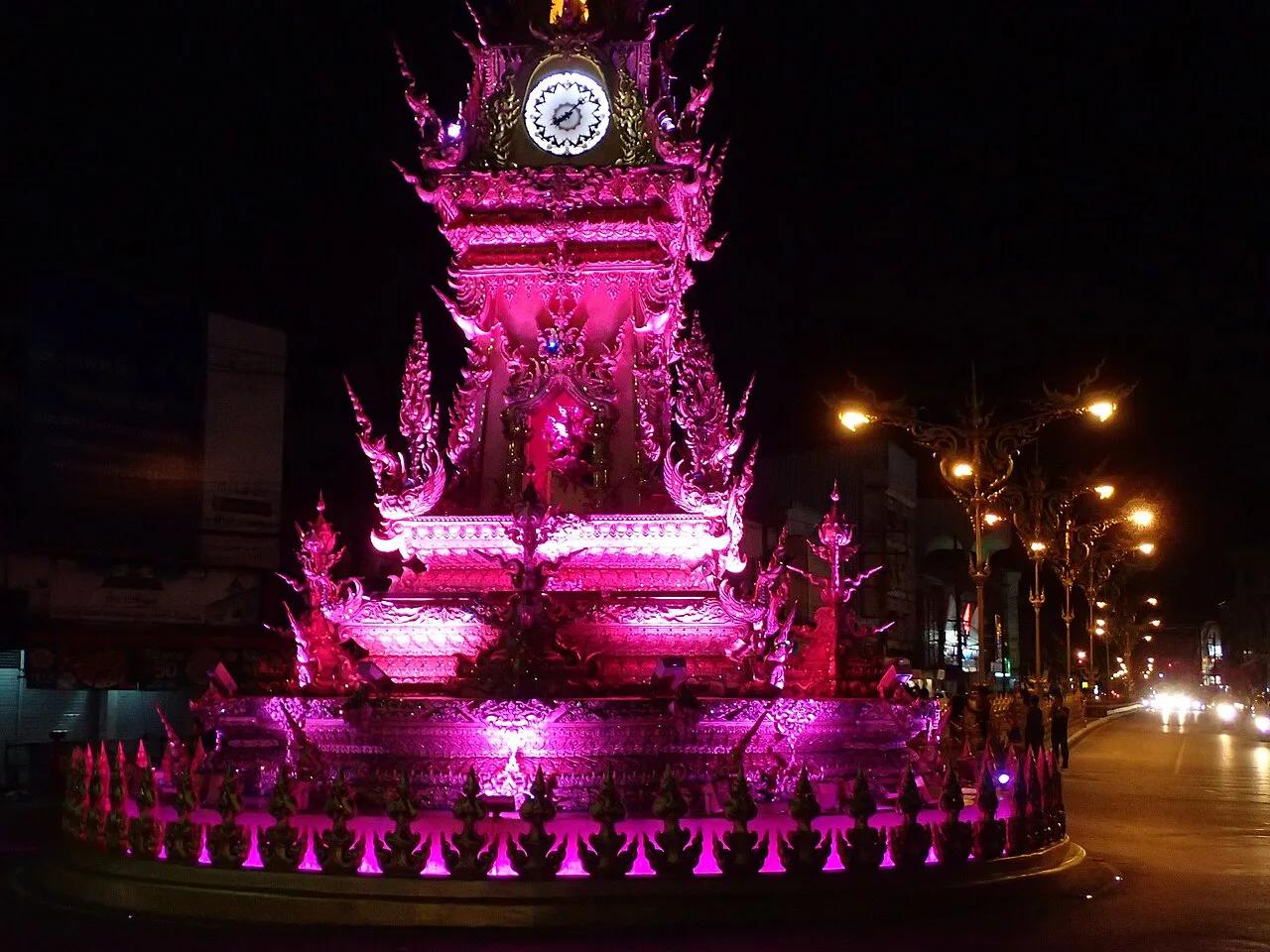
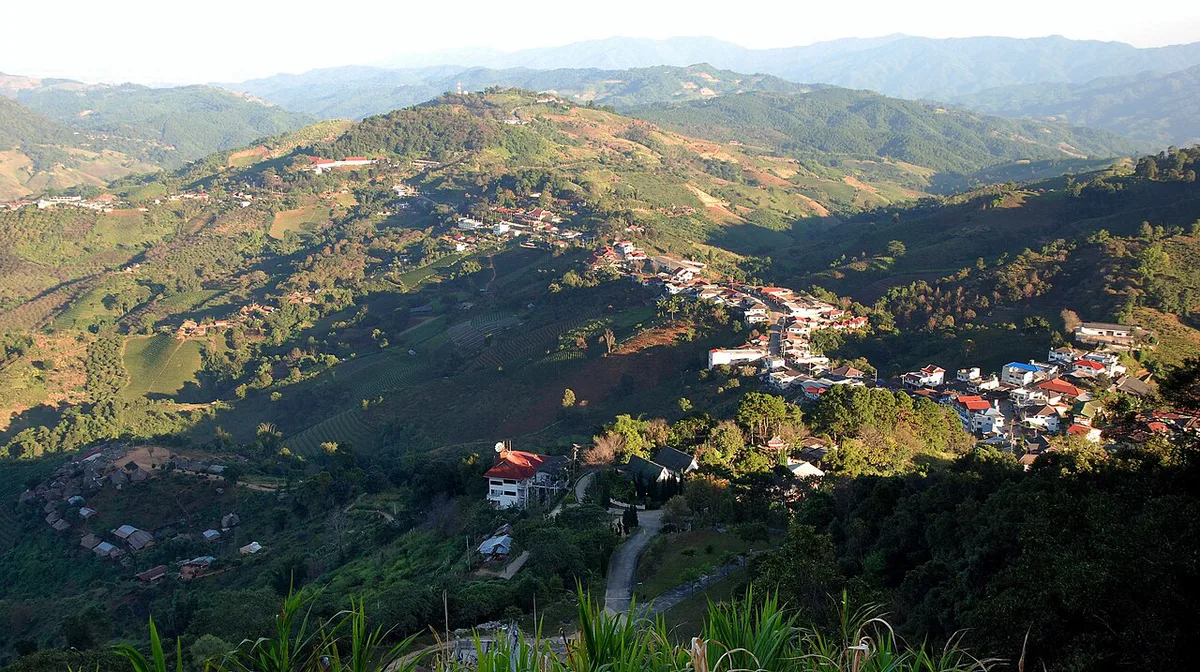
Featured image: Takeaway, CC BY-SA 4.0, via Wikimedia Commons.
Chiang Rai Weather by Season
Northern Thailand is usually described in three seasons. Confirm exact boundaries and averages with the Thai Meteorological Department, because they shift from year to year. The temperatures below are broad planning figures, not forecasts.
- Hot season (roughly March to May): afternoons often climb above 35°C (95°F). Start sightseeing early and plan indoor breaks at midday.
- Rainy season (roughly June to October): daytime highs sit nearer 32°C (90°F), with humid air and showers that are often short and heavy. Our rainy season guide covers what that means day to day.
- Cool season (roughly November to February): dry, clearer skies and comfortable afternoons. Mornings are noticeably fresher, and demand is highest. Details for one popular month are in Chiang Rai in December: Weather, Events & Trip Plan.
Month-by-Month Snapshot
Labels here are qualitative on purpose. Rain and haze vary by year, so treat the table as a starting point. Rates also move with demand. As an illustration only, a mid-range room priced near ฿1,200 a night in the cool season might fall toward ฿800 in the rainy season. Check live rates for your dates.
AQI values below 50 count as good, so check the reading on any Mar-Apr day, when haze risk peaks.
| Months | General feel | Rain level | Haze risk | Crowds and prices |
|---|---|---|---|---|
| Nov-Feb | Fresh mornings, mild days | Low | Low to moderate | Higher |
| Mar-Apr | Hot and dry | Low | Highest | Mid |
| May | Hot, humid, first storms | Rising | Moderate | Mid to lower |
| Jun-Oct | Warm, green, humid | High | Low | Lower |

Air Quality and Haze in Chiang Rai
Northern Thailand has a seasonal smoke and haze pattern in the dry, hot months before the rains, roughly February to April. Verify the current pattern with Thailand's Pollution Control Department. Check the AQI and PM2.5 reading on the morning you plan a trek or viewpoint visit. AQI values below 50 count as good, and readings above 100 are unhealthy for sensitive groups. If readings are poor, swap viewpoints for museums, cafés or temples, and consider a mask. Sensitive travelers should check the forecast before booking nonrefundable stays in those months.

Hills, Altitude and Cool Mornings
Chiang Rai city sits at about 404 m (1,325 ft). In the cool season, early mornings in town can feel brisk, and highland trips run colder. Doi Mae Salong and Doi Tung are higher, so dawn there can fall to around 10°C (50°F) in the coolest weeks. The Mae Fah Luang Foundation provides information on Doi Tung. Check current visiting details before you go. A fleece at sunrise is a sensible choice, even if you shed it by 10 a.m.
What to Pack by Season
Layers matter more than bulk. Use the list below to match your bag to your dates.
- Cool season: a light fleece or jacket, long trousers for hill mornings, and a scarf.
- Hot season: breathable cotton, a hat, sunscreen, a refillable bottle and a mask for haze days.
- Rainy season: a compact rain jacket, quick-dry clothes and shoes with grip for wet steps.
- All year: sunglasses and a small daypack with a dry bag for your phone.
Planning Around the Weather
In hot months, do outdoor sights such as the White Temple early, then retreat indoors by midday. In the rainy season, keep a flexible afternoon, because showers can make trail and waterfall paths slick and roads slower. Choose refundable bookings when the forecast is uncertain. For flowers and event timing in the cool months, see the flower festival page and confirm dates locally.
Mid-range rooms priced near ฿1,200 a night in the cool season might fall toward ฿800 in the rainy season, so refundable bookings suit uncertain forecasts.
If You Want X, Go in Y
Match your priority to the season, and note what to watch for.
| If you want | Go in | Watch out for |
|---|---|---|
| Comfortable days and cool mornings | Nov-Feb | Higher demand and prices |
| Greener scenery and lower rates | Jun-Oct | Heavy showers, slick trails |
| Clearest air | Rainy season and cool season | Check AQI in the dry months |
| Quiet temples | Jun-Oct | Plan around afternoon rain |

Common Mistakes
Assuming the whole year is hot leaves you underdressed on hill mornings. Booking dry-season trekking without checking haze is another common slip. Packing no rain layer for June to October also costs you. Skipping an AQI check before a viewpoint day can waste the trip.
Humidity, Dew Point and the “Feels Like” Forecast
Temperature alone does not describe how a Chiang Rai day will feel. During the rainy season, daytime highs often sit near 32°C (90°F), but high humidity can make temple walks and market visits feel more tiring. Dew point is useful because it indicates how much moisture is in the air. A higher dew point usually means sweat evaporates more slowly.
In the hot season, afternoons can exceed 35°C (95°F), so use the heat index or “feels like” reading alongside the temperature. Plan exposed sights early, carry water, and leave a shaded or indoor stop for midday. In rainy months, choose quick-dry clothing even when the forecast shows only a short shower. Humidity can leave clothes damp after rain has stopped.
Check the live forecast each morning before committing to a long ride, trek, or viewpoint. A warm temperature with a high humidity reading calls for a slower itinerary and extra water breaks.
Frequently Asked Questions
What is the weather like in Thailand?
Most of Thailand has hot, rainy and cool seasons, though timing differs by region. In Chiang Rai the cool season is the most comfortable, and the rains arrive roughly mid-year.
What season is it in Thailand right now?
November is generally the start of the cool season in the north, so expect drier and fresher conditions. Check the Thai Meteorological Department for the current outlook.
Useful notes for your Thailand trip
Optional updates to our guides.
You might also like



Continue reading
More guides you'll find useful