Damnoen Saduak Floating Market: Is It Worth the Trip from Bangkok?
Planning Damnoen Saduak Floating Market from Bangkok? Compare getting there, boat vs. walking, timing, costs and when to choose Amphawa instead.
On this page
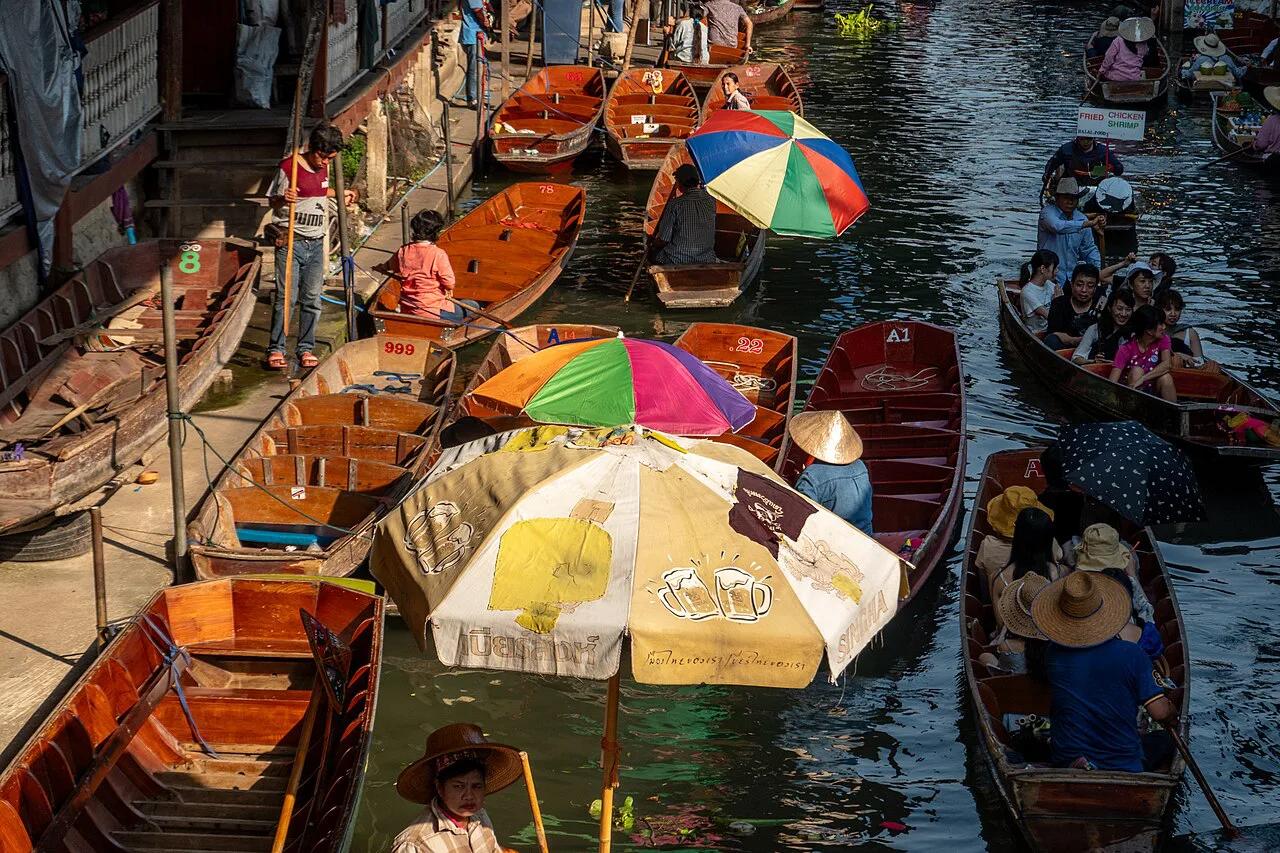
Last updated November 2026: Damnoen Saduak Floating Market sits in Ratchaburi province, about an hour southwest of Bangkok in light traffic. Expect boat-lined canals, fruit sellers paddling past, and an atmosphere aimed squarely at visitors. This guide covers routes, timing, costs, the boat decision, and when Amphawa is the better pick.
Featured image: No(0)GoodNamesLeft, CC BY-SA 4.0, via Wikimedia Commons.
Is Damnoen Saduak Floating Market Worth the Trip?
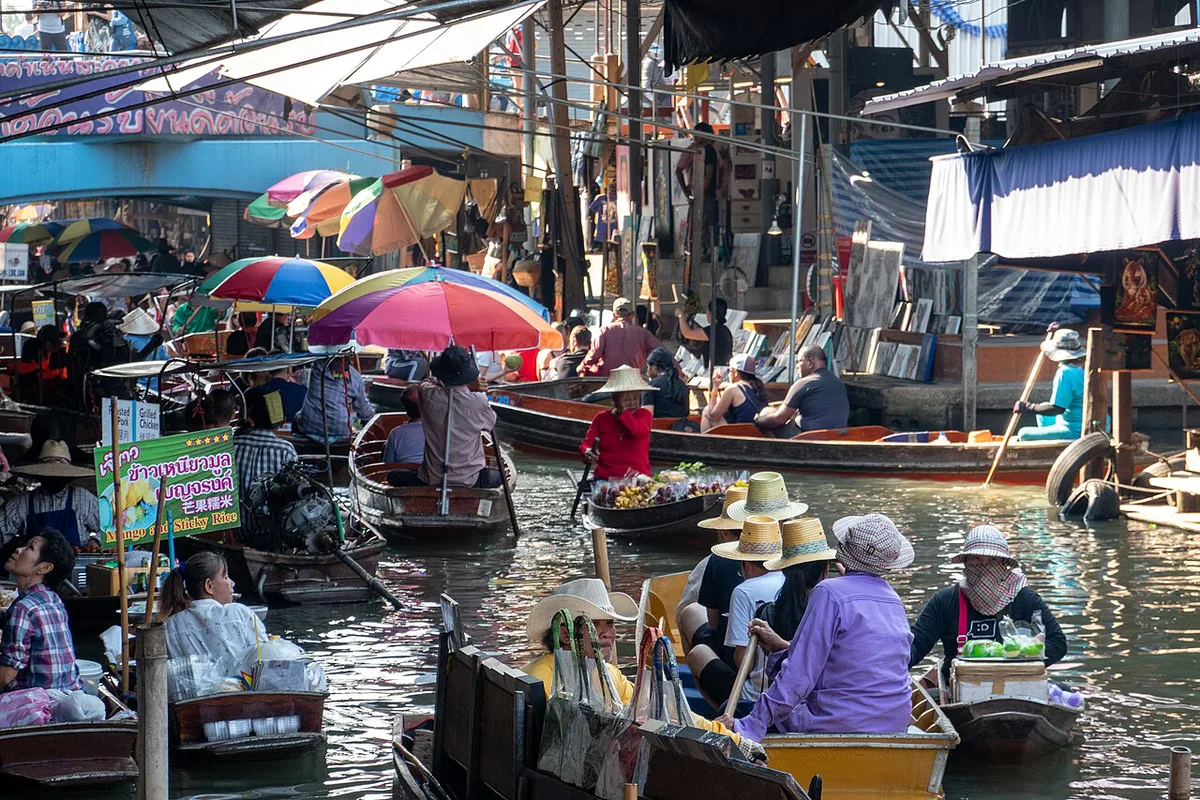
Yes, if you want an easy canal scene with boats of fruit and vegetables, and you accept that it is built mainly for visitors. Longtail boats also run along the smaller canals that branch off the main waterway. Locals use it far less than tourists do, so treat it as a sightseeing stop rather than a neighborhood market. Plan it alongside the wider list of Bangkok excursions and choose by mood, not by fame.
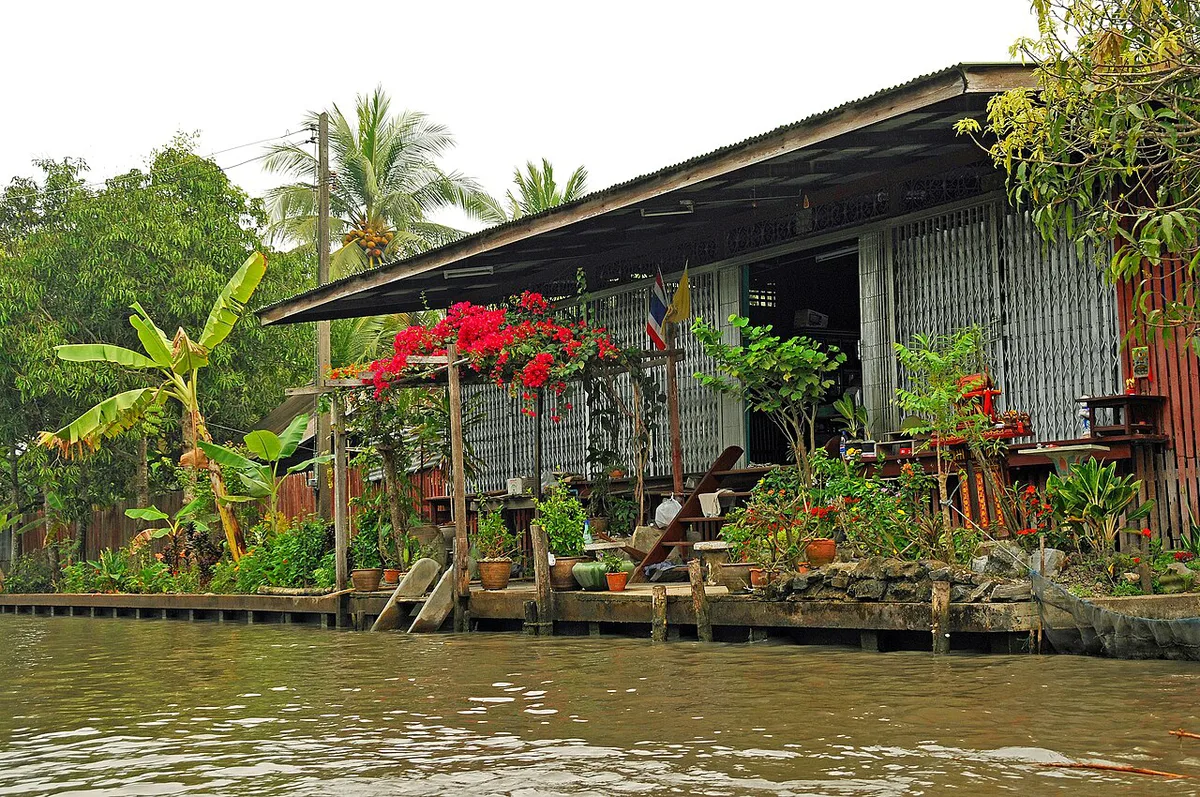
- Suits: first-time visitors, families with young children, and photographers who want boats and canals in one frame.
- Best arrival window: early in the morning, before tour groups arrive.
- Main trade-off: touristy, but simple to reach and simple to enjoy.
- Alternative: choose Amphawa if you want a more local, evening-leaning atmosphere.
How to Get There from Bangkok
Damnoen Saduak is in Ratchaburi province, about an hour southwest of Bangkok. Traffic can stretch that, so leave slack for the return leg. Three routes work: a private car or taxi, an organized tour, or a public minibus or bus. Confirm pick-up points and fares with the operator before you commit.
| Option | Suits | Flexibility | Main risk |
|---|---|---|---|
| Private car or taxi | Families and small groups | High: you set the departure time | Cost shared among fewer people; agree the return in advance |
| Organized tour | Travelers who want a simple booking | Low: fixed stops and timings | Often combined with other stops, which can push you to a late, crowded arrival |
| Public minibus or bus | Budget-minded, flexible travelers | Medium: depends on local schedules | Transfers and a tight return window; confirm the last departure |
Best Time to Visit and How Long to Stay
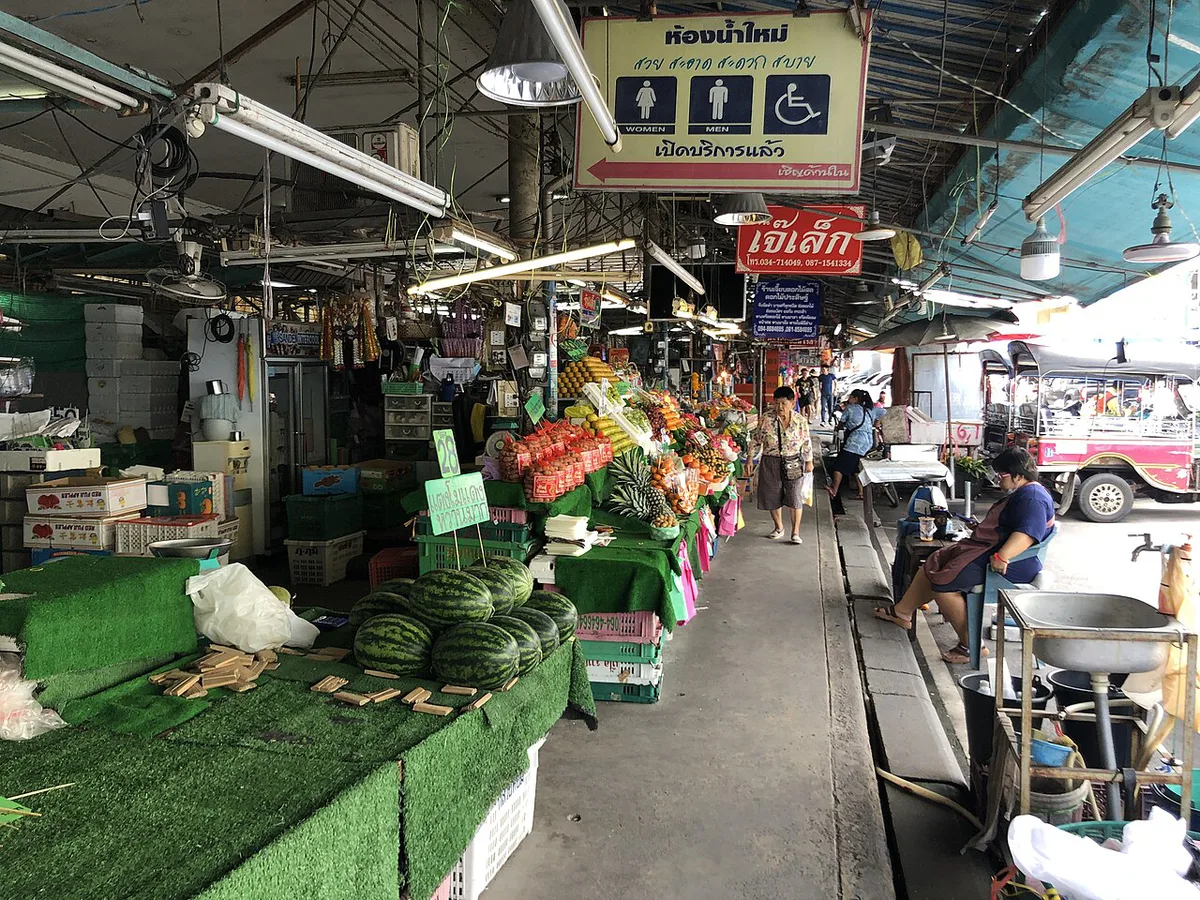
Listings give daily hours of 7:00am to 1:00pm, so this is a morning market. Confirm the hours with a current local source before you travel. Arriving early lets you see the canals before tour groups gather. Mid-morning is likely busier, though crowd levels vary by day. Bring a hat and water, because midday heat on open canals is strong. Wet planks turn slippery after rain, so wear shoes with grip. A rainy morning can mean fewer boats and a muddier walk.
- Indicative half-day plan: leave Bangkok early so you arrive near opening.
- Walk the plank paths first, while the canals are calm.
- Take a boat ride once you have agreed the price and route.
- Eat and shop last, then start back before the heat peaks.
- Allow about half a day in total, including the return drive.
Costs and What You Actually Pay For
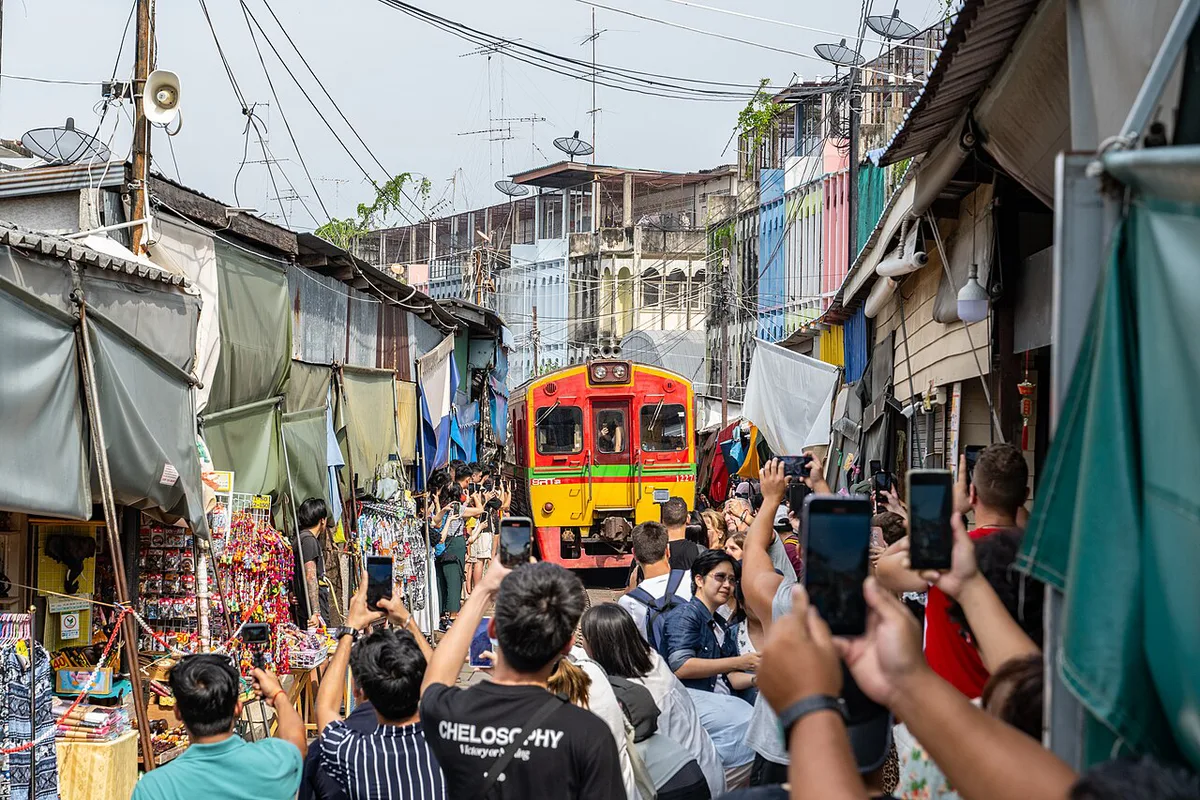
Listings show market entry as free. Confirm that on arrival, because separate costs add up. Boat rides, parking, food, fruit and souvenirs are paid on the spot, and no reliable current baht figure is published for them. Ask your tour operator or boatman for the exact amount before you start. Confirm what each price includes, such as the route and the number of passengers. Politely compare a quote with a second vendor if it feels high. Carry small bills, since cash is the usual way to pay on the water.
| Cost item | Relative level | What to confirm |
|---|---|---|
| Market entry | Listed as free | Check on arrival |
| Boat ride | Moderate, the biggest single extra | Price, route and passenger count |
| Parking (self-drive) | Low | Rate and payment method |
| Food and fruit | Low to moderate per item | Price per portion before ordering |
| Organized tour | Higher up front, bundles transport | What is included and the return time |
Boat Ride or Walking the Plank Paths?
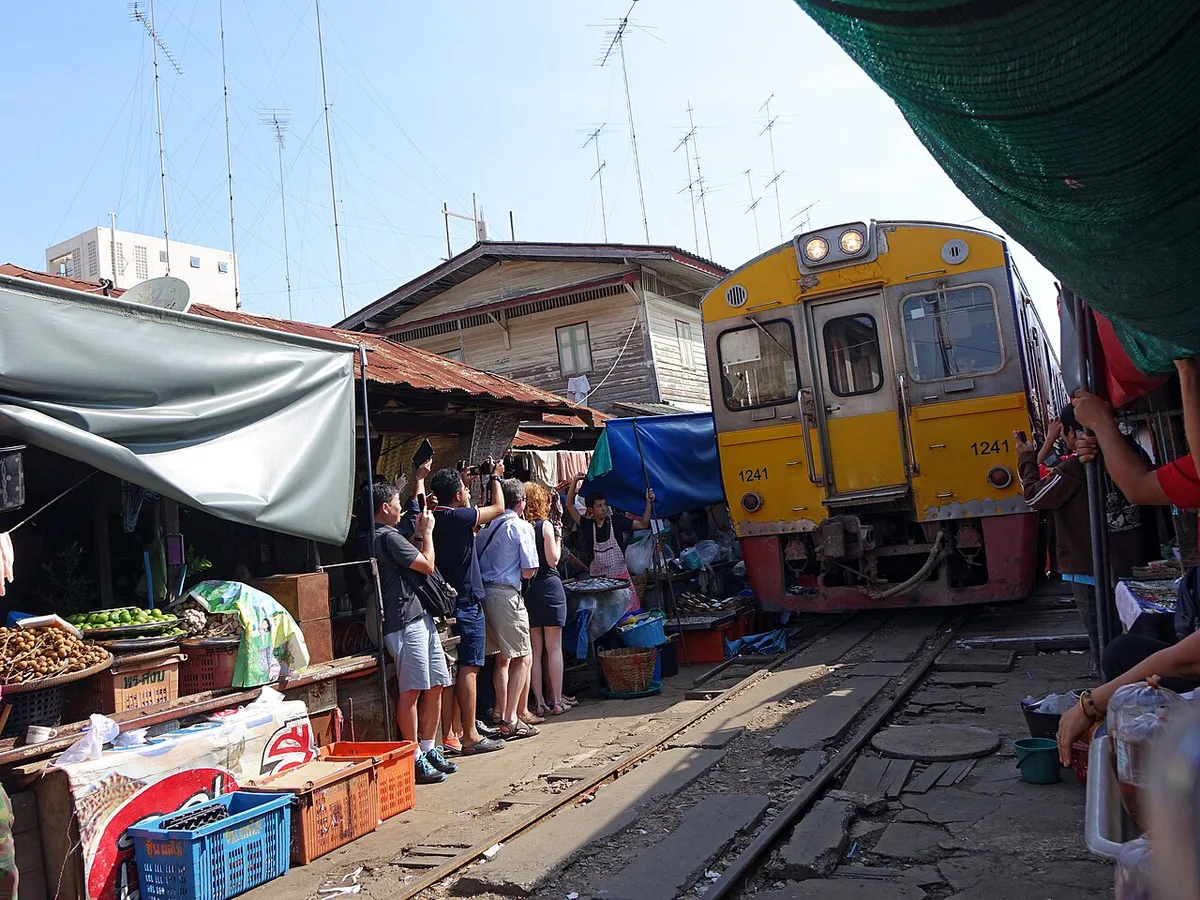
Walking is free, flexible and good for photography from the banks. A boat ride puts you among the fruit boats and takes you down the narrower side canals. A longtail is faster and covers more distance, while a paddled boat is slower and quieter. Families with small children should check the life-jacket situation before boarding. Anyone with limited mobility may prefer the paths, as stepping into a boat can be awkward. Whichever you choose, agree the price, the route and the duration before you step aboard.
What to Eat, Buy, and Skip
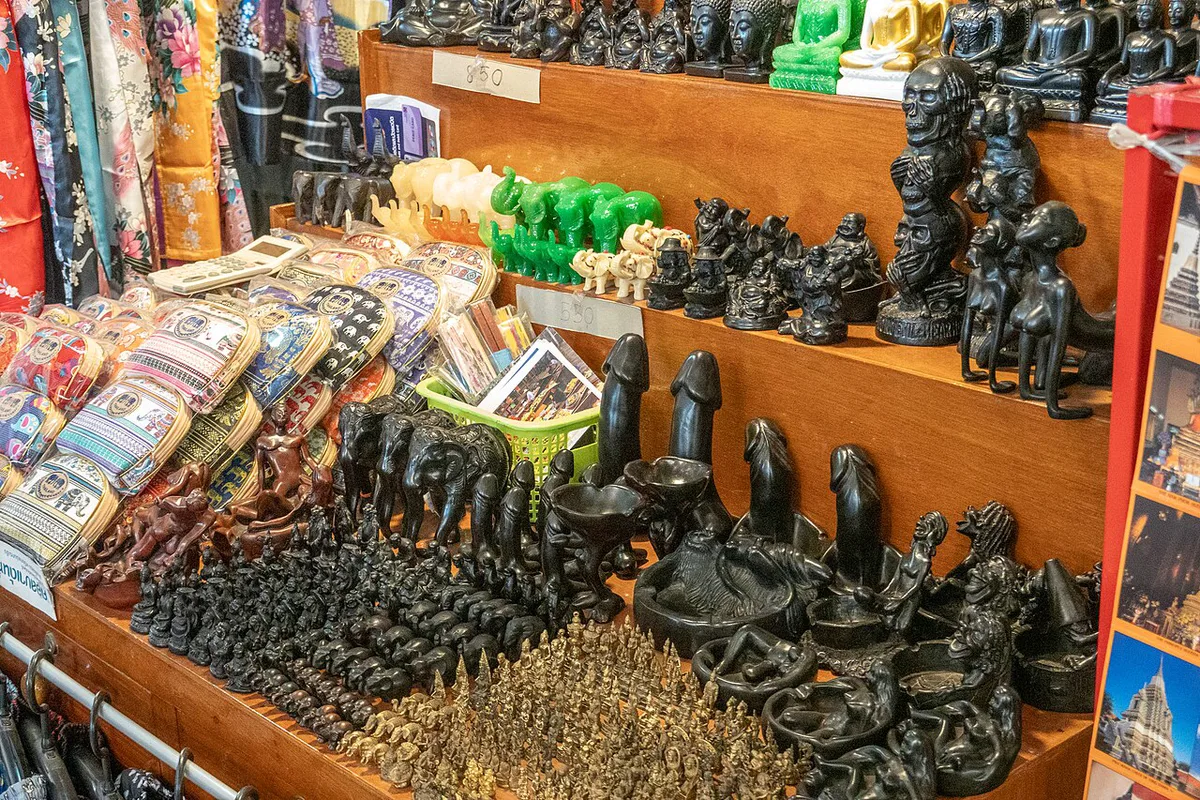
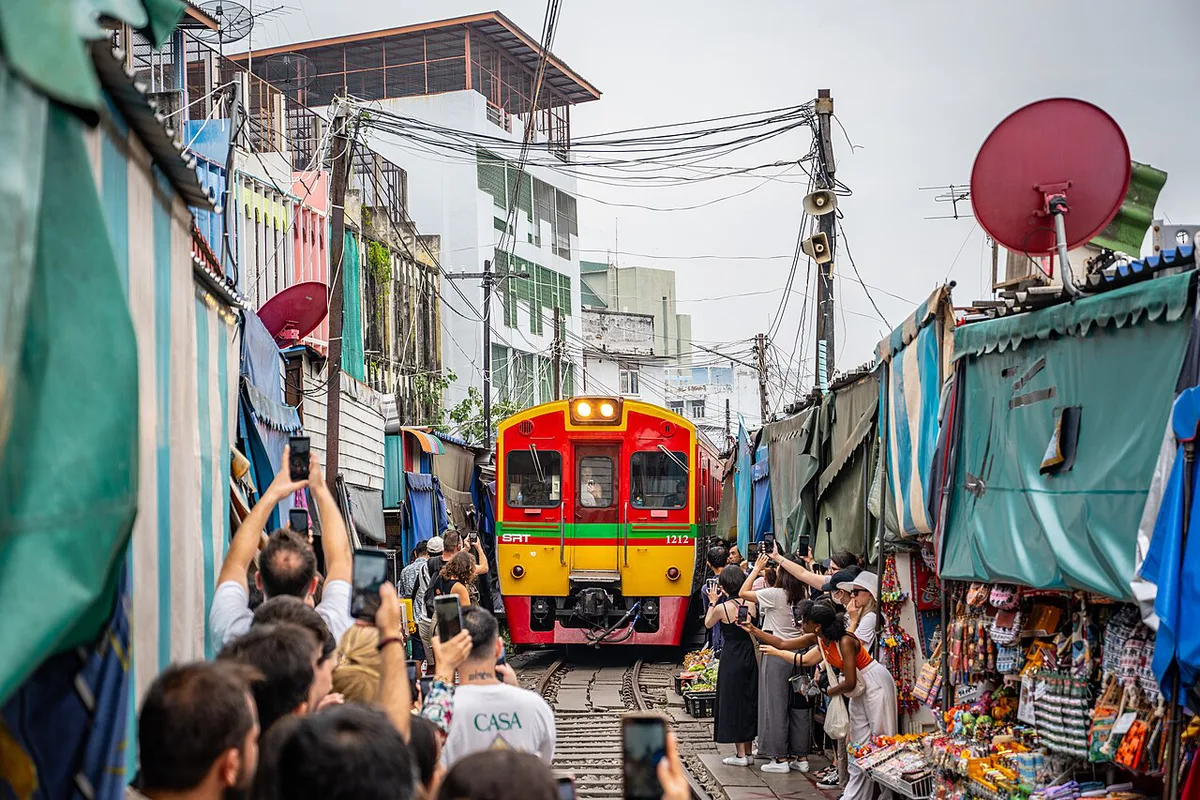
Look for noodles cooked on boats, fresh fruit, and coconut sweets, which are general market staples here. Prices and quality vary from stall to stall. Watch the pricing on fruit that is sold by weight. Souvenirs aimed at tourists, such as elephant trinkets and generic clothing, are widely sold and rarely distinctive. Skip anything unlabeled or unpriced, and buy a few items rather than a whole bag from the first seller.
Damnoen Saduak vs. Amphawa and Other Day Trips
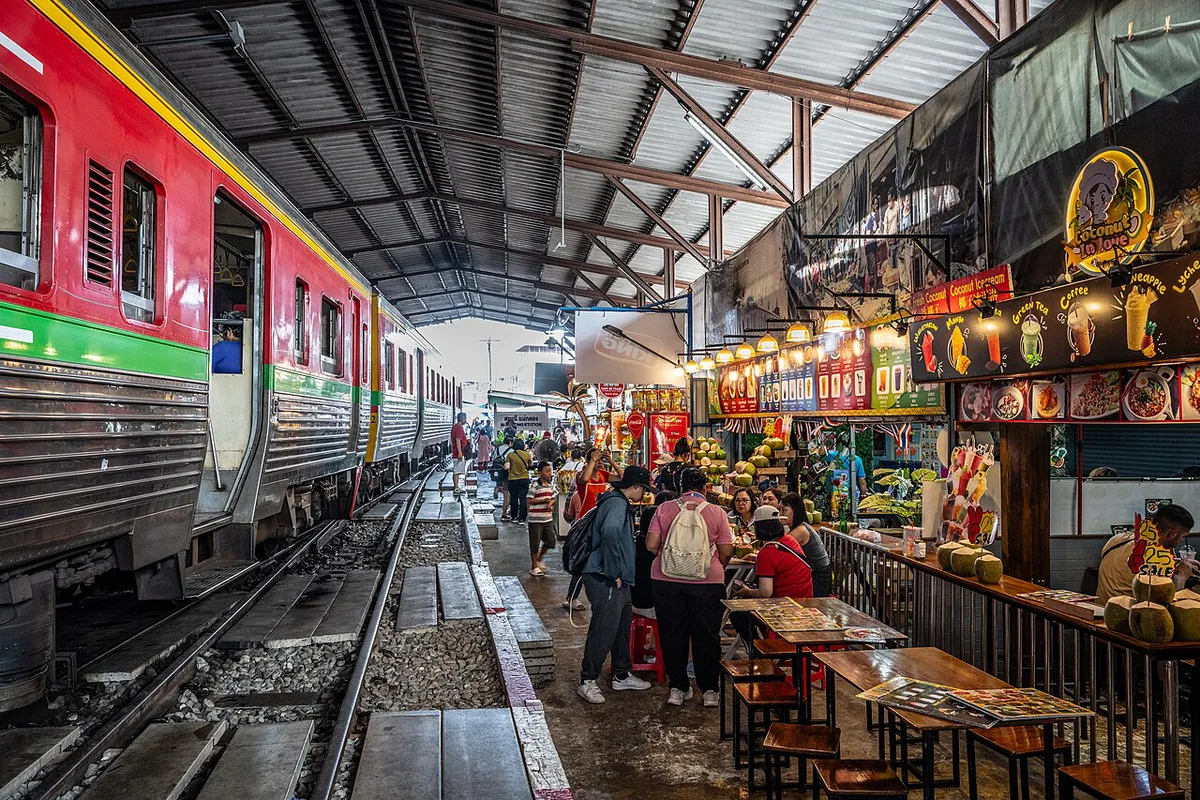
Pick Damnoen Saduak for a morning, boat-focused visit and easy photos. Pick Amphawa if you want a more local atmosphere. Our guide to Amphawa Floating Market: Hours, Transport & Tips explains the differences in detail. Amphawa is known for weekend and evening activity, but confirm the days and hours before you go.
| Factor | Damnoen Saduak | Amphawa |
|---|---|---|
| Atmosphere | Tourist-oriented, boat-heavy | More local-feeling, per general reputation |
| Hours | Listed 7:00am to 1:00pm daily; verify | Known for weekends and evenings; verify |
| Crowds | Tour groups later in the morning | Varies by day and time |
| Best for | Morning photos, families | Evening atmosphere, food |
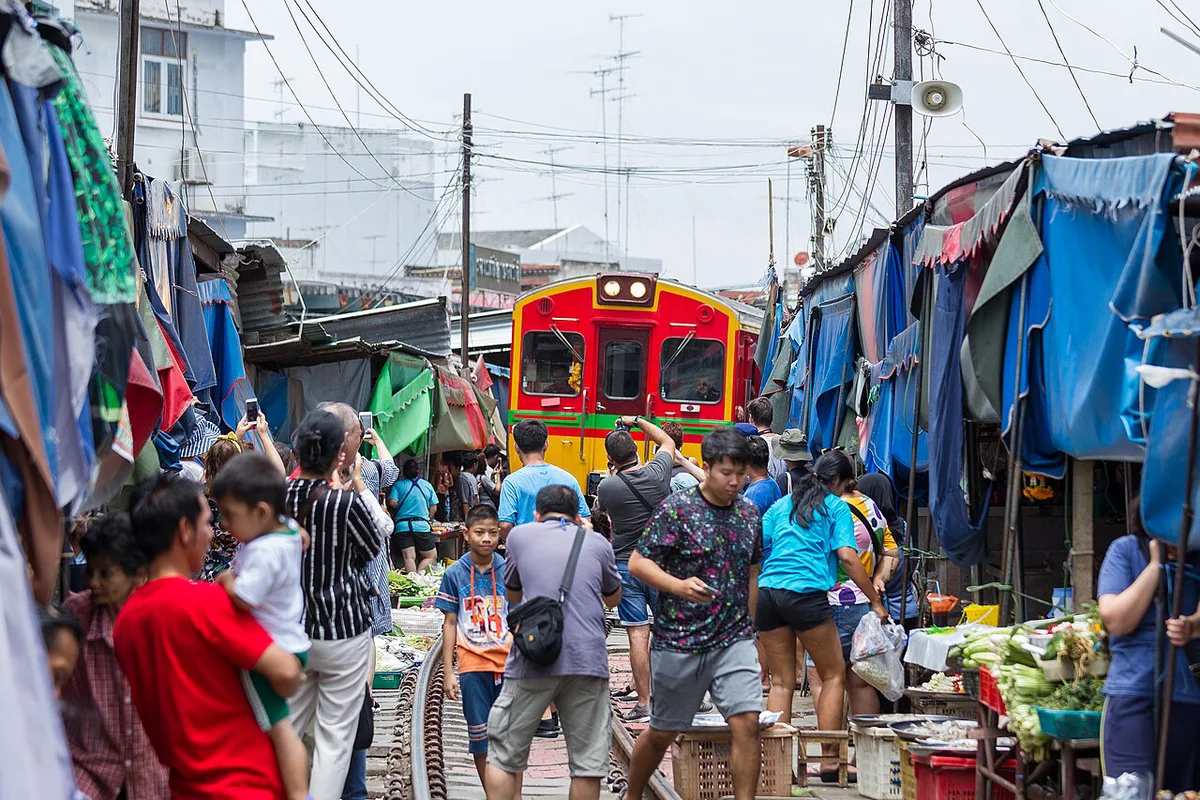
- Kanchanaburi is a longer trip with a different theme, so it is not a natural pairing. See Bangkok to Kanchanaburi: Train, Van, Bus & Day Trip Guide for that route.
- Check train options on the State Railway of Thailand site if you plan any rail leg.
- For a closer, lower-effort green escape, try Bang Krachao Guide: Bangkok's Green Lung by Bike.
Mistakes to Avoid
Most problems come from timing and unclear prices. Avoid these slips:
Treat 7:00am to 1:00pm as the whole visit window, and build the return drive around it, since traffic can stretch the hour-long drive.
- Arriving late, after the market winds down toward 1:00pm.
- Boarding a boat without agreeing the price and route.
- Expecting a local-only market.
- Skipping sun protection, a hat and water.
- Relying on cash only without carrying small bills; verify payment options.
- Not planning the return trip, especially on public transport.
Frequently Asked Questions
What is a floating market?
A floating market is a market where vendors sell fruit, vegetables and cooked food from boats on a canal. Damnoen Saduak is one example near Bangkok. Buyers shop from the banks or from their own boats.
What is the best time to go to the floating market?
Go early in the morning. Listings give 7:00am to 1:00pm as the daily hours, so arriving near opening helps you beat tour groups and the heat. Confirm current hours before you travel.
Useful notes for your Thailand trip
Optional updates to our guides.
You might also like
Continue reading
More guides you'll find useful