6 Bangkok Neighborhoods: Where to Stay and Explore by Traveler Type
Choose the right Bangkok neighborhood: compare Chinatown, Rattanakosin, Khao San, Ari, Thonglor and Talat Noi by vibe, transit access and trade-offs.
On this page
Last updated November 2026: this guide to Bangkok neighborhoods helps you pick a base in under a minute. Choose Thonglor or Ari for rail access and food, Rattanakosin for temples, and Khao San Road for budget energy. Chinatown and Talat Noi suit street food and riverside walks, and you can compare all six in the table below.
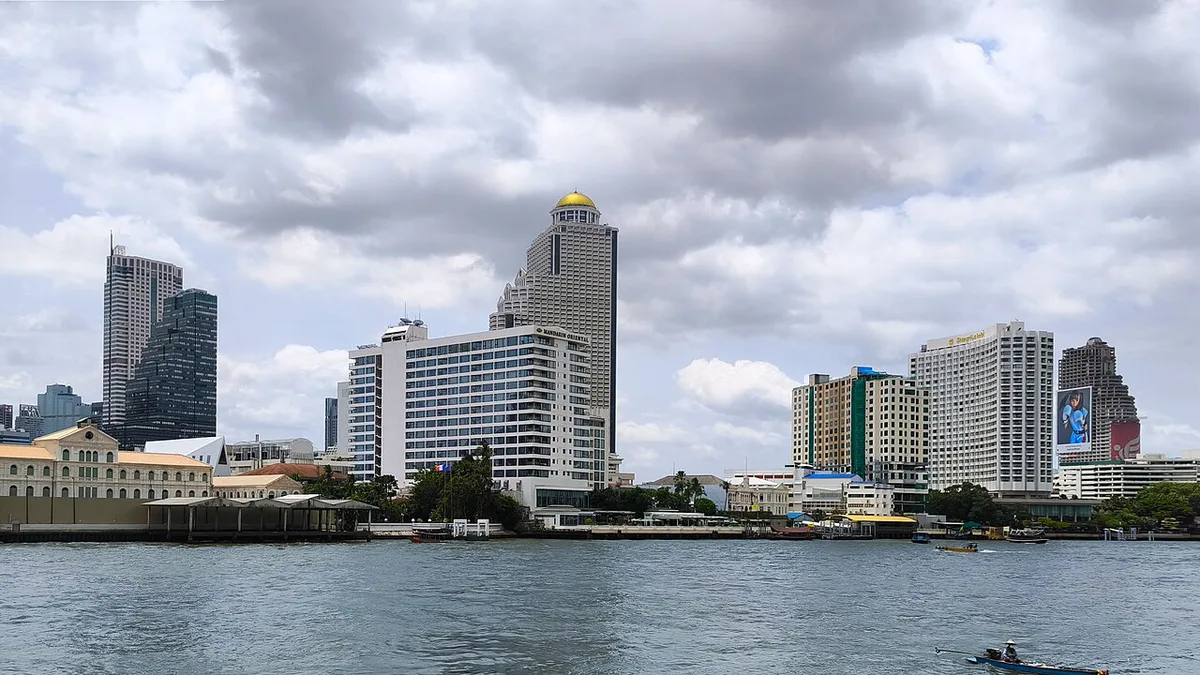
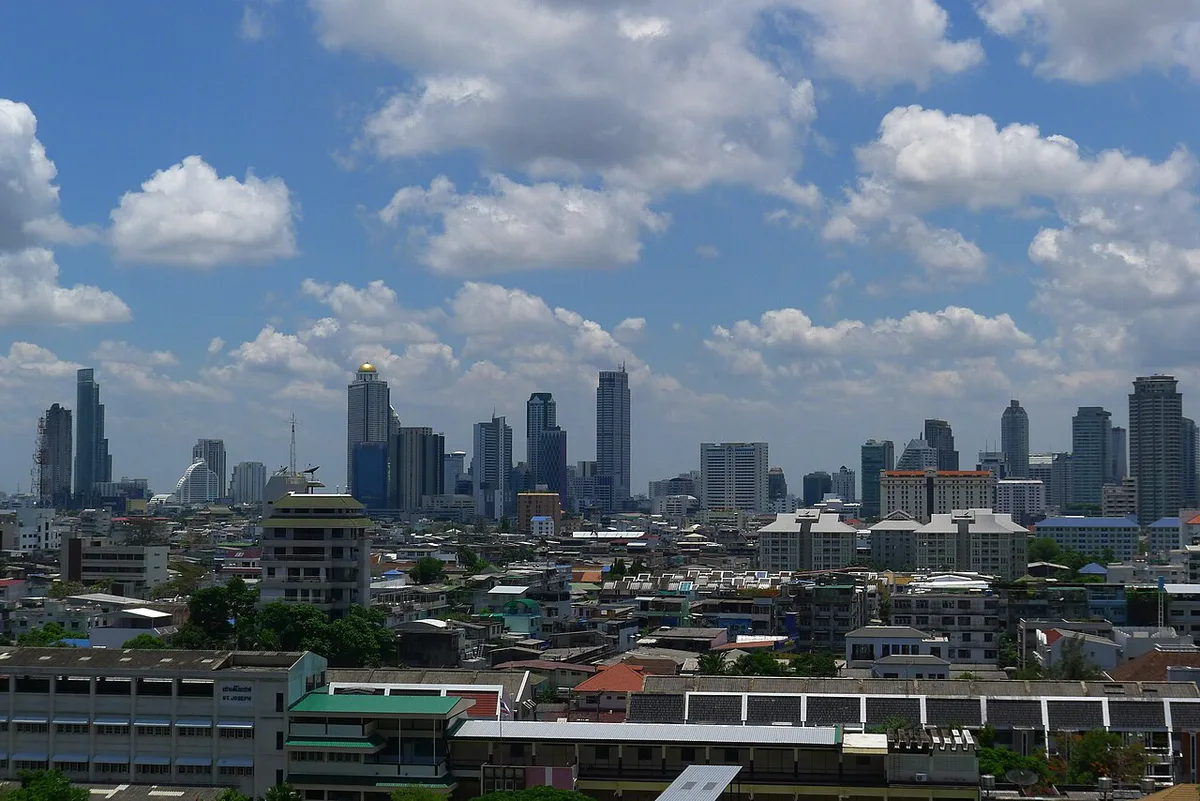
Featured image: Slyronit, CC BY-SA 4.0, via Wikimedia Commons.
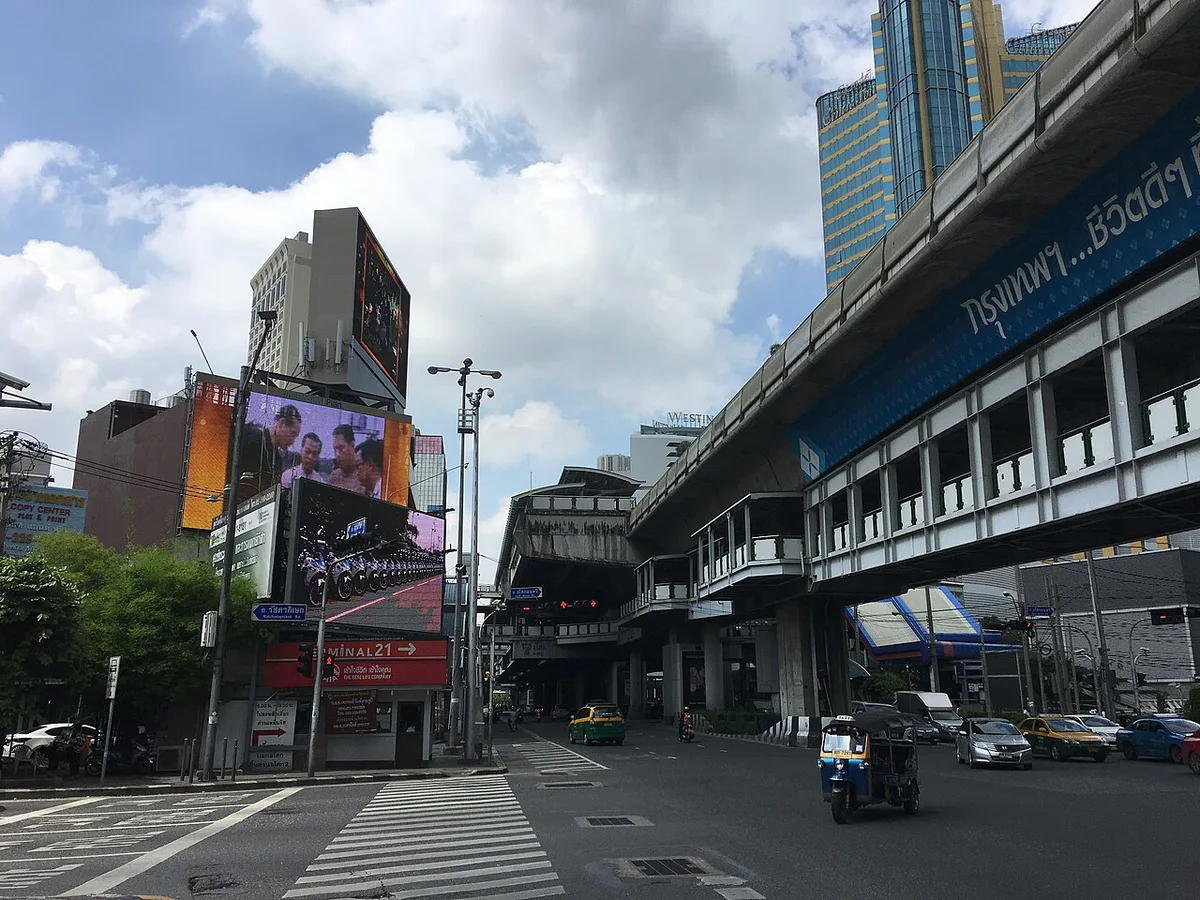
6 Bangkok Neighborhoods to Base Yourself or Explore
Bangkok works best when you treat it as a set of separate districts rather than one city. Each area below gets the same four notes: who it suits, what you do there, how you get in, and one drawback. Sukhumvit's Phrom Phong, around Sukhumvit Soi 33, is a well-known expat zone with malls. Silom and Siam are also worth a look. None of the three has its own guide here yet, so check a current map before booking there.
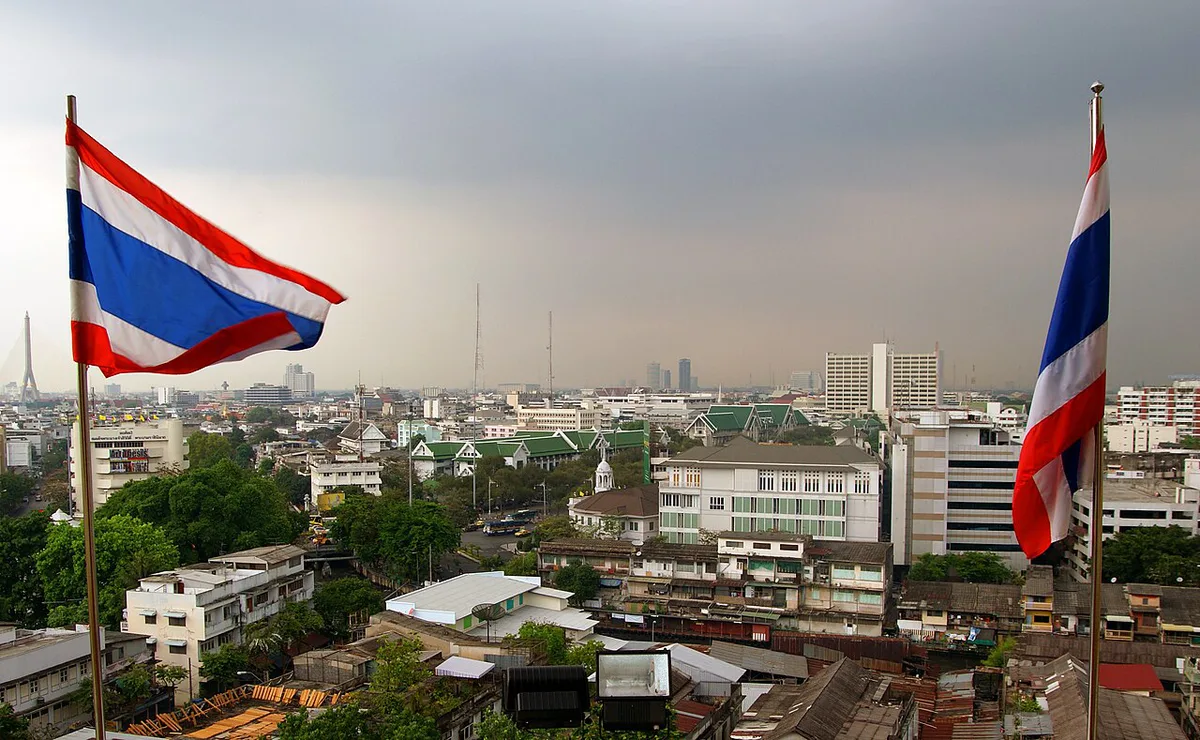
- Rattanakosin: temples and royal sights
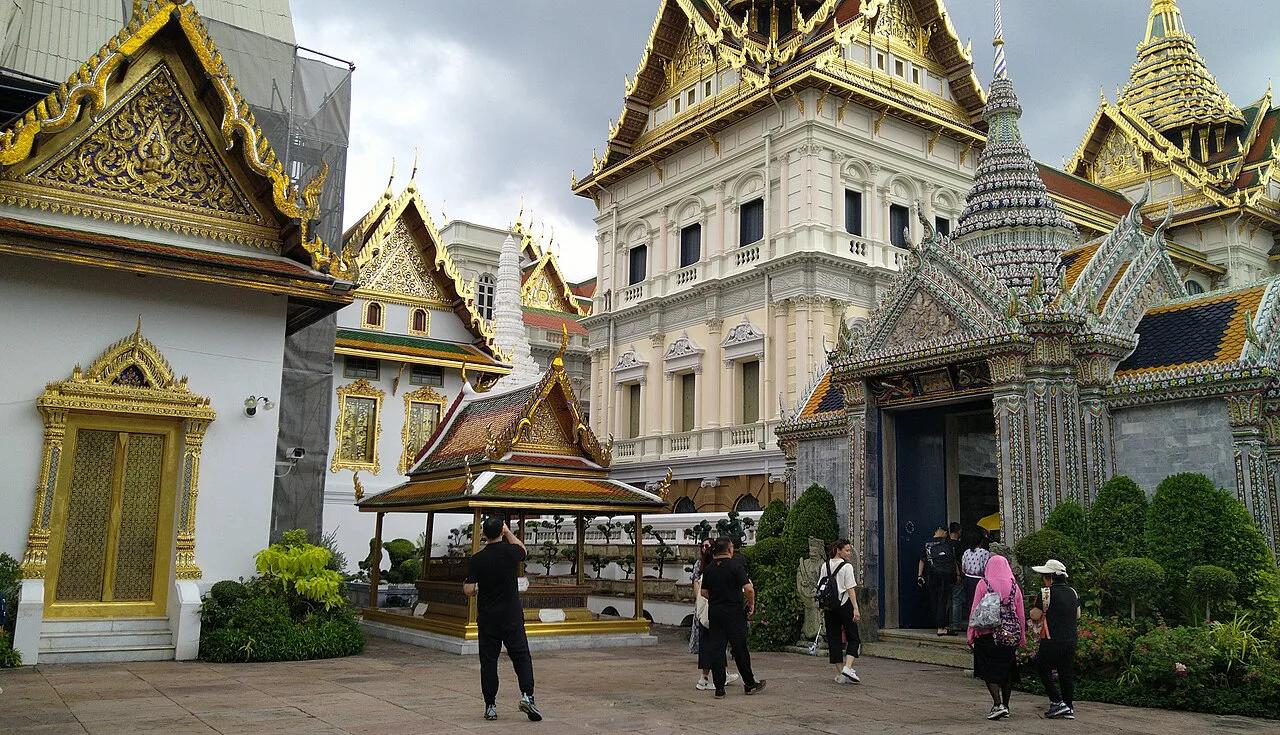
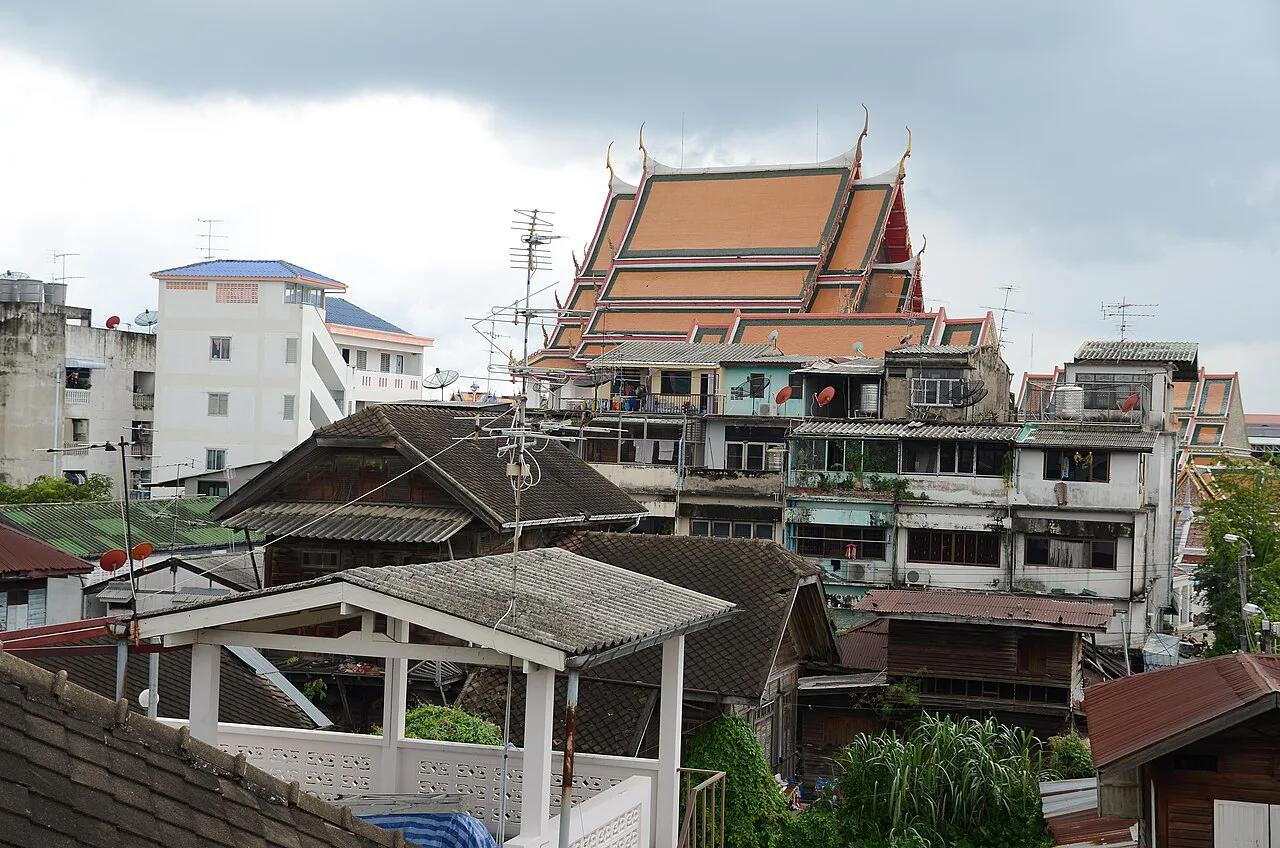
- Suits culture-focused first-timers who want to start early. The old royal island holds the Grand Palace, Wat Pho and the National Museum, and our Rattanakosin Island guide covers the route.
- Rail does not reach the old city, so plan on boat, taxi or bus. Check dress rules and opening hours on the Grand Palace official site.
- Drawback: crowds at royal sites build by midday, so go early.
- Khao San Road: budget and nightlife
- Suits backpackers and short-stay travelers who want cheap guesthouses and late evenings. Read Khao San Road practicalities before booking.
- The street sits in the Banglamphu area between the old royal city and Dusit. It has no rail link, so expect taxis or boats.
- Drawback: noise runs late. Light sleepers should base in a quieter district and visit for an evening.
- Talat Noi: riverside creative pocket
- Suits wanderers who like street art, small workshops and river views. Our Talat Noi walking guide maps a half-day loop.
- It lies along the river near Chinatown, so confirm the walking link on a current map. Use the river boat or a taxi to arrive.
- Drawback: few hotels and little rail, so treat it as a half-day wander, not a base.
- Chinatown (Yaowarat): food and markets
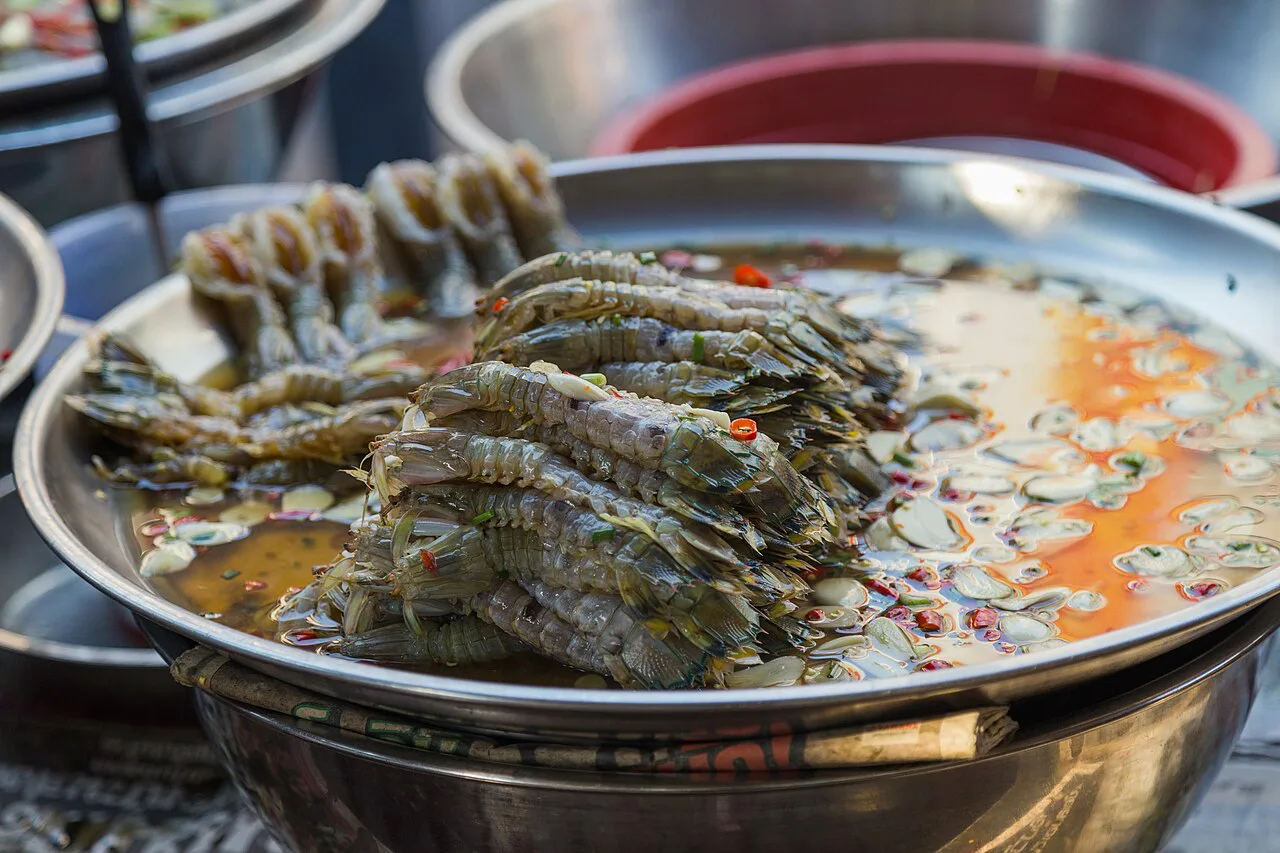
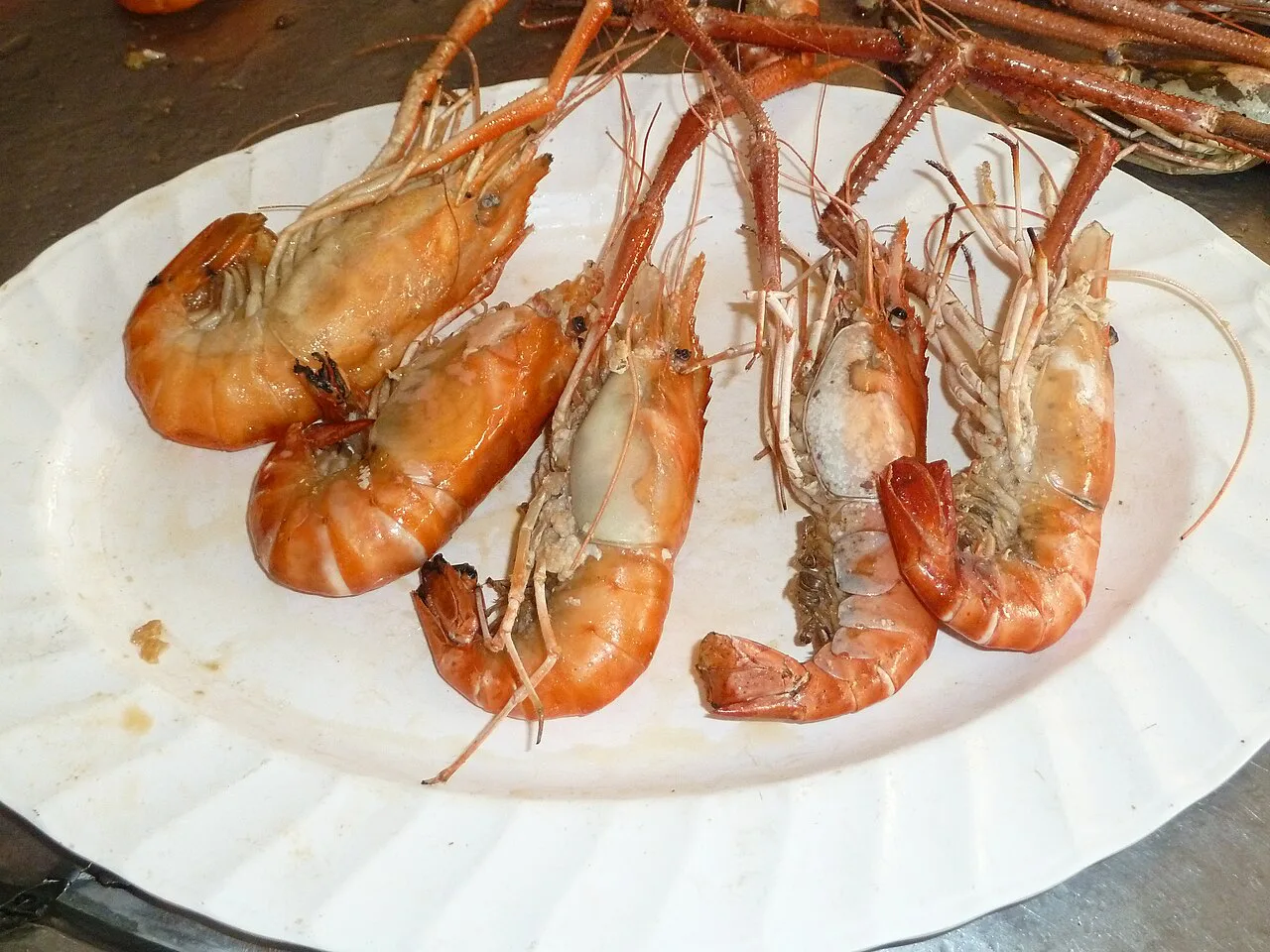
- Suits food-first travelers who want market lanes and evening street food. Start with Chinatown food and market stops.
- The Chinese community here pre-dates the founding of the Thai capital. Traders settled east of the new city, along the river.
- Drawback: lanes are crowded and hot in the afternoon, so come hungry in the evening.
- Thonglor: upscale dining and nightlife
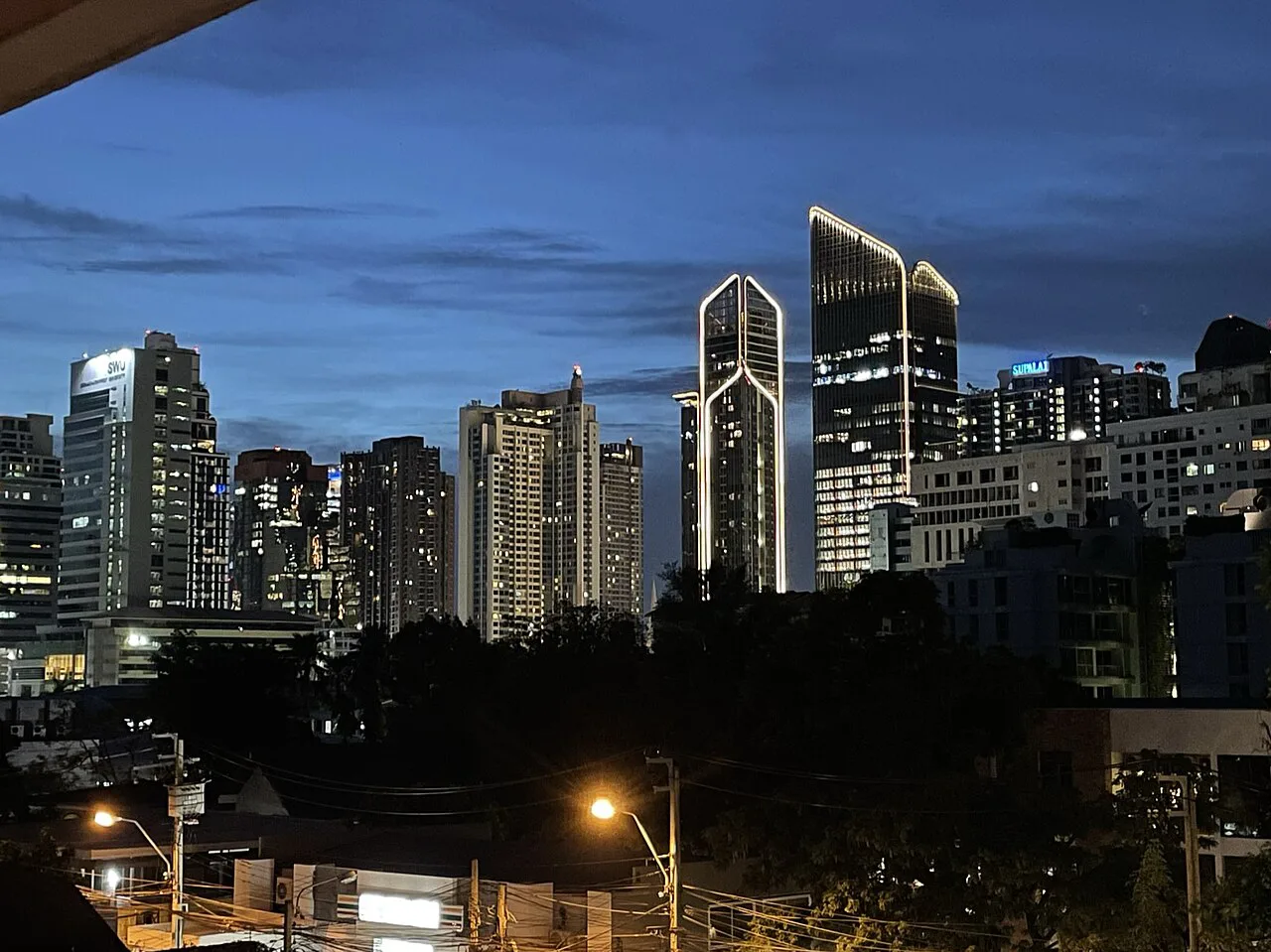
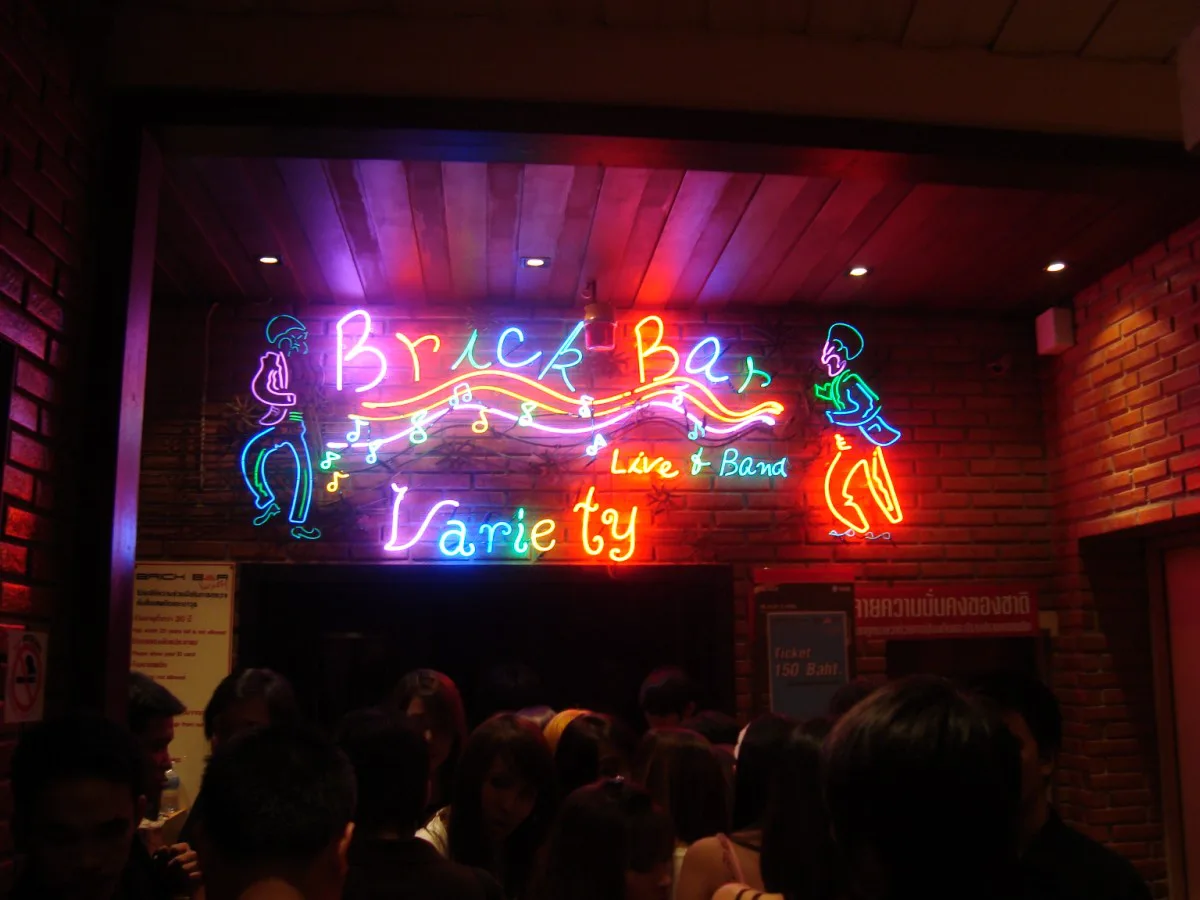
- Suits couples and repeat visitors who want polished restaurants and bars on the Sukhumvit line. Browse Thonglor dining and nightlife for options.
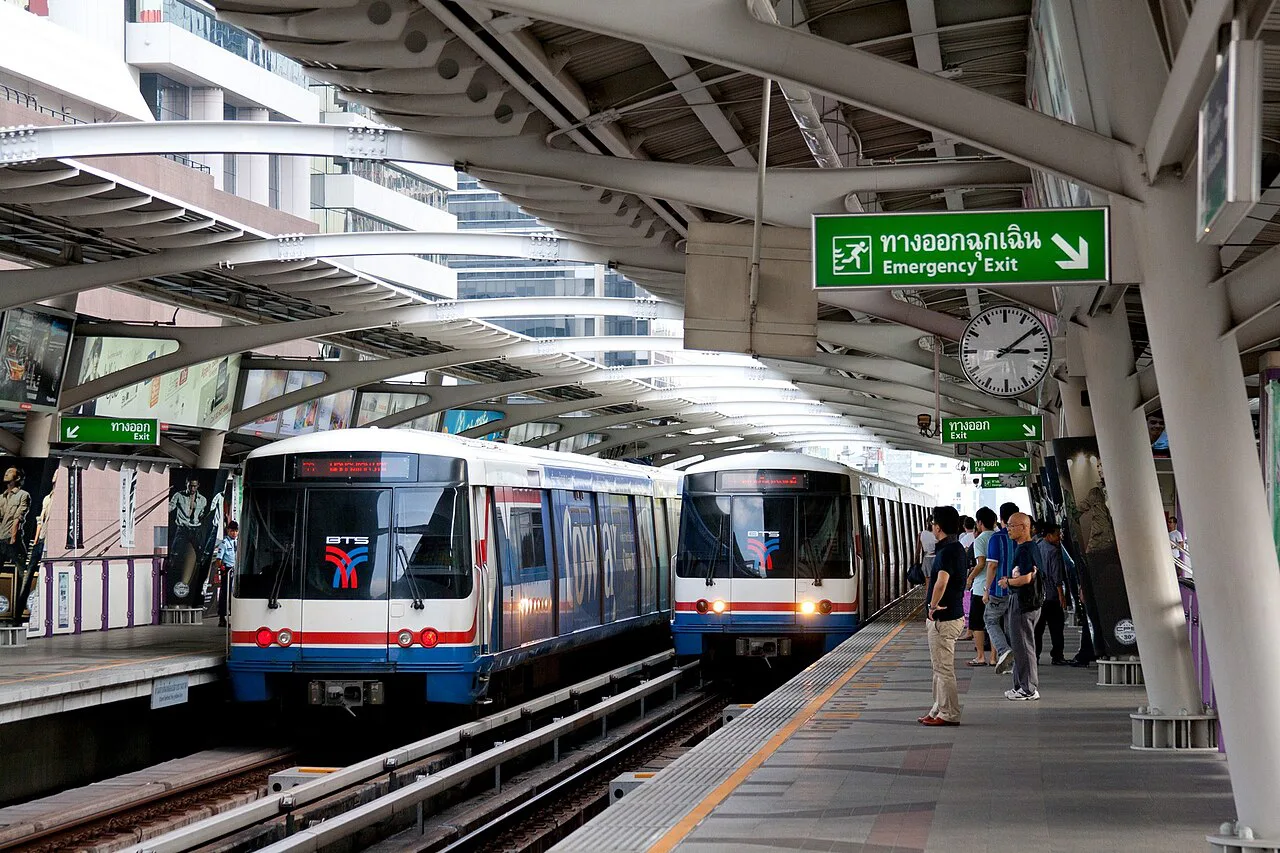
- Rail access makes it a strong base for short stays. Check the BTS Skytrain network map for your nearest station.
- Drawback: higher cost levels than the old city, and it is far from the temples.
- Ari: cafes and a local feel
- Suits travelers who want a residential street scene, cafe mornings and quieter evenings. Our Ari cafe and neighborhood guide lists starting points.
- Verify the nearest BTS station on the official map before you book a room.
- Drawback: few headline sights, so you will commute to the temples.
Bangkok neighborhoods at a glance
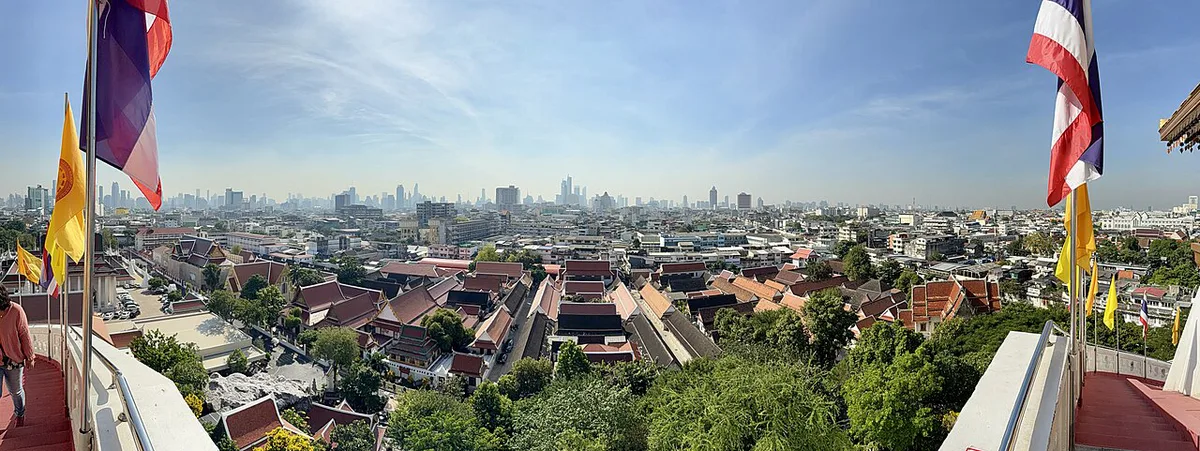
Use this table to shortlist two areas, then read the matching entries above. Cost levels are relative, not quotes. Treat access as a starting point and confirm stations and piers on the operators' maps.
| Area | Best for | Base or visit | Access | Cost level | Main drawback |
|---|---|---|---|---|---|
| Rattanakosin | Temples, palace | Visit | Boat, taxi, bus; no rail | Mid | Midday crowds |
| Khao San Road | Budget, nightlife | Base if you like noise | Taxi, boat; no rail | Low | Late noise |
| Talat Noi | Street art, river | Visit | Boat, taxi | Low | Few hotels |
| Chinatown | Street food, markets | Visit or base | Boat, taxi | Low to mid | Crowds and heat |
| Thonglor | Dining, bars | Base | BTS line | High | Far from temples |
| Ari | Cafes, local feel | Base | Check BTS map | Mid | Few sights |
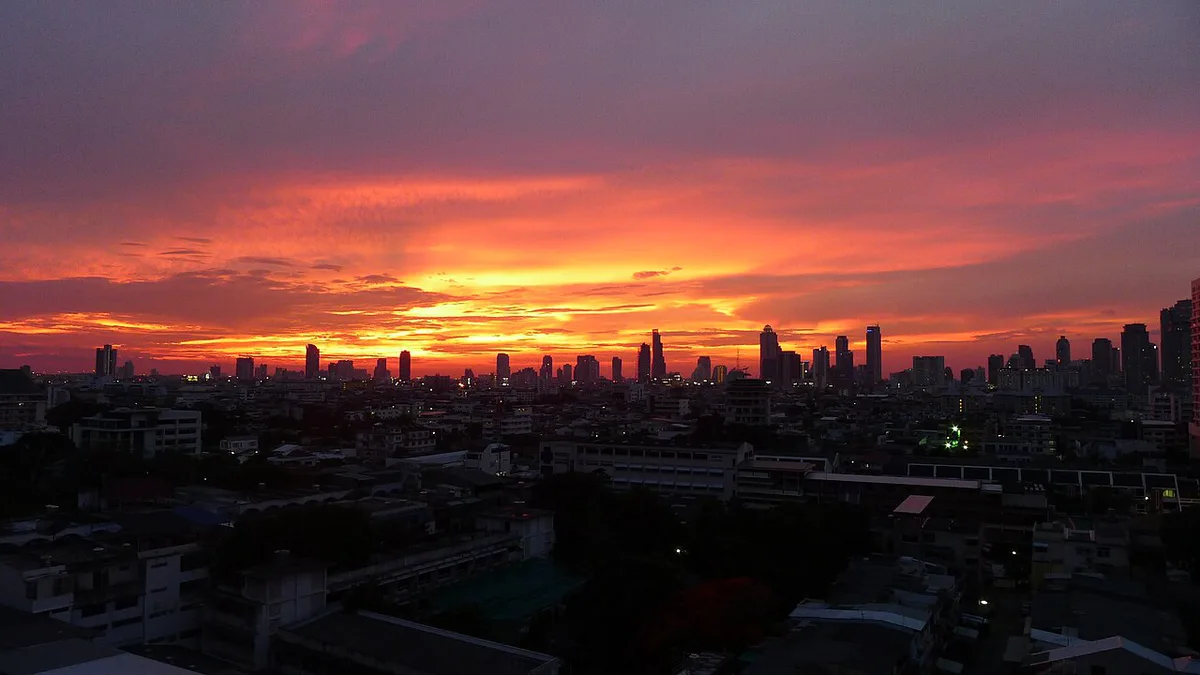
How to choose where to stay in Bangkok
Start with transit, because traffic and heat shape every day. If you have two or three days, a base on the rail line saves the most time. Thonglor and Ari fit that approach. Pick the old city only if temples are your priority and you accept taxis. Match noise tolerance to the area: Khao San Road runs late, while Ari is calmer. Budget and evening plans decide the rest. Nightlife fans can stay in Thonglor, and food-first travelers can base near Chinatown.
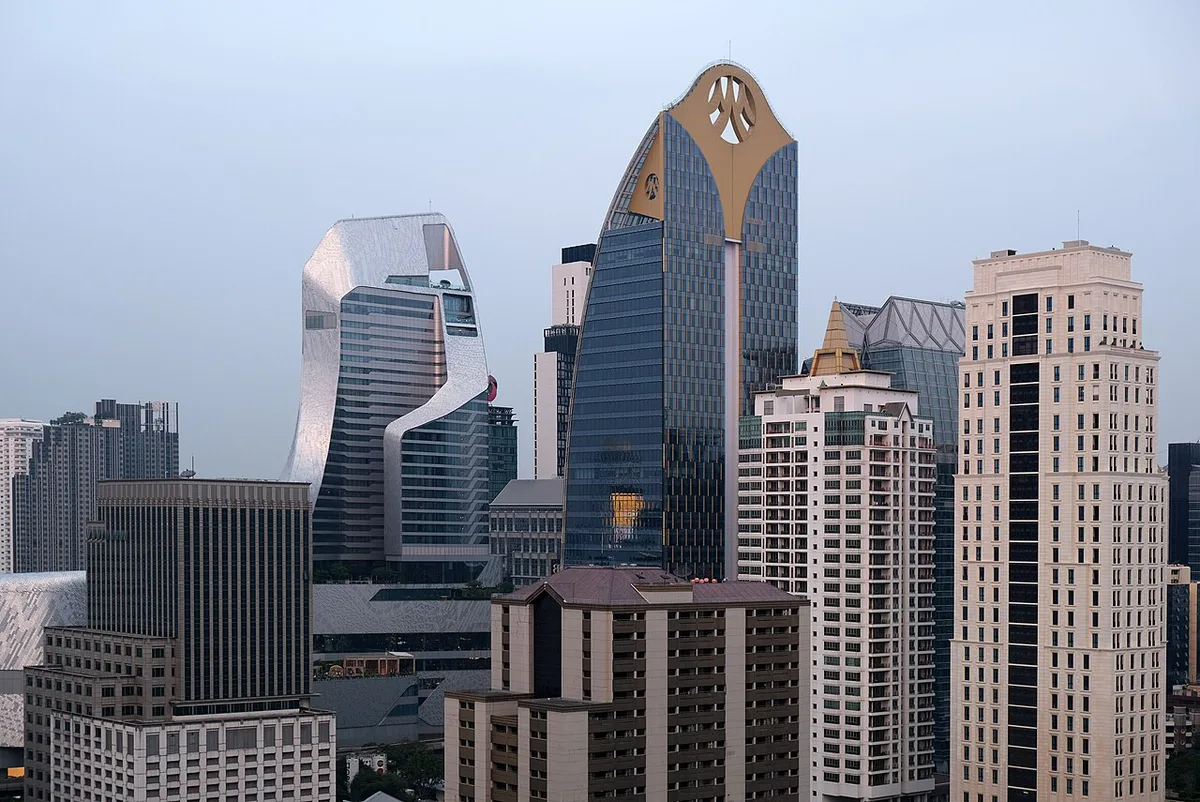
How to get around between neighborhoods
Bangkok has four ways to cross town. The BTS Skytrain and the MRT cover the modern districts, and you can check lines on the MRT operator site. The Chao Phraya river boat serves the riverside, including Rattanakosin and Chinatown. Taxis and ride-hailing fill the gaps where rail does not reach, such as Khao San Road. Rush hour can double a short taxi hop, so avoid crossing the city between the busy morning and evening peaks.
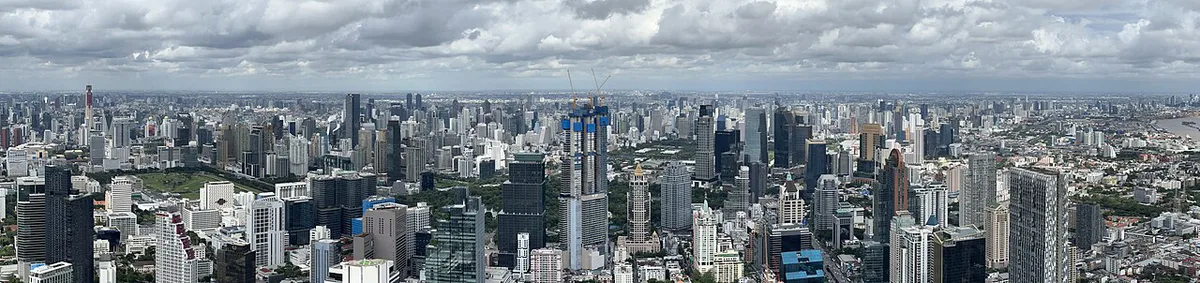
Sample pairings and time plan
Group areas by proximity to cut transit. Pairing two or three neighborhoods per day is realistic, and more becomes a rush.
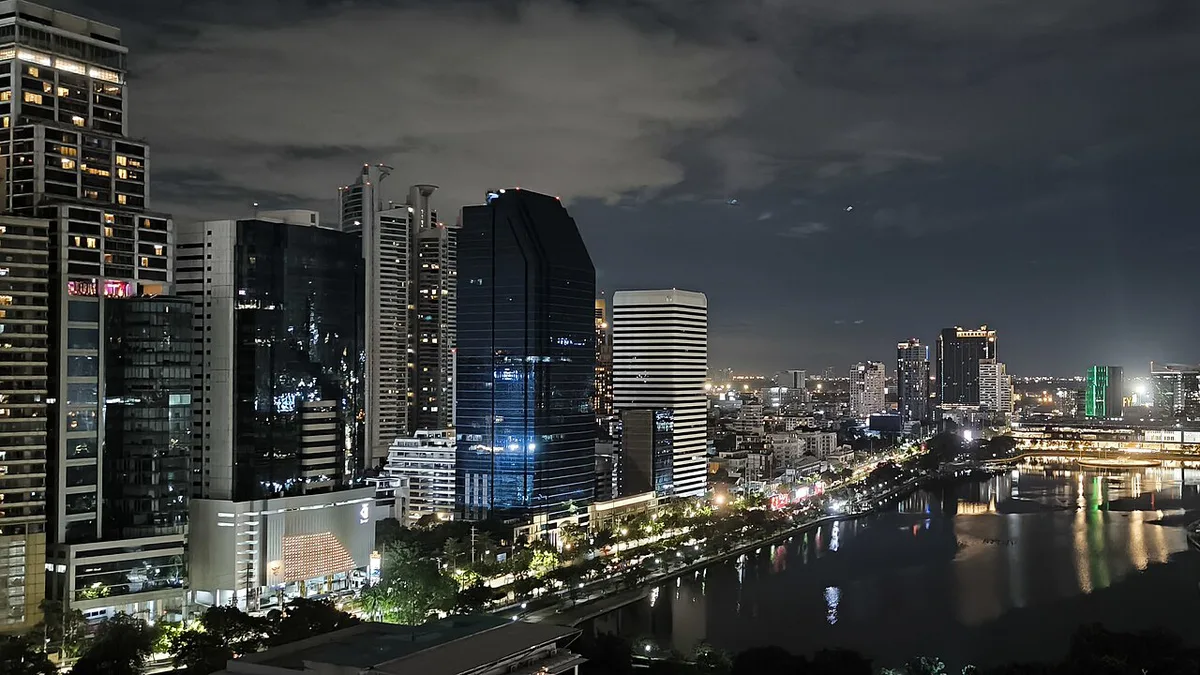
- Old city day
- Start at Rattanakosin at opening time, then walk toward Khao San Road for lunch and an evening drink.
- River and food day
- Spend the morning in Talat Noi, then move to Chinatown for market lanes and dinner.
- Modern rail day
- Take a cafe morning in Ari, then ride the BTS toward Thonglor for dinner and bars.
Costs, hours and access notes
Prices and hours change, and this page quotes none, so check them before you go. Use the Grand Palace official site for ticket prices, opening hours and dress rules. Use the BTS and MRT operator sites for fares and lines. Relative costs run lowest around Khao San Road and Talat Noi, and highest in Thonglor. Palace and temple areas are best early, while markets and nightlife peak after dark.
Mistakes to avoid when planning Bangkok neighborhoods
A few planning errors cost the most time.
- Crossing the city at rush hour
- Plan one rail district per day to avoid long taxi queues.
- Basing in the old city without rail
- Expect taxis or boats for every trip out, and budget the extra time.
- Visiting temples at midday
- Heat and crowds peak then. Go early and follow the dress code.
- Over-scheduling
- Two or three areas per day is plenty in Bangkok's heat.
Explore More Bangkok Guides
Keep planning your Bangkok trip with these guides.
Bangkok Guides
Building the rest of the trip? Our Bangkok attractions guide covers the sights, districts and logistics around this guide.
Useful notes for your Thailand trip
Optional updates to our guides.
You might also like
Continue reading
More guides you'll find useful