Phuket Massage Guide: Types, Prices & Where to Go
Choosing a massage in Phuket? Compare Thai, oil, foot and herbal styles, see price tiers by area, and spot red flags before you book.
On this page
Last updated November 2026: a Phuket massage costs roughly ฿300–600 for 60 minutes at a simple shop and ฿800–1,300 at a mid-range spa. Pick Thai massage for stretching, oil massage for pure relaxation, and foot massage for tired feet. Before you walk in, check for a clear menu with visible prices.
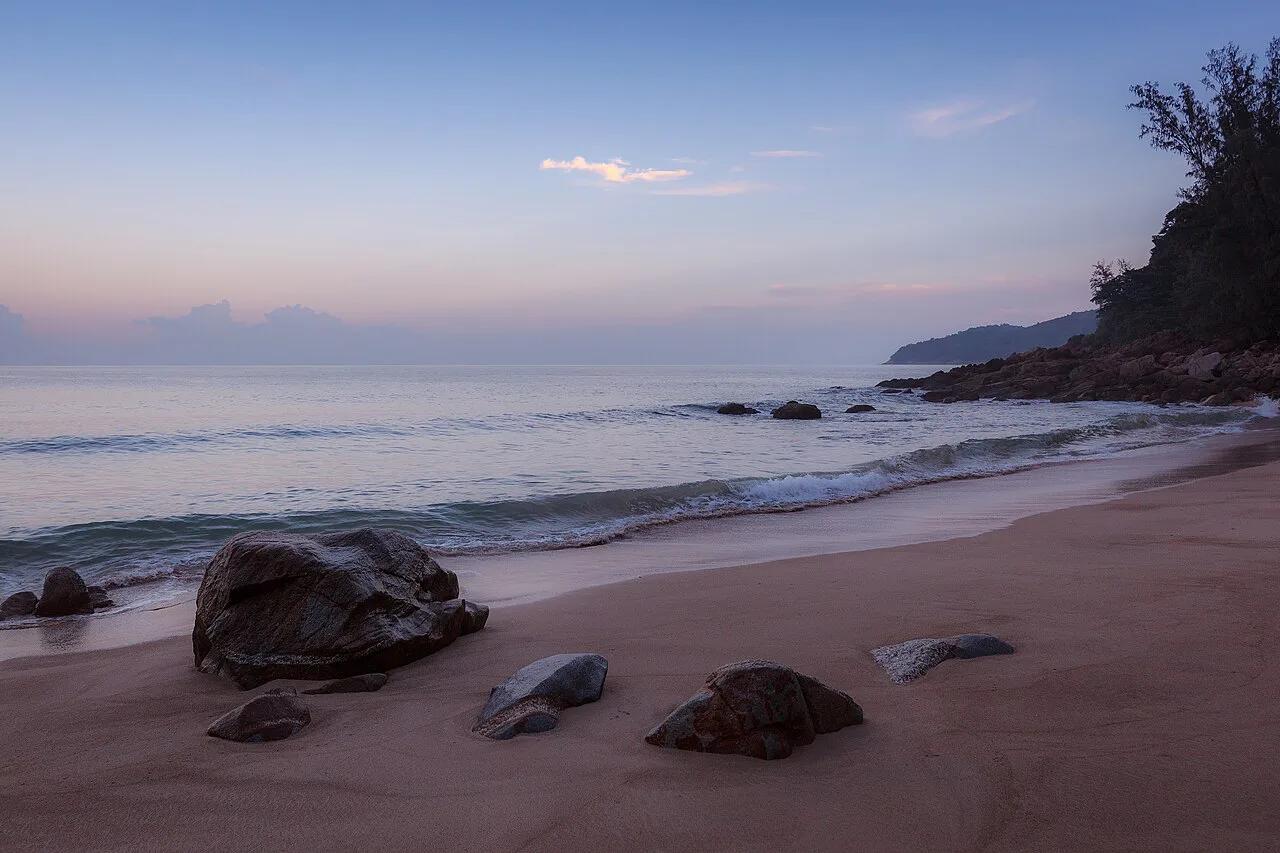
Featured image: Mikhail Deynekin, CC BY-SA 3.0, via Wikimedia Commons.
Quick answer: the best Phuket massage for your situation
Match the treatment to how your body feels today. Stiff after a long beach walk or market day? Traditional Thai massage works the muscles hardest. Want an hour of switching off? Oil or Swedish-style massage is gentler. Our wider Phuket planning guide helps you choose a base before you pick a spa. First-timers should book 60 minutes and ask for medium pressure.
- Stretch and tension: traditional Thai massage, no oil, loose cotton clothing.
- Pure relaxation: oil or Swedish massage.
- Tired feet after sightseeing: foot massage or reflexology.
- Soothing and traditional: herbal compress (Pra Krop).
- Stress: hot stone massage, if the venue offers it.
- Sun-exposed skin: an after-sun treatment, where the venue lists one.
Types of massage in Phuket
Most menus group treatments into a handful of styles. Traditional Thai massage uses hands, elbows and sometimes feet along energy lines. Expect yoga-like stretching and some firm pressure. Herbal compress massage adds a warm, steamed bundle of herbs such as lemongrass, ginger and turmeric. Foot massage usually starts with a foot wash, then pressure on specific points. Reflexology is a related, more targeted technique. Acupressure uses fingers, palms or elbows on pressure points. Fish spas also exist. Hygiene standards vary, so ask the local health authorities or the venue before trying one.
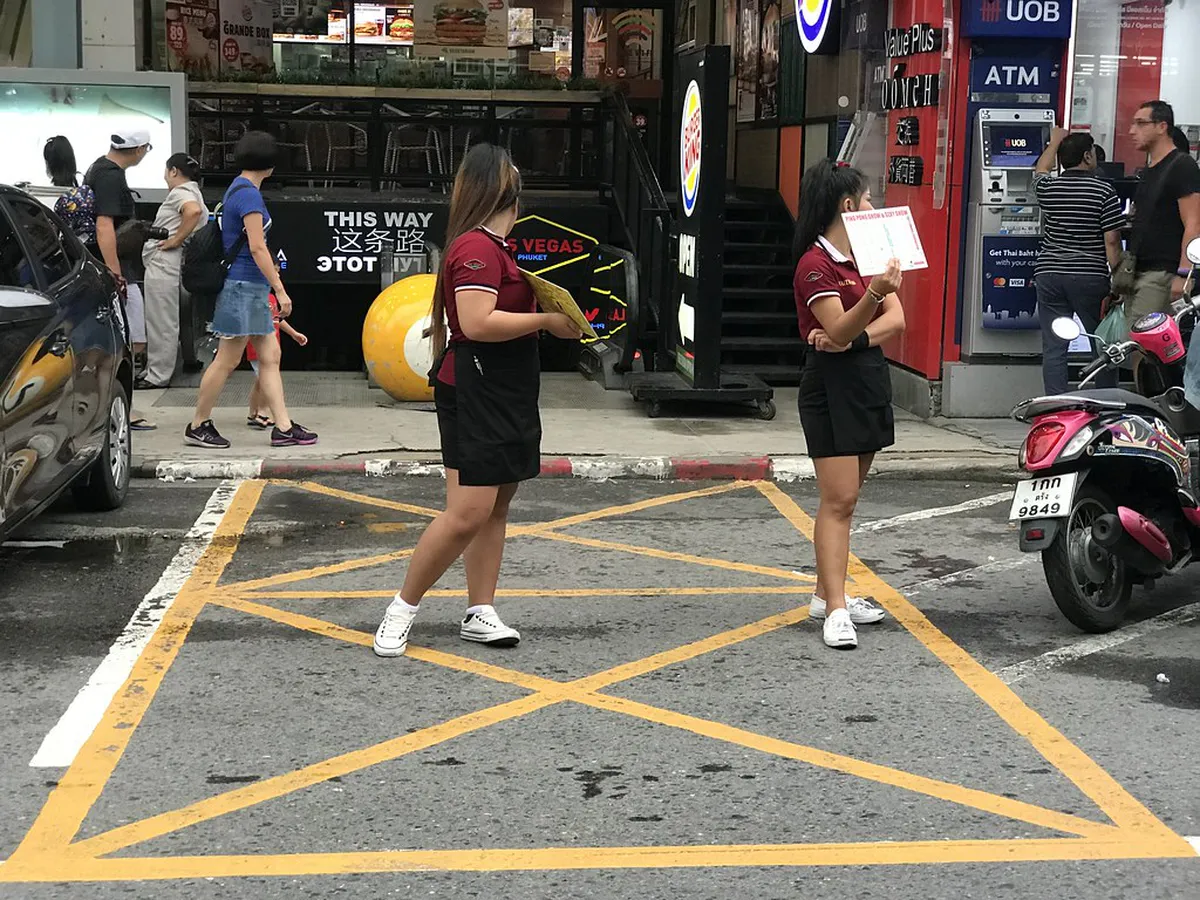
| Type | Feels like | Best for | Oil / clothing | Skip if |
|---|---|---|---|---|
| Traditional Thai | Firm pressure, stretching, pulling | Tight backs and legs | No oil; loose cotton clothing provided | You dislike strong pressure or being stretched |
| Oil / Swedish | Long, smooth strokes | Pure relaxation | Oil used; spa supplies what you need | You have oil allergies or very sensitive skin |
| Foot massage / reflexology | Pressure on soles and points | Tired feet after a day out | Usually fully clothed; chair or recliner | You are very ticklish or have foot injuries |
| Herbal compress (Pra Krop) | Warm, aromatic pressing and rolling | Soothing sore muscles | Often combined with Thai massage | You react to strong herbs or heat |
| Hot stone | Heat along the back and limbs | Stress and deep relaxation | Oil usually used | You are sensitive to heat or have circulation concerns |
How to choose the right Phuket massage
Start with the goal, then set pressure and length. Sixty minutes at medium pressure is a sensible first booking. You can extend on the spot if the therapist is good. Say "softer, please" or "less pressure" as soon as something hurts. Staying quiet will not earn you a better massage. Match the style to the day as well. After a long scooter ride, Thai massage or a herbal compress eases stiff shoulders and hips. Our guide to scooter hire in Phuket covers the riding side. Sunburn calls for a gentle oil or after-sun treatment, never deep Thai work. Rainy afternoons suit a longer spa session, but they fill up fast. Couples should book side-by-side rooms in advance. Children and pregnancy need a question before any booking.
- Sunburn: ask whether the venue offers an after-sun treatment.
- Post-scooter stiffness: Thai massage or a herbal compress.
- Rainy day: book ahead, since everyone has the same idea.
- Couples: request a shared room when you reserve.
- Kids and pregnancy: ask first, see the health section below.
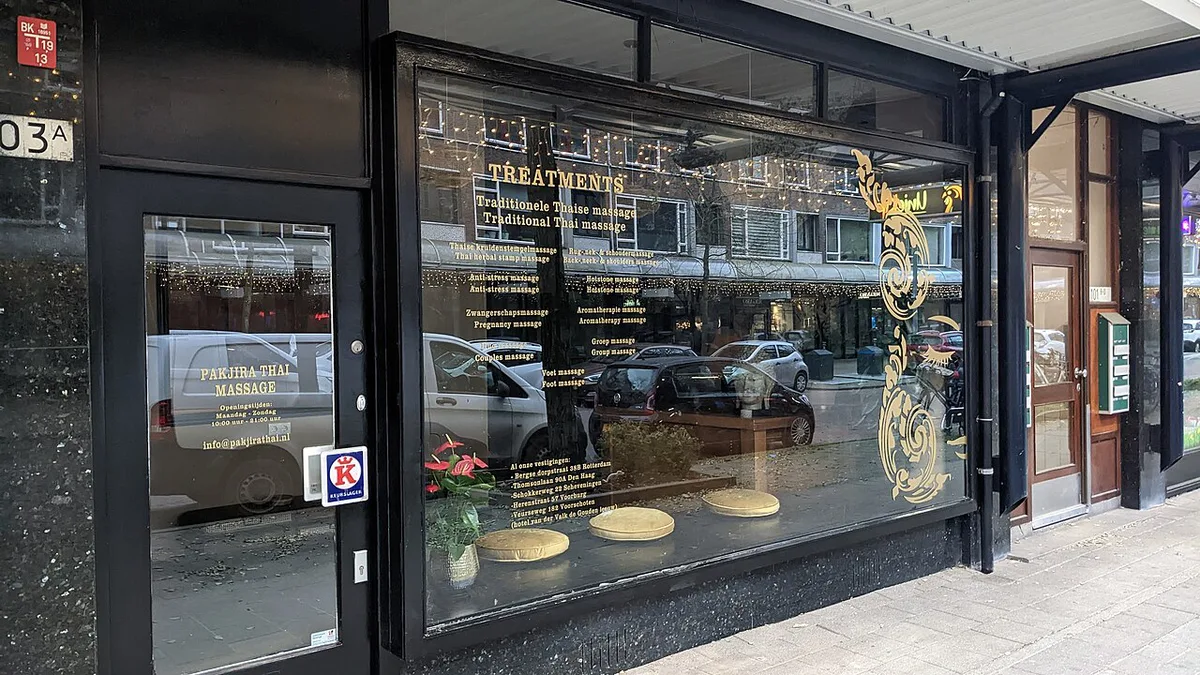
Where to get a massage in Phuket by area
Where you stay decides how easy a massage is. Patong has the most choice and the busiest streets. Kata and Karon feel more relaxed. Kamala and Laguna lean towards resort-style spas. Walk-in shops are the easy option in Patong, Kata and Karon. In Kamala or Laguna, a spa with hotel pickup often saves the taxi hassle. Phuket traffic can turn a short hop into a long ride, so a nearby venue usually wins. For resort and upscale treatments, see our Phuket spa guide. In-hotel or in-villa treatments avoid travel altogether, but cost more than a shop.
Resort or speciality treatments often go above ฿3,000. Kamala and Laguna lean towards resort-style spas, so budget for that tier when you choose those areas.
| Area | Vibe | Venue style | Transit trade-off |
|---|---|---|---|
| Patong | Busiest, most choice | Walk-in shops, spas and some venues to avoid | Easy to walk in, but heavy traffic if you leave |
| Kata / Karon | Relaxed beach rhythm | Shops and mid-range spas | Often walkable from your hotel |
| Kamala / Laguna | Quiet, resort-style | Resort spas and treatment centres | Plan a taxi or ask about hotel pickup |
Phuket massage prices: what to expect
Treat these as rough 2026 planning ranges and check the live menu. Simple shops charge about ฿300–600 for a 60-minute massage. Mid-range spas run about ฿800–1,300 for many 60-minute treatments. Upscale spas start from about ฿2,500. Resort or speciality treatments often go above ฿3,000. Prices have risen in recent years, so older figures online may be low. Longer sessions, four-hands massage, hot stones and sea-view rooms push the bill up. Tipping is usually optional, though a small tip for good service is appreciated. Some spas sell multi-treatment bundles. Ask for the pre-pay terms and expiry before paying up front.
| Tier | Typical price for 60 minutes | What you get |
|---|---|---|
| Local shop | About ฿300–600 | Simple room or open-front shop, basic Thai or foot massage |
| Mid-range spa | About ฿800–1,300 | Private room, set menu, oils and herbal options |
| Upscale spa | From about ฿2,500 | Longer menus, polished setting, extras included |
| Resort or speciality | Often above ฿3,000 | Hotel setting, sea views, speciality therapies |
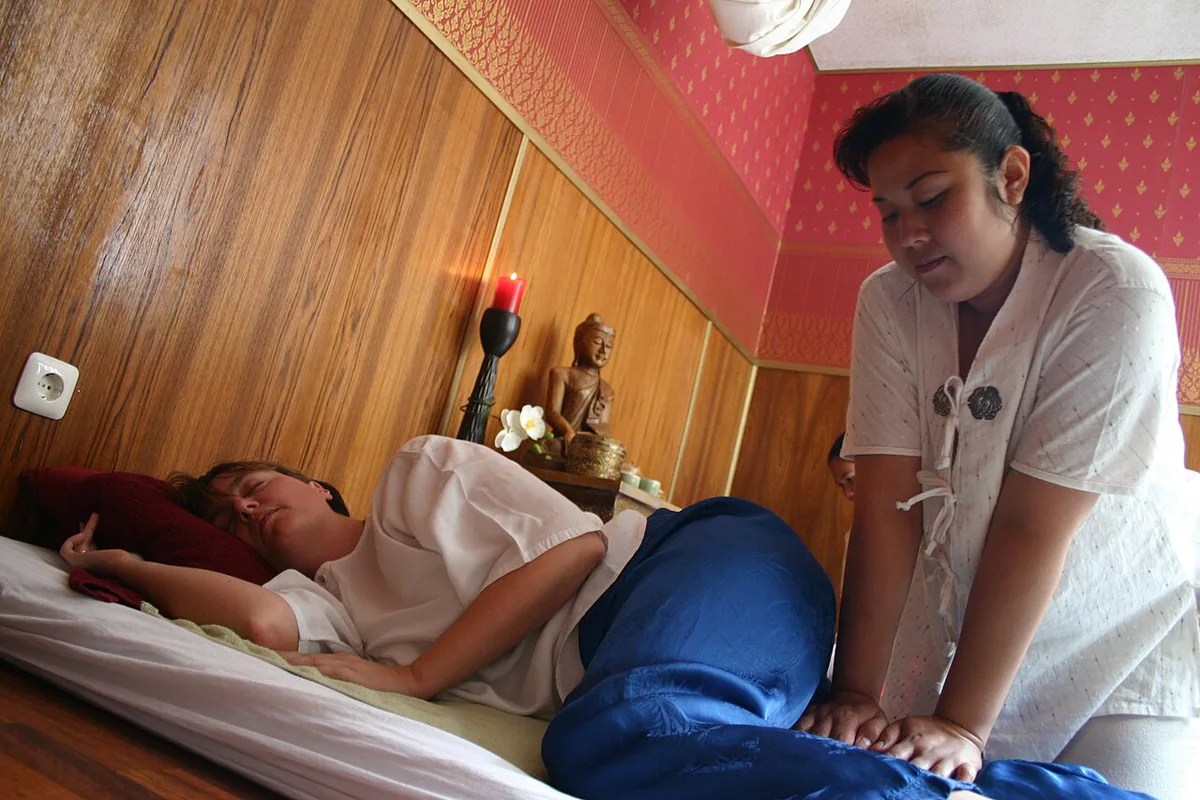
Booking and logistics
Walk-ins work at most shops, especially earlier in the day. Book ahead for evenings, rainy afternoons, couples and groups. Ask whether the spa offers hotel pickup. Be ready at reception well before your slot, because drivers may not wait long. Ask what the spa's opening hours are on your travel day. Build in extra time for traffic between areas. Our 20 Phuket Travel Tips for First-Timers: What to Know cover getting around the island. Confirm the price and treatment length before you change into spa clothing.
Simple shops charge about ฿300–600, and walk-ins in Patong, Kata and Karon are the easiest way to reach that price.
Safety, red flags and avoiding scams
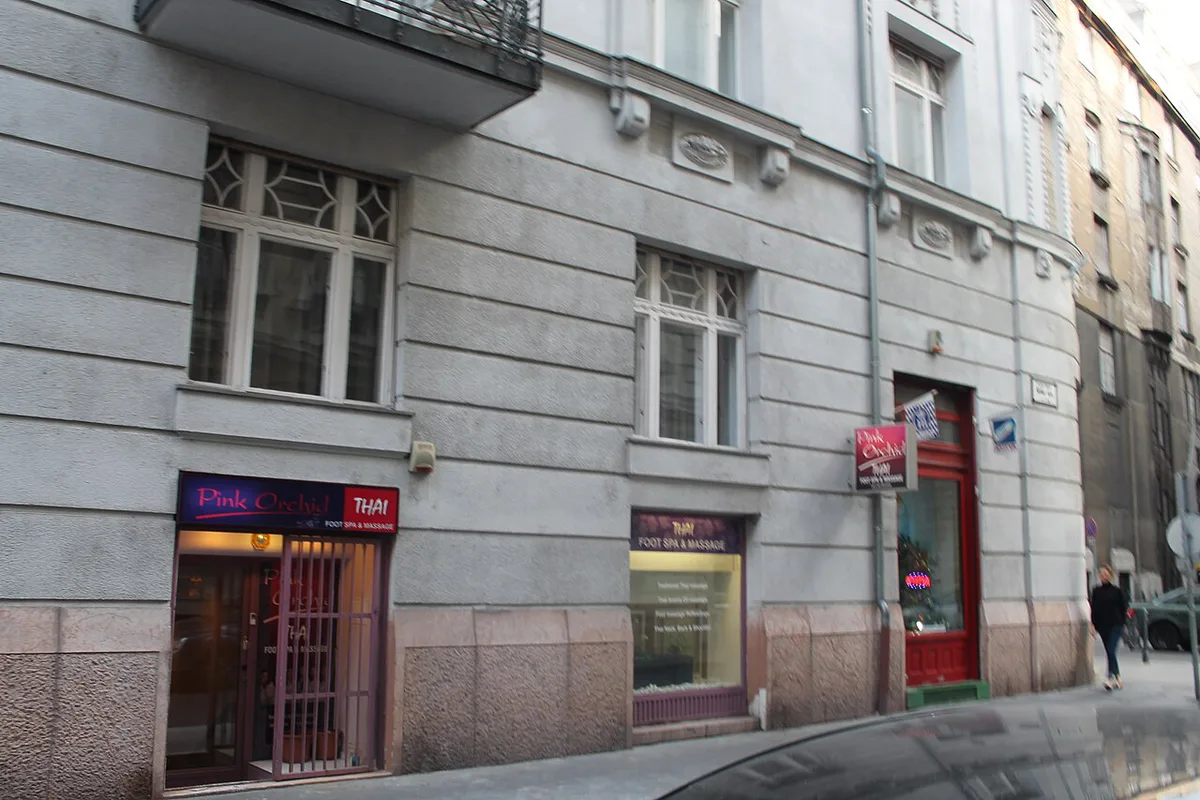
Most venues are straightforward, but a few sell more than massage, mainly around Patong. Judge the premises, not the signboard. A reputable place shows a treatment menu with prices and explains each service. Our guide to common tourist scams in Phuket covers overcharging in more detail. If you are overcharged or pressured, contact the Royal Thai Police tourist police. For industry information, see the Thai Spa Association.
- Red flag: no menu, vague services or unclear prices.
- Red flag: dark interiors, tinted windows or staff pulling people in off the street.
- Red flag: heavy talk about "special" services rather than massage styles.
- Green flag: a printed menu with visible prices in baht.
- Green flag: bright, clean rooms and staff who explain each treatment.
- Green flag: recent reviews that mention the massage itself.
Health, pregnancy and age considerations
Ask before you book, not at the door. Pregnant travellers should check whether the spa accepts prenatal bookings and with which treatments. Some places decline altogether. Injuries, medical conditions and skin sensitivity also need a conversation first. Tell the therapist about oil allergies and ask which oils are used. Many foot massage shops welcome families, but some spas set age rules for children and teens. For health questions, the Department of Health Service Support is the official starting point.
- Pregnancy: confirm in advance that the spa accepts prenatal bookings.
- Injuries or medical conditions: speak to a doctor and the therapist first.
- Allergies or sensitive skin: ask about oils and request an unscented option.
- Children and teens: check the venue's age rules before arriving.
Common mistakes to avoid
Booking 120 minutes of deep Thai massage on day one is the classic error. Start with 60 minutes. Another is staying silent about pain. Therapists adjust when you speak up. Skipping the menu check also costs people, since extras get added later. Do not rely on one old review. Read recent ones. Finally, do not book a distant spa on a rainy afternoon without allowing for traffic.
- Choosing deep pressure for a first session.
- Not asking for softer pressure when it hurts.
- Agreeing to extras without seeing prices.
- Ignoring travel time between areas.
Frequently Asked Questions
What is a full body massage in Thailand?
A full-body Thai massage works the whole body without oil, using pressure points and stretching, and you wear loose clothing. An oil massage covers the whole body with strokes and kneading, and the spa supplies what you need.
How often should I get a massage?
There is no fixed rule for holidays. Many visitors book one session after a tiring day and another later in the trip. Heavy Thai massage can leave you sore, so leave a day between deep sessions and ask a doctor if you have a medical condition.
Useful notes for your Thailand trip
Optional updates to our guides.
You might also like
Continue reading
More guides you'll find useful