Talat Noi Bangkok: Half-Day Guide, Map & Local Tips
Plan a visit to Talat Noi, Bangkok's riverside Chinatown quarter: how to get there, shrines, street art, cafes, timing, and what to skip.
On this page
Last updated November 2026: Talat Noi is a small riverside quarter on the Chao Phraya, just south of Yaowarat, and it works best as a half-day wander. Wandering costs nothing, so we'd go from morning to early afternoon and add Song Wat and Chinatown. It is one spoke of our guide to Bangkok's districts compared.
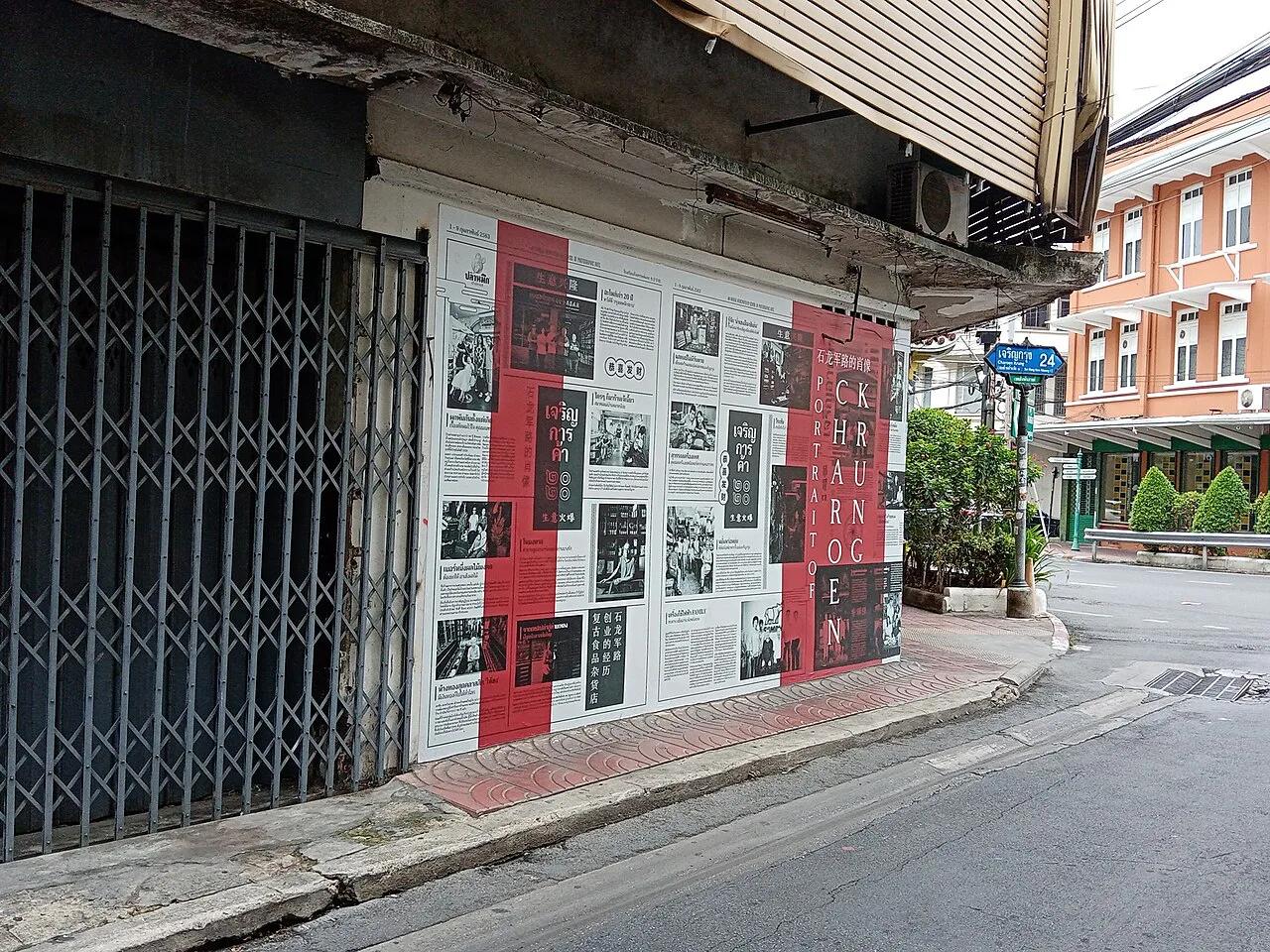
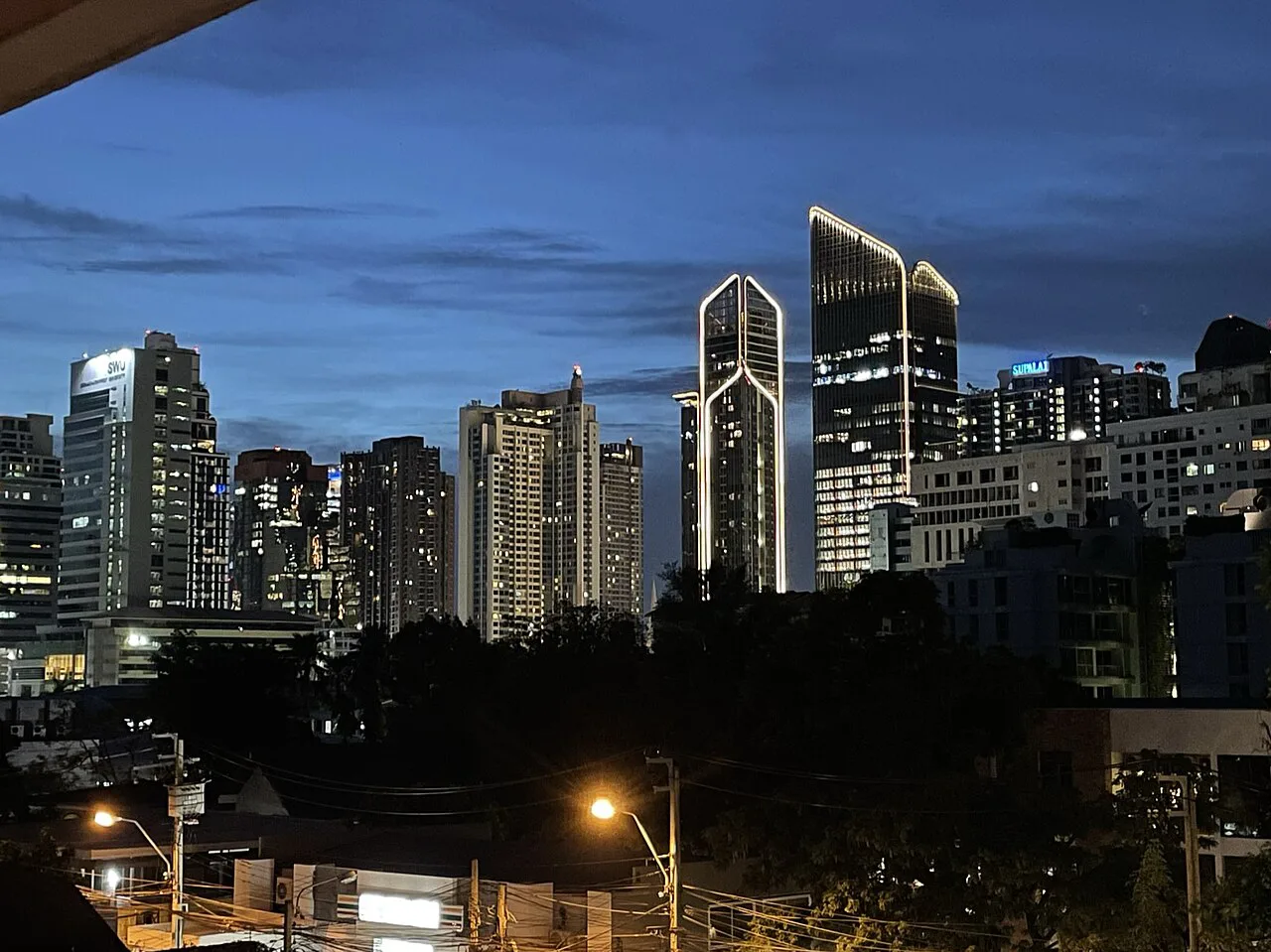
Featured image: Phoebus 28, CC BY-SA 4.0, via Wikimedia Commons.
Talat Noi at a glance
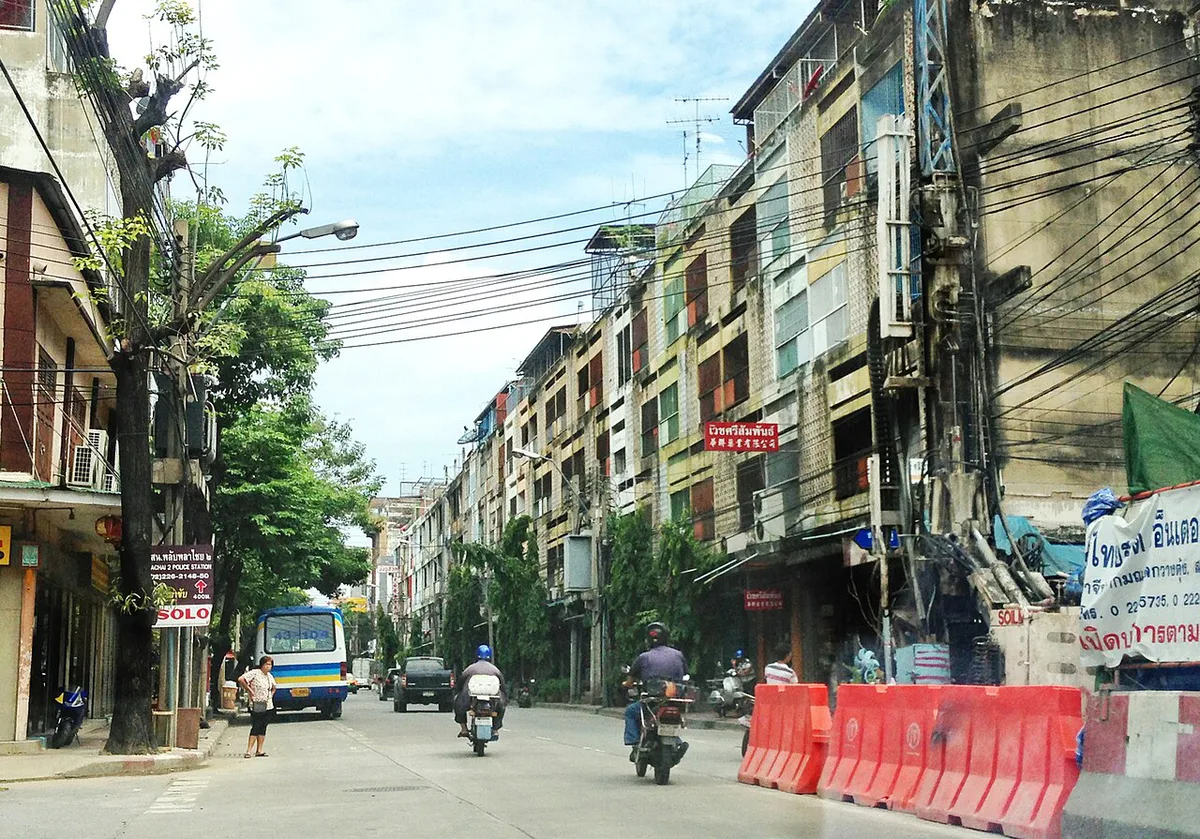
Talat Noi means "little market" in Thai, and you will also see it spelled Talad Noi. It covers about 0.449 square kilometres of Samphanthawong District, between Charoen Krung Road and the river. Hokkien, Hakka, Hainanese and Teochew Chinese settled here beside Portuguese Catholics and Vietnamese refugees. Today you find second-hand engine-parts shops, shrines, a Catholic church and street art within a few lanes. Few residents remain, and many are elderly. We'd treat it as a neighbourhood where people live, not a set.
- Best time: mid-morning to early afternoon, when workshops are open and light is good
- Cost to wander: free
- Time needed: 2 hours to a half day
- Nearest transport: Hua Lamphong MRT or the Marine Department pier
- Suits: slow walkers, photographers, coffee drinkers, heritage fans
- Skip if: you need everything walkable from the BTS, or you have one short day for the Grand Palace circuit
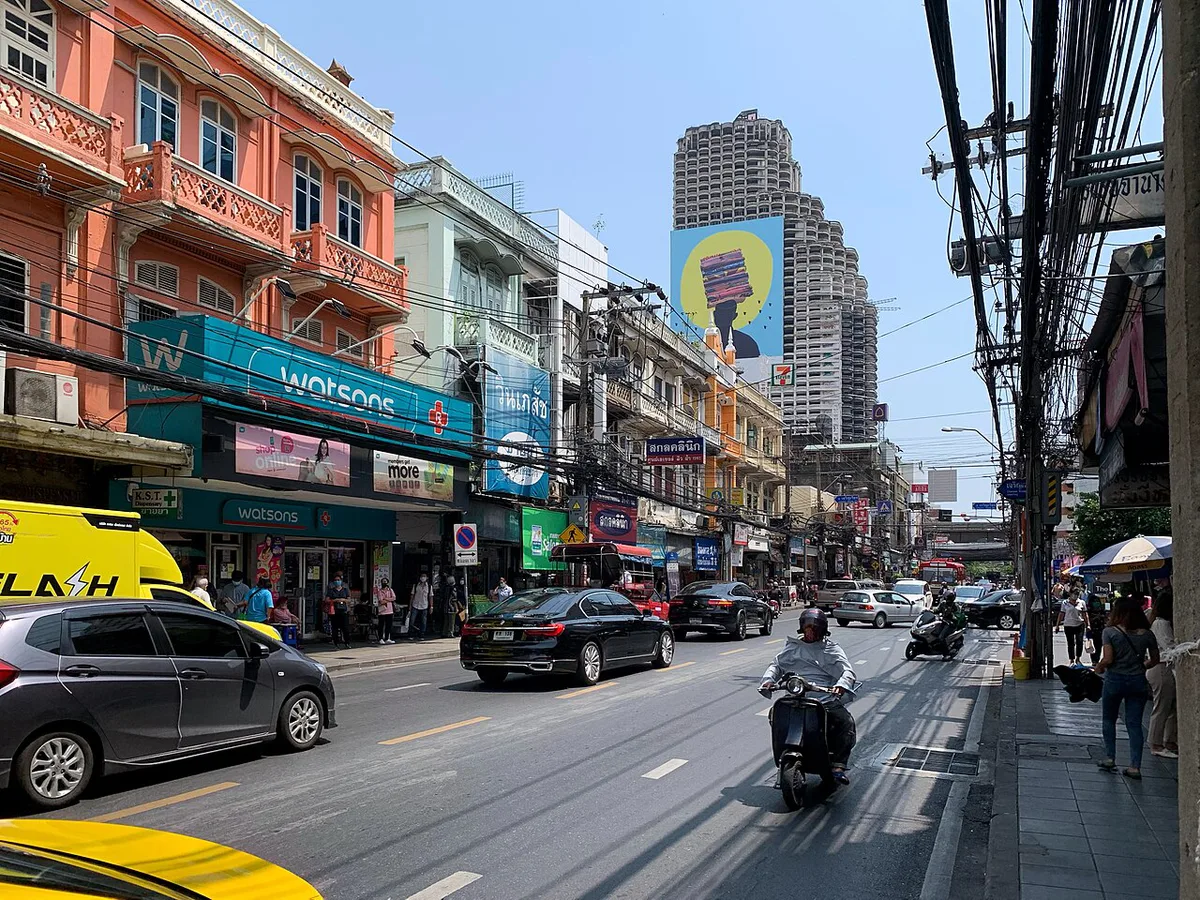
Where Talat Noi is: Yaowarat, Song Wat and Talat Noi compared
Three areas blur together south of the old city, and visitors often mix them up. Yaowarat is the loud main artery and our pick for dinner. Song Wat Road runs parallel to the river with old trading houses and cafes. Talat Noi sits behind the riverfront at the southern end. For night food, see our notes on Yaowarat after dark.
| Area | Character | Best time | Cost level |
|---|---|---|---|
| Yaowarat | Neon, gold shops, street food | Evening | Low to moderate; you pay per dish |
| Song Wat Road | Old shophouses, cafes, vintage shops | Morning to afternoon | Low to moderate |
| Talat Noi | Shrines, workshops, murals, quiet lanes | Mid-morning to early afternoon | Free to wander |
How to get to Talat Noi
Our first-time pick is the river. Chao Phraya express boats stop at Marine Department pier, close to the Rong Kueak shrine and the street-art lane. For trains, Hua Lamphong station on the MRT Blue Line is about 900 metres from the entrance to Soi Charoen Krung 22. Check the operator for current exits. Guides often quote ฿18 for the orange-flag express boat and ฿8 for the river shuttle to Si Phraya pier. Fares and flag colours change, so confirm with the operator before you board. Avoid taxis at rush hour, because Charoen Krung Road clogs.
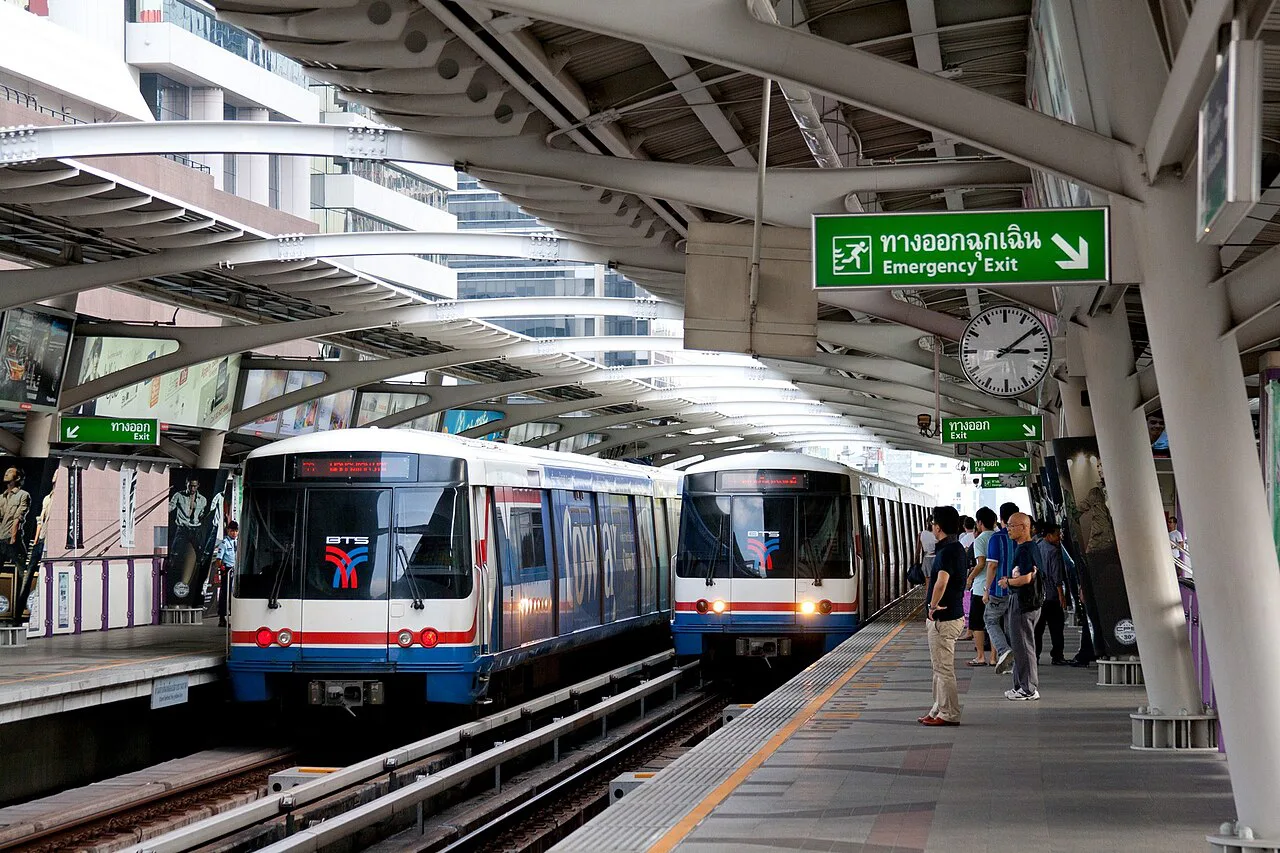
Hua Lamphong sits 900 metres from Soi Charoen Krung 22, so the MRT suits a morning start, but expect midday heat on that road.
| Route | Drops you | Walk | Caveat |
|---|---|---|---|
| Express boat | Marine Department pier | Short; the shrine and murals are close | Check the flag line and fare that day |
| MRT to Hua Lamphong | Station entrance | About 10 minutes reported; about 900 metres to Soi Charoen Krung 22 | Midday heat on Charoen Krung Road |
| MRT to Wat Mangkon | Inside Chinatown | Longer, through Yaowarat and the sois | Best as a morning walk-in |
| River shuttle | Si Phraya pier by River City | Short to the church and lanes | Verify the schedule |
| Grab or moto | Near any soi you name | None | Slow at rush hour |
How to spend your time: 2-hour, half-day and day-and-night plans
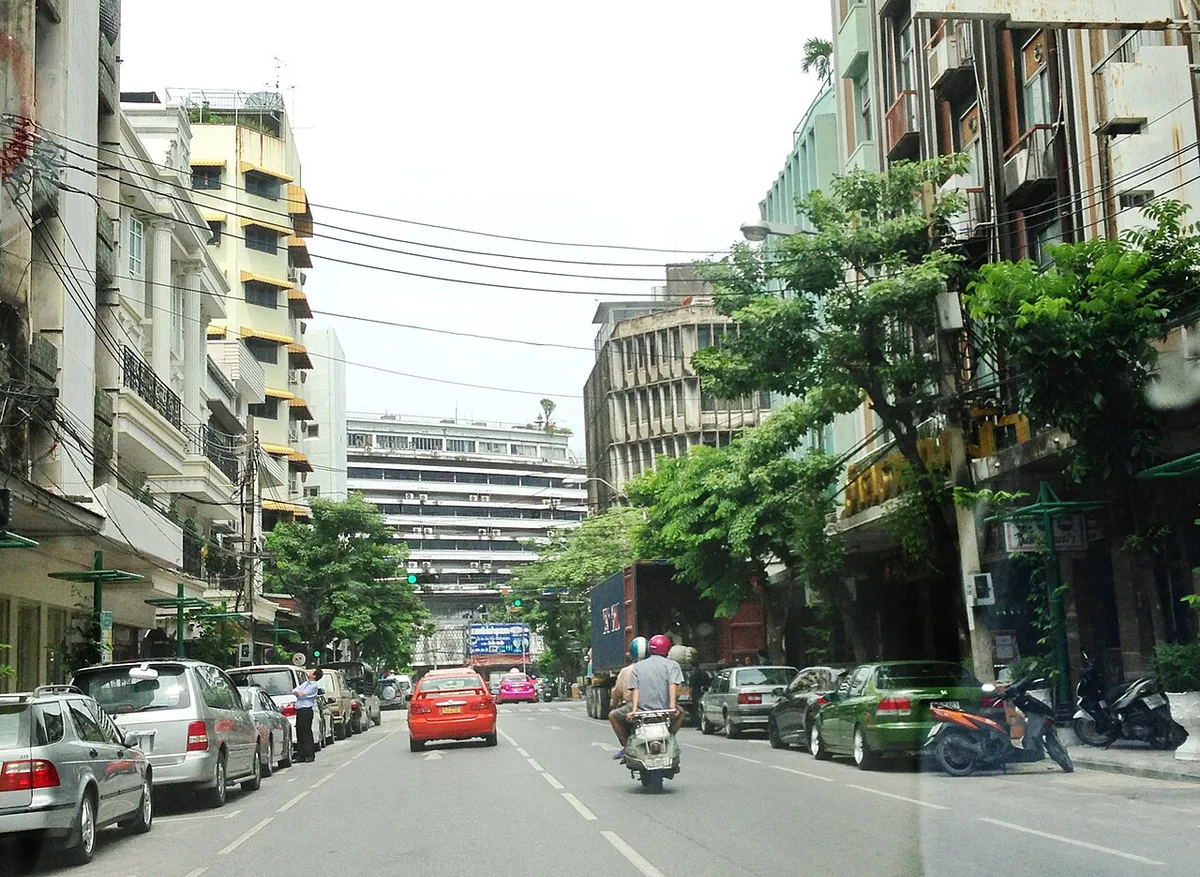
Walk from Chinatown to the river, or ride the boat in and walk back out. We'd start at Wat Mangkon, cross Yaowarat, pass through Song Wat, then drift south. That sequence builds from busy to quiet. It also ends at the riverside terrace, which is the reward.
| Plan | What to include | Why it works |
|---|---|---|
| 2 hours | Marine Department pier, Rong Kueak shrine, street-art lane, turtle car | Everything compact, near the pier |
| Half day | Add Holy Rosary Church, Song Wat sois, a coffee stop, a workshop stretch | Room for a queue and a heat break |
| Day and night | Walk by day, rest at River City, return to Yaowarat for dinner | Two completely different versions of the area |
What to see and do
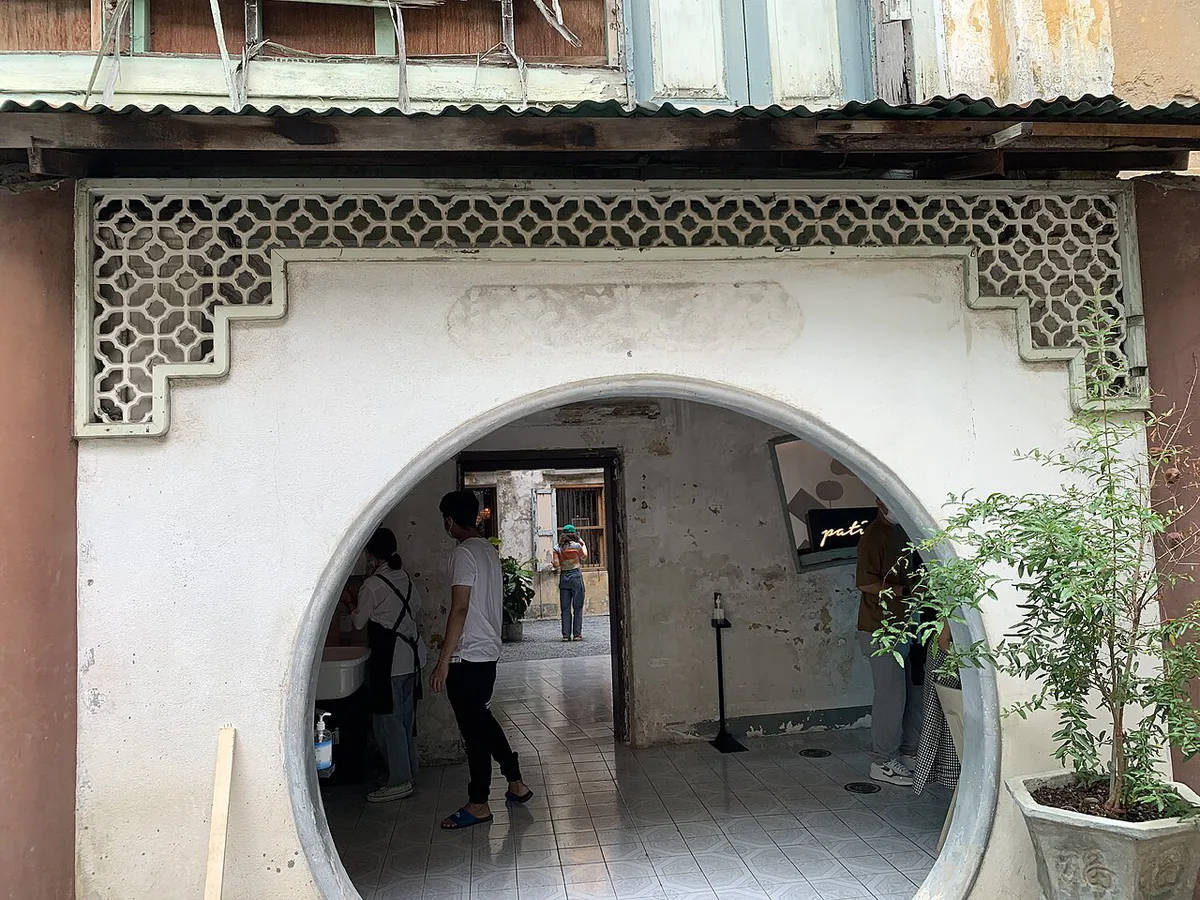
We group stops by type, because 40 numbered pins rarely help. Allow roughly 15 to 30 minutes at most of them, and verify opening status before building a plan around any single door.
Give most stops 15 to 30 minutes, then save room for the riverside coffee at Hong Sieng Kong on a half-day plan.
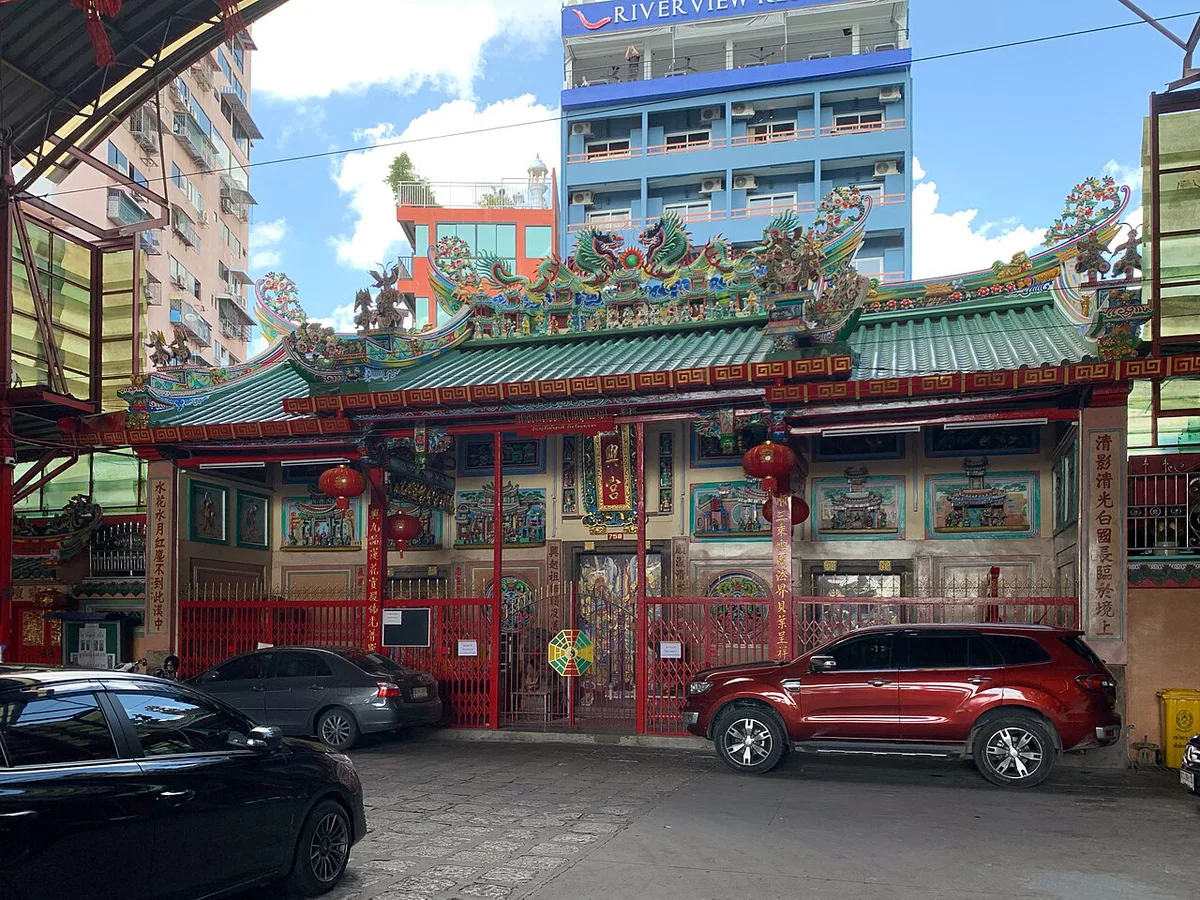
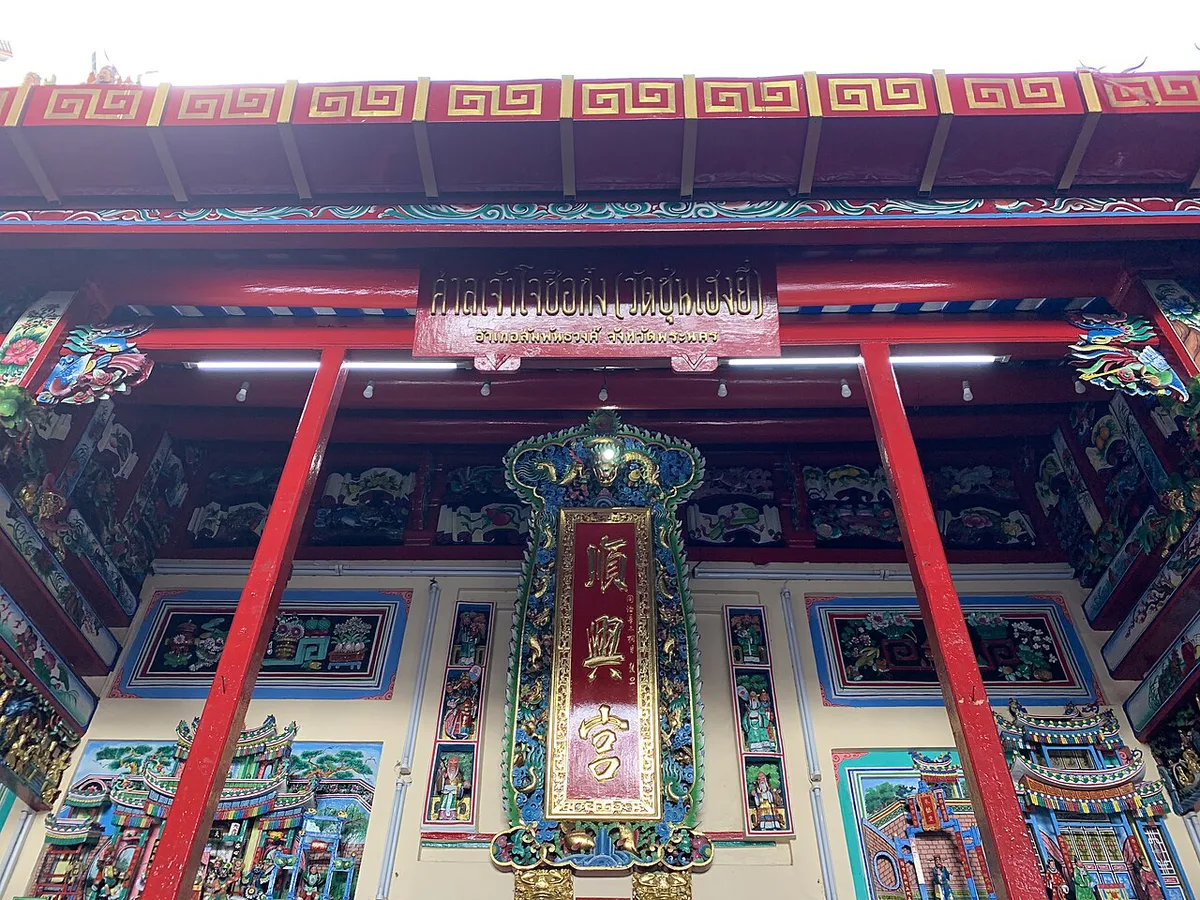
- Chow Sue Kong Shrine (also Wat Sun Heng Yi): Hokkien shrine recorded as founded in 1804, still central to the vegetarian festival
- Rong Kueak Shrine (also Hon Wong Kung): Hakka shrine right on the riverbank. Spellings vary, and Rong Kuak is common. Do not confuse it with Chow Sue Kong
- So Heng Tai Mansion (also So Heng Tai, Sol Heng Tai): a Chinese courtyard house of four timber ranges. Access has changed, so check whether it is open
- Holy Rosary Church (also Wat Kalawa): the first wooden church was completed in 1787, and the present Gothic Revival building dates from the 1890s. Dress modestly
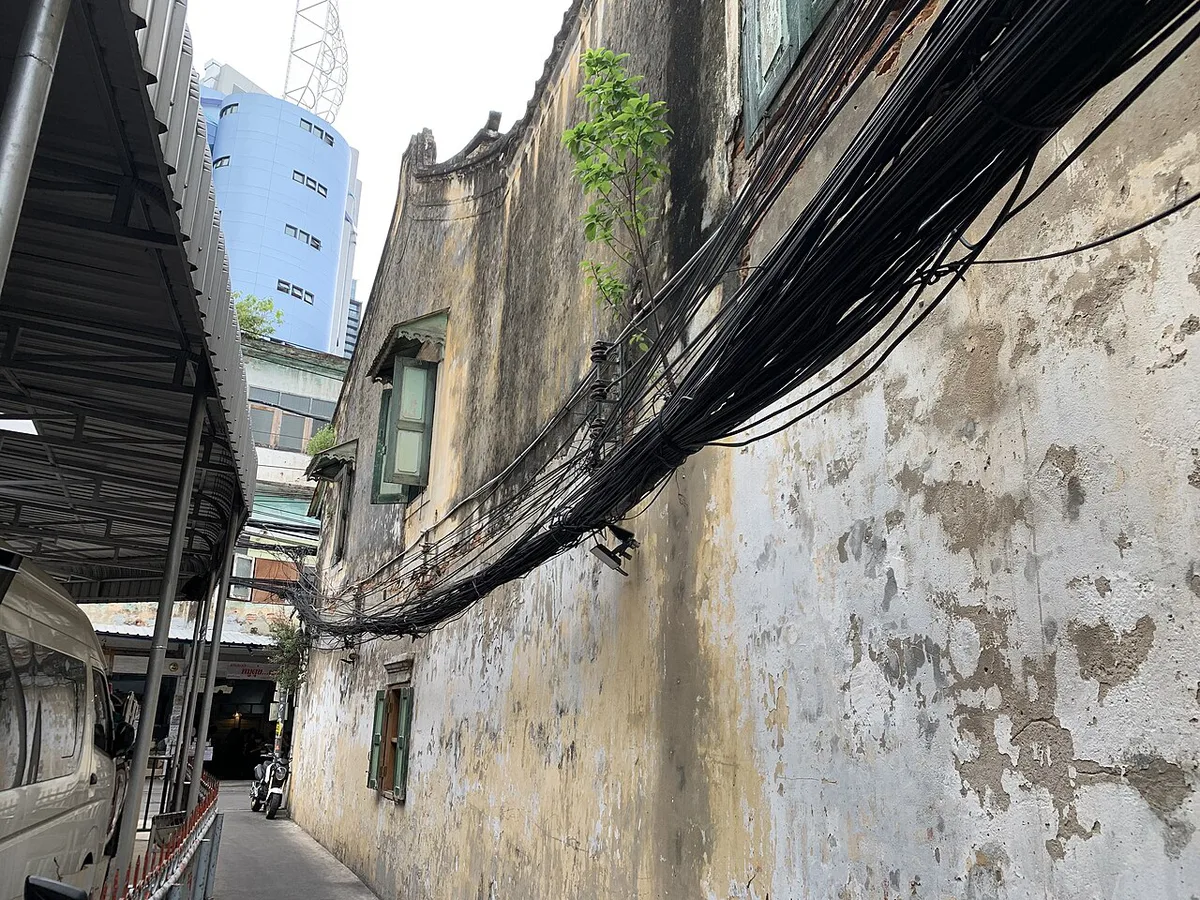
- Street art: Trok San Chao Rong Kueak (Charoen Krung Soi 32) took off after the Bukruk festival in January 2016. Soi Chao Sua Son also has murals
- Turtle car: a rusted abandoned car near a red-brick warehouse. Expect photographers
- Sieng Kong workshops: second-hand engine-parts shops on Song Wat and the side sois. Watch from the pavement and ask before photographing people
- Optimus Prime statue: installed at the Khao Lam roundabout in late 2024. A dragon roundabout reported nearby was reported as replaced, so confirm what is there
- Marine Department pier: a short riverside viewpoint with a shrine, handy as your exit
- River City Bangkok: an air-conditioned break near Si Phraya pier. Warehouse 30 is close by but sits outside Talat Noi proper
Where to eat and drink
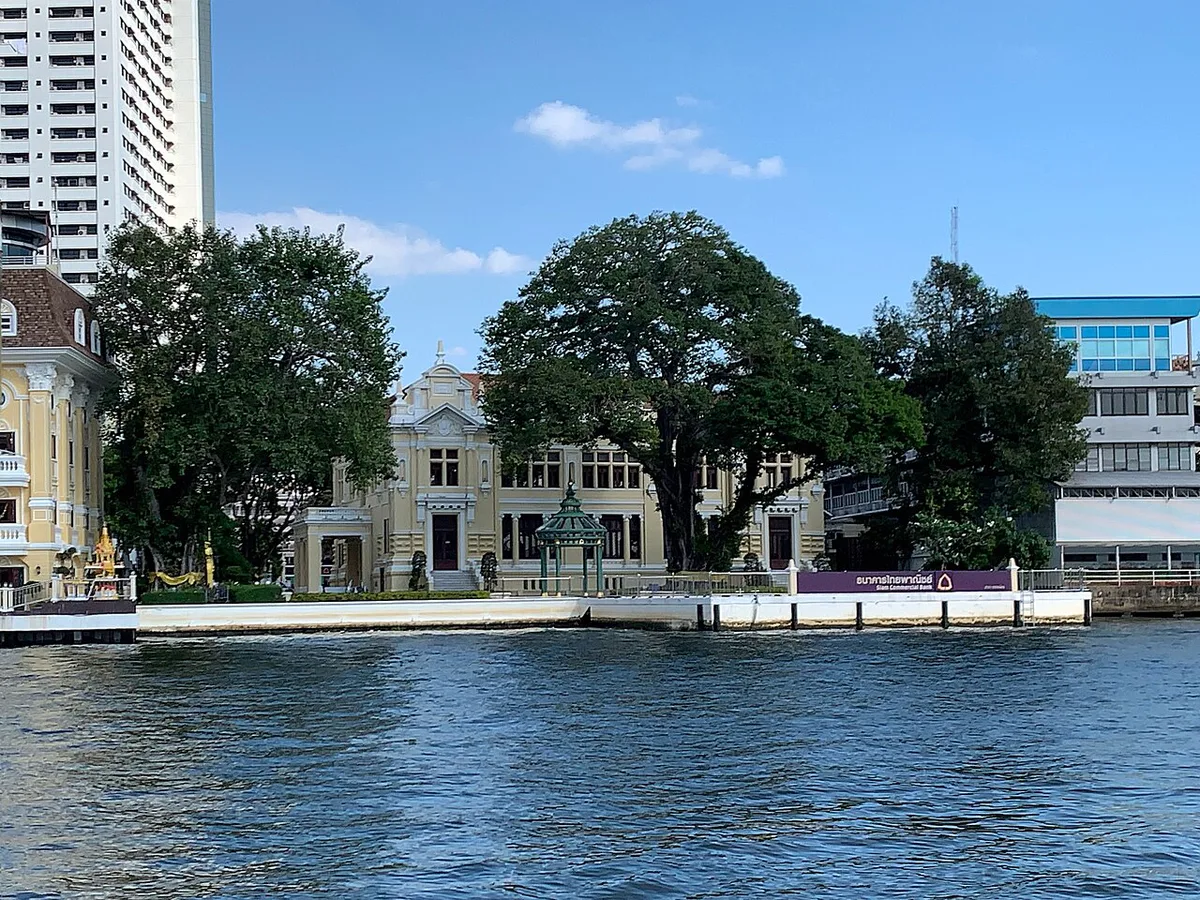
Group your stops by purpose. For coffee, Mother Roaster sits above an old mechanic's workshop, and Hong Sieng Kong is a riverside cafe reported to run a queue-then-order system. One listing gives its hours as 10am to 8pm, closed Mondays, so confirm. For a proper meal, Urai Han Palo on Song Wat is known for Teochew braised goose. It can sell out, so we'd go early. Street food clusters around the Holy Rosary Church roundabout. For drinks, the back sois have small bars that open in the evening. Yaowarat is the better late-night food option. Baan Rim Nahm and MotherBKK are flagged as closed, so skip both.
Costs, hours and what is free
Walking the lanes, the Rong Kueak shrine and the street art costs nothing. Cafes and meals are your main spend. One listing mentions ฿50 for So Heng Tai Mansion, but treat that as unconfirmed and ask at the door. Hours are the most fragile detail here, so check these before you go:
- Hong Sieng Kong: reported 10am to 8pm, closed Mondays
- So Heng Tai Mansion: open to visitors or not
- Market and food-cart days, which vary
- Tour times, if you book a bicycle or food tour; ask the operator for the current schedule and price
- Venue status for any cafe or bar you plan to reach
Day or night: when to go
Go by day for workshops, light and shrines. Go at night for Yaowarat, which is a short ride away. Weekdays show the Sieng Kong shops at work, while some are quieter on weekends. Verify weekend market activity before you plan around it. If you only have one outing, do the walk in the morning, rest at River City in the afternoon heat, and return for dinner.
Should you stay in Talat Noi?
For a first visit, we'd base near the BTS and come here on foot. Check lines on the BTS Skytrain site. Modern bases like Ari and Thonglor suit that plan. Backpackers may prefer Khao San Road Bangkok: Is It Worth Visiting? for nightlife. Staying riverside or in Chinatown suits repeat visitors who value atmosphere over convenience. Expect a train or boat ride to the main shopping districts. See our comparison of Bangkok areas to choose.
Mistakes to avoid
Most problems come from timing and manners. We'd avoid these:
- Arriving at night and expecting Yaowarat-style food in the quiet back sois
- Wearing sandals near workshops, where pavements can be oily and uneven
- Treating homes and shopfronts as photo sets
- Joining the queue at a popular cafe at peak time without a plan B
- Planning around a venue that has closed or changed
Combine with nearby areas
Pair Talat Noi with Yaowarat for dinner. For old-city sights, add Rattanakosin's temples and palaces on another day. Check ticket details on the official Grand Palace site. We'd keep the two on separate days, because the palace circuit uses up a morning.
Frequently Asked Questions
Is Talat Noi worth visiting?
Yes, if you like workshops, shrines and street art on foot. It is free to wander and works as a half-day trip. Skip it if you want polished sights or a short day.
What does Talat Noi mean?
It means "little market" in Thai. Scholarly accounts link it to a smaller market that grew south of the larger Sampheng market. It is also spelled Talad Noi.
Where to start in Talat Noi?
Start at Marine Department pier if you arrive by boat. Walk to the Rong Kueak shrine and the street-art lane. If you come from Chinatown, start at Wat Mangkon and walk down.
Useful notes for your Thailand trip
Optional updates to our guides.
You might also like
Continue reading
More guides you'll find useful