Wat Chaiwatthanaram Guide: Tickets, Hours & How to Visit
How to visit Wat Chaiwatthanaram in Ayutthaya: getting there, when to go, tickets, what to see, and how it fits with the historical park.
On this page
Last updated November 2026. Wat Chaiwatthanaram is a restored riverside monastery ruin on the west bank of the Chao Phraya, off Ayutthaya's city island. Come for the Khmer-style central prang, the symmetrical layout and the rows of Buddha images. Use this guide to plan transport, timing and a half-day route, and pair it with our wider Ayutthaya things to do guide.
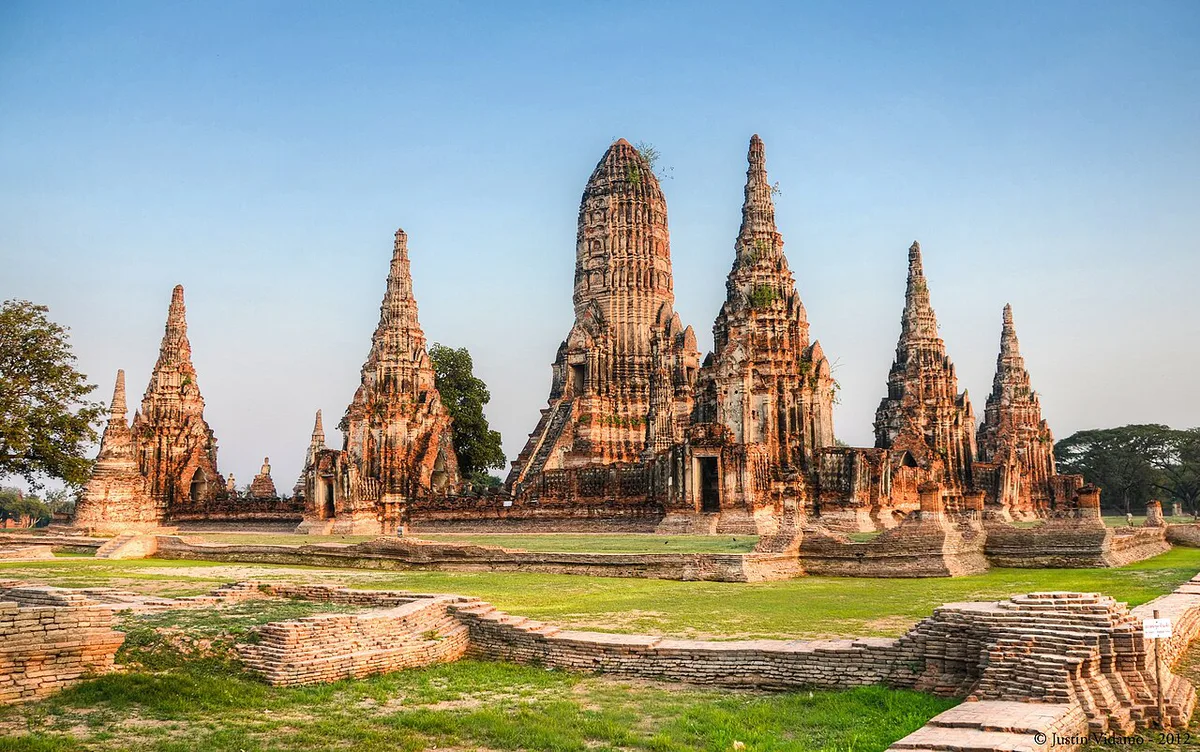
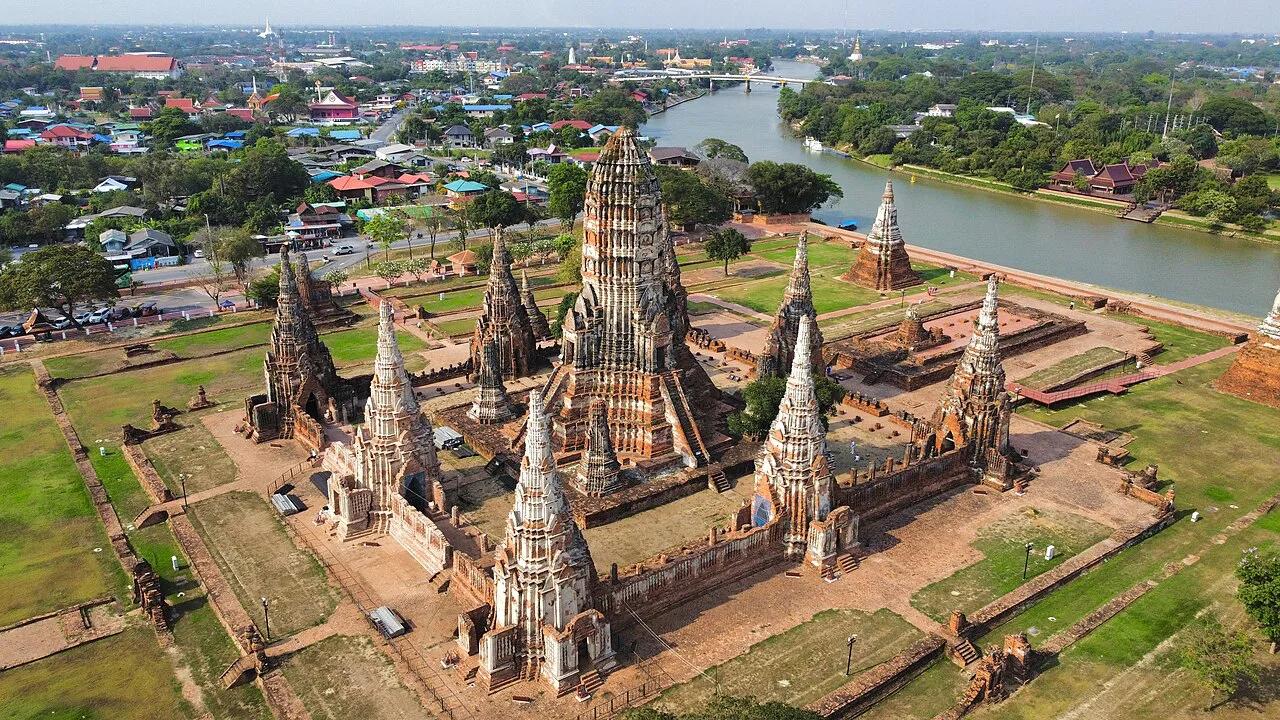
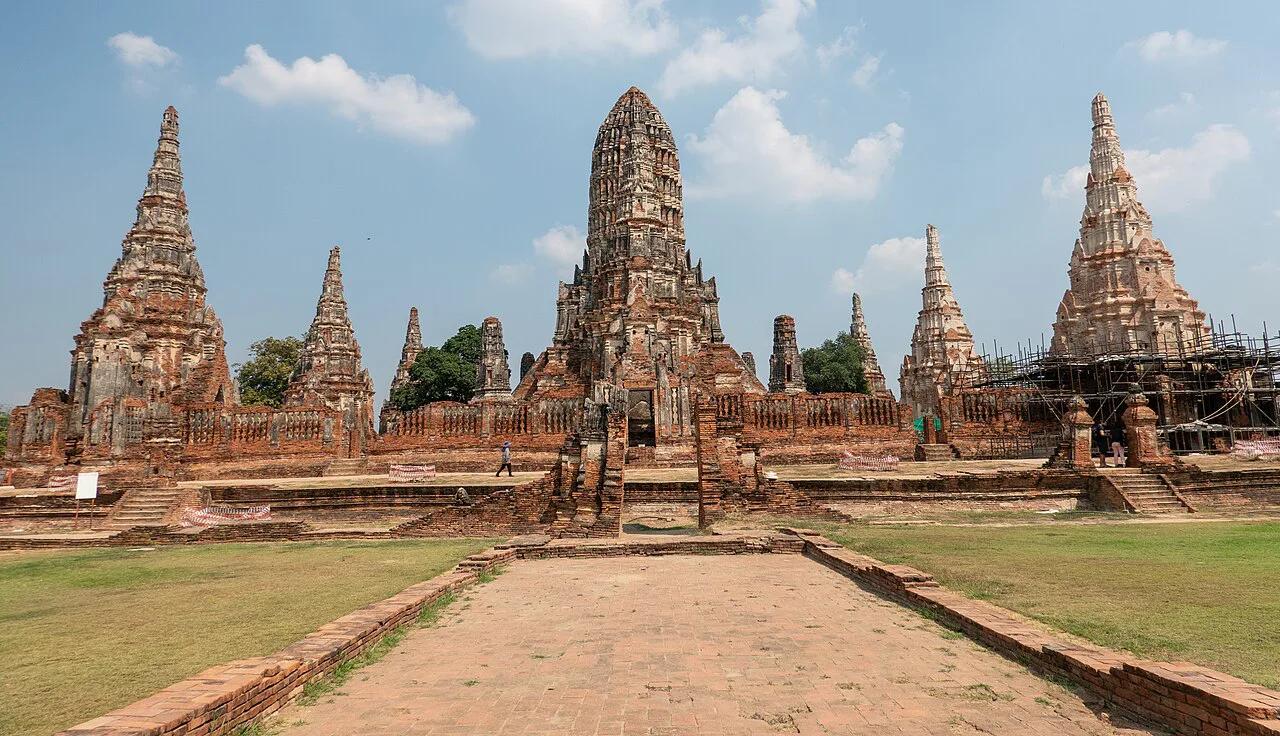
Featured image: Average trinmo, CC BY-SA 4.0, via Wikimedia Commons.
Quick answer: is Wat Chaiwatthanaram worth visiting?
Yes, if you like large-scale ruins and good late-day light. Its main prang stands roughly 35 m high, and the layout is more complete than many sites on the island. Skip it if you only have a few hours and want the densest cluster of ruins. Those sit on the city island, and this temple needs a separate transport leg. Aim for the cooler end of the day, and confirm hours and ticket rules with the Fine Arts Department before you go.
What Wat Chaiwatthanaram is and why it matters
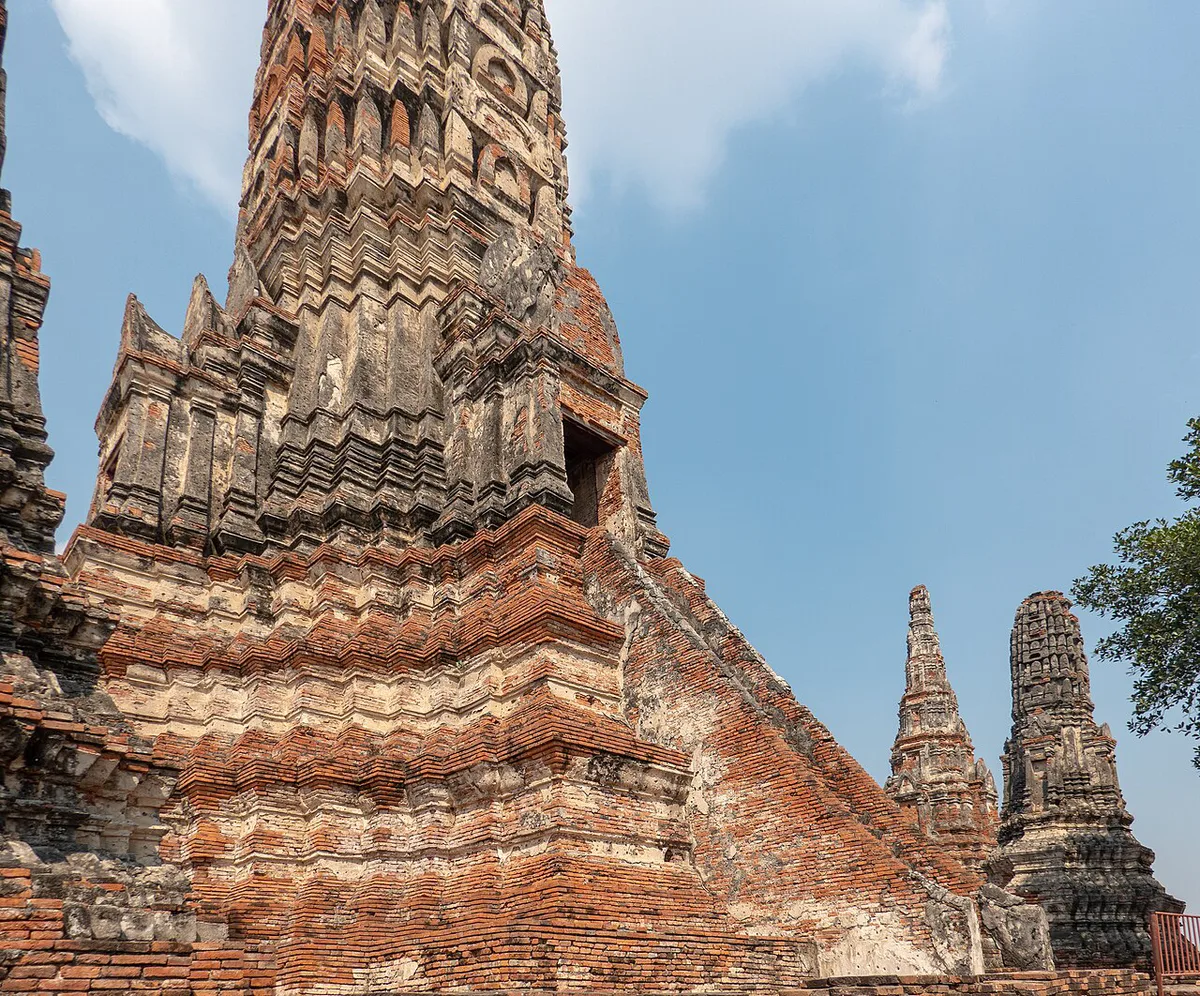
King Prasat Thong, who reigned from 1629 to 1656, founded this royal monastery in 1630. Historical accounts say he built it to make merit for his foster mother. Construction may have run for about 20 years. Its Khmer-influenced prang marks a revival of that style in the late Ayutthaya period. After the Burmese sack of 1767, the site was abandoned for over 200 years. Today it is a restored ruin, not a working temple. Angkor Wat is often named as a comparison, but expect something far smaller and plainer in scale. Treat it as its own place.
What to see on site
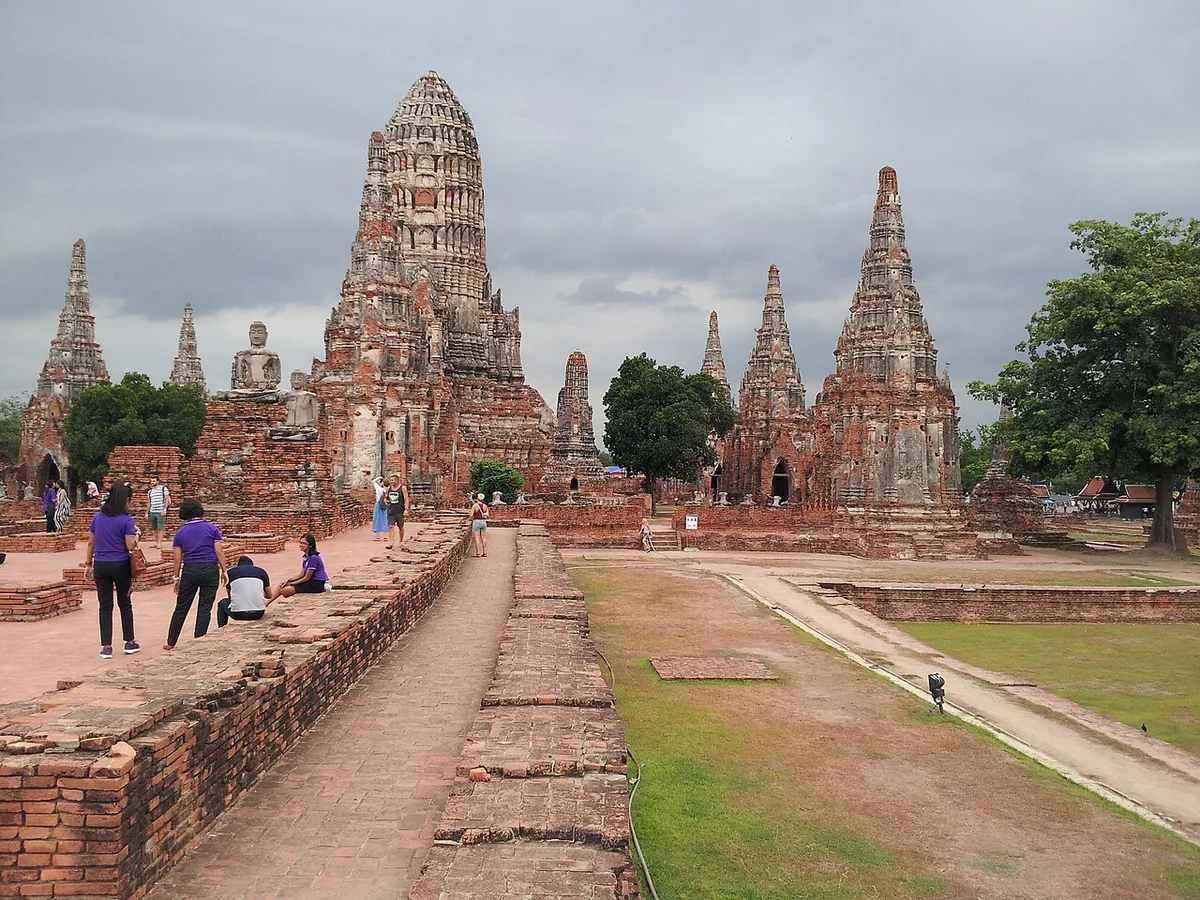
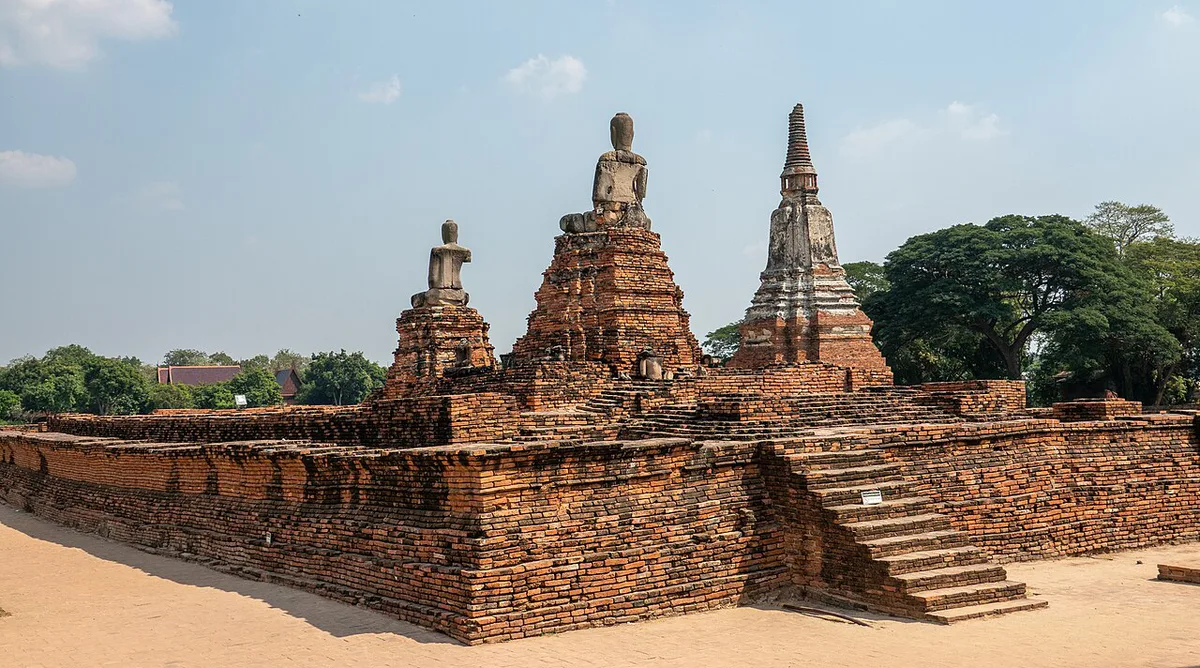
The complex follows an east-west axis, with the river side at the east. Historical research describes an outer wall of roughly 194 by 117 m. Walk inward in this order for the clearest picture.
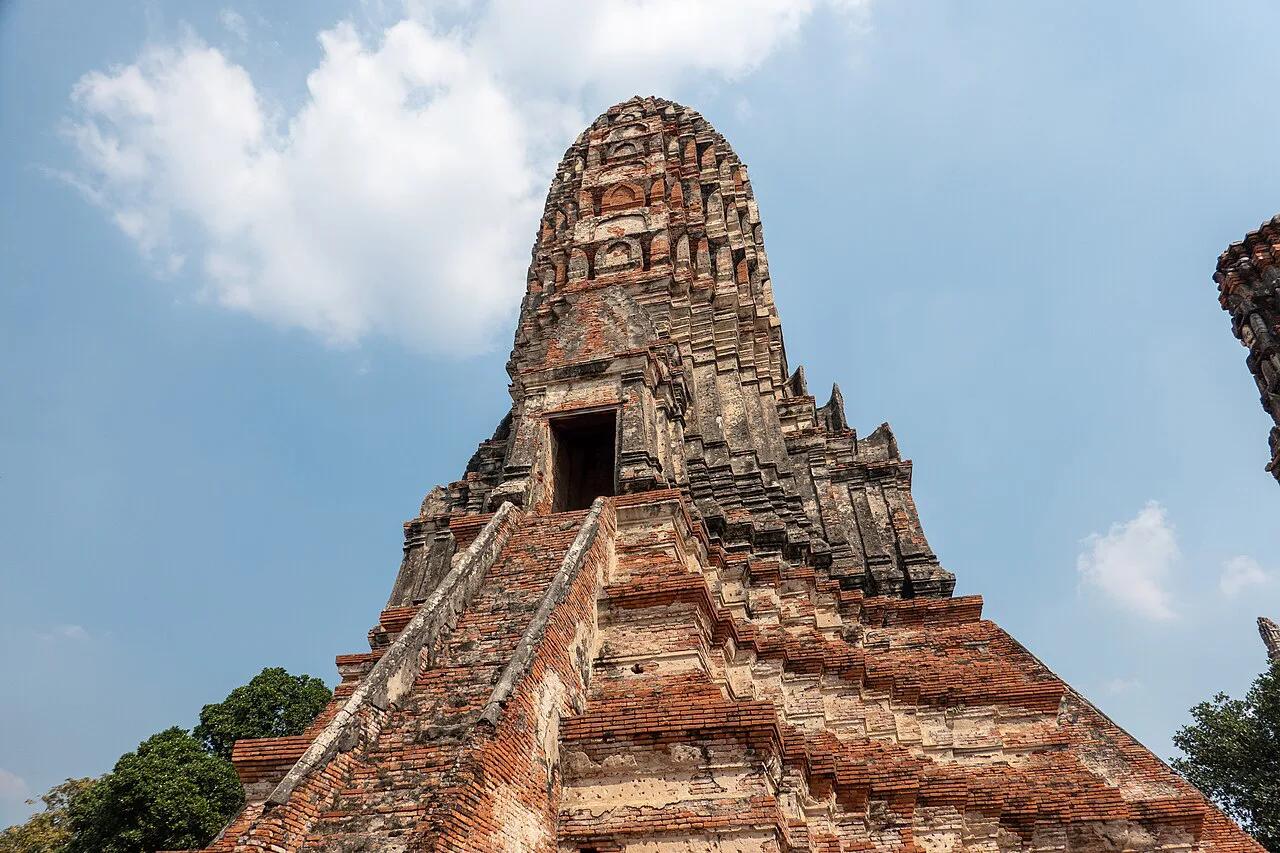
At roughly 35 m, the central prang stands taller than the meru halls, which reach roughly 25 m.
- Two large chedis near the river, standing apart from the main platform.
- The ordination hall base, where only the raised foundation remains.
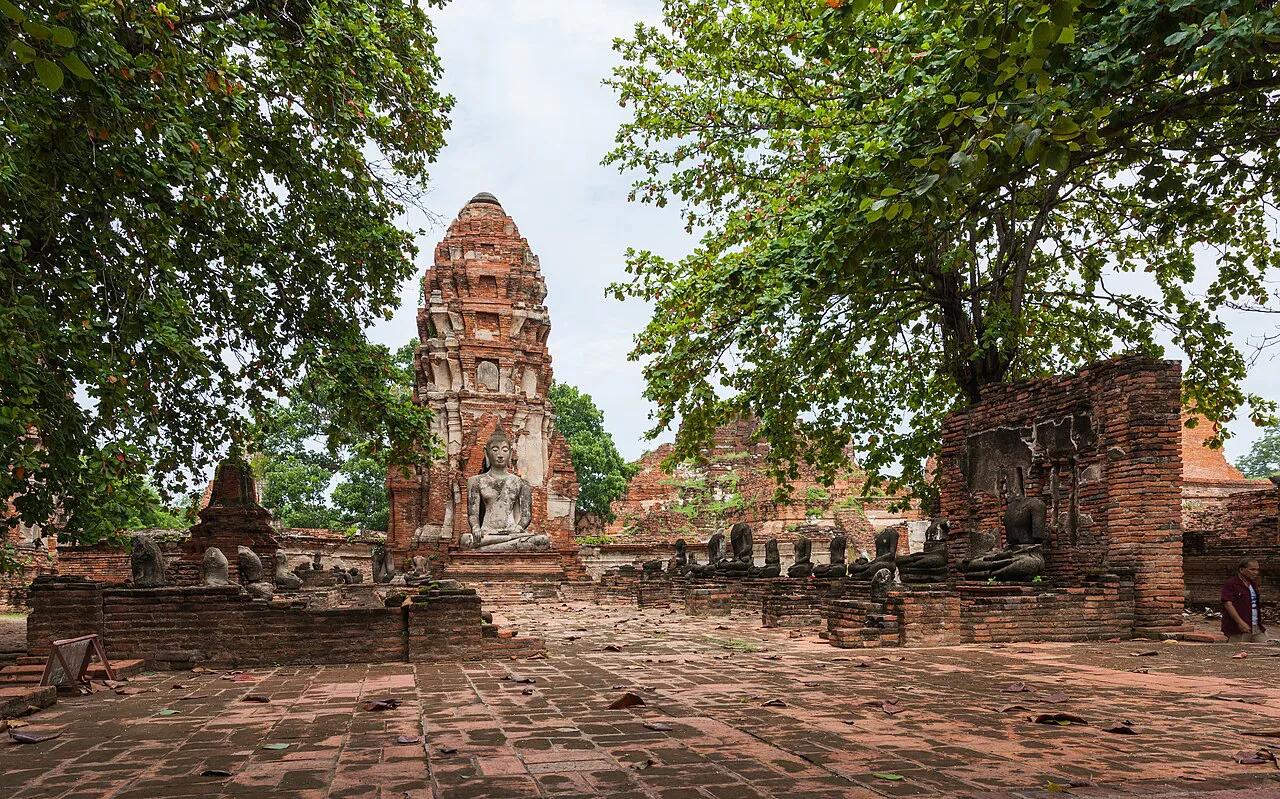
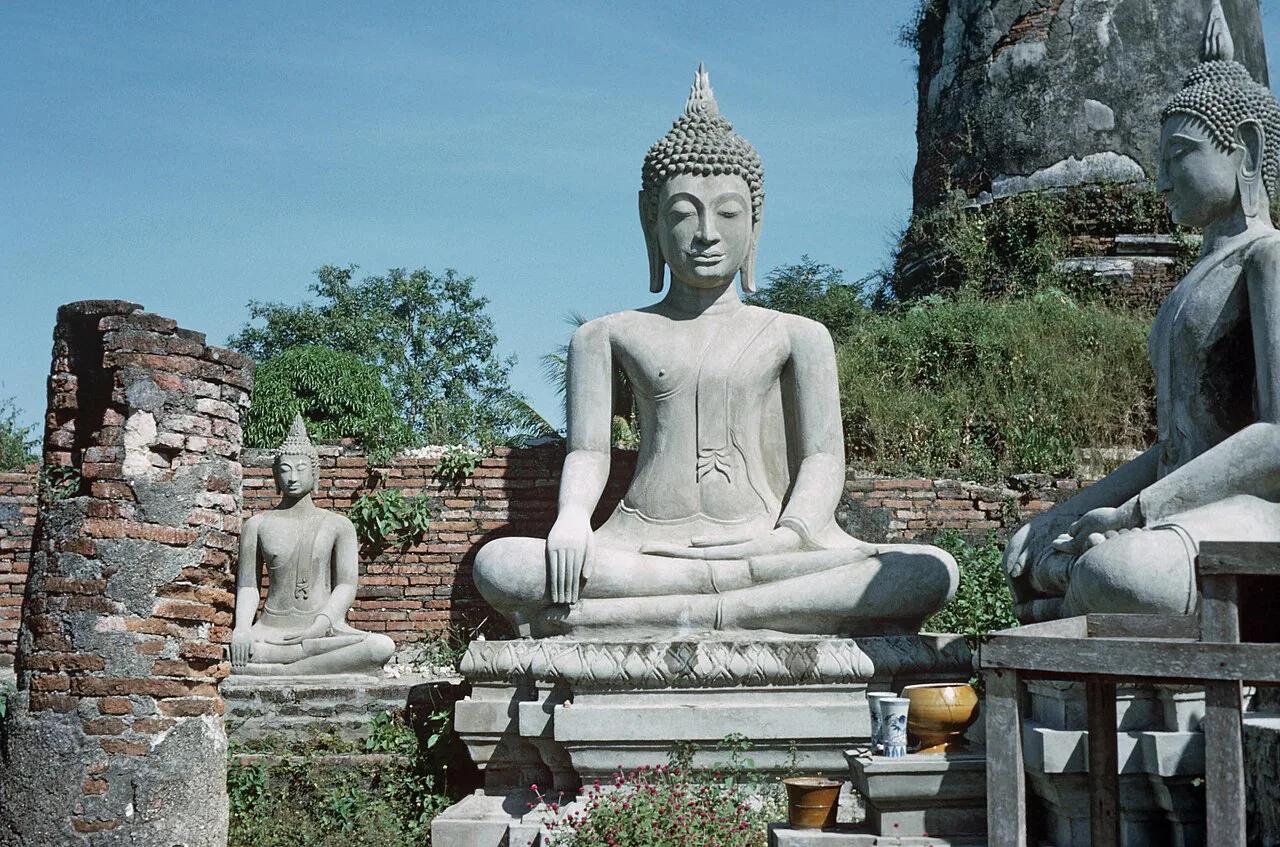
- A square gallery, roughly 55 m on each side, lined with seated Buddha images, many headless.
- Eight spired-roof halls, called meru, set around the gallery. Each stands roughly 25 m high.
- The central prang with four smaller prangs at the corners, all on one raised platform.
How to get there
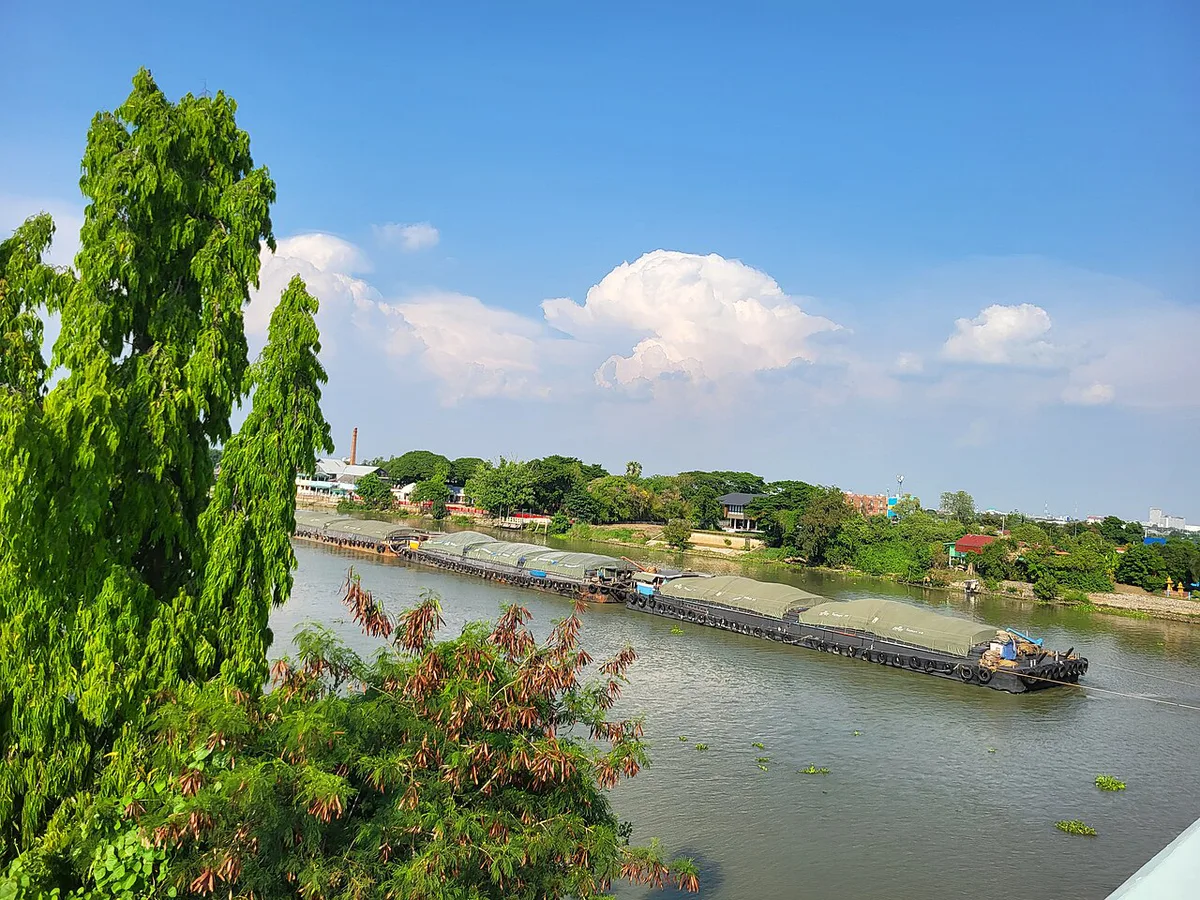
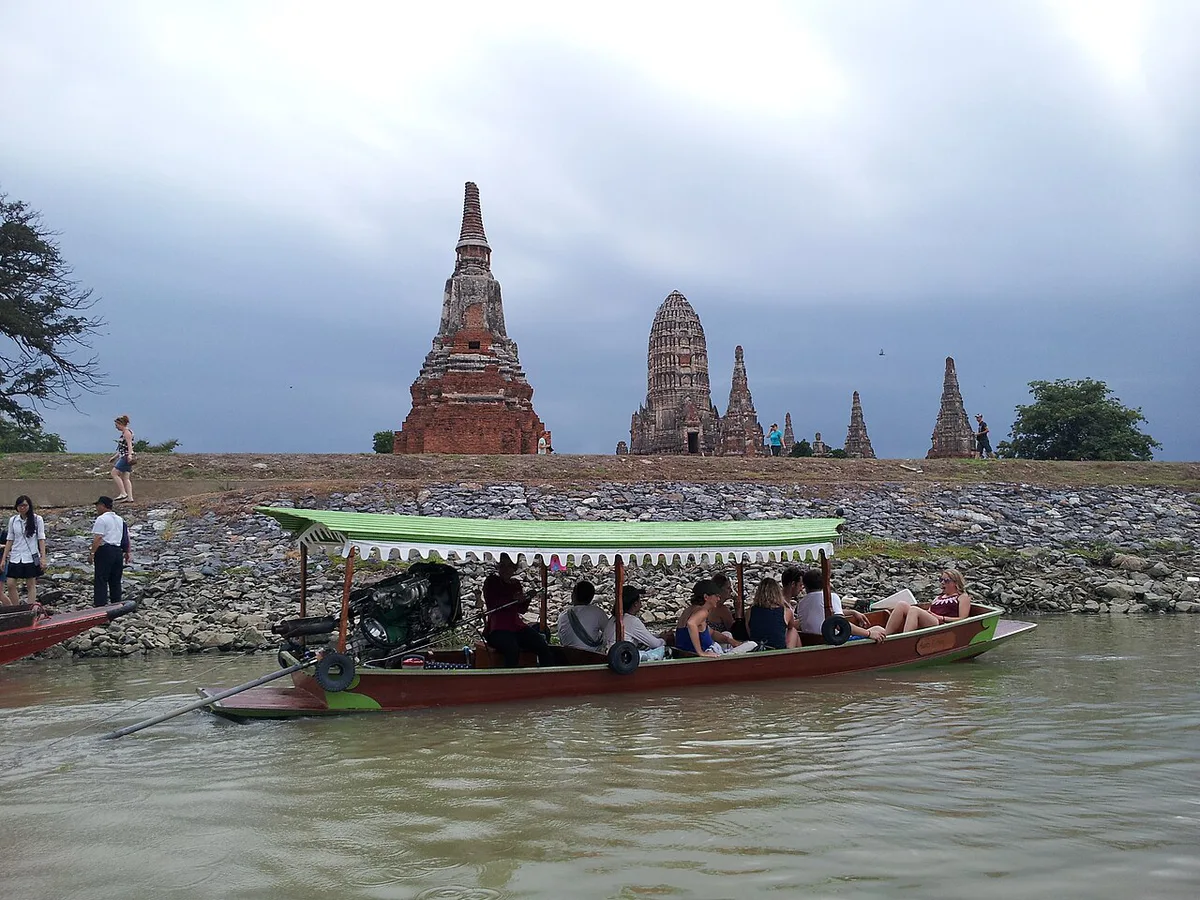
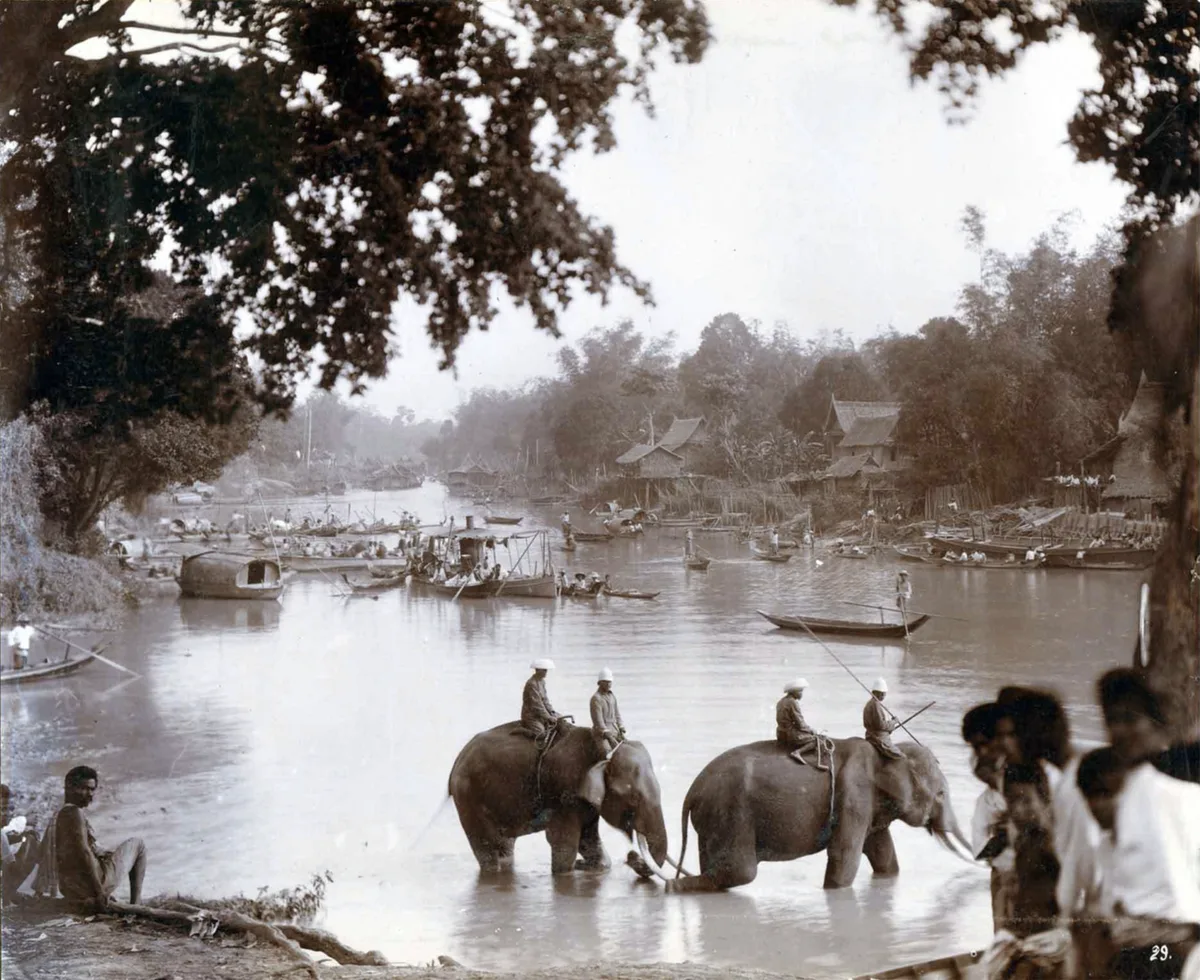
Wat Chaiwatthanaram sits on the west bank, so you cross the river from the island centre. No fares or boat timetables are confirmed for 2026. Ask your hotel or the local tourist office for current prices, and agree any fare before you board. Early records say the main historic access was by river from the east, so a boat approach is a fitting option if one is running.
| Mode | Suits | Main drawback |
|---|---|---|
| Tuk-tuk | Short hops, no planning | Negotiate the price first; open to the heat |
| Songthaew | Budget travelers who like local transport | Routes are less predictable; check where it stops |
| Bicycle | Flat, shaded-stop riding in cool hours | Heat and road traffic; the river crossing needs checking |
| Rented scooter | Flexible multi-stop days | Traffic risk; only for confident riders |
| Hired car or driver | Groups, families, hot days | Costs more; agree the waiting time |
| River boat | A slow, scenic approach | Current routes and prices need checking |
Tickets, opening hours, and dress code
Ticket prices and closing times are not confirmed for 2026. Check the Fine Arts Department notices for current entry fees and hours. Also confirm whether this temple is covered by a combined pass. Our Ayutthaya Historical Park guide explains how the central sites are handled. Cover shoulders and knees, since these are sacred ruins. Do not climb on Buddha images or pose on structures. Also check whether climbing the steep prang stairs is currently allowed.
Best time to visit
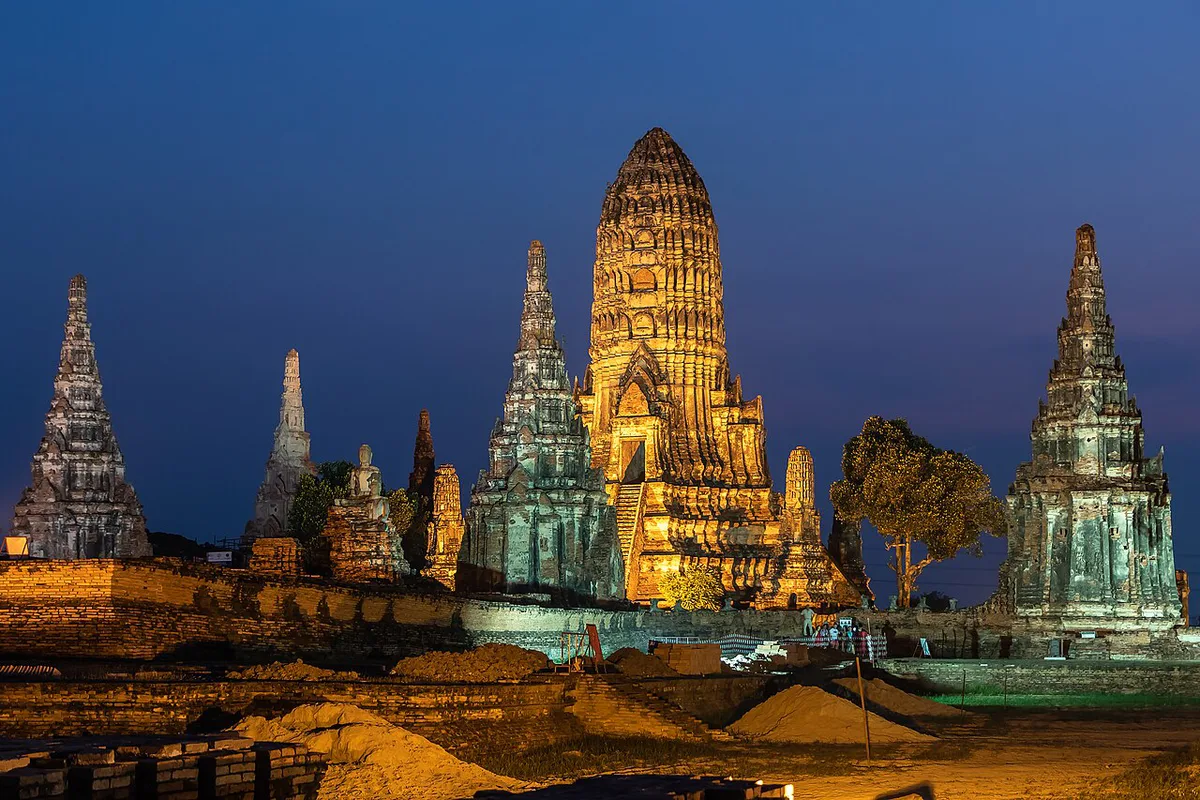
Midday is the hardest slot, with little shade and few places to sit. Early morning is cooler and quieter, so it suits walking the full gallery. Late afternoon gives warm light on the prang, and the temple is oriented east toward the river. Confirm the closing time first, since a sunset plan fails if the gates shut early. Bring water and a hat in any season.
Sample half-day itineraries
Budget about 3 to 4 hours for each route, including transport. Adjust for heat and your pace.
Allow 3 to 4 hours per route, so a few spare hours is too tight for this temple's river crossing.
- Ruins pairing: start at Wat Mahathat in the morning, then cross to Wat Chaiwatthanaram in the cooler afternoon.
- Palace extension: add Bang Pa-In Palace for a longer day, and check opening details with the Bureau of the Royal Household.
- Relaxed family route: take a slow visit here, then end at the floating market.
Costume rental and photography
Many visitors photograph the ruins in traditional Thai dress. Rental shops are usually found near sites like this, but confirm what is on offer on arrival. Pick modest cuts that meet temple dress rules. Photograph the headless Buddha images from the walkways. Do not touch them or lean on them. Skip drones unless you have checked the current rules.
Wat Chaiwatthanaram versus Wat Mahathat and the central park
Both are worth seeing, but they suit different days. Use this quick decision box.
| Choose | If you want |
|---|---|
| Wat Chaiwatthanaram | A symmetrical riverside layout, a large prang and a quieter walk |
| Wat Mahathat and the central park | Many ruins close together with less transport |
| Both | A full day with a river crossing and a cool-hours plan |
Where to stay and base choices
Stay on the island centre for walkable access to the main ruins. A riverside base puts you closer to the river approach. Day-trippers from Bangkok can use our Bangkok things to do guide to plan around the return trip. Leave enough buffer for the last departure back.
Common mistakes to avoid
Most problems come from timing and assumptions. Avoid these.
- Arriving at midday with no water or shade.
- Assuming hours or tickets without checking official notices.
- Treating it as a working temple or a close Angkor match.
- Climbing on Buddha images or structures.
- Leaving no time for the river crossing.
Frequently Asked Questions
What is the history of Wat Chaiwatthanaram?
King Prasat Thong founded it in 1630, according to historical research. It honored his foster mother and served later Ayutthaya kings. After the 1767 Burmese sack, it was left abandoned.
Was Ayutthaya the old capital of Thailand?
Ayutthaya was the seat of the kingdom's rulers, including King Prasat Thong, who founded this temple. Its ruins are why visitors come today.
Useful notes for your Thailand trip
Optional updates to our guides.
You might also like
Continue reading
More guides you'll find useful