Best Time to Visit Ayutthaya: Month-by-Month Guide
Best time to visit Ayutthaya: November to February is the cool, dry window, but it is also the peak. Here is how to make hot or rainy months work.
On this page
Last updated November 2026: the best time to visit Ayutthaya is the cool, dry season from November to February, when walking the Historical Park ruins is most comfortable. Expect a trade-off, because December and January bring the biggest crowds and the highest lodging prices. Time of day matters nearly as much as month, since the park is open ground with very little shade.
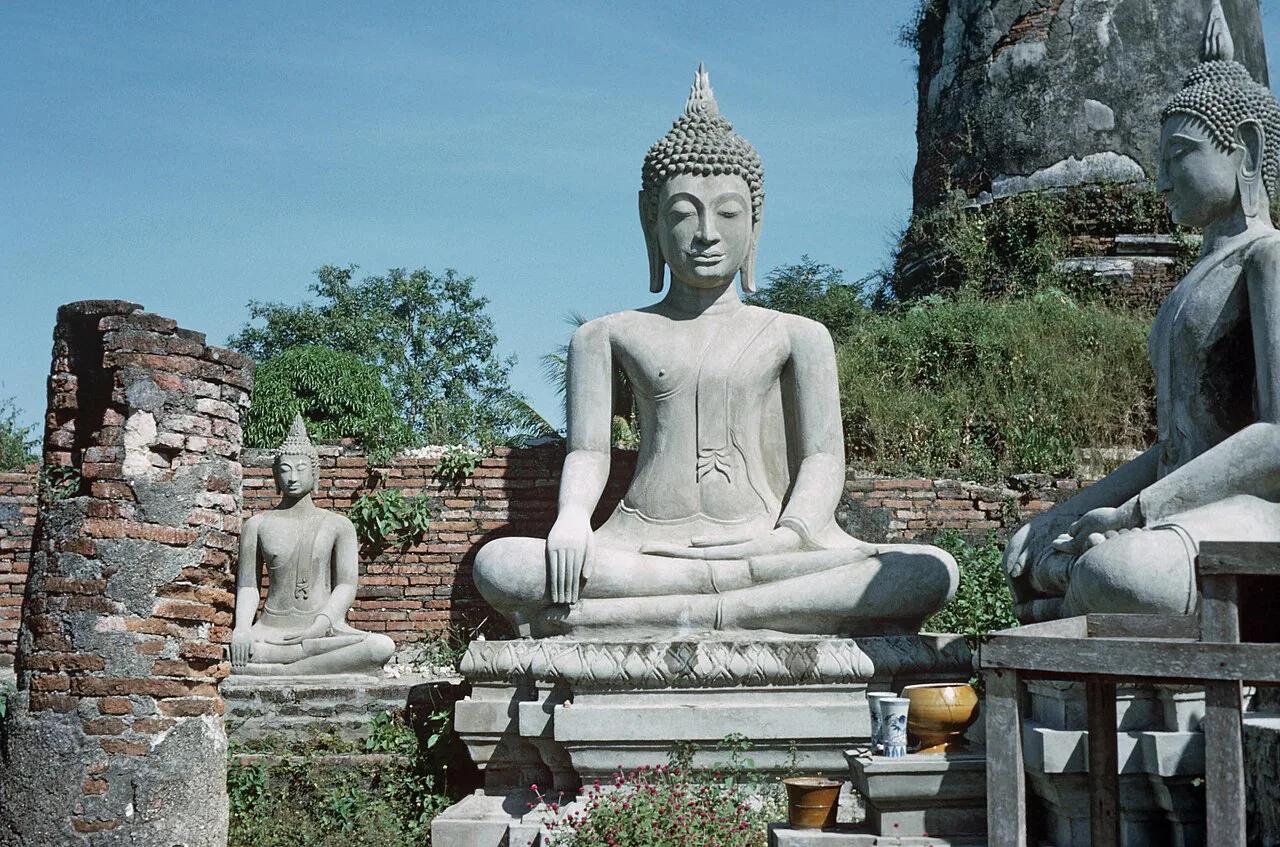
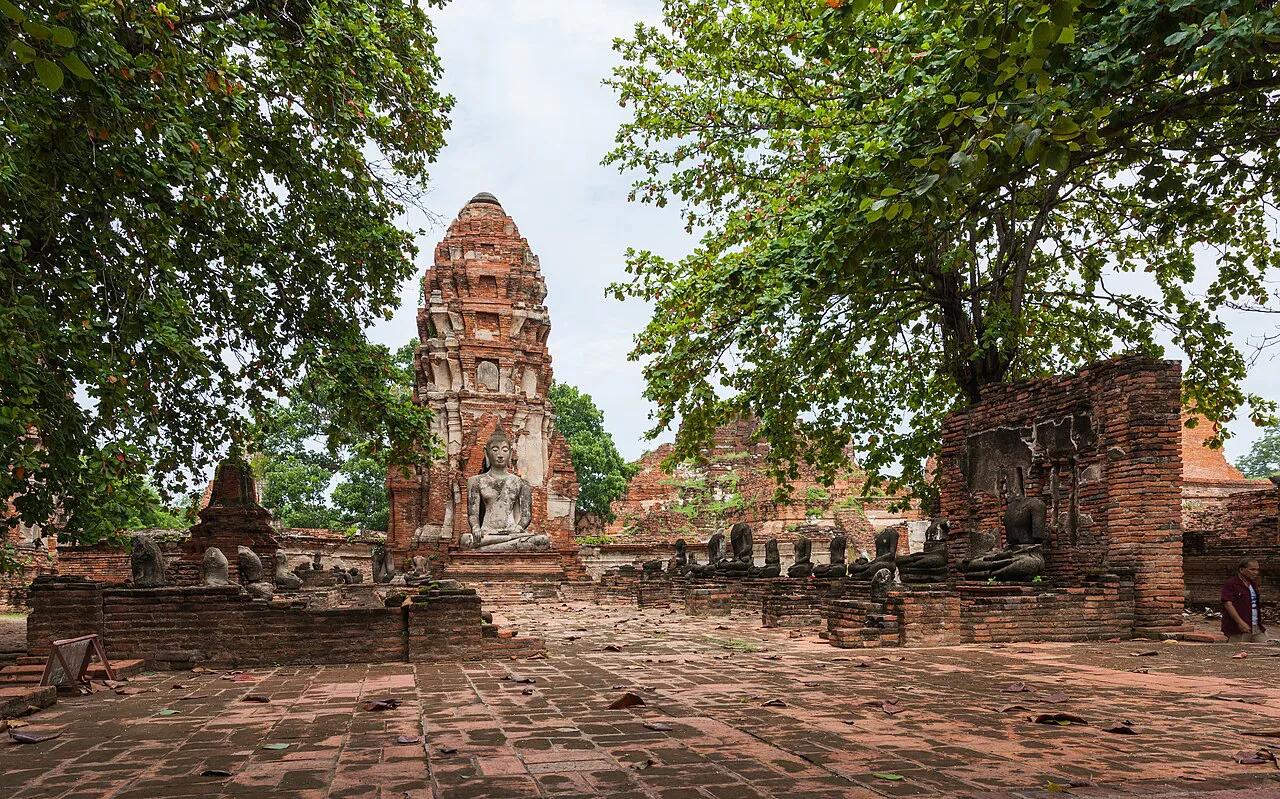
Featured image: No(0)GoodNamesLeft, CC BY-SA 4.0, via Wikimedia Commons.
Best Time to Visit Ayutthaya: The Short Answer
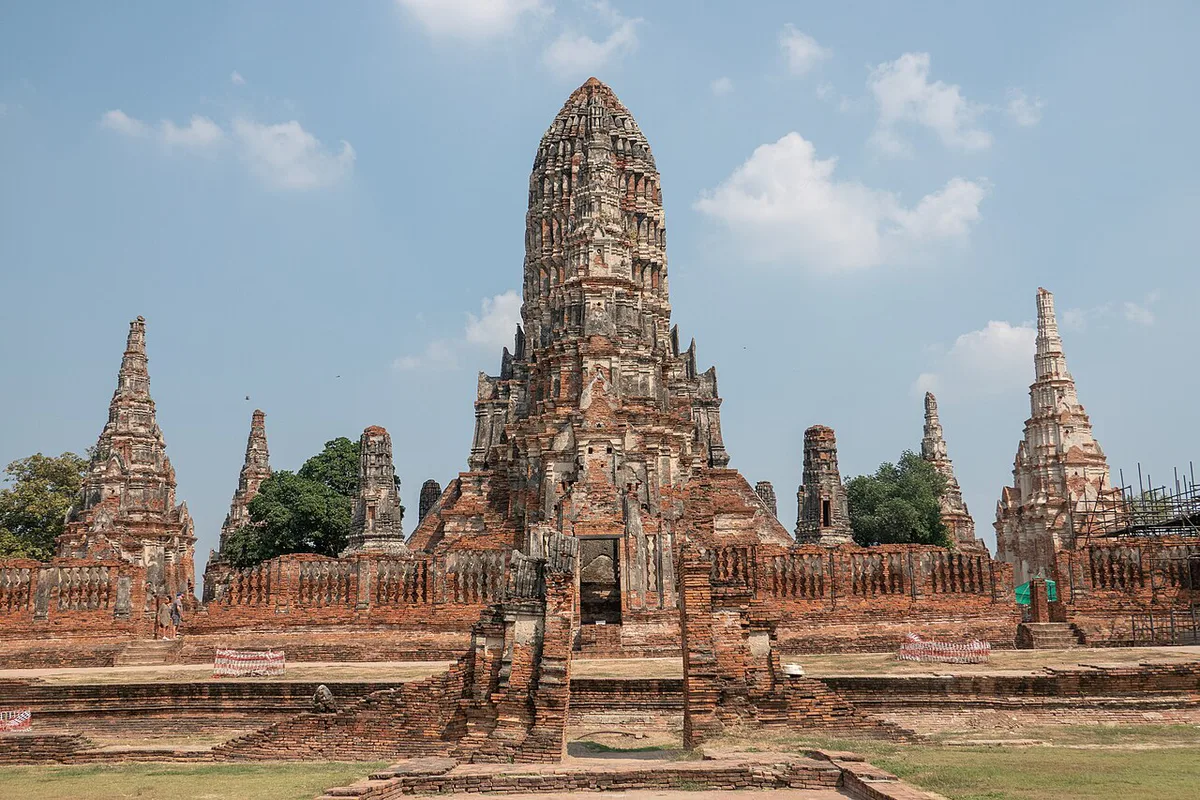
Go between November and February if comfort is your priority. Daytime highs in this window are commonly quoted at around 22–30°C (72–86°F), though published ranges differ. Check the Thai Meteorological Department for current climate norms and weather advisories. March to May is the hot season, when temperatures regularly pass 35°C (95°F). April can reach 40°C (104°F), so sightseeing becomes physically demanding. June to October is the rainy season, with fewer visitors and a real flooding risk in September and October. For lower pressure within the good weather, aim for November or February. December and January are the peak months. Whatever you choose, start early. Ayutthaya sits about 80 km from Bangkok, and the Historical Park offers almost no shade between roughly 10am and 4pm. The decision table below shows which months fit which priority.
Which Month Fits You? A Quick Decision Table
Match your top priority to the row below. Each row names what you give up and how to soften it. Festival dates shift every year, so confirm them with the Tourism Authority of Thailand before booking.
| Your priority | Best months | What you trade away | Workaround |
|---|---|---|---|
| Comfort | November to February | Larger crowds, higher lodging prices | Choose November or February over December and January |
| Fewest crowds | September and October | Heavy rain, flooding risk | Visit in the morning and check local conditions first |
| Lowest cost | June to August | Rain most days | Plan temples before noon, museum or cafe after |
| Photography | November mornings, or rainy season | Peak crowds in cool season; wet ground in rainy season | Arrive at opening; wear grippy shoes |
| Festivals | November (Loy Krathong), December (World Heritage Fair) | Crowds and lodging pressure | Book lodging well ahead |
| Day trip from Bangkok | November to February | Early start required | Take an early train and finish by lunch |
| Avoiding heat risk | November to February | Busy weekends | Go on a weekday morning |
Ayutthaya's Seasons Compared
Thailand's three seasons shape Ayutthaya more than any single month. Figures below are broad planning ranges, not forecasts. For recorded climate data, use the Thai Meteorological Department.
| Season | Months | Heat | Rain | Crowds | Price direction |
|---|---|---|---|---|---|
| Cool | November to February | Mild mornings, warm afternoons | Minimal | Highest, peaking December and January | Highest |
| Hot | March to May | 35°C (95°F) and above, up to 40°C (104°F) in April | Low early, rising by May | Moderate to low | Lower |
| Rainy | June to October | Humid and warm | Frequent, often heavy for an hour or two | Lowest | Lowest |
Cool Season (November to February)
Rain has stopped by November, and mornings are comfortable for walking between Wat Mahathat, Wat Phra Si Sanphet and Wat Ratchaburana. November is a smart pick if you want good weather before the December rush. It also overlaps with Loy Krathong on the rivers in years when the festival falls in that month. December and January are the busiest weeks. Read about the peak in Ayutthaya in December: Weather, Crowds & Day Plan before you commit. February keeps similar weather with fewer visitors. One caveat applies from late January into March: seasonal burning can cause haze in parts of Thailand. Ayutthaya is generally less affected than the north, but check an official air-quality source if you have breathing issues or plan photography.
Hot Season (March to May)
Hot-season visits work for early risers who accept a short day. Arrive by 8:30am and leave the open ruins by noon. Carry at least 1.5 litres of water, and wear light, loose clothing that covers shoulders and knees. Rest through the middle of the day in an air-conditioned cafe, then resume after 4pm. A tuk-tuk beats a bicycle between distant sites in this heat. Songkran runs 13 to 15 April and brings water fights across town. Sightseeing is difficult then, and camera gear is at risk.
Rainy Season (June to October)
Rain usually comes as heavy showers lasting an hour or two, and mornings are often clearer. Plan temples first, then fall back on the Chao Sam Phraya National Museum in the afternoon. Check its current opening days and fee before you go. Ruins look richer against green grass, and wet brick photographs well. Wear shoes with grip, since stone and grass turn slippery. September and October carry the main flooding risk. Heavy rain can leave low-lying parts of the park waterlogged, and the old city sits on an island ringed by rivers. Check local conditions the day before, and do not assume closures or access from old reports.
Month by Month
This qualitative strip shows the character of each month. For recorded temperatures and rainy days, see Ayutthaya weather by month. Numbers vary between sources, so rely on official climate data when it matters.
- November: end of the rains, cooler air, Loy Krathong in many years.
- December: clear skies, peak crowds, World Heritage Fair evenings.
- January: dry and busy, the peak of lodging demand.
- February: dry with easing crowds, a strong value pick.
- March: heat builds and visitors thin out.
- April: hardest heat of the year, Songkran on 13 to 15 April.
- May: hot, with rain arriving and humidity rising.
- June to August: regular showers, low crowds, green scenery.
- September and October: wettest stretch, flooding checks needed.
Best Time of Day
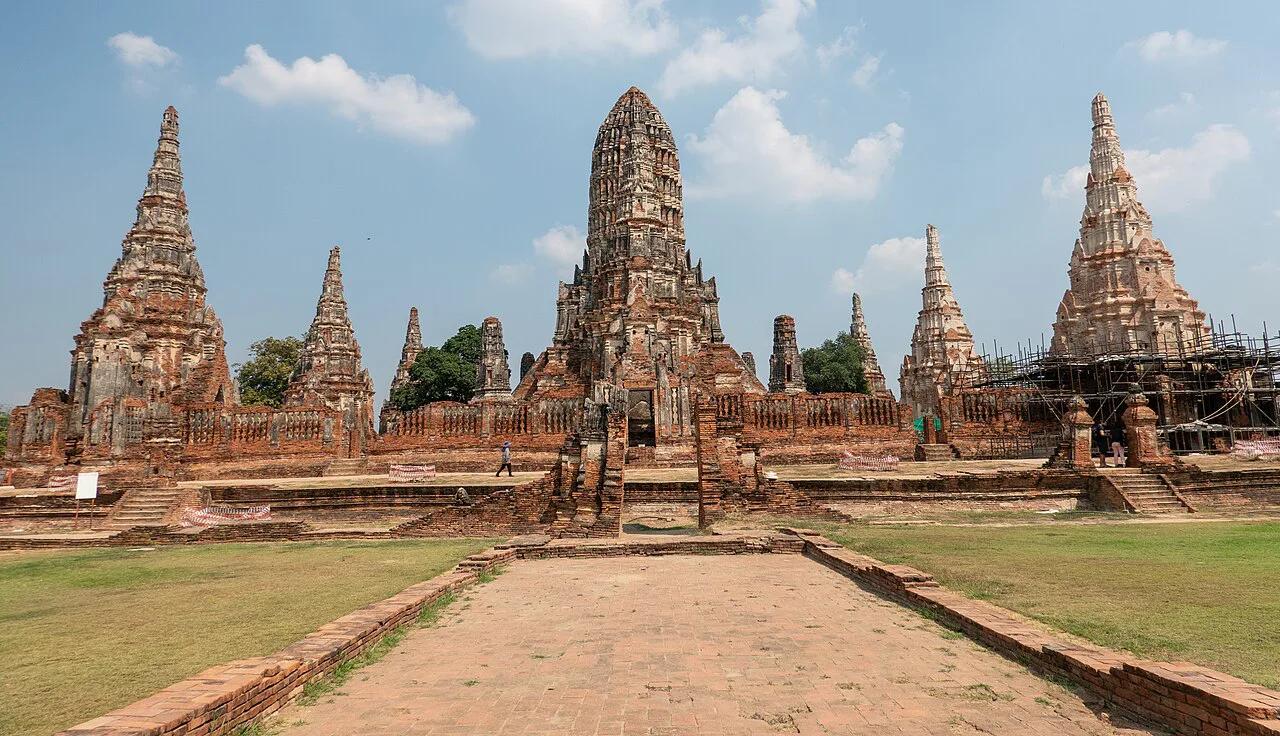
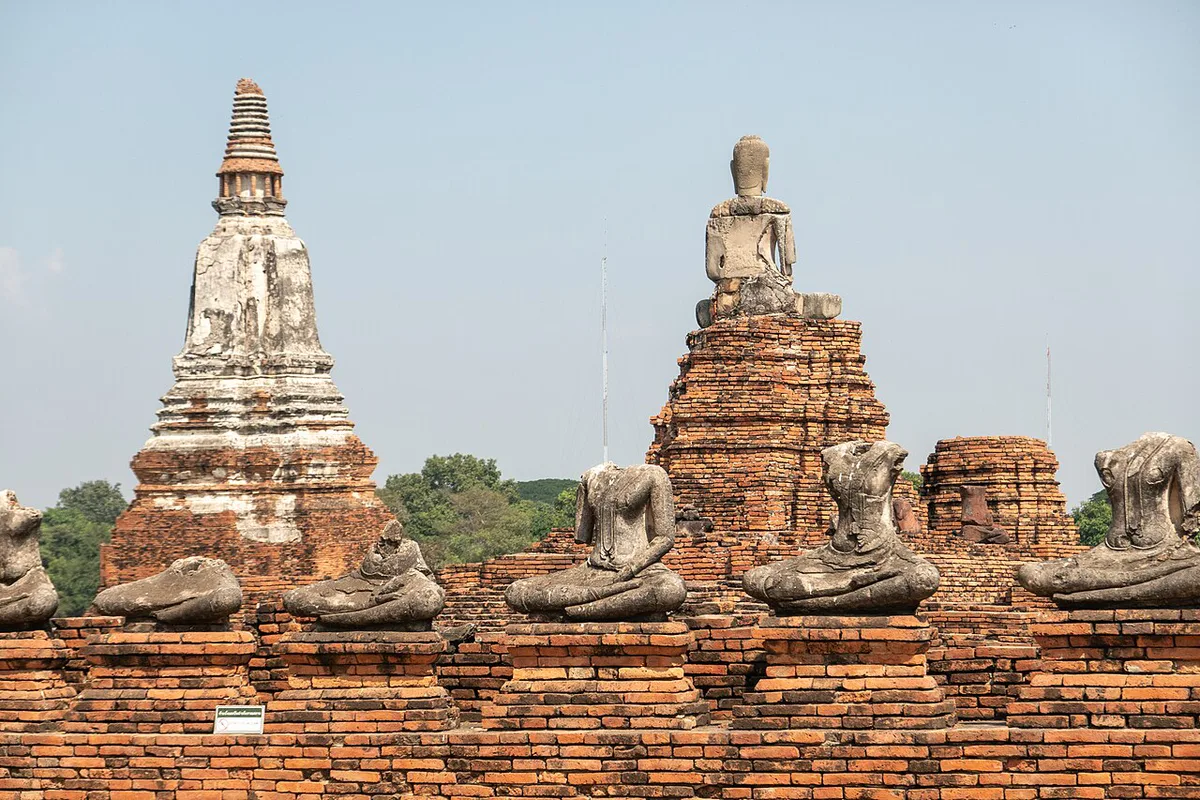
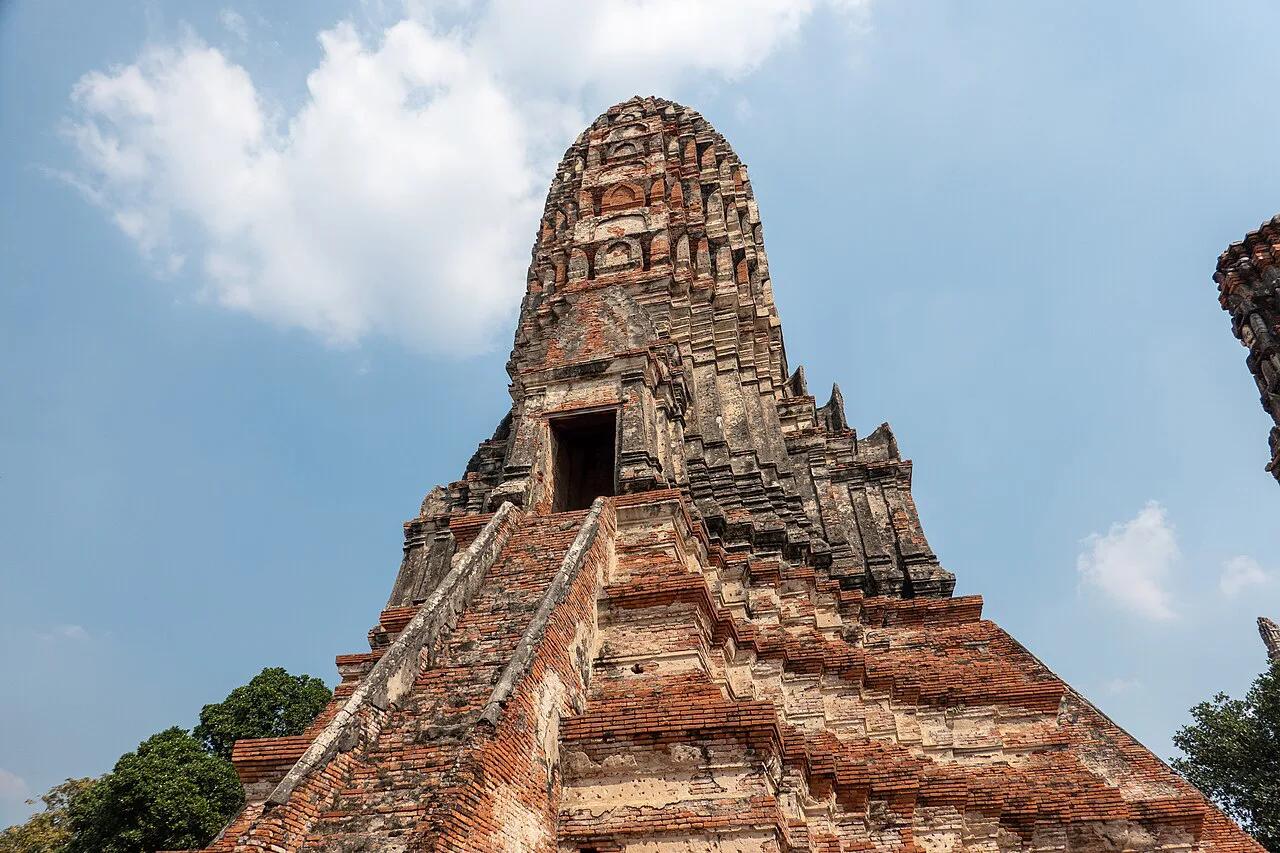
Hour matters in any month. The best window is roughly 8am to 10:30am, when walking and cycling are comfortable and the light is good. Avoid midday to 3pm. A second window opens after about 4pm. Ticket windows and closing times vary by site and change over time, so confirm them with the Fine Arts Department or at the gate. Match sites to light. Wat Yai Chai Mongkhon faces east and suits mornings. Wat Chaiwatthanaram sits on the Chao Phraya riverbank and suits late afternoon, when its prang catches the low sun. Wat Mahathat and Wat Phra Ram have more shade, so timing matters less there. Expect staff to close the grounds near dusk.
Festivals and Events: Worth Planning Around?
Festivals add atmosphere and cost you flexibility. Dates shift each year, so verify them before booking.
- Loy Krathong, usually November: candlelit floats on the rivers around the old city. Read Loy Krathong in Ayutthaya for evening access and crowd tips.
- World Heritage Fair, usually mid-December: light and sound programmes among the ruins. See the World Heritage Fair guide for what to expect.
- Songkran, 13 to 15 April: lively, wet and poorly suited to sightseeing.
Day Trip or Overnight? Fitting Ayutthaya Around Bangkok
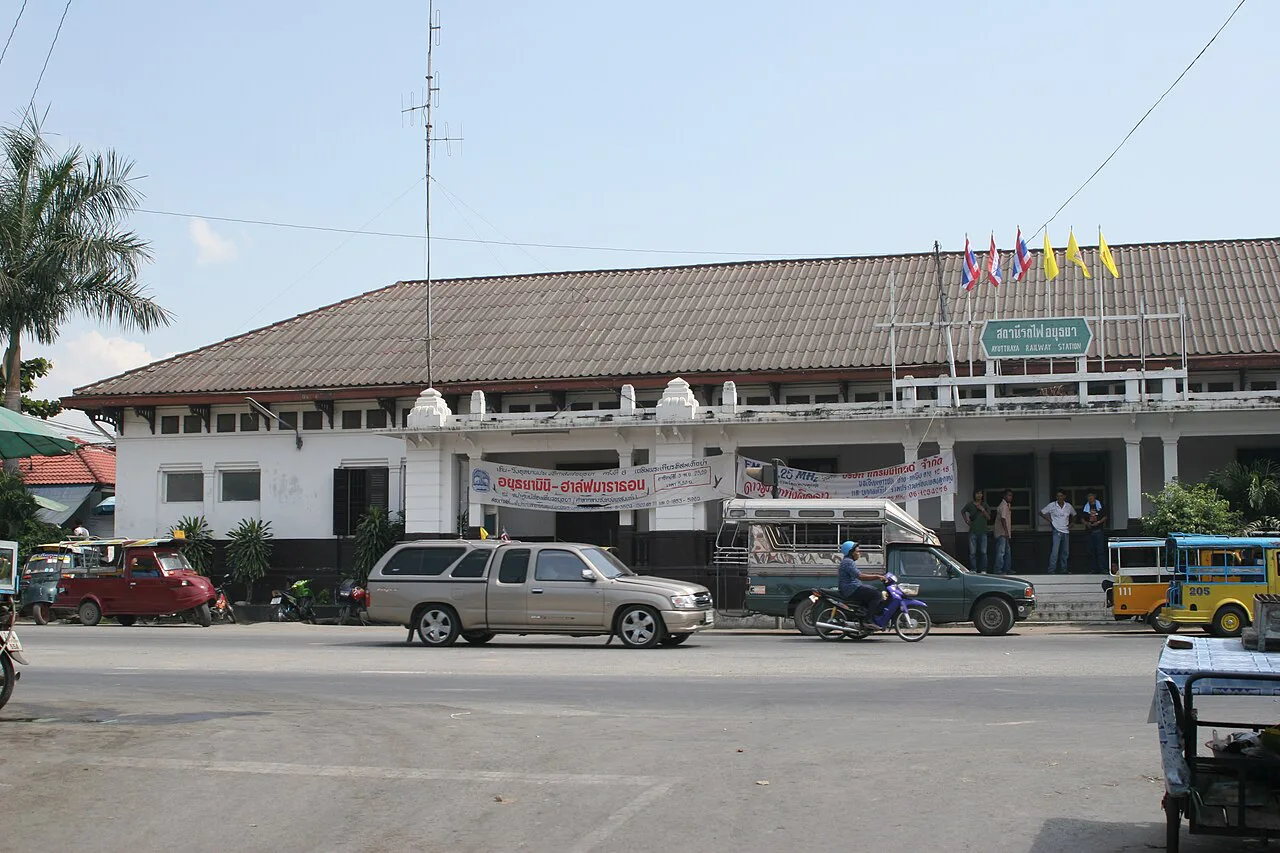
Ayutthaya lies about 80 km from Bangkok. Plan roughly 1 to 2 hours each way by train or car, and check the State Railway of Thailand timetable for current departures. In cool season, a full day trip is comfortable. A single overnight lets you add a dusk visit at Wat Chaiwatthanaram. In hot season, an overnight earns its cost, because you can split the day into early morning, a midday break and an after-4pm session. In rainy season, go morning-first and keep the afternoon flexible. Both cities peak in cool season, so the windows align. Compare them in Best Time to Visit Bangkok: Month-by-Month Guide. In hot season, visit Ayutthaya in the morning, then return to Bangkok's air-conditioning.
Allow 1 to 2 hours each way, so an early departure still reaches the 8am to 10:30am window.
Costs and Crowds by Season
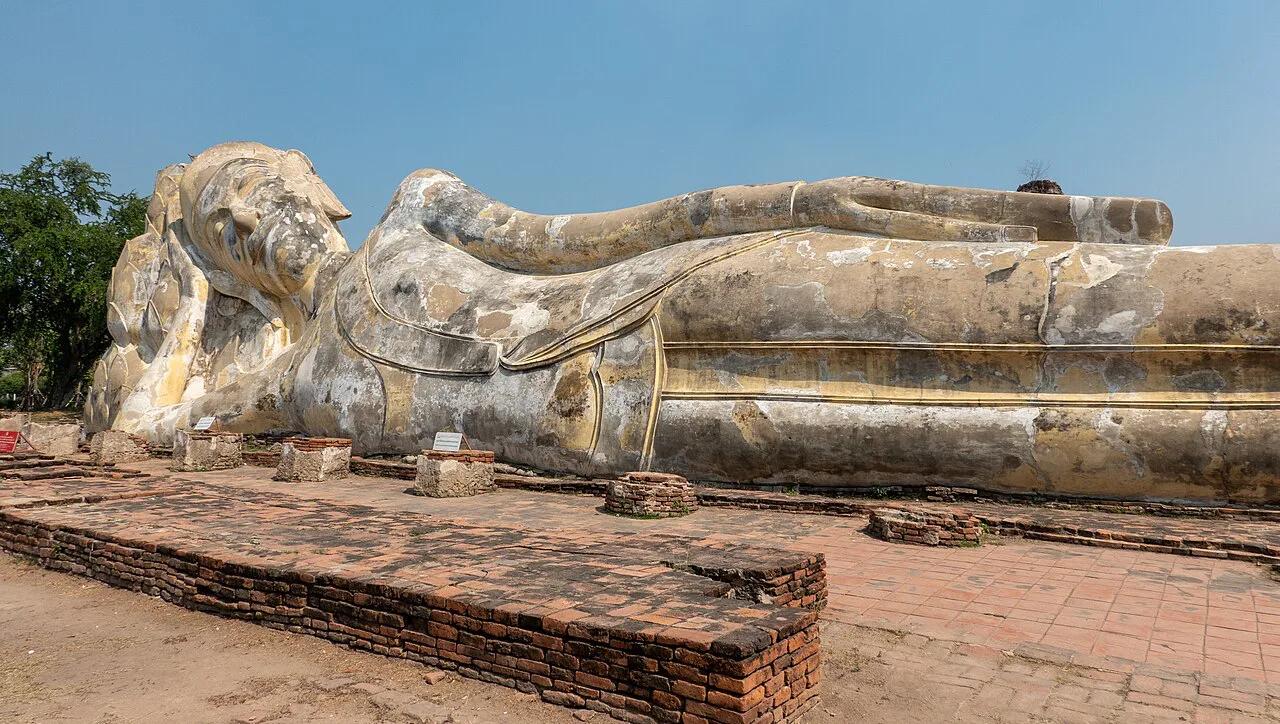
Lodging follows crowds. Expect the highest rates in December and January, and the lowest from June to October. Hot season sits in between. Treat these as direction only, and check live rates for your dates. On-the-ground costs stay steadier. Reported bike rental is around ฿50 a day, and tuk-tuks around ฿200 per hour per person. Historical Park tickets have been listed at ฿80 per major site. Rates and fees change, so confirm with the Fine Arts Department. Crowds follow the same curve. Wat Mahathat and its tree-root Buddha head are busiest on cool-season weekends.
Tuk-tuks cost around ฿200 per hour per person, and in hot season they beat bicycles between distant sites.
Common Mistakes When Timing Your Visit
Most timing errors come from underestimating open-ground heat or overestimating rain.
- Arriving after 10am in hot season.
- Planning outdoor sites for midday.
- Booking Songkran for sightseeing.
- Skipping flood checks in September and October.
- Assuming the park has shade; it has very little.
- Writing off rainy days; mornings are often usable.
What to Pack and Wear by Season
Cover shoulders and knees at every temple, in every month. Loose, long, breathable clothing works best. Cool season: add a light layer for early mornings. Hot season: bring a hat, sunscreen and a large water bottle. Rainy season: pack a compact umbrella or light rain jacket and grippy shoes. Comfortable walking shoes help year-round.
Last Verified and Sources
Conditions were checked in November 2026. Climate norms and advisories come from the Thai Meteorological Department. Flood severity, festival dates, ticket prices and restoration closures change year to year, so confirm each before travelling.
Building the rest of the trip? Our Ayutthaya attractions guide covers the sights, districts and logistics around this guide.
Best time to visit other destinations
Frequently Asked Questions
How long should you spend in Ayutthaya?
One full day covers the main temples in cool season, starting by 8:30am. Hot-season visitors are better off with an overnight so they can rest through the midday heat.
Can you go to Ayutthaya without a tour?
Yes. Ayutthaya is about 80 km from Bangkok, and trains and cars make independent day trips easy. Once there, you can walk, rent a bicycle or hire a tuk-tuk.
When's the worst time to travel to Thailand?
For Ayutthaya, April is the hardest month because of heat that can reach 40°C (104°F). September and October carry the heaviest rain and flooding risk.
Explore More Ayutthaya Guides
Keep planning your Ayutthaya trip with these guides.
Ayutthaya Guides
Useful notes for your Thailand trip
Optional updates to our guides.
You might also like
Continue reading
More guides you'll find useful