
Lumphini Park, Bangkok: A Practical Guide to the City's Biggest Park

Lumphini Park is the largest and most popular green space in central Bangkok, a free public park of roughly 58 hectares on the Silom edge of the city. It suits a one- to two-hour stroll, a loop run or a shaded picnic, and it is the easiest place in Bangkok to see free-roaming monitor lizards. This guide covers where the park sits, which station and gate to use, what to see inside, how to handle the wildlife and how much time to give it.
Where Lumphini Park sits in central Bangkok
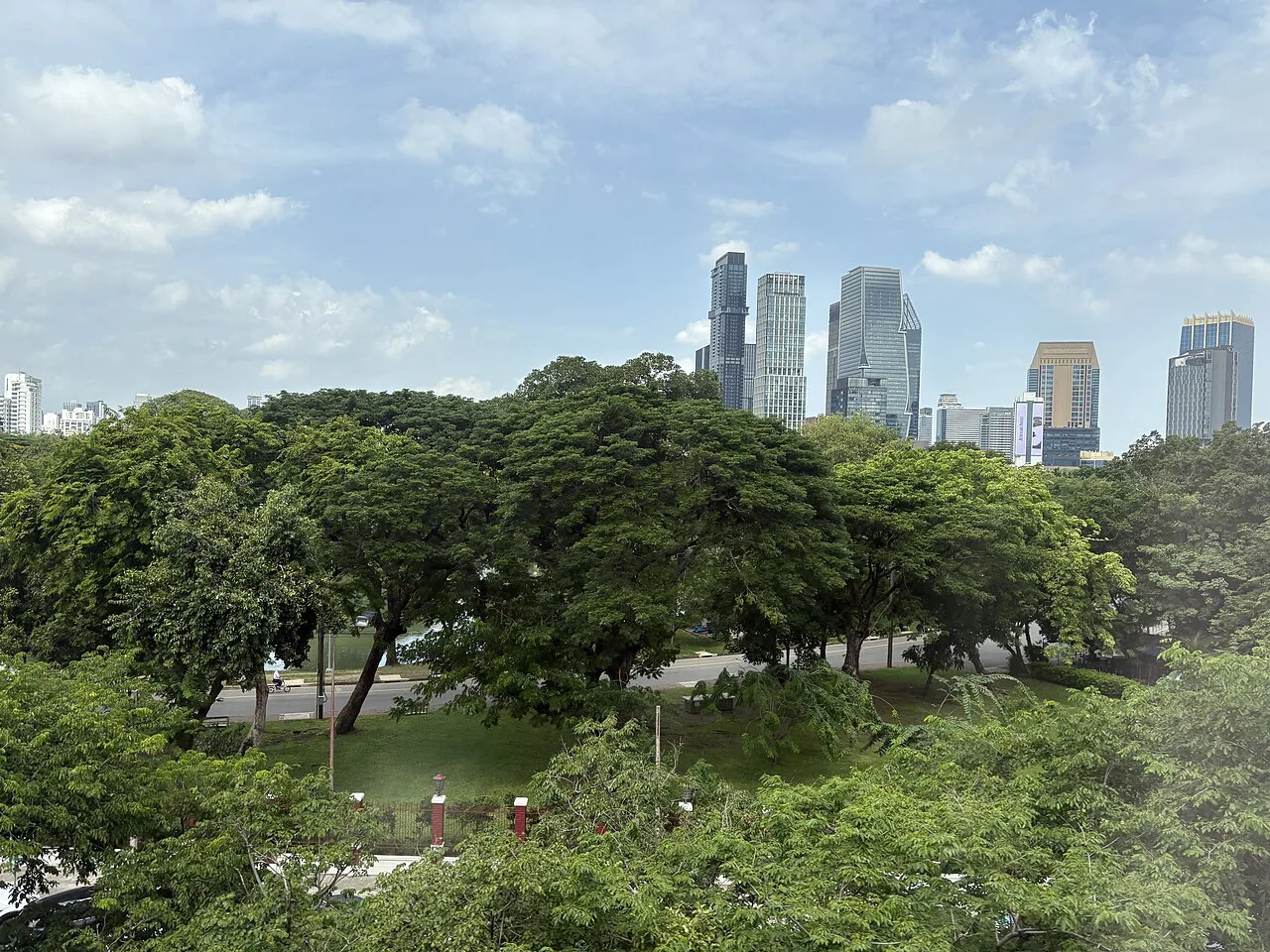
The park occupies a large block bounded by Rama IV Road on its southern side, with the Silom business district immediately to the east and the Lumphini area to the north. That central position means you can reach it on foot from hotels in Silom and Sathon, or by rail from almost anywhere in the city. If you are building a day around central Bangkok, its location makes it a natural break between the Jim Thompson house Bangkok and the riverside sights further west.
Lonely Planet describes the park as central Bangkok's largest and most popular, named after the Buddha's birthplace in Nepal, which explains the spelling difference from the Lumbini you may see in guidebooks. Don't expect a manicured botanical garden: the appeal is lawns, a big lake, mature trees and paved paths that fill with runners and aerobics groups. Treat it as a working city park rather than a sight with a checklist.

How to get there: BTS Sala Daeng versus MRT Lumphini
Your arrival station decides which corner of the park you reach first. BTS Sala Daeng on the Silom Line puts you on the eastern edge beside Silom Road, a short walk to the park's main eastern entrances and the lake. MRT Lumphini on the Blue Line serves the Rama IV side along the southern edge, which is convenient if you are coming from Hua Lamphong or Chinatown rather than from Sukhumvit.
Whichever line you use, check the station's own exit signage on arrival rather than relying on a remembered exit number, since exits are numbered and change with station upgrades. BTS and MRT fares are set by the operators, so check the fare tables at the ticket machines or the operators' own published information before you ride; distances here are short and a single ride usually suffices. From either station, the walk to a gate is a few minutes, but crossing Rama IV Road requires using the footbridges or signaled crossings.
Entrance fee and opening hours
Entry to Lumphini Park is free for everyone, because it is a public park rather than a ticketed attraction. The published opening hours are 5:00 am to 9:00 pm daily, which covers both the pre-dawn running crowd and the after-dinner walkers. Confirm the current hours before a very early or very late visit, since public parks occasionally adjust gates for events or maintenance.
Some facilities inside the park, such as the swimming pool and tennis courts, are separate from free entry and may have their own fees and time slots that change. No reliable published price for those facilities is available here, so check at the facility counters or with the park office when you arrive rather than budgeting a guessed figure. The same applies to lake boats: ask at the rental point on the day.
What to see and do inside the park
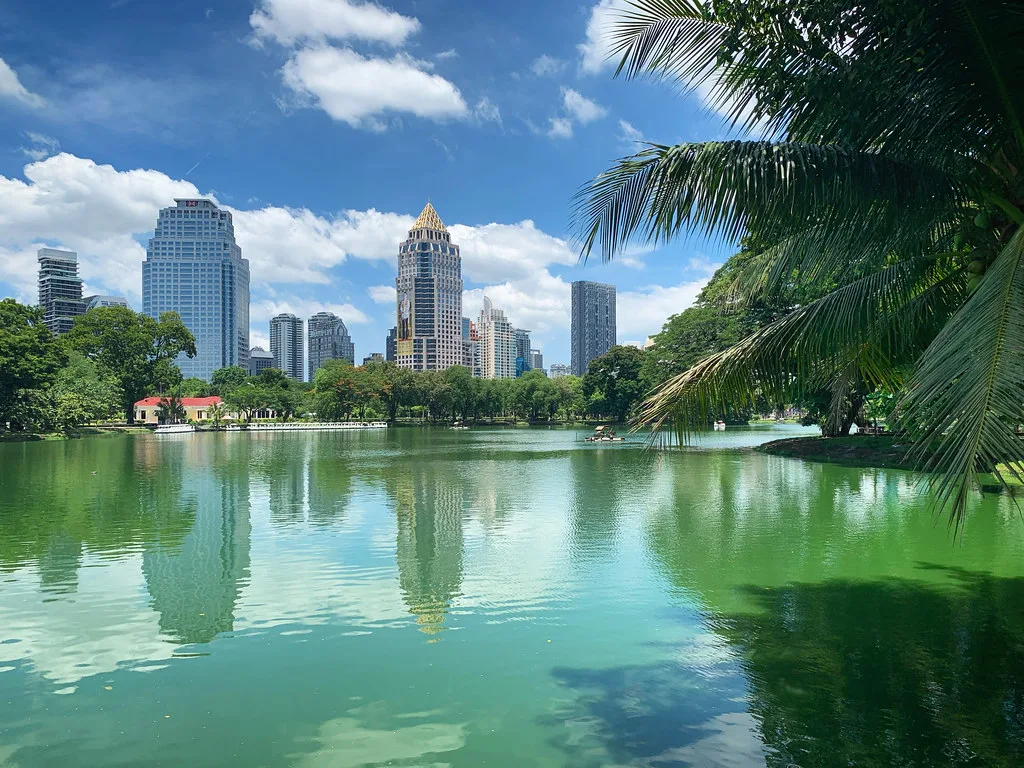
The lake is the heart of the park, a large artificial expanse split into connected sections with small wooden bridges crossing the channels between them. Swan pedal boats are the classic way to get onto the water, and kayaks have also been offered at times; availability and any charge are matters to confirm at the boat dock rather than plan around. A slow clockwise walk around the water gives you the best views across it and keeps the sun behind you for part of the loop.
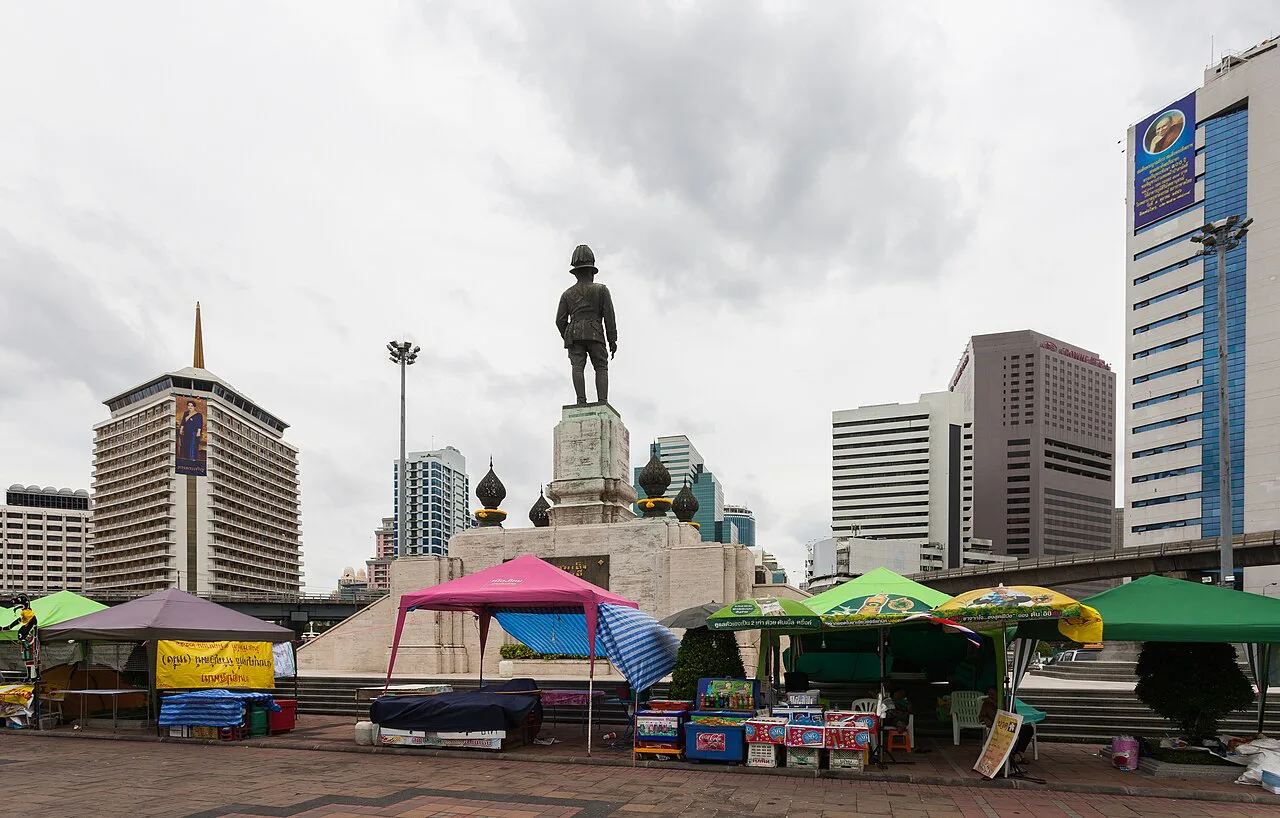
On the southeastern side stands the King Rama VI Monument, a large statue honoring the monarch credited with declaring the land a public park in 1925. It is the park's main historical marker and takes only a few minutes to see, so treat it as a pause on your loop rather than a destination in itself. Elsewhere you will find a clock tower and an open-air library area, plus outdoor gym equipment that local fitness groups use enthusiastically in the early morning and evening.
If you want a museum to pair with the park, the National Museum Bangkok is across the old city in the Phra Nakhon district near Sanam Luang, a separate trip rather than a walk from Silom. Keep the park as its own outing and plan the old city for another half-day.
The monitor lizards: how close to get
Lumphini's monitor lizards are wild animals and the park's most talked-about residents, often seen basking at the water's edge or swimming in the lake. They are not usually aggressive toward people, but they will defend themselves if cornered, and their bites and tail whips are genuinely powerful. Keep a few meters back, stay on the path side of an animal, and never let a group encircle one for photos.
The real problem is crowding rather than the animals themselves: wildlife-focused accounts of the park note how tourism pressure affects the lizards and ask visitors to keep their distance and avoid touching or surrounding them. If a lizard is lying across the path, give it room and walk around on the grass rather than trying to shoo it. Photograph from a distance with a zoom rather than stepping in close, and keep small children and dogs well clear.
How much time to allow
A full loop of the park's outer paths takes roughly 30 to 45 minutes at a steady walk, longer if you stop for the lake, the monument and the lizards. For a lake-focused stroll with photos, allow about an hour. A picnic with a book and a slow circuit fits comfortably into two hours.
Runners should budget by distance rather than by time: the perimeter path is the standard training loop in this part of Bangkok, and the crowd level in the early morning and after work determines your pace more than the surface does. If you are combining the park with the elevated walkway toward Benjakitti, add another 30 to 45 minutes for that stretch alone.
Facilities, rules and park etiquette
Expect basic public-park facilities: toilets, drinking water for sale nearby, benches and plenty of shade from mature trees. The park publishes rules that typically cover cycling times and zones, keeping off the grass in marked areas, and leashing or excluding pets; read the signs at the gate you enter through, since these are enforced locally. Runners and cyclists generally share the perimeter path, with cycling restricted to certain hours.
Bring water and sun protection even for a short visit, because much of the loop is exposed and Bangkok heat builds quickly after mid-morning. Wear shoes rather than sandals if you plan to run, and carry a light rain layer in the wet season, since the park offers limited covered shelter apart from the pavilions and library area. There is no need to book anything in advance for ordinary entry.
Best time of day to visit
Early morning, from opening until roughly 8:00 am, is the coolest and most active window, with runners, Tai chi groups and aerobics classes filling the plazas. Late afternoon into the early evening brings a second wave of exercisers and softer light over the lake, but also the day's accumulated heat. Midday is best avoided for anything active; if you visit then, plan on shade and a short stay.
Crowds and weather vary by season and by day, so check a local forecast and, if you are visiting for a specific activity such as the pool or boats, confirm availability before traveling across town. Weekend mornings tend to be busier with families and fitness groups than weekday mornings.
What is nearby: Benjakitti Park and the Green Mile
The most natural add-on is Benjakitti Park to the east, reached by the elevated walk-and-bike path known as the Green Mile, which connects the two green spaces above the streets. Locals use it as a walking and cycling route, and it turns a park visit into a longer green corridor without putting you back into traffic. Check the walkway's access points and hours on arrival, since sections open and close with construction and maintenance.
For food, the streets around Silom and Sala Daeng give you the widest choice within a few minutes' walk of the eastern gates, from street stalls to mall food halls. If you would rather add a cultural stop than a second park, the Erawan shrine Bangkok at the Ratchaprasong intersection is a short BTS ride away and pairs easily with an afternoon in the park.
Is Lumphini Park worth your afternoon?
Yes, if you want a free, central, low-commitment break from the city rather than a ticketed attraction. Pick your gate by station, arrive early or late in the day, keep your distance from the lizards and let the lake loop set your pace. If you have another hour, walk the Green Mile to Benjakitti and make a green afternoon of it.
Explore more Bangkok guides
Frequently Asked Questions
Is Lumphini Park free to enter?
Yes. It is a public park with no entrance fee, so you can walk in at any open gate during published hours without a ticket. Separate facilities such as the pool, courts or boat rental may involve their own charges, which you confirm at the facility itself.
Are the monitor lizards at Lumphini Park dangerous?
They are wild animals and generally ignore people, but they can bite, scratch or whip with their tails if cornered or surrounded. Keep several meters of distance, never encircle one for photos, and walk around any lizard resting on a path rather than trying to move it.
Can you rent paddle boats at Lumphini Park?
Swan pedal boats have long been offered on the lake, and kayaks have appeared at times, but availability and charges change. Ask at the boat dock on the day rather than assuming a service is running.
How do you walk from Lumphini Park to Benjakitti Park?
Use the elevated Green Mile walkway that links the two parks above the surrounding streets. Check access points and opening times when you arrive, then follow the signed path east.
Sources
- Lumpini Park: A Complete Guide For a Perfect Day Out in Bangkok | Backpack Bob
- Lumphini Park | Bangkok, Thailand | Attractions - Lonely Planet
- Lumphini Park is a must visit spot in Bangkok, as here you can see hundreds of monitor lizards. These huge animals roam Lumphini Park and make you feel like you’ve stepped back in time. A few years ago when we first visited, this park was a lot quieter. Now there are lots of people visiting to see t
- Lumpini park a favourite of mine a break inside the city
- LUMPINI PARK - All You SHOULD Know Before You Go (w