
Wat Suan Dok: A Visitor's Guide to Chiang Mai's Flower Garden Temple

Wat Suan Dok is worth an hour to ninety minutes of your Chiang Mai time, mainly for the contrast between its gold bell-shaped chedi and the cluster of white royal mausoleums beside it. It sits on Suthep Road just west of the old city, with Doi Suthep mountain behind it, so it slots easily into a morning or late-afternoon outing. This guide covers what to see inside, how long to allow, how to get there, and which details to confirm rather than assume.
Why Wat Suan Dok Looks Different From the Old-City Temples
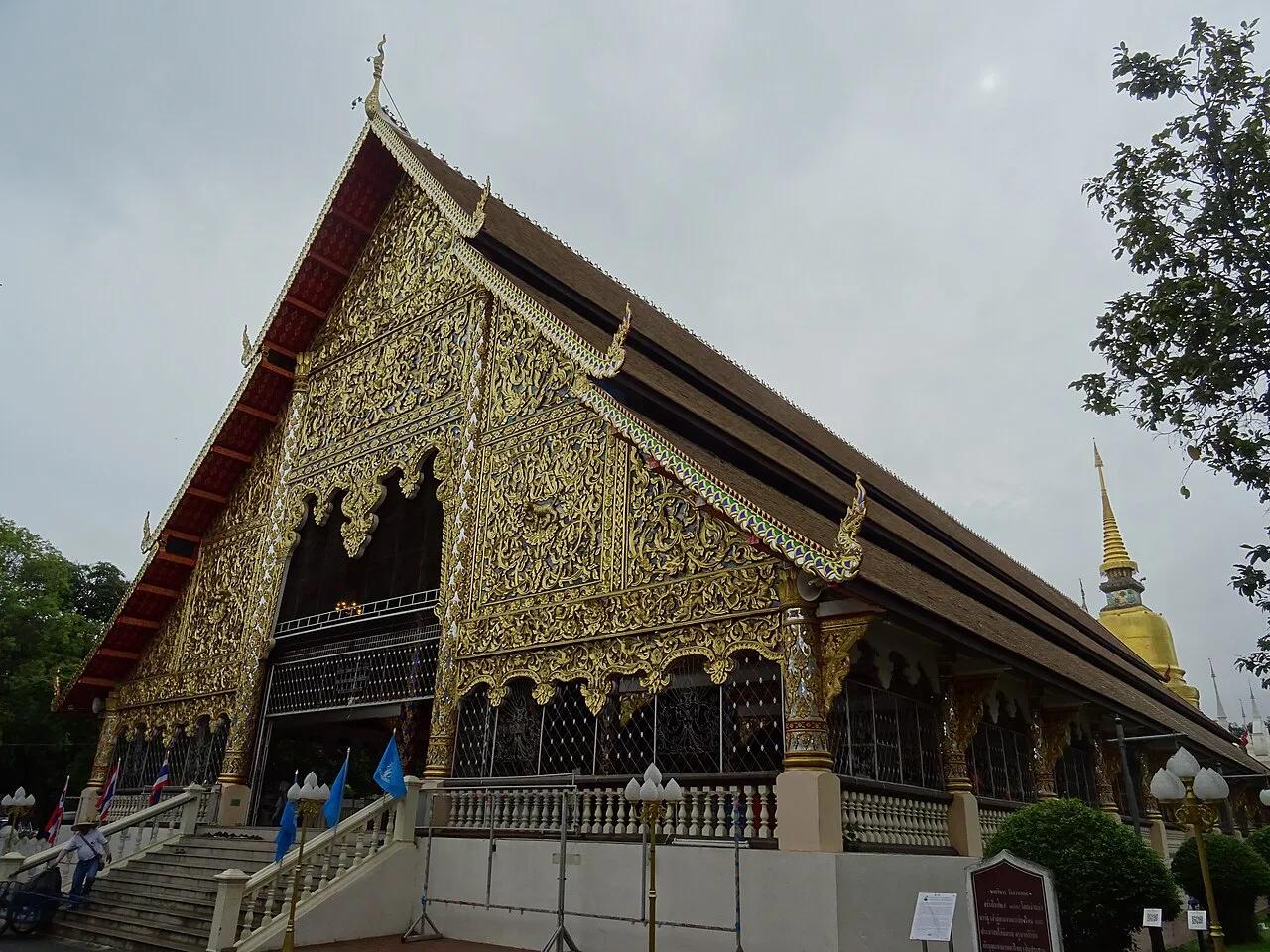
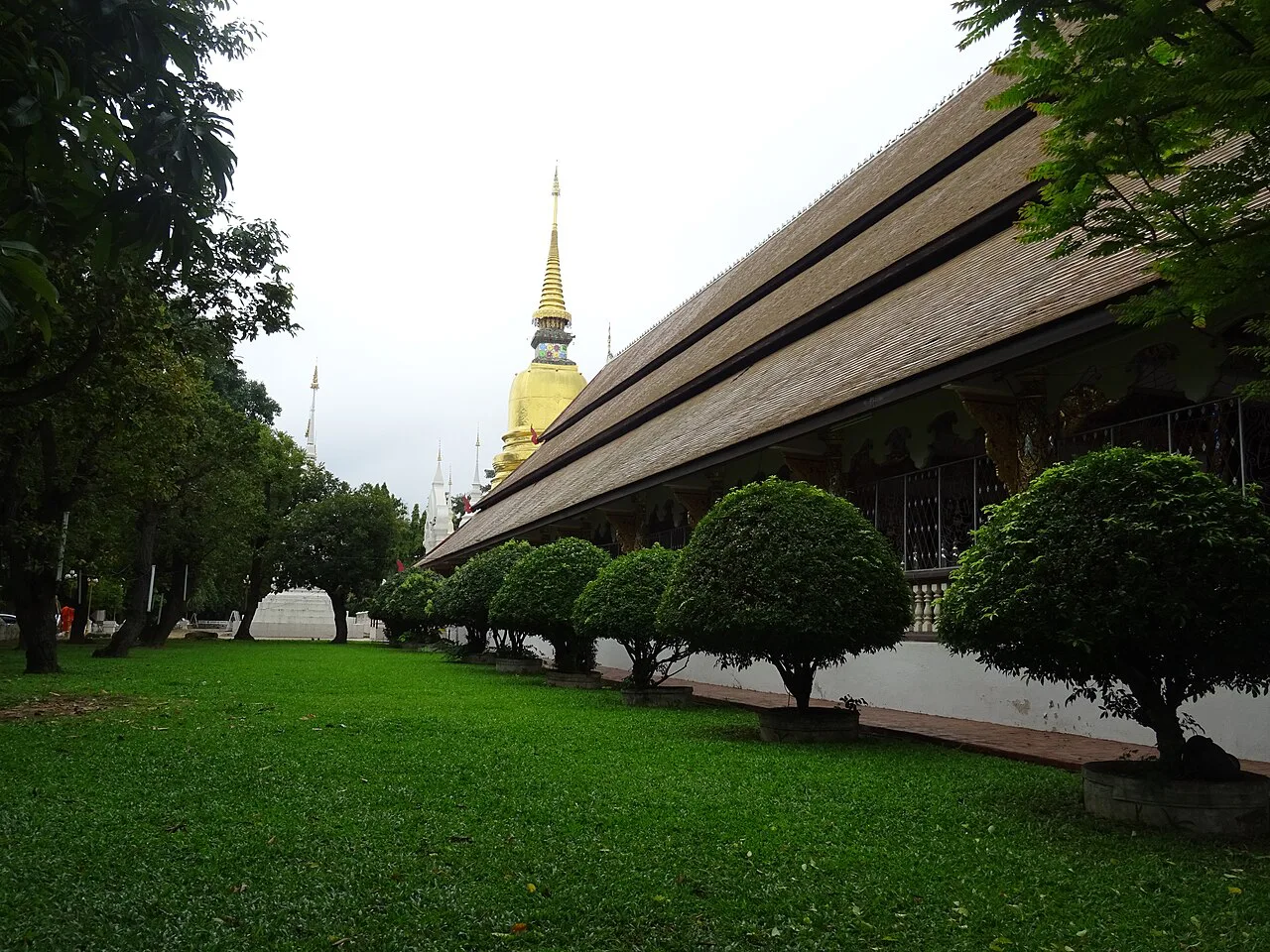
The temple began as a royal flower garden, which is where the name comes from, and was built in the 14th century under King Phaya Kue Na of the Mangrai dynasty. That open origin still shows: the grounds are broad and airy rather than crowded with tightly packed buildings. That layout is the practical reason to visit, since the space lets you see whole structures from a distance instead of peering at them up close.
If you have already walked temples inside the moat, the change of scale is the draw here. Coming from Wat Chiang Man or Wat Lok Moli in the Old City, the grass, the clear sightlines to the mountain, and the wide spacing between monuments will feel like a different kind of site. You are not coming for a single showpiece hall, but for the arrangement as a whole.

Where It Is on Suthep Road
The temple is on Suthep Road in the Su Thep area of Mueang Chiang Mai district. Address listings put it at 139 Suthep Road, though the gate you use matters more than the street number when you are giving directions to a driver. It lies roughly a kilometre outside the old city's western edge, on the road that continues toward Doi Suthep and the university district.
Treat the temple as the first stop on a westward line rather than a standalone detour. Wat Umong, with its wooded grounds and tunnels, sits further out along the same road toward the mountain, making it a natural second stop. Nimman is a short ride north if you want lunch, and knowing the order lets you build one efficient half-day instead of doubling back through traffic.
How Long to Allow and the Best Time to Go
Allow about one hour to ninety minutes if you want to walk the chedi, the mausoleums, and both viharns without hurrying. Add time if you plan to sit with a monk or join a chanting session. There is no single must-see object that forces a fixed route, so you can shorten the visit if you are pressed.
Late afternoon suits this temple for two practical reasons: the low light rakes across the white mausoleums, and the heat has eased compared with midday. The open grounds offer little shade over long stretches, so a hat and water matter more than they do at a compact city temple. Two visitor listings put closing time at 5:00 pm, which bounds how late you can stay, so verify the current hours before you build an evening plan around that light.
Getting There: Songthaew, Tuk-Tuk, or Rideshare
From the old city, the simplest shared option is a red songthaew heading west along Suthep Road; tell the driver the temple name and confirm he is going that way before you board. A tuk-tuk or a rideshare app costs more but takes you door to door and avoids waiting for a shared car to fill. Walking from the western moat is possible but the road is busy and hot, so most visitors ride one way and walk back only if the weather is kind.
No source here gives a reliable fare for any of these modes, so agree the price before you set off rather than expecting a fixed rate. If you are combining the temple with Doi Suthep, arrange the whole loop with one driver instead of hailing twice. That is usually the smoother decision for a group.
The Golden Chedi and the Relic Legend
The bell-shaped golden chedi is the temple's visual anchor, built in a Sri Lankan style that blends Sukhothai and Lanna influences. The foundation story ties it to Doi Suthep: a Buddha relic brought from Sukhothai was said to have split in two, with one part enshrined here and the other at Wat Phra That Doi Suthep on the mountain. Small satellite pagodas stand at the corners around it.
Walk a full circuit of the chedi before you move on. The structure reads differently from each side, and the corner pagodas are easy to miss if you stop at the first good photo angle. Keep your distance from the base and avoid sitting on ledges that are treated as sacred.
The White Royal Mausoleums
North of the main chedi stands the group of white monuments that holds the ashes of Chiang Mai's ruling families, gathered at the wish of Princess Dara Rasmi, a consort of King Chulalongkorn. The stucco detailing on these shrines is fine enough to reward a slow look, and the white against the sky is the image most visitors remember. Many carry inscriptions and small offerings left by relatives.
Treat this area as a cemetery rather than a photo set. Walk around the monuments instead of between them where paths are unclear, keep your voice low, and skip poses that make light of the setting. That restraint is what keeps the space open to visitors.
The Main Viharn and the Phra Chao Kao Tue Buddha
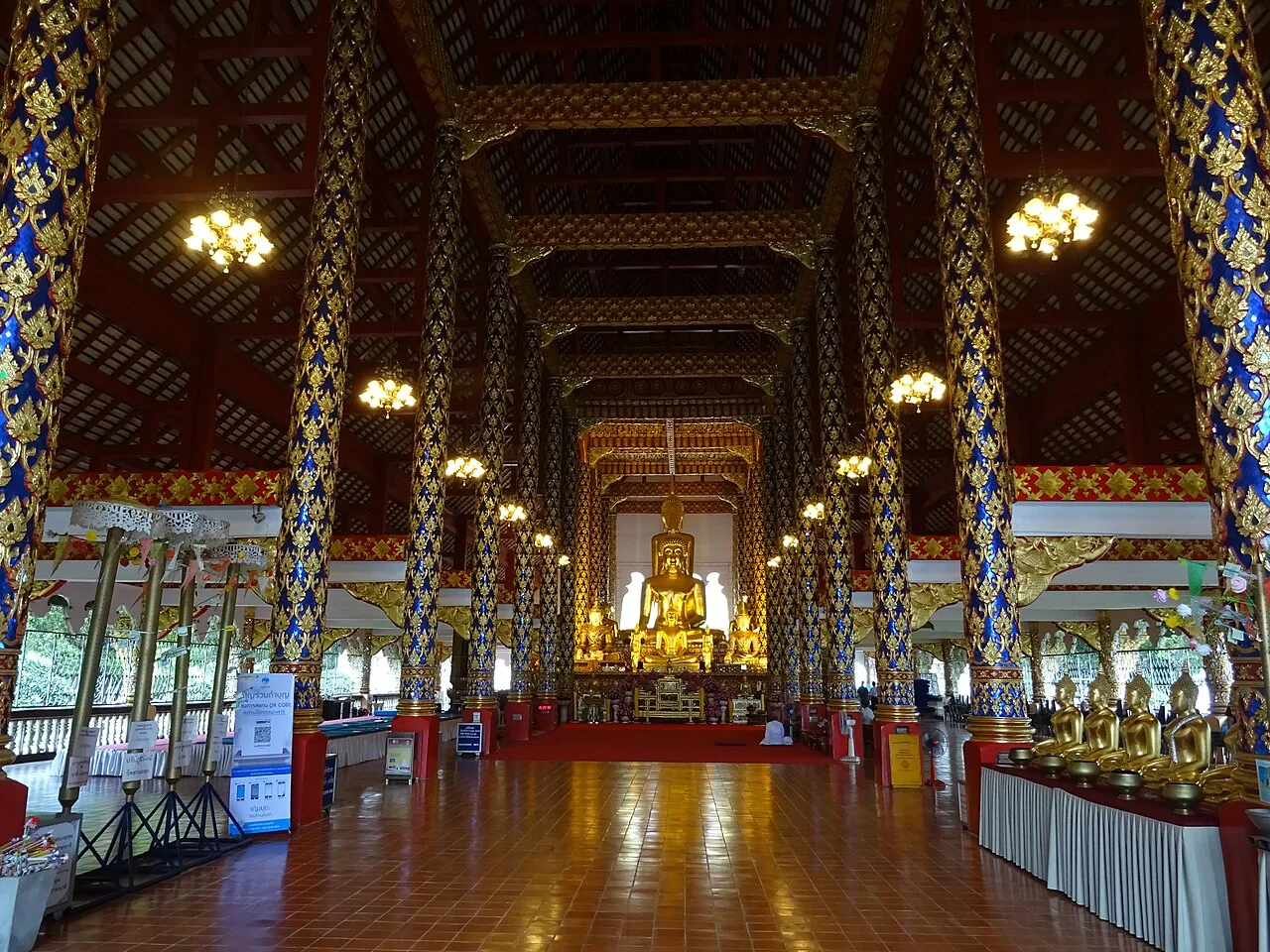
The main viharn was rebuilt in the early 1930s under Khru Ba Srivichai, and its walls carry murals of the Buddha's previous lives. A smaller viharn to the south houses the Phra Chao Kao Tue, a bronze Buddha cast by King Muang Kaew in 1504, standing about 4.7 meters tall and made in nine pieces. The name refers to an old northern unit of weight, a detail that explains the number in most descriptions.
Shoes come off at the viharn steps, so wear footwear you can slip on and off easily, which makes the difference between a relaxed visit and a chore. Inside, sit with your feet pointed away from the Buddha image and keep shoulders and knees covered. A light layer in your day bag handles both the dress code and the cool of the shaded halls.
Monk Chat: What to Expect and How to Check the Schedule
Wat Suan Dok is known for monk chat, informal conversations where visitors ask about Buddhism, monastic life, and Thai culture. One source lists sessions at the university in the late afternoon on Monday, Wednesday, and Friday, but it also warns that schedules change. Confirm the current days and times with the Monk Chat office before you plan an evening around it.
No source here states whether you must book ahead for monk chat. Descriptions of the program present it as a drop-in conversation, but the same sources warn that schedules change, so confirm both the current days and whether any sign-up is needed with the Monk Chat office before you count on it. Bring questions rather than a script, since monks who take part are used to explaining their practice to curious foreigners. Keep the tone respectful and remember that the monks are not there to provide a tour service.

Meditation Courses and Retreats
The temple also runs meditation activities alongside monk chat, and the northern campus of the Maha Chulalongkorn Buddhist University occupies part of the grounds. Course formats, lengths, and availability change, and no current source states a reliable fee or fixed term. Ask at the Monk Chat office or check the program information in person instead of relying on an old blog post.
If a multi-day retreat is your goal, plan it as a commitment rather than an add-on to a sightseeing day. Those courses require early starts and silence rules that do not fit around temple-hopping. Contact the office before you book flights around it.
Hours, Entrance Fee, and Etiquette to Confirm
Two visitor listings give a 6:00 am to 5:00 pm window, while a directory page shows a 100-baht entrance fee; treat both as unconfirmed until you check with the temple directly. Thai temples often change ticket practice, and this site does not establish an official fee or ticketing channel. Confirm hours and any charge at the gate or with your accommodation before you cross town.
Dress is the rule most US travelers get wrong: cover shoulders and knees, and remove shoes before entering any viharn. Do not point your feet toward a Buddha image when sitting, and do not touch the monks if you are a woman. Keep a light scarf and slip-on shoes in your bag and you will clear the common pitfalls.
What's Nearby and How to Sequence It
Wat Umong sits on the same western road, making it the natural second stop after Wat Suan Dok. Wat Phra That Doi Suthep, the temple tied to the same relic story, is higher up the mountain and needs its own transport arrangement. Nimman's cafes and shops are a short ride north if you want lunch or an afternoon stop.
A workable half-day runs Wat Suan Dok, then Wat Umong, then a return to Nimman, with Doi Suthep saved for a separate morning because of the climb. If you have only one free afternoon, choose the temple pair and skip the mountain rather than rushing all three. That sequencing keeps travel time down and leaves room for monk chat if it is running.
Who Should Visit and Who Can Skip It
This temple suits travelers who want breathing room, a strong photo contrast, and an easy introduction to Buddhist practice through monk chat. It also works well for anyone staying near Nimman or Suthep Road, since it is close at hand. If you are short on time and choosing a single temple, a compact central site may serve you better.
Skip Wat Suan Dok if you are temple-fatigued, if you need a one-stop highlight, or if the mausoleums and relic story hold no interest for you. Travelers with limited mobility should note the uneven ground and steps at the viharns. Otherwise, an hour here is well spent.
Should Wat Suan Dok Make Your Chiang Mai Shortlist?
Yes, if you want an open, contemplative temple with two distinct things to see: the golden chedi and the white royal mausoleums. It is an easy add to any day heading west of the old city, and it pairs naturally with Wat Umong. Budget an hour to ninety minutes and aim for the cooler late-afternoon light, but confirm the hours (and any fee) before you set out, since visitor listings put closing at 5:00 pm.
Explore more Chiang Mai guides
Frequently Asked Questions
Can I talk to monks at Wat Suan Dok without booking?
Sources describe monk chat as a drop-in conversation when a session is running, but they also note that schedules change and none states a booking requirement either way. Confirm the current days, times and whether any sign-up is needed with the Monk Chat office before you plan around it.
What should I wear to Wat Suan Dok?
Cover your shoulders and knees, and wear shoes you can remove easily before entering the viharns. Bring a light layer and avoid sitting with your feet pointed toward a Buddha image.