Bangkok SIM Card: eSIM vs Tourist SIM
Land in Bangkok online. Compare eSIM vs tourist SIM, airport vs shop buying, passport rules, data needs and AIS, True and dtac, with a pick by trip length.
On this page
Last updated November 2026: for a Bangkok SIM card, choose an eSIM before you fly or a tourist SIM from an official counter. eSIMs win on speed, while physical SIMs win on price and come with a Thai number. Plan the rest of your arrival with our wider Bangkok trip planning notes.
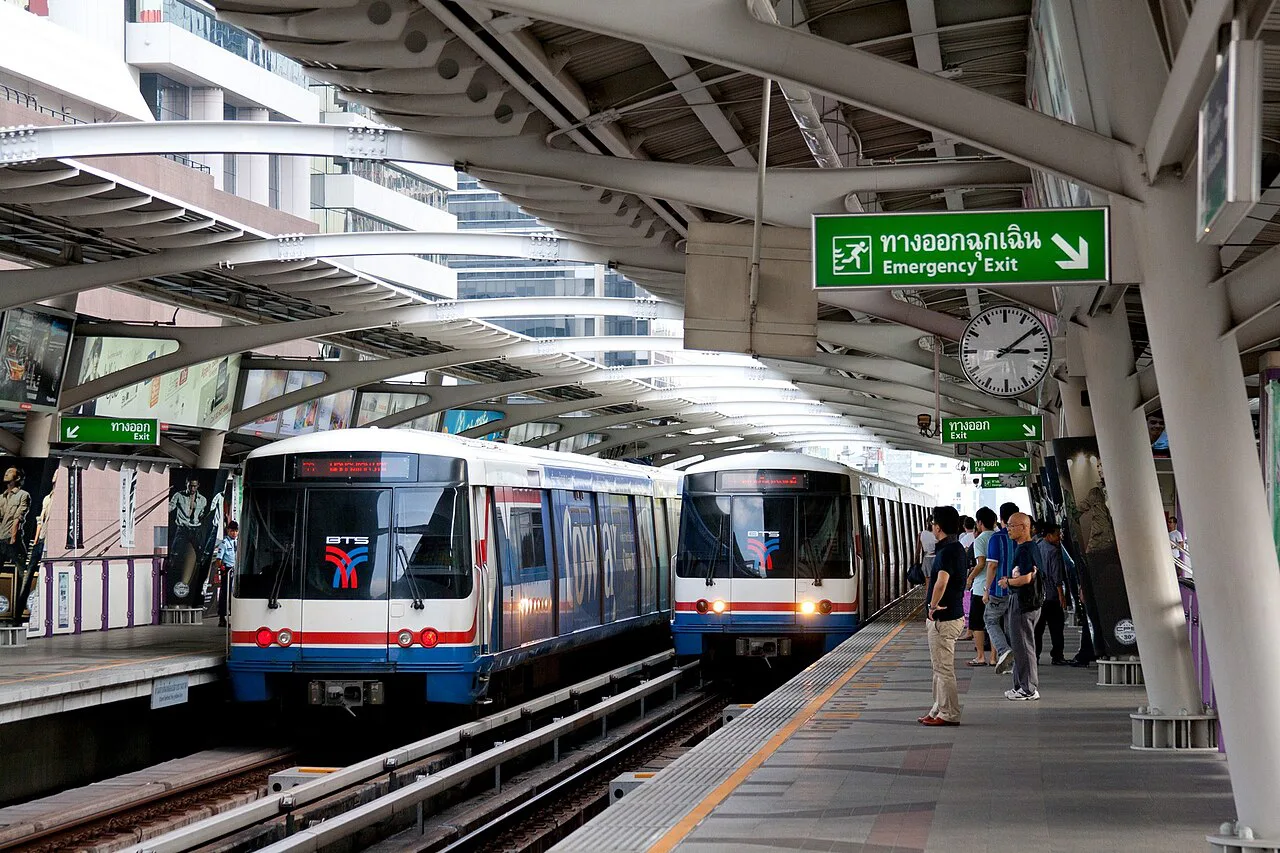
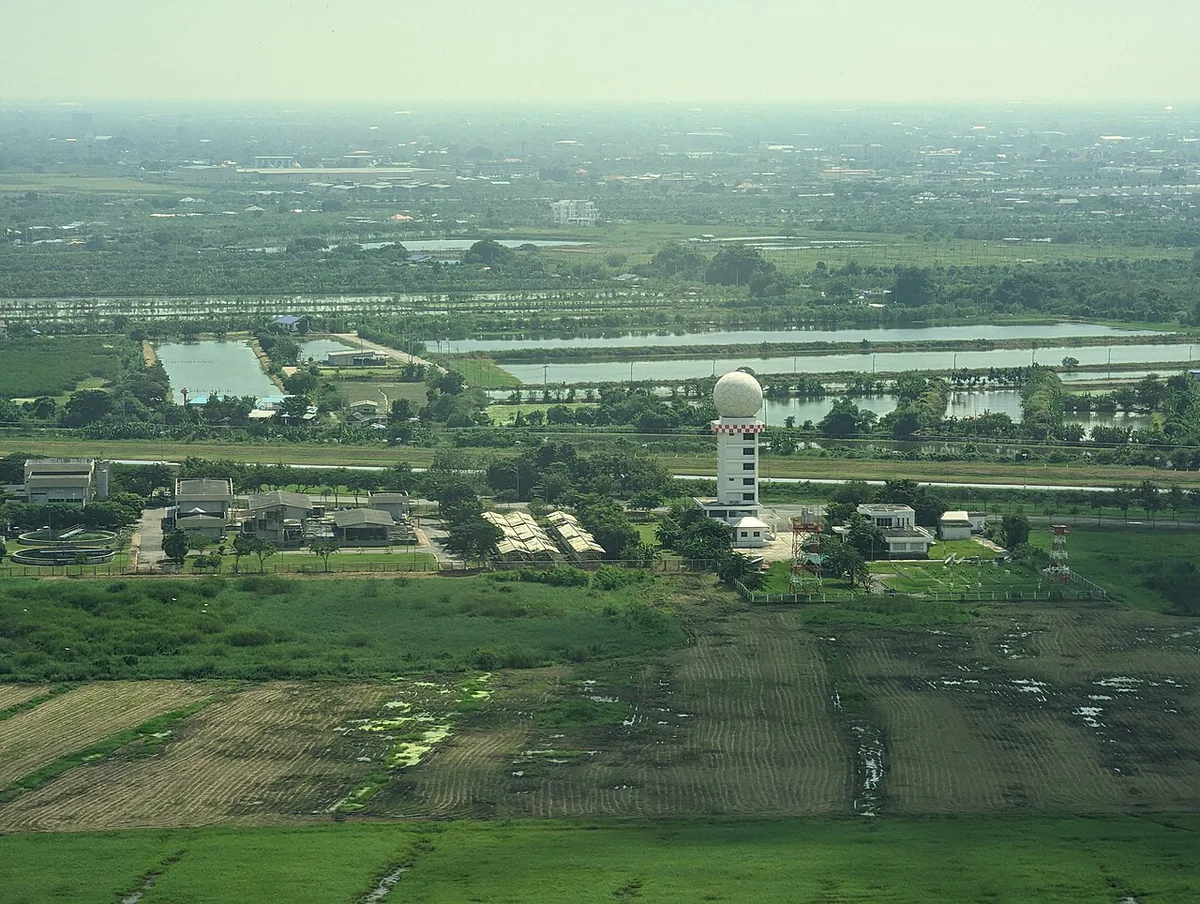
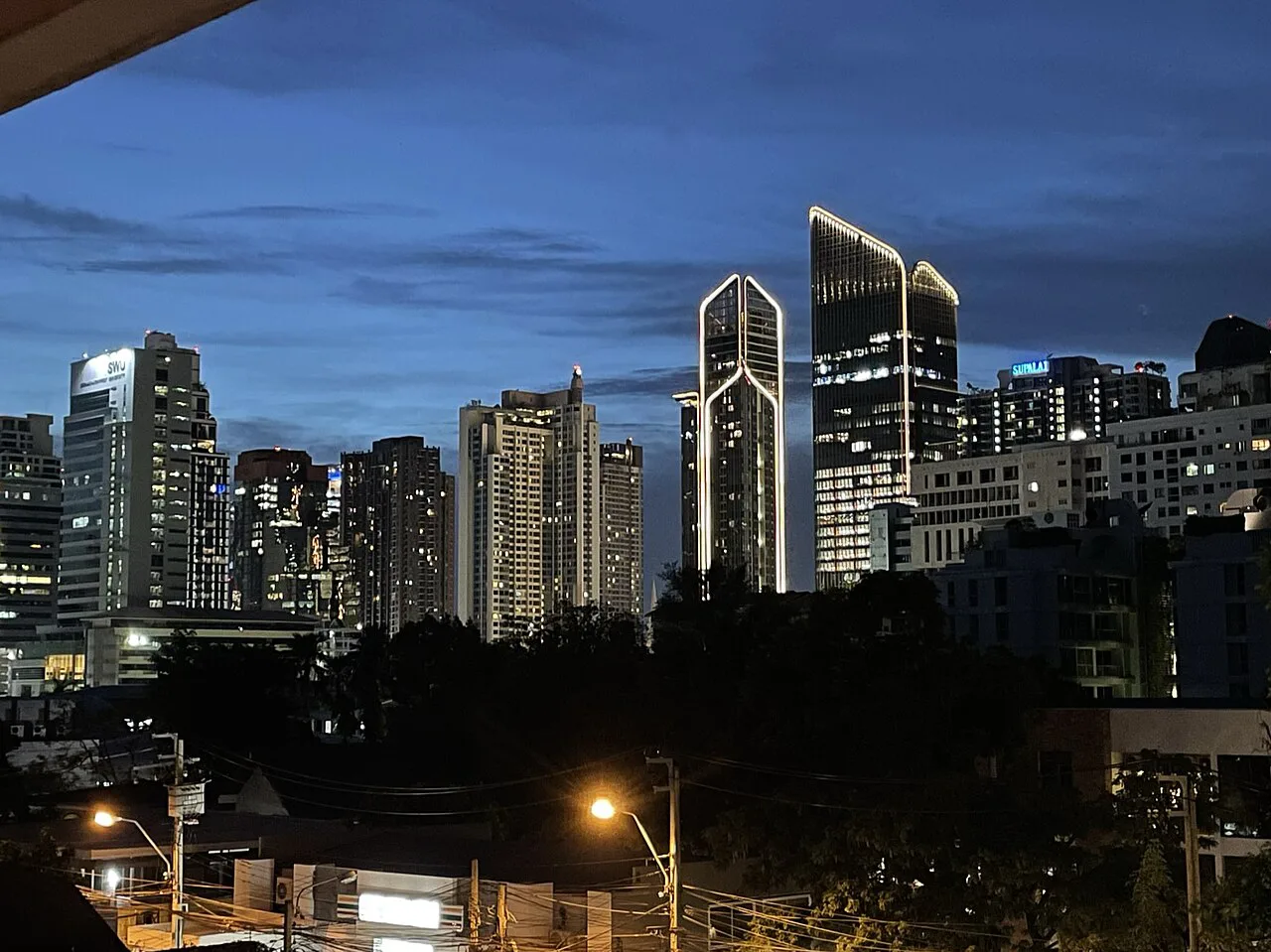
Featured image: Tvcccp, CC BY-SA 4.0, via Wikimedia Commons.
Quick answer: which Bangkok SIM card should you get?
Choose an eSIM if you want data the moment you land. Pick a tourist SIM if you want a Thai number or plan to stay several weeks. Physical SIMs need your passport and a short registration queue. Most eSIMs skip the counter entirely. Before you fly, confirm that your phone is unlocked and supports eSIM. Both options work on Thailand's three main networks, so convenience and price decide it.
| Traveler | Best pick | Trade-off |
|---|---|---|
| Layover or arrival day only | Small eSIM | Usually data only, no Thai number |
| 1-week visitor | eSIM or tourist SIM | eSIM is faster, SIM may cost less |
| 2 to 4 weeks | Tourist SIM or 30-day plan | Needs passport and a shop visit |
| Long stay or digital nomad | Prepaid SIM from an official shop | More setup, better monthly value |
| Heavy hotspot or work use | Unlimited plan | Read the fair-use and hotspot terms |
| Needs home bank SMS codes | eSIM plus home SIM kept active | Phone must support dual SIM |
eSIM vs physical SIM in Bangkok: how to decide
Convenience and price pull in opposite directions. An eSIM installs from a QR code or link in minutes, with no passport registration at a counter. A local prepaid SIM is usually cheaper over several weeks. You pay for that with time spent finding a shop and waiting for activation. Dual-SIM phones can hold both a home line and a travel line. If your home plan is already an eSIM and your phone supports only 1 active eSIM, a physical travel SIM keeps both numbers live.
- Price: local prepaid SIMs usually win on stays of several weeks.
- Speed: an eSIM wins on arrival day, with no queue.
- Passport: physical SIMs need one, while eSIMs generally skip the counter.
- Compatibility: confirm at home that the phone is unlocked and supports eSIM.
- Bank codes: keep your home SIM active if your bank still sends SMS codes.
Best eSIM for Thailand: what to compare
Most Thailand eSIM plans are data only, so you get no Thai number for calls or texts. Maps, Grab, LINE and WhatsApp all run on mobile data, which covers most visitors. Some plans add calls, so confirm before paying. Carriers sell tourist plans too, and AIS publishes tourist plans on its English site. Compare providers on the points below instead of chasing a ranking.
- Data only, or data plus a Thai number for calls and texts.
- Fair-use throttling: speed may drop after a daily or total cap.
- Hotspot: allowed, limited or blocked.
- Validity: starts at purchase, install or first connection.
- Network: which Thai carrier the plan connects to.
- Install timing: install before the flight and switch it on after landing.
Where to buy a SIM card in Bangkok
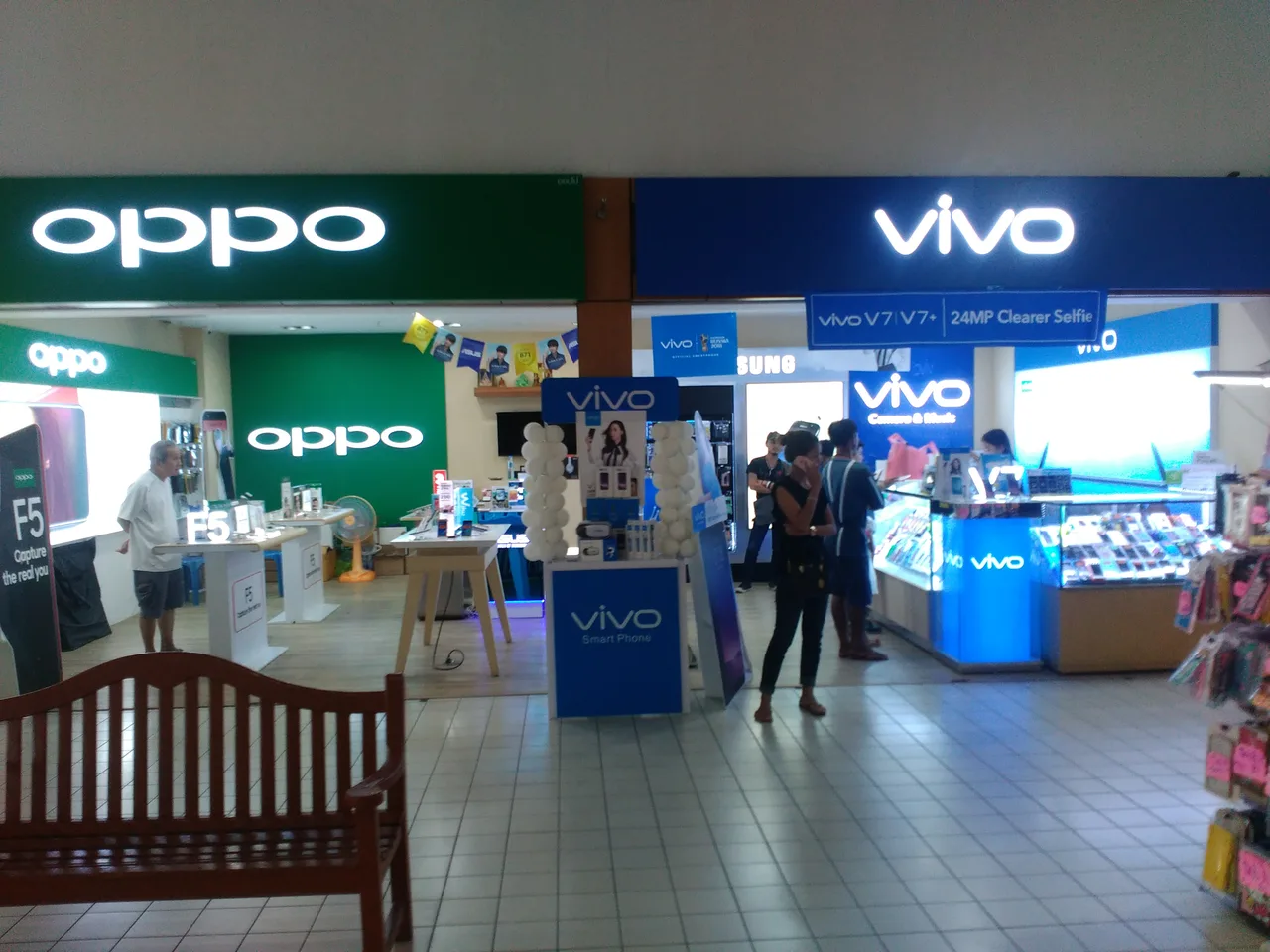
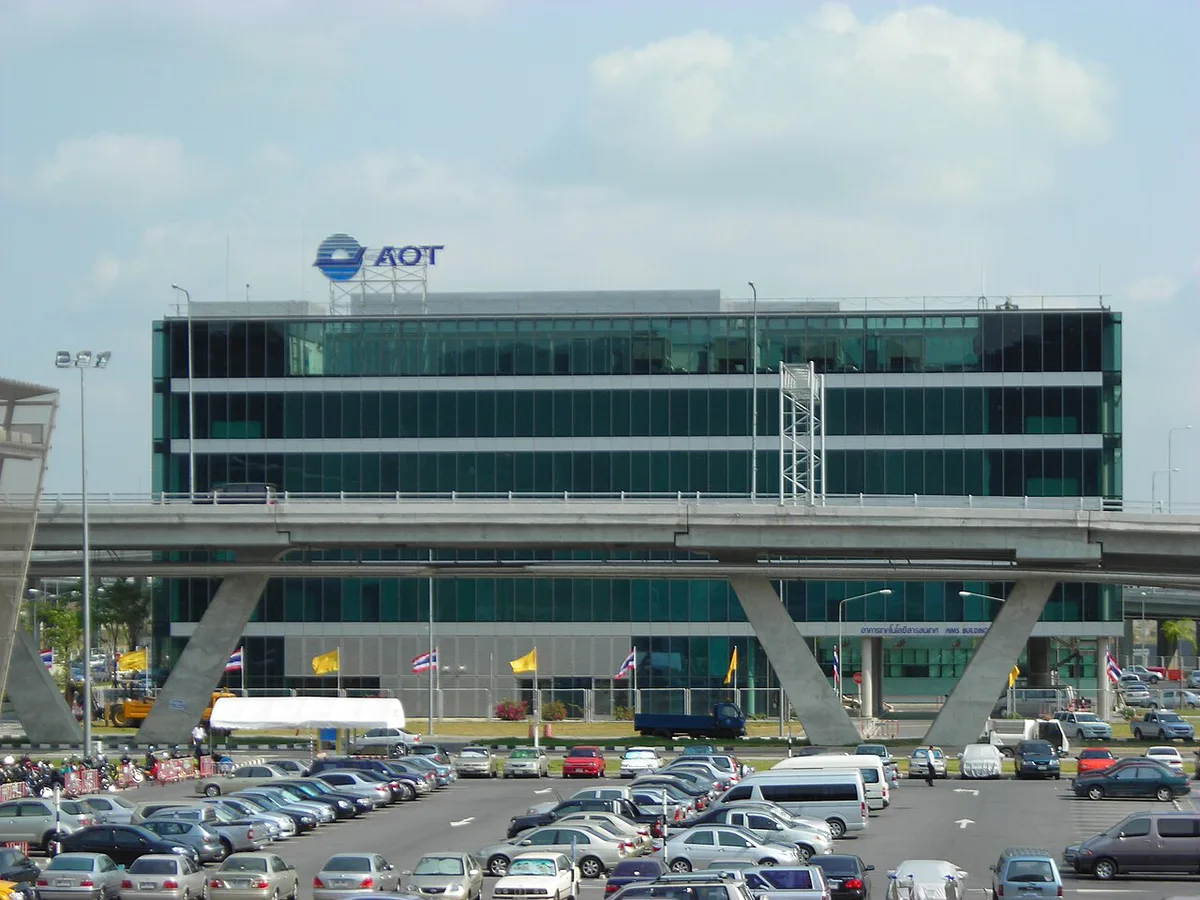
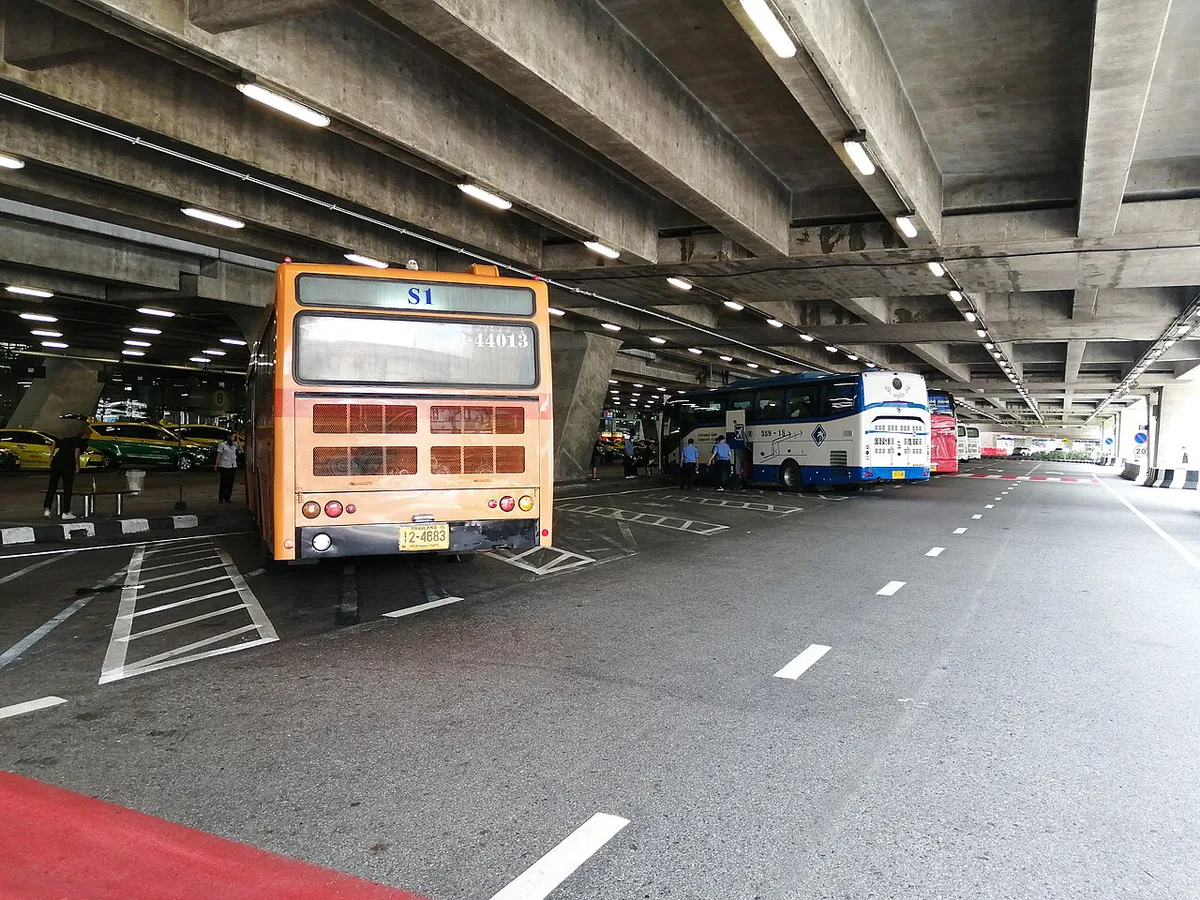
Suvarnabhumi Airport (BKK) has SIM counters, and a counter purchase needs your passport. Counter locations and carriers change, so check the airport's official site before you fly. Confirm the same for Don Mueang (DMK) rather than assuming the carriers match. All 3 main carriers run official shops, often in Bangkok shopping malls. Staff there can choose a plan, register the SIM and activate it. Airport counters generally cost more than shops. 7-Eleven once sold cheap tourist SIMs, but availability for visitors is now inconsistent, so treat it as a bonus rather than a plan. Buy only at official counters or shops, and decline help installing a SIM from strangers. Our guide to common Bangkok scams covers the wider pattern.
| Option | Time | Passport | Cost | Best fit |
|---|---|---|---|---|
| Airport counter | Short queue plus registration | Yes | Generally higher than shops | Want a Thai number on arrival |
| Official shop in a mall | Visit plus registration | Yes | Generally lower than airport | Stays of several weeks |
| 7-Eleven | Varies | Likely | Check current availability | Backup only |
| Online pickup order | Collect on arrival | Yes | Check the carrier's page | Planners who want a physical SIM |
| Online eSIM | Minutes, before you fly | Generally no | Varies by provider and size | Arrival day and short stays |
Which carrier: AIS, True or dtac?
Thailand has 3 main mobile carriers: AIS, True and dtac. AIS is usually rated for the strongest coverage. True and dtac sit close behind. All 3 work well across Bangkok, where 5G is widely available. Inside the city, price and plan fit matter more than the network. Coverage differences show up outside Bangkok. Heading south afterward? Read about comparing Bangkok with Phuket before you choose.
How much data do you need in Bangkok?
Bangkok data use centers on Google Maps, Grab, BTS and MRT navigation, translation and LINE or WhatsApp messages. Hotel WiFi can absorb streaming and uploads. One published estimate sets normal use at 5 to 10 GB for 1 week. That estimate suggests 10 to 20 GB for 2 weeks and 30 to 50 GB for 1 month. Treat these as starting points, not rules. Heavy use means streaming, uploads, hotspot or long video calls, and it favors an unlimited plan.
| Trip length | Normal use | Heavy use |
|---|---|---|
| 1 week | 5 to 10 GB | 20 GB or unlimited |
| 2 weeks | 10 to 20 GB | Unlimited |
| 3 weeks | 20 to 30 GB | Unlimited |
| 1 month | 30 to 50 GB | Unlimited or local prepaid SIM |
Bangkok SIM card cost: what to expect
Published AIS tourist SIM examples run from ฿399 for 5 days to ฿1,199 for 30 days, all with unlimited 5G or 4G data. dtac tourist eSIM examples start at ฿299 for 8 days with 15 GB. Plans and names change often. Confirm current prices on the carrier's page before buying. Airport counters generally cost more than shops, and eSIM prices vary by provider and data size.
Heavy users on a one-month trip should weigh the ฿1,199 for 30 days unlimited plan against a local prepaid SIM.
| Plan example | Validity | Data | Price |
|---|---|---|---|
| AIS tourist SIM | 5 days | Unlimited 5G or 4G | ฿399 |
| AIS tourist SIM | 8 days | Unlimited 5G or 4G | ฿499 |
| AIS tourist SIM | 15 days | Unlimited 5G or 4G | ฿699 |
| AIS tourist SIM | 30 days | Unlimited 5G or 4G | ฿1,199 |
| dtac tourist eSIM | 8 days | 15 GB at max speed | ฿299 |
| dtac tourist eSIM | 15 days | 30 GB at max speed | ฿599 |
Activation, top-up and troubleshooting

Physical SIMs need passport registration, so carry the passport itself rather than a photo. Staff usually take passport details and may photograph you. Top-ups work in 3 ways: the carrier app, a counter at 7-Eleven or a provider shop, or a code from a voucher. Balance-check codes in circulation are *121# on AIS, 101 9# on dtac and #123# on True, so verify them in each carrier's app. Validity can start at purchase or at activation, and extension rules vary. Ask at the counter before you buy. If something fails, work through these steps in order.
- eSIM will not install: connect to WiFi, rescan the QR code or reopen the link, then restart the phone.
- No signal: toggle airplane mode and confirm data is switched on for the travel line.
- SIM will not activate: visit an official carrier shop in a mall with your passport and a phone on WiFi.
- Lost QR code: contact the provider through hotel WiFi and request a resend.
Mistakes to avoid
Most problems come from skipped checks before the flight or a rushed airport purchase. Slow down on the points below.
- Buying before checking that the phone is unlocked and supports eSIM.
- Reading 'unlimited' without checking fair-use limits, hotspot rules and calls or texts.
- Setting the wrong line for mobile data on a dual-SIM phone, which can trigger roaming charges.
- Relying on 7-Eleven as the only plan.
- Leaving the passport at the hotel when you intend to buy a physical SIM.
- Accepting SIM installation help from strangers instead of official staff.
Frequently Asked Questions
Which SIM is better in Thailand?
No single SIM wins for everyone. AIS is usually rated for the strongest coverage, while True and dtac sit close behind. Inside Bangkok, choose on plan fit and price.
Can I use my US cell phone in Thailand?
Often yes, but roaming can be expensive if your plan does not include Thailand. Check your carrier's roaming terms before departure and turn off data roaming if Thailand is not covered. Alternatively, add a Thai eSIM and keep your home SIM active for SMS codes.
Useful notes for your Thailand trip
Optional updates to our guides.
You might also like

Continue reading
More guides you'll find useful