Bangkok Scams: Common Tourist Scams and How to Respond
Common Bangkok tourist scams, from the 'palace is closed' tuk-tuk detour to taxi and bar overcharging, with simple scripts for what to do and who to call.
On this page
Last updated November 2026. Bangkok scams are mostly commission detours and overcharging, not violent crime, and most end when you decline and walk away. This guide ties each scam to the place it happens and gives you a short script to use. For the wider trip, start with our 10 Bangkok Travel Tips for First-Timers (2026) hub.
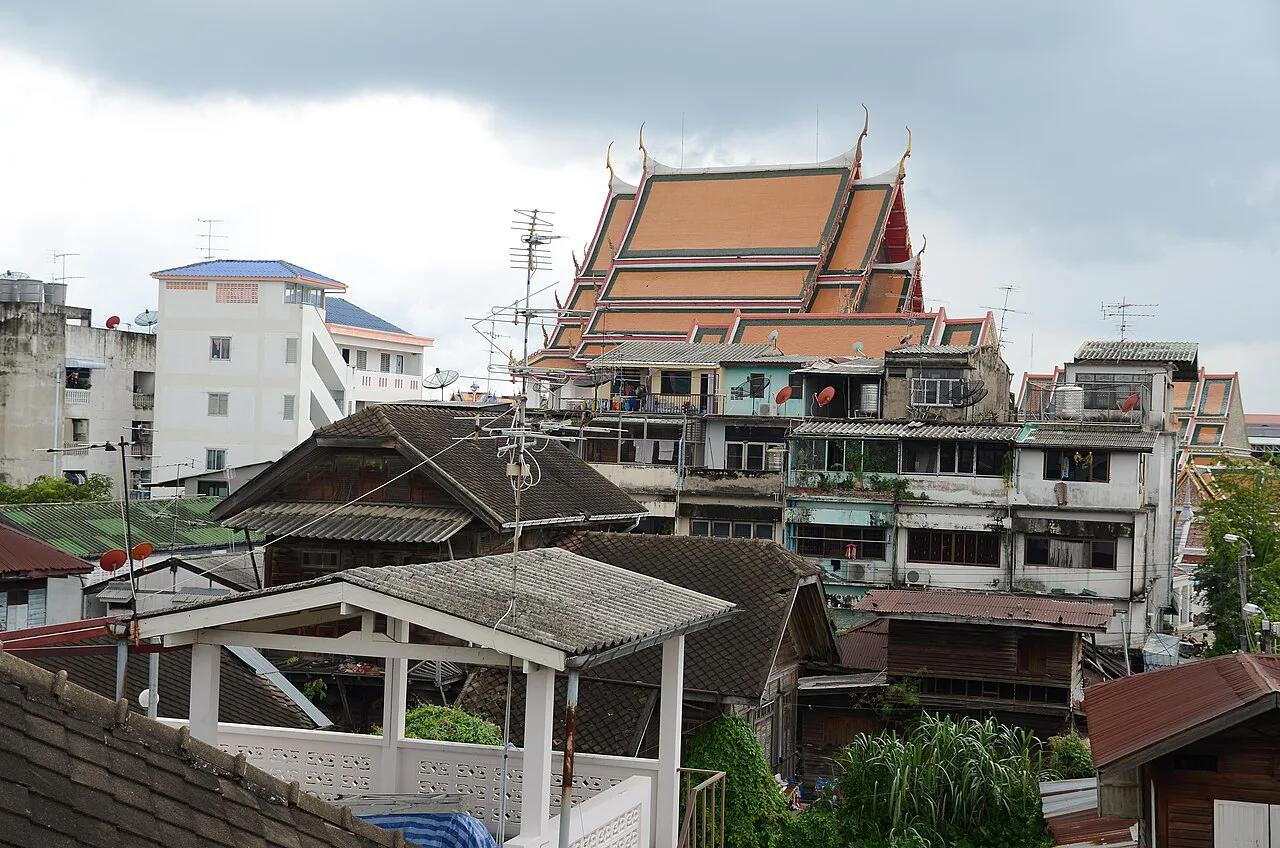
Featured image: Terence Ong, CC BY-SA 2.0, via Wikimedia Commons.
Bangkok Scams at a Glance
Five patterns cover most reports from visitors. Each one relies on a friendly opener and a small commission or inflated bill. Save the Tourist Police number, 1155, in your phone before you land.
| Scam | Where it happens | Red flag | Best response |
|---|---|---|---|
| 'Palace is closed' tuk-tuk | Near Wat Pho, Khao San, temple gates | A stranger says a site is shut today | Check the official site, decline, walk on |
| Gem and tailor stops | Tuk-tuk detours, tour offices | Driver 'needs a stamp' at a shop | Name your destination only |
| Taxi meter refusal | Tourist areas, late at night | Fixed price quoted, meter 'broken' | Exit and flag another cab or use an app |
| Fake officials | Outside temples and markets | Fluent English, a badge, unsolicited advice | Politely leave; ask a real officer nearby |
| Bar and show bills | Nightlife streets | Touts with menus, no prices shown | Skip it, or agree prices in writing first |
Is Bangkok Safe? Putting Scams in Context
Bangkok is generally manageable for visitors. Violent crime against tourists is infrequent, and most incidents are petty or commission-driven. Scams succeed on jet lag and politeness, so a plan made in advance matters more than suspicion. Check your own government's travel advisory shortly before departure for current conditions. Then keep the rest of this guide in mind when a stranger starts a conversation.
The 'Grand Palace Is Closed' Tuk-Tuk Diversion
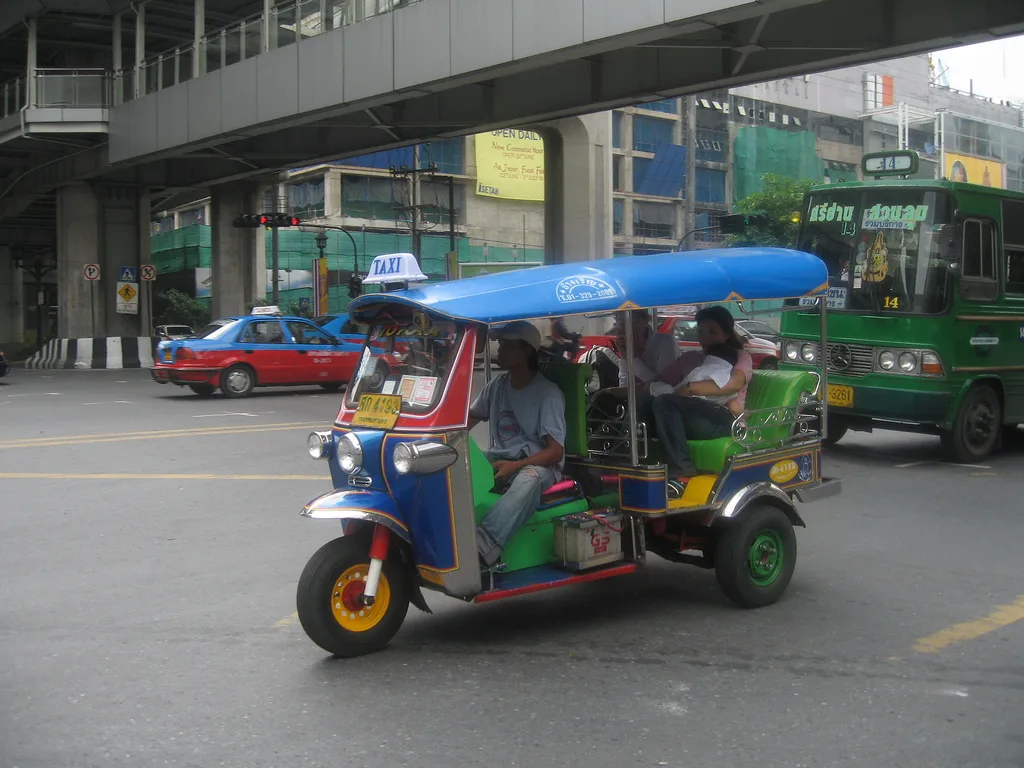
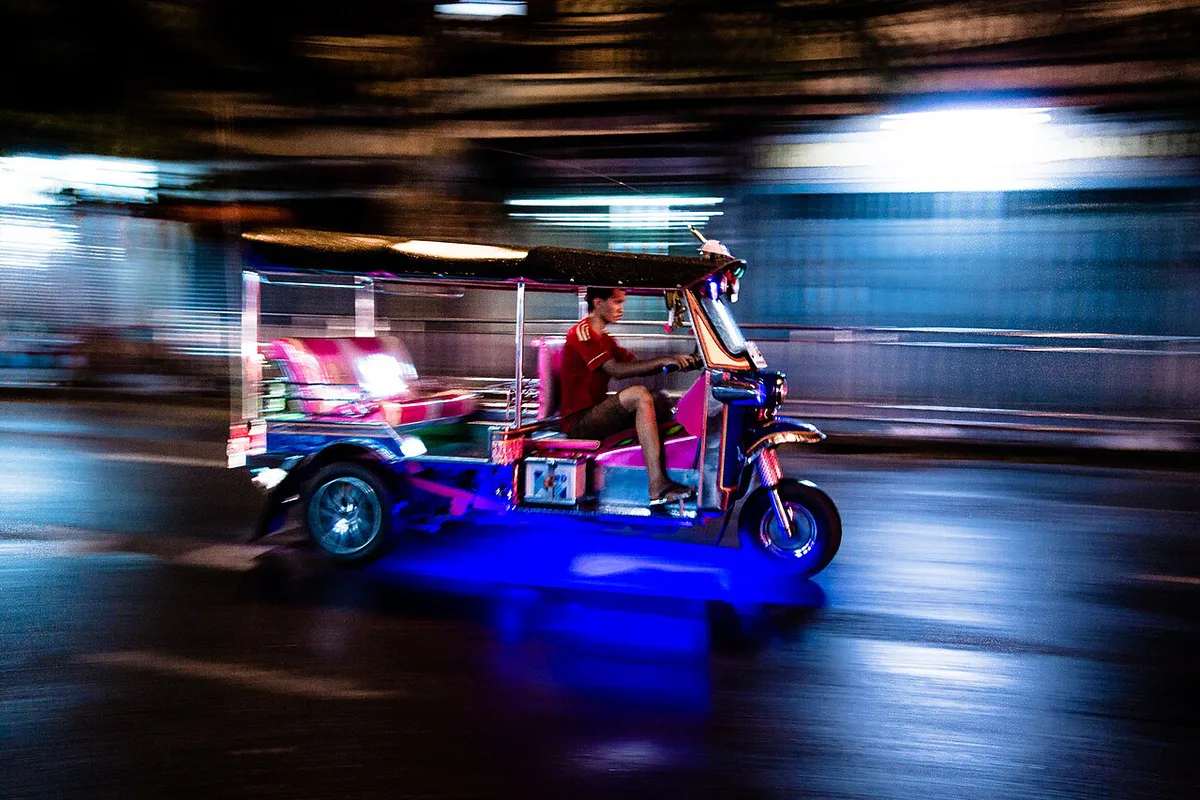
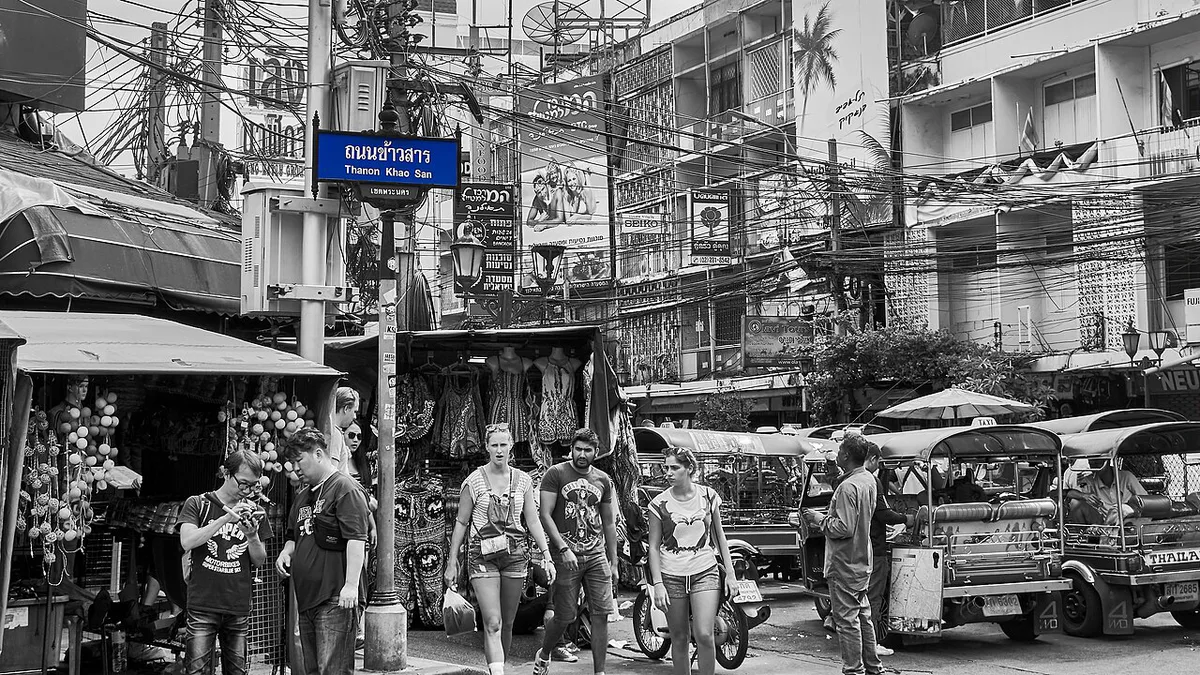
This is the classic opener. A well-dressed, fluent English speaker approaches you near the Grand Palace, Wat Pho or Khao San. He says the site is closed today for a ceremony or holiday. Then he suggests a cheap tuk-tuk tour of other temples instead. Those stops usually include a gem shop, a tailor or a tour office, where the driver earns a commission. Real closures exist, so confirm hours on the Grand Palace official site. Temple visitors can also check the Wat Pho official site before leaving the hotel. Strangers who volunteer closure news near the gate deserve skepticism.
- Say: "No, thank you, I'm going to the entrance myself."
- Walk to the ticket gate and look for a posted notice.
- Agree a price before any tuk-tuk ride, and name only your destination.
- Leave the ride at once if the driver adds shop stops.
Gem, Tailor and Tour-Office Commission Stops
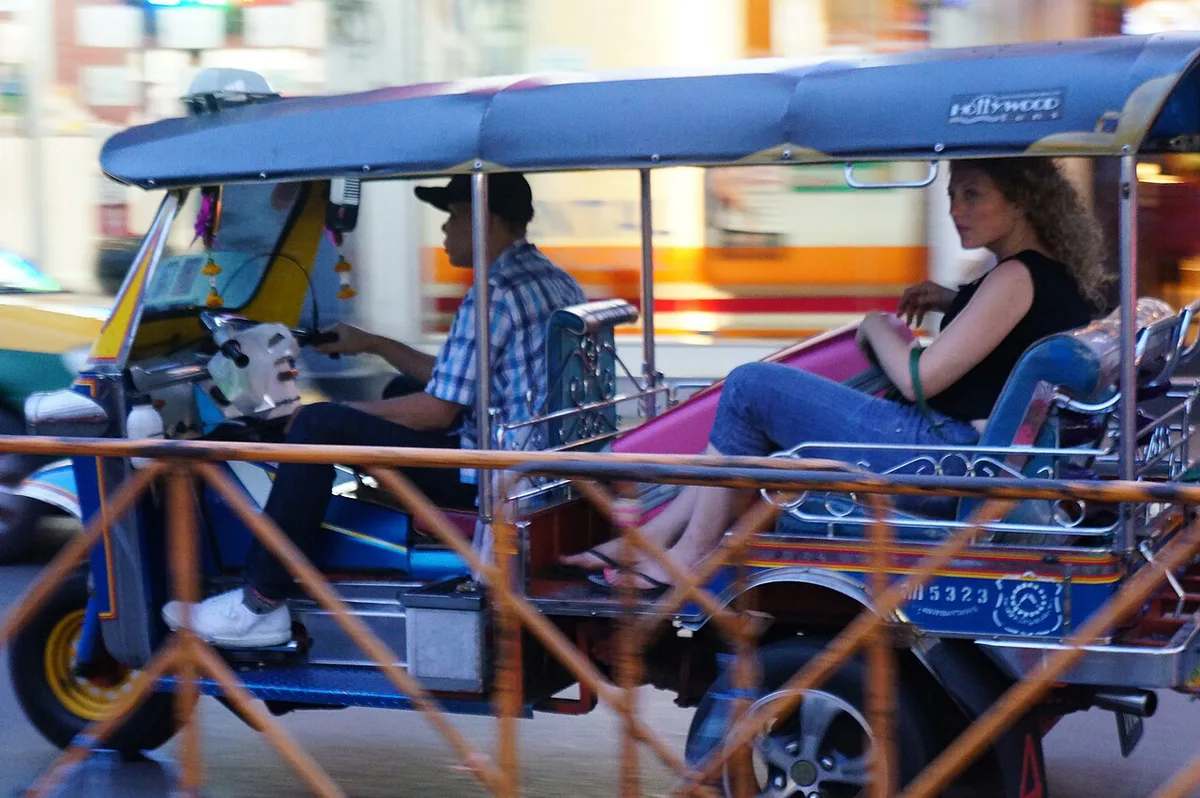
These stops are rarely dangerous, but they waste hours and can cost real money. Drivers often say they need a stamp or a coupon for fuel. Some say a special discount ends today. Shops may pressure you hard when you buy nothing. Pushy gem and tailor sales are the main risk, because quality is hard to judge on the spot. Tour packages sold in these offices may be overpriced against booking direct. Decline firmly and ask to be taken to the destination you originally named. If the driver refuses, pay what you agreed and find another ride.
Taxis, Meters and Airport Rides
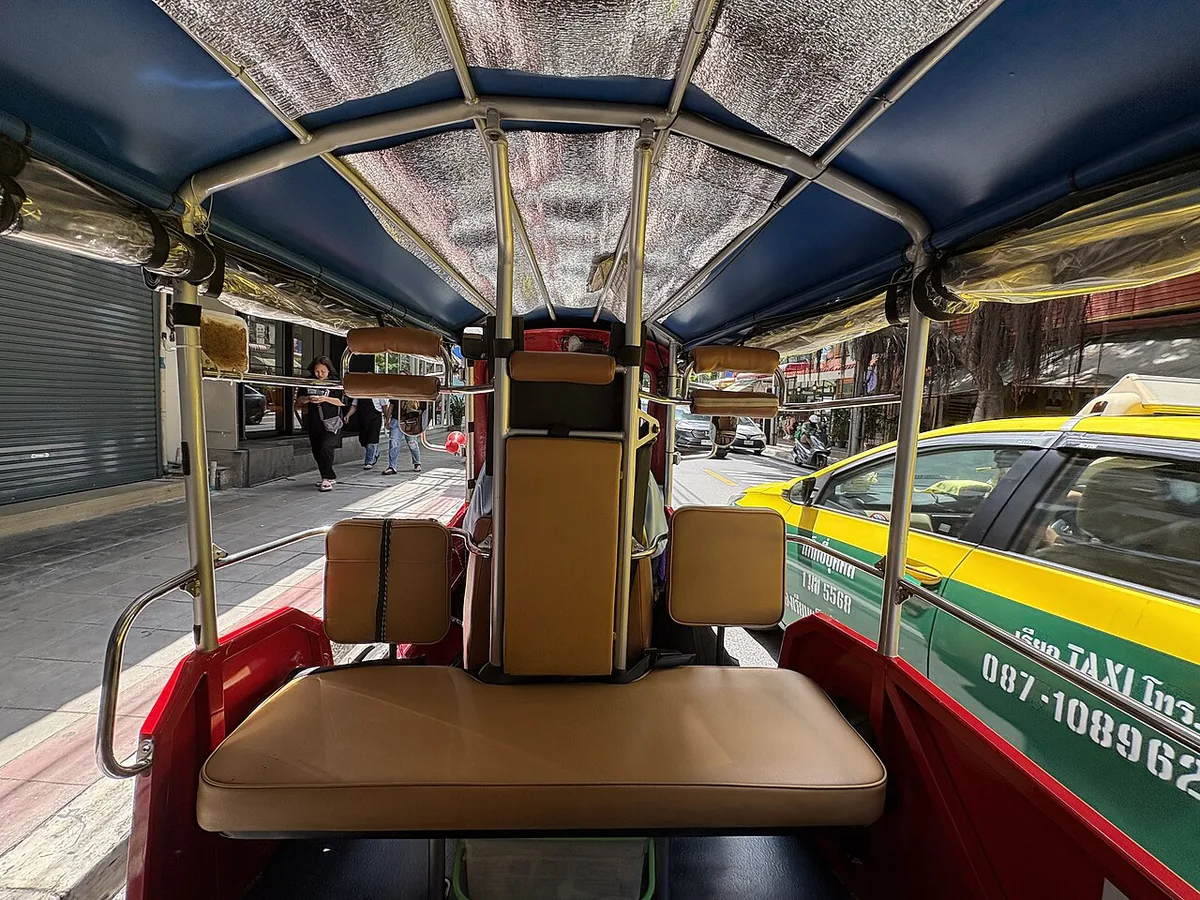
Meter refusal is the common taxi problem. Drivers quote a flat price to tourists and claim the meter is broken. At Suvarnabhumi, use the official taxi and transport options described on the airport's own site. Avoid anyone who approaches you inside the arrivals hall. Fares and surcharges change, so check current rules there rather than relying on old blog figures. Download your ride app before you travel. A working data connection helps, and our Bangkok SIM card guide covers the options.
| Option | Scam exposure | Convenience | Cost control |
|---|---|---|---|
| Metered taxi | Medium: meter refusal | Hail anywhere | Good if the meter runs |
| Ride-hail app | Low: price shown upfront | Needs data | Good, fare agreed before the ride |
| Tuk-tuk | High near temples | Short hops, tourist routes | Weak, negotiate first |
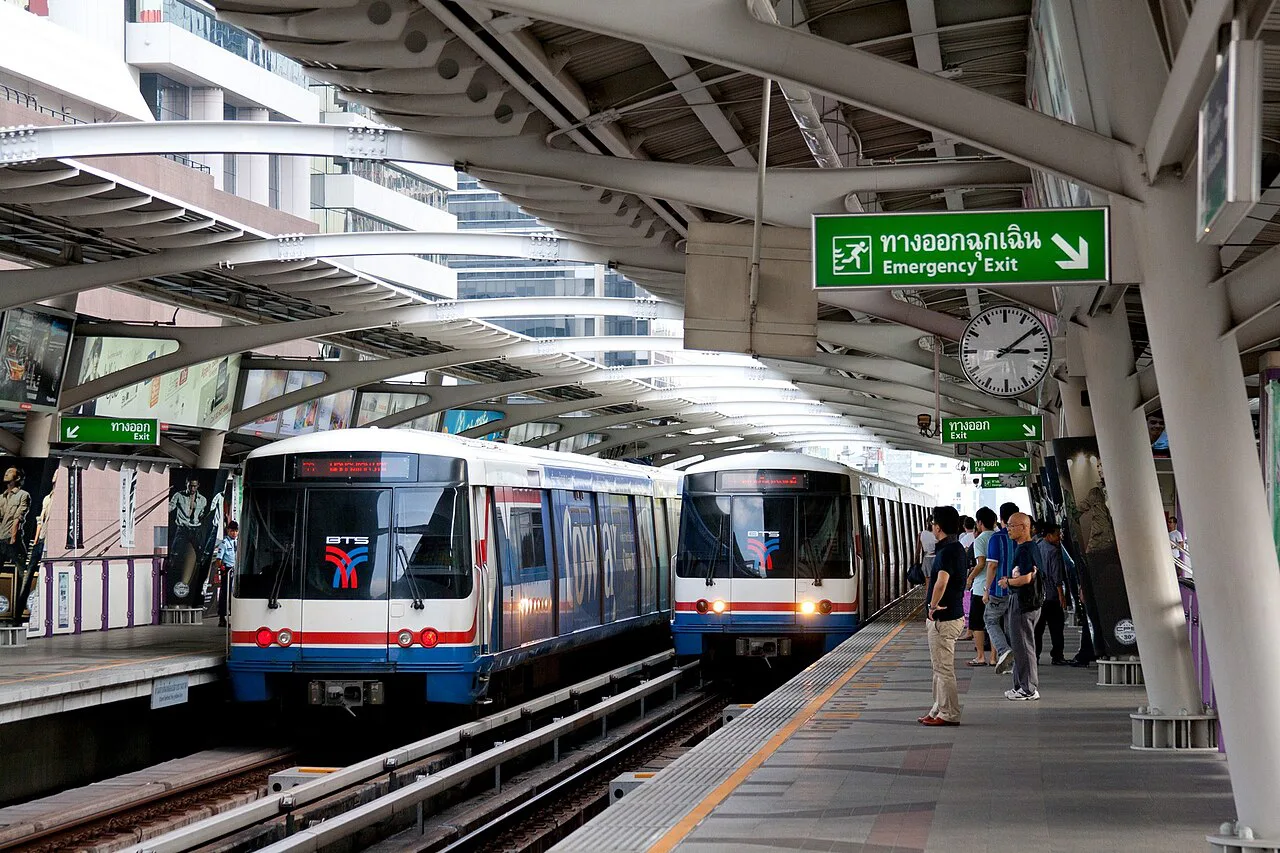
| BTS, MRT or river boat | Low | Fixed routes | Fixed fares |
Friendly Strangers and Fake Officials
Be wary of fluent English speakers who approach you in tourist areas. Some wear lanyards or carry a police-style phone case. They ask where you are from and how long you are staying. Avoid saying it is your first visit. They then steer you toward a tuk-tuk. A real officer will not recommend a driver or a shop. If someone claims authority, ask to speak with a uniformed officer at the nearest checkpoint. Never hand over your passport to a stranger, and keep a photo copy on your phone.
Near temples and markets, a stranger's badge proves little, so keep the Tourist Police line, 1155, ready if pressure starts.
Bars, Shows and Nightlife Overcharging
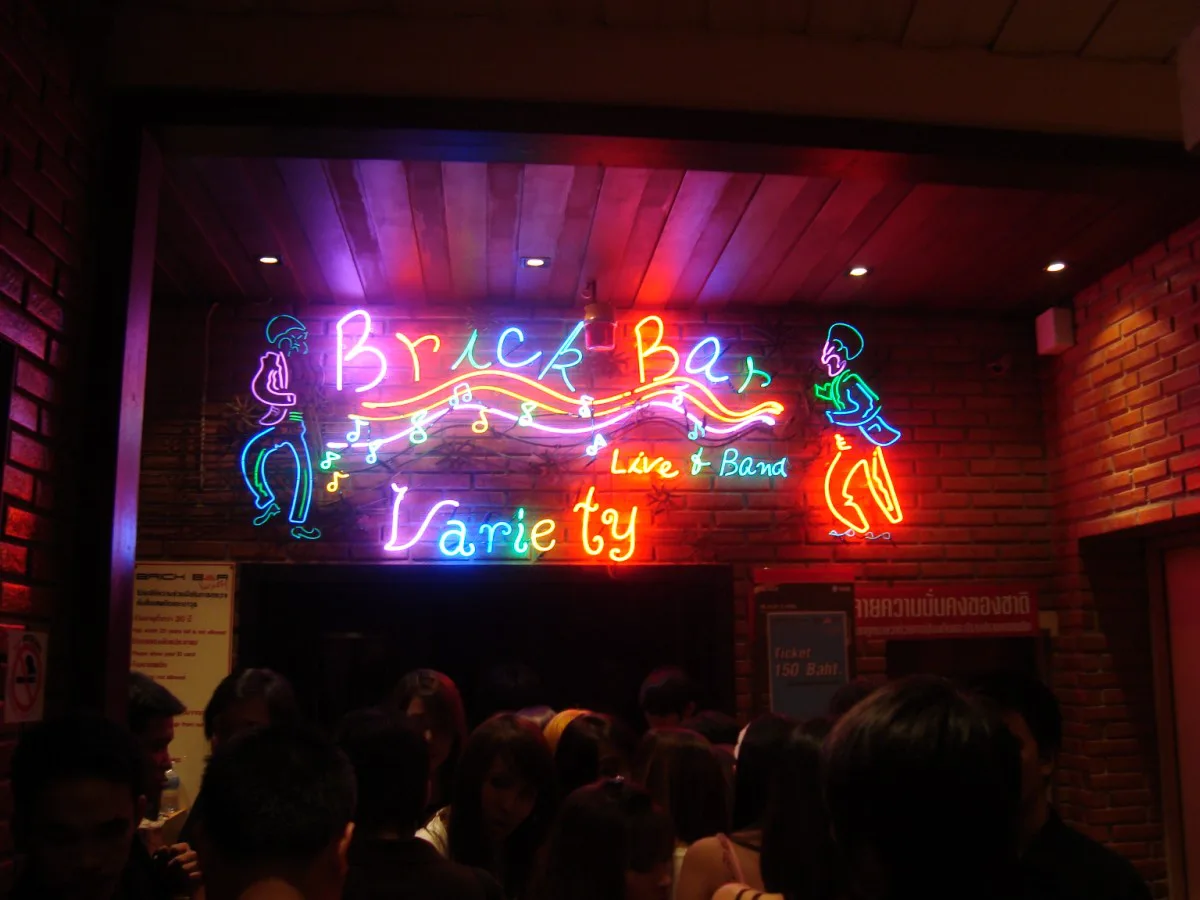
Nightlife scams revolve around surprise bills. Touts show menus of shows, then charge a large sum once you are inside. Another pattern involves a companion who orders several drinks and leaves you the tab. Ask for a priced menu before you sit down. If prices are not visible, walk away. Protect your drink by keeping it in sight and refusing food or drinks from strangers, since spiked items are a recognised risk. If an enforcer blocks the exit, stay calm and call 1155. Calling 191 reaches the general police line.
Tourist Police (1155) and general police (191) are separate lines, so decide which one fits before you dial.
Money, Phones and Small Change Tricks
Keep cash split across pockets so you never open your whole wallet. Watch every card transaction from start to finish. Count change on the spot, and keep an eye on high-value notes, since a swap with a claimed fake is a known trick. Avoid exchange counters advertising rates that sound too good, and ask about commission first. Pickpockets and motorbike bag snatchers work crowded streets. Carry a crossbody bag on the side away from the road. Our Bangkok tipping guide explains what to leave and why.
Massage, Rentals and Other Pricing Traps
Agree the massage price and duration before you lie down. Our Bangkok massage guide covers fair expectations. Vehicle and jet-ski damage claims are mostly a beach-area problem outside Bangkok. If you head south, see our Bangkok versus Phuket comparison. Photograph any rental before you take it.
If You've Been Scammed in Bangkok
Stay calm and do not pay under pressure. Call the Tourist Police on 1155 and note the shop name, tuk-tuk plate and time. Dial 191 for general police and 1669 for a medical emergency. Contact your card issuer immediately if a payment looks wrong. Your embassy can help with a lost passport, so keep its number and an ID copy.
- Write down names, plates and receipts.
- Photograph the shop front and any signs.
- Report to the Tourist Police on 1155.
- Call your bank to block or dispute a card charge.
- Contact your embassy for a lost or stolen passport.
Avoid Airport Pickup Scams at Suvarnabhumi and Don Mueang
Arrive with your onward transport decided before you enter the public arrivals area. At Suvarnabhumi and Don Mueang, ignore people who approach offering a taxi, tour or “special” airport fare. Use the airport’s official taxi or transport options, or book a ride-hail car through your app once you have a data connection.
Check the vehicle and driver details against the booking before getting in. A ride-hail fare is shown before the trip, which reduces arguments over the meter. For an official taxi, state your destination and confirm that the meter will be used. Do not let a driver redirect you to a hotel desk, tour office or exchange counter.
If someone pressures you for payment or refuses to let you leave, move back into the terminal and ask airport staff for help. Call Tourist Police on 1155 for visitor assistance. Call 191 if you need general police help.
Frequently Asked Questions
Is it safe to go to Bangkok right now?
Most visitors have trouble-free trips, and scams are usually petty. Check your government's current travel advisory shortly before departure, since conditions change.
What should I be careful of in Thailand?
Watch for tuk-tuk detours, taxi meter refusal and surprise bar bills. Beach-area vehicle rentals are another risk, so photograph any damage before you ride.
What are common scammer phrases?
Near temples, the usual line is that a site is closed today for a holiday or ceremony. Others include "special discount, today only" and "I'm just helping you". Treat unsolicited advice about closures as a cue to walk on.
Useful notes for your Thailand trip
Optional updates to our guides.
You might also like

Continue reading
More guides you'll find useful