Best Time to Visit Koh Lanta: Month-by-Month Guide
Best time to visit Koh Lanta: month-by-month weather, boat trips, closures and prices, plus when to pick another island if your dates fall in the monsoon.
On this page
Last updated November 2026: the best time to visit Koh Lanta is November to April, when the Andaman Sea is calmer and the island-hopping boats run. Our pick for the best balance of weather and crowds is December to March. From May to October the monsoon brings rough seas, closures and lower rates.
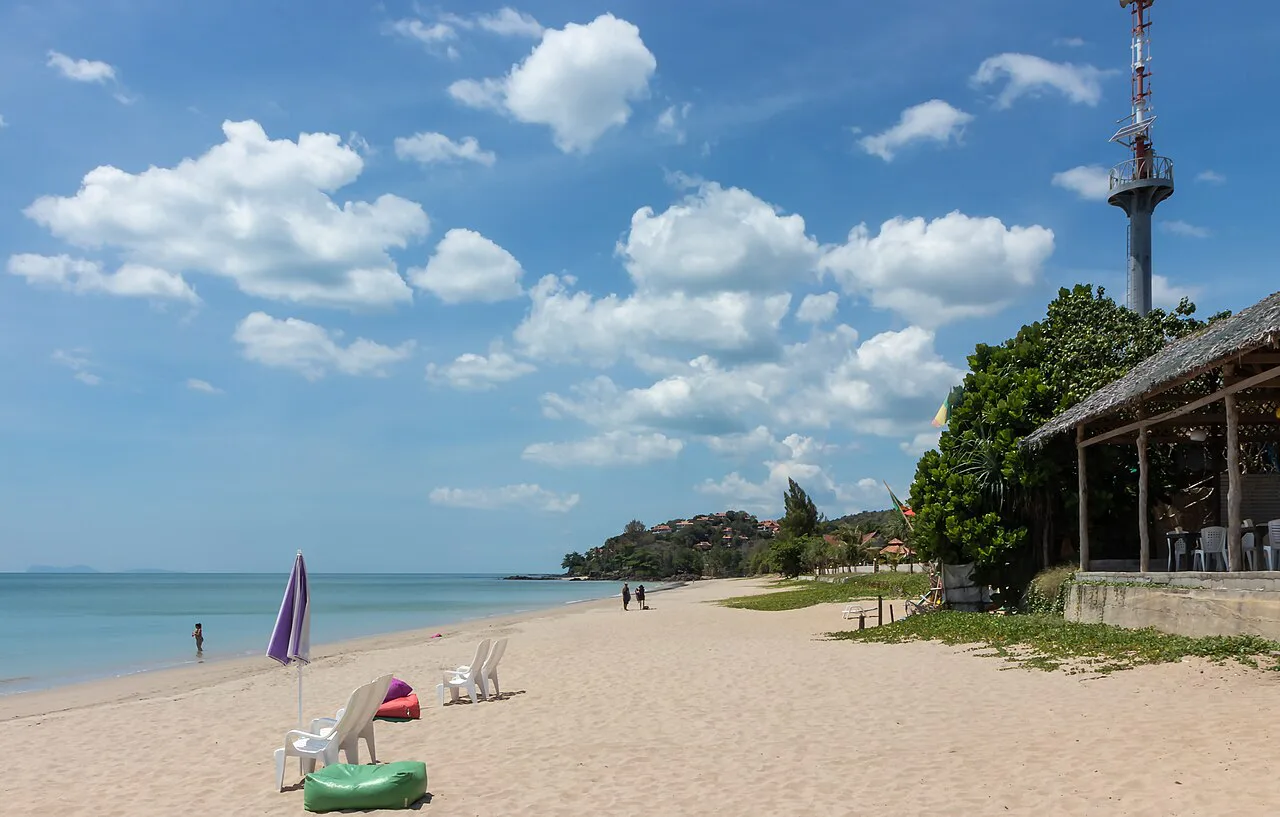
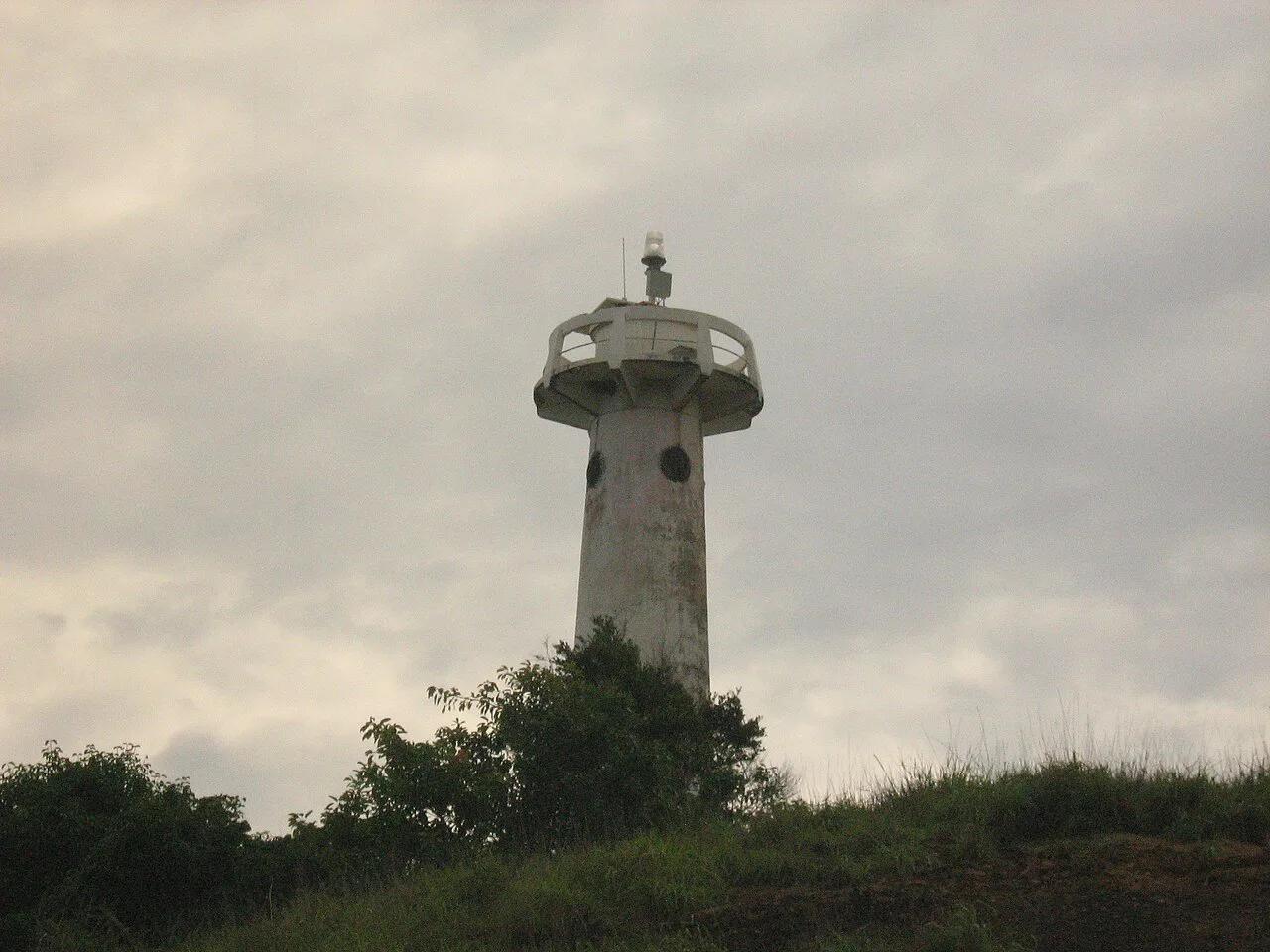
Featured image: bickiepickie, CC BY 2.0, via Flickr.
Best time to visit Koh Lanta: the short answer
Go between November and April. Rainfall at the nearest weather station, Phuket, drops to about 24 mm in February, against about 350 mm in September. Our rule of thumb: pick the dry season for beaches and boat trips, and the green season for quiet and discounts. December to March is the safest window. April turns showery late in the month. May to October brings rough seas, shuttered bungalows and halted island trips. Dates fixed in the monsoon? Book a resort that stays open and skip the boat days. Check live forecasts with the Thai Meteorological Department before you pay for anything non-refundable.
Koh Lanta's seasons at a glance
Treat this table as a general pattern. Forecasts shift from year to year, and the Andaman monsoon rarely starts or stops on a fixed date. Koh Lanta has no climate station of its own. Rain figures here are 1991-2020 normals for the Phuket station on the same coast. Sea temperature holds between 28°C (82°F) and 30°C (86°F) all year, so warmth never decides the trip. Our detailed climate notes go deeper on the numbers.
| Months | Typical conditions (Phuket station) | Boats and operations | Crowds and price level | Verdict |
|---|---|---|---|---|
| November | About 178 mm, transition month | Island reopens, Koh Rok trips start | Rising | Good, with some risk |
| December to February | About 24-82 mm a month, calm seas | All boat trips run | Busiest, highest rates | Best weather |
| March | About 81 mm, hot and dry | Trips run | Quieter than January | Excellent |
| April | About 135 mm, showers late in the month | Mostly running, edge month | Falling | Good, with risk |
| May to June | About 237-249 mm | Closures begin, island trips thin out | Quiet, discounted | Long stays only |
| July to August | About 240-309 mm, rough seas | Most boat trips stopped | Cheapest | Wet |
| September to October | About 336-350 mm | Boats to Koh Lipe restart mid-October | Emptiest | Skip for a beach trip |
Month-by-month guide
Each block below covers conditions, what operates, who it suits and one risk. November and April-to-May are transition months, so the least certain information sits there. Rain days are Phuket averages, not Lanta readings. December is the peak month, and our December deep dive covers booking pressure in detail.
- January: about 50 mm over roughly 4 days. Calm seas and every boat trip running. Suits first-timers and snorkelers. Risk: peak crowds and long car-ferry queues.
- February: the driest month, about 24 mm over 2 days. Flat water for Koh Rok. Suits almost everyone. Risk: beachfront rooms book out early.
- March: about 81 mm over 6 days. Hot, dry and quieter than January. Suits couples and families. Risk: midday heat on the beach.
- April: about 135 mm over 10 days. Songkran falls mid-month, so expect holiday demand. Suits flexible travelers. Risk: showers late in the month and early closures.
- May: about 237 mm over 16 days. Monsoon starts and businesses begin to close. Suits budget travelers with open itineraries. Risk: island trips stop at short notice.
- June: about 249 mm over 16 days. Much of the island is shut. Suits long-stayers only. Risk: Koh Rok reportedly closes to visitors from June to September.
- July: about 240 mm over 16 days. Rough seas and discounted resorts. Suits long-stayers. Risk: few restaurants open on quieter beaches.
- August: about 309 mm over 17 days. Swim only where the flags allow it. Suits people who want an empty island. Risk: rip currents on open beaches.
- September: about 350 mm over 19 days. The wettest month. Skip it for a beach trip. Risk: heavy rain nearly every day.
- October: about 336 mm over 19 days. Boats south to Koh Lipe restart from mid-month. Suits the cheapest stays. Risk: still very wet.
- November: about 178 mm over 13 days. The island reopens and Koh Rok trips start. Suits travelers who want savings before peak season. Risk: some places are not yet open.
- December: about 82 mm over 8 days. Excellent weather and the busiest month. Suits families and peak-holiday travelers. Risk: Christmas and New Year rooms sell out.
Best time by traveler type
Match your priorities to the month before you book. Families do best from December to March, when Khlong Dao's roughly 3 km of gentle sand is calm and shallow. Longer stays of four or five nights give boat days room to slip around weather. Snorkelers should target January to March for flat water. Budget travelers can look at November or April, accepting rain risk for lower rates.
- Families and toddlers: December to March, based at Khlong Dao or Long Beach.
- Snorkelers and divers: January to March, when Koh Rok and the deeper dive sites are most reliable.
- Couples and slow travelers: March or early November, with quieter beaches south toward Kantiang.
- Budget and long-stayers: May to October if you accept closures, or November and April for a middle path.
- Photographers: late afternoon on the west-coast beaches in the dry months, when every beach faces the sunset.
Best time for specific plans
Boat trips decide most Lanta itineraries. The 4 Islands longtail trip costs about ฿1,000 and takes seven to eight hours, plus a national park fee of ฿200 for adults and ฿100 for children. Koh Rok by speedboat costs about ฿1,800, with a ฿400 park fee on top. Both run roughly November to April. Koh Rok reportedly closes to visitors from June to September, so confirm current dates with the Department of National Parks. Mu Ko Lanta National Park at the southern tip costs ฿200 for adults, and dry months give the best views from the lighthouse. Opening hours differ between listings, so check them before you drive south. For swimming, sea water holds near 28°C (82°F) in the monsoon too. Warmth does not make rough surf safe, so swim only where flags allow.
High season, shoulder season and low season: what you trade off
High season runs roughly December to February, with the highest rates and the busiest roads. Shoulder months are November and April, when risk rises but so does availability. Low season covers May to October, when many bungalows, bars and dive shops close. A budget day on Koh Lanta runs about ฿1,200 and a mid-range day about ฿3,000. Hotel rates rise above that in high season, and open resorts discount heavily in the monsoon. Our low-season guide covers what stays open. Short trips deserve the dry window, since weather luck matters more over fewer days. Long stays can absorb a wet week.
Visiting in the monsoon: when it makes sense
Monsoon travel works for long, cheap stays and people who want an empty island more than a beach holiday. Water stays near 30°C (86°F), yet surf and rip currents make open beaches risky. Vans and Phuket speedboats keep running. Island trips mostly stop. Our monsoon-season guide expands on what to expect. Pick a resort that stays open and choose flexible cancellation. Skip September if you want any beach time, since Phuket-station rainfall averages about 350 mm across roughly 19 days. A short rainy-day list:
- Khao Mai Kaew cave, guided by the local family for a few hundred baht.
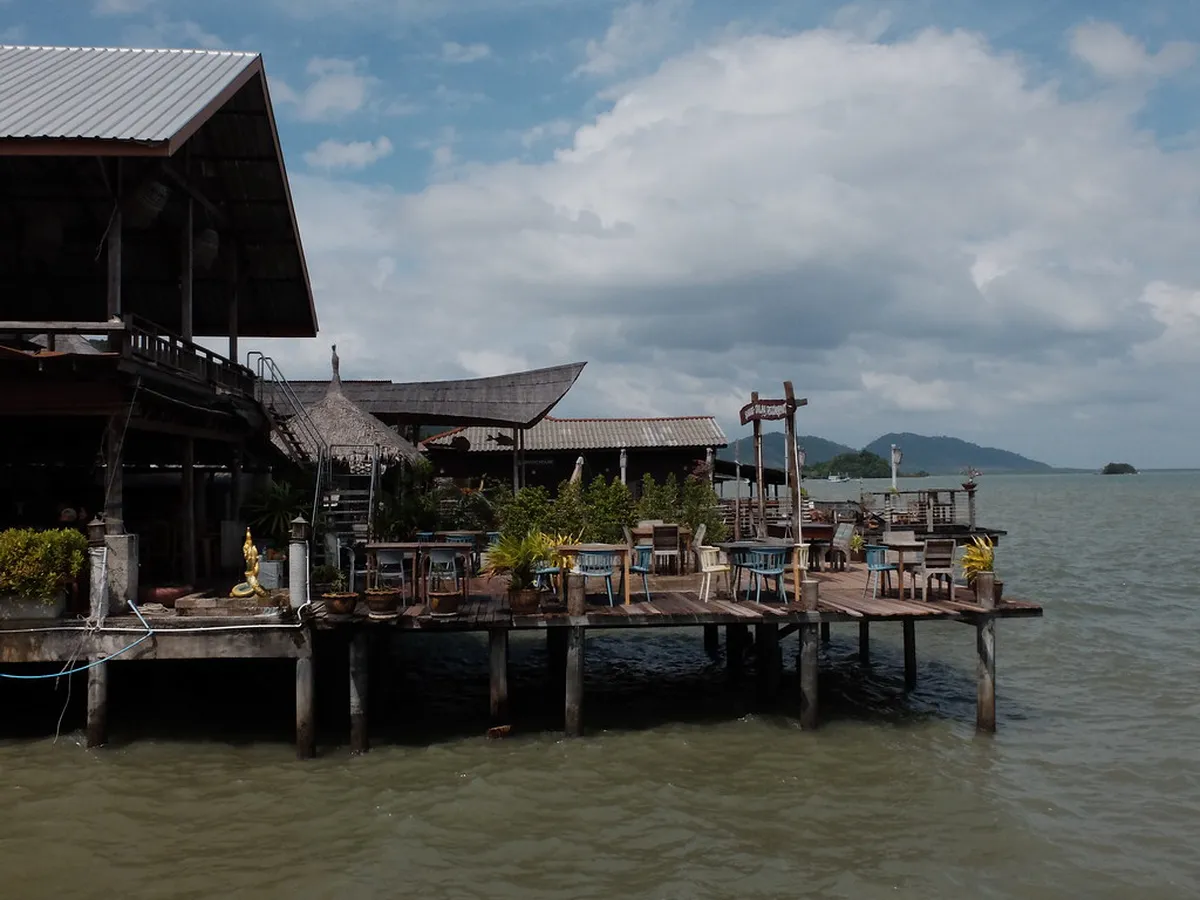
- Lanta Old Town, about 25 minutes from Long Beach, for seafood and stilt-house cafés.
- A Thai cooking class, usually ฿1,200-1,500.
- A spa or massage session on Long Beach or Khlong Dao.
Getting there and around by season
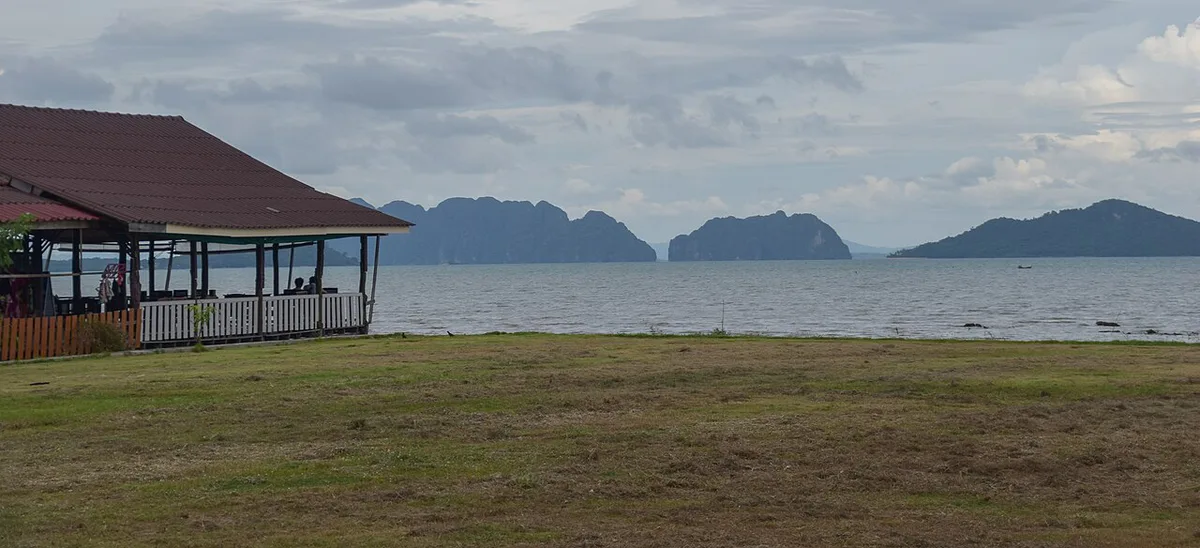
Vans leave Krabi airport until about 20:30 and cost roughly ฿400-540 for a two-to-three-hour trip. The route crosses a short car ferry and then a bridge onto the island. Ferry queues can stretch to hours in high season, so skip tight onward connections in December and January. Speedboats from Phuket's Rassada pier take about an hour and a half for ฿1,260-1,700 and run all year. From Phi Phi, Bundhaya's speedboat takes 30 minutes for ฿700. Boats south to Koh Lipe restart in mid-October. Grab barely operates here. Scooters rent for about ฿200-300 a day, and a sidecar tuk-tuk from Saladan to Kantiang costs about ฿400-800. Operators change timetables seasonally, so confirm with the operator before travel.
Krabi vans leave until about 20:30, so late arrivals in the monsoon can fall back on Phuket speedboats that run all year.
Where to stay by season
Khlong Dao, around 3 km long, and Long Beach, around 4 km, have the most restaurants within walking distance. Those two bases are the safer bet when the island quiets down. Khlong Khong suits beach bars and sunsets in the dry months, though rocks make low-tide swimming awkward. Kantiang Bay, about 1 km of sand, and the far south feel pretty but remote, and dinner elsewhere is a drive. In the monsoon, dinner options thin out fastest down south. Which individual properties stay open changes yearly, so confirm directly with any place before booking.
When to choose another destination
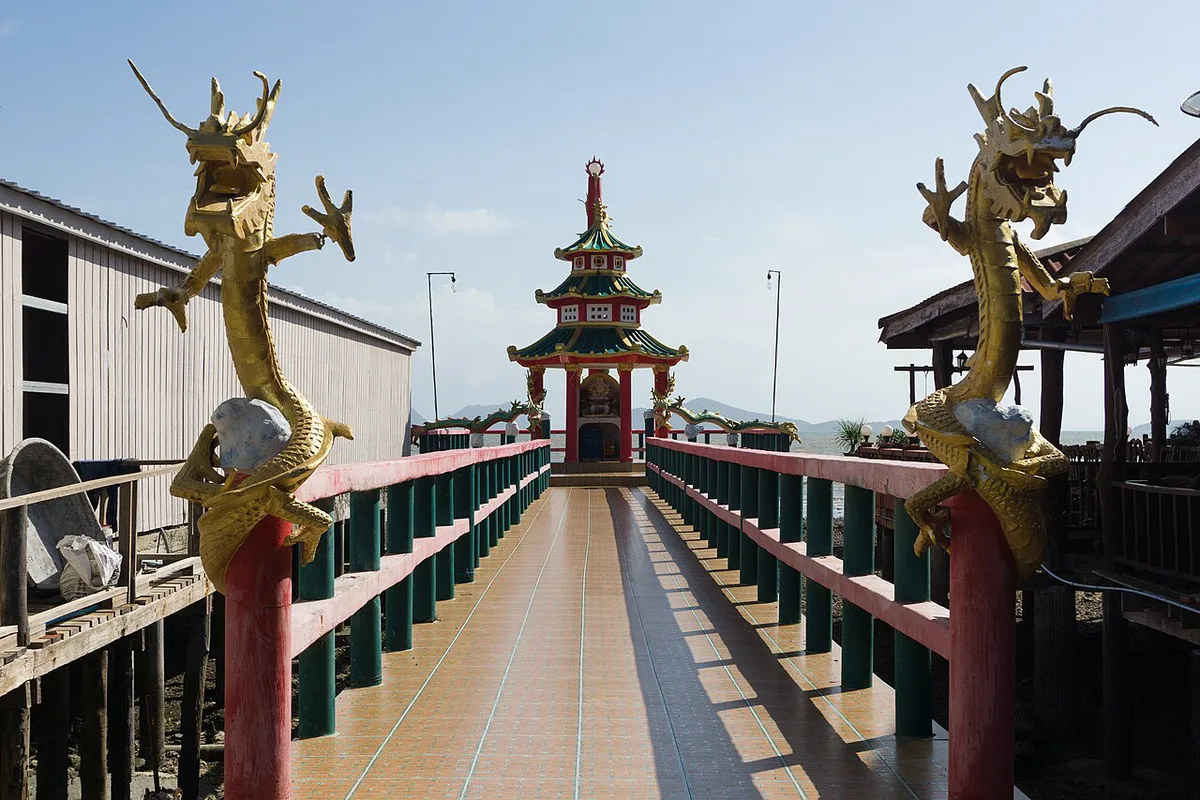
Koh Samui is the better beach choice from May to September, since the Gulf is drier than the Andaman coast then. Expect higher costs there, with a budget day around ฿1,600 and a mid-range day around ฿4,500. Ao Nang and Railay in Krabi suit travelers who want limestone scenery and shorter logistics. Phi Phi, 30 minutes away by speedboat, fits nightlife. Many travelers split a stay between Krabi and Lanta, which are two to three hours apart by van. If your dates are fixed between May and October and you want swimming, move to Samui.
Choosing Samui for May to September means a mid-range day around ฿4,500, against about ฿3,000 on Lanta, so the price gap is real.
Plan your trip: a decision checklist
Use these rules once your dates are set. Pairing the island with the capital? Our Bangkok timing guide helps you balance the two.
- Dates in December to March: book rooms and the Krabi van early, and expect ferry queues.
- Dates in November or April: choose flexible cancellation and keep boat days for the middle of your stay.
- Dates in May to October: book an open resort, skip boat trips and consider Koh Samui for beach days.
- Packing: rain jacket, reef-safe sun protection and quick-dry layers.
- Booking timing: reserve Christmas and New Year rooms first, then boat trips a day or two ahead.
Building the rest of the trip? Our Koh Lanta attractions guide covers the sights, districts and logistics around this guide.
Best time to visit other destinations
Frequently Asked Questions
How long do you need in Koh Lanta?
Four or five nights suits most trips. That covers beach days, a boat trip to Koh Rok or the 4 Islands, Old Town and the national park. Three nights is the minimum that makes the journey worthwhile.
What is a good time to visit Thailand?
On the Andaman coast, including Koh Lanta, November to April is the dependable window. Gulf islands such as Koh Samui stay drier from May to September. Match your coast to your month before booking flights.
Explore More Koh Lanta Guides
Keep planning your Koh Lanta trip with these guides.
Koh Lanta Guides
Useful notes for your Thailand trip
Optional updates to our guides.
You might also like
Continue reading
More guides you'll find useful