Koh Lanta Rainy Season: What to Expect, Closures & Is It Worth It
Thinking of Koh Lanta in the rainy season? See how sea conditions, closures, ferries and prices change from May to October, and whether it suits your trip.
On this page
Last updated November 2026: the Koh Lanta rainy season runs roughly May to October. It suits flexible, quiet-seeking travelers and divers with spare days. It disappoints anyone who needs a calm sea every morning. Conditions shift by year and by month, so treat the dates below as a pattern, not a promise.
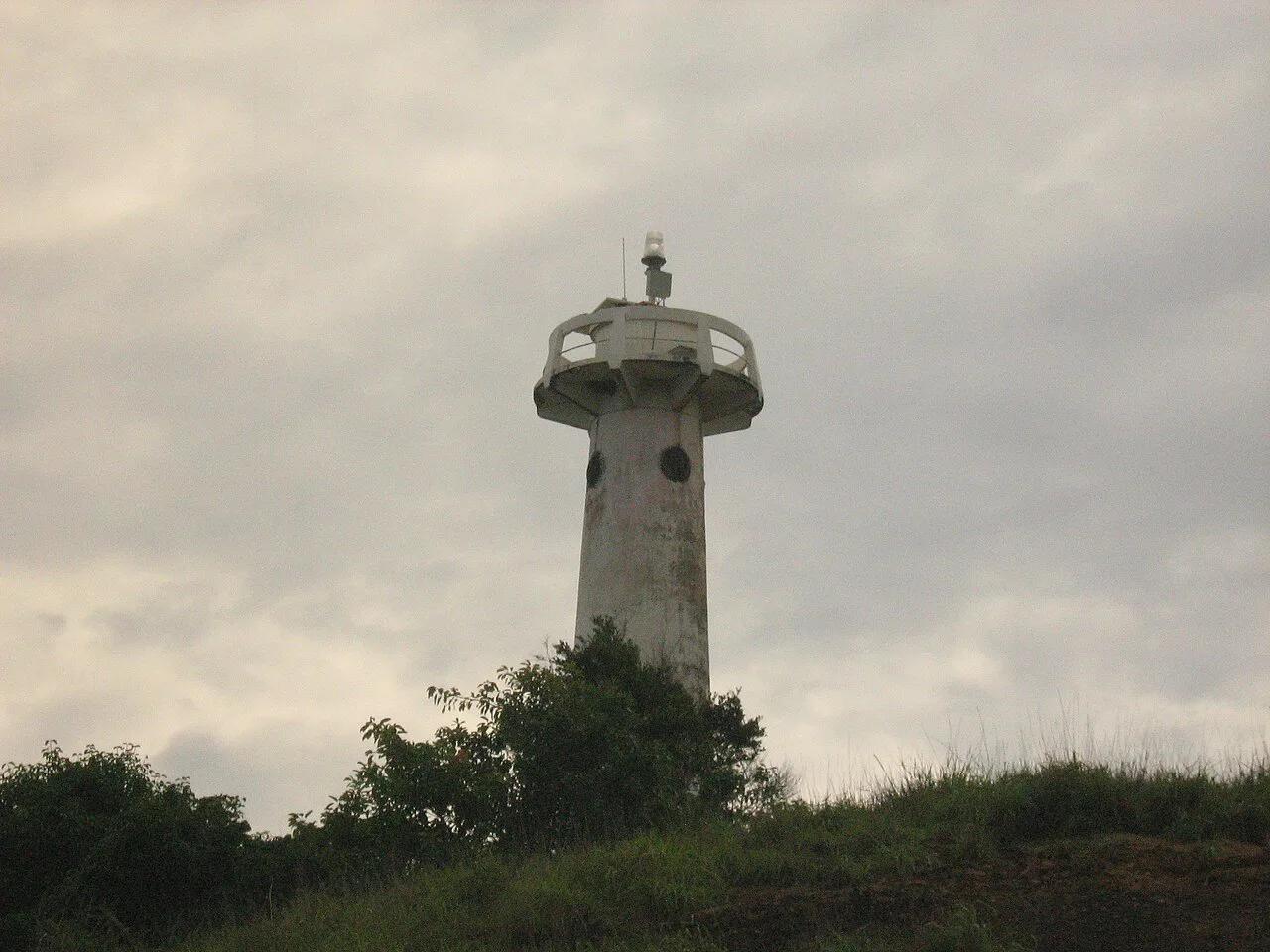
Featured image: Krzysztof Golik, CC BY-SA 4.0, via Wikimedia Commons.
Is Koh Lanta Worth Visiting in the Rainy Season?
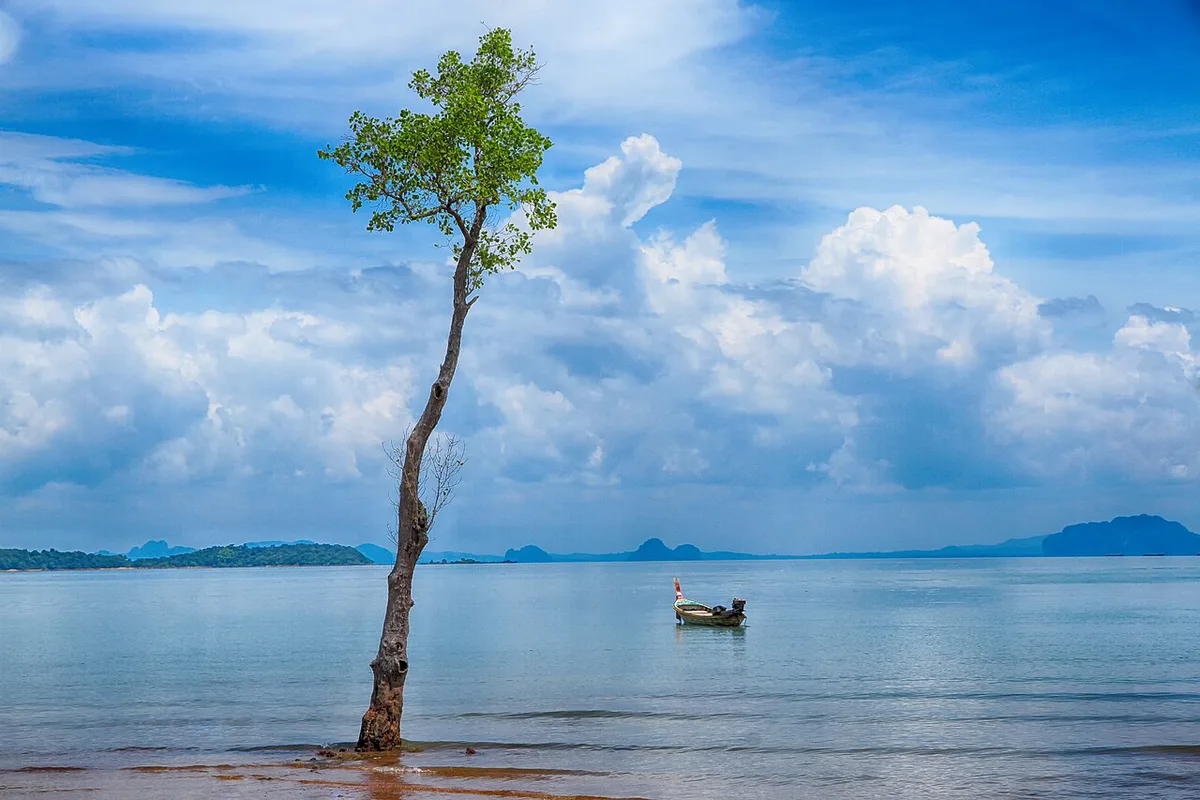
Sometimes, yes. Expect a quieter island, green hillsides and lower room rates. Expect rougher water on the west-facing beaches, and some restaurants and tour desks that shut for months. Travelers who plan around those trade-offs often enjoy it. Beach-only visitors rarely do. For the full year ranked, see our guide to the Best Time to Visit Koh Lanta: Month-by-Month Guide.
- Works for: remote workers, budget travelers, and divers with flexible dates.
- Works with care for: couples who want solitude and can pick an open resort.
- Usually disappoints: families with young children and daily swimmers.
When the Koh Lanta Rainy Season Actually Runs
The wet monsoon is usually described as May to October, about 6 months. The dry season covers November to April. Sources disagree on the worst month. Dive operators on the island name June and September as the wettest, and elsewhere cite September and October. The monsoon also does not switch on a fixed date every year. The onset can slip later in June, and wet spells can stretch into the start of high season. Check rainfall definitions with the Thai Meteorological Department. For monthly climate detail, use our Koh Lanta weather guide. Treat May and October as transition months. They behave very differently from July to September.
| Phase | Rain pattern | Sea | Closures | Boat reliability |
|---|---|---|---|---|
| May and early June | More frequent showers, less predictable | Can turn rougher | Many places still open | Mostly workable |
| Late June to August | Mixed: showers, overcast, some sunny spells | Often rough, calmer stretches possible | Growing number closed | Services sometimes limited or suspended |
| September to October | Typically the wettest, heavy downpours | Often too rough for swimming | Most limited, then reopening late October | Least reliable until conditions ease |
Sea Conditions and Swimming on the West Coast
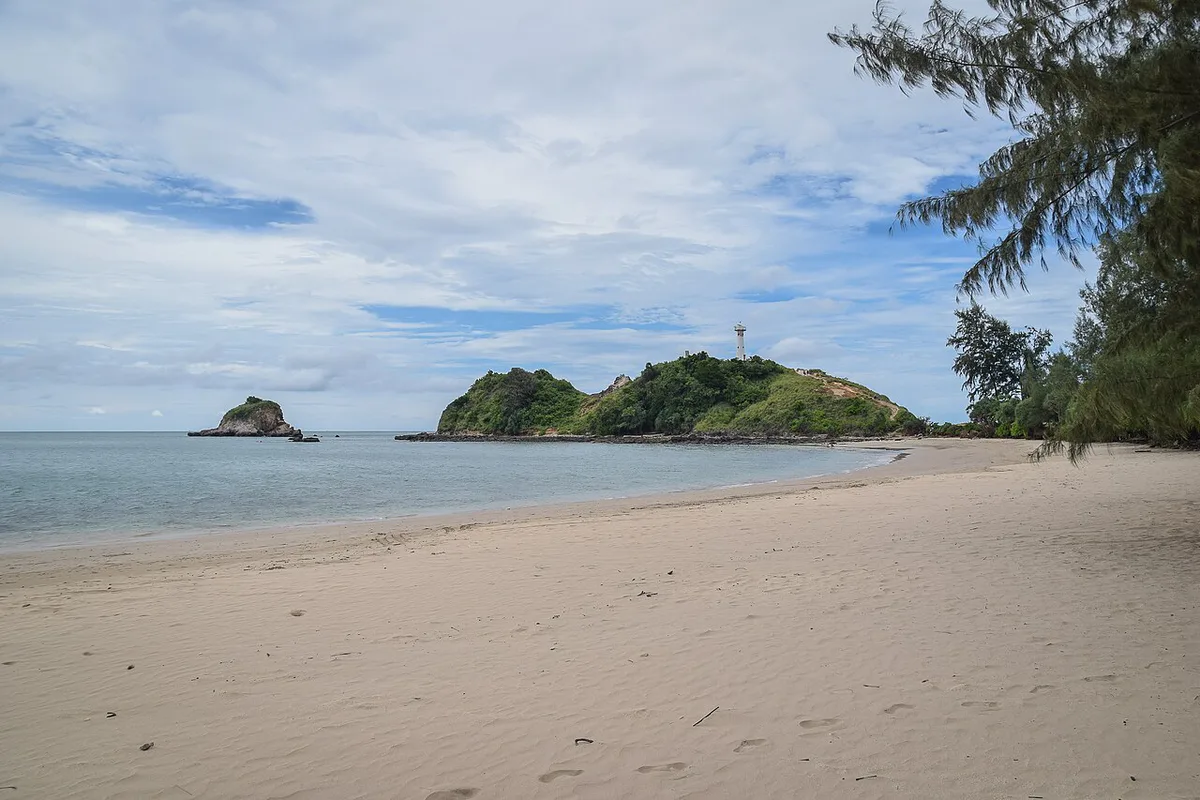
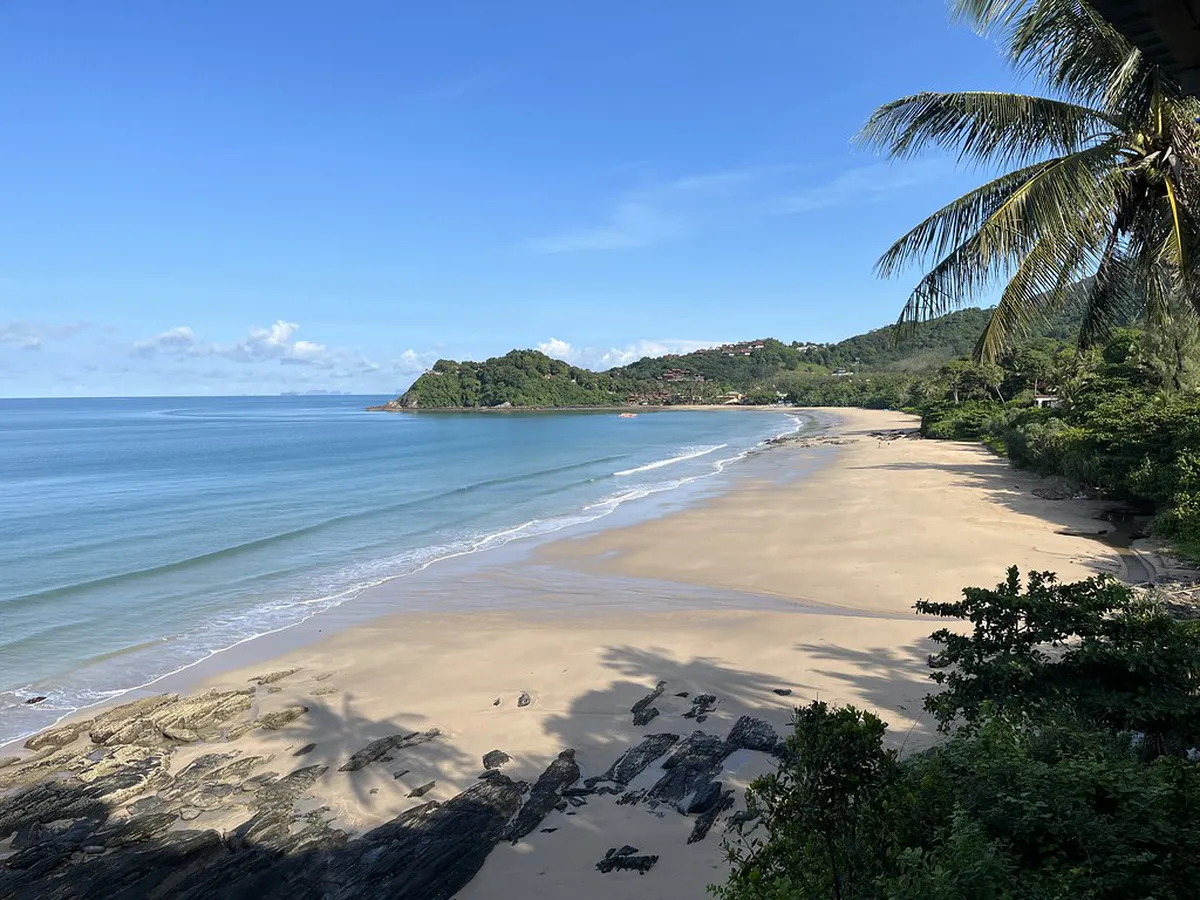
From May to October the wind swings to the southwest. Koh Lanta's beaches face west, so they take that swell directly. Dive operators report stronger winds from June to August. Water temperature stays warm at about 28°C (82°F) to 31°C (88°F), but warmth does not make waves safe. After storms, runoff and drifting debris can leave the water muddy and the sand littered. Obey any red flags and lifeguard or hotel advice, and skip the sea when waves are heavy. Some days are calm, so check conditions each morning instead of assuming the worst. Many resorts with pools make a dependable backup.
What Is Open and What Closes
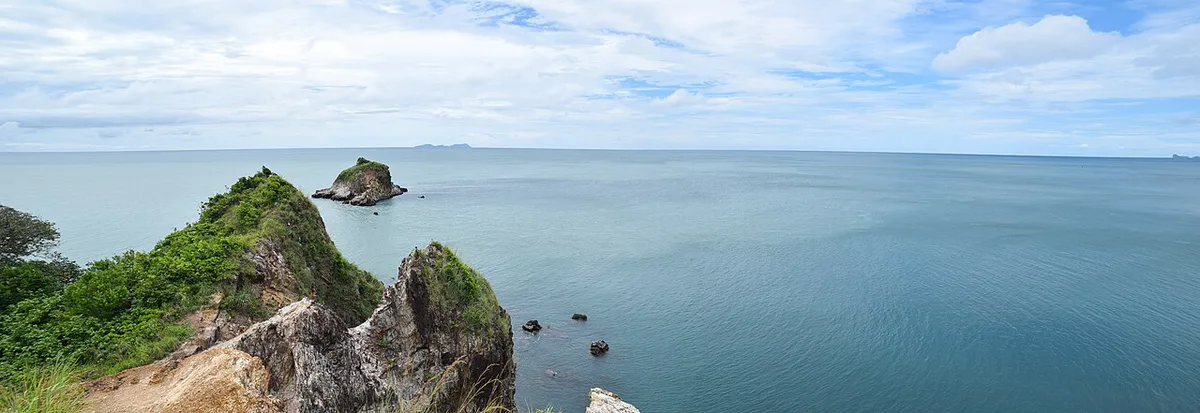
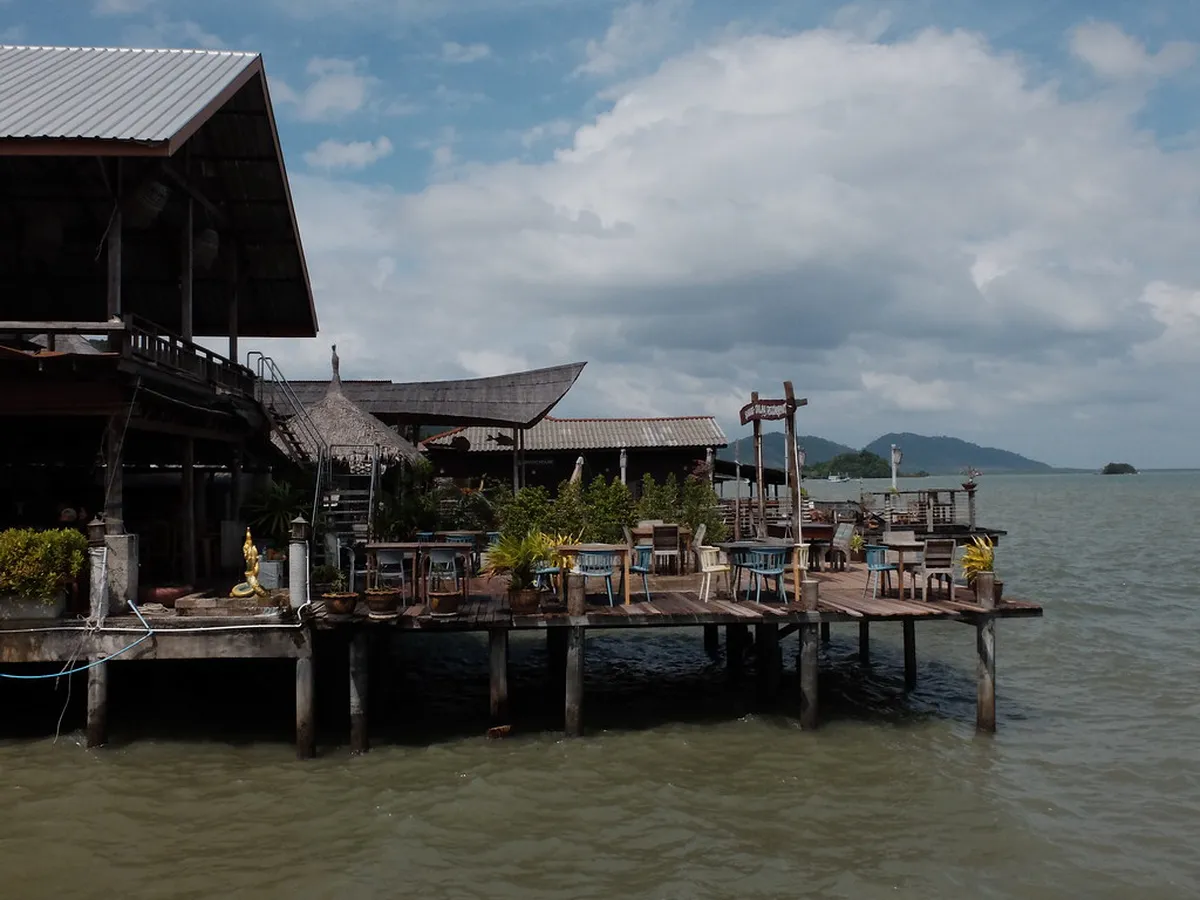
Koh Lanta is a seasonal tourist island. A coworking operator there claims about 80% of businesses close in low season, but that figure is unverified. Expect it to vary by beach strip and by month. Open convenience stores and cafés are easy to find near the main road, while many beach restaurants, bars and tour desks may be shuttered. Island trips often finish for the season. Before booking a room, run this test.
- Confirm the resort itself is open and staffed.
- Ask whether its restaurant serves meals daily.
- Check how far the nearest open restaurant and shop are.
- Ask if the owner can arrange transfers and rain-day activities.
Getting There and Getting Around
The mainland link through Krabi is the most dependable way to reach the island. Boat routes from Koh Phi Phi and other islands are more exposed to weather. Operators can cancel or limit sailings in rough seas, especially from June to August. Never tie a boat arrival to a same-day flight. Leave a buffer day before any international departure. Wet roads make scooters riskier, so consider a taxi or songthaew for longer hops. Confirm every timetable with the operator close to your travel date. If you route through Bangkok first, our Bangkok timing guide covers that leg.
Costs and Trade-Offs in Low Season
Rooms cost less and negotiation is easier. You pay for that with fewer open restaurants, fewer tours and less nightlife. A cheap room beside a dead beach strip can cost more in taxis and meals than you saved. As an illustration only, if a bungalow quotes ฿1,500 a night in January, ask what the same room costs in September. Rates vary by property, so confirm current prices directly. Choose flexible cancellation, because storms can change plans late. Our Koh Lanta low season guide goes deeper on closure economics.
What to Do When It Rains
Rain usually comes in bursts, often in the afternoon and evening, so plan outdoor time for the morning. Keep a short list of low-risk options. Other days suit reading, spa time and slow meals.
- Local markets and Koh Lanta Old Town: low cost, easy to do between showers.
- Covered cafés with reliable wifi: good for remote work.
- Cooking classes and spa treatments: book ahead, since operators may be few.
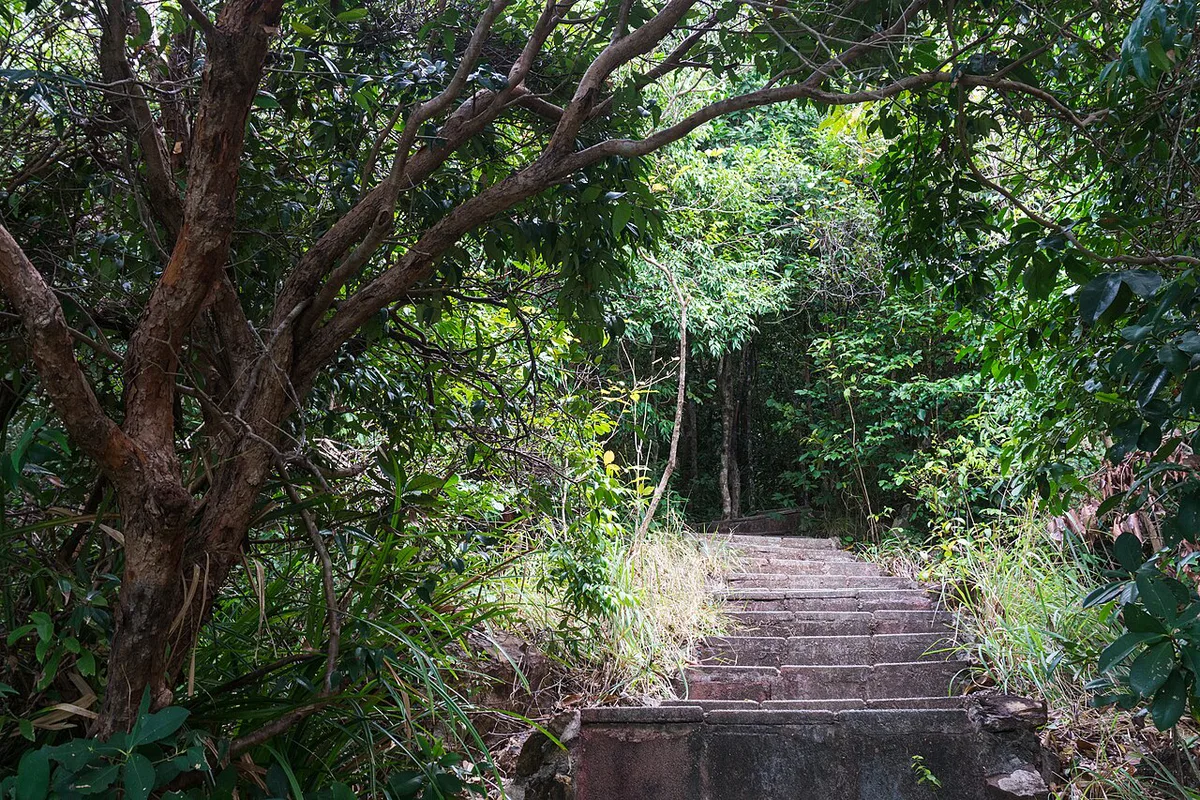
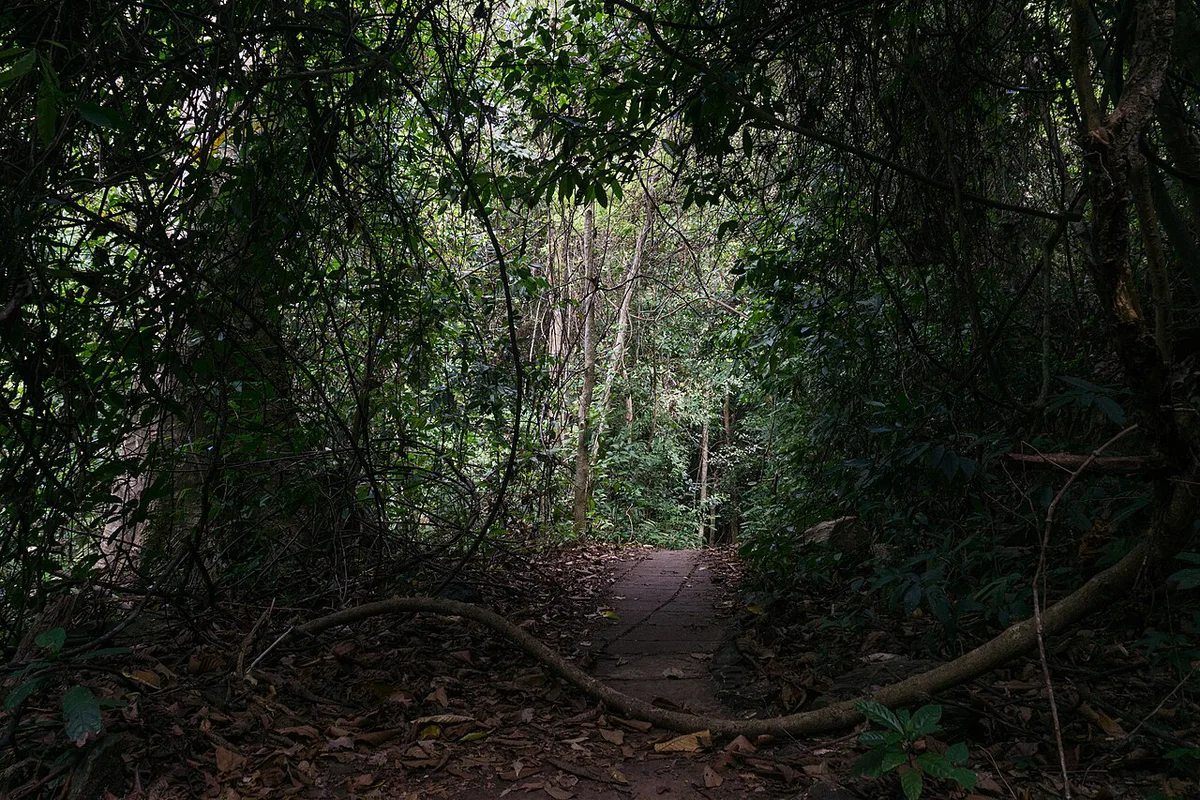
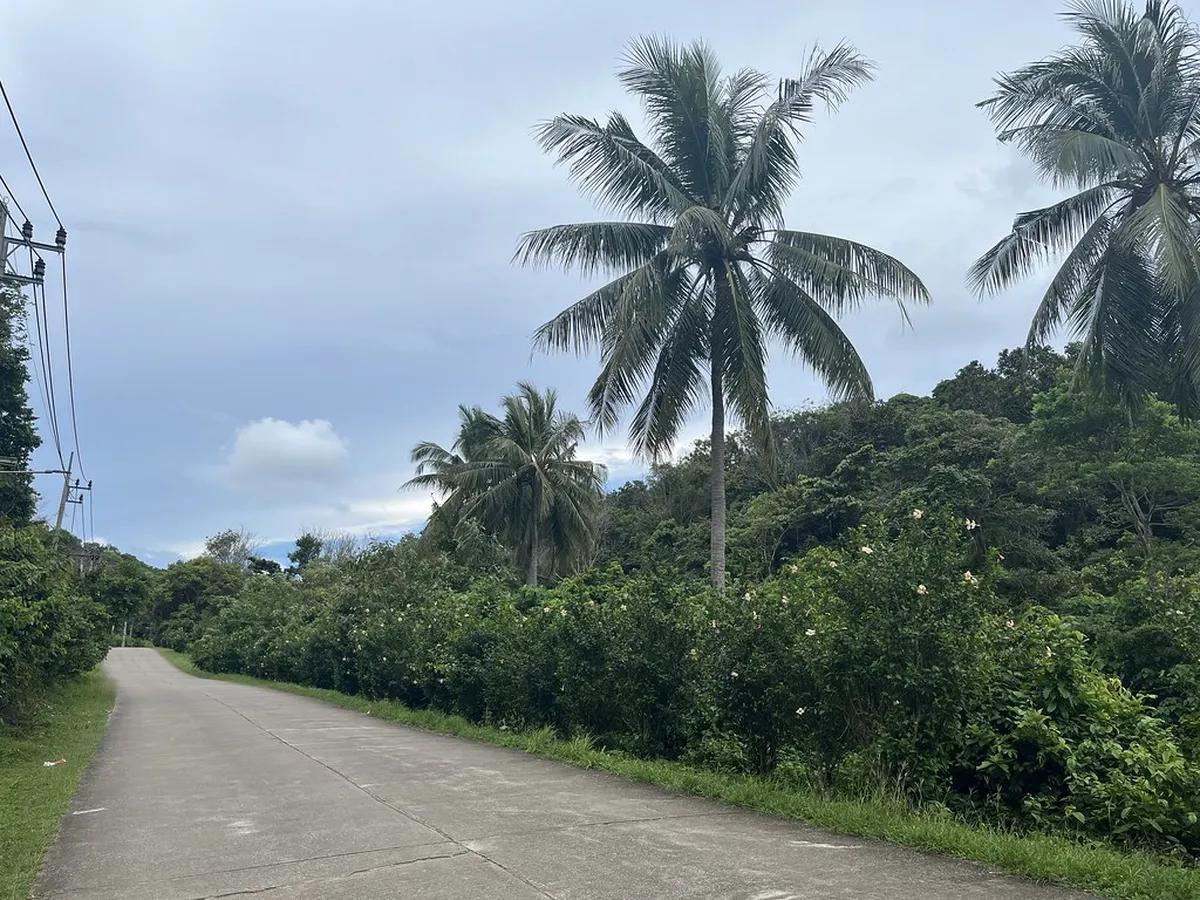
- Jungle and mangrove walks in light rain: wear grip shoes and check with your hotel.
- Lush green scenery: July is cited as a month when the island's greenery is at its best.
Diving and Snorkelling in the Wet Season
Diving is possible but less certain. Local operators say the best low-season window is likely early July to late August. Visibility swings widely. It can drop to 5 to 10 m at Koh Phi Phi after storms and reach 30 m or more at Koh Haa and Koh Bida in fine weather. Some sites may be unreachable on rough days, and park access can change. Check the Department of National Parks and your operator for current rules. Book flexible dive days rather than a fixed schedule.
Visibility at Koh Phi Phi can fall to 5 to 10 m after storms, so the morning sea check you use for swimming should guide dive bookings too.
Who Should Go and Who Should Skip It
Flexible travelers get the best of this season. Families, honeymooners focused on swimming, and anyone with a rigid itinerary should look at other months. The Gulf of Thailand islands of Koh Samui, Koh Phangan and Koh Tao have a roughly opposite pattern and are often considered a better May to October choice. Confirm their forecasts before you commit. If you want the shoulder edge instead, see Koh Lanta in December: Weather, Crowds & Planning Guide.
- Divers: go with flexible dates; risk is cancelled trips; mitigate by booking day by day.
- Remote workers: good fit; risk is closed cafés; mitigate by choosing a resort with wifi and food.
- Budget travelers: good fit; risk is hidden taxi costs; mitigate by staying near open shops.
- Families with young children: usually skip; risk is rough water and limited activities.
- Daily swimmers: skip or pick the Gulf; risk is red-flag days.
Packing and Booking Checklist
Pack for humidity that can reach 90%. Daytime temperatures run about 24°C (75°F) to 32°C (90°F), and the island can feel warmer than the thermometer says. Pack a rain jacket, a dry bag and quick-drying clothes. Buy travel insurance that covers weather disruption.
Jungle walks in light rain need grip shoes, and with humidity that can reach 90%, quick-drying clothes earn their place.
- Rain jacket, dry bag and grippy sandals.
- Flexible, refundable bookings wherever possible.
- One buffer day before any flight home.
- A resort confirmed open, with a working restaurant.
- A forecast and operator check in the last few days before travel.
Frequently Asked Questions
When to avoid Koh Lanta?
Avoid it if you need calm swimming water, mainly from June to October. September and October are often cited as the wettest and roughest. Conditions vary by year, so check forecasts before booking.
What is the best month to visit Koh Lanta?
The dry season from November to April is best for sea and weather. January and February are described as the driest. For the full ranking, see the pillar guide linked above.
Useful notes for your Thailand trip
Optional updates to our guides.
You might also like
Continue reading
More guides you'll find useful