Koh Lanta Weather: Seasons, Rain & Best Months
Koh Lanta weather by season: temperatures, rainy months, sea conditions, and what to plan or skip in each. Check before you book.
On this page
Last updated November 2026: Koh Lanta weather is hot all year, with a wetter southwest-monsoon stretch and a drier, slightly cooler run. Temperatures barely move, so rain and sea conditions decide what you can do. Use our month-by-month planning guide to pick dates, then read on for what each season means on the water.
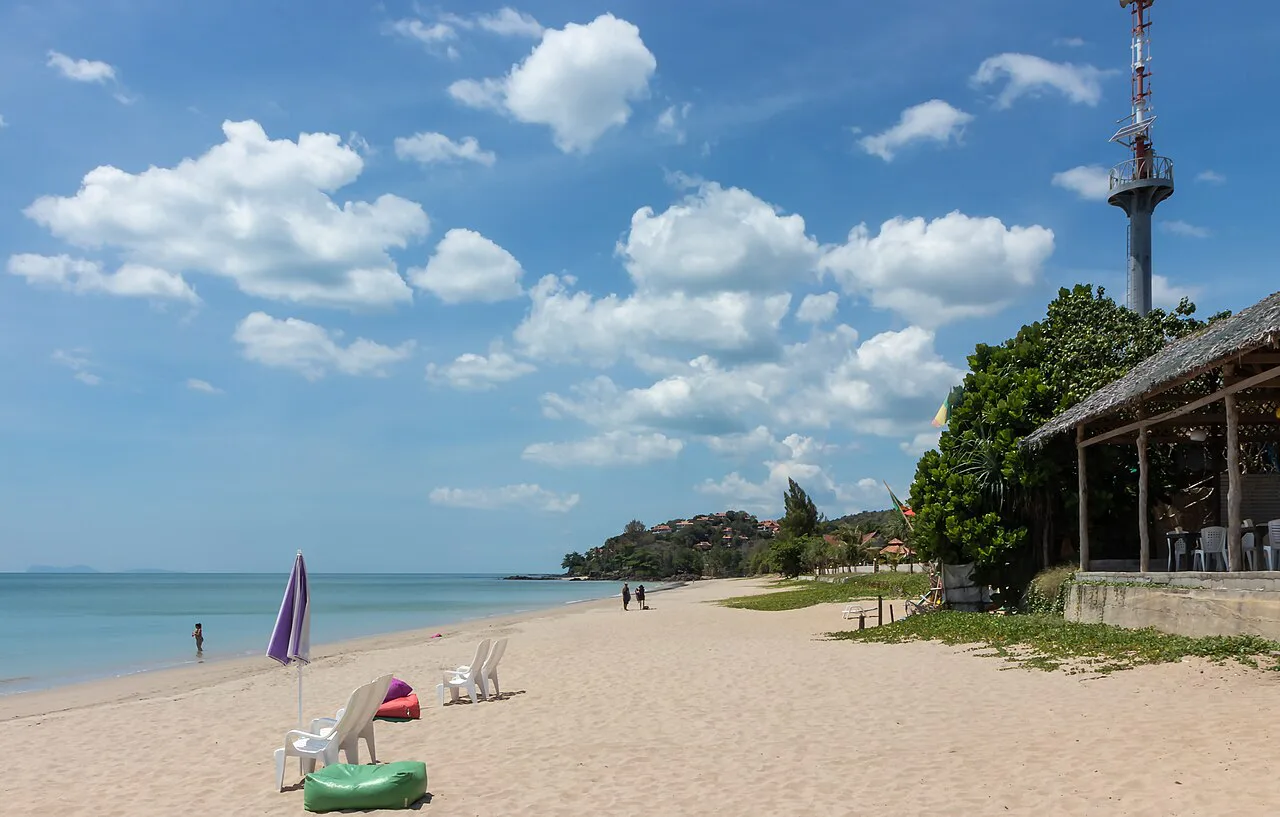
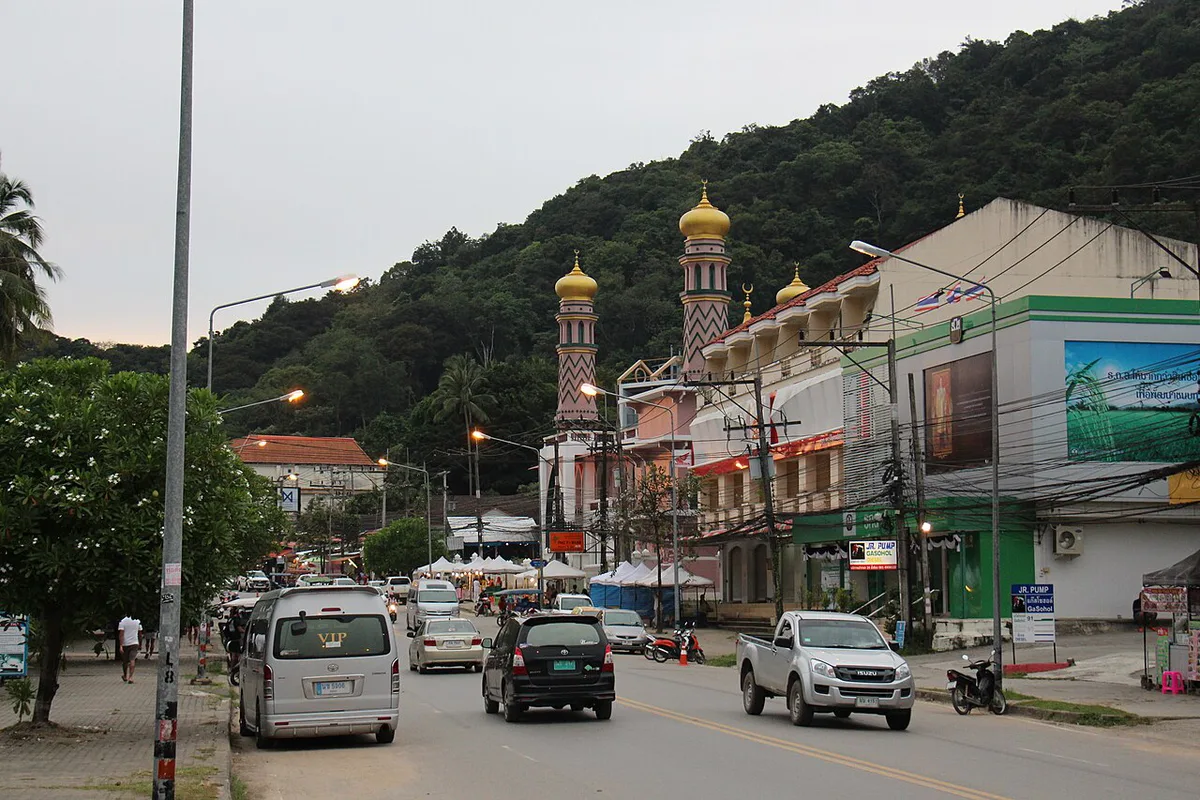
Featured image: Dronepicr, CC BY 3.0, via Wikimedia Commons.
Koh Lanta weather at a glance
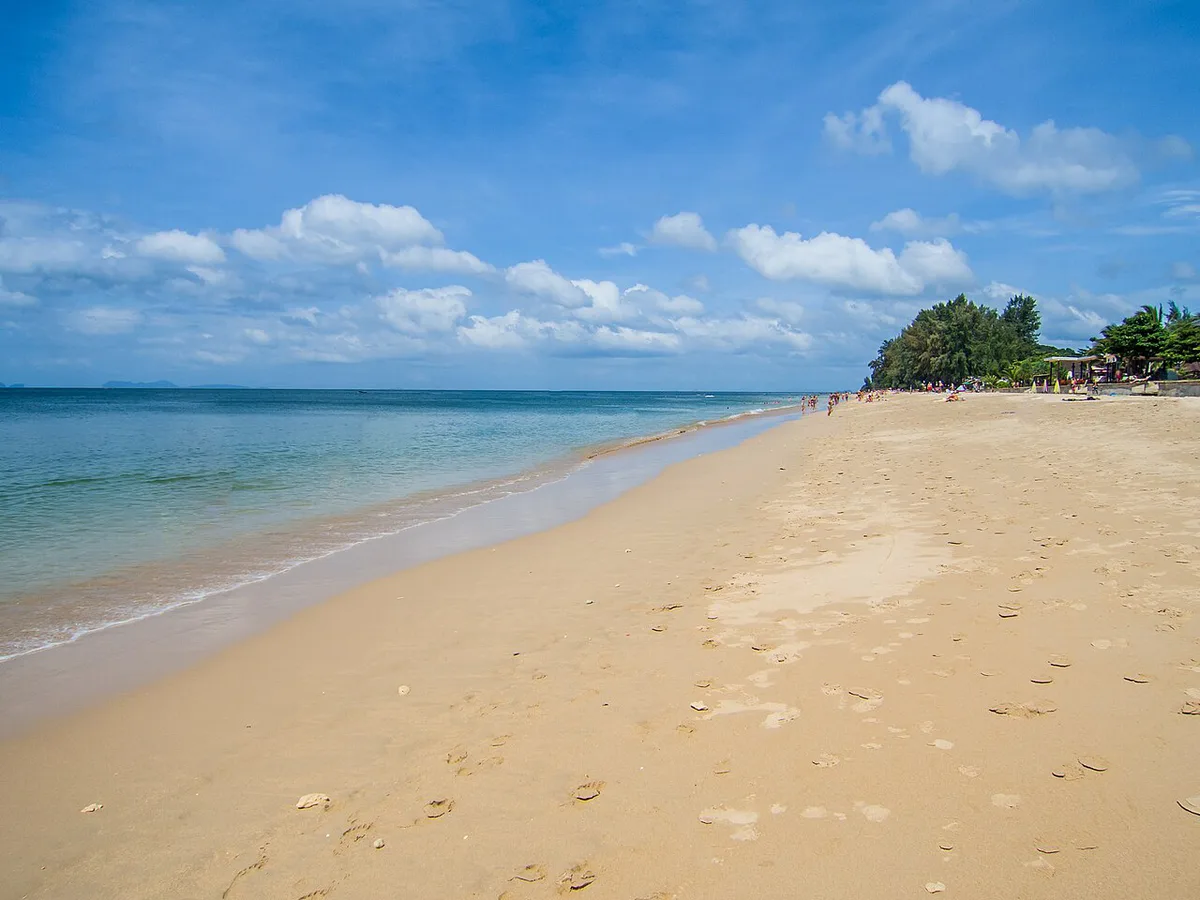
Daytime air temperature stays near 30°C (86°F) on the Andaman coast. Rain is the variable that matters. Roughly November to April is drier and calmer, and roughly May to October is wetter with rougher seas. Confirm exact season boundaries with the Thai Meteorological Department. Forecasts change daily, so check a live source before any boat day.
| Season | Rough months | Rain | Sea | Verdict |
|---|---|---|---|---|
| Dry season | Nov-Apr | Shorter, patchier showers | Mostly calm, best for boats | Best for beaches and island-hopping |
| Rainy season | May-Oct | Frequent, heavier downpours | Swell and wind, some trips cancelled | Best for quiet stays and lower prices |

Dry season (roughly Nov-Apr): what to expect
Expect more sunshine, calmer water and the busiest beaches. A mid-November forecast sample showed highs of 30-32°C (86-90°F) and lows of 25-26°C (77-79°F). Daily rain in that sample ran from 1.5 mm to 17 mm. That spread shows November is a transition month, not a guaranteed dry one. Long Beach and the other west-facing beaches get the sunset views, and boat trips run most reliably. Book rooms early for peak weeks. Shoulder months at either end can swing between clear days and sudden storms.

Rainy season (roughly May-Oct): what to expect
Southwest-monsoon months bring heavier showers, stronger wind and swell on the west coast. Snorkel boat departures can be cancelled and visibility can drop. Some resorts and restaurants close or cut their hours. Our rainy season breakdown covers the details. Cost is the upside. As an illustration only, not a quoted rate, a ฿2,000 peak-season room might be listed nearer ฿1,200 in the wet months. Our low season guide explains closures and discounts. Rain often arrives in afternoon bursts and clears, so mornings are usually your best window.
Month-by-month snapshot

These are qualitative labels, not measured statistics. Check Thai Meteorological Department climate normals for exact monthly rainfall. December is the clearest peak-season example, covered in our December guide.
| Months | Outlook | Sea for boats |
|---|---|---|
| Dec-Feb | Driest and sunniest | Calm |
| Mar-Apr | Hottest, still mostly dry | Calm to fair |
| May-Jun | Showers build | Variable |
| Jul-Sep | Wettest stretch, roughest seas | Rough, trips cancelled |
| Oct | Wet, easing late | Variable |
| Nov | Transition, mixed days | Improving |
Heat, humidity and "feels like" temperature
Humidity pushes the felt temperature well above the air reading. One November forecast showed 30°C (86°F) air with a feels-like value of 35°C (95°F). Plan walks, waterfall hikes and old town wandering for early morning or late afternoon. Drink water often, reapply reef-safe sunscreen, and rest in shade at midday. UV stays strong even under cloud.
How weather changes your plans
Weather decides which activities hold up. In rough months, keep plans flexible and book boat trips late in your stay.
- Island-hopping and snorkeling: best in calm dry-season seas; the first to be cancelled in monsoon swell.
- West-coast beaches: good for swimming in calm months; watch flags and rip currents when waves build.
- Waterfalls and jungle walks: rewarding after rain but slippery, so wear grip shoes.
- Old town: works in almost any weather, with covered shopfronts and cafés.
- Rain plan: swap the boat for a café morning, a massage, or the old town, then move the boat to the clearest day.
Getting there and around in bad weather
Most visitors reach the island by road and ferry from Krabi, or by transfer from the airport. Check current services with your operator, since rough seas can delay or cancel crossings. Build in a buffer day before any onward flight. Combining regions? Bangkok has a different climate, covered in our Bangkok timing guide.
Which month should you pick?
Match the month to your priority. Our full timing guide compares months in depth.
Pick a dry-season month knowing a mid-November forecast showed 1.5 mm to 17 mm of daily rain.
- Beach-focused: choose the dry months, roughly November to April.
- Divers and snorkelers: aim for calm seas and best visibility in the dry season.
- Budget travelers: consider the wet months, accepting some closures.
- Quiet seekers and honeymooners: try the shoulder weeks at either end of the dry season.
- Families: favor the calmer months for easy swimming and predictable boat days.
Packing and safety checklist
Pack for sun and sudden rain. Check park and marine notices from the Department of National Parks before booking park-area trips.
Ferry crossings are affected too, so a 3–7 m/s forecast range argues for a spare day before any flight out.
- Light rain jacket and quick-dry clothes.
- Dry bag for phone, passport and cash.
- Reef-safe sunscreen, hat and a refillable bottle.
- Grip sandals for wet paths.
- Mistake to avoid: booking a boat trip on your last day with no buffer.
How to read the Koh Lanta forecast
Check the Thai Meteorological Department forecast the day before a boat trip, then check again with your operator that morning. Do not treat a rain total as an all-day washout. A forecast of 1.5 mm can mean a brief shower, while 17 mm signals a greater chance of disruptive downpours.
Look beyond temperature. Koh Lanta often has daytime readings around 30–32°C, but humidity can make it feel much hotter. Wind matters most for crossings, swimming and snorkelling. A forecast range of 3–7 m/s can bring noticeably different sea conditions, especially on exposed west-coast beaches.
Use the hourly view to find the clearest window. Morning departures are often more practical during the wetter months, when storms may build later in the day. If wind, rain or marine notices worsen, move a boat trip rather than squeezing it into your final day.
Frequently Asked Questions
Is it rainy season in Koh Lanta?
Roughly May to October is the wetter southwest-monsoon period. Showers and swell are likelier then, though sunny spells still happen. Confirm current conditions with the Thai Meteorological Department.
When to avoid Koh Lanta?
Skip the wettest, roughest-sea months if you need dependable boat trips and open restaurants. Visit then only if you value lower prices and quiet beaches over guaranteed sunshine.
Is it rainy season in Krabi now?
Check a live forecast, since conditions change daily. Season boundaries are approximate, and shoulder months can mix dry and stormy days.
Useful notes for your Thailand trip
Optional updates to our guides.
You might also like


Continue reading
More guides you'll find useful