Chiang Mai Resorts: Where to Stay by Area and Budget
Compare Chiang Mai resort areas by transfer time, season, and who each suits, with cost guidance and mistakes to avoid before you book.
On this page
Last updated November 2026: Chiang Mai resorts mostly sit beside the Ping River or out in the valleys, so the real choice is calm and space against a taxi ride of roughly 15 minutes to the Old City. Couples, slow-travel trips and spa stays usually justify that ride. First-timers with two or three nights are often better placed inside or close to the Old City.
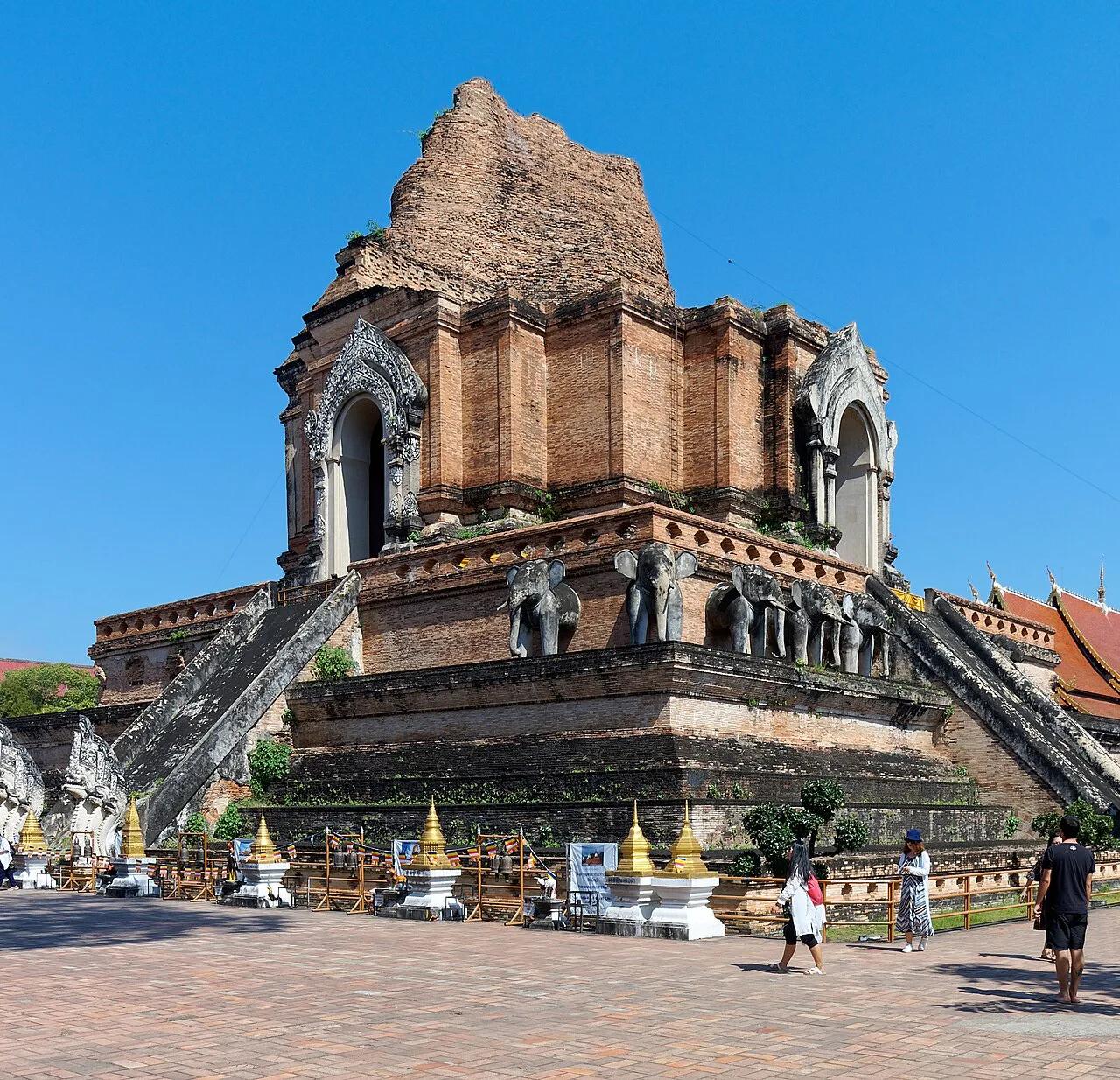
Featured image: Maxim Cruiser, CC BY 3.0, via Wikimedia Commons.
Quick answer: which Chiang Mai resort area suits you
Choose the riverside or the valleys for rest, the Old City for temples on foot, and Nimman for cafes and laptop days. Resort-style stays outside the walls typically add a transfer of roughly 15 minutes each way. Not sure which area fits? Our full Chiang Mai neighborhood guide covers the wider choice. Transfer times below are approximate, so confirm them on your hotel's own site.
| Area | Vibe | Transfer to Old City | Best for | Skip if |
|---|---|---|---|---|
| Riverside (Ping River) | Quiet, garden and river views | Roughly 15 minutes by taxi | Couples, spa stays | You plan a temple a day on foot |
| Outskirts and valleys | Space, seclusion, countryside | 15+ minutes, longer from the valleys | Slow travel, wellness, families wanting room | You have no car and only 2-3 nights |
| Old City courtyard hotels | Walkable, small pools | On foot | First-timers, culture trips | You want large grounds |
| Nimman | Urban, cafes, coworking | Short ride, check current fares | Digital nomads, food trips | You want a true resort feel |

What "resort" means in Chiang Mai
Chiang Mai has few beach-style resorts with huge grounds. Most resort-style stays are garden hotels on the Ping River or larger properties out in the valleys. Old City courtyard hotels and Nimman hotels with pools can feel like resorts, but they are city hotels with a pool. Minor Hotels lists two Anantara properties at 123-123/1 Charoen Prathet Road, Changklan. One is a resort. The other is a serviced-suites building, which is a different product, so read each listing carefully. Verify the exact location, room types and pool on the official page before you book.
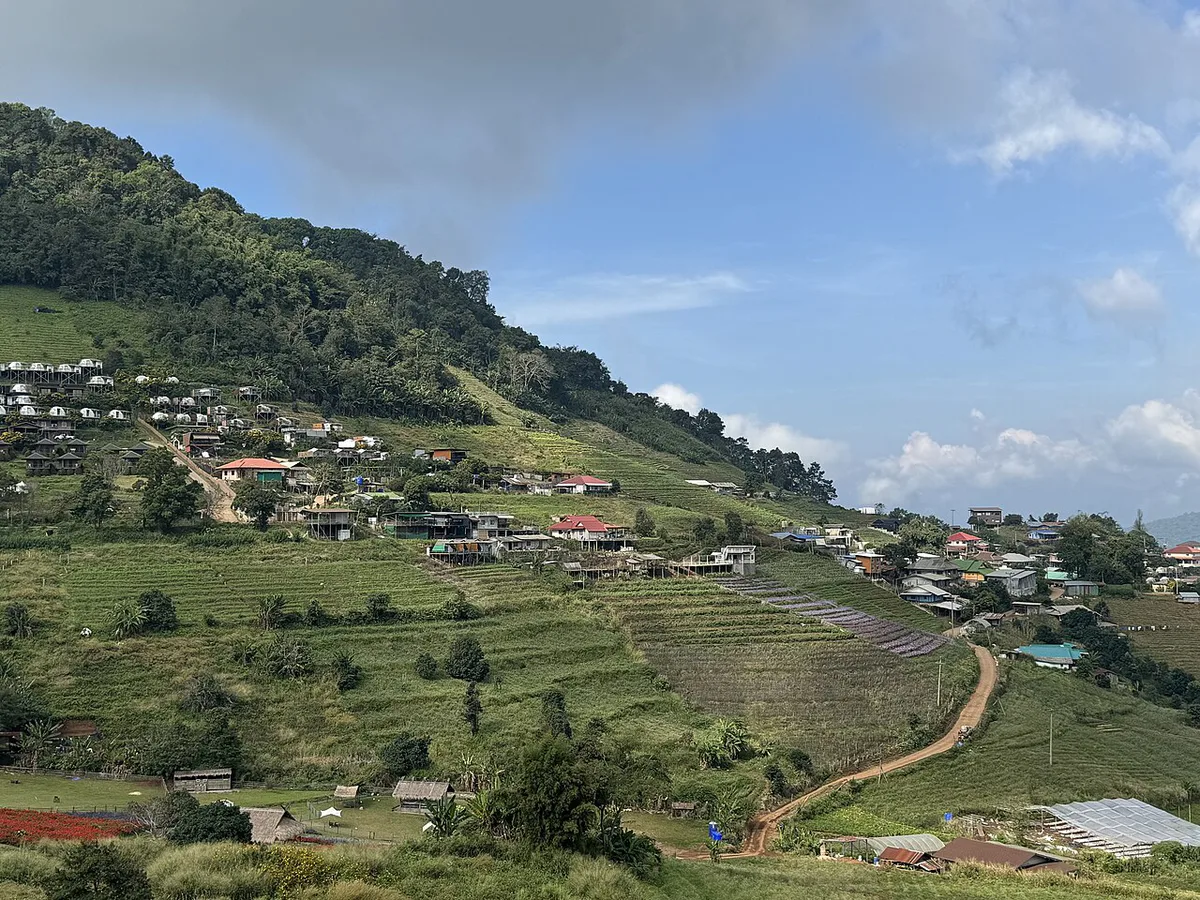
Chiang Mai resorts compared by area
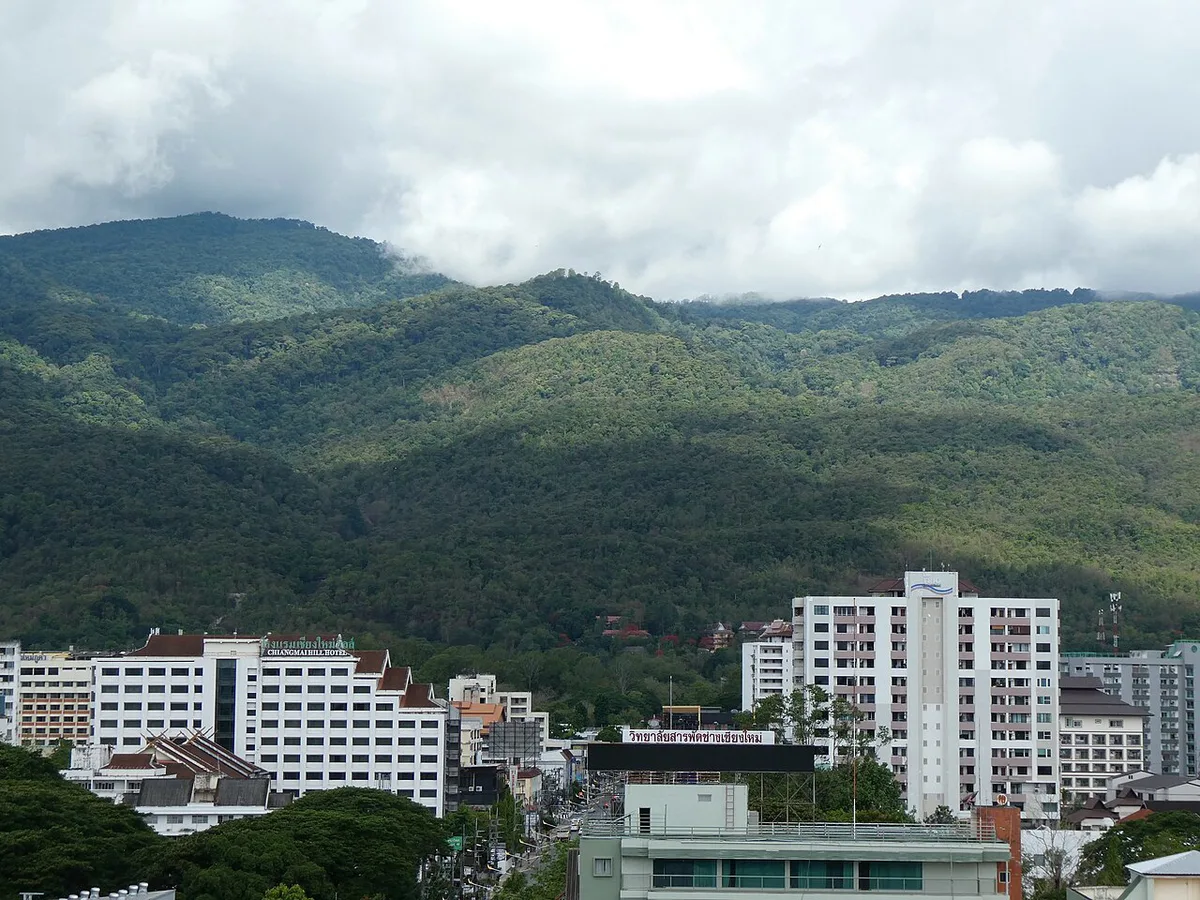
Each area trades convenience for space in a different way. Riverside stays suit a quiet base with an easy taxi into town. Those who want the full river-area list can browse our riverside hotel picks. Valley stays in Mae Rim and San Kamphaeng, plus properties toward the Doi Suthep foothills, give the most space and the longest rides. Old City courtyard hotels keep temples on your doorstep, and culture stops such as the Chiang Mai City Arts & Cultural Centre make a good half day. Check its site for current hours. Nimman works for longer stays with good cafes nearby. Weighing it against the walled city? Our Nimman and Old City comparison sets the two side by side.

- Riverside: calm and garden settings. Skip if you want to walk to temples.
- Outskirts and valleys: most space and quiet. Skip if you have 2-3 nights or no car.
- Old City courtyard stays: walkable. Skip if you need large pools or lawns.
- Nimman: strong for work and food. Skip if you want seclusion.
Resort styles and who each fits
Match the setting to the trip, then verify amenities on each hotel's official page. Do not assume a pool, kids' facilities or a shuttle without checking.

- Couples: riverside gardens or a valley retreat. Skip if you want nightlife within walking distance.
- Families: look for pool depth, room size and kid policies on the official page. Skip remote valleys if you rely on taxis.
- Wellness and eco stays: valley properties with spa and garden kitchens. Confirm any sustainability claims with the hotel.
- Digital nomads: Nimman hotels with a pool and reliable Wi-Fi. Ask about desk space before booking.
Costs and when to go
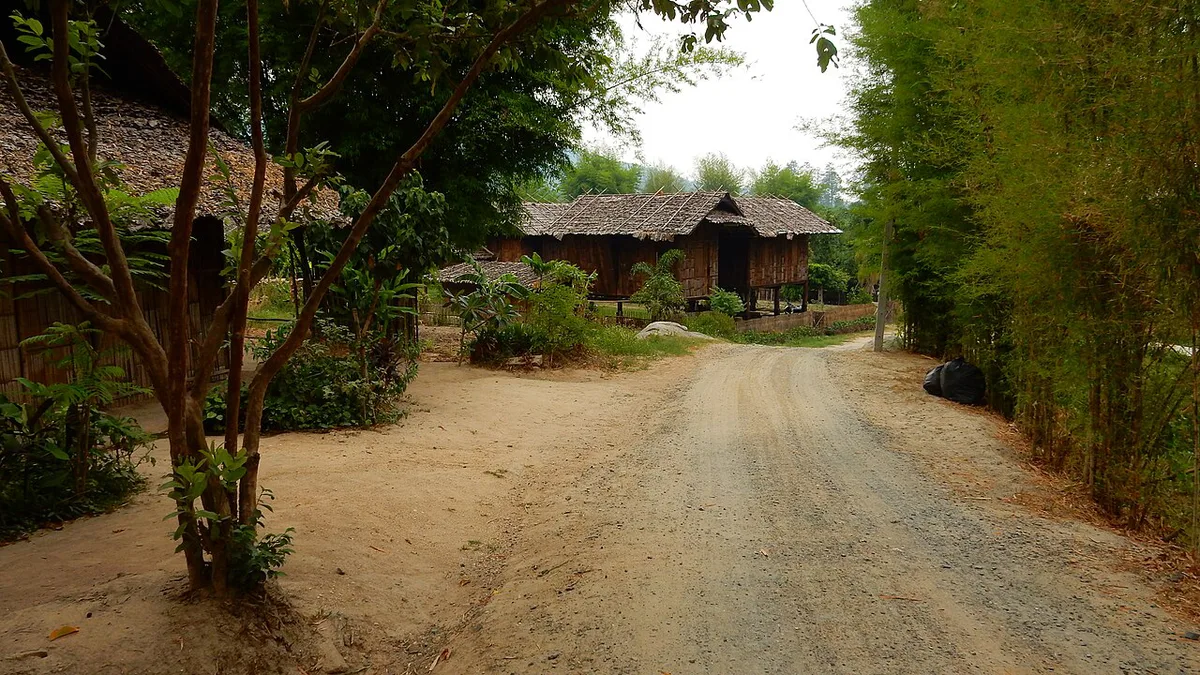
Rates swing more with season than with area. Green season, May to October, is often reported to bring discounts of roughly 30-50% against high season, with short afternoon downpours. Treat that range as a claim to check against live rates. In that window, bookings one to two weeks ahead are often possible. From November to February, book earlier, because small resorts fill. Official sites give the most reliable rates, and the Tourism Authority of Thailand lists festival dates. Compare resort fees, breakfast and shuttle policies before comparing prices. If resort rates stretch your budget, our Chiang Mai hostel guide covers cheaper beds. For haze timing, rely on an official source such as the Pollution Control Department rather than a blog.
Green season discounts of roughly 30-50% are often reported, but a distant valley stay adds daily transport costs.
| Season | Months | Booking approach |
|---|---|---|
| Green season | May to October | Often reported 30-50% cheaper; check live rates |
| High season | November to February | Book early; verify festival dates |
Getting there and getting around
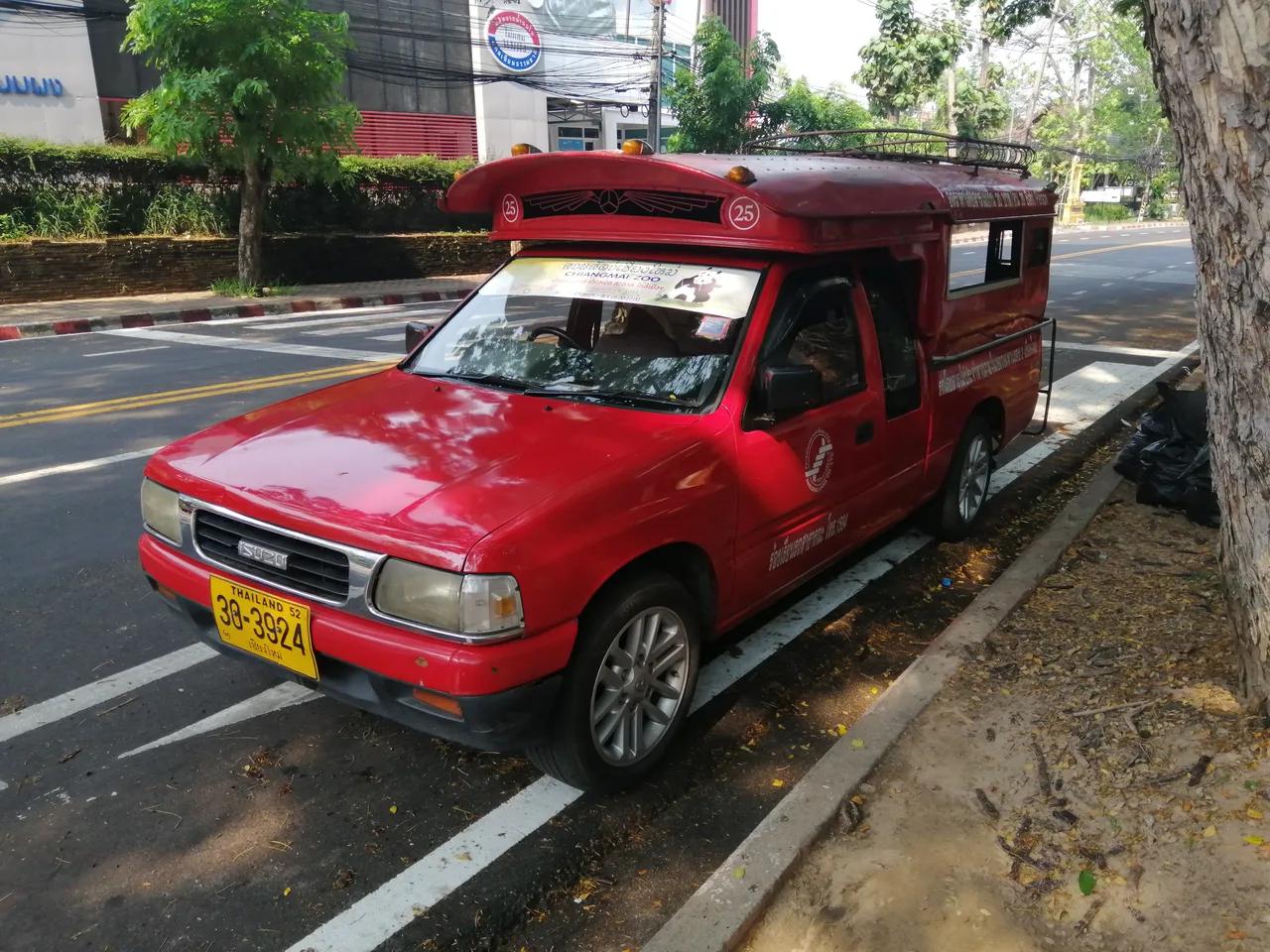
Chiang Mai International Airport is the arrival point for most flights. Ask your hotel about airport transfers when you book. Riverside and valley resorts usually mean a taxi or ride-hailing trip of roughly 15 minutes or more into the Old City. Fares change, so check current prices in the ride app. Look at shuttle hours on the hotel's own page, because a shuttle that stops early strands you after dinner. Without a car, a riverside or Old City base keeps costs and waiting time lower than a distant valley stay.
Couples and spa guests usually justify a ride of roughly 15 minutes or more into the Old City.
Mistakes to avoid when booking a resort

Most regrets come from location, not the room. Trips of 2-3 nights rarely leave time to enjoy a remote property, which is why an Old City or riverside base usually wins for short stays. Walk through this list before you pay.
- Booking an outskirts resort for a two-night temple trip.
- Assuming the area is walkable to cafes and markets.
- Ignoring season when comparing rates.
- Skipping shuttle hours and resort-fee checks.
- Treating serviced suites or city hotels with pools as true resorts.
A practical price framework for Chiang Mai resorts
Use broad nightly bands to compare options before checking live dates. Properties under $100 can suit travellers who prioritise a pool or garden setting over a central address. The $100–$200 range is a useful middle bracket for comparing riverside and city-fringe stays. Options above $200 are the luxury end, where location, room category and included services can vary sharply.
These brackets are only a planning tool, not a quote. The wider market is often described as roughly $50–$250 per night, but a particular weekend can fall outside that range. Compare the final total for the same dates and guest count. Check whether breakfast, airport transfers, resort fees, taxes and shuttle services appear before confirming a booking. A low headline rate can be less useful when a remote stay adds daily transport costs.
Useful notes for your Thailand trip
Optional updates to our guides.
You might also like

Continue reading
More guides you'll find useful