Nimman vs Old City, Chiang Mai: Which Area to Stay In?
Nimman or Old City for your Chiang Mai stay? Compare walkability, food, nightlife, noise, work setup and costs, with a clear pick for each traveler type.
On this page
Last updated November 2026. Nimman vs Old City comes down to one question: where will you spend most waking hours? Pick the Old City for temples, walkability and lower prices, and Nimman for cafés, coworking, modern dining and evenings out. The two areas sit roughly 2 km apart, so a wrong guess is cheap to fix, and our full Chiang Mai area ranking covers the other options.
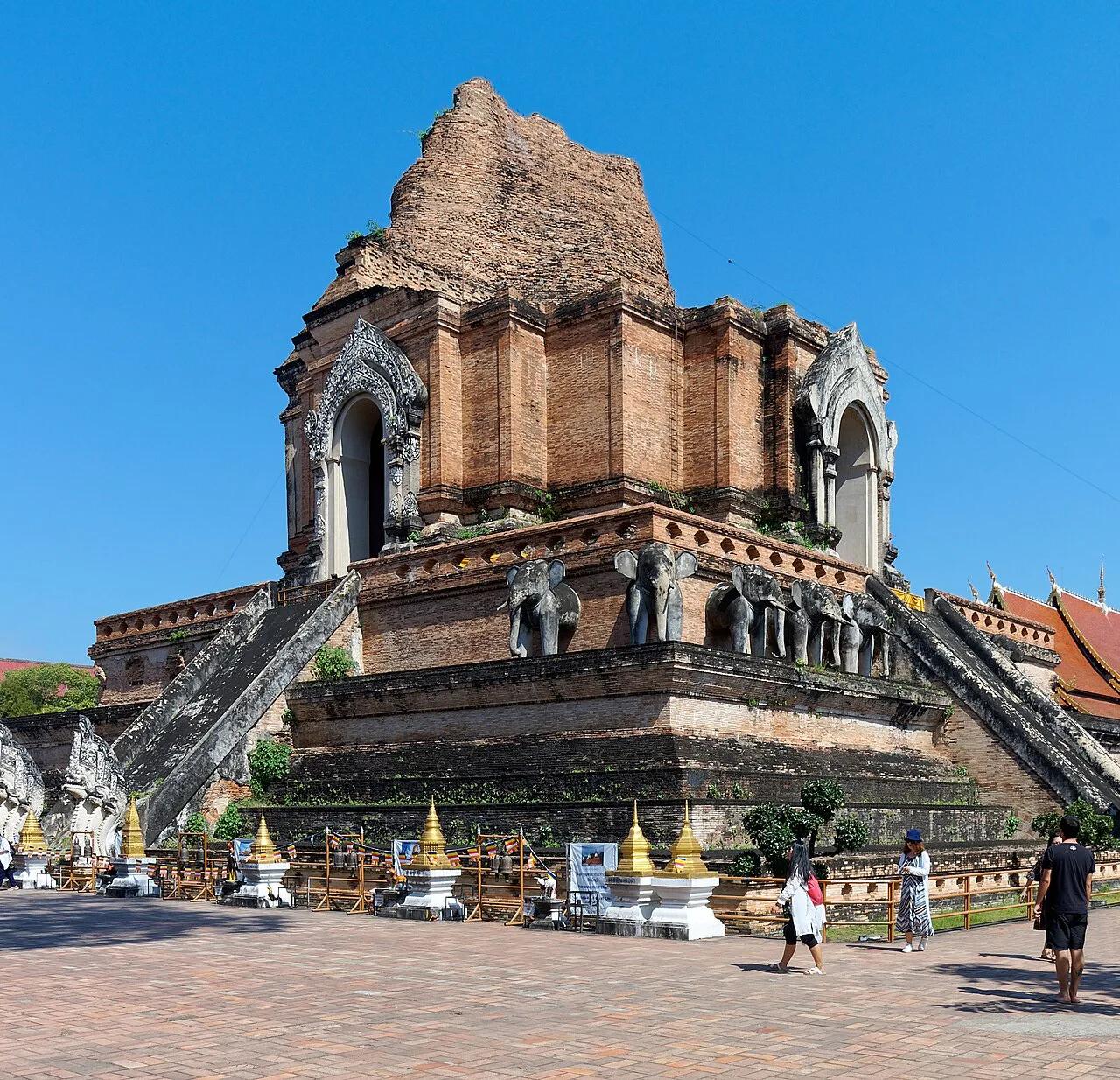
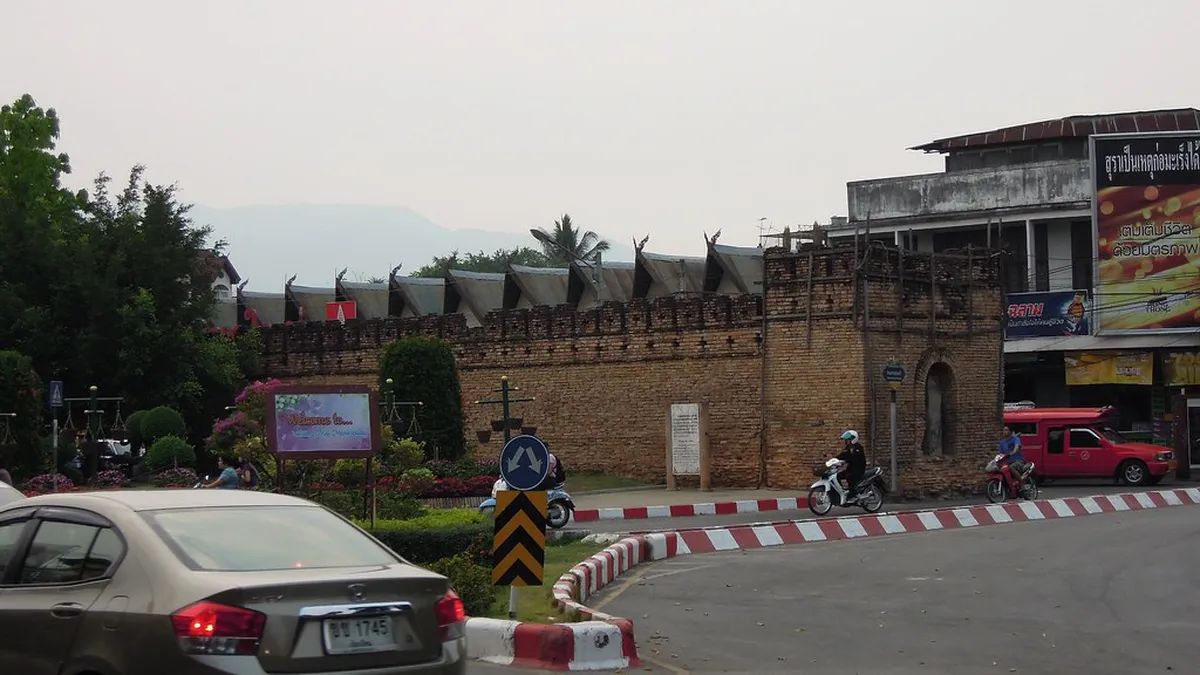
Featured image: Setawut, CC BY 4.0, via Wikimedia Commons.
Nimman vs Old City: the short answer
Choose the Old City if your plans revolve around Wat Phra Singh, Wat Chedi Luang, the moat and street food. Choose Nimman if your days revolve around laptops, coffee, gyms and late dinners. Both areas are close enough that you can base in one and eat dinner in the other. Best for: anyone who wants a verdict fast. Watch out: both areas share the same air, safety and healthcare, so those points should not decide the booking.
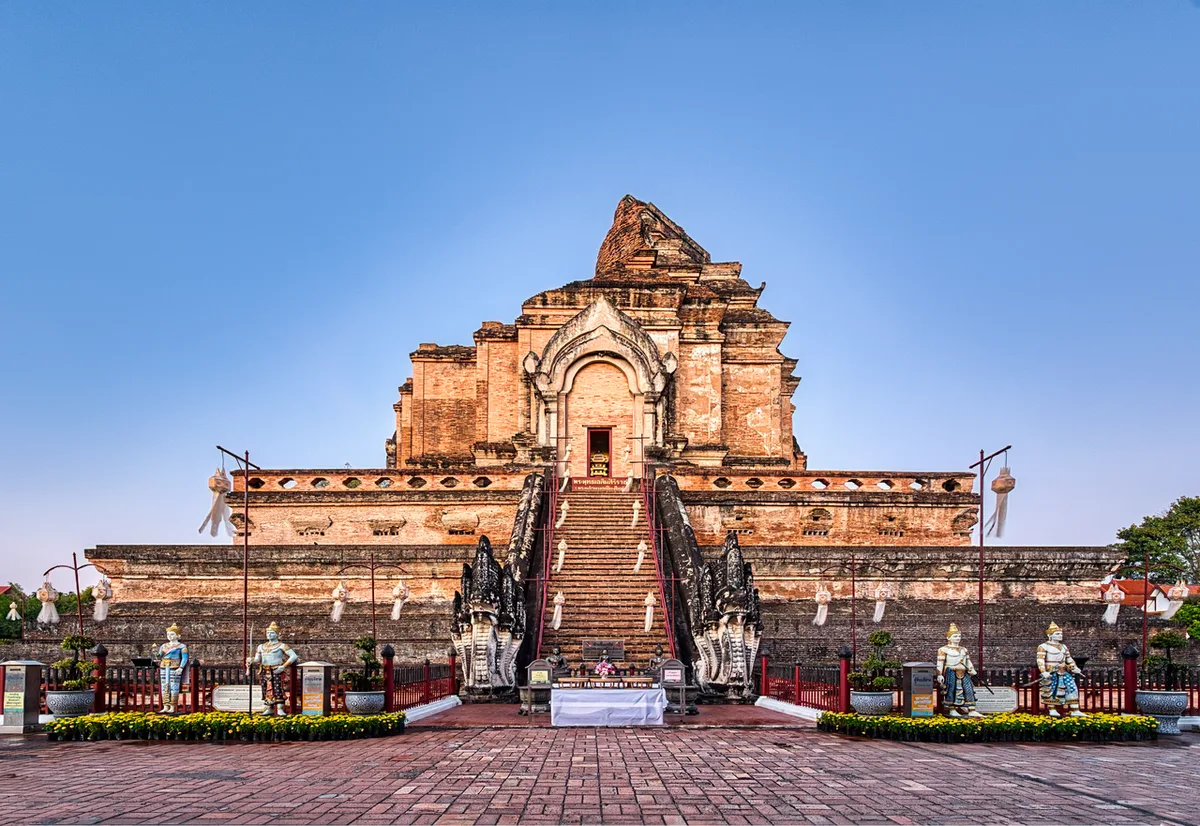
- Pick the Old City for a first visit built around temples, a short stay of 3–5 nights, or a tight budget.
- Pick Nimman for full work days, repeat visits, café-hopping, and bars open past 11 pm.
- Pick either if you plan to be out of the neighborhood most of the day.
At a glance: Nimman vs Old City side by side
Use this table as a first filter. Rates are indicative 2026 nightly figures per room, and listings change by season, so confirm on the booking page before you commit.
| Factor | Old City | Nimman |
|---|---|---|
| Vibe | Moat, gates, temples, teak shophouses | Cafés, boutiques, Maya Mall, One Nimman |
| Walkability | Flat and compact; temples on foot | Walkable within the strip; heavier traffic on connecting roads |
| Food | Northern Thai noodles, street stalls, markets | Specialty coffee, brunch, modern Thai, Korean and Japanese |
| Nightlife | Quiet by around 11 pm, with a few exceptions | Bars near Soi 9, Soi 11 and Maya Mall |
| Noise risk | Market-night streets and bar pockets | Traffic and construction |
| Work setup | Few coworking spaces | Dense coworking and laptop-friendly cafés |
| Budget guesthouse, per night | ฿800–฿1,500 | ฿1,200–฿2,000 |
| 4-star boutique, per night | ฿2,500–฿3,500 | ฿3,000–฿4,500 |
| Best for | First-timers, budget, families with young kids | Remote workers, couples, repeat visitors |
Old City: what staying here is really like
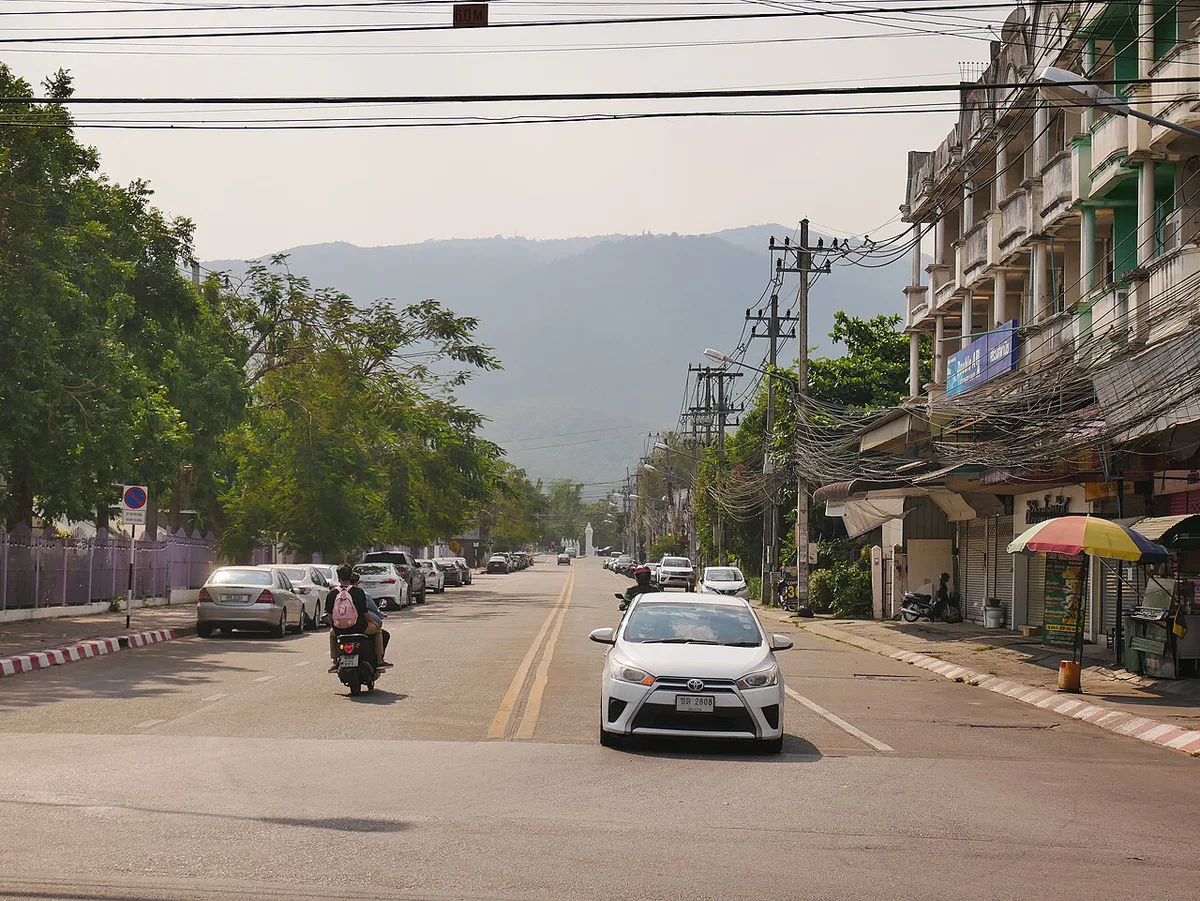
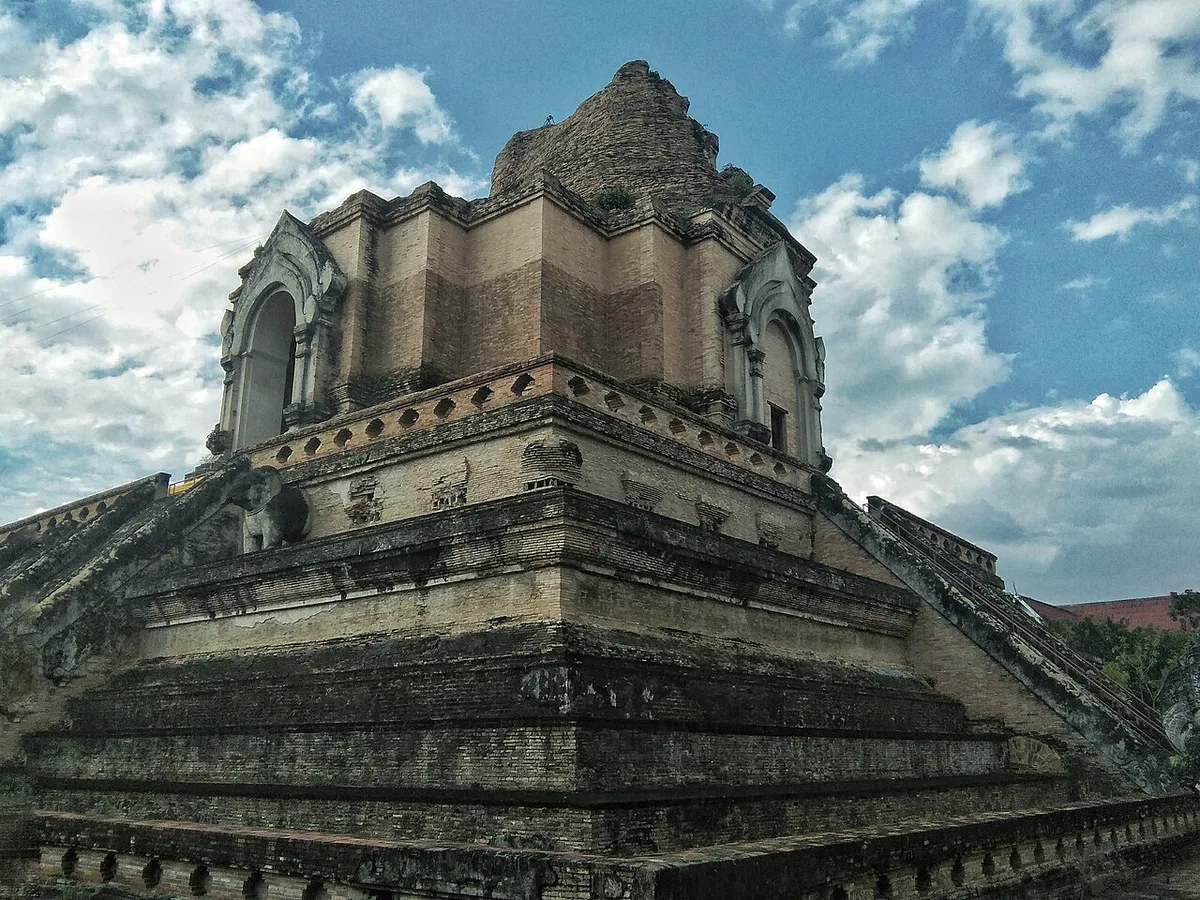
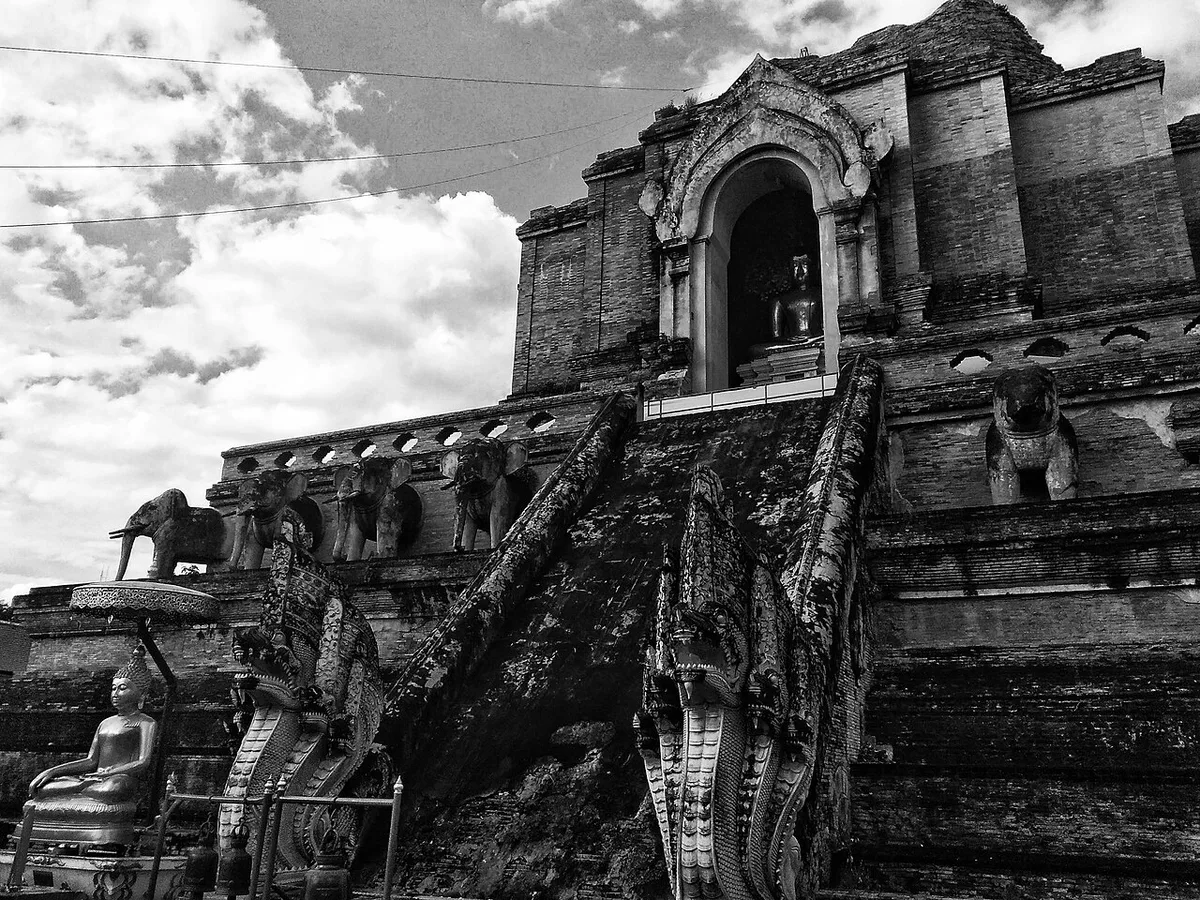
The Old City is enclosed by the moat and measures roughly 2 km by 1.6 km. Wat Phra Singh and Wat Chedi Luang both sit inside the walls, so a temple morning needs no transport. Lanes are lined with guesthouses and small restaurants, and traffic inside the moat is slow. Weekend market nights change the picture. Streets used for the Sunday Walking Street turn crowded and loud, and bar-street pockets run later than quiet interior lanes. Check the exact street before booking, and confirm market schedules on an official source. The work-setup gap is real: coworking is thin, so laptop-heavy guests often end up commuting to Nimman. Best for: temple-led trips. Watch out: a room facing a market street on a weekend.
Nimman: what staying here is really like
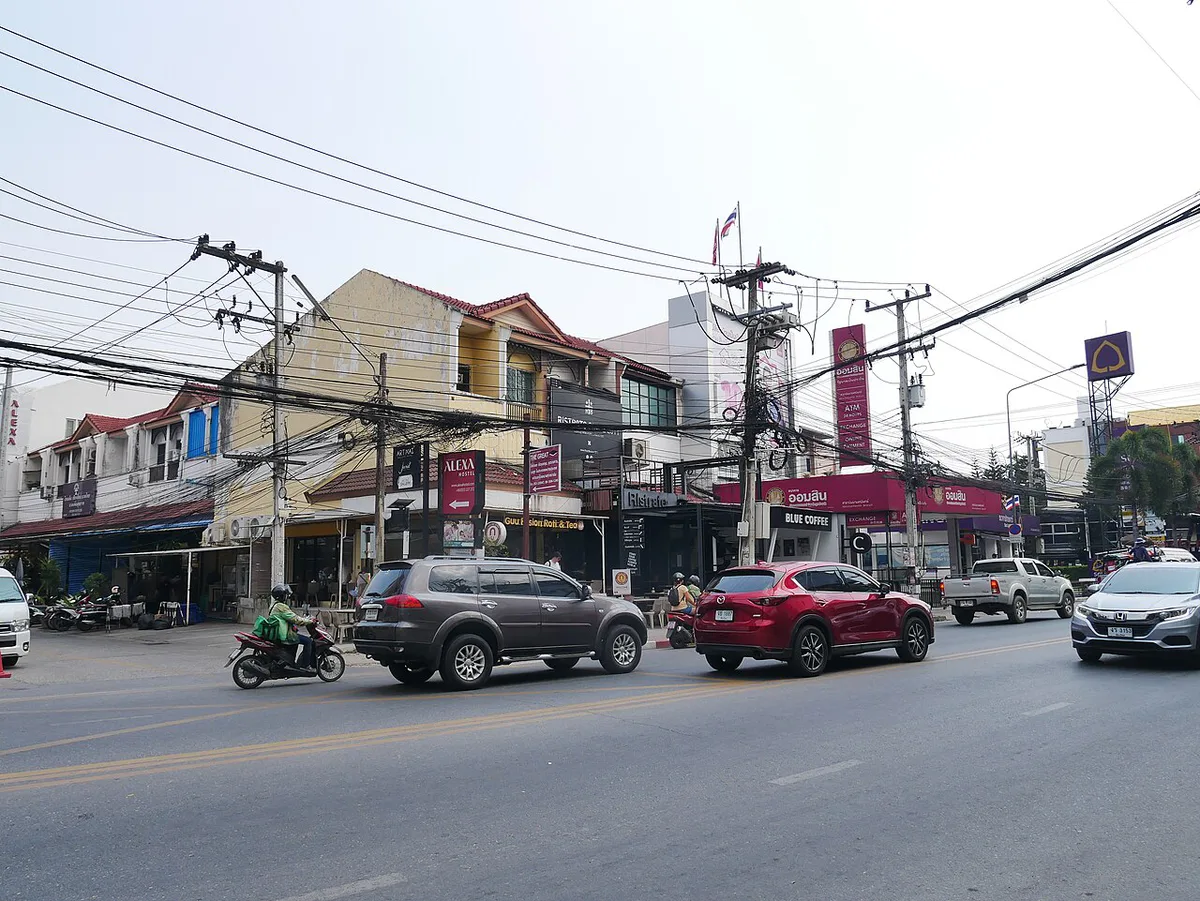
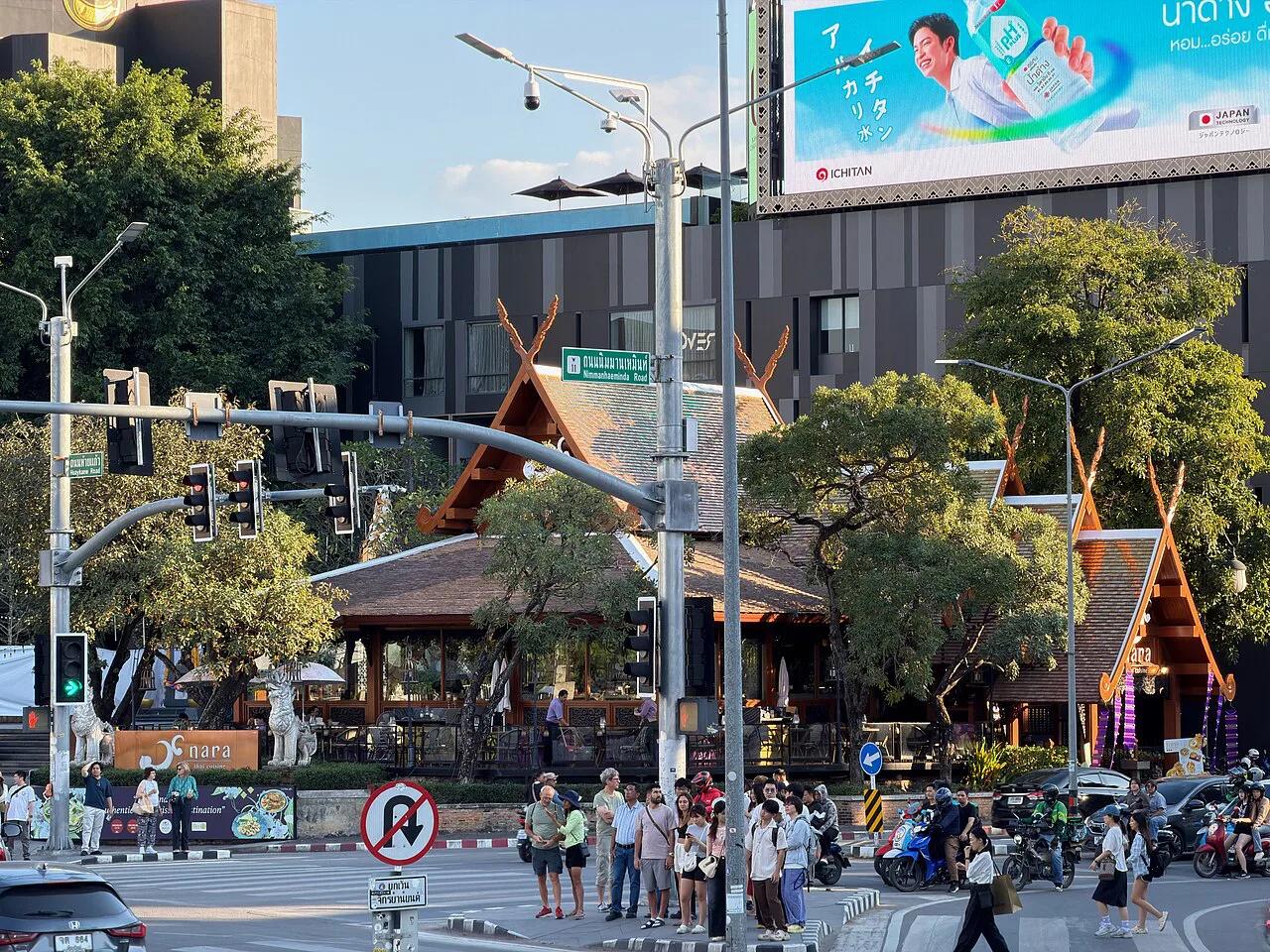
Nimmanhaemin Road runs through a strip of sois, roughly Soi 1 to Soi 17 over about 1.5 km. Cafés, coworking, Maya Mall and One Nimman sit within a short walk of each other. Evenings cluster near Soi 9, Soi 11 and Maya Mall. Chiang Mai University and the Huay Kaew area are close, which gives the neighborhood a younger, student-adjacent feel. Traffic on the main road is heavy, and construction can start next door without warning. Do not assume Nimman is the more authentic Thai option, because the Old City holds that role. Best for: work routines and modern dining. Watch out: building sites near your room.
Walkability and getting between the two
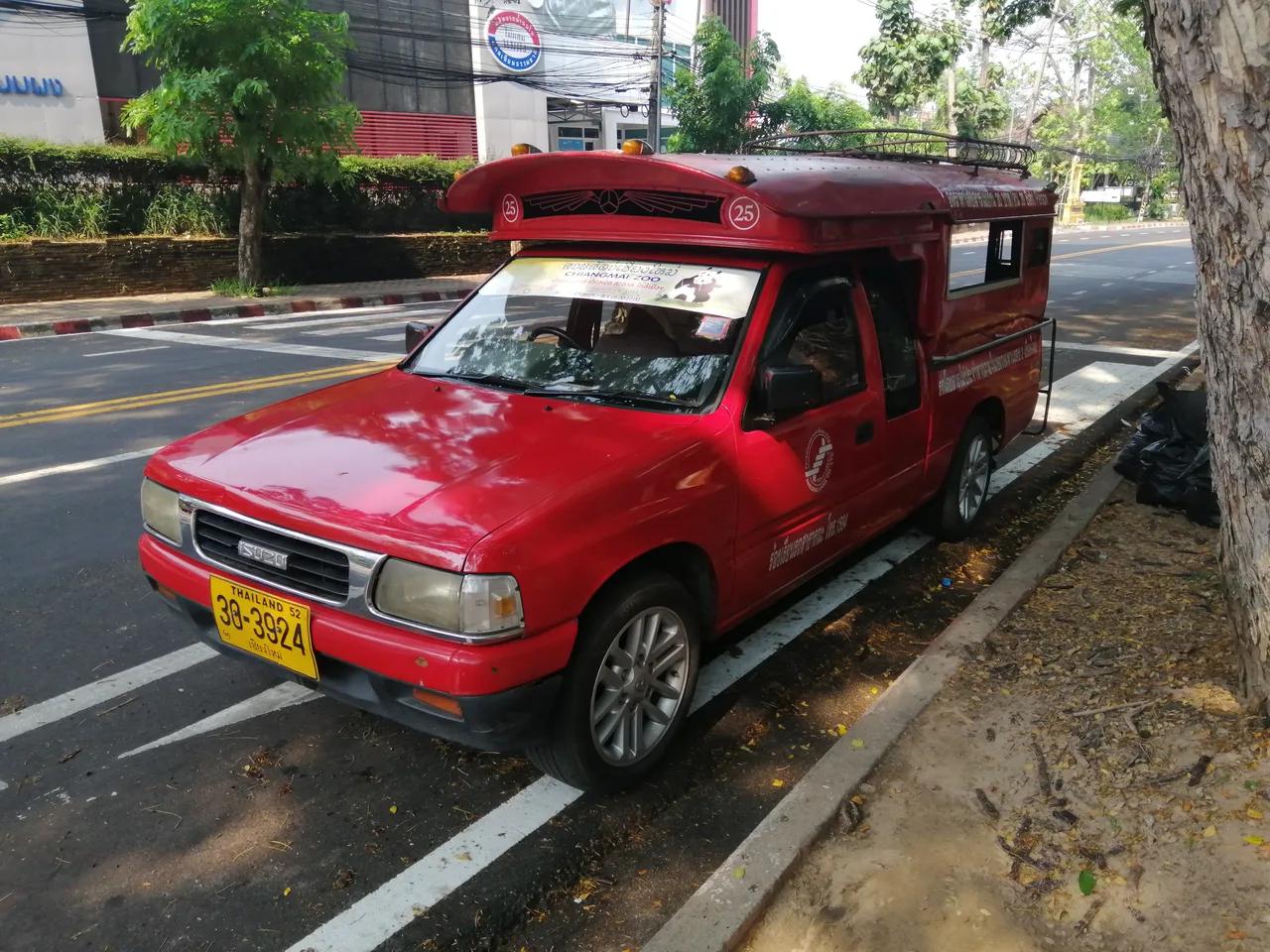
Walking between the areas takes around 30 minutes, which is fine in cool weather and tiring in midday heat. A Grab usually takes 10–15 minutes, depending on traffic, and that is the figure to plan around. Songthaews and rented scooters also work, though scooters carry a real accident risk for inexperienced riders. The hidden cost of the wrong base is repetition. An Old City base with daily Nimman work means two cross-town hops a day. A Nimman base with temple-heavy plans means the reverse. Ask yourself which side you will cross to less often.
- Walk: about 30 minutes, free, best early morning.
- Grab: about 10–15 minutes, varies with traffic.
- Songthaew or scooter: cheaper options, but confirm fares and riding safety first.
Food: where each area wins
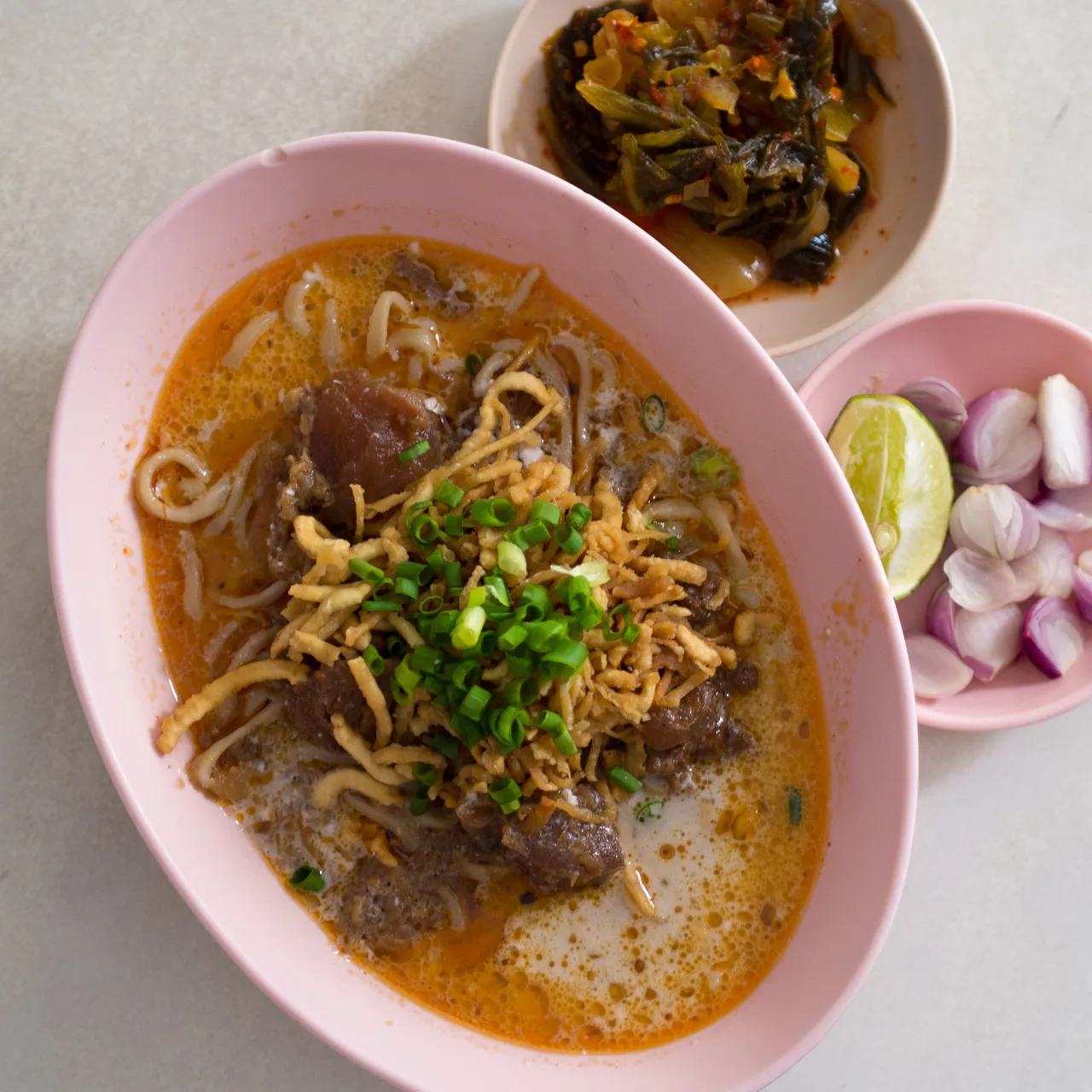
The Old City wins on cheap northern Thai food. A bowl of Khao soi is commonly cited at about ฿55–฿70, and Sunday Walking Street adds grilled snacks and stalls. Nimman wins on specialty coffee, brunch, cocktails and Korean or Japanese dining. Expect café and Western-style prices to run higher there, with a Western breakfast in the ฿250–฿400 range against ฿180–฿280 in the Old City, as indicative figures. Best for: Old City for local plates, Nimman for café days. Watch out: tourist-priced restaurants on the main Old City streets.
Nightlife and evenings
Nimman is the clear pick for bars. Soi 9, Soi 11 and the Maya Mall rooftops run later, with some venues open to around 1–2 am. Old City evenings are mostly dinner, a drink, and bed by about 11 pm. Gate-area and bar-street pockets run later, so stay off those blocks if you sleep early. Nimman also has traffic noise into the evening. Best for: Nimman for late nights. Watch out: ask hosts which street faces a bar or market.
Evenings wrap up with bed by about 11 pm in the Old City, so a late Nimman night still needs a 10–15 minute Grab back.
Cost: what actually differs
Nimman generally costs more, but the gap depends on the property. Indicative 2026 nightly rates put an Old City budget guesthouse at ฿800–฿1,500 against ฿1,200–฿2,000 in Nimman. Mid-range 4-star boutiques run about ฿2,500–฿3,500 in the Old City and ฿3,000–฿4,500 in Nimman. Over a week, the difference in total spending can be a few thousand baht, so one great room outweighs the neighborhood label. Solo budget travelers should also browse Chiang Mai hostel options. Compare live prices for your exact dates, since rates swing with season.
Work setup: coworking and wifi
Nimman has the coworking density and laptop-friendly cafés, including the CAMP space at Maya Mall. Coworking hours and prices change, so check each operator's own site. The Old City has wifi cafés, but little dedicated desk space. If you work full days, choose Nimman, and ask any host for a speed test before booking. If you work only a few hours, the Old City is fine.

Connections: airport, Doi Suthep and day trips
Both areas are about 15–20 minutes from the airport, with Grab fares commonly cited around ฿120–฿200. Doi Suthep takes about 25–30 minutes from either, and Nimman sits slightly closer to the western approach. Day tours with hotel pickup usually serve both areas. Sunday Walking Street starts inside the Old City, so that base wins for market evenings. Burning-season smog, usually from late February through April, affects both areas equally. Check an official air-quality source before choosing travel dates, not neighborhoods.
Doi Suthep takes about 25–30 minutes from either base, which is about the same as walking between the two areas.
Which should you pick? Decision guide by traveler type
Match the base to your daily pattern, not the label. Ask where you will actually spend your mornings and evenings.
- First-timer: Old City, for temples on foot.
- Couple: Nimman for dinners and bars, or the Old City for a slower pace.
- Family with young kids: Old City, for flat walking and pool hotels. Families after more space can also look at Chiang Mai resort stays.
- Family with teens: Nimman, for malls and cafés.
- Solo or budget: Old City, for guesthouse density and cheap meals.
- Remote worker: Nimman, for desks and gyms.
- Repeat visitor: Nimman, if you have already done the temples.

Split stay: when it works and when it doesn't
A split works on trips of about five nights or more: Old City first for temples, then Nimman for a slower finish. On a 2–3 night trip, two hotel changes waste a morning and add little. Because the areas are only about 2 km apart, a single base with a dinner trip across town usually beats packing twice.
What if neither fits? Riverside, Santitham and Wat Ket
Riverside and the Night Bazaar area suit travelers who want larger hotels and easy market access. Our Chiang Mai riverside hotel guide covers that option. Santitham, north of Nimman, is a cheaper, less polished local district. Wat Ket sits on the east bank of the river and is quieter and more residential. The Chiang Mai where-to-stay hub compares all of them.
Mistakes to avoid when choosing a base
Avoid these common errors before you book.
- Booking a market-night street without checking weekend noise.
- Choosing the Old City for a laptop-heavy week.
- Splitting a 2-night stay across both areas.
- Assuming Nimman is the more authentic Thai experience.
- Skipping a check of nearby construction in Nimman.
Frequently Asked Questions
Should I stay in Nimman or Old City?
Stay in the Old City for temples, walkability and lower prices. Stay in Nimman for cafés, coworking and evenings. If you are unsure, pick the side you will visit most often, since the other is only a 10–15 minute ride away.
Is One Nimman worth visiting?
Yes, if you like boutique shopping, cafés and an open-air plaza. Nimman visitors reach it on foot, and Old City guests can get there by Grab in roughly 10–15 minutes, depending on traffic.
Useful notes for your Thailand trip
Optional updates to our guides.
You might also like
Continue reading
More guides you'll find useful