Is Chiang Mai Worth Visiting? An Honest Verdict
A clear verdict on whether Chiang Mai is worth visiting: who it suits, the best months, how many days you need, costs and what to skip.
On this page
Last updated November 2026: is Chiang Mai worth visiting? Yes for most travelers, with conditions that matter. Our verdict is that it rewards temple, food and slow-travel fans, and it disappoints beach seekers and anyone who arrives in March or April.
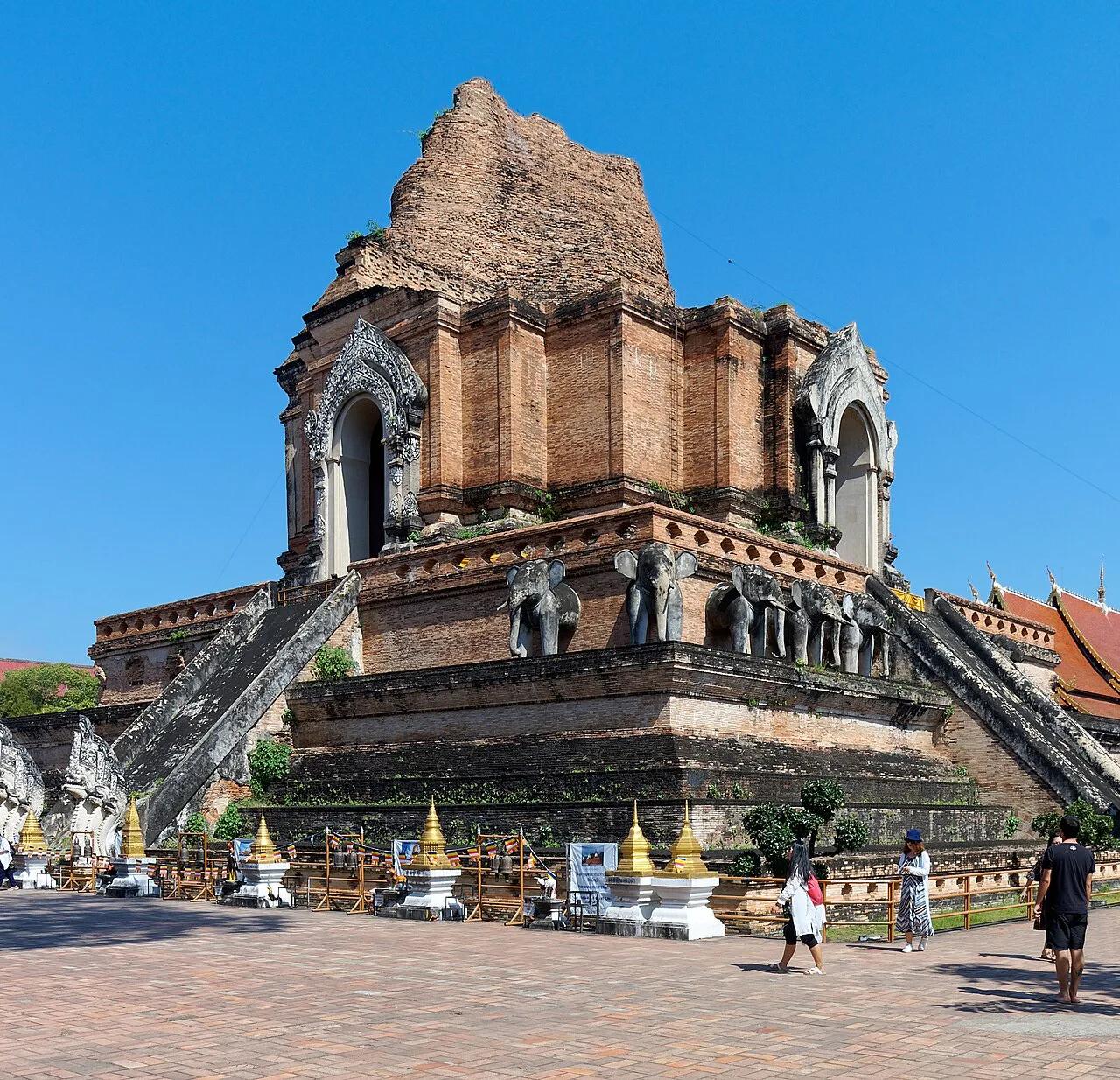
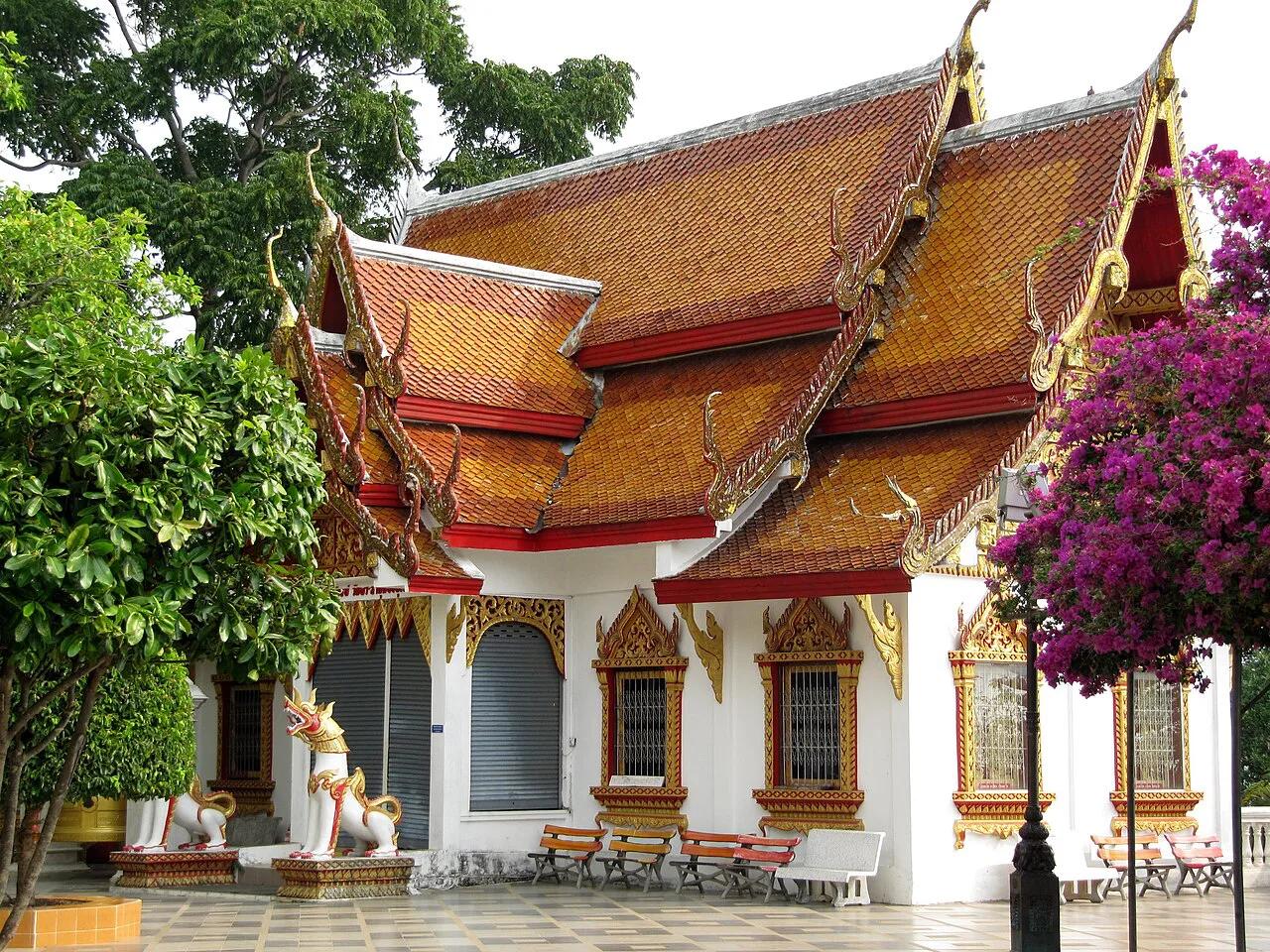
Featured image: Christophe95, CC BY-SA 4.0, via Wikimedia Commons.
Is Chiang Mai Worth Visiting? The Short Answer
Our answer is yes, if you give it three to four nights and avoid the burning season. King Mangrai founded the city in 1296 as the Lanna capital. It sits about 700 km north of Bangkok. Today it offers a walkable moated Old City, hundreds of temples, northern Thai food and mountains within an hour or two. It does not offer beaches or big-city nightlife. Our guide to how long to stay in the city covers the length question in detail. Below we judge the trade-offs by traveler type, season and budget.

Chiang Mai Is Worth It If... (and Skip It If...)
Most of the decision comes down to what you want from a Thailand stop. Use these two lists as a quick filter.
- Worth it if you love temples, Lanna history and slow mornings.
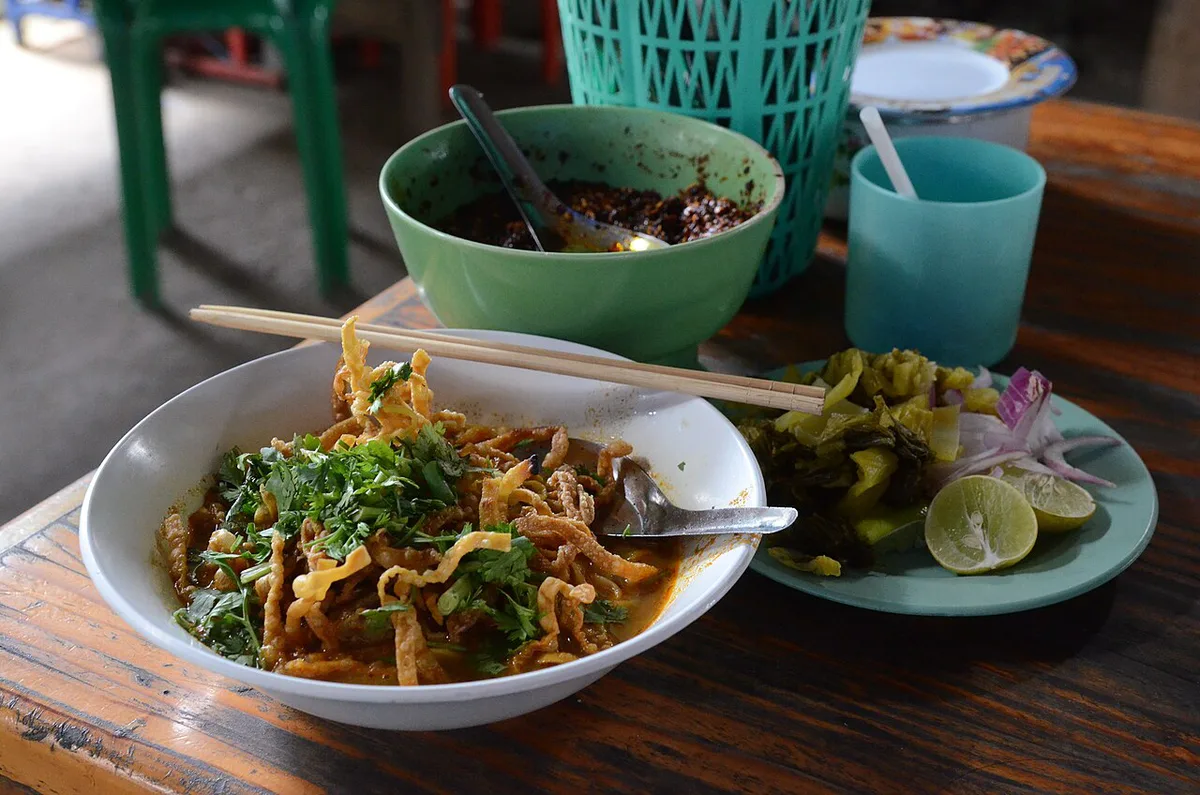
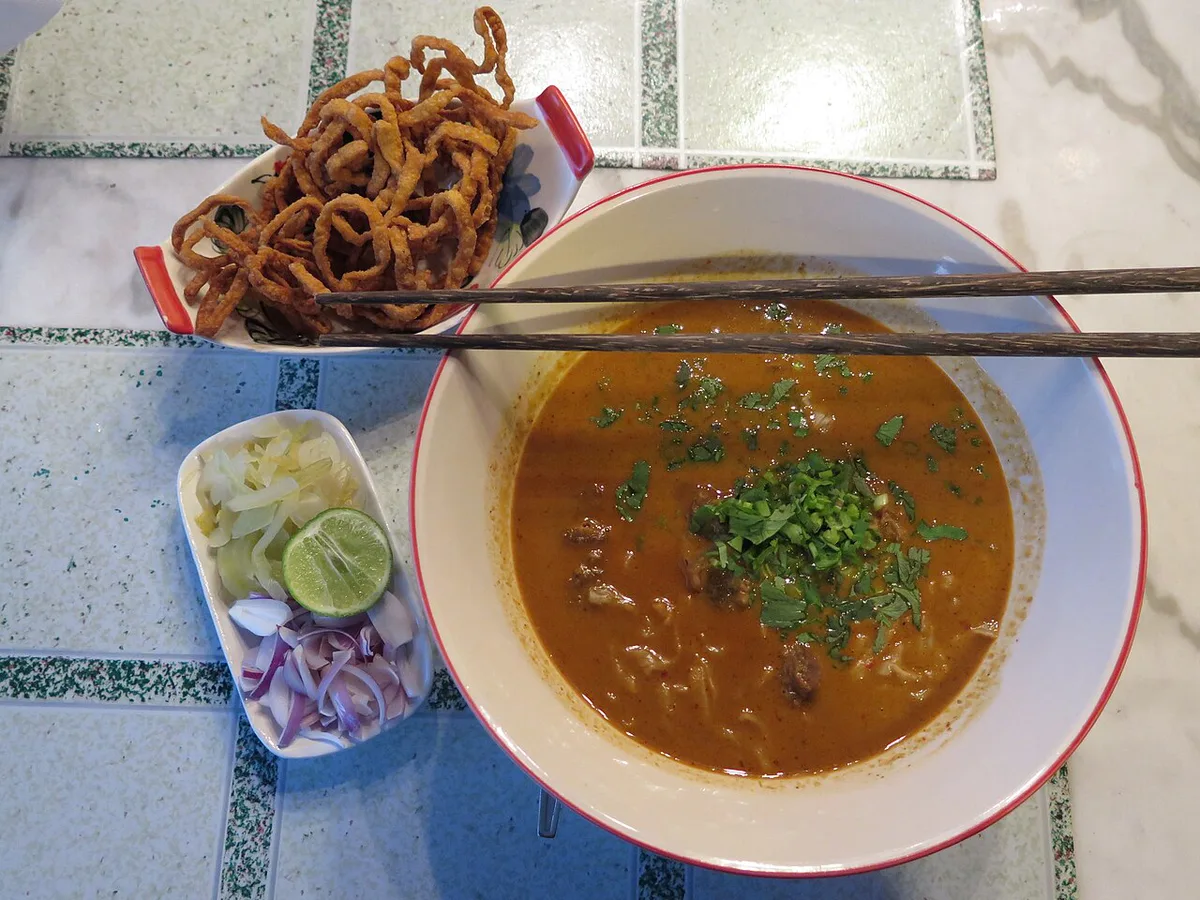
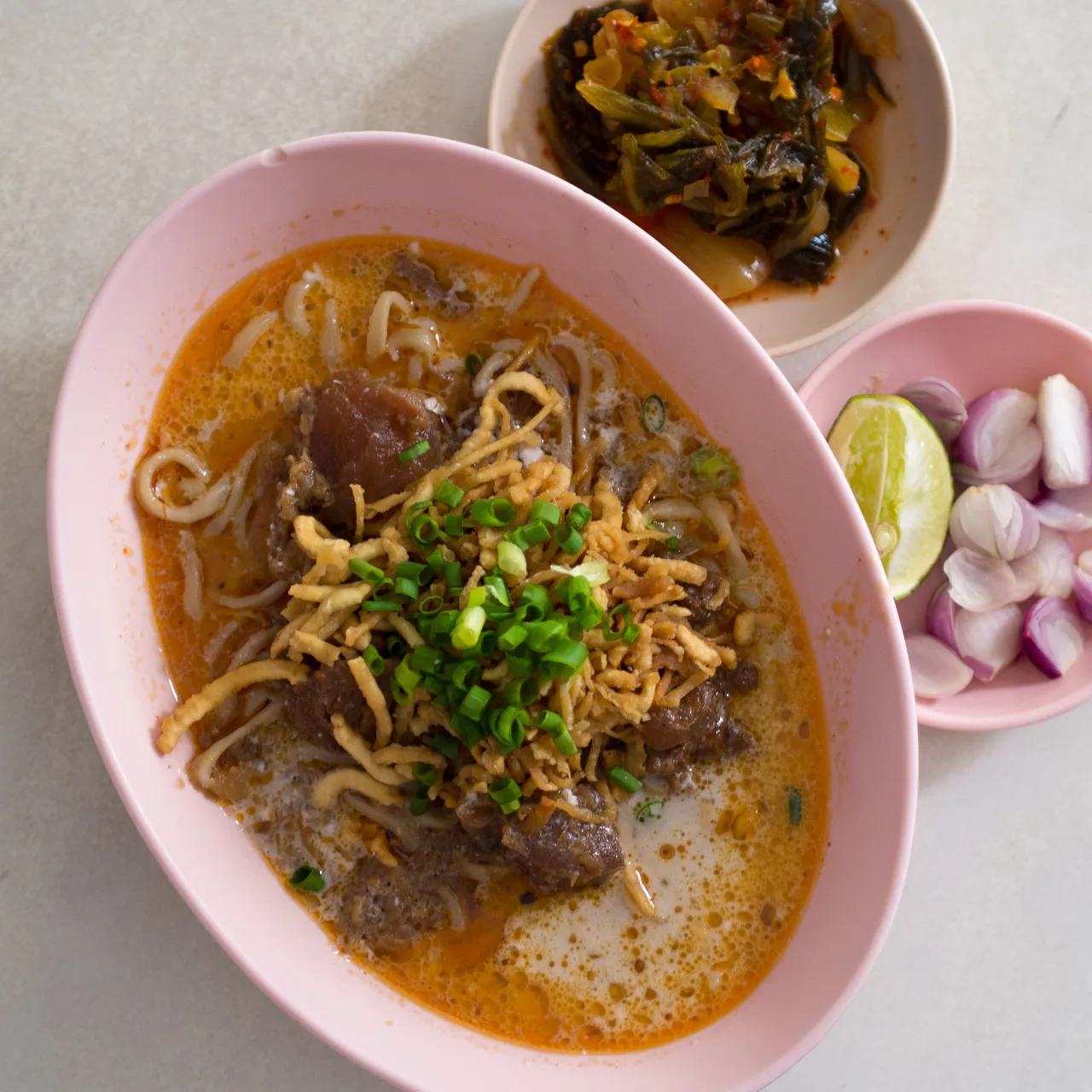
- Worth it if northern food such as Khao soi and Sai ua is a reason to travel.
- Worth it if you want cooking classes, craft workshops or cafe days.
- Worth it if you want mountain scenery and cooler air than Bangkok.
- Skip it if your Thailand trip is beach-first.
- Skip it if you have under about 2 days.
- Skip it if you need clean air in February to April.
- Skip it if you expect a quiet village, because the Old City is busy.
What You Actually Get: Temples, Food, Mountains and Pace
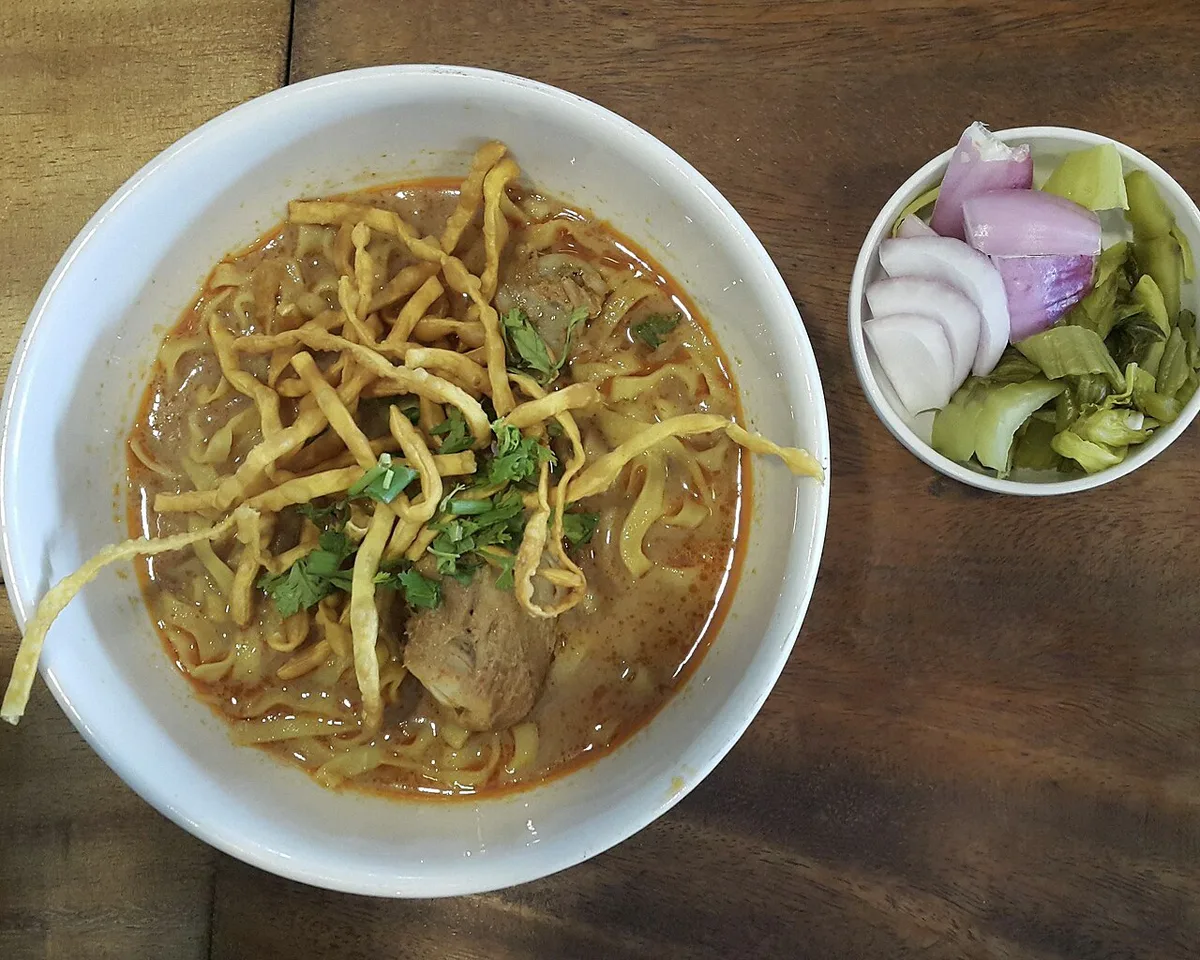
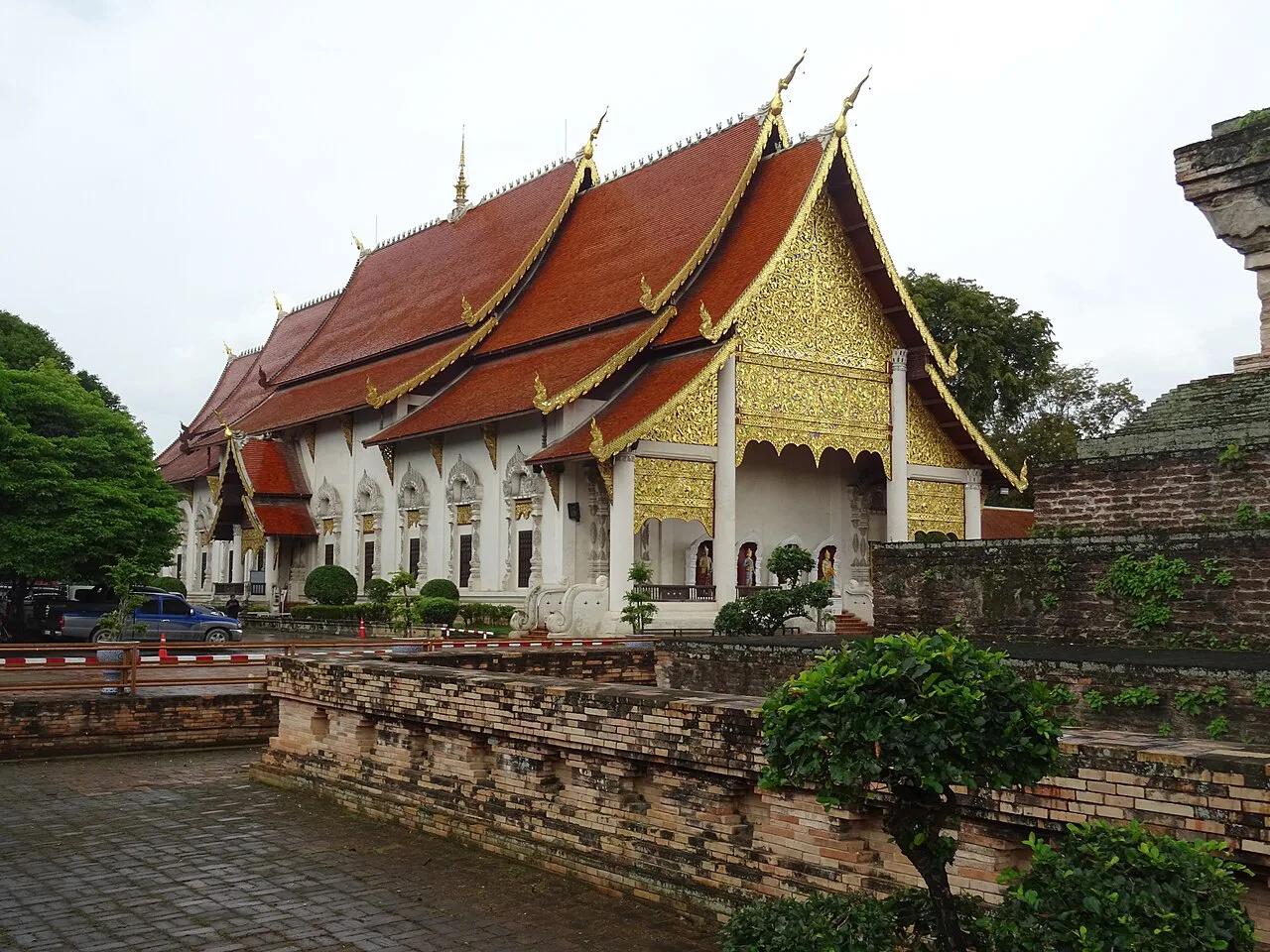
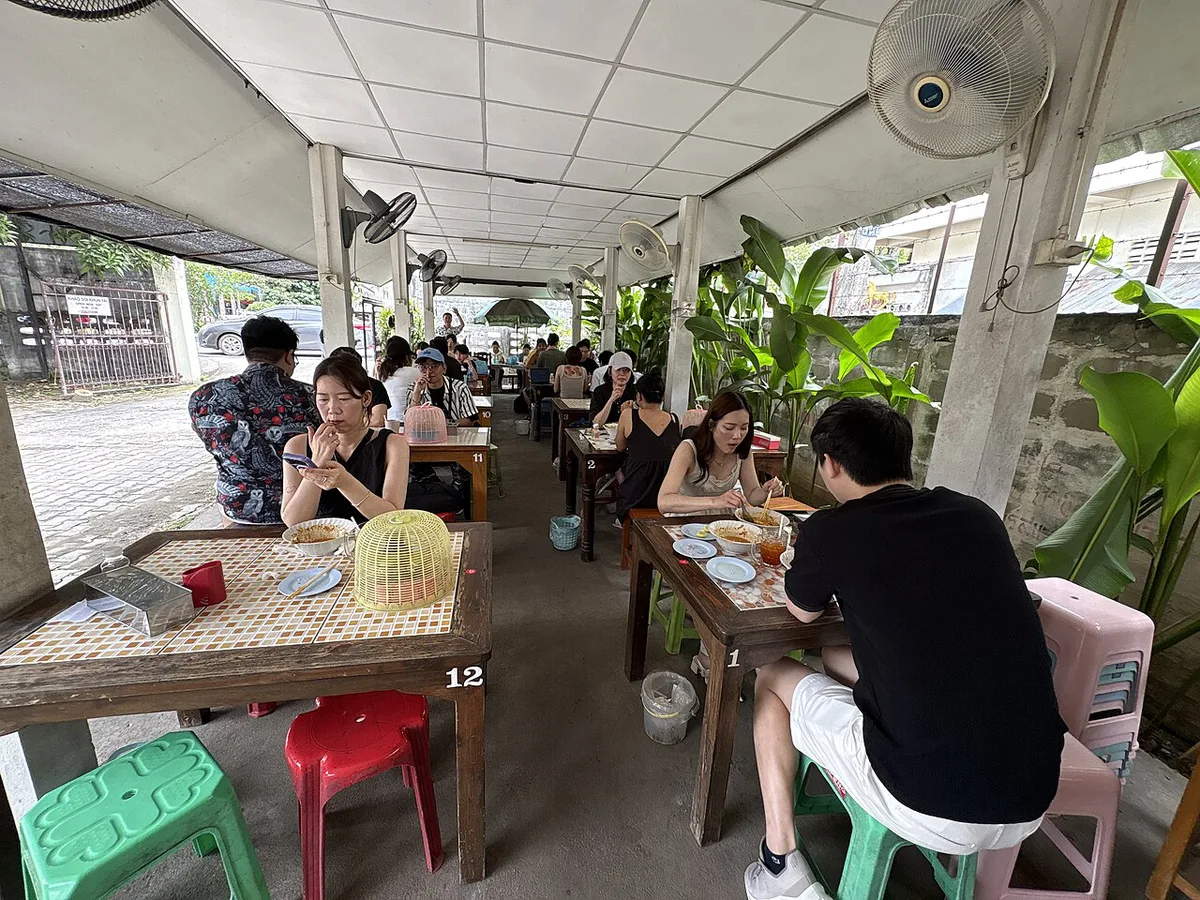
Temples are the main draw. Wat Phra Singh, Wat Chedi Luang and Wat Phan Tao sit inside the Old City, so you can walk between them. Famous temples charge about ฿20-30, and smaller ones are often free. Doi Suthep, on the mountain above town, adds 309 steps and a funicular alternative. Wat Umong draws fewer crowds and feels quieter. Food is the second reason. Khao soi, the coconut curry noodle soup, and Sai ua, the herb-packed northern sausage, define the local table. Mall food courts serve meals for roughly ฿50-60. Museums add depth. The Chiang Mai Cultural Center and the Lanna Folklife Center each charge about ฿90. Weekend markets add rhythm. Sunday Walking Street runs along Ratchadamnoen Road, and Saturday Walking Street runs along Wualai Road. Chiang Mai Gate Market suits early risers, with stalls usually open by 4 or 5am and closing by 1 or 2pm. Pace is the real contrast with Bangkok. You can do two sights a day and still feel you got your money's worth.
Worth It by Traveler Type
These verdicts are our editorial judgement, based on the facts in this guide.
| Traveler | Verdict | Why |
|---|---|---|
| First-timer | Yes | Temples, food and an easy walkable core |
| Couple | Yes | Cooking classes, cafes, mountain day trips |
| Family | Mostly yes | Ethical animal sanctuaries and parks; heat and smoke need planning |
| Solo | Yes | Easy to meet people and to get around without a car |
| Digital nomad | Yes | Cafe and coworking culture around Nimmanhaemin |
| Budget traveler | Yes | Street and food-court meals cost around ฿50-60 |
| Short stopover (under 2 days) | Maybe | Possible, but you will only skim the Old City |
| Beach seeker | No | No coast; pick the islands instead |
Best Time to Go and the Smoky Season Problem
Season is the biggest variable in whether Chiang Mai is worth it. Sources agree that March and April are the burning season, when farmland fires push air quality to its worst. They disagree on the edges. One guide puts the best weather at November to February. Another says October to January, with February to April smoky. We'd treat February and October as months to verify. Check Thailand's Pollution Control Department or a live air-quality index before you book. The green months from May to October are quieter and lush, but expect rain.
Plan around the 12-13 hours overnight ride if you travel in the cool season, when lower berths can sell out weeks ahead.
| Months | Verdict | Caveat |
|---|---|---|
| October | Verify | Sources differ on whether it is peak season |
| November-January | Best | Cool, dry and clear; sleeper berths sell out early |
| February | Verify | Some sources list it as smoky |
| March-April | Avoid | Burning season; hot and smoky |
| May-September | Good for quiet trips | Green and cheaper, with rain |
How Many Days Is Enough
Three to four nights covers the Old City, a cooking class, the walking streets and Doi Suthep. Add a night or two for Doi Inthanon or an elephant sanctuary. Our pick for most first-timers is the three-day itinerary. Short on time? Try the one-day plan. It is workable, but you will trade depth for speed. For a full breakdown, see our guide to choosing your trip length.
Doi Inthanon is about 70 km and 1h30 by road, with no public transport, so pair an extra night there with a driver or tour.
Getting There from Bangkok: Flight vs Night Train
A flight takes about an hour. The overnight train takes about 12-13 hours and saves a hotel night. Special Express No. 9 reportedly leaves around 18:40, though one source recalls 7:20 pm, so check the schedule with State Railway of Thailand. Long-distance trains have left from Krung Thep Aphiwat Central Terminal (Bang Sue Grand) since January 2023. Reach it by the MRT Blue Line. A second-class berth is quoted at roughly ฿800-1,050. Lower berths can sell out weeks ahead in the cool season and around Songkran. One report says alcohol is banned on trains and in stations, so check before you pack. Our pick is the train if you have a spare night. We'd fly if time matters more than the journey.
Where to Stay by Style
Pick the area before the hotel. Old City, inside the moat, puts you within walking distance of the main temples and walking streets. Nimmanhaemin, west of the Old City, is the cafe and design quarter with the strongest nightlife among the quieter areas. The Tha Phae Gate and Night Bazaar area is central but noisy at night. Riverside suits luxury seekers who accept a longer trip into town. Santitham gives a more local feel, away from the main sights. Our pick for first-timers is the Old City. Digital nomads should look at Nimmanhaemin.
Getting Around and Day-Trip Trade-offs
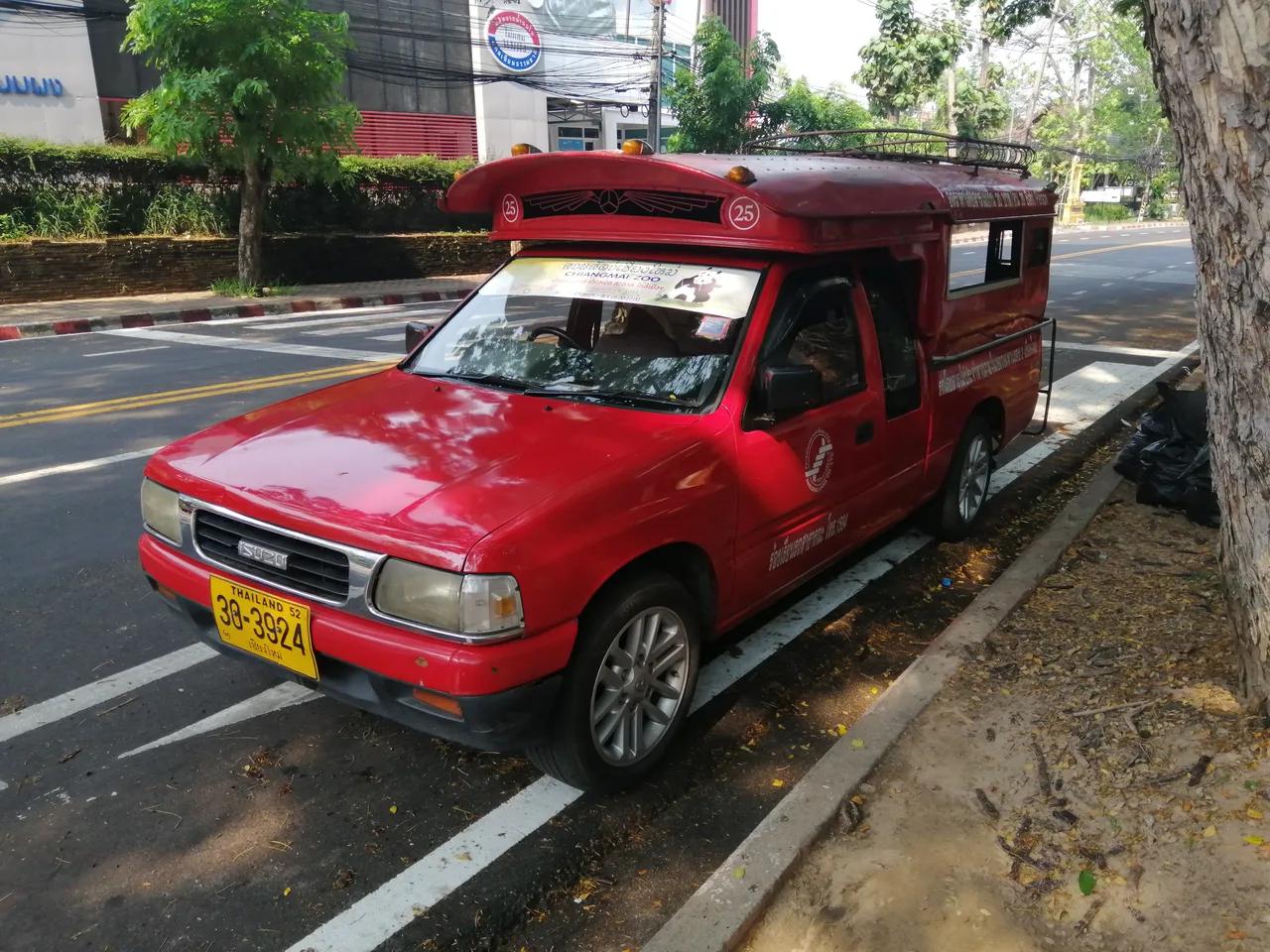
The Old City is walkable. For longer hops, flag a red songthaew or open the Grab app for clear pricing. We'd skip scooters on a first visit, because traffic is intense and you need a valid licence and a helmet. A Grab driver reportedly covered two temples and a Hmong village in about 4 hours for ฿950. Confirm the price before you go. Carry cash, because street stalls often do not take cards.
- Doi Suthep: 309 steps to the temple, about ฿30 for tourists, or the funicular.
- Monk's Trail: roughly 90 minutes one-way, with a songthaew back down.
- Doi Inthanon: about 70 km and 1h30 by road, with no public transport. Hire a driver or join a tour.
- Sticky Waterfall (Bua Thong): free entry and about a 90-minute drive.
- Grand Canyon: about ฿300 entry, with extra for activities.
What Is Overhyped or Worth Skipping
Chiang Mai Night Bazaar is the first thing we'd trim. One guide calls it a market built for tourists, and we'd spend that evening on the walking streets instead. Sunday Walking Street is crowded, but it is the better food stop. Tiger attractions and animal shows are another skip. March and April visits also top the list. Finally, scooters make the avoid list for anyone new to Thai roads. The FAM Fahlanna museum is quoted at ฿999, with a promotional rate reported lower. At that price, the ฿90 city museums look better value to us.
Ethical Choices: Elephants, Temples and Etiquette
Choose sanctuaries where you observe and help care for elephants. Skip any place that offers rides. Elephant Nature Park and Journey to Freedom are named as no-riding options in travel guides, and you should book ahead. You can enjoy Chiang Mai without elephants too, through Doi Inthanon National Park. At temples, cover shoulders and knees and remove shoes. Keep a light scarf in your day bag. Do not point your feet at Buddha images or at people.
Chiang Mai vs Bangkok vs Chiang Rai: Quick Comparison
Bangkok wins on scale, nightlife and food variety. Chiang Mai wins on pace, temples per walk and mountain access. Our Bangkok comparison goes deeper on that choice. Chiang Rai suits travelers who want a smaller base. Our northern base comparison weighs the two. For most first trips, we'd start with Chiang Mai.
Frequently Asked Questions
Is Chiang Mai good for tourists?
Yes. It has a walkable Old City, songthaews and Grab for longer trips, and day trips to Doi Suthep and Doi Inthanon. Plan around the burning season in March and April.
Useful notes for your Thailand trip
Optional updates to our guides.
You might also like

Continue reading
More guides you'll find useful