
Wat Thammikarat, Ayutthaya: What to See at the Rooster Temple

Wat Thammikarat is worth a stop if you want one Ayutthaya ruin you can walk through in peace and still see a temple in active use. It sits inside the Ayutthaya Historical Park and is described as a lesser-visited ruin that continues to function as a working Buddhist temple, so you get a crumbling brick viharn and a living shrine in the same compound. This page covers where the temple sits, how to reach it, what you will see, how long to allow, etiquette around worshippers, and which nearby stops pair well with it.
What Wat Thammikarat Actually Is
Most Ayutthaya stops fall into one of two categories: a roped-off ruin you photograph and leave, or a busy temple where you take your shoes off and join the crowd. Wat Thammikarat is both at once. The grounds hold the remains of an old viharn built in red brick, and alongside it an operating temple with resident monks and lay worshippers. Knowing that split before you arrive changes how you behave and how long you stay.
Do not treat the ruins as abandoned scenery. Travel accounts of the site consistently note that it is a functioning temple, not a museum piece, and that visitors move between the brick viharn and the active halls on the same visit. Because write-ups vary in what they emphasize, check the official Tourism Authority of Thailand listing for the temple before you plan your day.

Where It Sits in Ayutthaya
Wat Thammikarat lies within the Ayutthaya Historical Park, the walled island of ruins that most visitors work through in a single loop. Because it sits inside that circuit rather than out in the surrounding countryside, you can add it to a temple-hopping day without a separate trip. Treat the historical park as your frame of reference and ask your driver or map app to route you through it.
The practical question is sequencing. Wat Thammikarat is often passed over in favor of the big-name ruins, which means it can slot in between two headline stops rather than anchor a trip on its own. Decide your shortlist first, then see whether this temple falls on the path between them; that is more efficient than detouring for it.

How to Get There
From central Ayutthaya you have three realistic ways to reach the temple: a hired car or tuk-tuk, a rented bicycle, or a long-tail boat along the river for sites near the water. Most travelers string several ruins together in one vehicle or on one bike rather than booking each leg separately. Ask your hotel or the driver at the stand to confirm the current fare and the drive time on the day, because neither is fixed.
If you are cycling, the historical park's flat roads make it manageable, but heat and traffic on the approach roads are real constraints. Carry water and start early. For boats, confirm the price per boat rather than per person before you board, and agree on the drop-off point in advance. No public source pins down current fares or journey times, so verify locally instead of budgeting from a blog post.
What You See: The Viharn, the Buddha Hall, and the Roosters
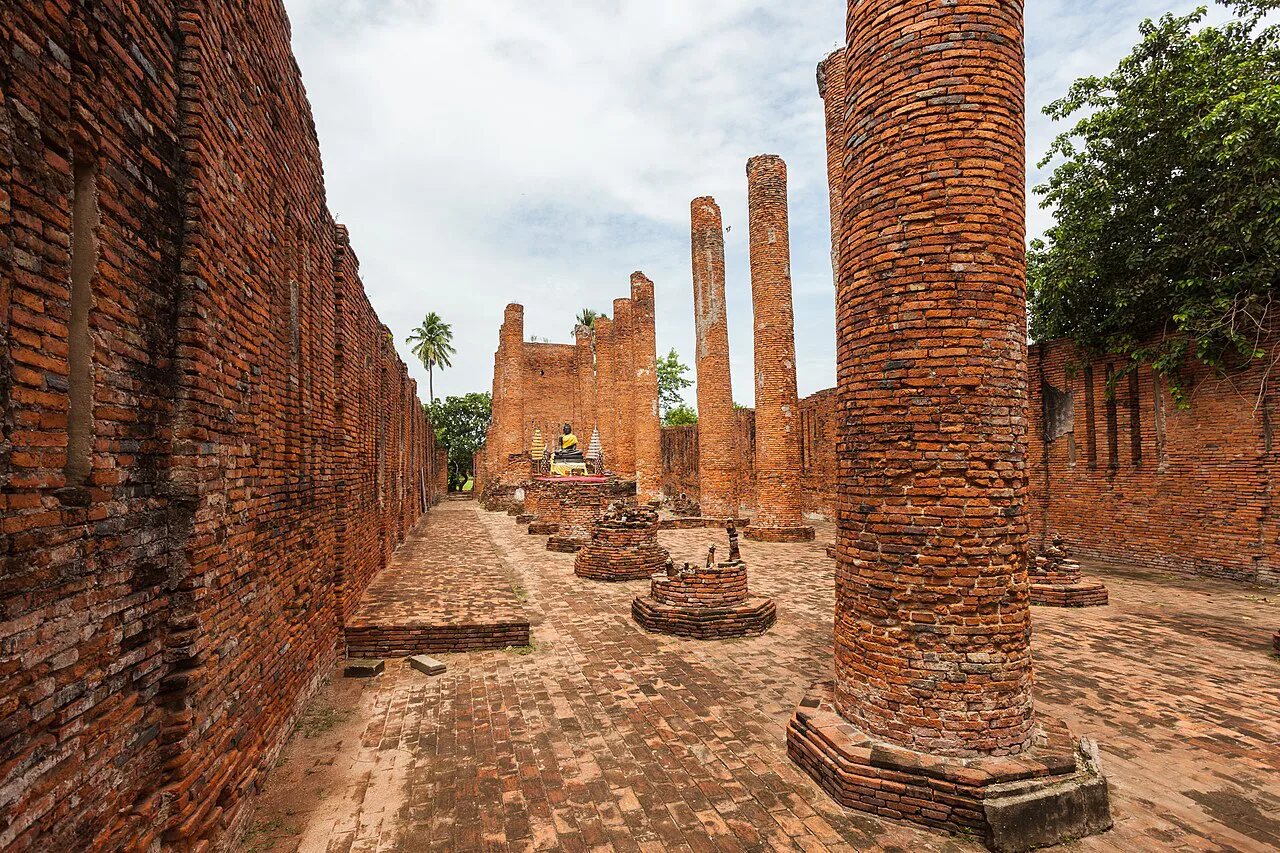
The visual anchor is the ruined viharn, a red-brick shell that photographers tend to linger over. Look for the surviving walls, columns, and the way the structure opens to the sky. Visitors often remark that the brickwork reads more like an old industrial building than a temple, which is a fair observation and a useful reminder of how much of Ayutthaya's architecture has weathered away.
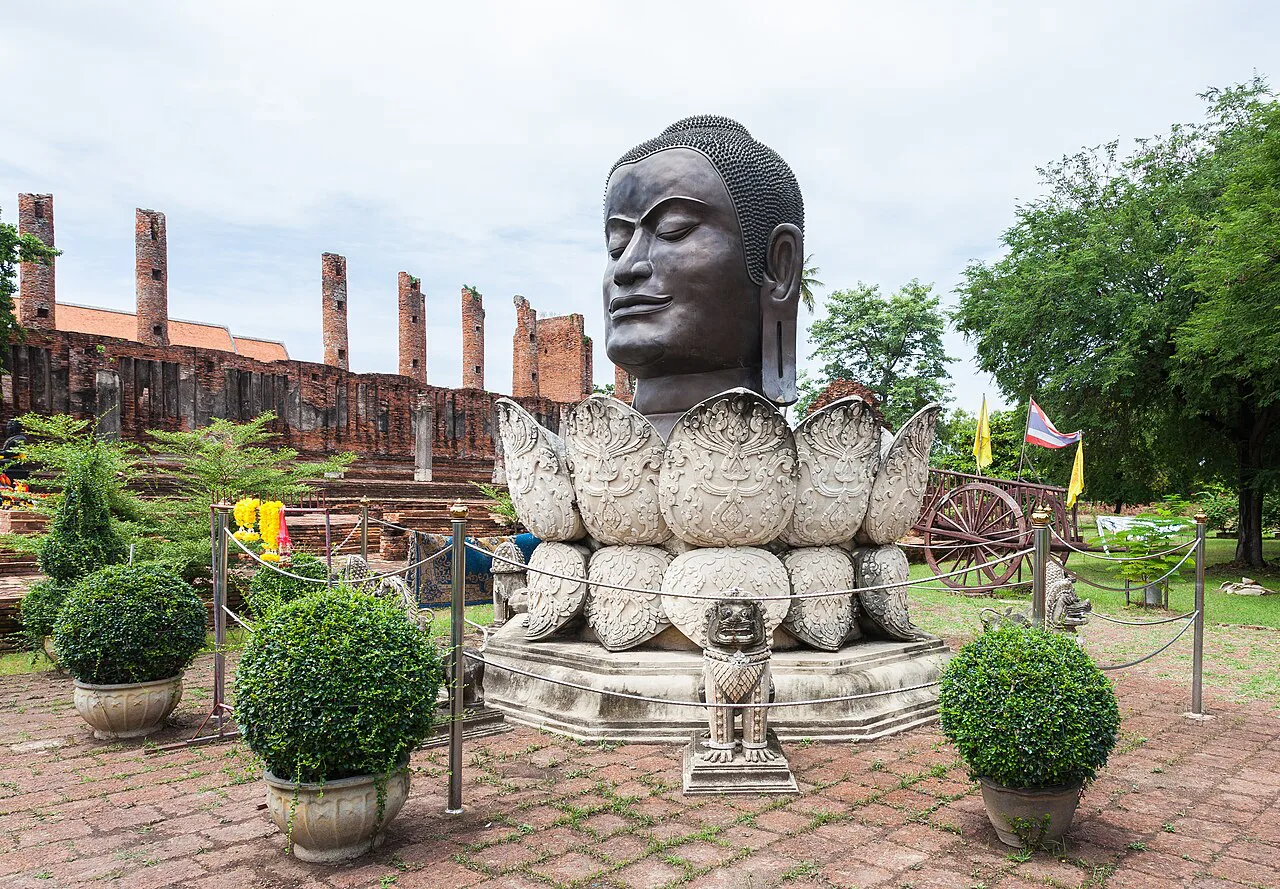
The working side of the compound includes an ordination hall and a hall housing a reclining Buddha, the kind of image you see across Thailand. Check whether the hall is open to visitors on the day you go, keep your voice low inside, and do not step past barriers. Combine the ruined and active halves in one walk rather than treating them as separate attractions.
The Rooster and Lion Statuary
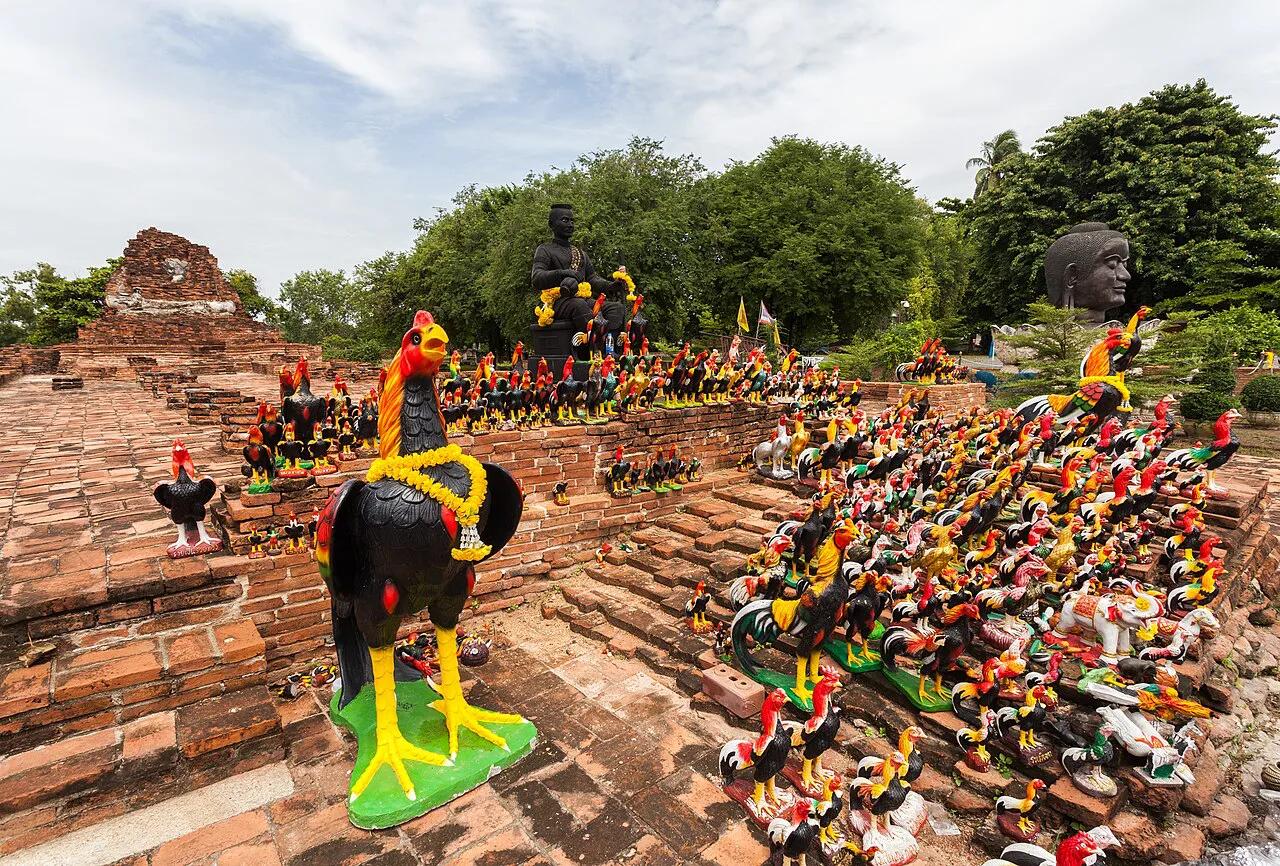
Wat Thammikarat is known for its rooster statues, which cluster around the temple grounds and give the site its nickname. Lion figures are also part of the site's identity. These are not decorative props; they sit within an active religious space, so view them as you would any shrine offering. Some accounts explain the roosters through local devotion, but ask a temple attendant for the specific story rather than repeating a guidebook claim.
Practically, give yourself a few minutes with the statues rather than a single snapshot. Look at where they are placed, how they are maintained, and whether worshippers are actively leaving offerings. If someone is praying, wait or move on. Do not move or pick up figurines to photograph them.
Etiquette at a Working Temple
Because Wat Thammikarat is a functioning temple, the usual Thai temple rules apply. Cover shoulders and knees, remove your shoes before entering any hall, and do not point your feet toward Buddha images. Walk around worshippers rather than through their line of sight, and keep phone calls outside the halls.
Photography needs its own judgment. You may photograph architecture freely, but ask before photographing people or monks, and never interrupt a ceremony. Women should not touch monks or hand items directly to them; place offerings on a tray or cloth instead. If a sign or a temple attendant gives an instruction, follow it over anything you read online.
How Much Time to Allow
For most visitors, 30 to 45 minutes covers the ruined viharn, the active halls, and the rooster statuary without rushing. Photographers who want the brickwork in good light should plan closer to an hour. History-minded travelers who read every information panel will want longer still.
If you are moving with a group and the day is tight, treat Wat Thammikarat as a short add-on between larger stops rather than a destination in itself. Build your schedule around your must-see temples and let this one fill the gaps. That way a slow morning elsewhere does not wreck the plan.
Hours, Tickets, and Closures
Wat Thammikarat sits within the Ayutthaya Historical Park area, but whether this working temple carries its own entry fee, whether the park's ticketing applies to it, and what its current opening hours are should not be assumed. The temple is described as an active place of worship, so access can also depend on ceremonies. Confirm the current position on fees and hours locally before you travel.
That check matters more than it sounds, because regulations and ticketing can change between seasons and some temples close halls during ceremonies. Ask at your hotel the day before you go. If something is closed on the day, you will still be in an area with other ruins nearby.
What Is Nearby
The historical park's dense layout means other ruins are within easy reach, so you can chain stops without backtracking. Wat Phra Ram sits close enough to pair with Wat Thammikarat on the same loop, and having two ruins in a row makes the shared vehicle or rental bike go further. Plan the order on a map before you set out.
If you want an underground chamber and a climbable prang to contrast with the brick viharn, Wat Ratchaburana is a sensible next stop. For a working temple with a very different atmosphere, Wat Phanan Choeng, or a break from religious sites entirely at the Chao Sam Phraya national museum, can round out the day. Keep the list short; fatigue sets in faster than most people expect.
Who Should Prioritize It and Who Can Skip It
Prioritize Wat Thammikarat if you want a working temple alongside a ruin, if you are tired of crowds, or if you are photographing Ayutthaya's brick architecture. It also suits travelers who have already seen the headline temples and want something quieter. Skip it without guilt if your day is short and you have not yet seen the major sites.
The honest trade-off is that this is not Ayutthaya's most spectacular monument, and it is not trying to be. It is a compact, layered stop that rewards attention rather than speed. On a one-day visit, see the essential ruins first and let Wat Thammikarat fill whatever time remains.
Should Wat Thammikarat Make Your Ayutthaya Shortlist?
Yes, if you want a quieter stop with both ruins and a living temple, and no, if you are racing through Ayutthaya in a single day. Decide based on your shortlist of must-see temples, then fit Wat Thammikarat in as a filler rather than a headline. Confirm the current ticket and hours position before you go, and carry the etiquette basics with you either way.
Explore more Ayutthaya guides
Frequently Asked Questions
Is Wat Thammikarat worth visiting?
It is worth it if you value a working temple alongside a ruined viharn and want a quieter stop inside the historical park. If your day is short and you have not seen the major Ayutthaya monuments, do those first and treat this as an add-on.
Is Wat Thammikarat still an active temple?
Yes. The site is a functioning Buddhist temple as well as a ruin, so you should dress modestly, remove your shoes in the halls, and keep quiet around worshippers. Do not treat the grounds as an abandoned site.
Do you need a ticket for Wat Thammikarat?
The temple sits within the Ayutthaya Historical Park area, but whether the park's ticketing applies specifically to this working temple, and what the current fee is, is not confirmed in available sources. Ask at the temple or your hotel, or check official tourism information, before you travel.
Why are there so many rooster statues at Wat Thammikarat?
The rooster figures are part of the site's identity and cluster around the working temple grounds. If you want the specific local explanation, ask a temple attendant rather than relying on a blog.