Bangkok Weather: Seasons, Rain and What to Expect
How Bangkok's weather changes through the year: hot, rainy and cool seasons, what rain means for your plans, and when to go.
On this page
Last updated November 2026. Bangkok weather is hot and humid all year, split into a hot season, a rainy season and a cool-dry season. Use the season table below to match your dates to heat, rain and crowds, then jump to the month pages for detail.
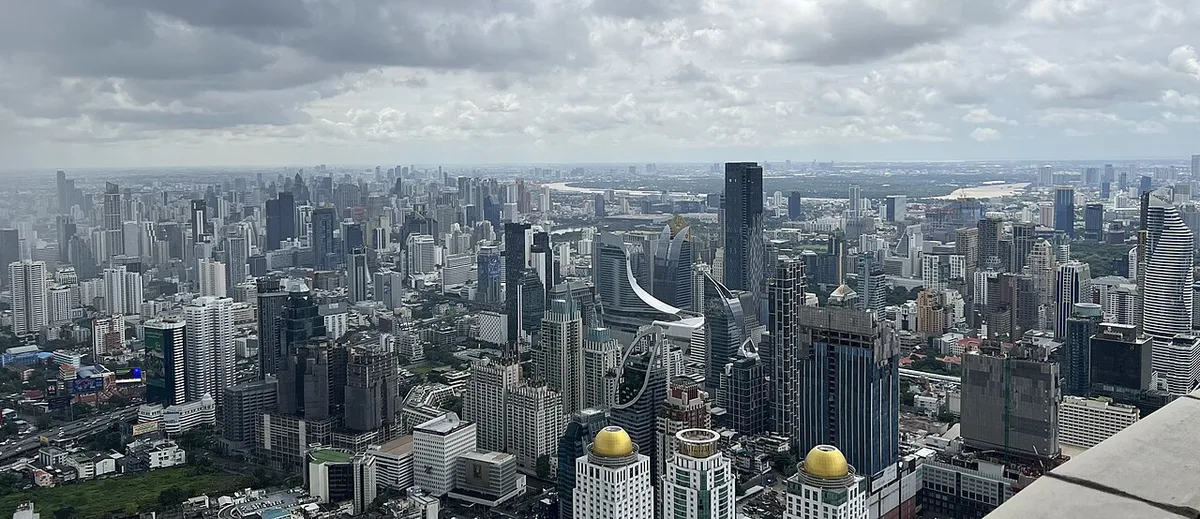
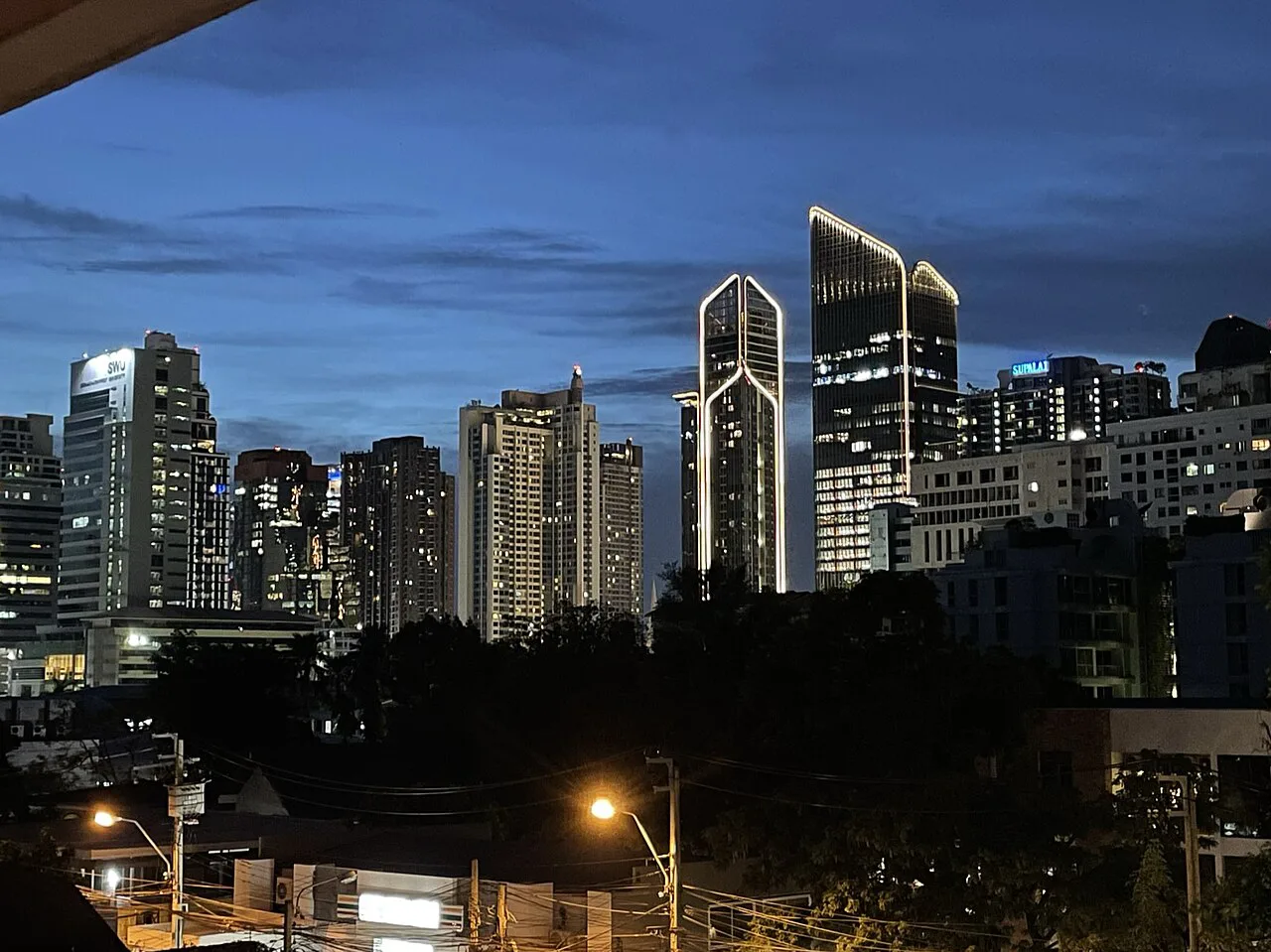
Featured image: Mathias Krumbholz, CC BY-SA 3.0, via Wikimedia Commons.
Bangkok weather at a glance
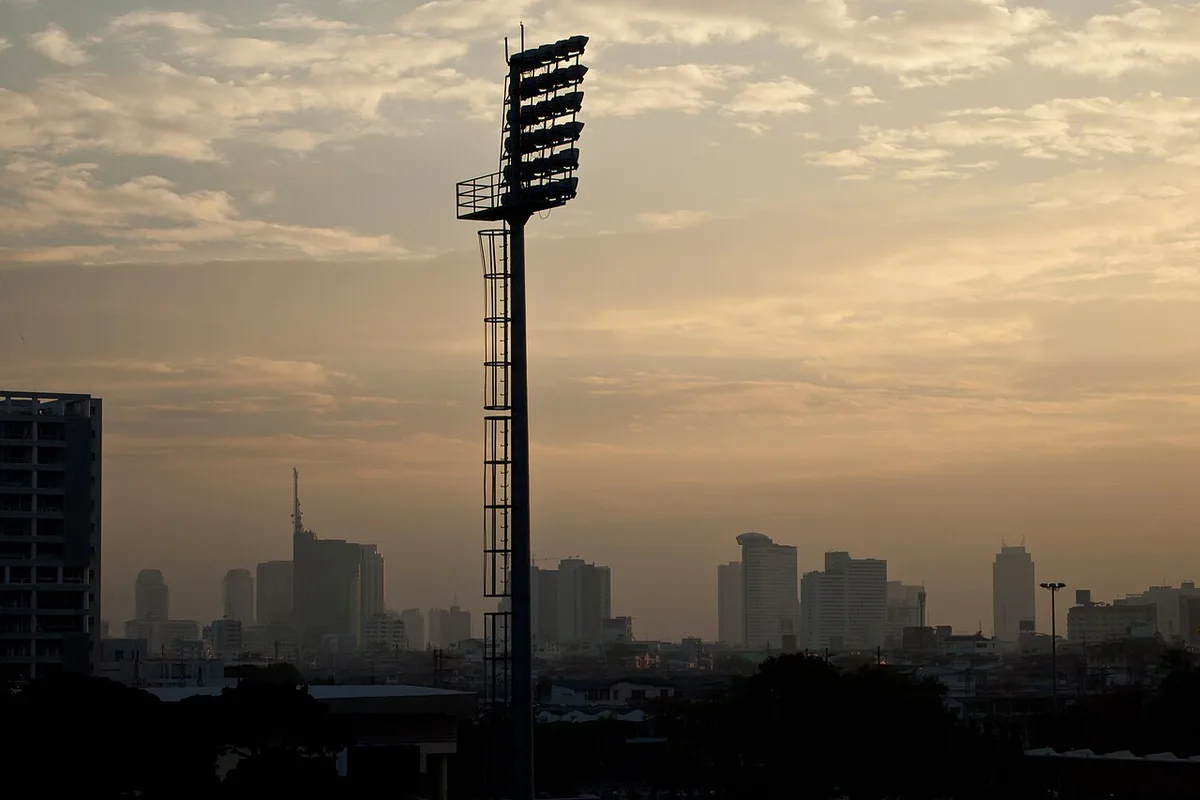
Bangkok has a tropical monsoon climate, so even the coolest month feels warm. Daytime highs run from about 31°C (88°F) in December to about 36°C (96°F) in April. Rain is heaviest in the wet months, with September the rainiest at roughly 13.2 in. If you are still choosing dates, our Best Time to Visit Bangkok: Month-by-Month Guide guide weighs these trade-offs month by month.
| Season | Months | Typical highs | Rain | Trade-off |
|---|---|---|---|---|
| Hot | March-May | 34-36°C (93-96°F) | Low to building | Strongest heat; Songkran in mid-April |
| Rainy | June-October | 32-34°C (90-93°F) | Daily showers | Fewer crowds; needs backup plans |
| Cool | November-February | 31-33°C (88-91°F) | Mostly dry | Most comfortable; busiest period |
Hot season (March-May)
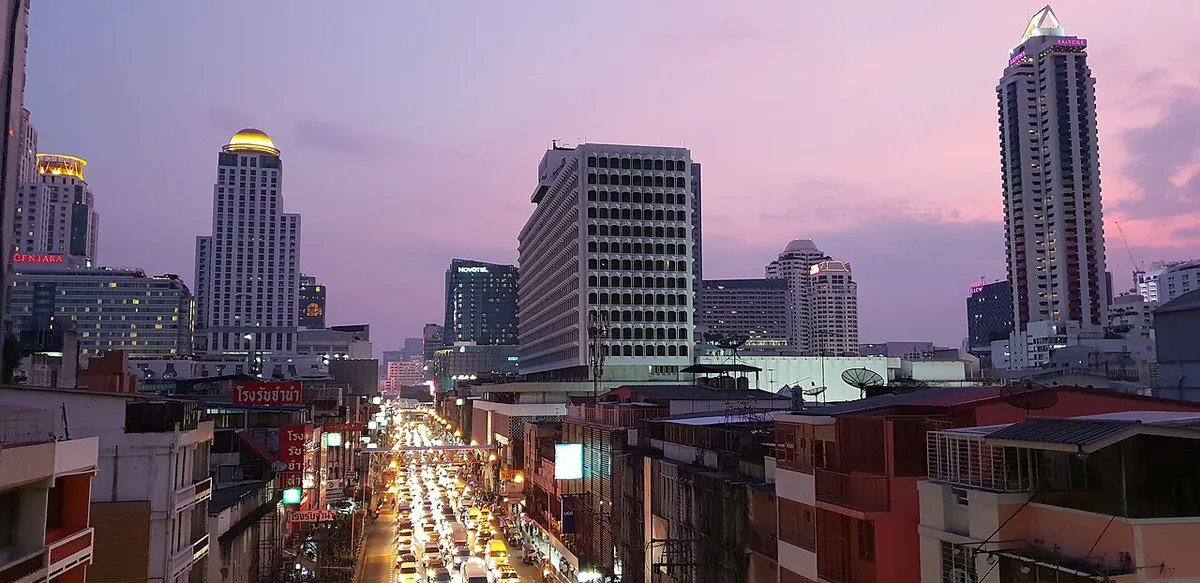
Highs of 34-36°C (93-96°F) make April the hottest month. Walking between sights at noon is the main mistake. Plan temple visits for early morning or late afternoon, and use air-conditioned malls and museums from midday. Bangkok in April: Heat, Songkran & What to Do covers the month in detail. Mid-April also brings the water festival, with Songkran running April 13-15. Our Songkran in Bangkok: Where to Go & What to Expect page explains how it reshapes the city's streets and plans.
Songkran falls April 13-15, in the month when highs reach about 36°C (96°F), the hottest of the year.
Rainy season (June-October)
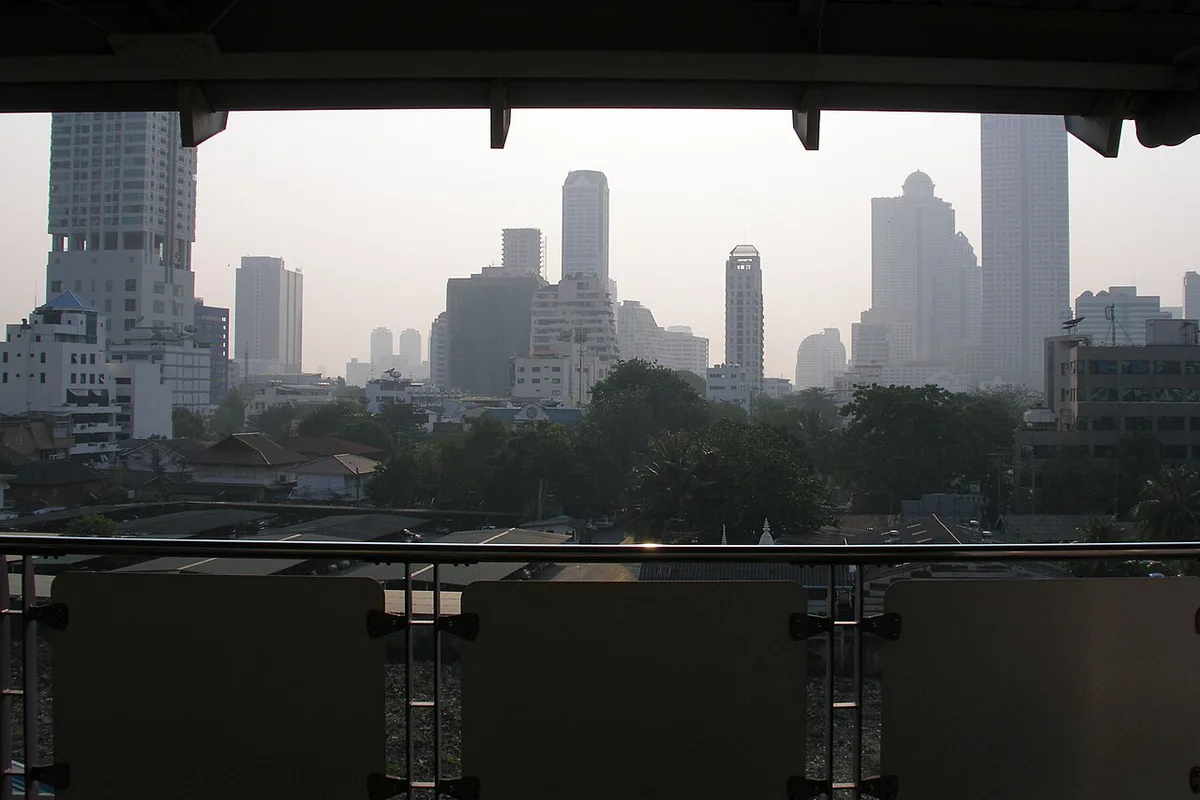
Expect daily showers and highs of 32-34°C (90-93°F). Rain can slow street travel, so keep the BTS and MRT as your fallback and confirm river boat operations with the operator before you board. Crowds thin out, and hotels may price lower. As a planning example, a room quoted at ฿2,500 a night in January could be worth re-checking at ฿1,800 for September. Those figures are illustrative, not published rates, so compare live prices for your own dates. Our Bangkok Rainy Season: What to Expect and How to Plan guide covers flooding and timing.
September brings the heaviest rain, roughly 13.2 in, so the BTS and MRT fallback matters most that month.
Cool season (November-February)
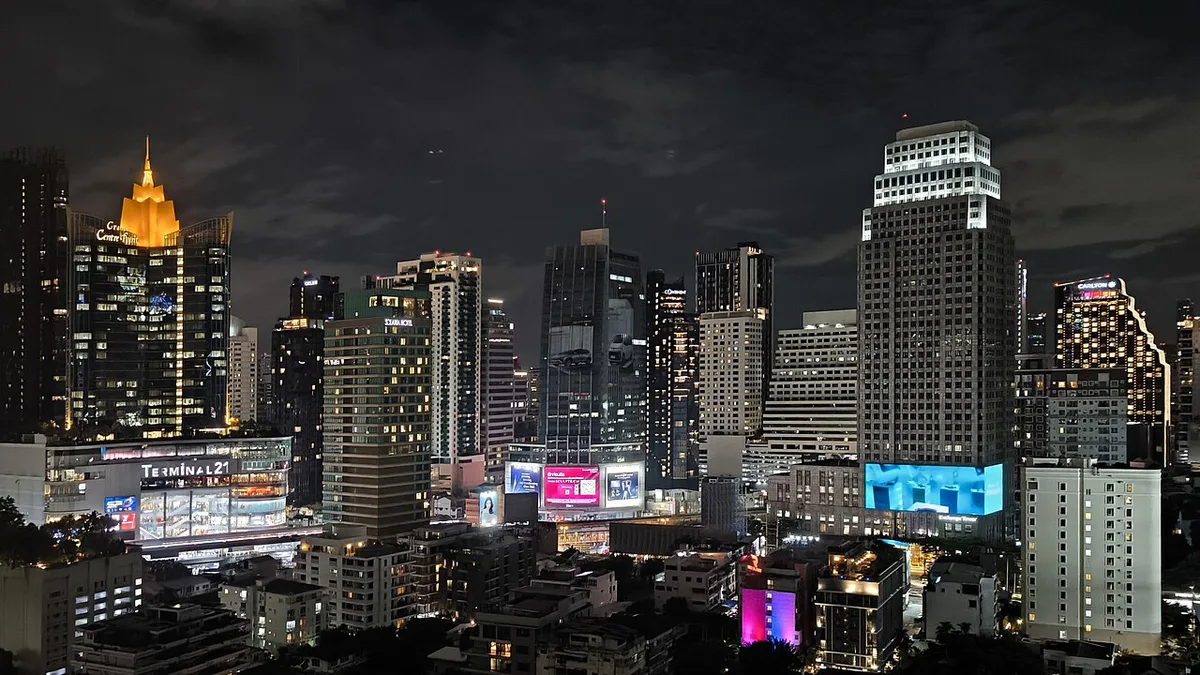
November to February is the driest stretch, with highs of 31-33°C (88-91°F). December is the coolest month at about 31°C (88°F). Cooler still means warm: sun and humidity remain, so keep the early-start habit at the Grand Palace, Wat Pho and Wat Arun. Demand peaks, so book flights and rooms early. If you only have 2-3 days, this season needs the least contingency. Month-specific advice is in Bangkok in December: Weather, Crowds, Events & Costs.
How weather changes your day
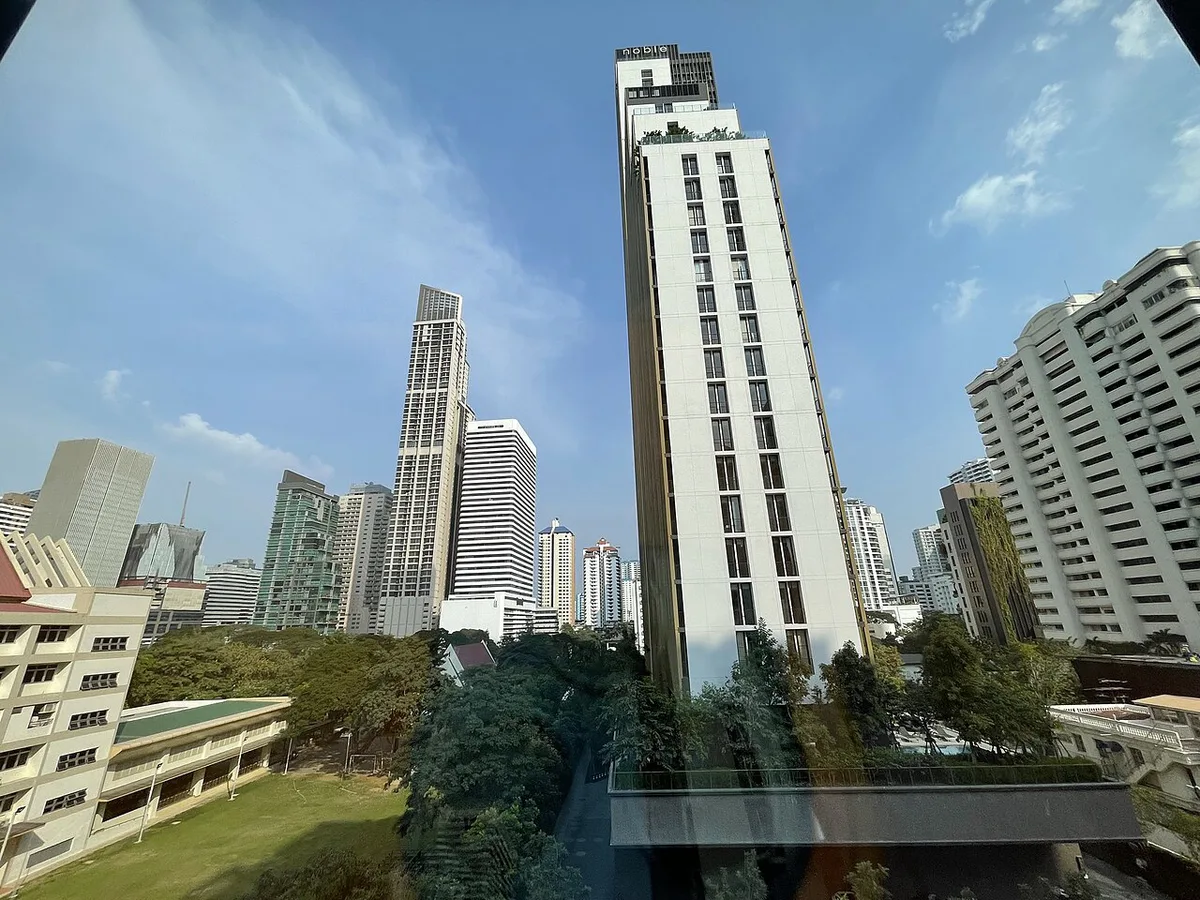
Build days around heat and rain rather than fighting them.
- Early morning: temples and open-air sights at Grand Palace, Wat Pho and Wat Arun.
- Midday: malls, museums, cafes or a long lunch indoors.
- Afternoon in rainy season: a shower is common, so keep a flexible plan.
- Evening: river views and street food once temperatures ease.
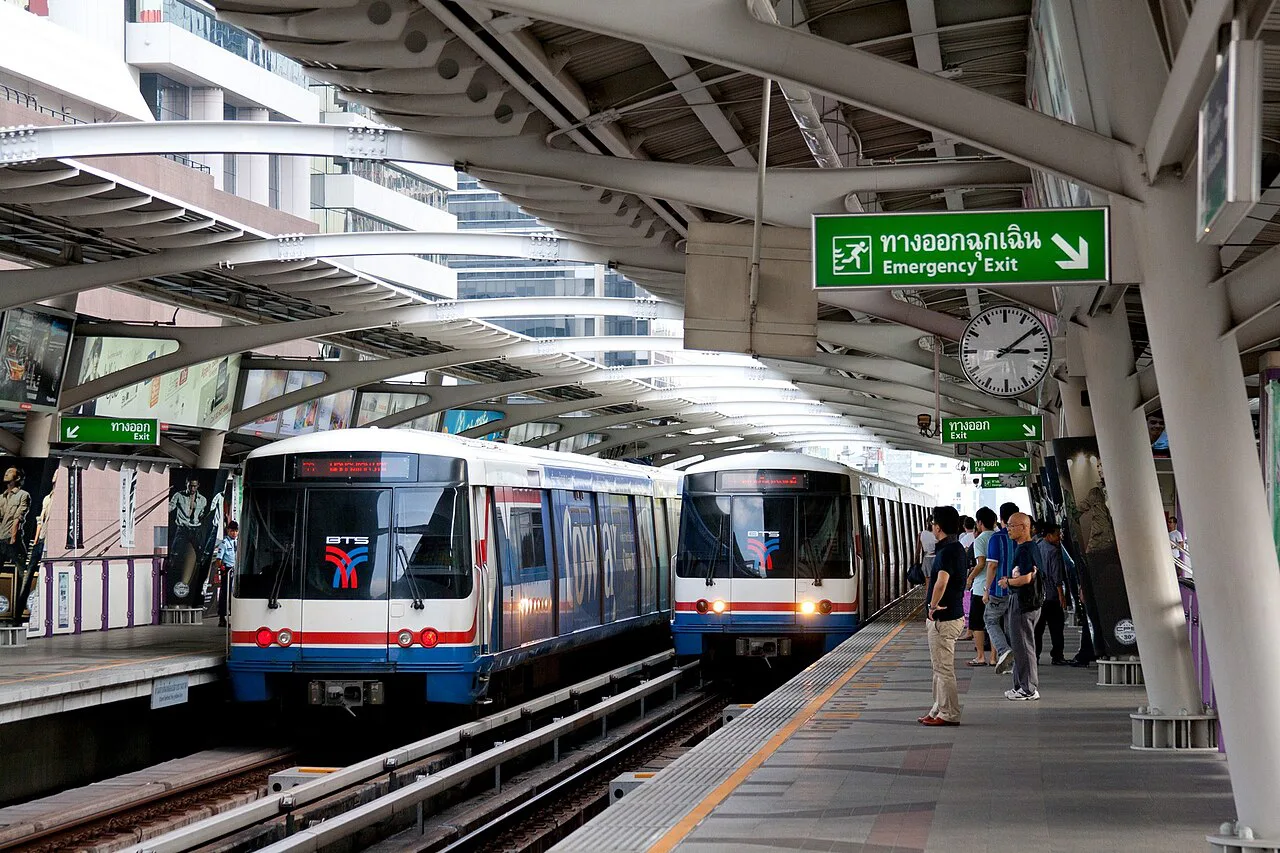
- Transport in rain: favor the BTS and MRT; check taxi and boat availability on the day.
What to pack and wear
Pack light, breathable clothing, a compact umbrella or poncho, sandals that dry quickly, a hat and sunscreen. Carry a refillable bottle for hydration on temple circuits. Many temples ask visitors to cover shoulders and knees, so bring a light scarf or long shorts and confirm the rules with the site before you go. Indoor spaces are heavily air-conditioned, so a thin layer helps.
Checking the live forecast
Use the Thai Meteorological Department for official forecasts and warnings. The Met Office Thailand page offers a second view. Apps often disagree by several degrees because they use different models and stations. Check them the day before and again that morning.
Common weather mistakes
Three errors cause most weather trouble. Planning a full outdoor day at noon in April is the first. Treating rainy season as a washout is the second, since showers often leave gaps. Skipping a rain backup in September, the rainiest month, is the third. Pair each outdoor stop with an indoor alternative nearby, such as the Jim Thompson House Museum, and confirm its hours first.
Which Bangkok season suits your trip?
Choose the cool season if comfort matters most. November to February is Bangkok’s driest period, although daytime highs still reach about 31-33°C (88-91°F). It is the easiest window for first visits with several outdoor sights.
Choose March to May if you can plan around stronger heat. April reaches about 36°C (96°F), but Songkran runs from April 13-15 for travellers who want the city’s major water festival.
Choose June to October if lower crowds matter more than dependable dry weather. Highs remain around 32-34°C (90-93°F), and a flexible afternoon plan is essential. September is the rainiest month at roughly 13.2 in, so avoid building a tightly timed outdoor itinerary around that period.
- Cool season: best for outdoor-heavy first trips.
- Hot season: best for Songkran and heat-tolerant travellers.
- Rainy season: best for flexible plans with indoor backups.
Frequently Asked Questions
What's the weather like in Thailand each month?
For Bangkok, March to May is hot, June to October is rainy, and November to February is cool and dry. Highs range from about 31°C (88°F) in December to 36°C (96°F) in April.
Is Bangkok sufficient for 3 days?
Yes, for the main temples and river sights. Weather matters most: in cool season three days need little contingency, while rainy or hot months call for indoor backups.
Useful notes for your Thailand trip
Optional updates to our guides.
You might also like
Continue reading
More guides you'll find useful