Bangkok Rainy Season: What to Expect and How to Plan
A practical guide to Bangkok's rainy season: when the rain falls, how it affects getting around, what to do indoors, and who should skip it.
On this page
Last updated November 2026. Bangkok rainy season runs roughly May to October, and rain usually arrives as short, heavy bursts rather than all-day drizzle. It is workable if you plan outdoor stops for the morning and keep afternoons flexible. Here is who should go, who should skip it, and how to adjust.
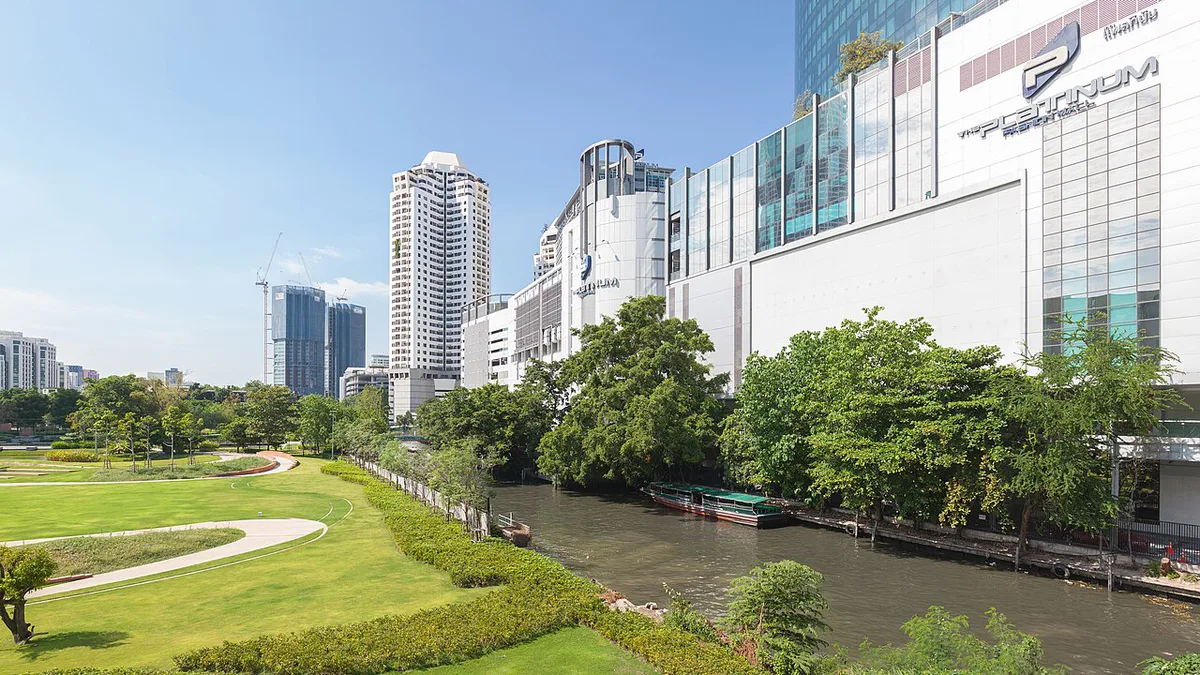
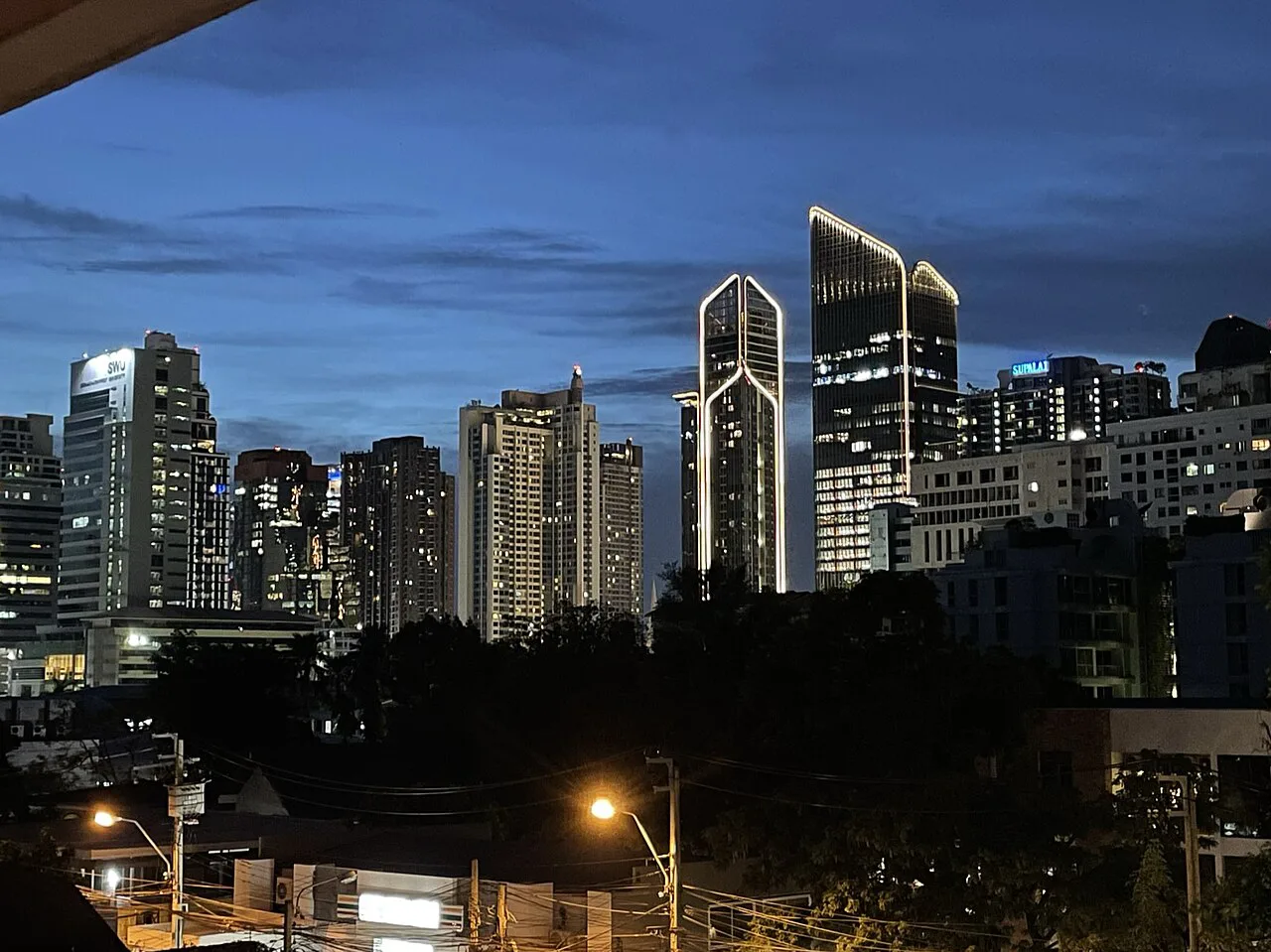
Featured image: Chainwit., CC BY-SA 4.0, via Wikimedia Commons.
Bangkok Rainy Season at a Glance
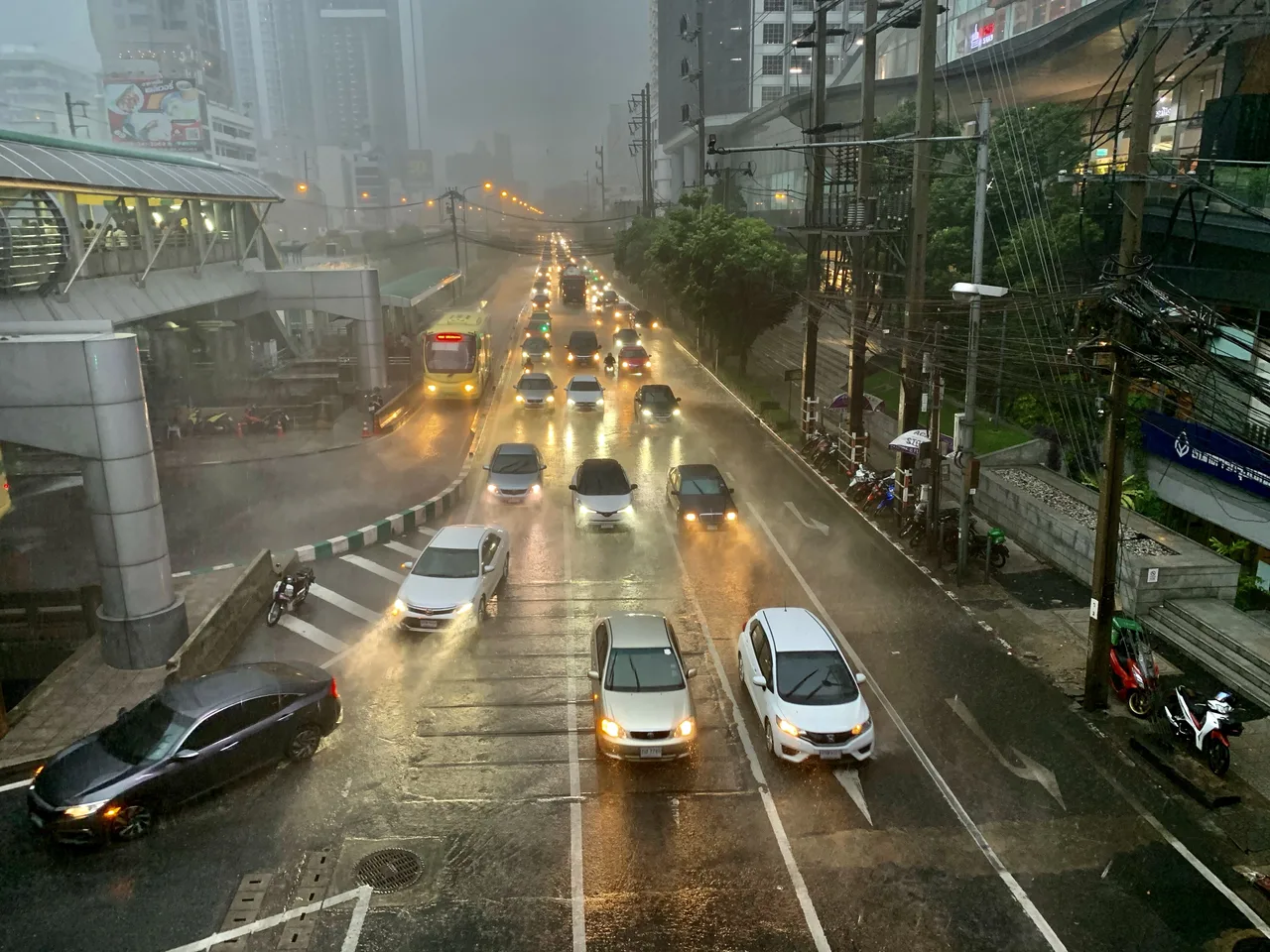
Bangkok's wet months run roughly May to October, driven by the southwest monsoon. Confirm current seasonal dates and rainfall with the Thai Meteorological Department before you book. Rain tends to fall in short, heavy bursts, often late afternoon or evening. Treat that as a pattern, not a promise. Daytime highs commonly sit near 32°C (90°F), and humidity stays high even after a downpour. Our verdict: it suits flexible, budget-minded travelers, and it is a poor fit for a rigid outdoor schedule. Readers weighing other seasons can start with our Best Time to Visit Bangkok: Month-by-Month Guide guide. Gulf-coast islands such as Koh Samui follow a different rain pattern, so do not assume Bangkok's dates apply there.
Should You Go? Who It Suits and Who Should Skip It
Rainy season is a real option for the right trip. Use the table to decide in two minutes. Each row names the traveler and the change that makes it work.
| Traveler | Verdict | What to change |
|---|---|---|
| Budget traveler | Go | Compare hotel rates for May to October against dry months |
| Food and fruit lover | Go | Plan market visits for mornings, and check which fruit is in season |
| Shopper | Go | Anchor afternoons in malls such as Siam Paragon, ICONSIAM and CentralWorld |
| Repeat visitor | Go | Spend days on museums, cooking classes and spas |
| First trip, short stay | Adjust | Keep two flexible half-days for weather swaps |
| Rigid outdoor itinerary | Skip | Pick a drier month instead |
| Heavy walking plans | Skip | Choose cooler, drier dates |
Month-By-Month: What Changes From May to October
Early season, peak and tail feel different. Check the Thai Meteorological Department for exact rainfall in each month. Our table stays qualitative on purpose. Full climate data lives on our Bangkok weather guide. Nights stay warm, around 28°C (82°F), so you will not get a cool break. For a drier contrast, see Bangkok in December: Weather, Crowds, Events & Costs. For peak heat, read Bangkok in April: Heat, Songkran & What to Do, where highs can reach 35°C (95°F).
April highs can reach 35°C (95°F), while rainy-season days commonly sit near 32°C (90°F), so a wet trip is not a cool one.
| Period | Feel | Planning note |
|---|---|---|
| May to June | Hot, with storms building | Good for testing rainy season with low risk |
| July to September | Wettest stretch for many visitors | Verify peak months with the Thai Meteorological Department |
| October | Tail of the season | Showers ease, but flooding can linger |
How to Plan a Rainy Day: Morning Outdoors, Afternoon Indoors
Use a simple heuristic. Do temples, markets and walking before noon. Move indoors from early afternoon, when storms are more likely. Keep one backup in each area you visit.
- Siam area: Siam Paragon and CentralWorld for malls, food courts and cinemas. Expect crowds on weekends.
- Riverside: ICONSIAM for covered shopping and dining. Reach it by river boat only if conditions are calm.
- Culture: Bangkok Art and Culture Centre and the Museum of Siam. Check opening days first.
- Old house: Jim Thompson House Museum. Confirm hours and ticket rules on its site.
- Fruit: Or Tor Kor market for covered stalls. Go in the morning.
- Hands-on: a cooking class or Thai massage in the afternoon.
Getting Around When It Pours
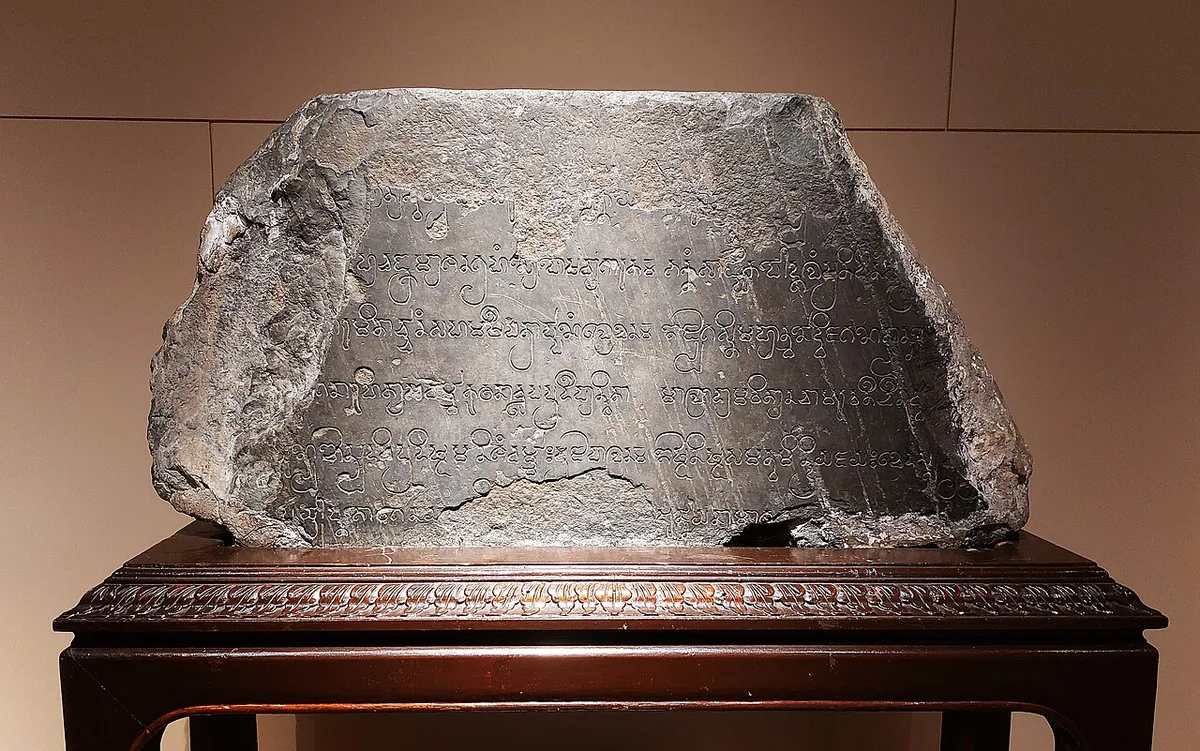
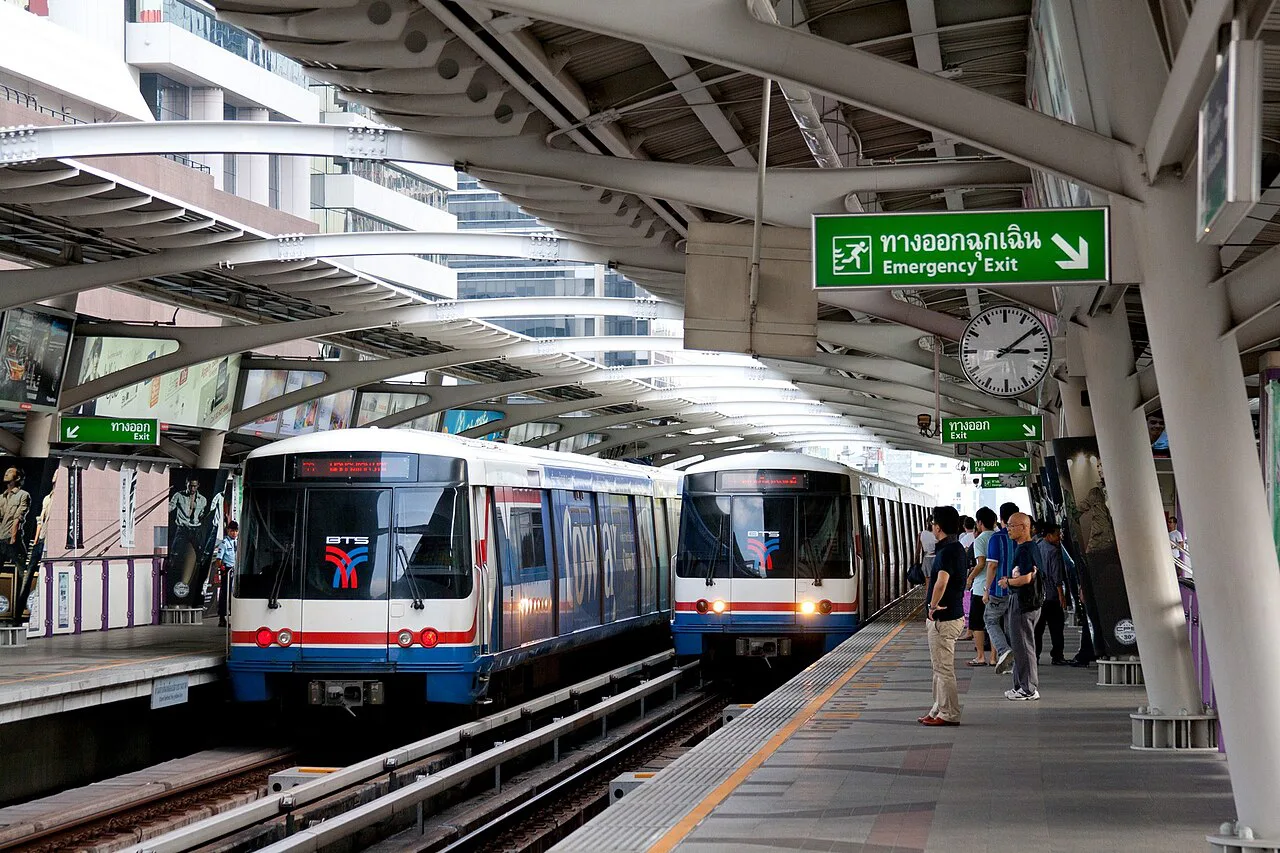
Heavy rain slows roads and can flood low streets for a few hours. Trains are the most reliable fallback. Use the BTS and MRT for cross-town hops, and check each operator's site for disruption notices. Taxis and ride-hailing get scarce and slow in a storm. Motorbike taxis are riskier on wet roads, so treat them as a trade-off, not a default. River boats on the Chao Phraya may run differently in storms, so ask at the pier. For airport transfers, build a buffer of at least 2 hours before a flight. Leave earlier if a storm is forecast. Check the Bangkok Metropolitan Administration for flood notices.
Treat 2 hours before a flight as the minimum, not the target, and do not trim it on a storm day.
Costs, Bookings and What's Open
Lower demand often means softer hotel rates, but discounts vary by property. Run a simple test. Price the same room for December, then for September. If a room is ฿2,500 in December, look for how far the September rate falls. Pull your own numbers from the booking page, since rates change often. Use this checklist before paying:
- Choose free-cancellation rates where offered.
- Buy travel insurance that covers weather disruption.
- Check whether your hotel or restaurant is open, since some smaller places may close in low season.
- Confirm museum hours on each official site.
- Ask about fruit season at the market before planning a tasting trip.
Day Trips and Outdoor Plans: What Changes in the Rain
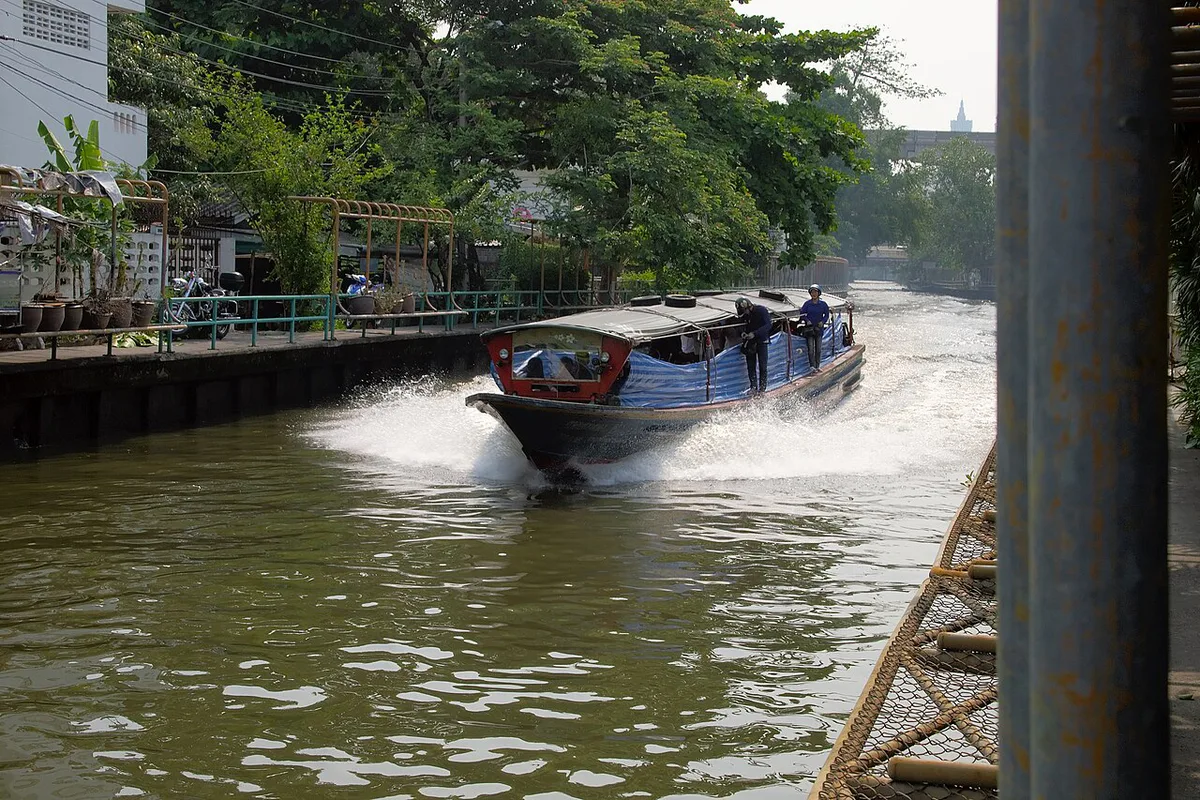
Floating markets are exposed to weather. Boats get slower, and covered seating fills up. Damnoen Saduak and Amphawa are best moved to a clear forecast day. Start early and keep the afternoon free. Skip open-air plans on days with a storm warning. Choose museums or covered markets instead. If a trip is a must-do, schedule it for a drier month.
Health, Safety and Packing
Wet pavements get slippery, especially tiles and steps. Avoid flooded alleys, where open drains and potholes hide. Mosquitoes increase after rain, so use repellent and check the Thai Ministry of Public Health or CDC travel health page for dengue guidance. Pack light and practical items:
- Compact umbrella or poncho
- Dry bag for phone, passport and cards
- Quick-dry shirts
- Shoes or sandals with grip
- Small towel
Rainy-Season Mistakes To Avoid
Most problems come from rigid plans. Avoid these:
- Booking non-refundable rooms without checking the forecast.
- Stacking outdoor sights in the afternoon.
- Cutting airport buffers short on a storm day.
- Wearing flip-flops on wet tile.
- Assuming Gulf-coast islands share Bangkok's rain pattern.
Frequently Asked Questions
Does Thailand have a wet season?
Yes. Bangkok's wet season runs roughly May to October. Rain is usually short and heavy rather than constant, though patterns vary by region.
What is the weather like in Thailand in May?
May is hot and humid, and storms start to build. It is the early part of the rainy season. Check the Thai Meteorological Department for current forecasts.
What is the best time of year to visit Bangkok, Thailand?
Drier months suit rigid sightseeing plans best. Rainy season works if you stay flexible and want lower hotel demand.
Useful notes for your Thailand trip
Optional updates to our guides.
You might also like
Continue reading
More guides you'll find useful