Chiang Mai Food Tour: Which Type to Book (or Skip)
Compare Chiang Mai food tour types by time, cost level, dietary fit and format, with a DIY option and tips on what to ask before you book.
On this page
Last updated November 2026: a Chiang Mai food tour is a guided tasting route, and the right one depends on how you travel, what you eat and how much time you have. Formats run from a 2-hour tea tasting to a 6-hour market-plus-cooking-class day. This guide matches a format to each kind of traveler and shows when eating on your own wins.
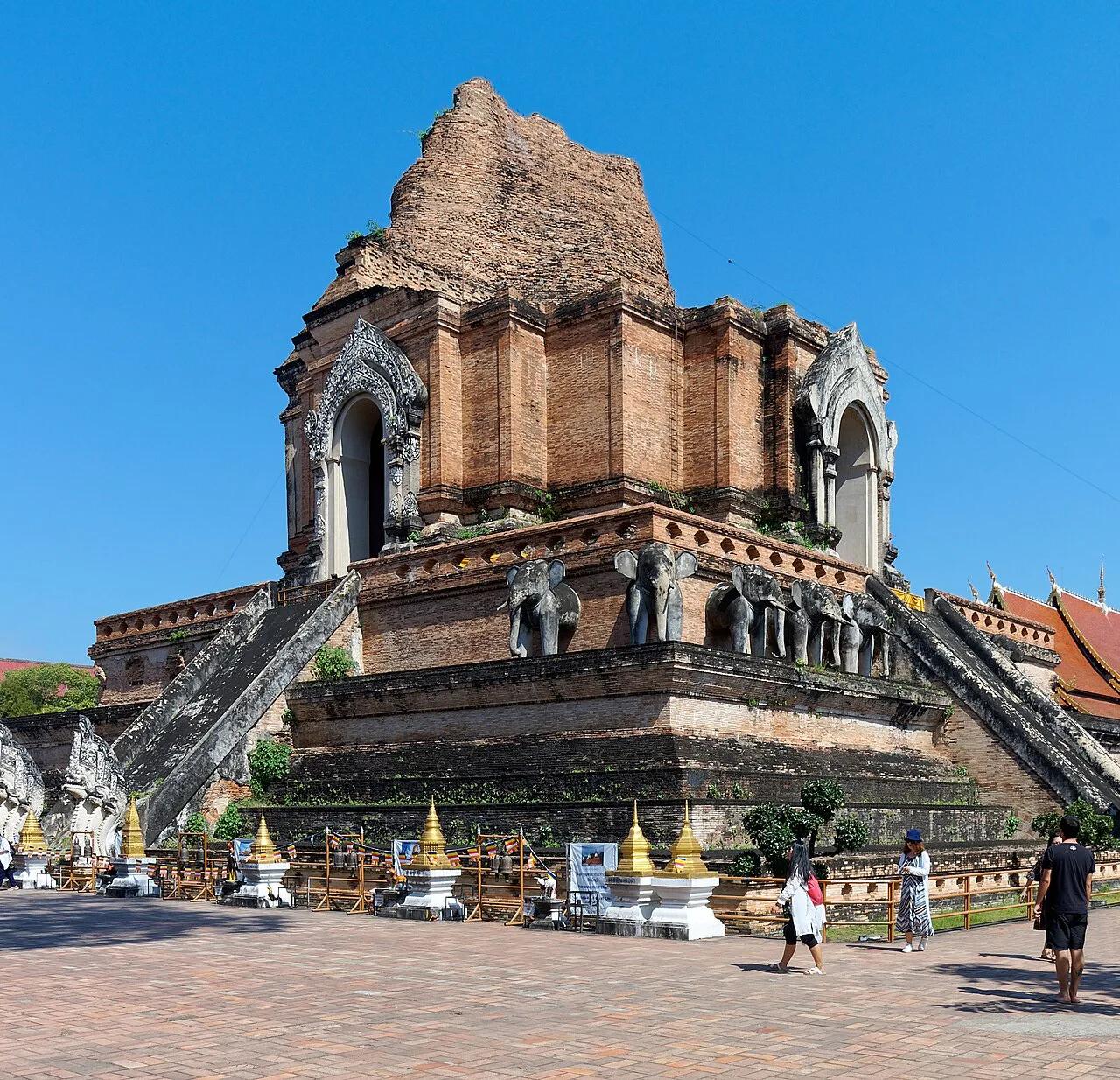
Featured image: yeowatzup, CC BY 2.0, via Wikimedia Commons.
Quick answer: which Chiang Mai food tour should you pick?
Match the format to your situation, then book one tour rather than several. A first-timer with 48 hours or less gets the most from a guided walking or night-market tasting on day one. After that, repeat your favorite dishes on your own. Vegetarians should confirm menu changes before paying. Families with children should check seating and age rules for any scooter or pillion format.
- First-timer or short stay: a guided market or night-market tasting on day one.
- Solo traveler: a small-group walking or night-market tour, where tables are shared.
- Family with young children: a walking or truck-style tour, not a scooter ride.
- Vegetarian or vegan: a private tour or a class where the menu can be adjusted.
- Photographer: a morning market route, when produce stalls are fullest.
- Serious cook: a market-plus-cooking-class day.
Chiang Mai food tour types compared
Durations below are reported by tour listings checked in November 2026. Confirm them on the operator's booking page, since itineraries change. One scooter operator listed an afternoon food ride from 12:30 PM to 3:30 PM, with prices from $92 per person. Its other Chiang Mai rides listed from $68 for a 2.5-hour sunrise tour to $109 for a 4-hour evening tour. Treat these as one operator's examples, not a market average.
| Format | Typical duration | Best for | Main trade-off | Cost level |
|---|---|---|---|---|
| Walking market tasting | About 2 to 4.5 hours | First-timers, solo travelers | Heat and walking distance | Low to medium |
| Scooter or bike ride | About 3 to 4 hours | Covering more ground | Weather, helmets, child seating limits | Medium to high |
| Night-market evening | Evening; at least 8 dishes across two night markets in one listing | Learning how to order on your own | Crowds, limited seating | Low to medium |
| Market plus cooking class | About 6 hours in one listing | Cooks, longer stays | Fixed menu, long day | Medium to high |
| Tea or farm excursion | About 2 hours for a tea tour | A break from the city | Needs transport out of town (Mae Tang area) | Medium |
| Cultural dinner (Khan Toke) | Evening | Groups wanting a seated meal and dance | Less street-food variety | Medium to high |
- Cost order, lowest to highest: street-food DIY, group walking tour, private or scooter tour, full-day class plus farm.
What you will actually eat on a Northern Thai food tour

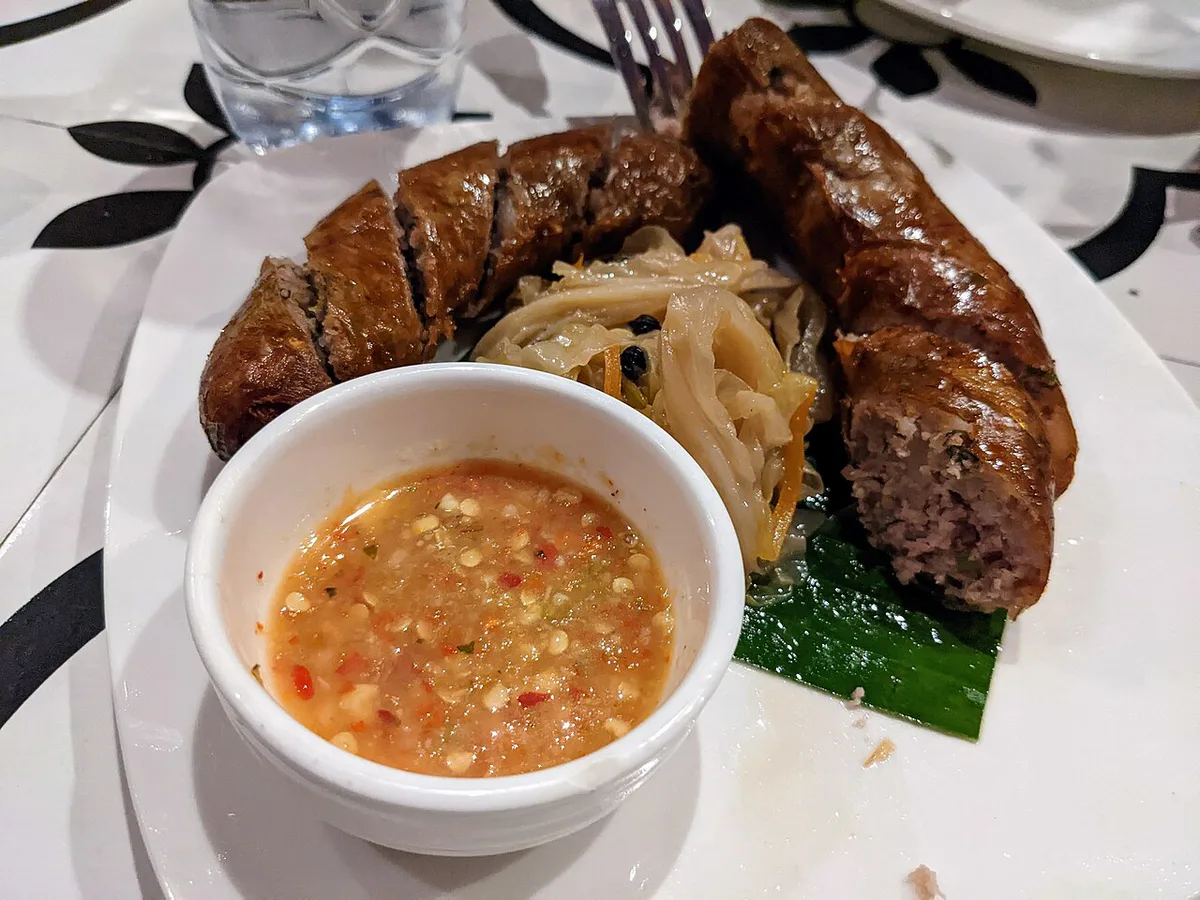
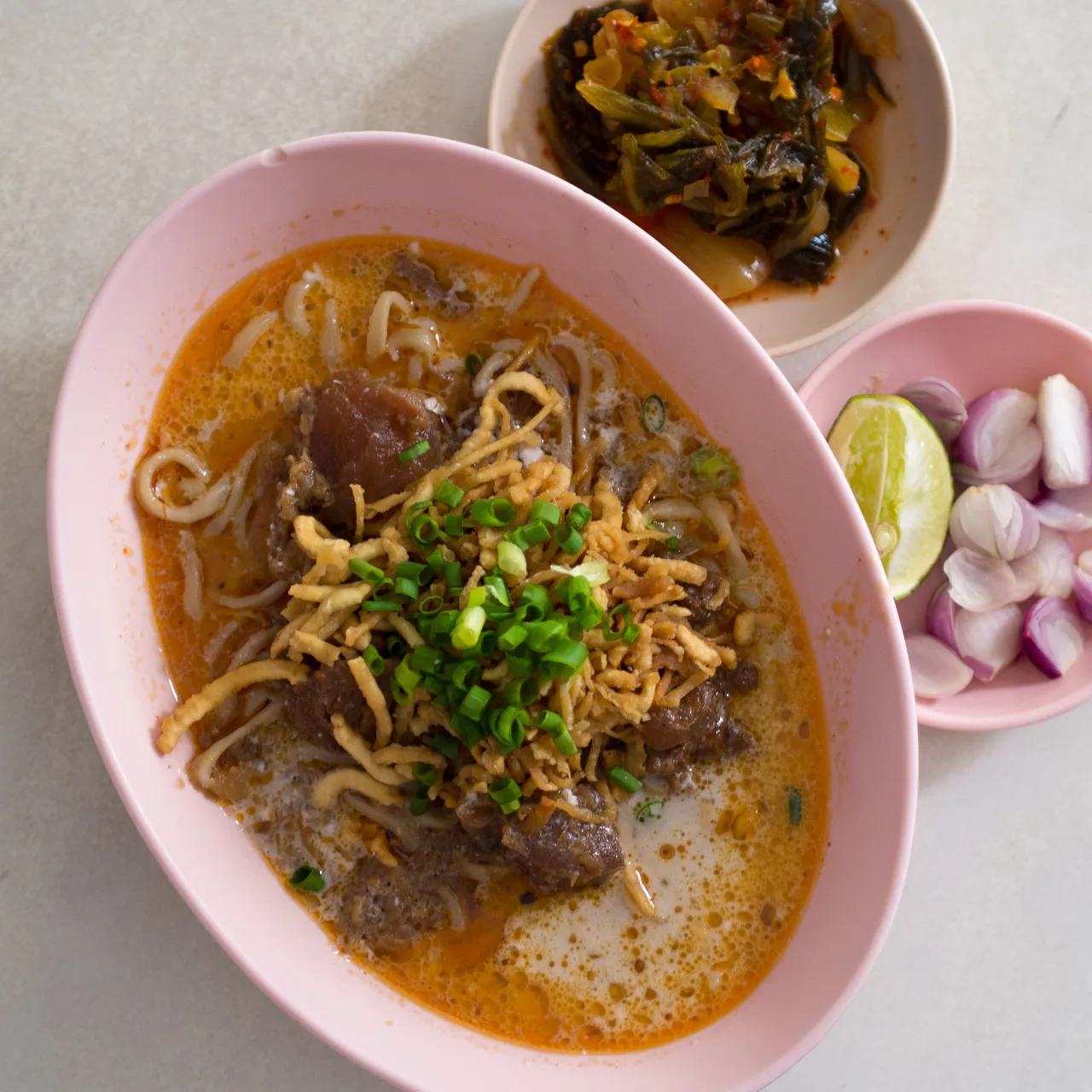
Stops usually build around a few regional dishes. Khao soi is a coconut-curry noodle soup topped with crispy noodles. Sai ua is a herb-packed grilled pork sausage flavored with lemongrass, galangal and kaffir lime. Nam prik ong and Nam prik noom are chili dips served with pork crackling and fresh vegetables. Gaeng hang lay is a Burmese-influenced pork belly curry. Kanom jeen Nam ngiao and Khao kha Moo, braised pork leg on rice, round out many routes. For restaurant names and bowls worth seeking out, see where to eat Khao soi. A wider dish overview lives in our guide to Northern Thai dishes.
Markets and neighborhoods tours usually cover
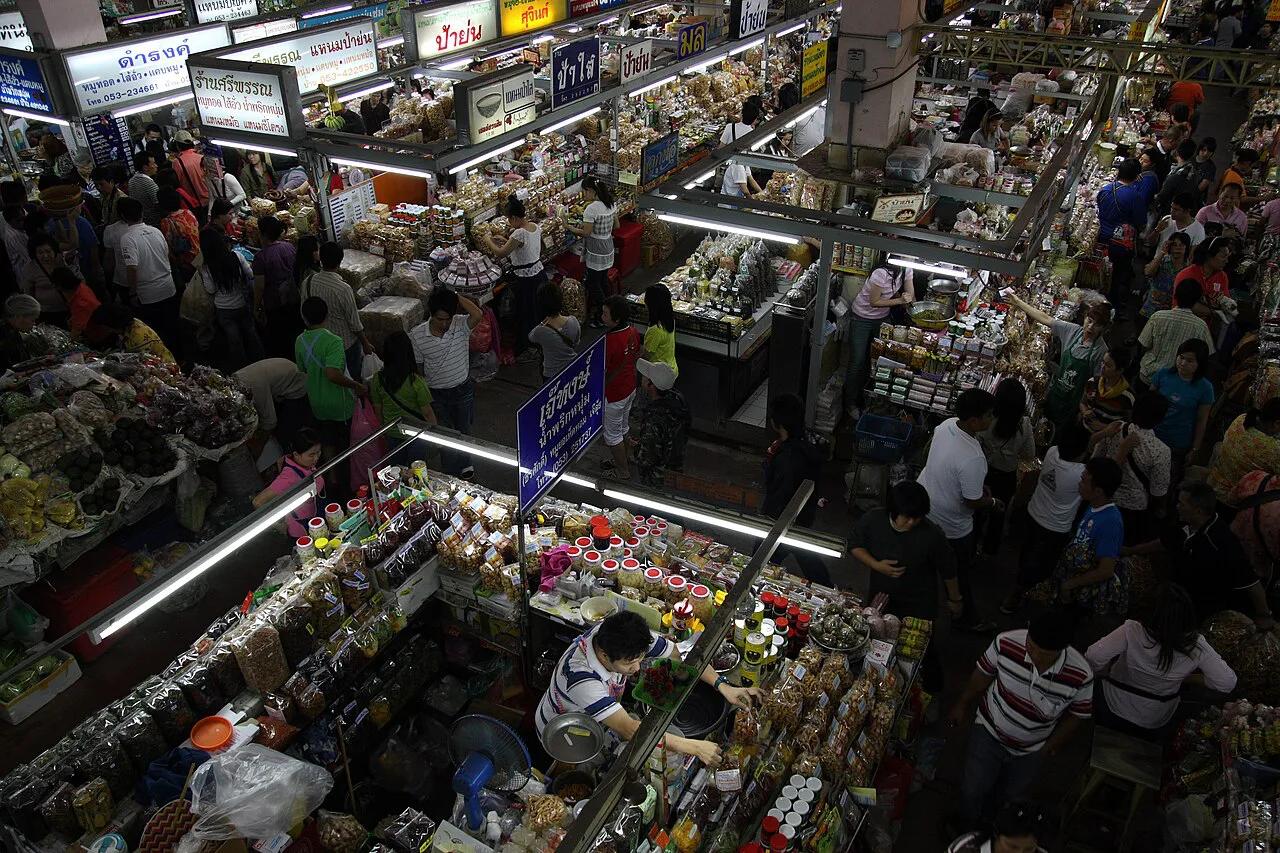
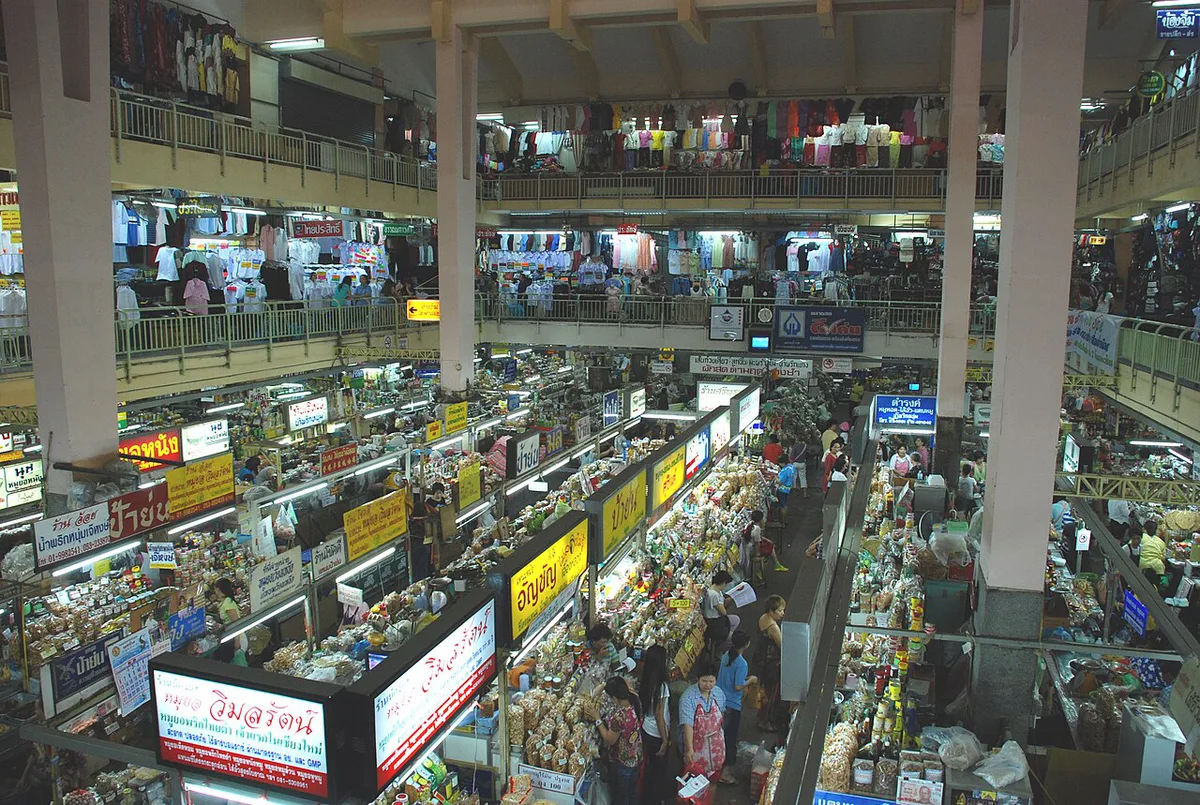
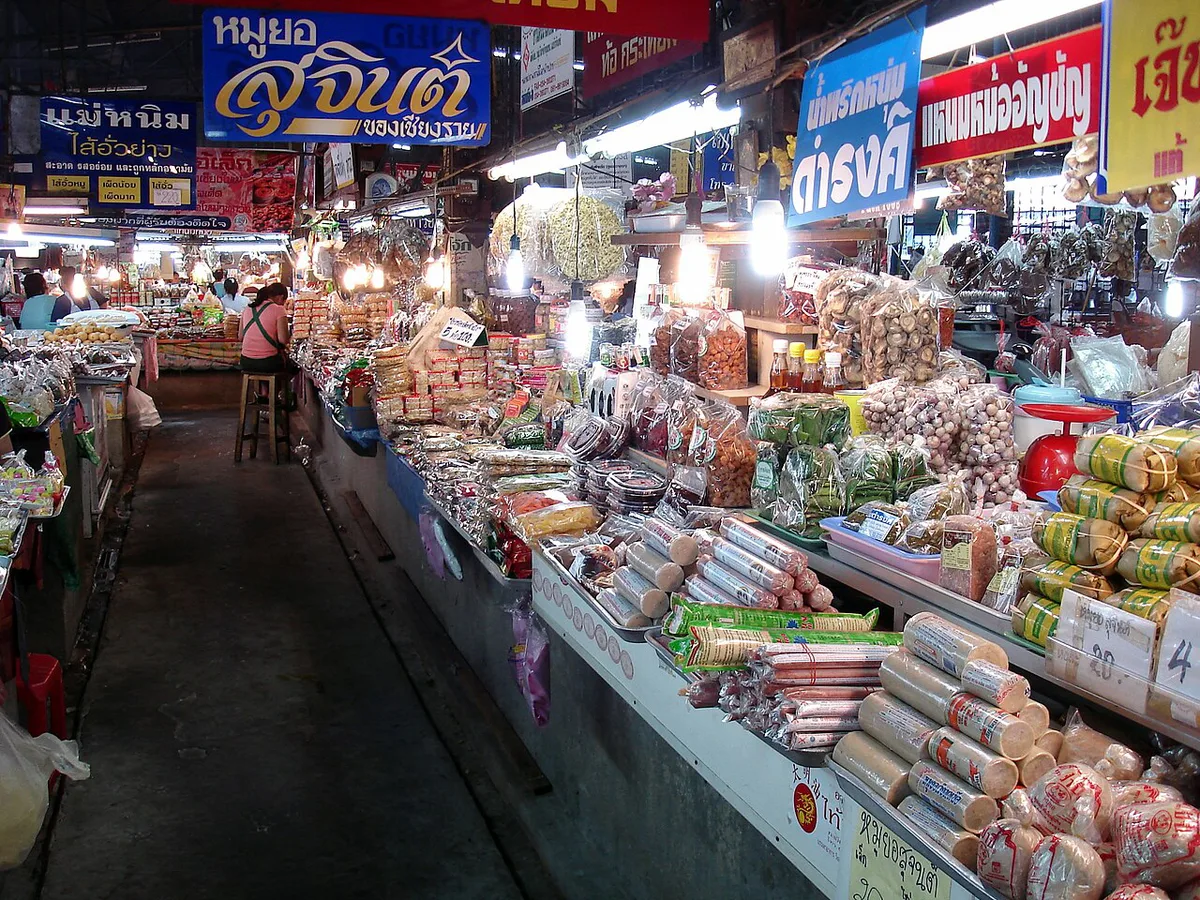
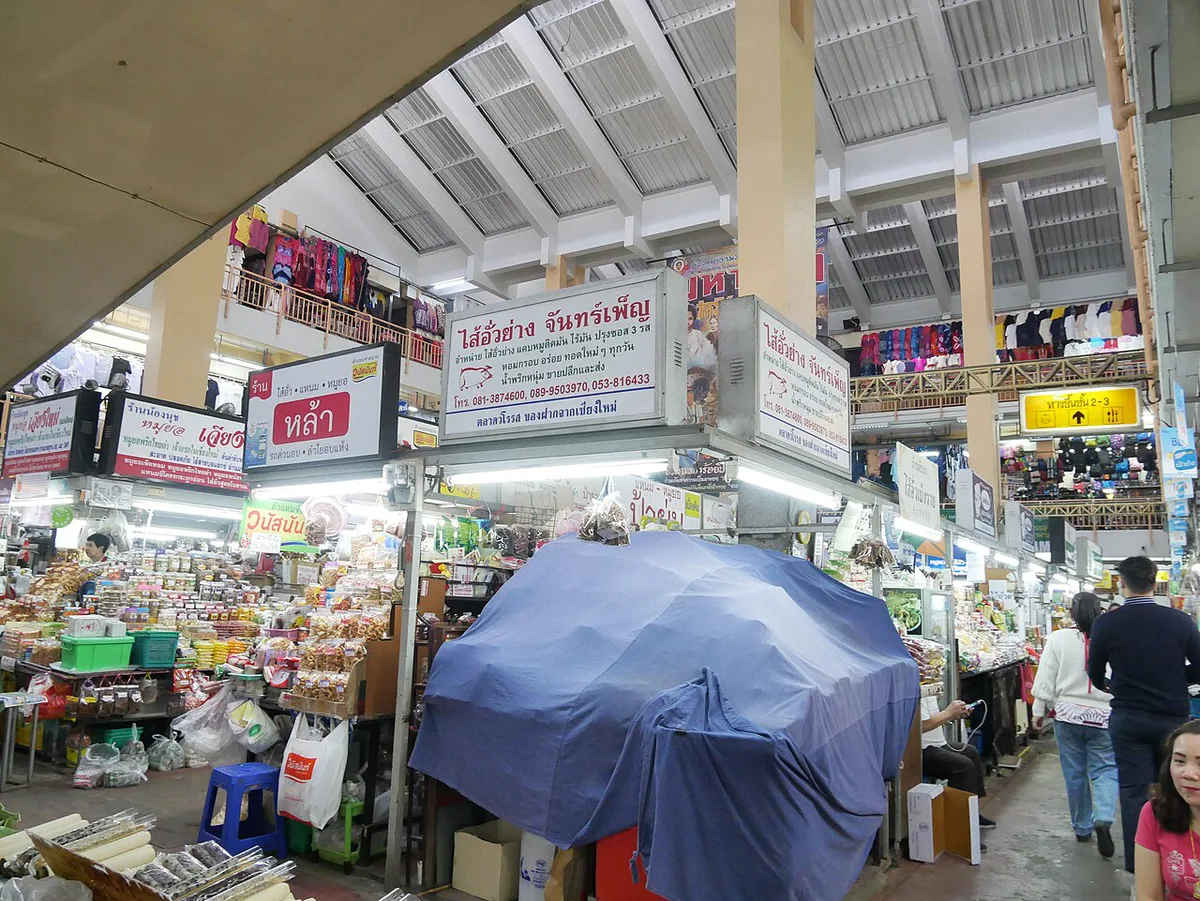
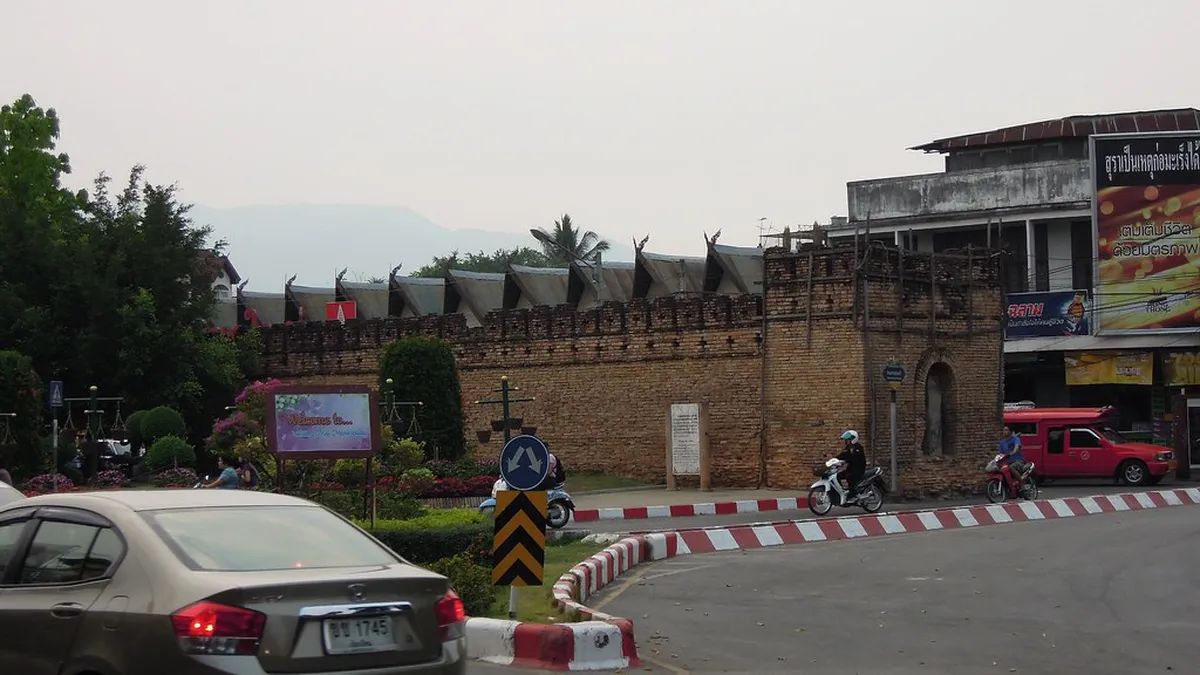
Warorot Market (Kad Luang) is a local hub for curry pastes, spices and grilled Sai ua. It suits snacks such as kanom jeen Nam ngiao. Chang Phuak night market is known for Khao kha Moo. Sunday Walking Street on Tha Pae Road offers skewers, banana roti, mango sticky rice and tea. Markets run on their own days and hours, so confirm opening days before you pick a tour date. Beyond the markets, three districts reward a slower walk. Nimmanhaemin has noodle shops and dessert cafés. Santitham has family-run rice curry and home-style soup shops. Wat Ket has leafy cafés and riverside restaurants in restored houses. A scooter route may also start at Three Kings Monument and end on the Ping River.
Is a food tour a full meal?
Often yes, but it varies by tour. One scooter operator describes its 3-hour afternoon ride as a series of generous dishes that add up to a satisfying meal, and its price includes a local lunch. A 20-dish lunchtime truck tour in one listing aims for variety in small portions. Ask how many stops there are and whether lunch or dinner is included. Skip a big hotel breakfast before a 12:30 PM start. Pace yourself by sharing larger plates and leaving room for the last two stops.
Costs, what is included, and what to ask before booking
Listings usually include tastings, water, and sometimes hotel pickup within town. One scooter operator also includes helmets, insurance, raincoats and a guide, from $92 per adult when checked in November 2026. Children aged 5 and under were listed free, and ages 6 to 12 at a 30% discount. Prices and policies change, so confirm on the booking page before paying. Cheaper options exist at the street-food level, where you pay per plate. Ask these questions before you pay:
- What is included: dishes, drinks, pickup and any entry fees?
- How many guests per group, and in which language is the guide?
- What is the cancellation and bad-weather policy?
- How are dietary needs handled, and can the menu change?
- How many stops are there, and is lunch or dinner part of the price?
Best time of day and season
Morning suits market browsing, when produce and grilled Sai ua are fresh. Lunch is the best slot for sit-down noodle shops. An afternoon ride such as the 12:30 to 3:30 PM option avoids the dawn start but meets midday heat. Evenings are for night markets such as Chang Phuak and, on Sundays, Tha Pae. Hot months are tiring for walking tours, and rainy months can cancel scooter rides. Smoke or haze can affect outdoor eating in some seasons. Check current air-quality readings from an official Thai source and the weather forecast before you book a non-refundable date.
Take the 12:30 to 3:30 PM afternoon ride to dodge a dawn start, but expect midday heat and skip a big hotel breakfast.
Dietary needs, kids and mobility
Northern Thai cooking leans on pork, fermented fish and shrimp pastes, and fish sauce. That affects vegetarians, vegans, halal eaters and anyone with a shellfish allergy. Tell the operator at booking, not on the day. For plant-based eating options, start with our vegan guide. Khao soi has a Muslim-run tradition in Chiang Mai, but confirm halal status with any venue directly. Ask for lower spice if children join. On scooters, the operator above seats children aged 5 and under pillion with a parent. Children 6 and over ride behind the driver. Walking tours suit mixed mobility if distances are short, so ask for the route length.
Food tour vs eating on your own
A tour pays for guidance, ordering help and context. DIY costs less but needs you to know what to order. A one-night market tour that covers at least 8 dishes can teach you to order alone. Then try this half-day route yourself: start at Warorot Market for Sai ua and kanom jeen Nam ngiao, move to Nimmanhaemin or Santitham for lunch noodles, and end at a Wat Ket café. Add Chang Phuak for Khao kha Moo that evening. For sit-down meals that merit a return visit, see our pick of sit-down restaurants worth a return.
Pick a night-market tour with at least 8 dishes, then repeat those stalls on your own on later evenings once you know what to order.
Food tour plus cooking class, coffee or tea add-ons
A 6-hour market-plus-class listing sends you shopping with a chef for a four-course meal. Our market-and-class options compare what each session covers. A tea tour in the Mae Tang area runs about 2 hours in one listing and needs transport out of town. For espresso and dessert stops, browse these coffee stops. Do not stack more than one big eating tour on the same day.
Mistakes to avoid
Most food tour regrets come from timing and disclosure, not the food itself. Avoid these:
- Booking right after a large hotel breakfast.
- Choosing a scooter ride for young children without checking age rules.
- Skipping dietary disclosure until the first stop.
- Visiting a market on a day it is closed.
- Stacking tours back to back.
- Trusting unverified best-of claims over the actual itinerary.
Where to stay and how to get around
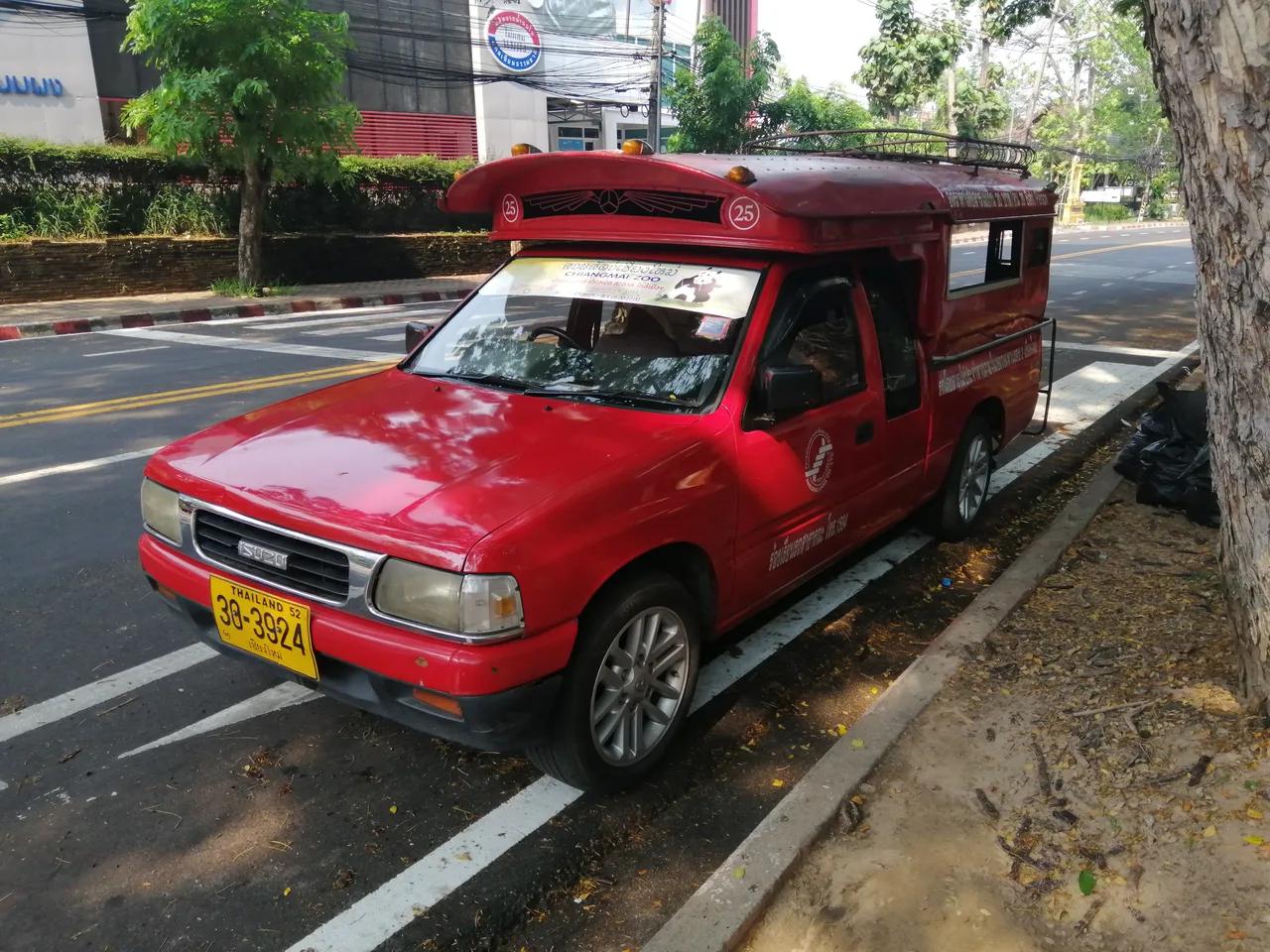
Most start points are in or near the Old City, so staying there keeps walking tours simple. Nimmanhaemin and Santitham work if you plan to eat locally. Songthaew and ride-hailing apps cover most transfers, but fares change, so confirm the price before you board. Many tours include in-town pickup, which removes the question. Once you have done one guided tasting, use the broader food overview to plan your repeat visits.
Choose a Group or Private Food Tour
Choose a small-group tour if you want a lower-cost introduction and do not mind sharing tables. A walking tasting usually lasts about 2 to 4.5 hours, which suits a first evening or a stay of 48 hours or less. Group routes work best when you are flexible about the exact dishes and pace.
Book privately when dietary needs, mobility, children, or a particular neighborhood matter more than meeting other travelers. A private guide can discuss pork-free, vegetarian, vegan, and shellfish-safe choices before the route begins. It also makes sense if a 6-hour market-and-cooking-class day is your main food activity. Ask whether the itinerary can change, how far you will walk, and whether pickup is included. Confirm the final menu before paying rather than assuming every stop can be adapted.
Useful notes for your Thailand trip
Optional updates to our guides.
You might also like
Continue reading
More guides you'll find useful