Chiang Mai History: Timeline and Where to See It
A plain-language timeline of Chiang Mai history, from the Lanna Kingdom to today, with the temples, gates and museums that show it.
On this page
Last updated November 2026: Chiang Mai history starts in 1296, when King Mengrai founded the city as capital of the Lanna Kingdom. Burmese rule followed from 1558, and the city later became part of Siam. Use this guide to match each era to a gate, temple or museum you can visit, with notes on time, access and what to skip.
Featured image: Pixabay user iTenz, CC0, via Wikimedia Commons.
Chiang Mai History in Brief
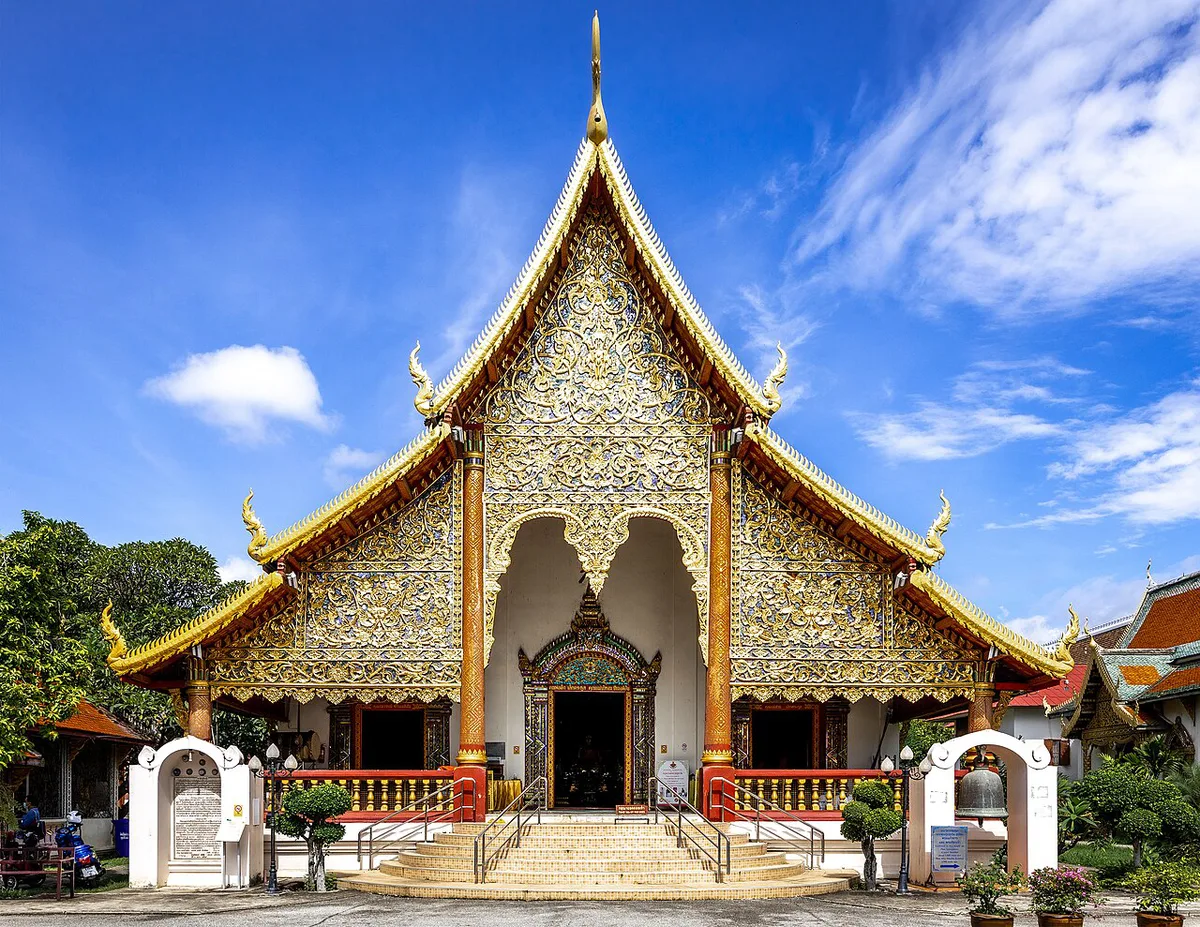
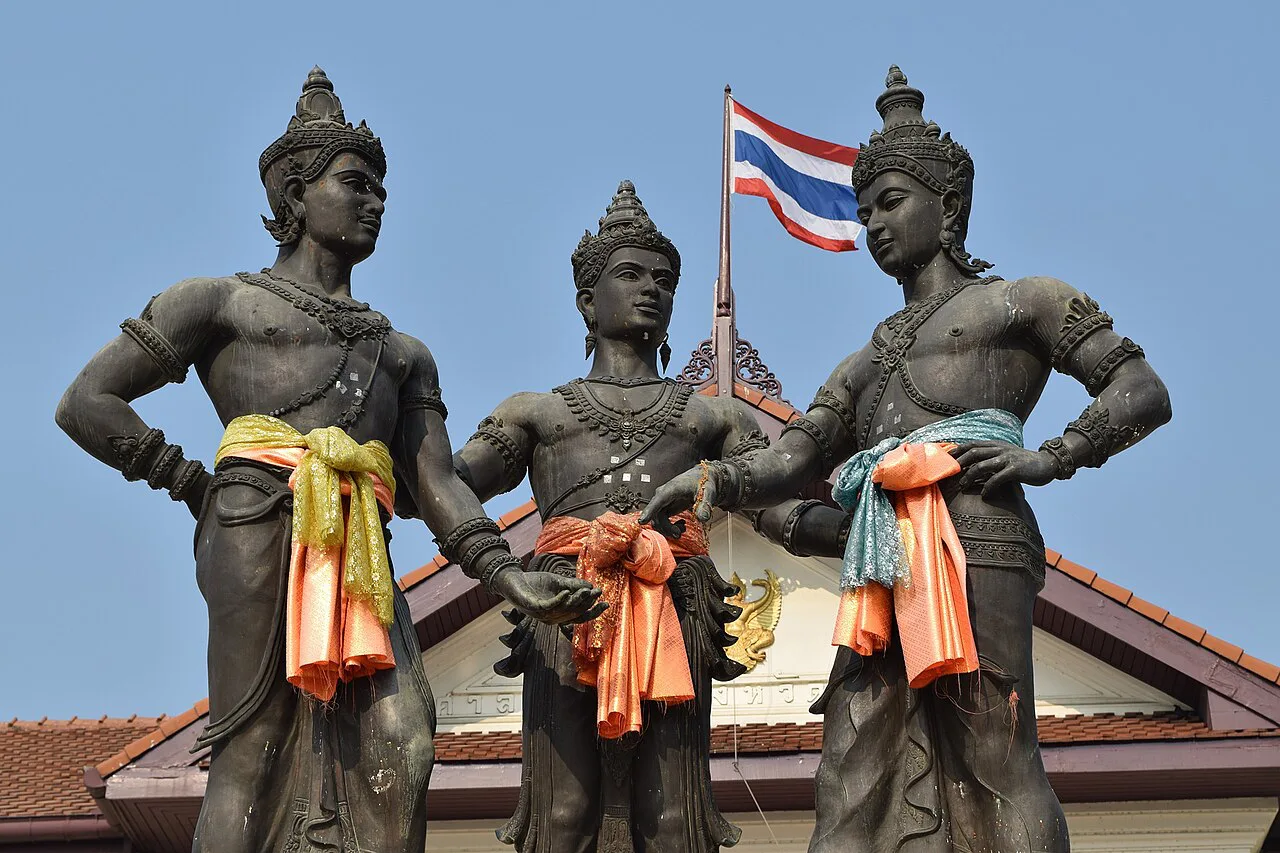
King Mengrai founded Chiang Mai in 1296 as capital of the Lanna Kingdom. Burmese forces took control in 1558. Local rule returned in 1774, and the city then served as a subordinate state of Siam. In 1932 it became a province. Dates sometimes appear in Buddhist Era (BE) form, which runs 543 years ahead of the Common Era. On that count, the Mengrai period reads 1839 to 2101 BE. Match each row below to a place you can visit.
| Era | Dates | What happened | Where to see it |
|---|---|---|---|
| Before the city | Pre-1296 | Lua community and local legends shape the settlement | Chiang Mai Historical Centre, Prapokklao Road |
| Lanna capital | 1296-1558 | Mengrai founds a walled city and Buddhism spreads | Tha Phae Gate, Wat Chiang Man, Wat Chedi Luang |
| Burmese rule | 1558-1774 | Burmese influence reaches architecture, language and food | Wat Chiang Man and northern Thai menus |
| Liberation and Siamese vassal | 1774-1932 | City is rehabilitated; railway and modern transport arrive | Chiang Mai Historical Centre exhibits |
| Province | 1932-present | Subordinate-state system ends; Chiang Mai becomes a province | Chiang Mai Cultural Centre |
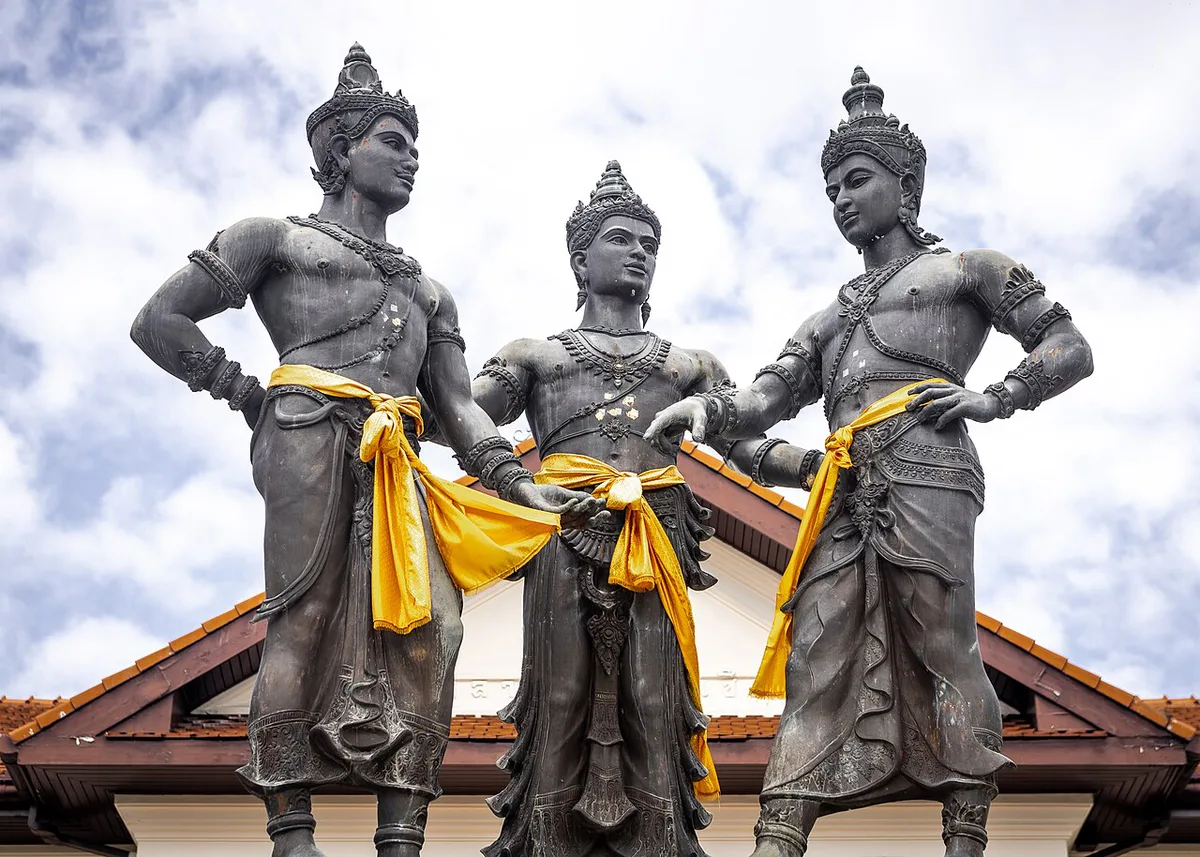
Founding of Chiang Mai and the Lanna Kingdom (1296-1558)
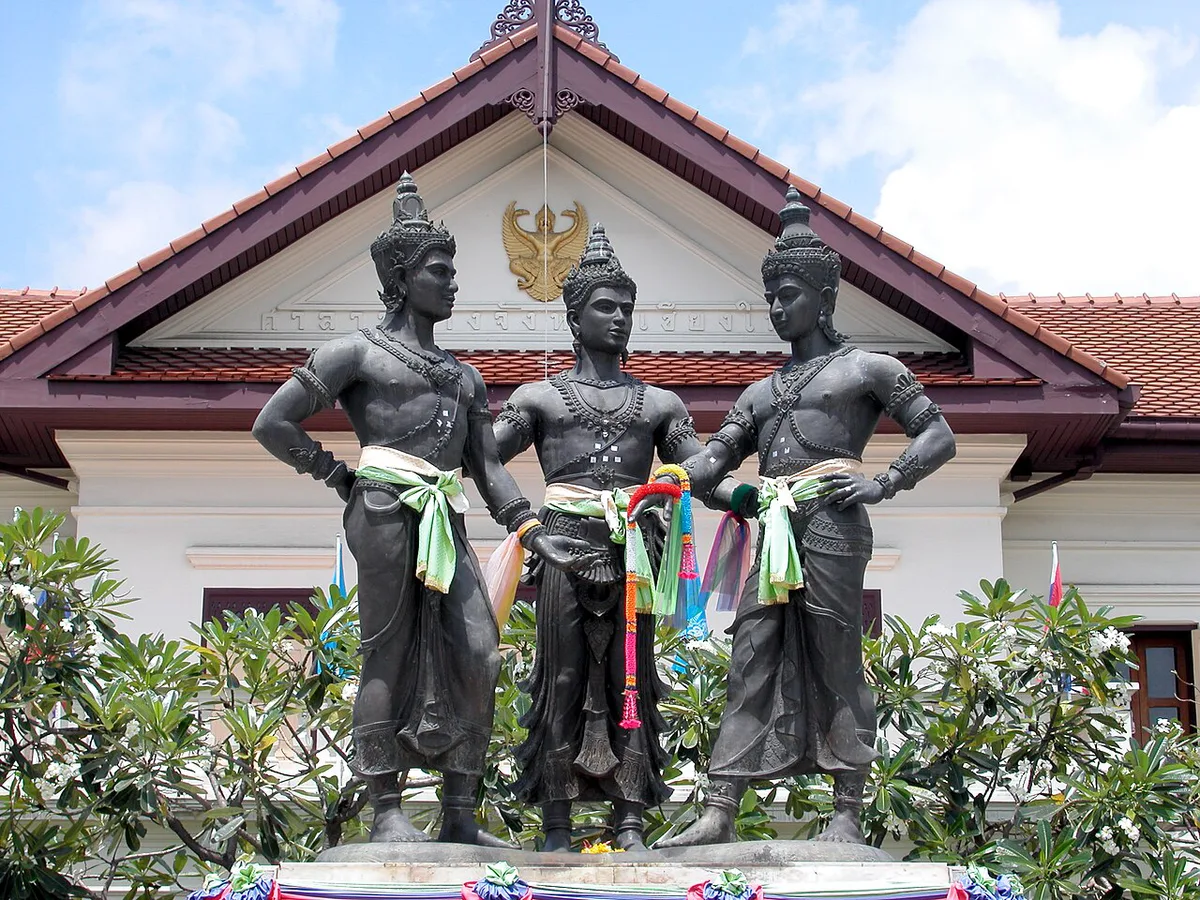
Mengrai chose a site with two natural anchors. Doi Suthep looms over the city to the west, and the Ping River flows nearby. Lan Na, often translated as the Country of a Million Rice Fields, grew rich on trade. Goods moved south along the Ping toward Ayutthaya. Mengrai's city was laid out as a square citadel inside a moat. Chiang Mai marked its 700th anniversary in 1996. Museum displays on this era cover Mengrai's laws, Buddhism, the Lanna alphabet and trade routes, as described by the City Heritage Centre. For the river side of the story, see the Ping riverside neighborhood.
Burmese Rule and Liberation (1558-1774)
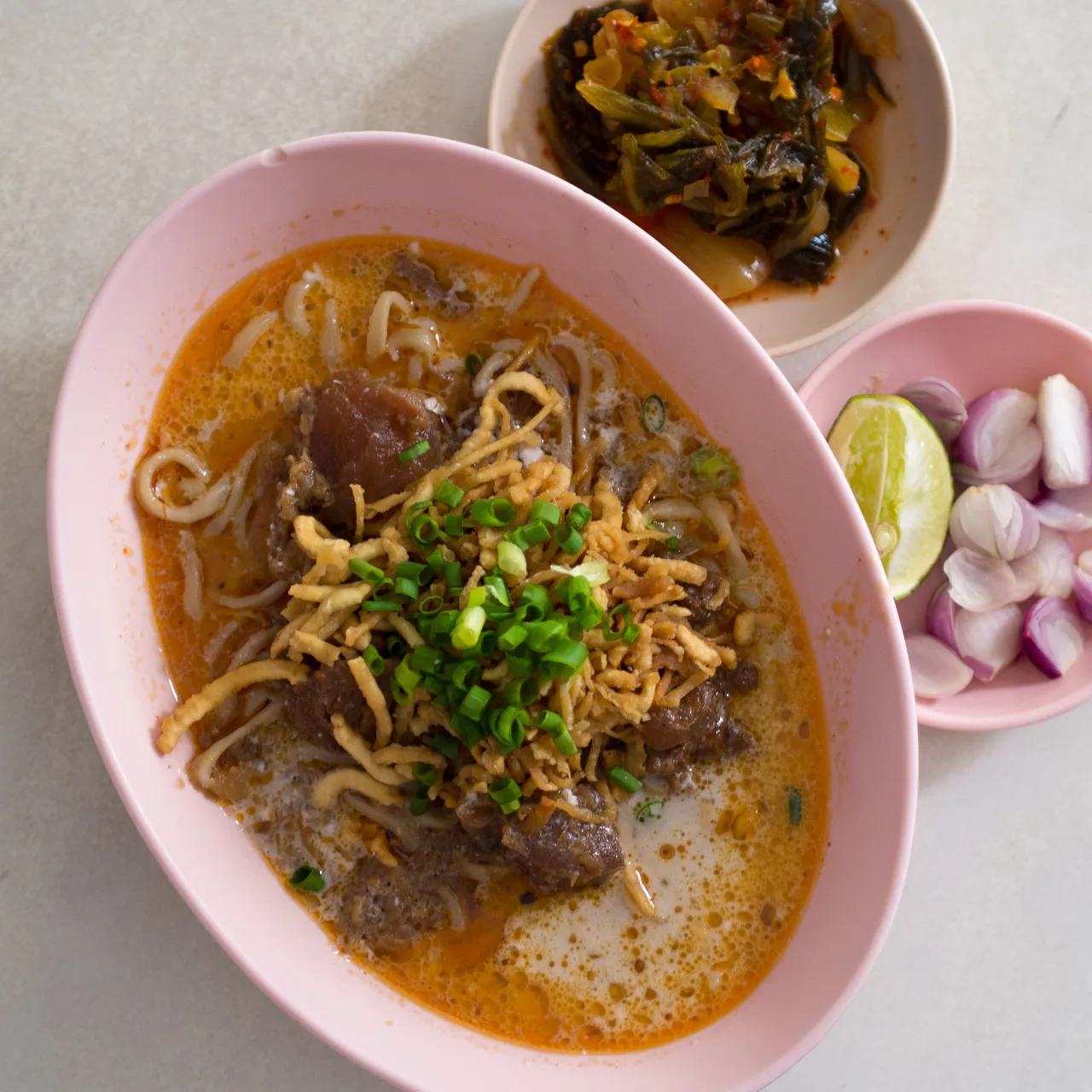
Bayinnaung's forces entered Chiang Mai in 1558. Burmese control then lasted more than two centuries, until 1774. Rule from Burma left marks you can still see and taste. Architecture, language, cuisine and clothing all absorbed outside influence. Northern Thai menus still carry Burmese-style curries. Wat Chiang Man shows the blend in its mix of Lanna and Burmese building elements. Liberation in 1774 opened the next chapter.
From Siamese Vassal to Province (1774-present)
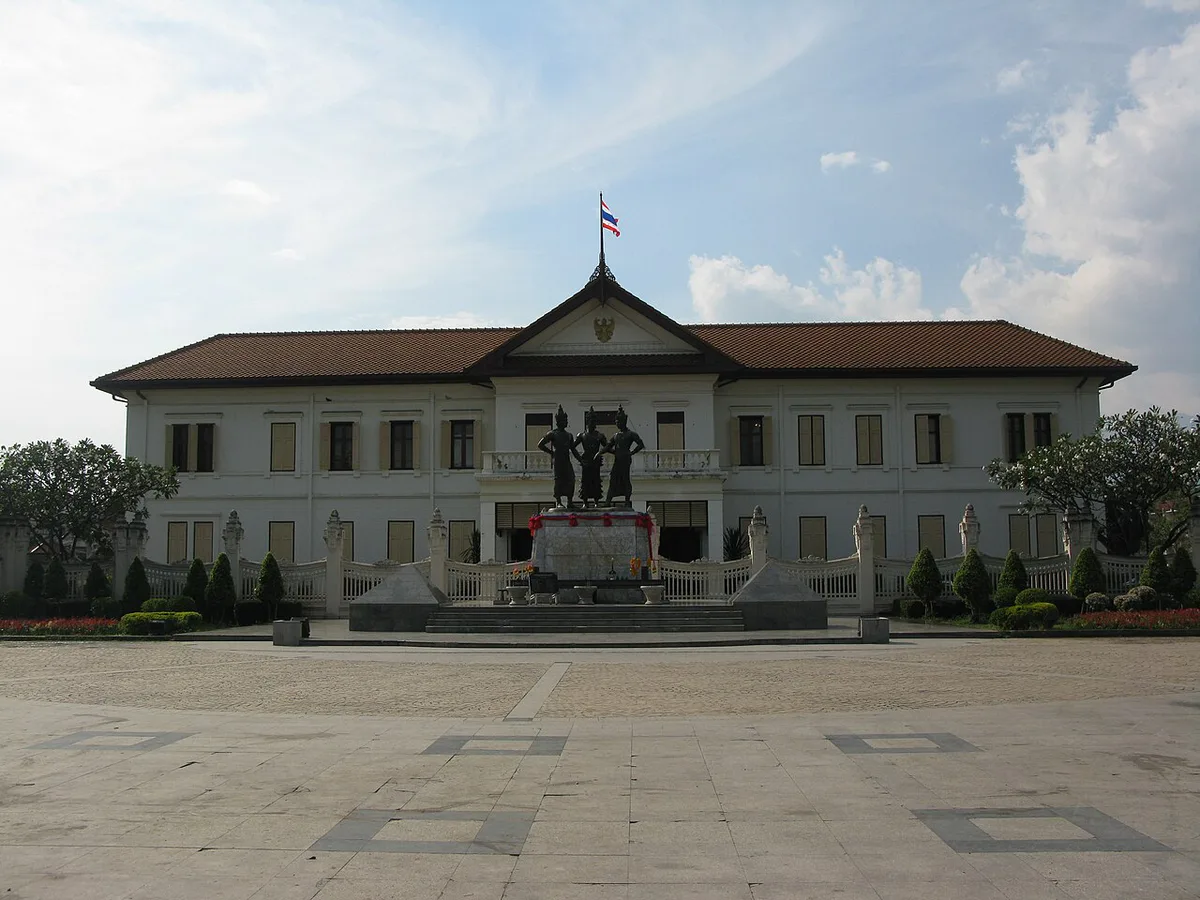
After 1774, rulers used local manpower to rehabilitate the city. Chiang Mai became a subordinate state of the Siamese kingdom. Railway construction and other modern transport arrived during this phase. Administrative reform in Bangkok later ended the subordinate-state system. In 1932 Chiang Mai became a province within the Kingdom of Siam. Exhibits at the Chiang Mai Historical Centre walk through each step.
Where to See Chiang Mai History
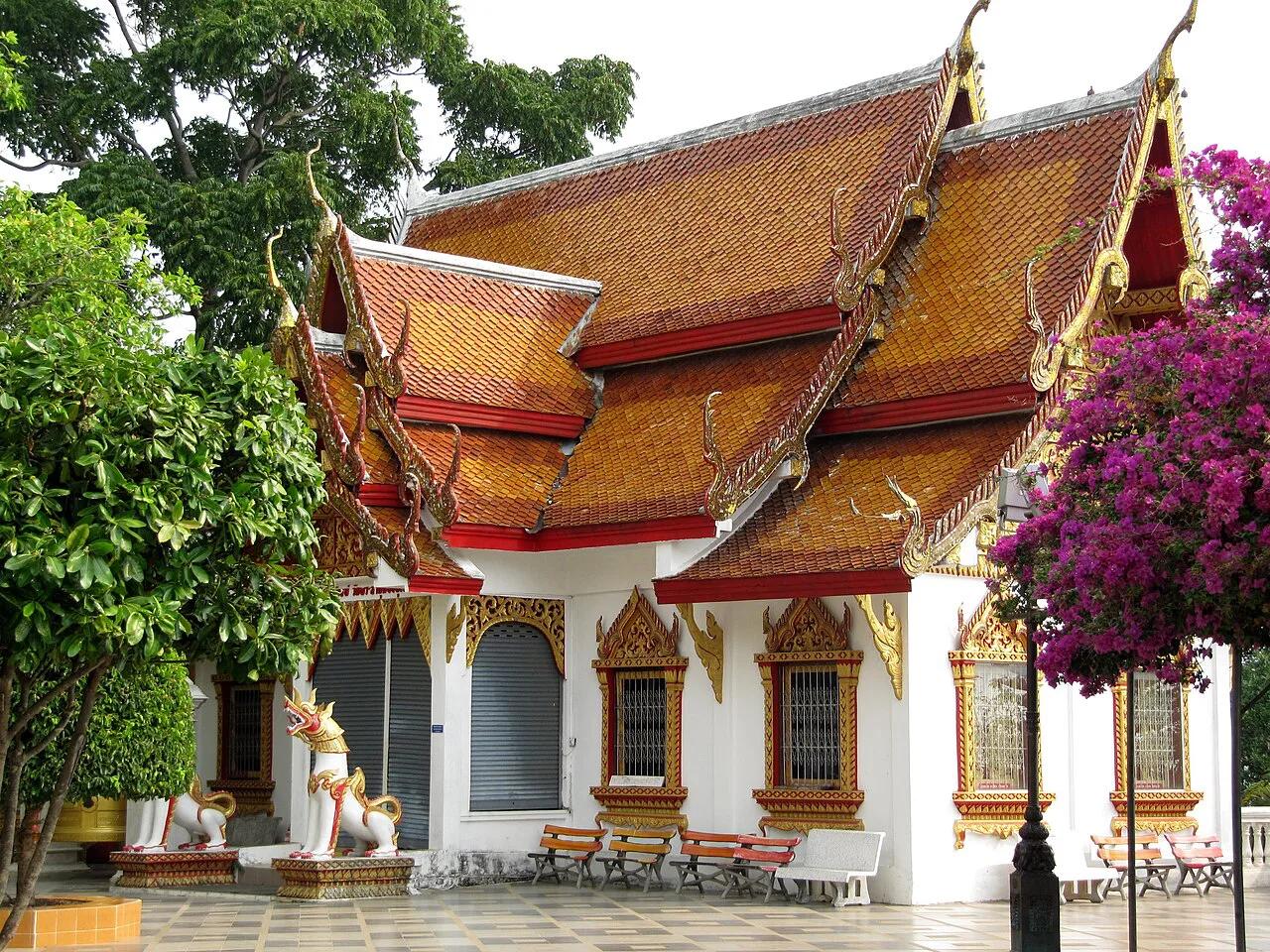
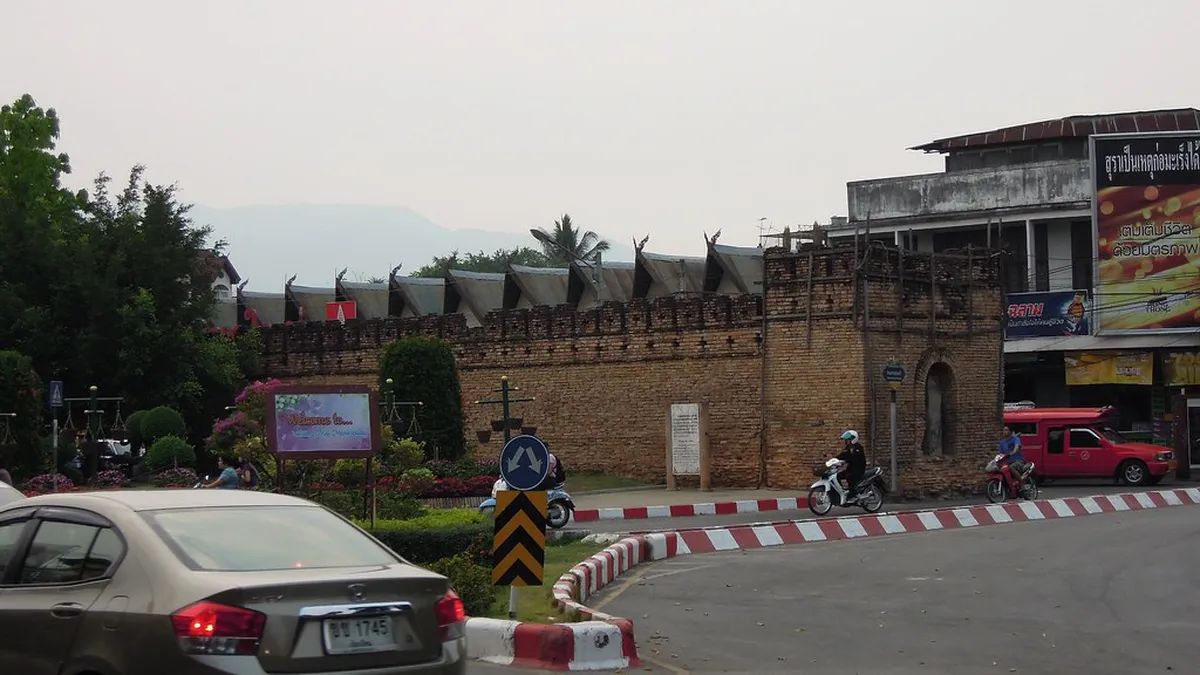
Start with an old-city loop on foot. Tha Phae Gate and its square make the easiest starting point. Walls and gates here have been rebuilt and restored over the years. Published figures for gate age, height and count conflict, so this guide leaves them out. Wat Chiang Man and Wat Chedi Luang sit along the route through the walled old city. Wat Phra That Doi Suthep lies about 11 km outside the centre. According to tradition, King Keu Naone founded it in 1383 to enshrine a relic believed to be a Buddha shoulder bone. Its staircase has 306 steps.
- Tha Phae Gate and city walls: Lanna-era city, rebuilt in later centuries. Walk past at street level. Tha Phae Walking Street runs on Sundays, so expect crowds. Suits first-timers.
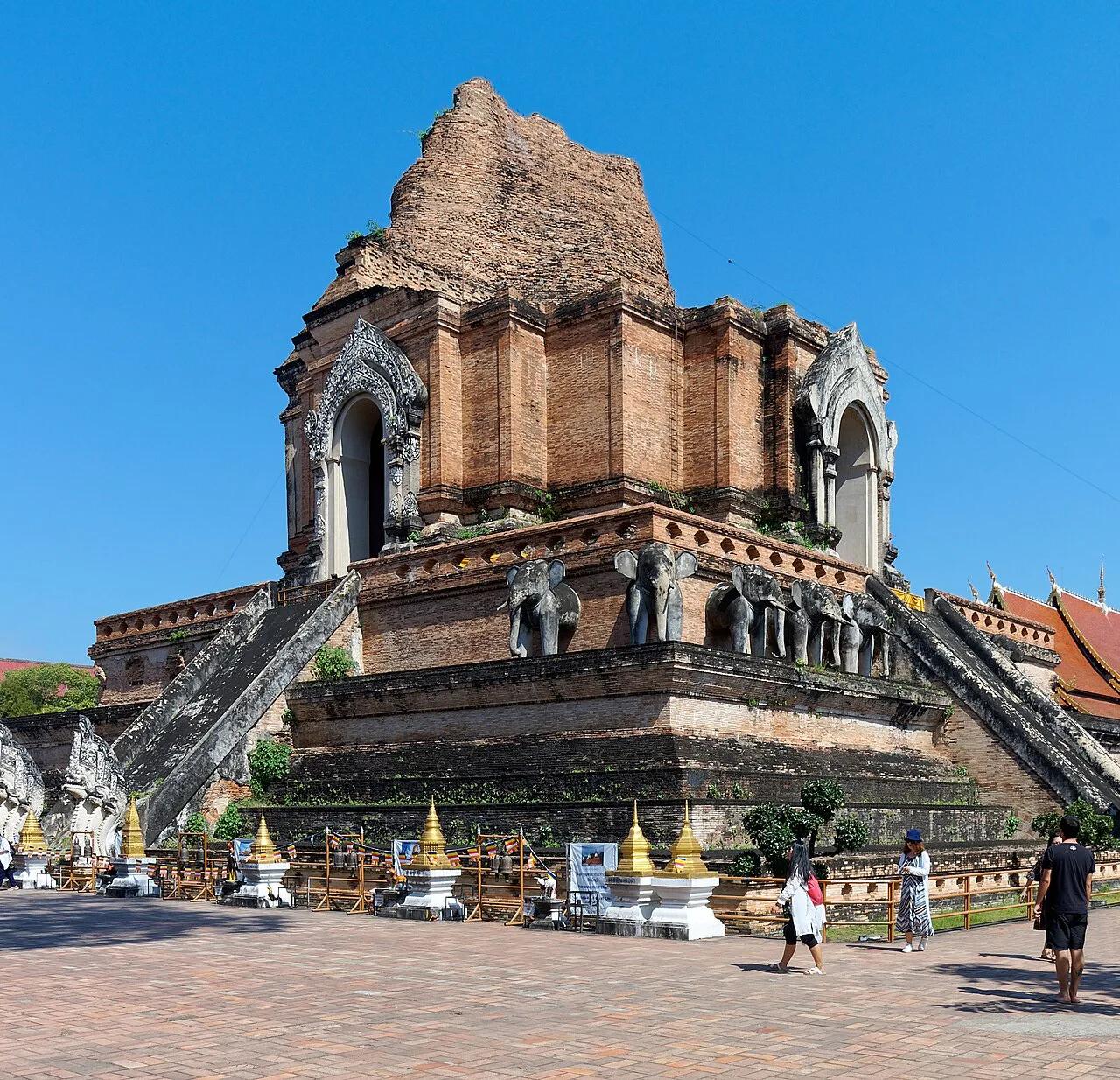
- Wat Chiang Man: tradition ties the site to Mengrai's founding in 1296. Look for Chedi Chang Lom and its elephant buttresses. It is inside the old city, so it is a short stop between other temples. Check for any entry charge.
- Wat Chedi Luang: a large chedi that is still an active place of worship. Accounts say the Emerald Buddha was housed here from 1468, and that an earthquake damaged the chedi in 1568. For monument details, see the Fine Arts Department.
- Wat Phra That Doi Suthep: Lanna-era tradition, a 306-step staircase flanked by naga statues, and a panoramic view. Allow a half day with transport. Suits visitors who can manage steps in heat. Check entry fees and access options with the temple.
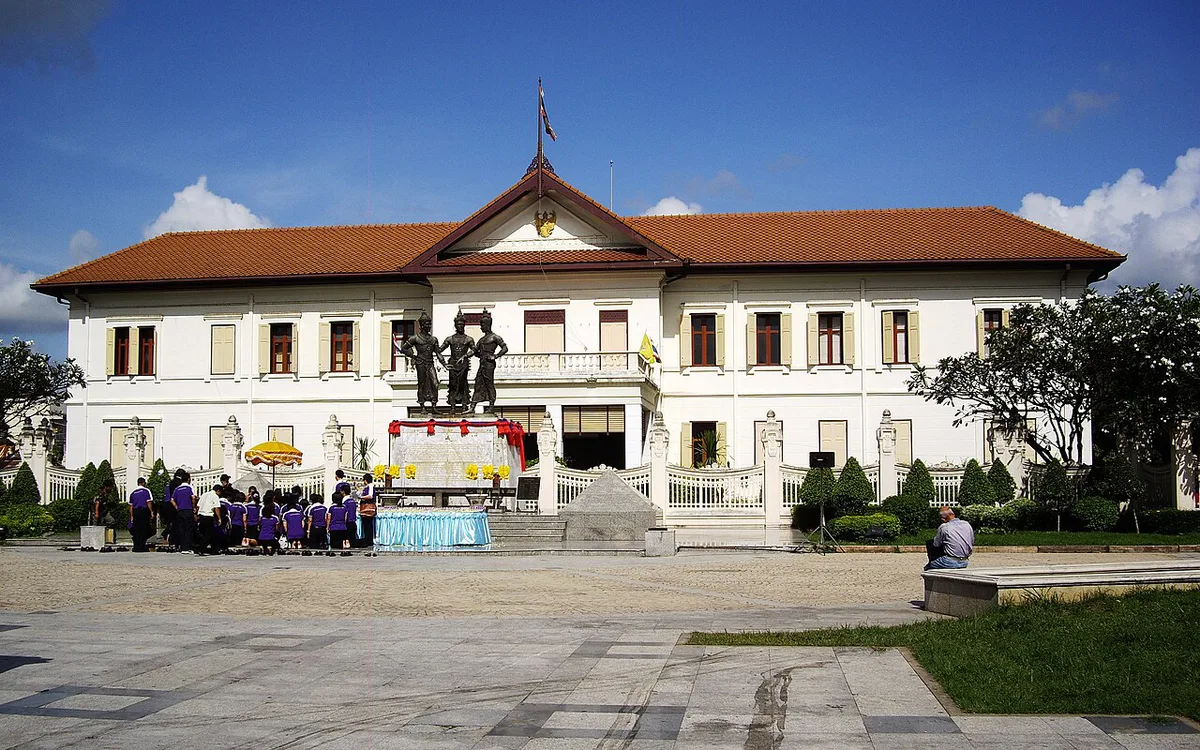
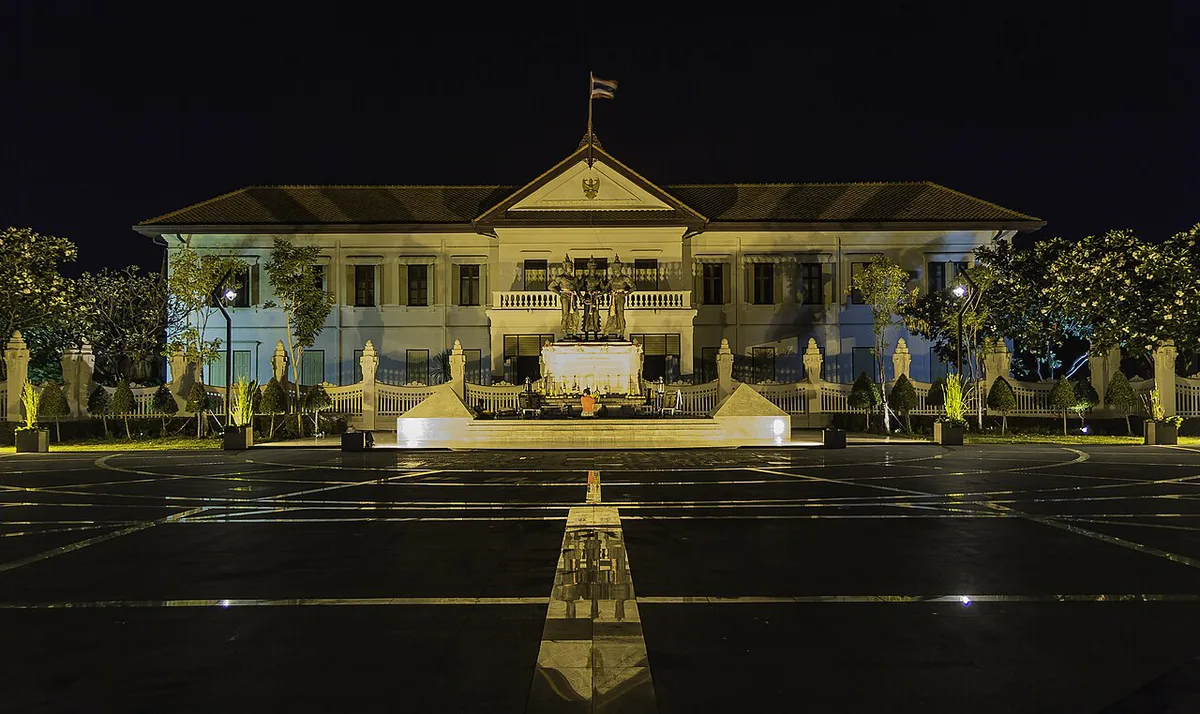
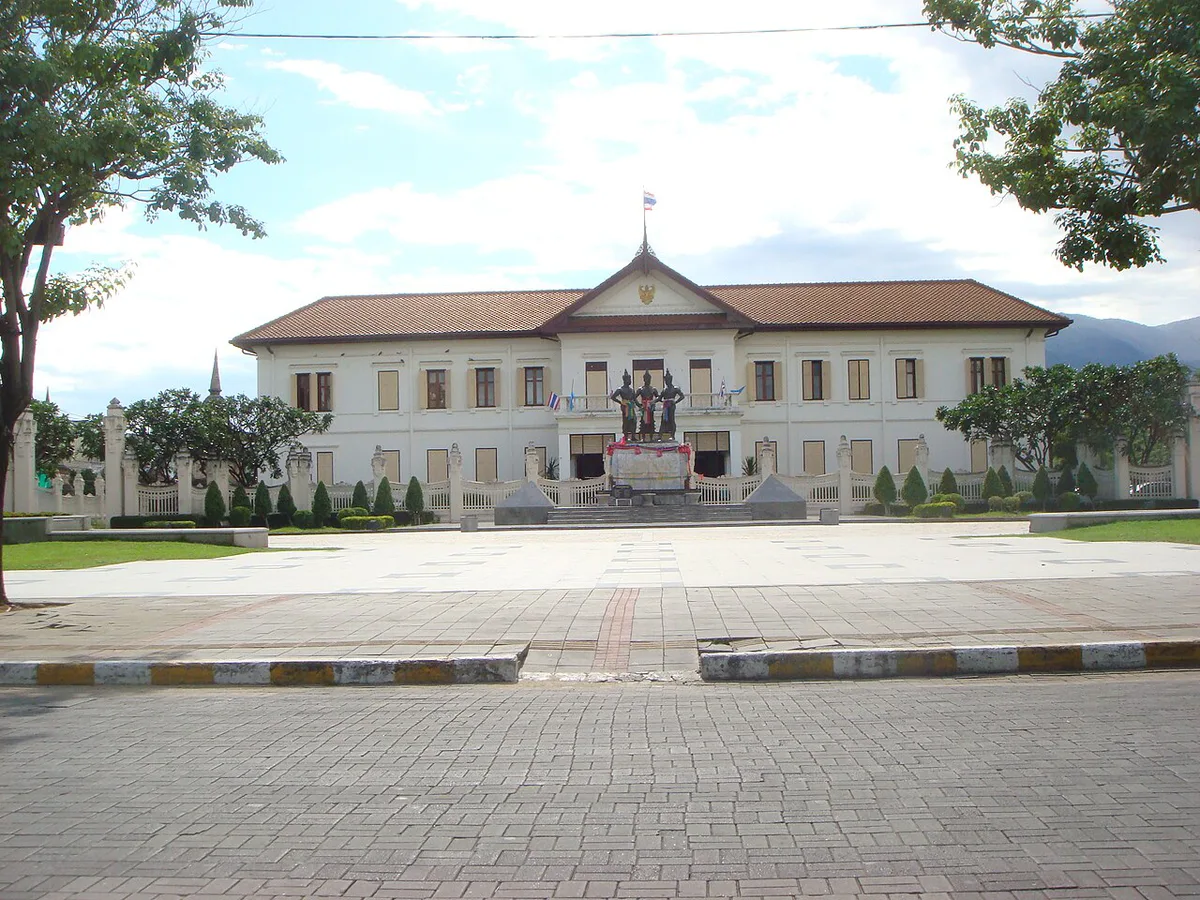
- Three museums on Prapokklao Road: the Historical Centre, the Cultural Centre and the Lanna Folklife museum. Hours and fees are on the City Heritage Centre site. The Historical Centre was listed as closed for partial renovation. Confirm before you go.
- Off-path options: Wat Pha Lat's Monk's Trail takes about 45 to 60 minutes up. Tham Chiang Dao is a cave and temple day trip. Wat Si Suphan dates to the 16th century and took its current silver form in 2016.
Sample Itineraries: Half Day, One Day, Two Days

Short on time? Pick the gate, Wat Chedi Luang and one museum. Skip the Historical Centre if renovation still limits the exhibits. Tham Chiang Dao is about 72 km away, roughly 1.5 hours each way. Continuing from Wat Pha Lat to Doi Suthep on foot is at least a 5-hour round trip. Shade and water matter on both. Start the loop from the old city streets on any plan. After the history, evenings suit Nimman's cafe streets for a modern contrast. Quieter stays include evenings around Wualai Road.
Listed as an off-path option, it makes for a long round trip. Tham Chiang Dao is about 72 km away, roughly 1.5 hours each way.
| Plan | Route | Getting around | Best for |
|---|---|---|---|
| Half day | Tha Phae Gate, Wat Chiang Man, Wat Chedi Luang | Walking | First-timers, short on time |
| One day | Old-city loop, one Prapokklao Road museum, then Doi Suthep (11 km) | Walking plus songthaew or ride-hailing | History fans |
| Two days | Day one: loop and all three museums. Day two: Tham Chiang Dao (72 km) or Wat Pha Lat | Bus, ride or hike | Repeat visitors, hikers |
Costs, Opening Hours and Getting Around
Museum fees and days are not settled in public listings. The City Heritage Centre page shows no admission figure for the Historical Centre. Confirm days, hours and fees on cmocity.com before you go. Reported local transport costs are below. Fares change, so confirm them on board.
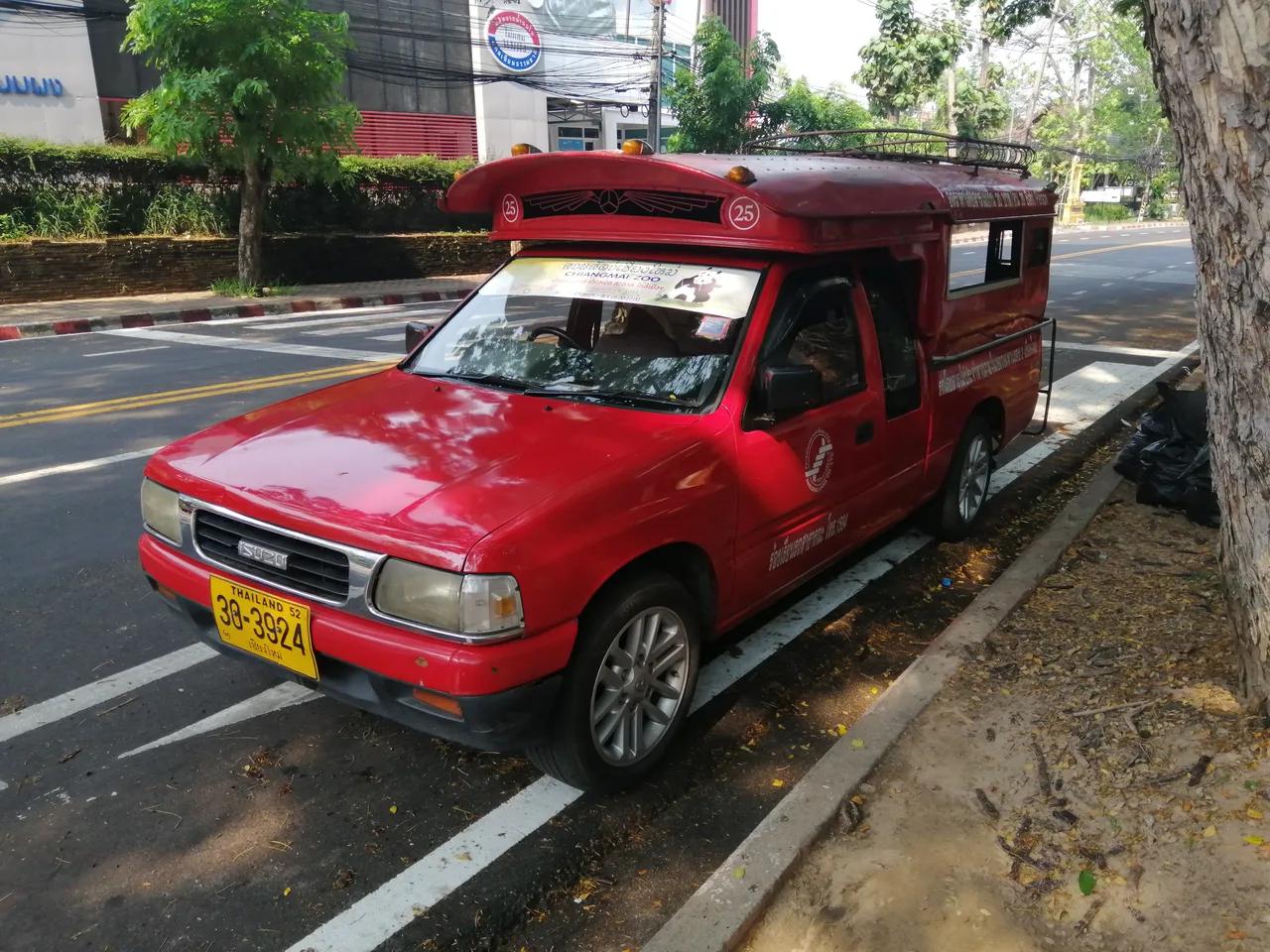
- Red songthaew: about ฿30 for a short ride
- Chiang Mai Smart Bus: ฿15 to ฿30 per trip
- Bus to Chiang Dao from Chang Phuek terminal: about ฿45, running 6 AM to 6 PM
- Motorbike rental: about ฿250 per day
Best Time to Visit for History and Culture
November to February is the cool season, with daytime highs around 25°C. That suits the old-city loop and the Doi Suthep steps. April turns hot. Songkran runs April 13 to 15, with temple rituals such as bathing Buddha images. Loi Krathong usually falls in November, when people launch small offerings on rivers and ponds. Both festivals are tied to temple traditions. Dates shift, so check Tourism Authority of Thailand listings.
Mistakes to Avoid
Most planning errors come down to timing and assumptions.
Songkran runs April 13 to 15, which falls in the hot season when midday climbs are a mistake.
- Assuming every museum opens daily. Check days first.
- Climbing Doi Suthep at midday in hot season.
- Treating legend dates, such as the 1383 founding story, as documented fact.
- Buying Buddha statues as souvenirs. Many Thai people consider this disrespectful.
- Dressing casually at active temples. Cover shoulders and knees as a safe default.
Frequently Asked Questions
What is unique about Chiang Mai?
Chiang Mai was the capital of the Lanna Kingdom from 1296. Its walled old city, moat and temples keep that history visible. Lanna culture also shapes its crafts and northern food.
Useful notes for your Thailand trip
Optional updates to our guides.
You might also like
Continue reading
More guides you'll find useful