Free Things To Do in Chiang Mai: What's Actually Free
Temples, markets, monk chats and waterfalls you can enjoy without paying for entry, plus the hidden costs and getting-there tips most lists skip.
On this page
Last updated November 2026. Free things to do in Chiang Mai include most old-city temples, weekend walking streets, park workouts and a few waterfalls. We keep a strict line between free, nearly free (small fees of ฿5 to ฿90) and not free, so you can plan a day without surprises. For the full city picture, start with our Chiang Mai things-to-do guide.
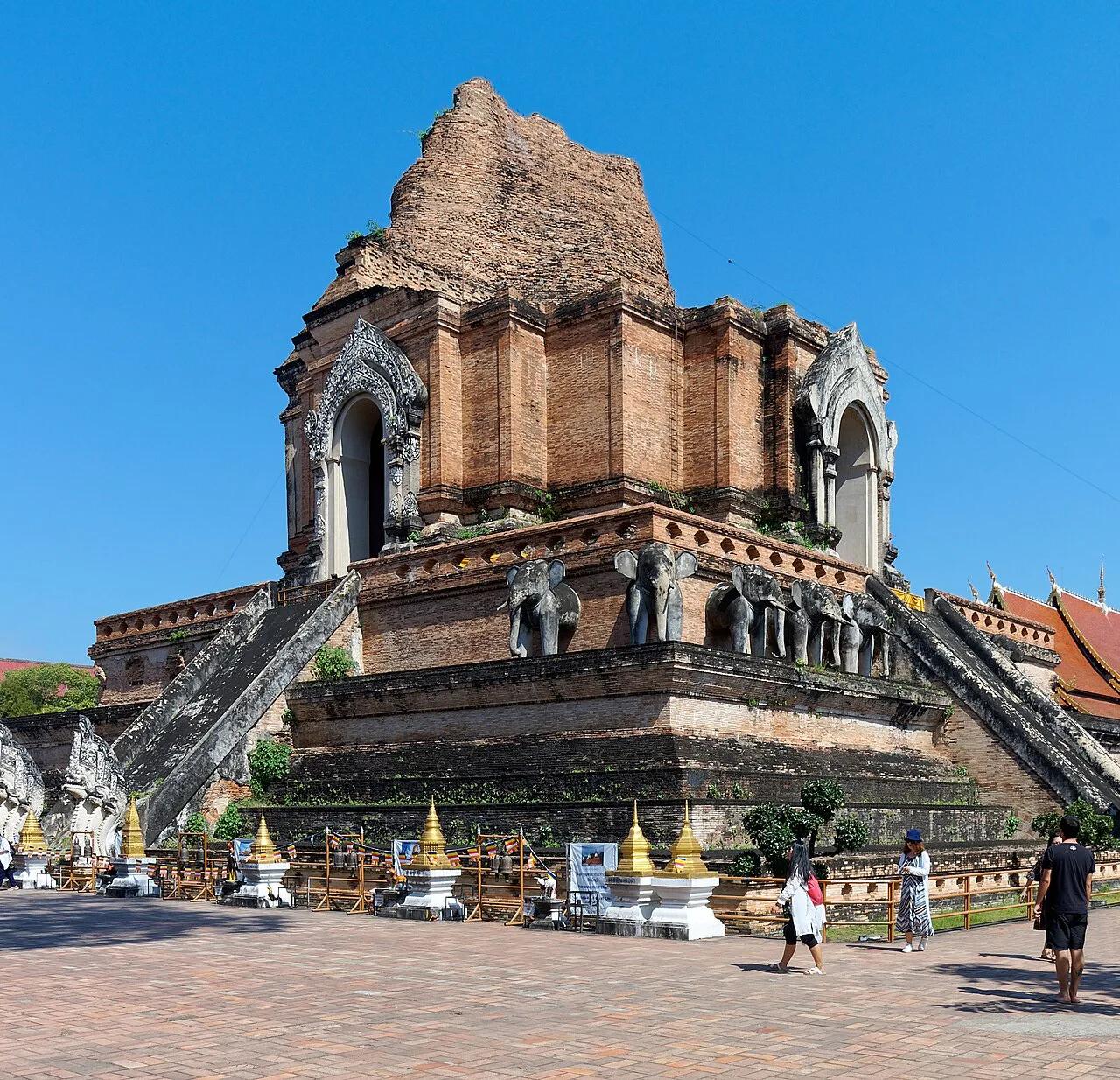
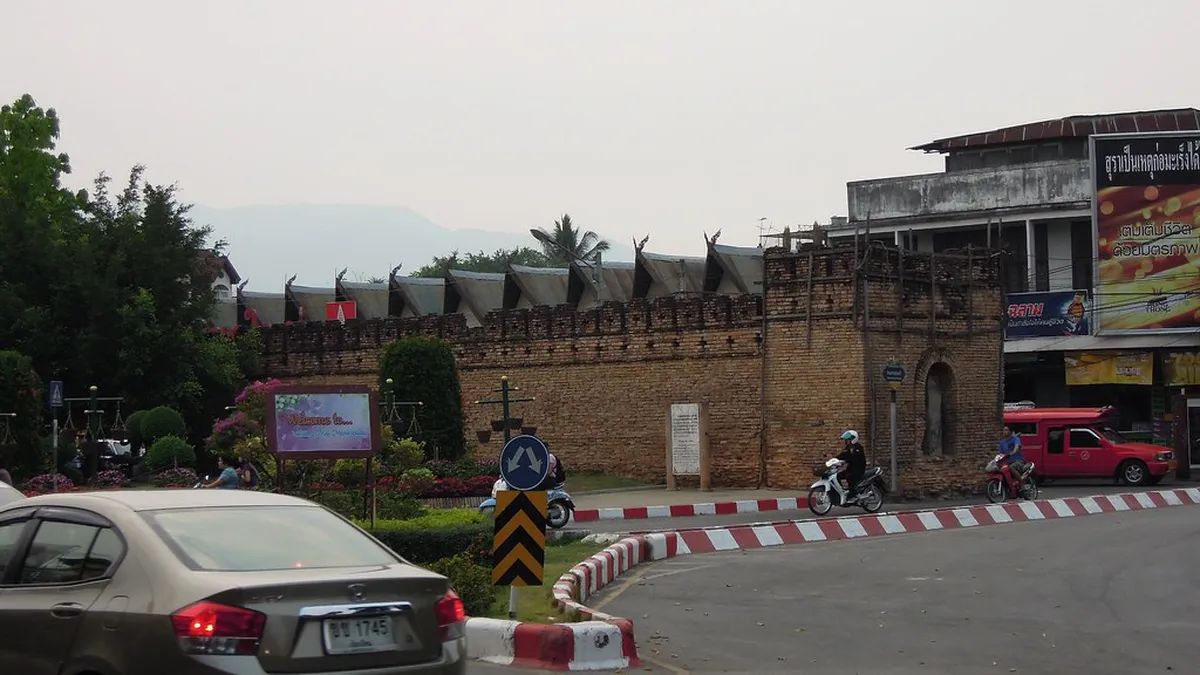
Featured image: Jakub Hałun, CC BY-SA 4.0, via Wikimedia Commons.
Quick answer: what is actually free in Chiang Mai
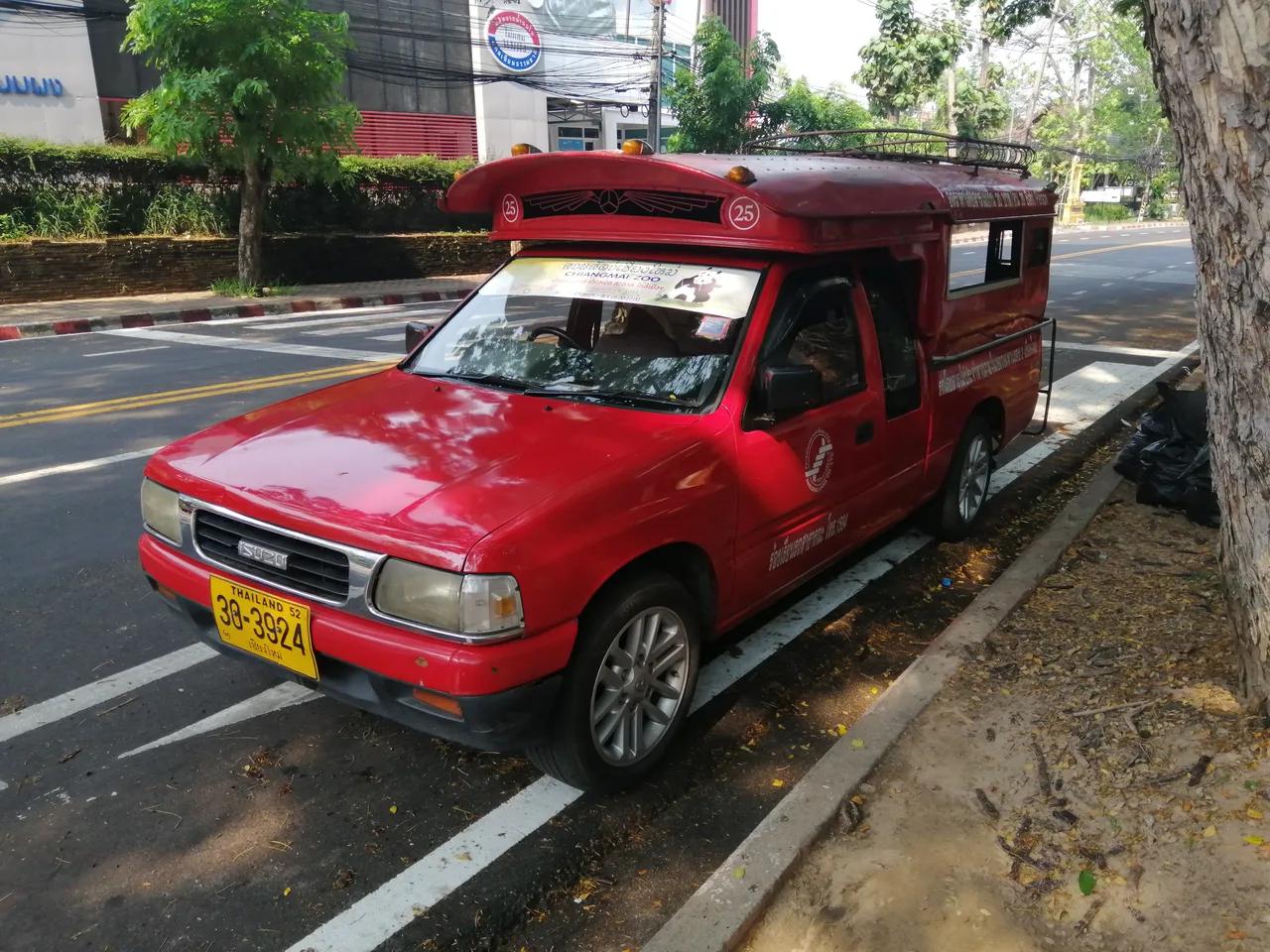
Free means no entry charge and no required purchase. Nearly free means a small fee, usually ฿5 to ฿90. Not free means a ticket, a tour or a long paid transfer. Our free list is old-city temples, Walking Street browsing, Warorot Market, Buak Hard park, Huay Kaew Waterfall and festival crowds. Free entry does not always mean a free day, because several of the best spots need a songthaew, a Grab or your own wheels.
| Item | Cost tier | Time needed | Getting there | Best time |
|---|---|---|---|---|
| Old-city temples | Free or about ฿20-฿40 | 1-2 hours for two temples | Walk | Early morning |
| Monk chat | Free (one site needs temple entry) | 1 hour | Wat Suan Dok, Wat Chedi Luang, Wat Srisuphan | Weekday |
| Walking Street | Free to browse | 2 hours | Walk | Saturday or Sunday evening |
| Warorot and flower market | Free to browse | 1 hour | Walk or songthaew | Morning |
| Buak Hard park | Free; aerobics ฿20 | 1 hour | Walk | Sunset |
| Monk's Trail to Doi Suthep | Free hike; temple fee applies | About 90 minutes one way | Start behind Chiang Mai Zoo | Early morning |
| Huay Kaew Waterfall | Free | 1-2 hours | Base of Doi Suthep | Morning |
| Sticky Waterfall | Free entry | Half a day | About 90 minutes by car | Early |
Free temples and monasteries in and around the old city
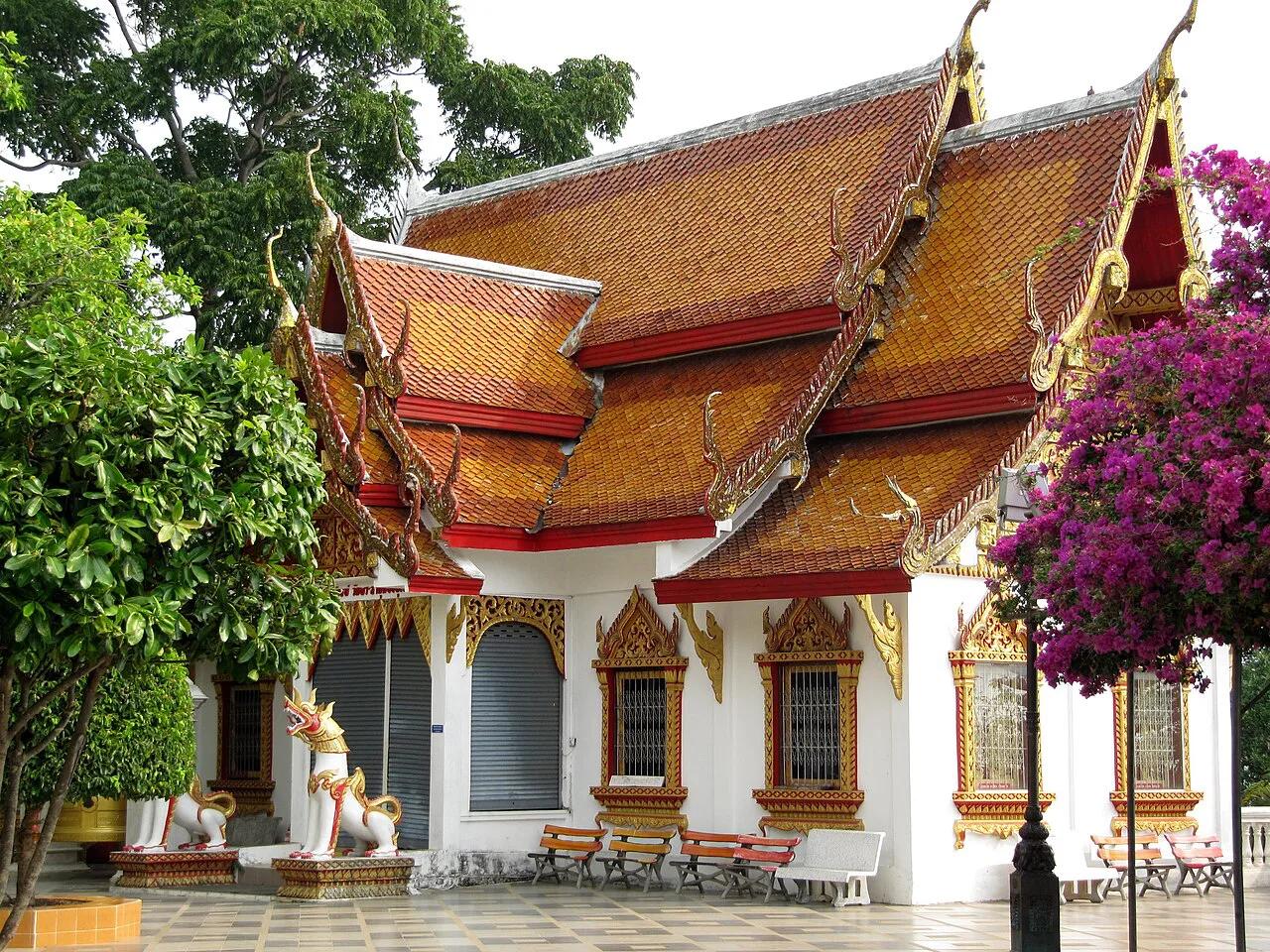
Most old-city monasteries cost nothing to walk into, though a donation is customary. Our free-day picks are Wat Phan Tao for its teak pillars, Wat Phra Singh and Wat Chiang Man. Wat Srisuphan, the silver temple south of the walls, is another free stop. Temples that charge usually ask under ฿40, but fees change, so carry coins. Wat Chedi Luang, Wat Bupparam, Wat Suan Dok and Doi Suthep are the ones most often listed with an entry charge. Cover shoulders and knees, and wear shoes that slip off easily. We'd cap a temple loop at two or three stops, because more blur together. Wat Umong, a cave temple a couple of kilometers out, makes a good fourth if you have wheels.
Monk chat, meditation and talks
Monk chat is a language-exchange program, not a free tour. Monks practice English while you ask about their lives. Wat Suan Dok runs sessions on weekday evenings, roughly 5 to 7 pm. Wat Srisuphan runs them in the evening, and meditation follows on some nights. Wat Chedi Luang runs sessions in the daytime, but you pay the temple entry fee to join. Schedules differ between sources, so confirm times on arrival. Wat Suan Dok also offers a one-day meditation retreat that is free with donations welcome. Its two-day retreat costs ฿800. Treat monks as hosts, not as a photo backdrop.
Wat Suan Dok runs sessions on weekday evenings, roughly 5 to 7 pm. Pair that with a weekend evening for Walking Street, since Saturday and Sunday are its market nights.
Free markets and street scenes
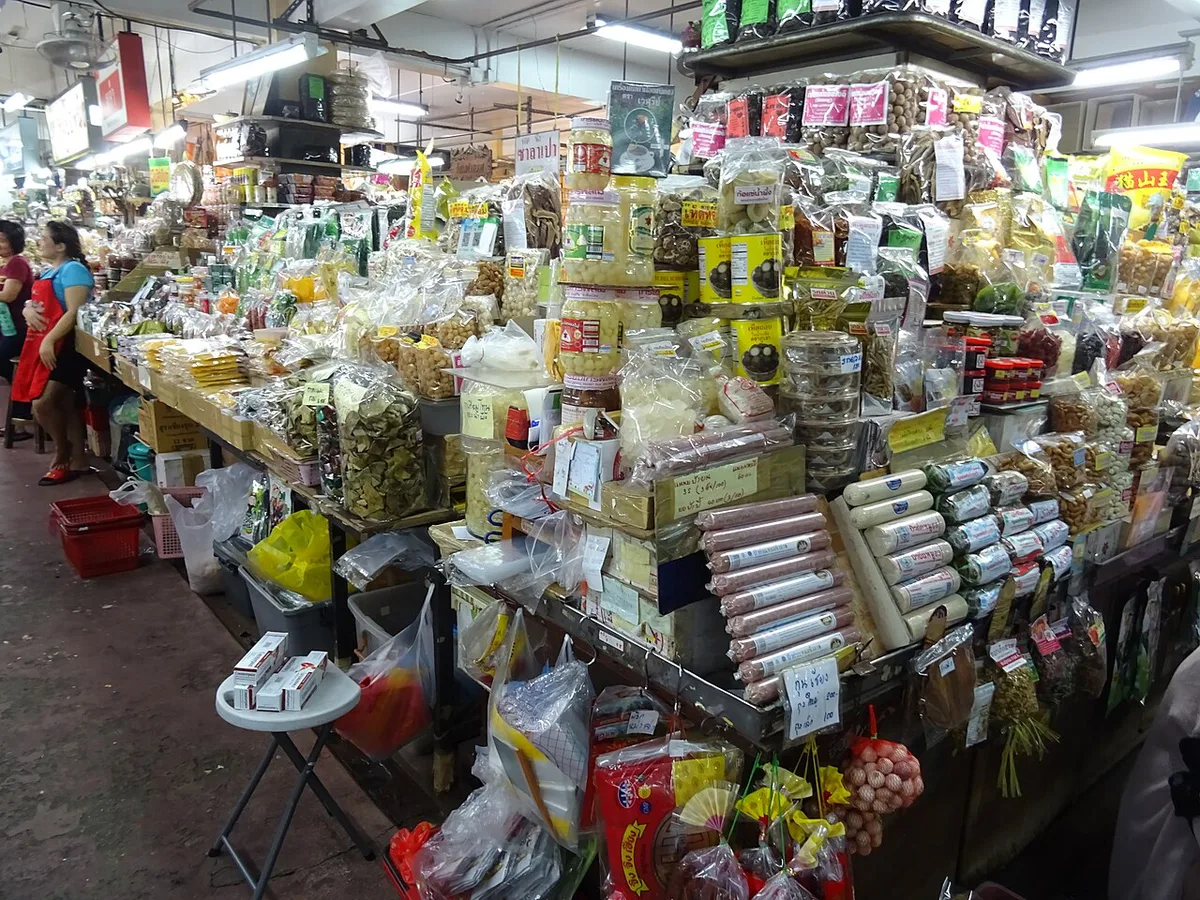
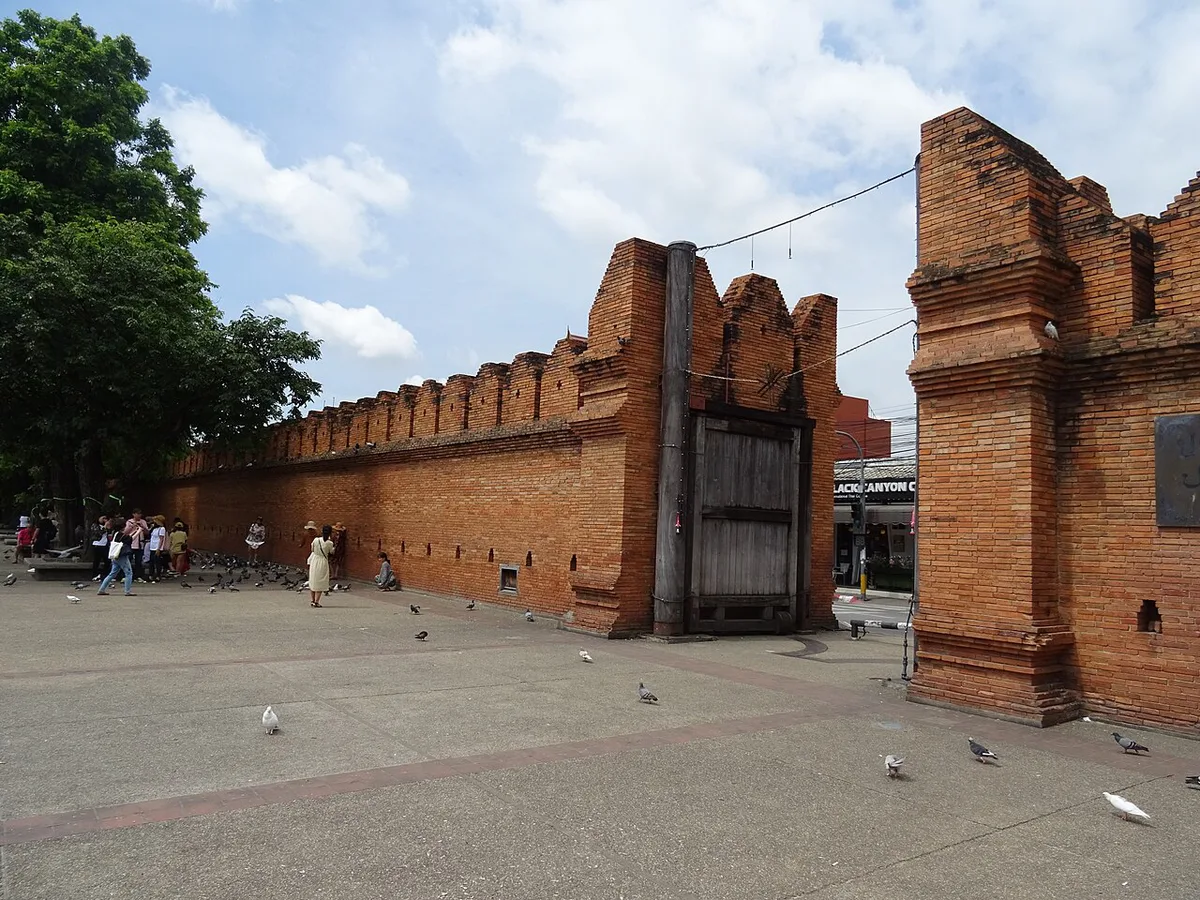
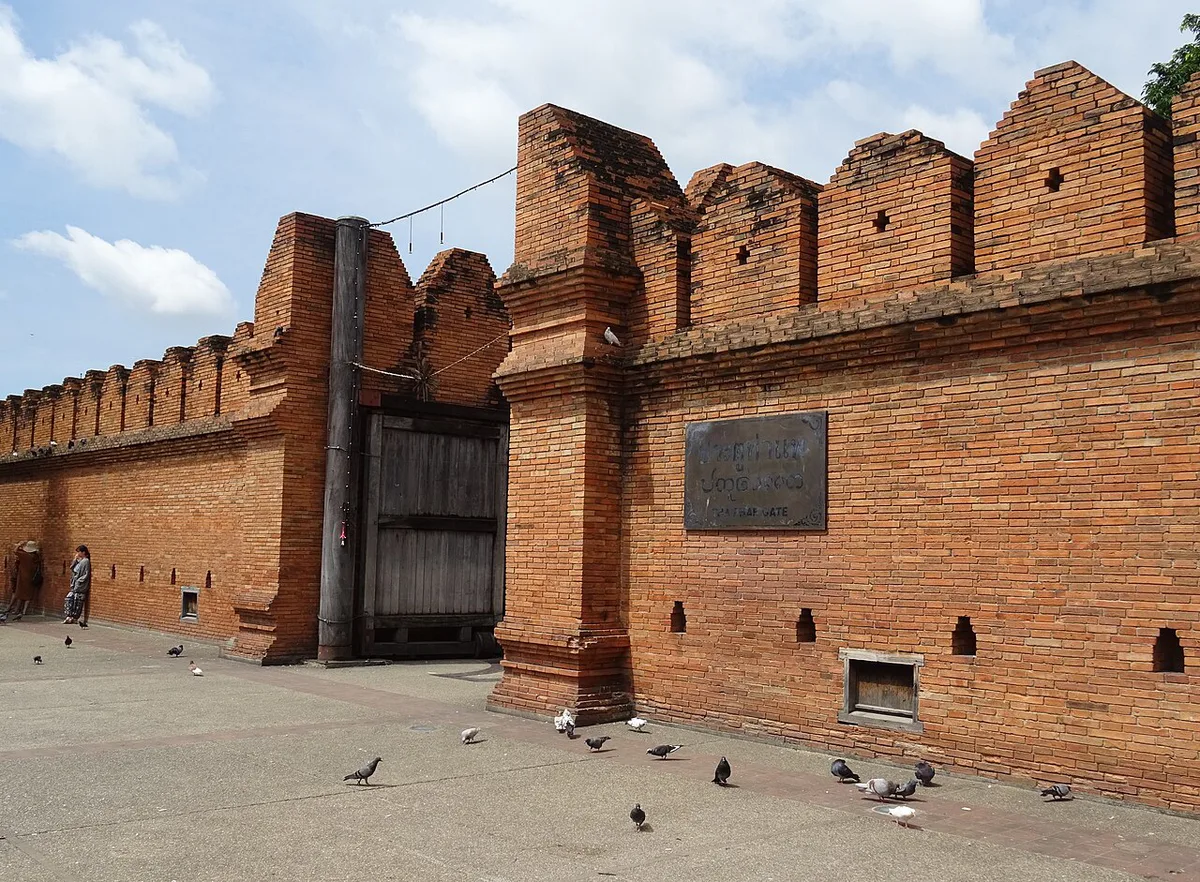
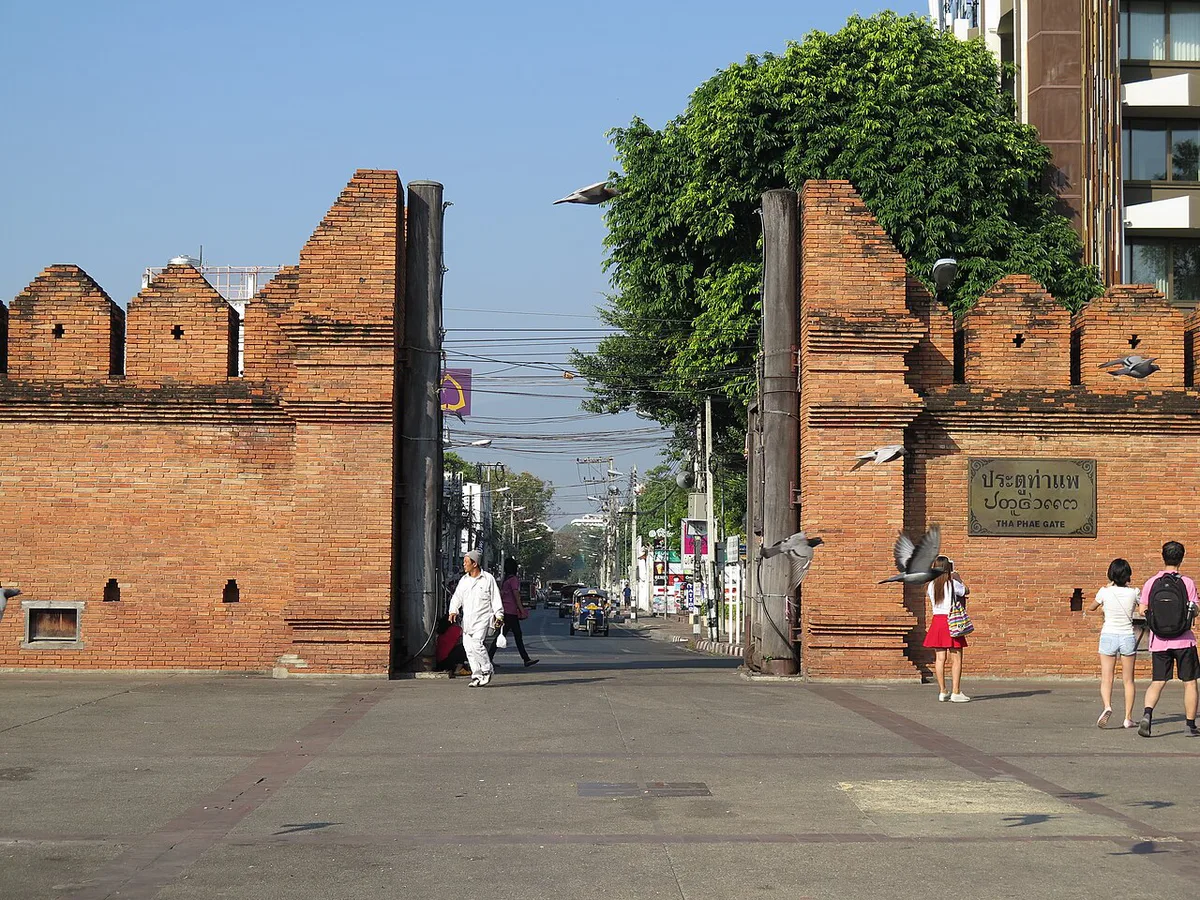
Walking Street is free to browse if you resist the food stalls. On Saturday it fills Thanon Wualai, running from Pratu Chiang Mai at the southern entrance to the old city. On Sunday it moves to Thanon Ratchadamnoen. We'd arrive before dusk to beat the crush. By day, Talat Warorot is where locals shop, and the Talat Ton Lam Yai flower market sits beside it. Both cost nothing to walk through. For after-dark ideas, see our Chiang Mai after-dark guide. Sunday evening is also free for wandering past Tha Phae Gate and the moat.
Parks, free views and the Monk's Trail
Buak Hard Public Park is the old city's green space. Locals play takraw there at sunset, and a nightly aerobics class costs ฿20. Angkaew Reservoir at Chiang Mai University has benches and shade on the far side. Families can pair these with our kid-friendly Chiang Mai ideas. For views, the Monk's Trail to Doi Suthep takes roughly 90 minutes one way. The path starts behind the Chiang Mai Zoo grounds and passes Wat Pha Lat. The hike is free, but the temple at the top charges a small fee. Wat Phra That Doi Kham has a free terrace over the city rooftops.
Free waterfalls and getting to them
Huay Kaew Waterfall sits at the base of Doi Suthep and is free to splash in. Sticky Waterfall (Bua Thong) also has free entry, but it is about a 90-minute drive from town. Rocks there grip your feet, so you can climb the tiers. You need a rental car, a Grab or a chartered van. Doi Inthanon is 70 km out and has no public transport, and national park fees apply there. We'd treat Sticky Waterfall as a half-day trade-off: free entry, but a real transport bill. Go early for fewer people. Check current park fees with the park office before you set out.
Free festivals, live music and cheap food
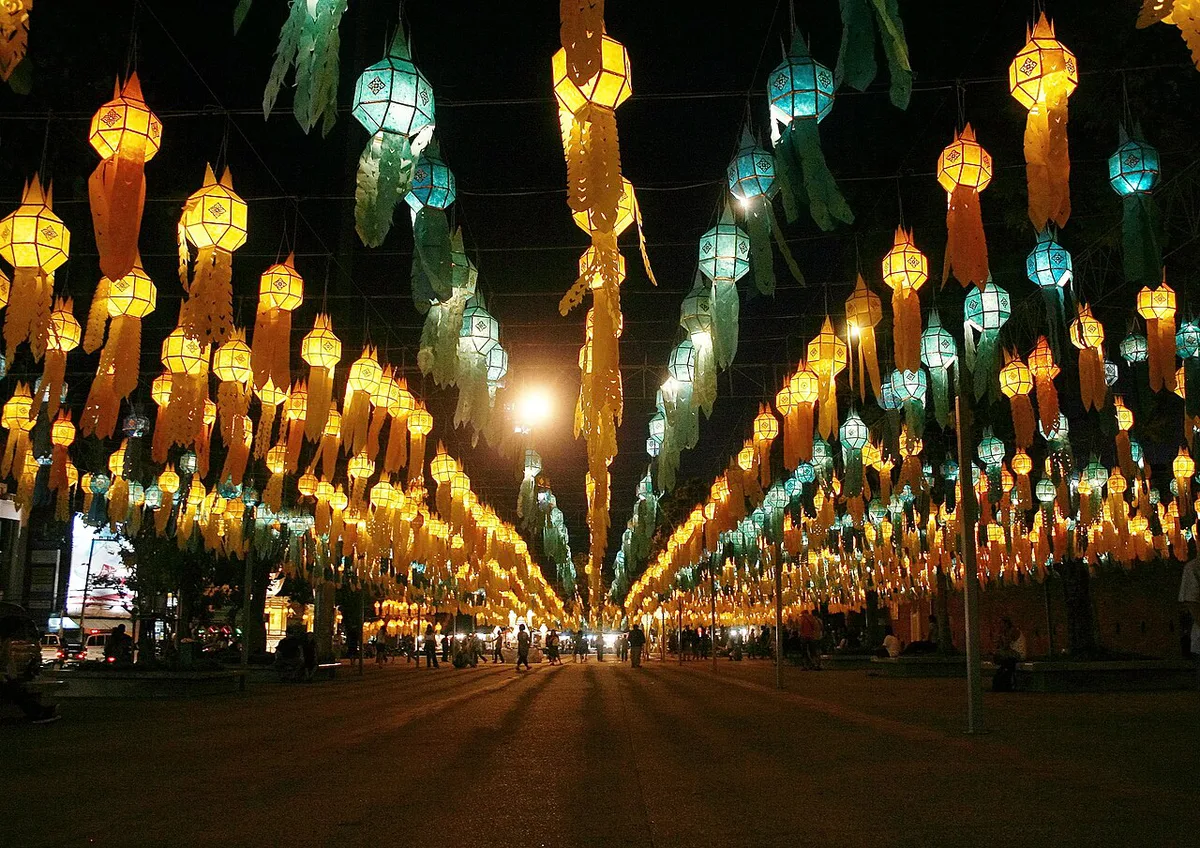
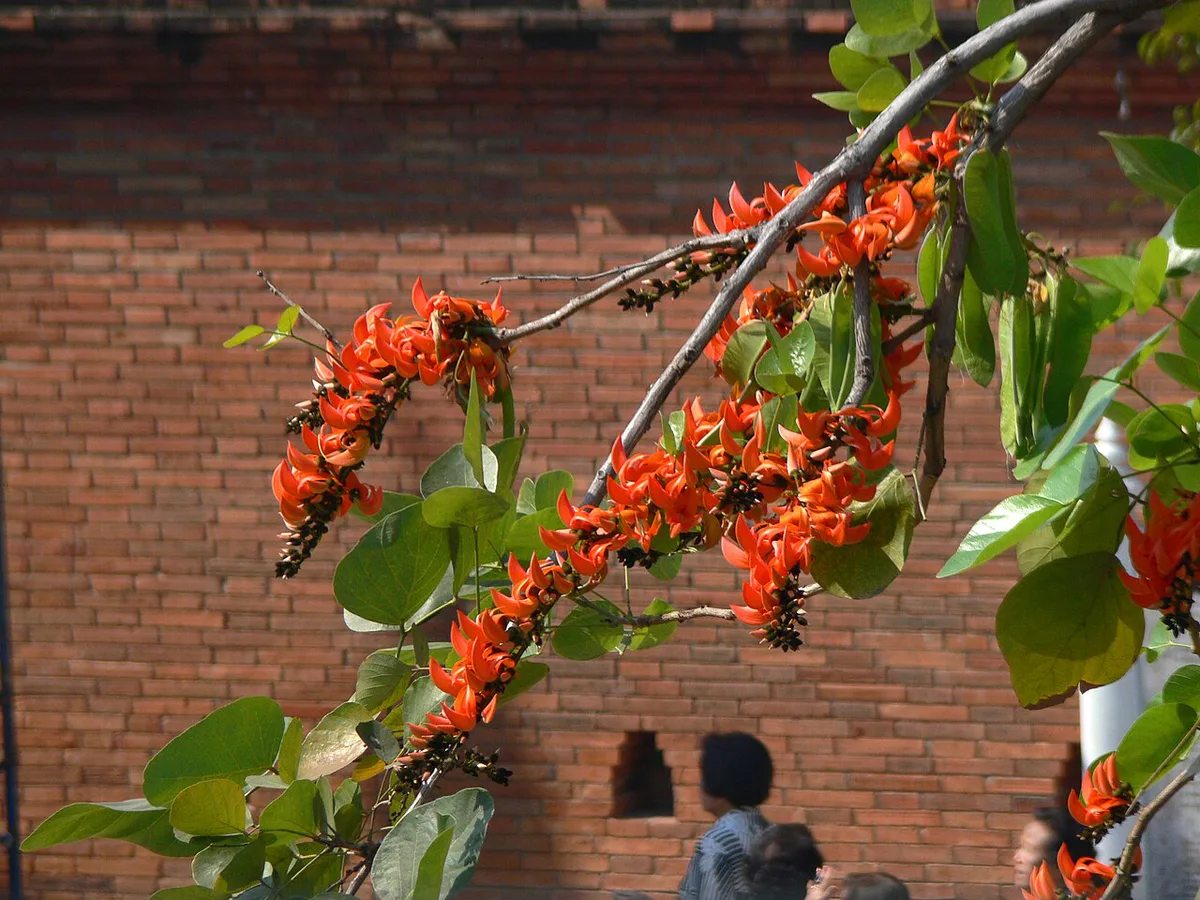
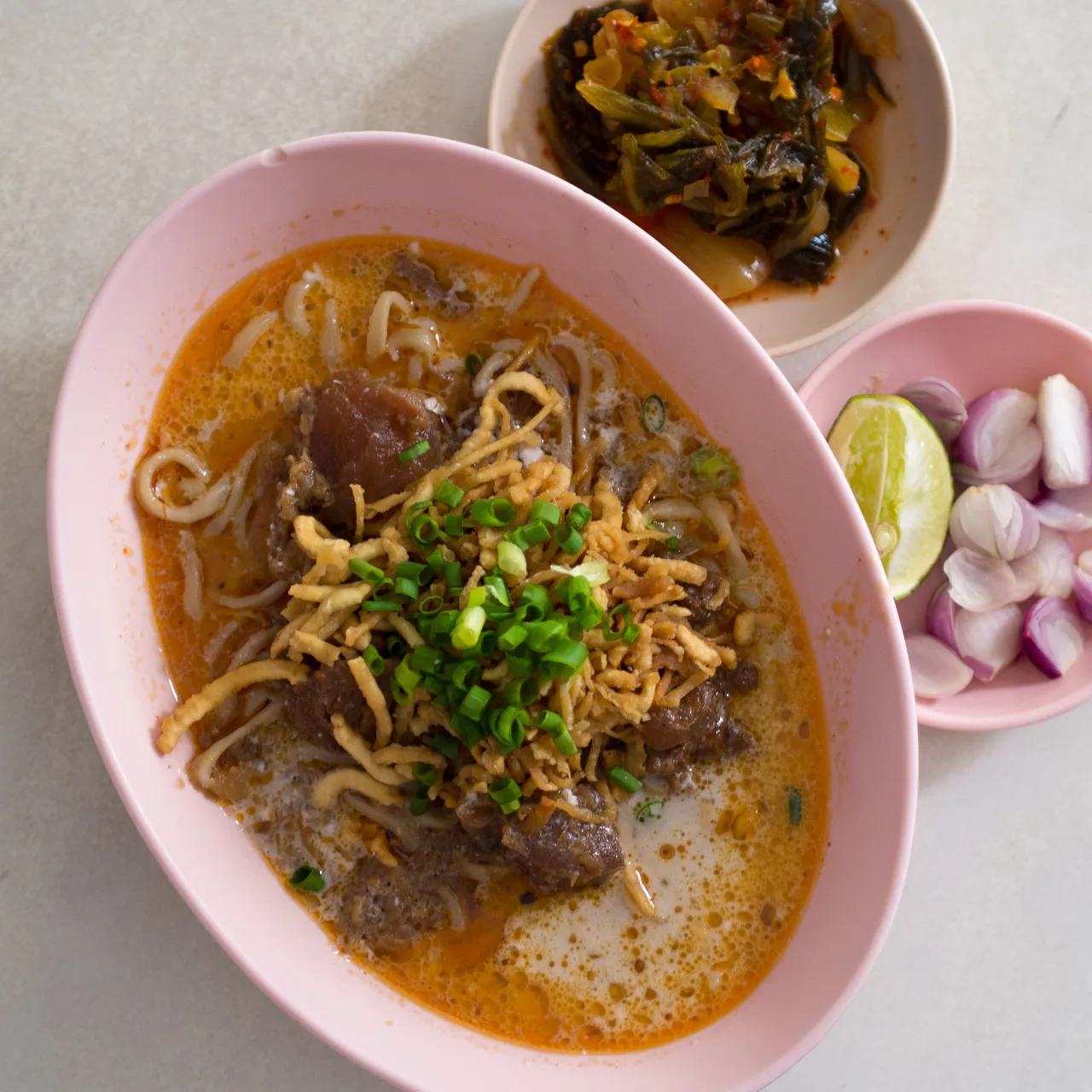
Songkran and Loi Krathong are free to watch or join. Room and transport prices rise at festival time, so book early. Chiang Mai Chaloem Phrakiat Park hosts a free flower festival from November to early January. Temples often hand out food during festivals, and a donation is polite. Live music is free only if you buy a drink. North Gate Jazz Co-Op starts around 8:30 pm and spills onto the sidewalk. For cheap eating, the volunteer-run Chiang Mai Vegetarian Society on Thanon Mahidol sells dishes from ฿5. Market stalls at Talat Pratu Chiang Mai and Talat Pratu Chang Pheuak often serve a meal for under ฿40.
Nearly free and not free: what to budget for
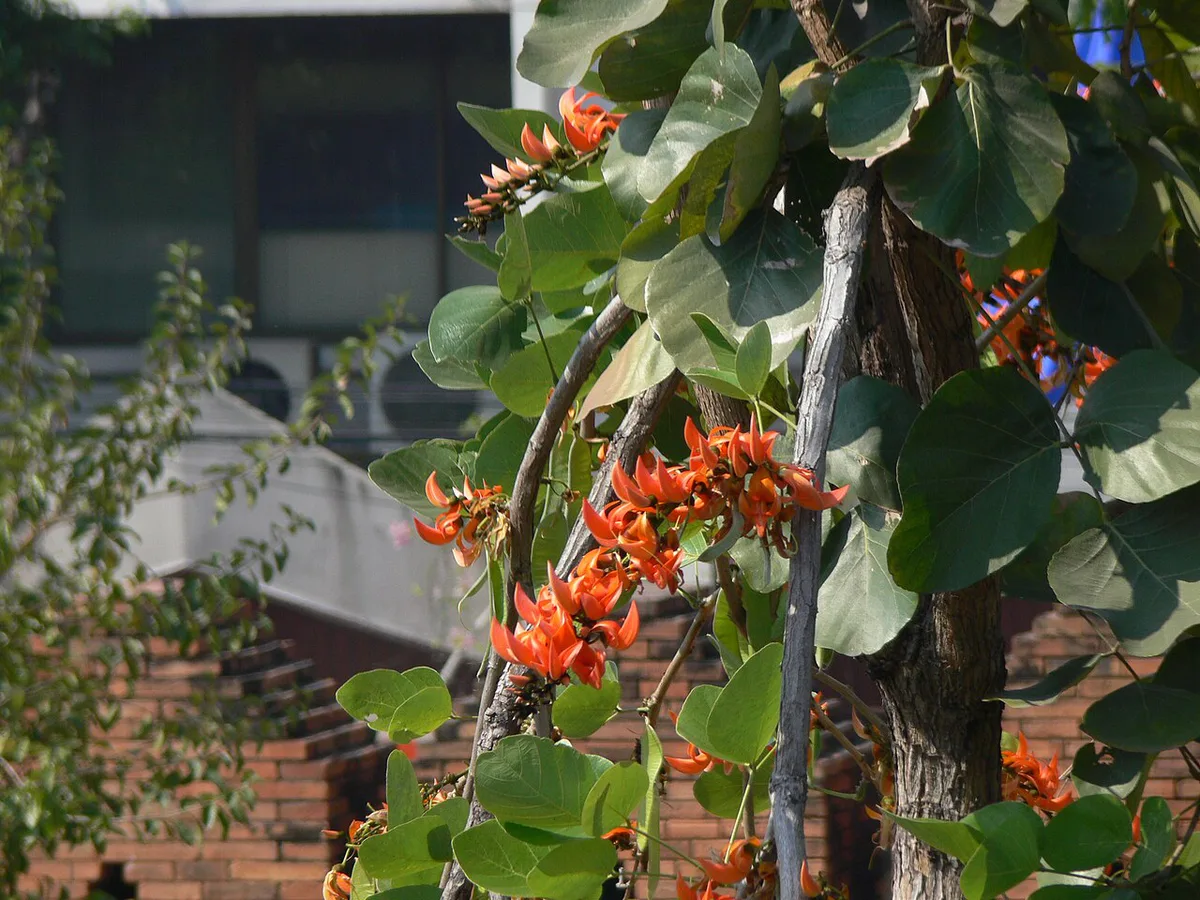
Museums are nearly free rather than free. The Chiang Mai Cultural Center and Lanna Folklife Center each charge about ฿90, and they close early on some days. See the Chiang Mai City Arts & Cultural Centre site for current details, and our Chiang Mai museums guide for more. Royal Park Rajapruek charges ฿200. Chiang Mai's Grand Canyon quarry charges ฿300 before any activities. FAM Fahlanna Art Museum lists ฿999, with a promotional ฿555 reported. A one-hour foot massage runs about ฿250. Elephant camps, cooking classes and zip-lines are paid days, and we'd keep them off a free itinerary.
Royal Park Rajapruek charges ฿200. That sits above the ฿5 to ฿90 band for nearly free, so budget it as a paid stop.
Plan a free day: day-of-week, weather and cash
Match your day to the schedule. Saturday and Sunday evenings suit Walking Street. Weekdays suit monk chats, with Wat Chedi Luang in the daytime and Wat Suan Dok in the evening. February to April is smoky season, and October to January has the best weather. On hot or wet days, swap hikes for museums at ฿90 each or the shade of Wat Phra Singh. Our rainy-day Chiang Mai options list indoor choices. For quiet extras, try outlying temples and Wiang Kum Kam ruins, where you can wander the brick stupas free. Carry small notes for temple fees, donations and songthaews.
- Mistake to avoid: bare shoulders or knees at a temple.
- Mistake to avoid: assuming festival crowds mean cheap rooms.
- Mistake to avoid: planning Doi Inthanon without a vehicle.
- Mistake to avoid: sitting down at a live-music bar without budgeting for a drink.
Frequently Asked Questions
What are some non-touristy things to do in Chiang Mai?
Try the ruins of Wiang Kum Kam south of the city, where brick stupas stand between houses. Wat Umong's brick passageways and Angkaew Reservoir are also quiet. All three are free to enter or wander.
What to be careful of in Chiang Mai?
Watch for dress codes at temples and hidden costs behind free labels. Live music needs a drink, and festival weeks raise room prices. Remember that remote waterfalls need transport you pay for.
Useful notes for your Thailand trip
Optional updates to our guides.
You might also like
Continue reading
More guides you'll find useful